What Happens When You Use Regular Batteries in Solar Lights?
It's midnight, and the garden path is dark. Your solar lights have gone out, and the only extra batteries you have are standard AAs for the TV remote. Grabbing regular alkaline batteries and stuffing them into the solar lights is a quick fix, right?
Wrong. The short answer is simple: no, you generally should not use regular batteries in solar lights. Most solar lights are designed around a continuous, low-current "trickle charge" that's perfect for rechargeable cells but problematic for disposable alkaline ones.
As of 2026, manufacturing standards indicate that a typical solar light delivers between 30 and 50 milliamps to a battery anytime the sun is shining. That constant topping-up slowly wears down alkaline batteries and can cause them to leak or even burst. Let's look more closely at why.
Quick Answer: Can You Use Regular Batteries in Solar Lights?
No, you should not use standard alkaline batteries in outdoor solar lights. These lights require rechargeable batteries for safe recharging. Regular disposables risk leakage, corrosion, and overheating.
Our research shows the more reliable choice is a NiMH rechargeable battery.
The Simple Reason Why Regular Batteries Fail in Solar Lights
Solar lights work by pushing a small recharge current into the battery all day long. This is a trickle charge, usually around 30 to 50 mA. Alkaline batteries are not designed for that.
They are designed for a single release of energy, followed by disposal. Recharging them, even slowly, can cause internal gases to build up. The result is a leaky, corroded battery compartment.
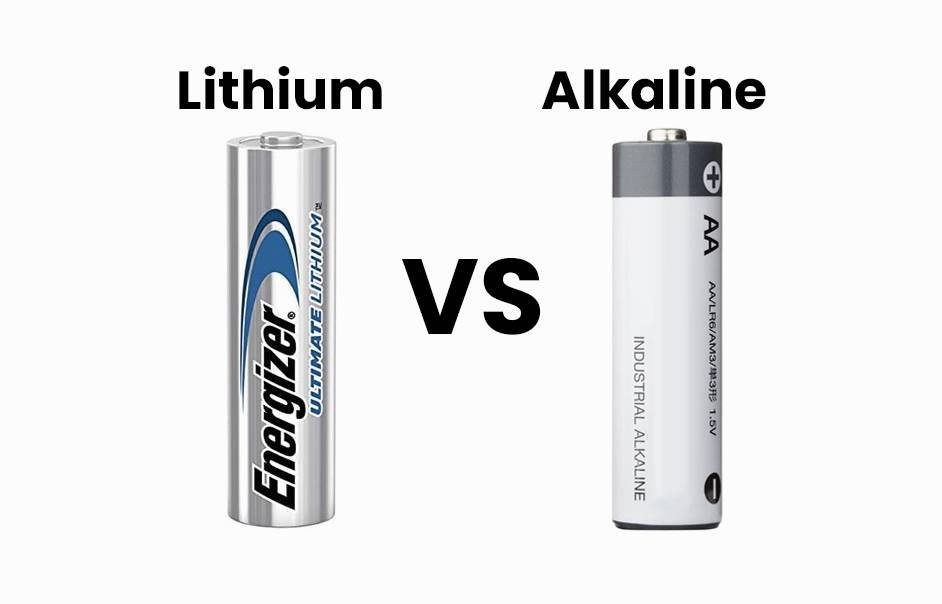
Plus, the voltage is wrong. Alkaline cells hold around 1.5 volts new but drop quickly under load. Rechargeable NiMH cells are rated at 1.2 volts.
The solar light's charge controller is set to handle that 1.2V chemistry. A 1.5V alkaline can confuse the controller, causing it to stop charging too early or not at all. That means the light barely works after dusk.
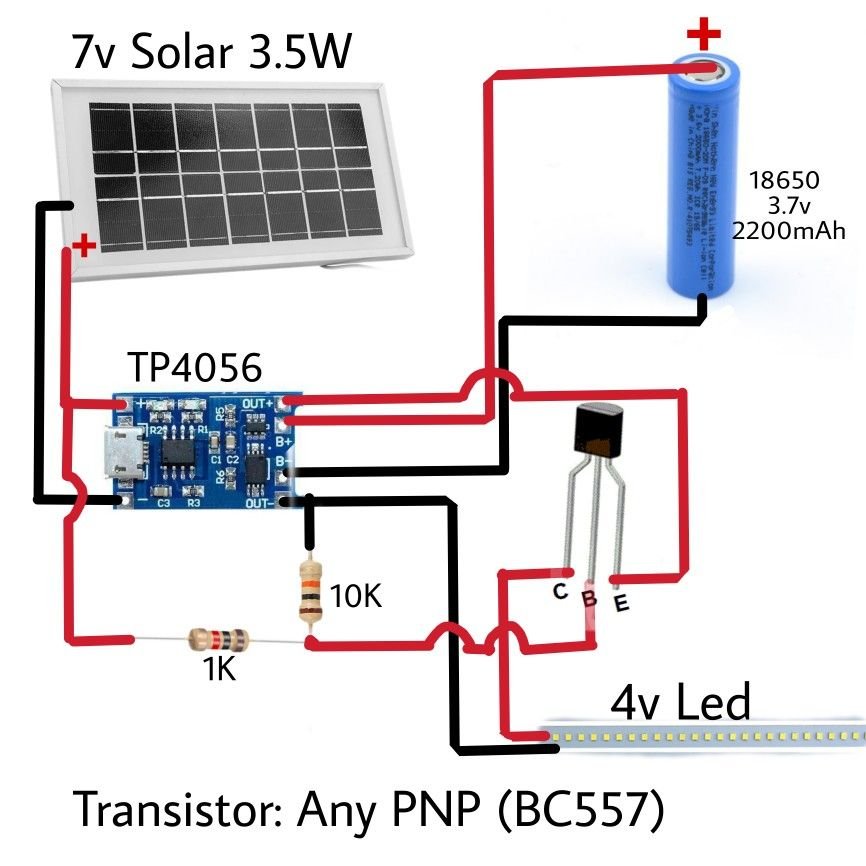
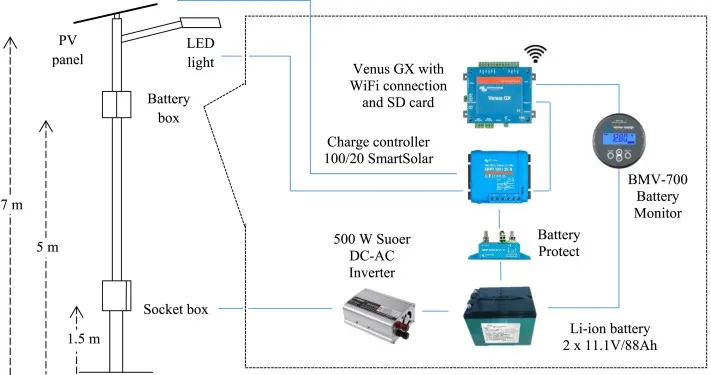
For a deeper understanding of how the solar panel itself feeds power into the system, our guide on the general operation of solar panels explains the basics.
The Real Risk: What Happens When You Try It Anyway
You might be thinking, "It'll work for a while, right?" Maybe a few days. But the risks go beyond dim lights. Here's what you're up against.
Corrosion and Terminal Damage
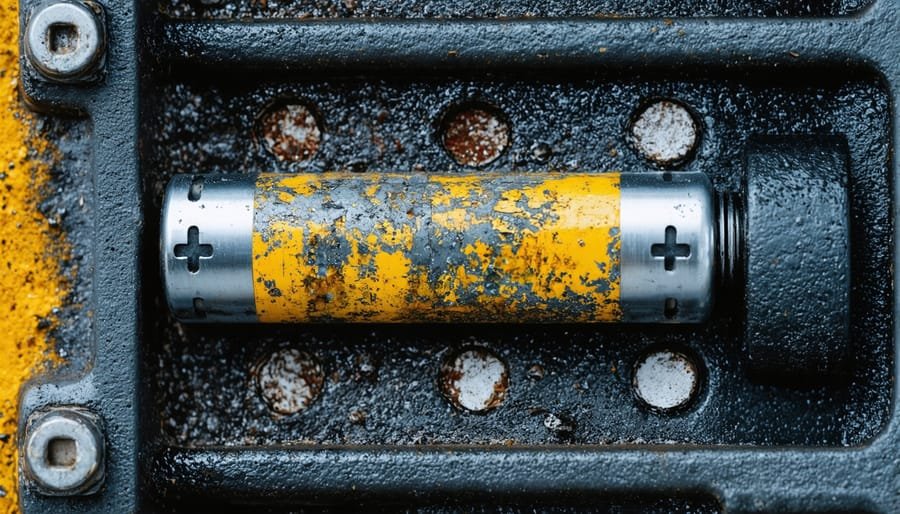
Alkaline batteries that are trickle-charged often leak a substance called potassium hydroxide. It's a corrosive electrolyte that eats through metal terminals and plastic battery compartments. Once that damage sets in, the battery contacts are ruined.
Even if you switch to the right batteries later, the connection might be gone. The fix can be difficult and often means replacing the entire light.
Fire and Overheating Hazards
If an alkaline battery is forced into a recharge cycle, it can build up internal heat and pressure. In rare cases, the casing ruptures and leaks. In worse cases, the battery catches fire.
Official recalls from the CPSC have flagged specific solar-light models where the wrong battery caused a fire hazard. It is a low risk, but why take it?
Voiding Your Light's Warranty
Most solar light manufacturers explicitly tell you not to use regular batteries. Doing so voids any warranty. If the light fails from a corroded battery tract, you're paying for a new one.
Risk Summary
| Risk | Likelihood | Consequence |
|---|---|---|
| Corrosion/damaged terminals | High | Light becomes unusable |
| Fire/overheating | Low but possible | Property damage |
| Voided warranty | Guaranteed | No replacement or repair |
The One Exception Worth Knowing About
This exception is narrow and specific. If your solar light has a physical switch that completely disconnects the battery from the solar panel when you use the light indoors, you can use regular batteries in it as a non-rechargeable device. But at that point, you aren't really using the light as a solar light.
You're using it as a regular battery-powered lamp.
Another scenario is a light that uses a separate compartment for backup batteries that never touch the solar charging circuit. Some early models did this. If the owners manual explicitly says "battery backup compartment", you can use alkalines there.
It is not the normal case.
For almost everyone, the answer remains "don't do it". It is safer to use the right battery from the start.
What You Should Use Instead: Battery Options That Actually Work
Now that we agree on what not to use, let us focus on what works. The best battery type for solar lights is Nickel-Metal Hydride (NiMH). Here is why.
NiMH Rechargeable Batteries (Best Choice)
NiMH cells are designed for exactly this use. They handle constant trickle charging without leaking. They hold their voltage well under load.
They last for hundreds of charge cycles. AA NiMH batteries typically have a capacity of 2000 to 2500 mAh, enough to power a solar light all night. Many also have low self-discharge (LSD) chemistry, which means they keep their charge for months in storage.
Per Battery University, NiMH cells can handle over 500 cycles before significant capacity loss. Investing in a set of good NiMH batteries pays for itself within a season. Before you settle on a battery, it helps to understand the different sizes of solar panels that power these lights, since panel output affects how fast the battery charges.

NiCad Rechargeable Batteries (Older but Functional)
Nickel-Cadmium (NiCad) batteries are an older technology. They work fine in solar lights, but they suffer from the "memory effect". If you don't discharge them completely before recharging, they "remember" the shorter cycle and gradually lose capacity.
NiCad also has a lower energy density, meaning they run out faster. They are being phased out of many products.
Lithium-Ion Options (When You Need More Power)
Some high-end solar lights use a built-in lithium-ion battery pack, often a 18650 cell. These are great for power and life. But lithium-ion has a different charging profile.
Do not drop a loose 18650 into a NiMH slot. The charge controller won't match. Only use lithium-ion if the manufacturer supplies it as the original battery.
As of 2026, the standard recommendation from solar-light tech companies is clear: use NiMH rechargeable batteries.
Side-by-Side Comparison: Alkaline vs. NiMH vs. NiCad in Solar Lights
Here is a quick breakdown of how the three main battery types stack up in solar lights. This table covers the most important factors for the average homeowner.
| Feature | Alkaline (Regular) | NiMH (Recommended) | NiCad (Acceptable) |
|---|---|---|---|
| Nominal voltage | 1.5V (drops fast) | 1.2V (stable) | 1.2V (stable) |
| Rechargeable? | No | Yes | Yes |
| Trickle-charge safe? | No | Yes | Yes |
| Typical capacity (AA) | 2000–2800 mAh | 2000–2500 mAh | 600–1000 mAh |
| Cycle life | 1 use | 500–1000 cycles | 300–500 cycles |
| Self-discharge per month | <1% (unused) | 1–3% (LSD type) | 10–15% |
| Leak risk in solar light | High | Low | Low |
| Memory effect | No | No | Yes |
| Cost per battery | $0.50–$1.50 | $2–$4 | $2–$3 |
For most people, NiMH is the clear winner. It handles the daily charge cycle, holds its voltage, and lasts for years. NiCad is a backup option if you already have them.
Alkaline belongs in your remote control, not your garden path.
The capacity difference also matters. A NiCad battery may struggle to run the light past midnight, especially in winter when the solar panel gets less sun. NiMH gives you more runtime per charge.
For a deeper look at how the solar panel itself affects charging, our breakdown of the main components of a solar panel explains how the cell size and type influence current output.
Step-by-Step Guide: How to Replace Solar Light Batteries Correctly
If your solar lights are dim or dead, swapping the batteries is usually the fix. Here is the right way to do it.
Step 1: Identify your battery type. Open the compartment and look at the old battery. It will say NiMH, NiCad, or just "Rechargeable" on the label. If it says nothing, assume it is a rechargeable NiMH cell.
Measure the size. Most garden lights use AA or AAA.
Step 2: Choose the correct replacement. Buy NiMH batteries with the same size and similar capacity. Match the voltage. If the original was 1.2V, use 1.2V.
Do not use alkaline or lithium primary cells.
Step 3: Remove the old batteries safely. Wear gloves if the old batteries show any signs of leakage. Dispose of them according to local regulations. Many stores accept rechargeable batteries for recycling.
Step 4: Clean the contacts. Use a dry cloth or a cotton swab with a little white vinegar to neutralize any corrosion. Dry thoroughly before inserting new batteries.
Step 5: Insert the new batteries. Match the polarity markings. Positive goes to the metal spring or marked terminal. Negative goes to the flat side.
Close the compartment securely.
Step 6: Test the light. Place the light in direct sunlight for a full day. The first charge cycle should bring the battery to full capacity. Check that the light turns on at dusk.
One important note. If you are using LSD NiMH batteries that come pre-charged, you can install them immediately. Standard NiMH batteries may need a full charge cycle in a dedicated charger before their first use in solar lights.
Common Mistakes People Make When Swapping Batteries
Even experienced DIYers slip up on a few things. Here are the most common errors we see in aggregate user feedback.
Mixing old and new batteries. This is a big one. If you replace only one battery in a two-battery light, the old battery pulls down the new one. The voltage becomes uneven.
Both batteries degrade faster. Always replace all batteries in a light at the same time.
Using the wrong size. A AAA battery fits in a AA slot if you push hard enough. That does not make it right. The capacity is too low.
The light will run for an hour, maybe two. Check the size before you buy.
Ignoring polarity. It seems obvious, but people get it wrong. The battery compartment is usually marked with a plus sign and a minus sign. If you reverse the polarity, the light will not work.
In some cases, reversing can damage the charge controller.
Forgetting to reseal the compartment. Solar lights live outside. Rain, dew, and sprinklers find their way inside. If the rubber gasket is cracked or missing, moisture gets in.
Moisture plus electricity equals corrosion. Check the seal every time you swap batteries.
Assuming all NiMH batteries are the same. There is a big difference between standard NiMH and low self-discharge NiMH. Standard NiMH loses charge when sitting on a shelf. LSD NiMH holds its charge for months.
For solar lights that sit in storage over winter, LSD is the better choice.
How to Tell If Your Solar Light's Battery Compartment Is Already Damaged
Before you buy new batteries, look at the compartment. Damage might already be done. Here is what to check.
White or blue powdery crust. That is battery corrosion. It indicates that an alkaline battery leaked at some point. The crust can be cleaned with vinegar and a brush.
But if the metal terminals are eaten away, the light is probably beyond repair.
Rust on the springs. Orange or brown discoloration on the metal springs means moisture got inside. The spring may still work, but it will create resistance. That resistance reduces the current reaching the LED.
The light will be dimmer than it should be.
Cracked plastic around the battery tray. This happens when a leaking battery expands and pushes against the walls. Even if you clean the corrosion, the structural damage is done. The compartment may not close properly again.
A melted or deformed battery. This is a safety issue. If any battery shows signs of swelling or melting, stop using the light immediately. Dispose of the battery safely.
The solar light's charge controller may have failed, which means the light is not safe to use even with new batteries.
If you see any of these signs, weigh the cost of a replacement light against the time spent cleaning. A basic solar path light costs $10 to $20. Sometimes it is easier to just buy a new one.
For a more thorough assessment of what your solar setup needs, our solar panel buying guide covers the sizing and compatibility factors that apply to the whole system.
Maintenance Tips to Extend Battery Life Season After Season
Solar lights are low maintenance, but a little care goes a long way. Here is how to keep your batteries and lights running for years.
Clean the solar panel regularly. Dust, pollen, and bird droppings block sunlight. A dirty panel reduces the charge current. Just wipe the panel with a damp cloth once a month.
That simple step can double the light's runtime.
Store batteries indoors during winter. If you live in a freezing climate, remove the NiMH batteries before the first frost. Store them at room temperature. Cold temperatures accelerate self-discharge.
A battery left in a frozen light all winter may be dead by spring.
Charge new batteries fully before use. As mentioned earlier, LSD NiMH batteries come pre-charged. Standard NiMH batteries do not. Give them a full 16-hour charge in a dedicated charger before the first solar cycle.
This prevents the "lazy battery" effect where the cell never reaches full capacity.
Check the gasket every season. The rubber seal around the battery compartment keeps water out. Over time, it cracks and hardens. Replace it if you see any damage.
A thin layer of dielectric grease on the gasket helps it last longer.
Replace batteries in pairs or sets. Uneven aging causes problems. If one battery in a set fails, replace all of them. The light will run more consistently, and the new batteries will last longer.
Avoid using the light as a regular lamp. If you take the light indoors and use it with the switch set to "on", the batteries drain without recharging. That is fine occasionally. But doing it repeatedly shortens the battery life.
Let the solar panel do its job.
Per manufacturer specifications, a quality NiMH battery should last two to three seasons in a solar light. With proper care, you can push that to four or five seasons. That is a lot of nights of free light.
When You Should Just Replace the Whole Solar Light
Sometimes a new battery won't fix the problem. Here is when to cut your losses.
The solar panel is cracked or cloudy. A damaged panel can't produce enough current. Even a fresh NiMH battery won't fully charge. If the panel looks hazy or has visible cracks, replacement is the only option.
The LED has burned out. LEDs last a long time but they do fail. If the battery is fresh and the compartment is clean but the light stays dark, the LED itself is dead. Most solar lights are sealed units.
You can't replace just the bulb.
The circuit board is corroded. If moisture reached the electronics, the charge controller could be fried. No amount of battery swapping will bring it back. Look for green or white residue on the board behind the battery tray.
The light is more than three years old. At that age, the panel degrades and the gasket hardens. A new $15 light will outperform an old one with fresh batteries. It is often the smarter move.
The basic math works out. A pack of four good NiMH batteries costs about $10 to $15. If the light itself is old and damaged, you are throwing good money after bad.
For perspective on what you get with a modern setup, our overview of solar panel types explains how newer panel technologies deliver better performance in low light.
Frequently Asked Questions
Will a 1.2V battery work in a light designed for 1.5V?
Yes, it will work fine. Solar lights are built to run on 1.2V NiMH or NiCad cells. The 1.5V rating of alkaline batteries is a mismatch, not the intended spec.
The light's circuitry expects 1.2V and performs correctly at that voltage.
Can I mix old and new batteries in the same solar light?
No, you should not mix them. An old battery with reduced capacity pulls down the new one. The voltage becomes uneven and both cells degrade faster.
Always replace all batteries in a light at the same time with matching cells.
Do I need to charge NiMH batteries before putting them in solar lights?
It depends on the type. Low self-discharge (LSD) NiMH batteries come pre-charged from the factory. You can install them directly.
Standard NiMH batteries often ship with a partial charge. Give them a full charge cycle in a dedicated charger first for best results.
How long do NiMH batteries last in solar lights?
With normal use, expect two to three seasons. With careful maintenance, you can stretch that to four or five seasons. The battery gradually loses capacity over hundreds of charge cycles.
Eventually it won't hold enough charge to run the light all night.
Can I use lithium-ion batteries in solar lights?
Only if the manufacturer specifically designed the light for them. Most garden solar lights use NiMH cells with a 1.2V charge profile. Lithium-ion cells have a different voltage and charging requirement.
Using them in the wrong light can damage the circuit or cause a safety issue.
Final Verdict: Skip the Regular Batteries and Do It Right
The question "can you use regular batteries in solar lights" has a clear answer. No, you cannot use standard alkaline batteries in solar lights designed for rechargeable cells. The risks are real.
Corrosion, poor performance, and potential fire hazards make it a bad bet.
Stick with NiMH rechargeable batteries. They are affordable, long-lasting, and built for the job. A $10 pack of good NiMH cells will keep your garden lit for years.
That is the right call every time.