How Many Solar Panels Does Your Home Really Need?
Renewable Energy Systems Specialist & Lead Solar Hardware Tester
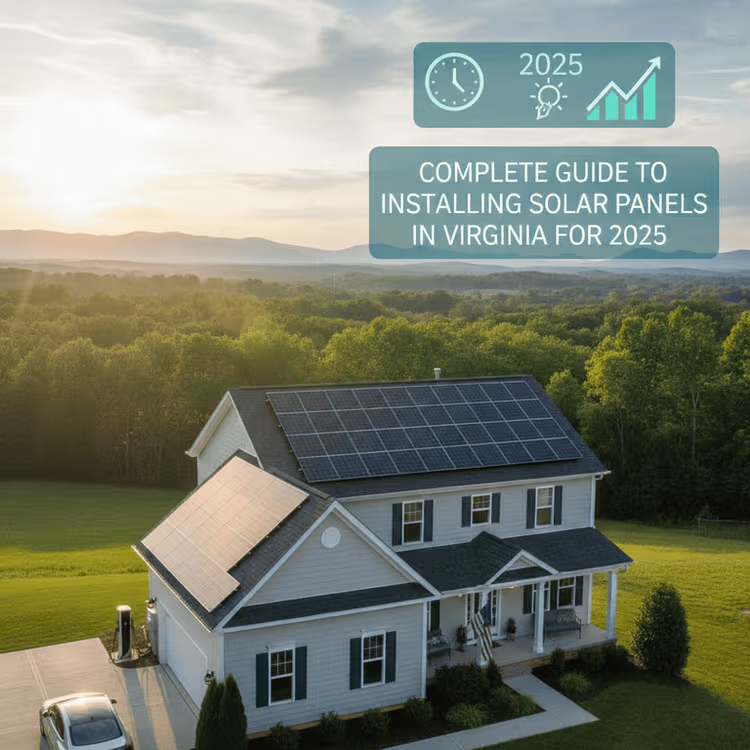
If you're trying to figure out how many solar panels for a house, you've probably run into a frustrating problem. The number you see online might not apply to your home. That's because the answer depends on your specific energy use, your roof, and where you live.
The simple truth is that one size doesn't fit all.
In fact, the average U.S. home uses about 10,632 kilowatt-hours per year, according to the U.S. Energy Information Administration. But that's just a starting point.
Your actual number could be higher or lower. Let's walk through the math so you can get the right answer for your situation.
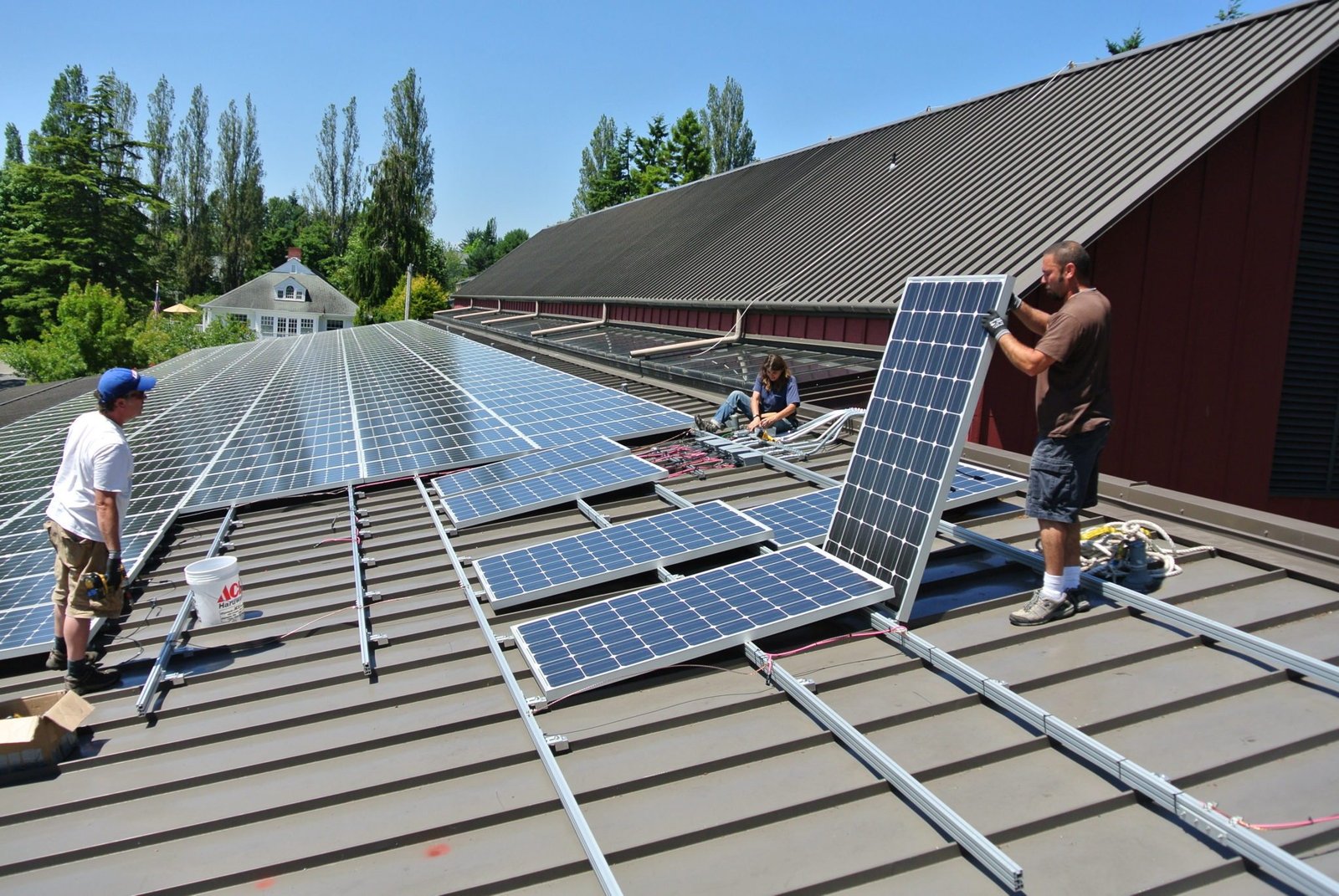
Image source: Bing (Web (fair-use with source credit))
Quick Answer
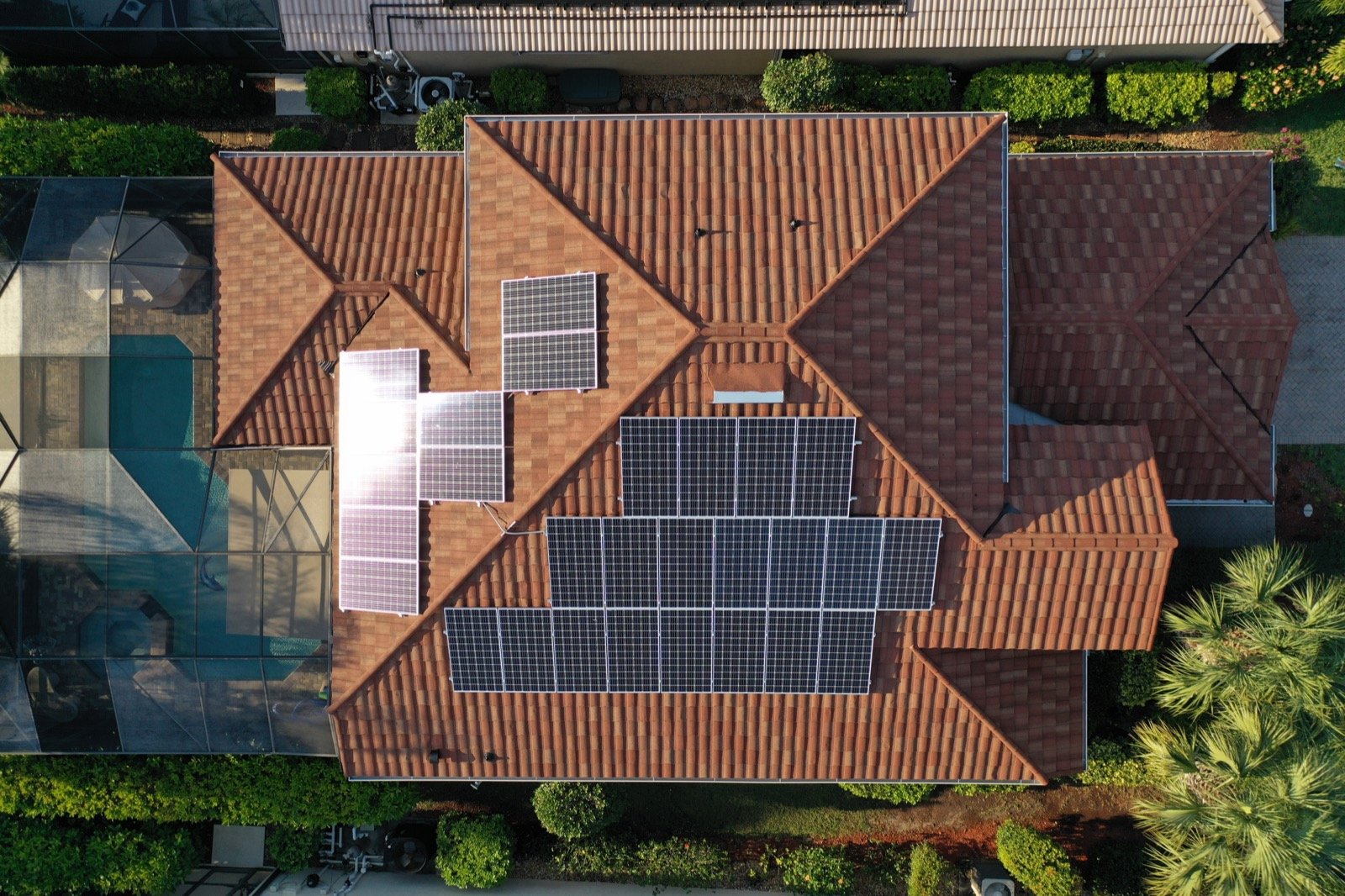
The typical home needs 17 to 25 solar panels. This assumes 400-watt panels and good sun exposure. Your exact number depends on your annual electricity usage.
You also need to factor in your location's peak sun hours. And the panels you choose will affect the final count.
Why Getting the Number Wrong Costs You Real Money
Under-sizing your system is the most common mistake. You still pay a big electric bill each month. That defeats the whole purpose of going solar.
Over-sizing is just as bad. You spend thousands more than you need to. Many utilities also cap the size of system they'll allow.
If you overshoot that cap, you lose the ability to sell excess power back to the grid. That's a huge financial hit.
Here's the hard truth: a solar installer might recommend more panels than you need. More panels mean a bigger install price. That's good for their business, not necessarily for yours.
That's why doing your own math matters. Take control of the numbers before you get a quote.
The difference between a properly sized system and a guess can be thousands of dollars. A 20% mistake in panel count can mean a 20% longer payback period. That's years of lost savings.
As of 2026, with electricity rates still climbing, getting it right matters more than ever.
The Simple Math That Actually Works (No Guesswork)
The formula is straightforward. You just need three numbers. Here's the equation:
Number of panels = (Annual kWh usage ÷ Peak sun hours per year) ÷ Panel wattage (in kW)
Let's break that down with a real example. Say your home uses 10,632 kWh per year. You live in a location with 1,500 peak sun hours annually.
You're considering 400-watt panels (0.40 kW).
First, divide your annual usage by peak sun hours: 10,632 ÷ 1,500 = 7.09 kW. That's the system size you need. Then divide by the panel wattage: 7.09 ÷ 0.40 = 17.7 panels.
Round up to 18 panels.
That's it. The math gives you a solid starting point. You can adjust for your specific numbers.
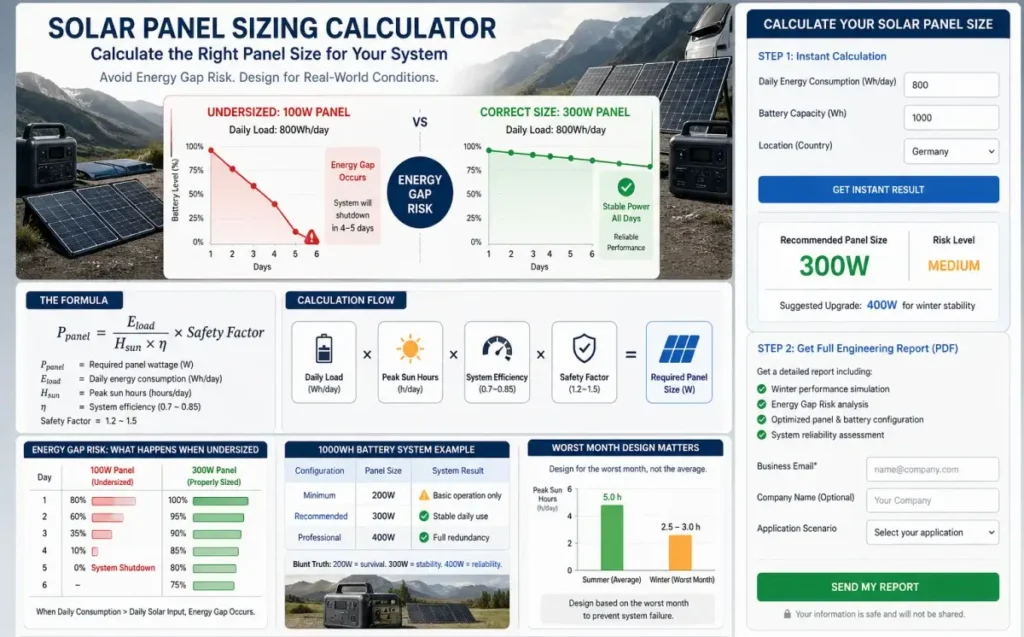
Image source: Bing (Web (fair-use with source credit))
Here's a quick reference table for different usage levels:
| Annual Usage (kWh) | Peak Sun Hours (annual) | Panel Wattage | Panels Needed |
|---|---|---|---|
| 8,000 | 1,500 | 400W | 14 |
| 10,632 | 1,500 | 400W | 18 |
| 12,000 | 1,500 | 400W | 20 |
| 14,000 | 1,500 | 400W | 24 |
| 8,000 | 1,800 | 370W | 12 |
| 12,000 | 1,200 | 370W | 27 |
The formula works whether you're using high-efficiency panels or standard ones. The key is using the right wattage for the panels you're actually considering. You can get a reliable estimate of peak sun hours for your area from the National Renewable Energy Laboratory's solar resource data.
The 4 Numbers You Need Before You Can Even Start
You can't calculate panel count without these four pieces of data. Each one is critical.
Your Annual Electricity Usage (in kWh)
This is the most important number. Don't guess. Don't use an average.
Pull your actual utility bills from the past 12 months. Add up the total kilowatt-hours used. That's your real number.
If you have a smart meter, you can often download this data online. If not, call your utility company. They have it.
This number is the foundation of everything else.
Your Location's Peak Sun Hours
Peak sun hours measure how much direct sunlight your panels will actually receive. It's not the same as total daylight hours. A peak sun hour is when the sun is strong enough to deliver 1,000 watts per square meter.
Most of the U.S. gets between 1,200 and 1,800 peak sun hours per year. The Southwest gets more. The Pacific Northwest gets less.
You can find your specific number using the NREL map linked above.
The Wattage of the Panels You're Considering
Not all panels are the same. Standard residential panels range from 370W to 450W. Higher wattage panels are more efficient but also more expensive.
You need to decide which ones you're going to use before you can calculate the final count.
The different kinds of panel tech affect wattage and efficiency. Monocrystalline panels generally offer higher wattage per square foot than polycrystalline ones.
System Efficiency Losses (The Real-World Haircut)
No solar system performs at 100%. There are always losses from wiring, inverter inefficiency, heat, and shading. A good rule of thumb is to add 15% to your panel count to account for this.
So if your math says 18 panels, plan for 20 or 21. That's the real-world number. This is one area where you should not cut corners.
Underestimating losses means you'll come up short on production.
Your Roof's Secret Role in the Final Count
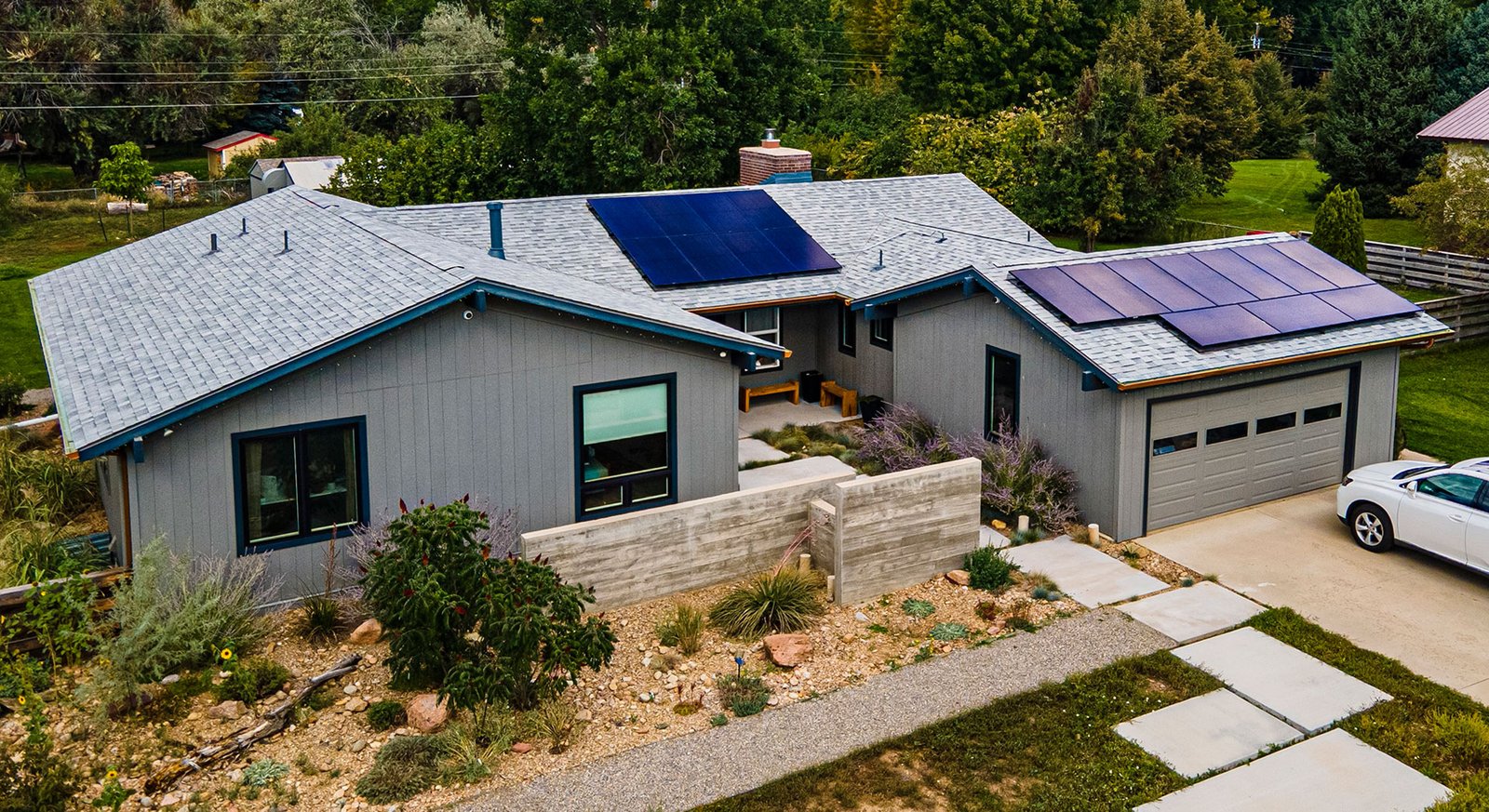
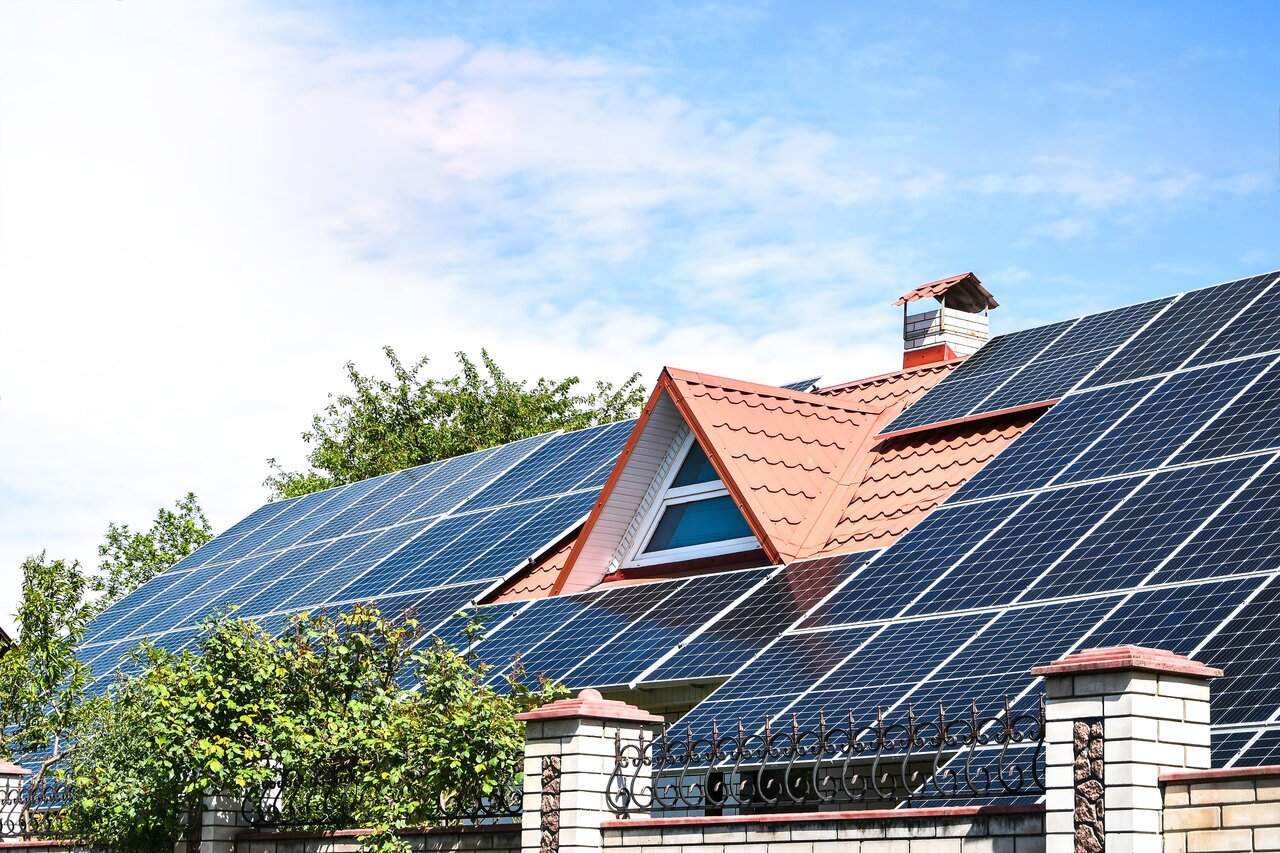
Your roof is not just a place to put panels. It actively determines how many you can fit and how well they'll perform.
Roof Azimuth and Pitch
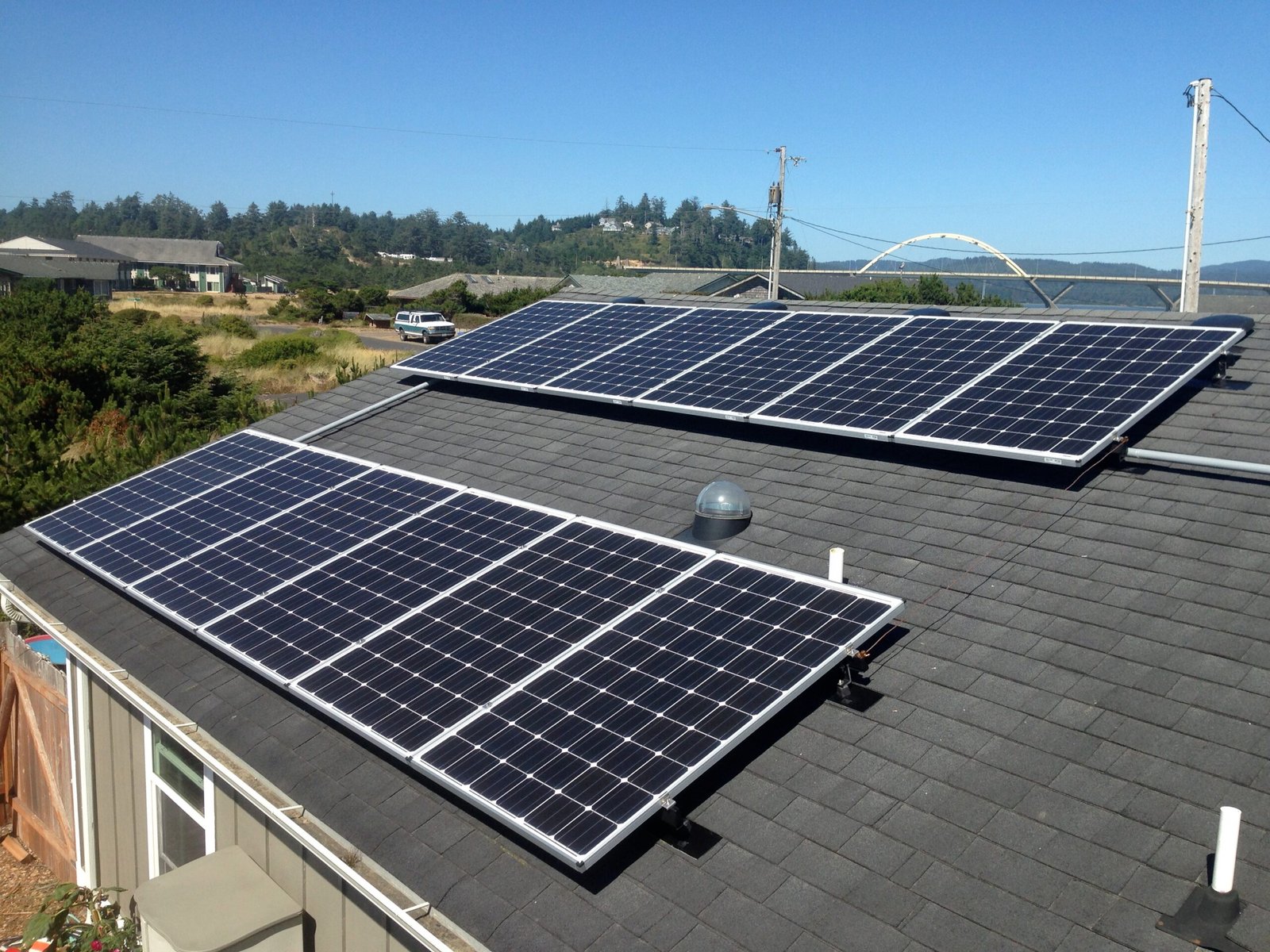
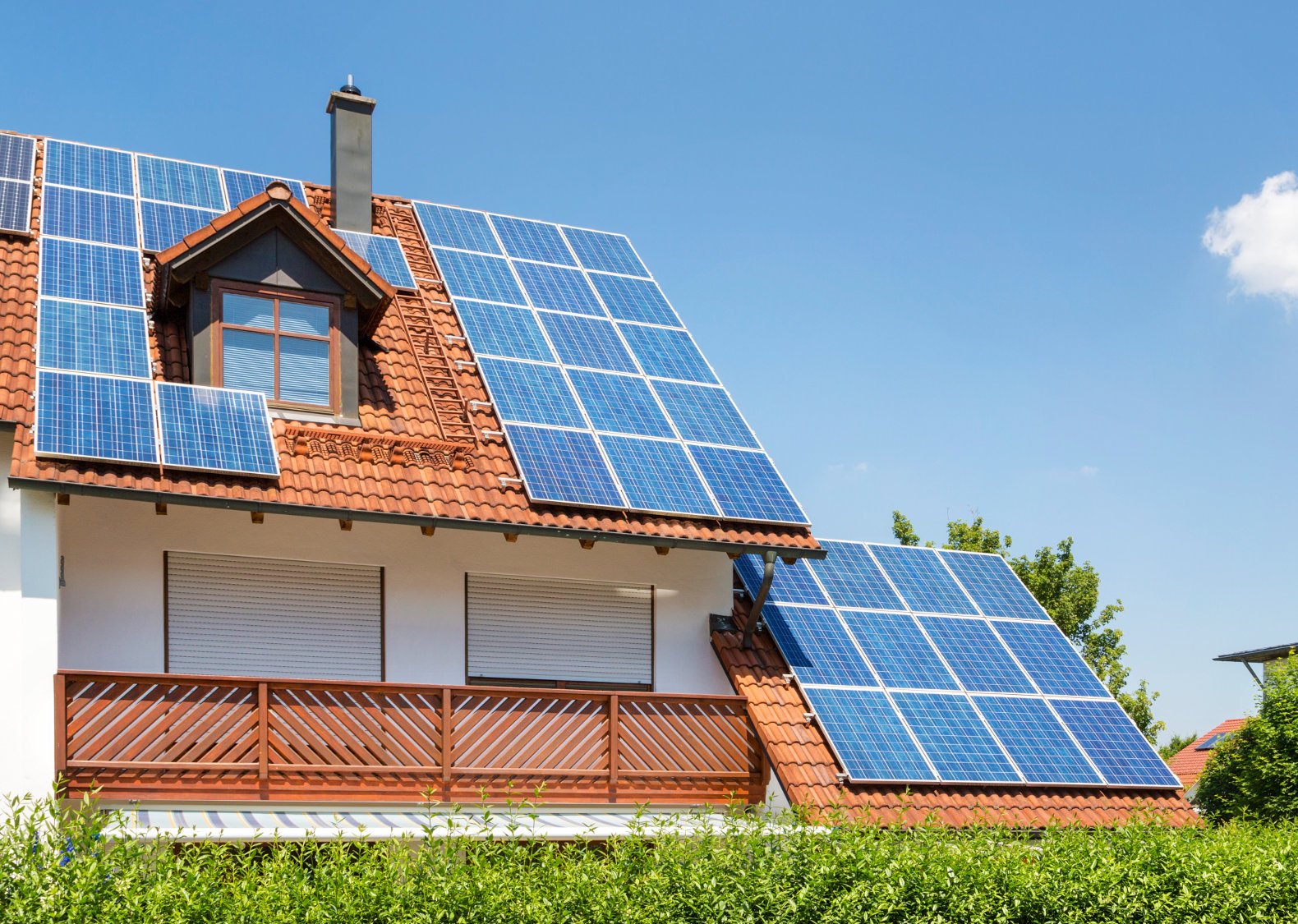
Azimuth is the compass direction your roof faces. South-facing roofs are ideal in the Northern Hemisphere. East and west-facing roofs still work, but you'll need more panels to get the same output.
Pitch is the angle of your roof. A steeper pitch is better for winter sun. A flatter pitch works better in summer.
The optimal angle is roughly equal to your latitude. But most roofs work fine with a small production penalty.
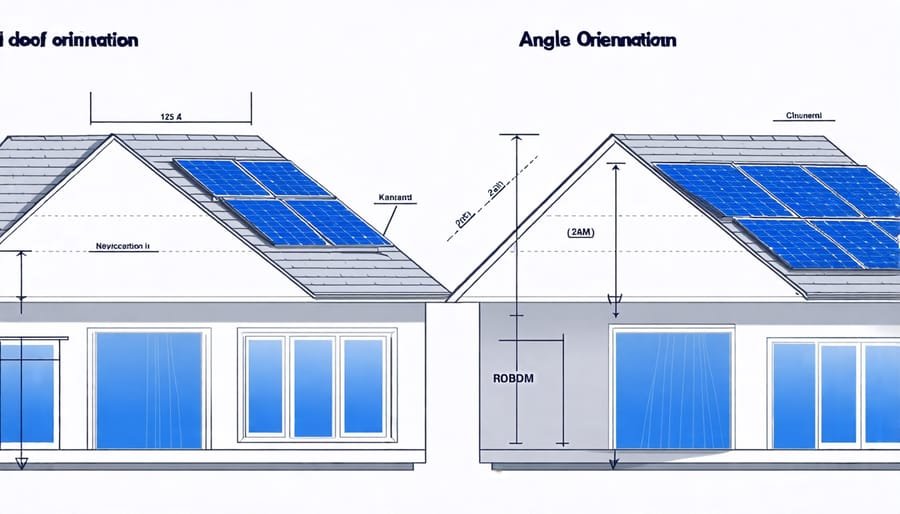
Image source: Bing (Web (fair-use with source credit))
Shading and Obstructions
Trees, chimneys, vents, and neighboring buildings all cast shadows. Even partial shading on one panel can reduce the output of the entire string. That's where microinverters or power optimizers help.
You need to account for shading when calculating your panel count. If you have significant shade, you may need to add more panels to compensate. Or you might need to remove some trees.
A site survey will identify these issues.
Available Square Footage
Each panel takes up about 17 to 20 square feet. A 400W panel is roughly 6.5 feet by 3.5 feet. So for 20 panels, you need about 350 to 400 square feet of usable roof space.
Not all of your roof is usable. You need to avoid the edges, ridges, and any obstructions. A professional installer will measure your roof and tell you the maximum number of panels you can fit.
If you run out of space, you'll need higher-efficiency panels or a ground-mounted system.
Your roof's condition also matters. If it's old, you might need to replace it before installing solar. That's an added cost to factor in.
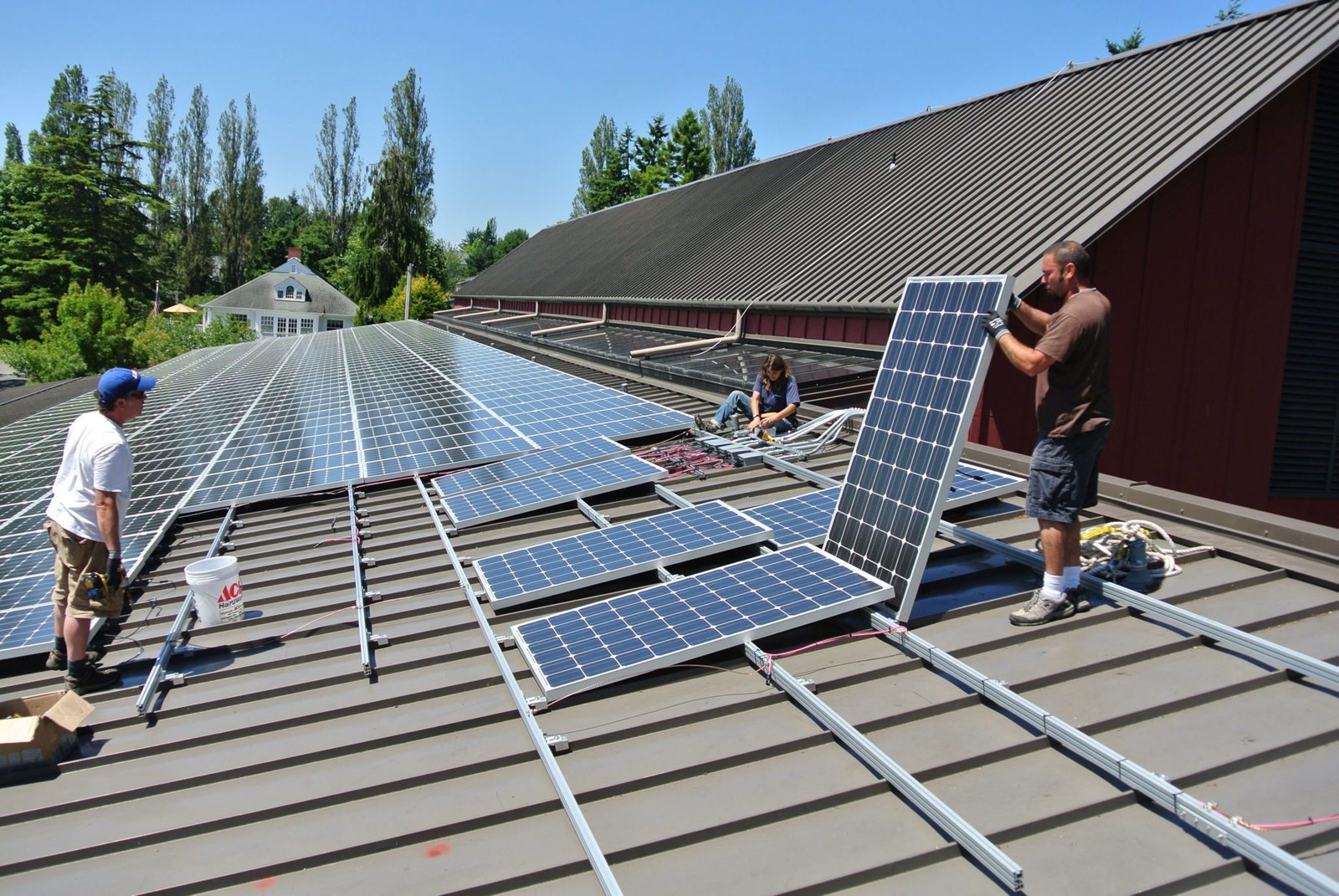
Understanding the basics of solar panel technology can help you ask the right questions during a site visit.
Real Numbers: What a Typical US Home Actually Needs
Let's get specific. The average U.S. home uses 10,632 kWh per year. Here's how that translates to panel count in different regions.
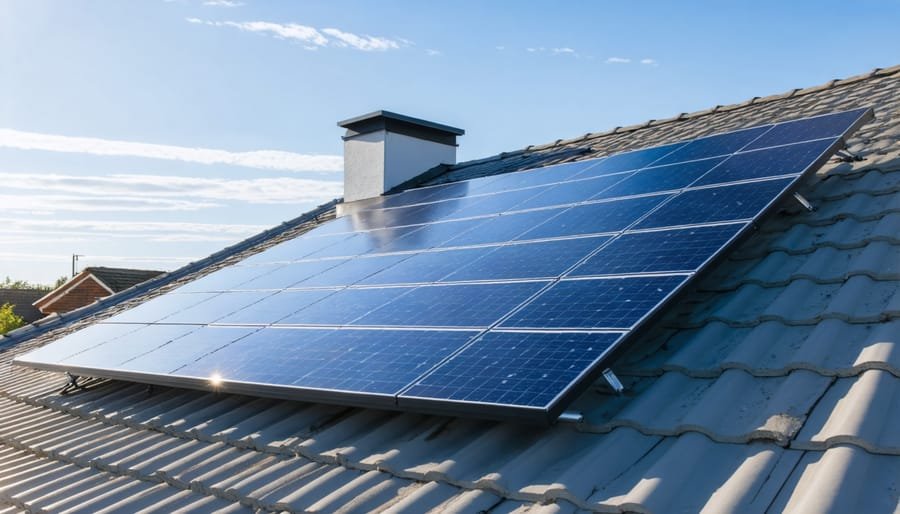
Image source: Bing (Web (fair-use with source credit))
| Region | Peak Sun Hours (annual) | Panels Needed (400W) |
|---|---|---|
| Southwest (AZ, NM, CA) | 1,800 | 15 |
| Midwest (IL, OH, MO) | 1,400 | 19 |
| Northeast (NY, MA, PA) | 1,300 | 21 |
| Pacific Northwest (OR, WA) | 1,100 | 25 |
These numbers assume 100% offset and no significant shading. Your actual numbers may vary. But they give you a realistic starting point.
A 5 kW system (about 13 panels) is common for smaller homes. An 8 kW system (about 20 panels) is typical for a medium-sized home with average usage. Larger homes with electric heating or EVs might need 10 kW or more.
If you're considering adding an electric vehicle or a heat pump in the next few years, factor that into your usage now. It's cheaper to install a slightly larger system upfront than to add panels later. Our full buying guide covers this planning step in more detail.
The bottom line: the math is simple. The hard part is getting the inputs right. Do that, and you'll know exactly how many panels your house needs.

Similar Posts