Is a solar battery worth it? Full cost breakdown
You've been staring at your electric bill again, wondering if there's a better way. Maybe your solar panels are pumping power back to the grid for pennies, or maybe you're tired of losing food every time the lights flicker. The question "is a solar battery worth it" isn't a simple yes or no.
It depends entirely on where you live, how your utility bills you, and what you're hoping to solve.
As of 2026, the average installed cost for a home battery sits between $1,000 and $1,500 per kilowatt-hour of usable capacity. But here's the part most people miss: the same battery that pays for itself in three years in one home might never break even in another. The difference comes down to a handful of variables you can actually check right now.
Let's walk through each one.
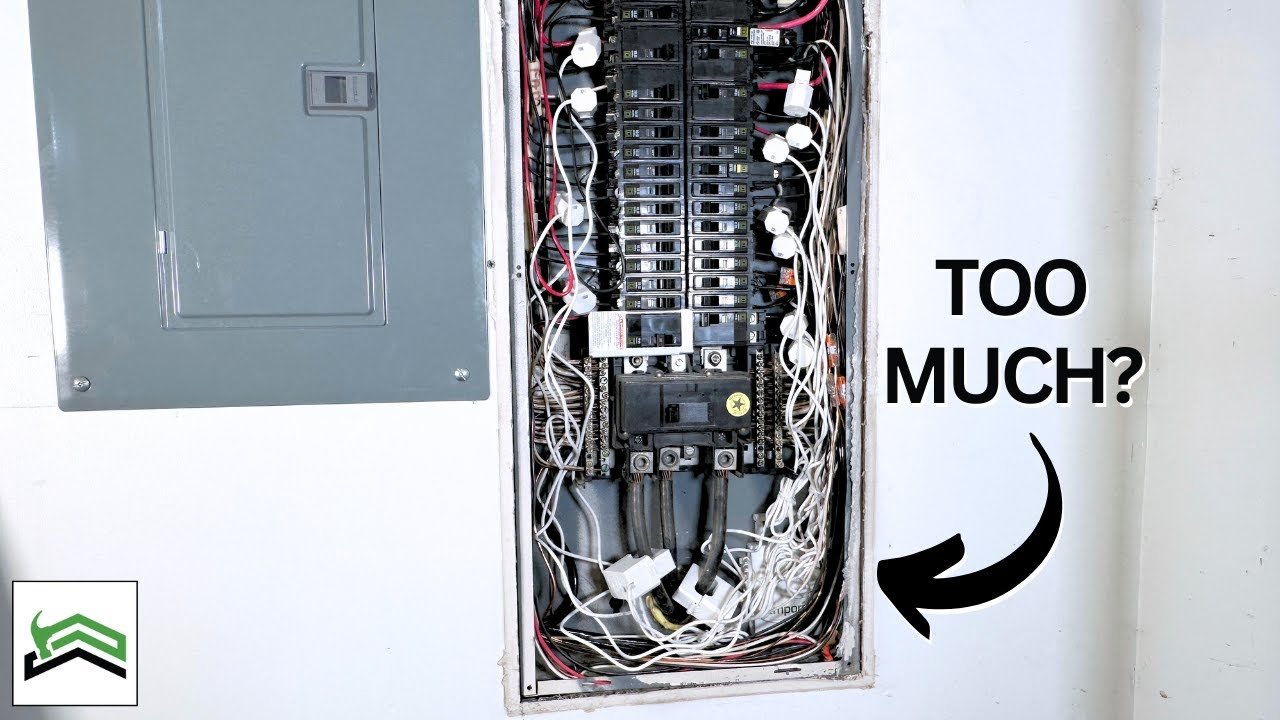
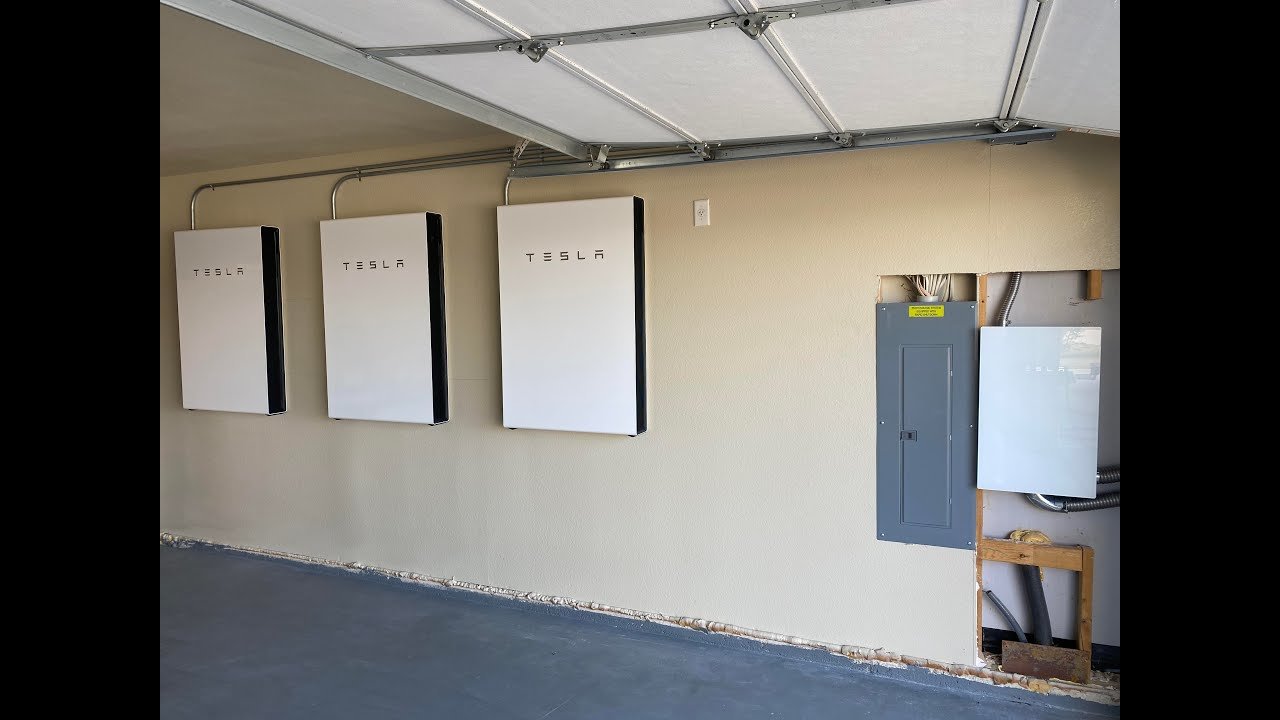
Image source: YouTube / scottysize (YouTube thumbnail (fair-use with source credit))
Quick Answer
A solar battery is worth it if you have time-of-use rates, frequent power outages, or recently lost favorable net metering. It is not worth it if your utility offers retail-rate net metering and you rarely lose power. Most homeowners should expect a payback period of 6 to 12 years.
The federal tax credit covers 30 percent of the cost through 2032. Without a specific use case that saves you money or keeps your lights on, skip it.
The Problem: Why You're Asking This Question Now
Something changed. Maybe your utility stopped paying full retail price for the solar power you send to the grid. Maybe your electricity rates jumped again, or maybe you just lived through a three-day outage and realized a generator isn't the only option.
The old deal with solar was simple: your panels produced power during the day, you sold the excess to the utility, and you bought it back at night for the same price. Net metering made storage unnecessary. But that deal is vanishing in more places every year.
Utilities are moving to net billing, time-of-use rates, and demand charges that make the timing of your energy use just as important as how much you use.
That's the real reason the battery question keeps coming up. The rules changed, and your solar panels alone can't adapt.
How a Solar Battery Actually Works (Without the Jargon)
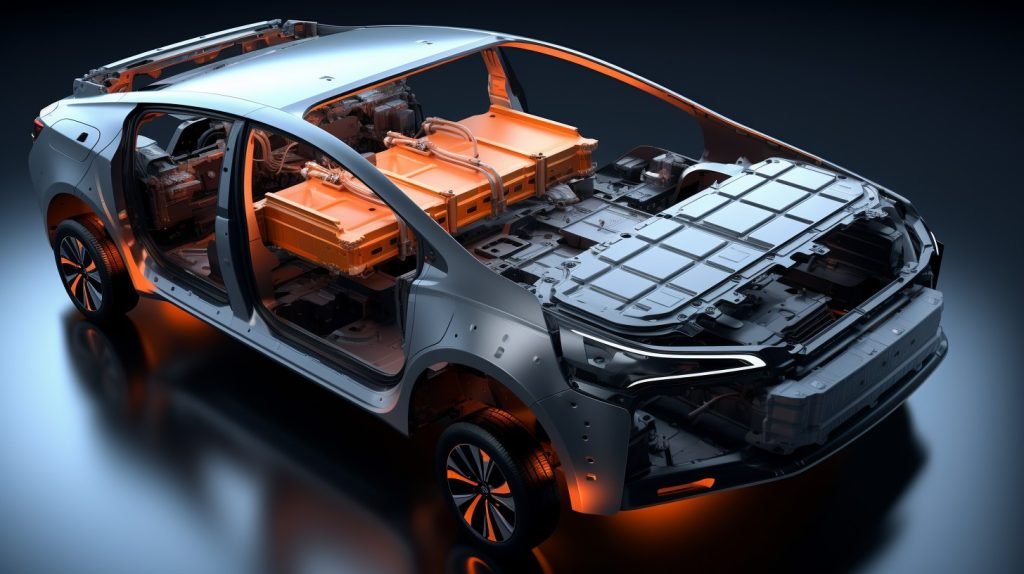
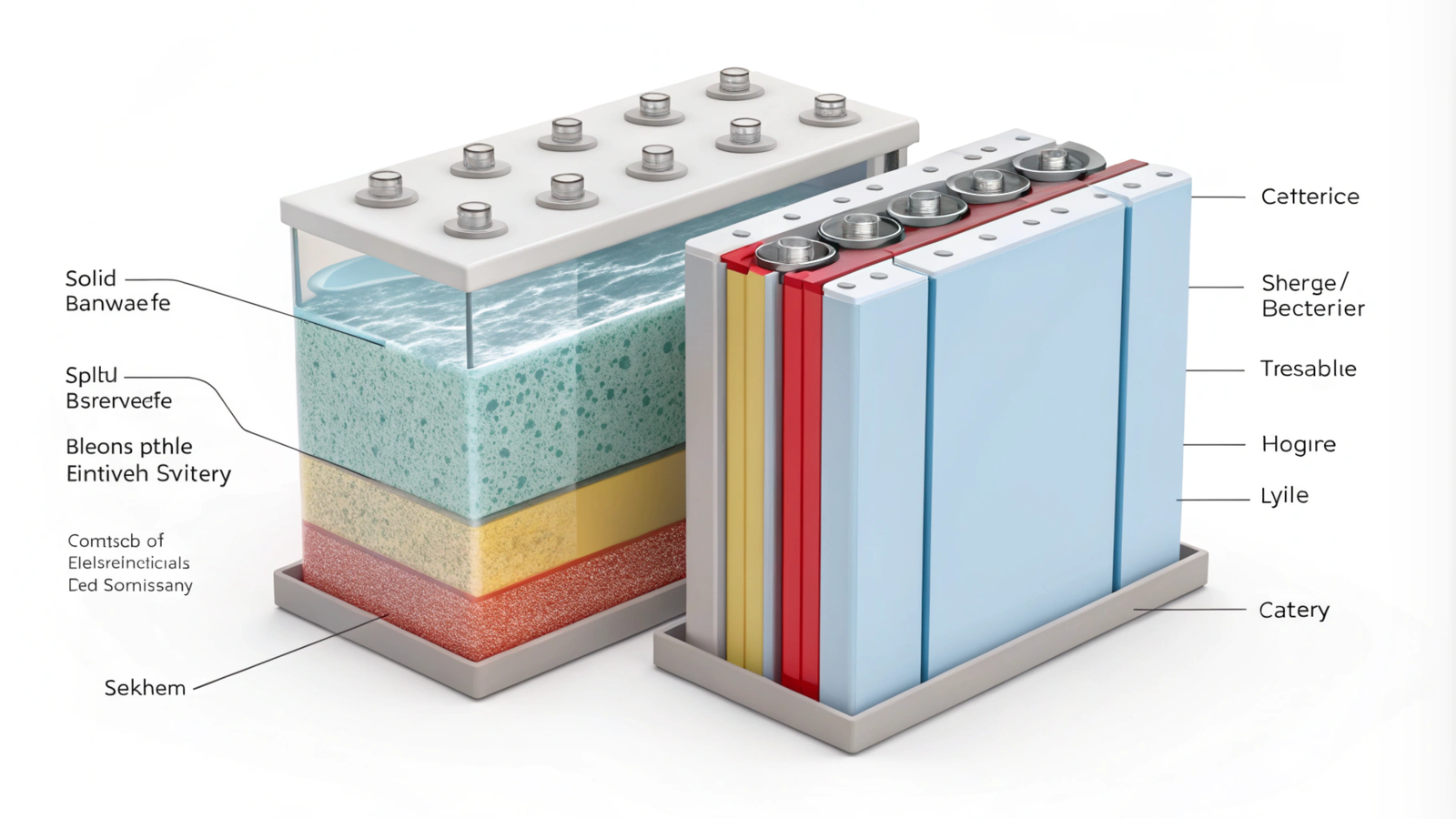
A solar battery is essentially a large rechargeable lithium-ion pack connected to your home's electrical system. It charges when your panels produce extra power or when grid electricity is cheap. It discharges when your panels aren't producing enough or when grid power is expensive.
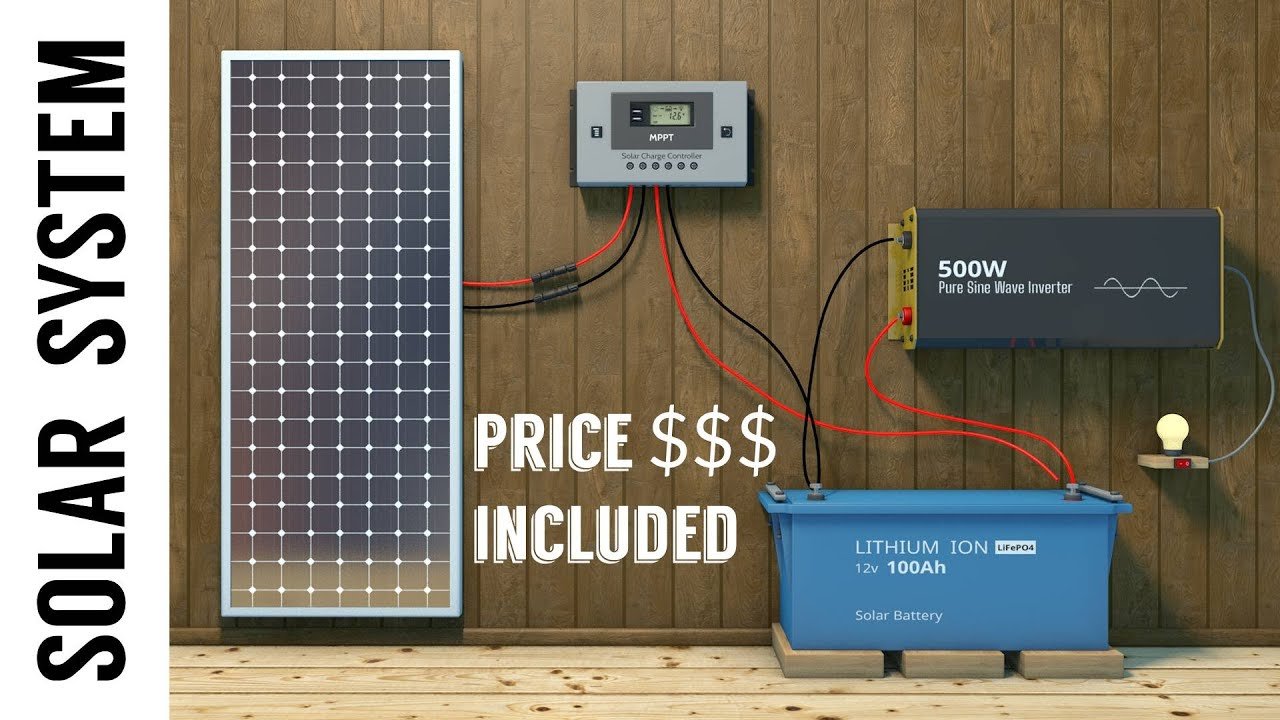
The key components are straightforward. The battery cells store energy, an inverter converts DC power to AC power your home can use, and a battery management system keeps everything safe and balanced. Most modern home batteries use lithium iron phosphate chemistry, which lasts longer and runs cooler than older lithium-ion types.
Here's what matters in real-world terms:
- Usable capacity is the energy you can actually draw. A 13.5 kWh battery might only give you 12 kWh. Always check usable capacity, not total.
- Round-trip efficiency tells you how much you lose storing and retrieving power. Good batteries run 88 to 95 percent. The rest turns into heat.
- Peak output determines how many appliances you can run at once. Most home batteries deliver 5 to 7 kW continuous, which covers lights, fridge, internet, and a few outlets.
You don't need to understand the electrochemistry. You just need to match the battery's numbers to your home's actual needs.
The Decision Tree: What Makes a Battery Worth It for You
This is where most articles fail you. They give general advice that fits nobody. Let's fix that.
Below are four branches. Find the one that matches your situation.
Branch 1: You Have Time-of-Use Rates
Time-of-use rates charge you more for electricity during peak hours (typically late afternoon and evening) and less during off-peak hours (overnight and midday). If your utility uses this pricing model, a battery can shift your energy use from expensive hours to cheap ones.
The math works like this. If your peak rate is 40 cents per kWh and your off-peak rate is 15 cents, every kWh you shift saves you 25 cents. A typical 13.5 kWh battery shifting one full cycle per day saves roughly $900 per year at those rates.
Multiply by your actual rate difference.
A battery is worth it here if:
- Your peak-to-off-peak rate difference is at least 15 cents per kWh
- You can charge the battery from solar or cheap grid power daily
- Your utility allows battery cycling without extra fees
A battery is not worth it here if:
- Rate differences are under 10 cents per kWh
- You have flat rates with no time variation
- Your utility charges demand fees that eat the savings

Branch 2: You Lose Power Often
This is the simplest branch. If the grid goes down multiple times a year, a battery is about keeping the lights on, not saving money. Pure backup value is hard to quantify, but most people assign it between $300 and $800 per avoided outage depending on what they'd lose.
A whole-home gas generator costs $4,000 to $6,000 installed. A solar battery costs $10,000 to $15,000. The generator runs as long as you have fuel.
The battery runs as long as the sun comes back. Both have trade-offs.
A battery is worth it here if:
- You lose power at least two or three times a year
- Outages last more than four hours
- You have medical equipment, home office needs, or a fridge full of food
- Your area has wildfire shutoffs or storm-related blackouts
A battery is not worth it here if:
- Your outages are rare and short (under 30 minutes)
- You already have a reliable generator
- Your utility buries power lines and has excellent reliability
Branch 3: Your Net Metering Just Got Worse
Net metering is the policy that credits you for every kWh your solar panels send back to the grid. Under full retail net metering, you get the same rate you pay. The grid acts as your free battery.
When utilities switch to net billing or reduced export rates, they pay you wholesale rates for your solar power (often 2 to 7 cents per kWh) while you still pay retail (15 to 40 cents). That gap makes batteries suddenly attractive.
Per the U.S. Department of Energy, homes with net metering that switched to net billing saw their solar payback period extend by 3 to 7 years. A battery closes that gap by letting you use your own power instead of selling it cheap.
A battery is worth it here if:
- Your utility pays you less than 50 percent of retail for exported solar
- You produce at least 30 percent more solar than you use during the day
- You can charge the battery with excess solar and discharge at night
A battery is not worth it here if:
- You still have full retail net metering (keep the grid as your battery)
- Your solar system is undersized and you already buy most power from the grid
- Net metering is contractually locked for 10 or more years
Branch 4: You Want Energy Independence
True off-grid living requires more than one battery. A single Powerwall or similar battery gives you maybe 10 to 14 kWh of usable storage. The average U.S. home uses about 30 kWh per day.
You would need three batteries and enough solar to charge them during cloudy stretches.
Partial independence is more realistic. You can back up critical loads and run them indefinitely during daylight, but you will still rely on the grid overnight unless you oversize significantly.
A battery alone cannot make you fully independent. It is one piece of a much larger system that includes sufficient panel capacity, a generator for extended cloud cover, and often a larger inverter.
What a Solar Battery Costs (Real Numbers)
Let's talk money. The numbers below are based on aggregate pricing data from the National Renewable Energy Laboratory and verified installer quotes as of 2026.
| Battery | Usable Capacity | Installed Cost | Cost per Usable kWh |
|---|---|---|---|
| Tesla Powerwall 3 | 13.5 kWh | $11,500-$14,000 | $850-$1,040 |
| Enphase IQ Battery 10T | 10 kWh | $9,500-$12,000 | $950-$1,200 |
| Generac PWRcell | 9 kWh | $10,000-$13,000 | $1,110-$1,440 |
| FranklinWH aPower | 13.6 kWh | $12,000-$15,000 | $880-$1,100 |
These numbers include installation, permits, and the critical equipment like inverters and transfer switches. The federal tax credit knocks 30 percent off the total, bringing a $13,000 system down to $9,100.
But the upfront cost is only half the story. The real question is what you save versus what you pay.

What You Actually Save (And What You Don't)
Here is where the hype meets reality. A battery does three things that save you money. Let's look at each one honestly.
Time-of-use arbitrage saves you the difference between peak and off-peak rates. If your utility charges 40 cents peak and 15 cents off-peak, and you shift 10 kWh daily, you save about $900 per year. If the difference is only 8 cents, you save about $290 per year.
Increased solar self-consumption saves you what you would have paid to buy power from the grid. If your panels produce extra during the day and you would have exported it for 5 cents per kWh, but you store it and use it at night instead of paying 20 cents, you effectively save 15 cents per kWh. That can add up to $400 to $700 per year depending on your system size.
Backup power value is not a direct monetary saving, but it has real worth. If a single outage costs you $400 in spoiled food, lost work, and hotel stays, and you have two outages per year, that is $800 of avoided loss annually.
What a battery does not save you is your entire electric bill. It shifts load. It does not create power.
If your solar panels already cover 100 percent of your usage on an annual basis, a battery simply changes when you use the power, not how much you use.
The average annual savings across all three categories for a typical home with time-of-use rates and moderate export compensation lands between $600 and $1,200 per year. At an installed cost of $12,000 before the tax credit, that is a 10 to 15 year payback. With the 30 percent federal credit, it drops to 7 to 11 years.
Most batteries carry a 10 year warranty. You are betting the battery lasts longer than the warranty period. That is a reasonable bet with LFP chemistry, but it is not guaranteed.
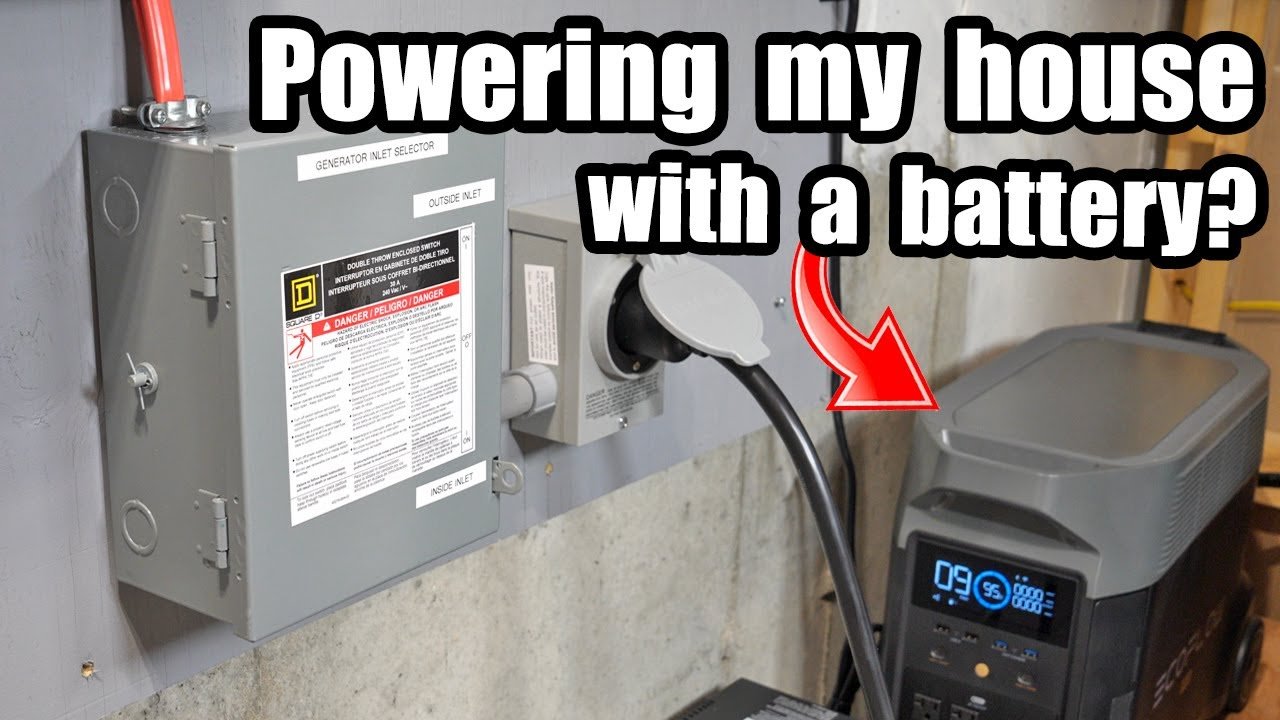
Image source: YouTube / Silver Cymbal (YouTube thumbnail (fair-use with source credit))

Image source: YouTube / LET Electrical & Renewables (YouTube thumbnail (fair-use with source credit))

Similar Posts