How to Charge a Solar Battery With Electricity
If you've got solar panels and a battery bank, you already know the sun doesn't always cooperate. Maybe it's been overcast for three days straight. Maybe winter has cut your solar harvest in half.
Or maybe you just need a full charge before a storm hits and you want to know how to charge solar battery with electricity from the grid or a generator.
Here's the honest truth: charging a solar battery from an AC source isn't as simple as plugging in a phone charger. Get it wrong and you can damage your battery, start a fire, or void your warranty. Per UL 1741 standards and manufacturer specifications, the process requires specific hardware and the right charging profile for your battery chemistry.
As of 2026, most hybrid inverters include this capability built in, but you still need to set it up correctly.
Let's walk through exactly what you need, how to do it safely, and the mistakes that can cost you.
Why Charging a Solar Battery With Grid Power Isn't Plug-and-Play
Your solar battery is designed to take DC electricity from solar panels. That's the easy part, the charge controller handles voltage regulation automatically. But when you want to feed it AC electricity from a wall outlet or generator, you're introducing a whole different electrical path.
Here's the core issue. Your battery needs a specific voltage and current curve to charge safely. For a 12V lead-acid battery, that's typically a three-stage profile: bulk (constant current up to about 14.4V), absorption (hold voltage while current drops), and float (maintain at 13.2V to 13.8V).
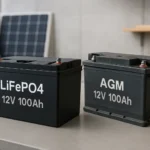
Lithium iron phosphate (LiFePO4) batteries want a different profile altogether, usually constant current then constant voltage at 14.2V to 14.6V, with no float stage.
A standard wall outlet provides 120V or 240V AC. Your battery can't accept that directly. You need a device that converts AC to DC and then regulates the charge according to the right profile.
That device is either an inverter/charger (also called a multi-mode or hybrid inverter) or a standalone battery charger.
Most people don't realize that using the wrong charger can deliver the wrong voltage. Plug a basic car battery charger into a deep-cycle solar battery and you risk overcharging or undercharging. The results?
Shortened lifespan, reduced capacity, or in extreme cases, thermal runaway.
The other thing that catches people off guard is the current handling of the charging device. An inverter/charger rated for 50A can push a lot of current into your battery bank. If your battery's BMS (battery management system) or your wiring isn't rated for that, you'll trip breakers or melt connections.
The Two Big Risks Most People Miss (And How to Avoid Them)
In our research, the two most common failures when charging solar batteries from AC come from overlooked details. Let's cover both so you don't learn the hard way.
Risk 1: Charging below freezing
If you have a lithium LiFePO4 battery, charging it when the internal temperature drops below 0°C (32°F) causes permanent damage. The lithium ions plate onto the anode instead of intercalating properly. This isn't recoverable.
Your battery loses capacity permanently.
How to avoid it: Most quality LiFePO4 batteries include a built-in BMS that disables charging below freezing. But not all do. Check your battery's spec sheet for the minimum charge temperature.
If you're in a cold climate, look for batteries with low-temperature cutoff or an internal heater. Some systems use a temperature sensor that tells the inverter/charger to stop AC charging until the battery warms up.
For lead-acid batteries, cold temperatures reduce charging efficiency but don't cause the same permanent damage. The charge voltage needs temperature compensation, lower voltage in warm conditions, higher in cold. Many quality chargers handle this automatically with a remote temperature sensor.
Risk 2: Overcharging from a mismatched profile
This is where we see the most field failures. Someone plugs a "smart" charger into their lithium battery and the charger tries to apply a lead-acid equalization cycle. That equalization charge pushes voltage up to 15V or higher, which trips the BMS over-voltage protection.
Repeated over-voltages can damage the BMS or the cells.
How to avoid it: Always confirm that your charging device has a selectable battery chemistry setting. Most modern inverter/chargers let you choose between flooded, AGM, gel, and lithium profiles. Set it correctly.
Double-check the absorption voltage setting against your battery manufacturer's spec sheet. For example, a Battle Born LiFePO4 battery specifies 14.4V absorption voltage. A Trojan flooded lead-acid battery might want 14.8V.
These are not interchangeable.
What You Actually Need: Hardware for Safe AC Charging
You can't just grab any battery charger from the garage. Here's the hardware that makes this work safely.
| Hardware | What It Does | When You'd Use It |
|---|---|---|
| Hybrid inverter/charger | Converts AC to DC for battery charging and DC to AC for loads. Built-in charge profile selection. | Permanent home or off-grid system. Most flexible option. |
| Standalone AC-to-DC battery charger | Converts wall power to regulated DC. No inverter function. | Portable or backup charging. Good for single battery banks. |
| Multi-mode inverter | Usually includes AC input for generator or grid charging. | Already installed in most modern solar systems. |
| Transfer switch | Safely switches between grid and generator power. Prevents backfeeding. | Required for generator charging in grid-tied homes. |
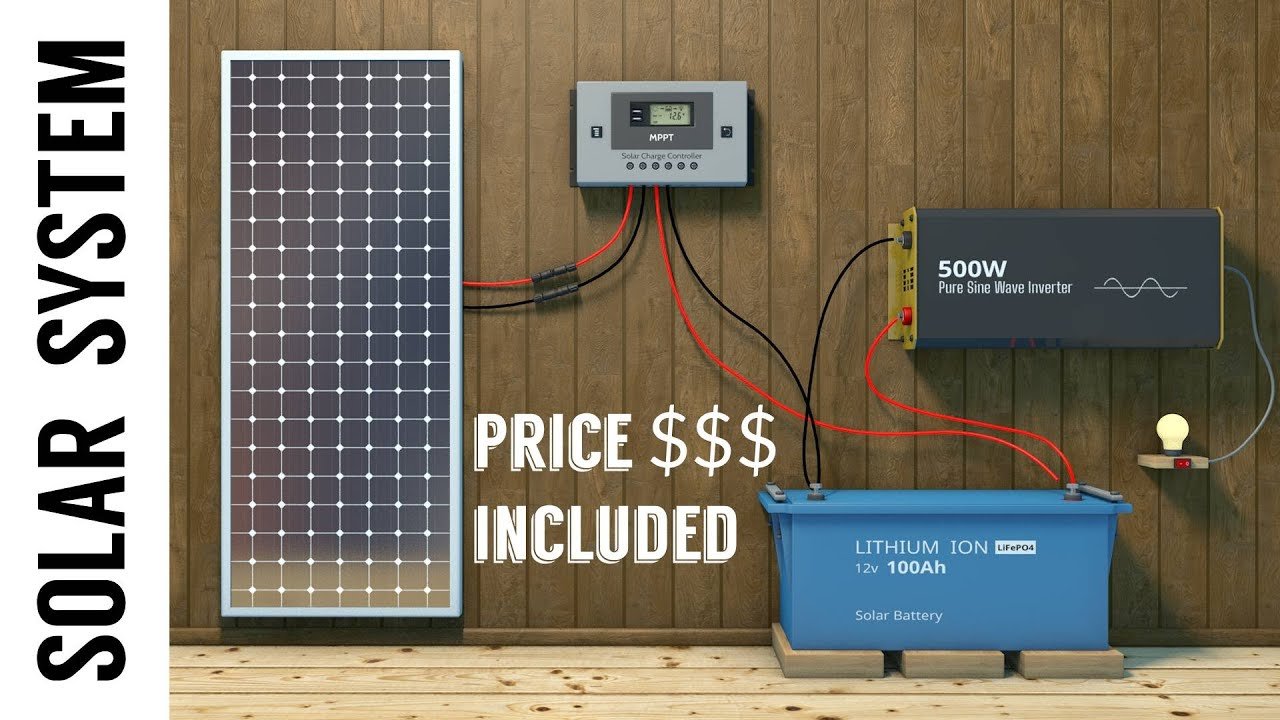
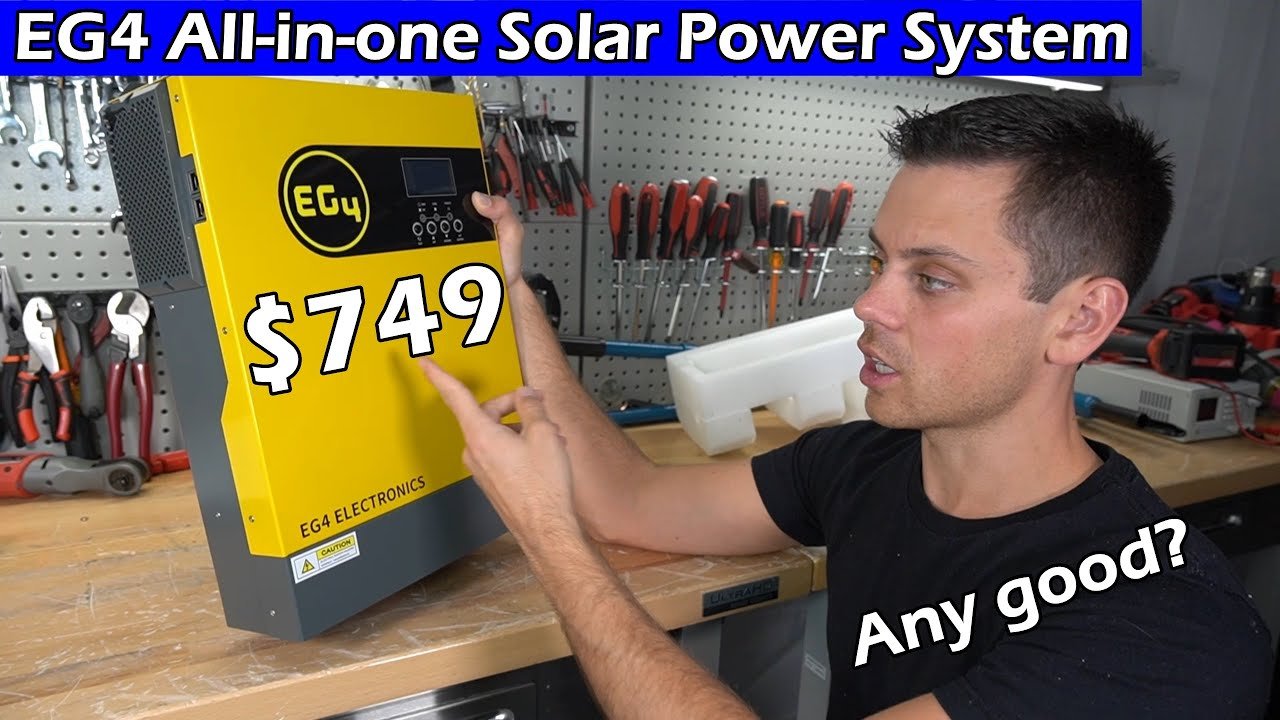
Your hybrid inverter or inverter/charger is the most common solution because it's already part of your solar system. Most units from major manufacturers include an AC input terminal. You connect grid power or a generator to that input, and the inverter handles the AC-to-DC conversion and charge regulation internally.
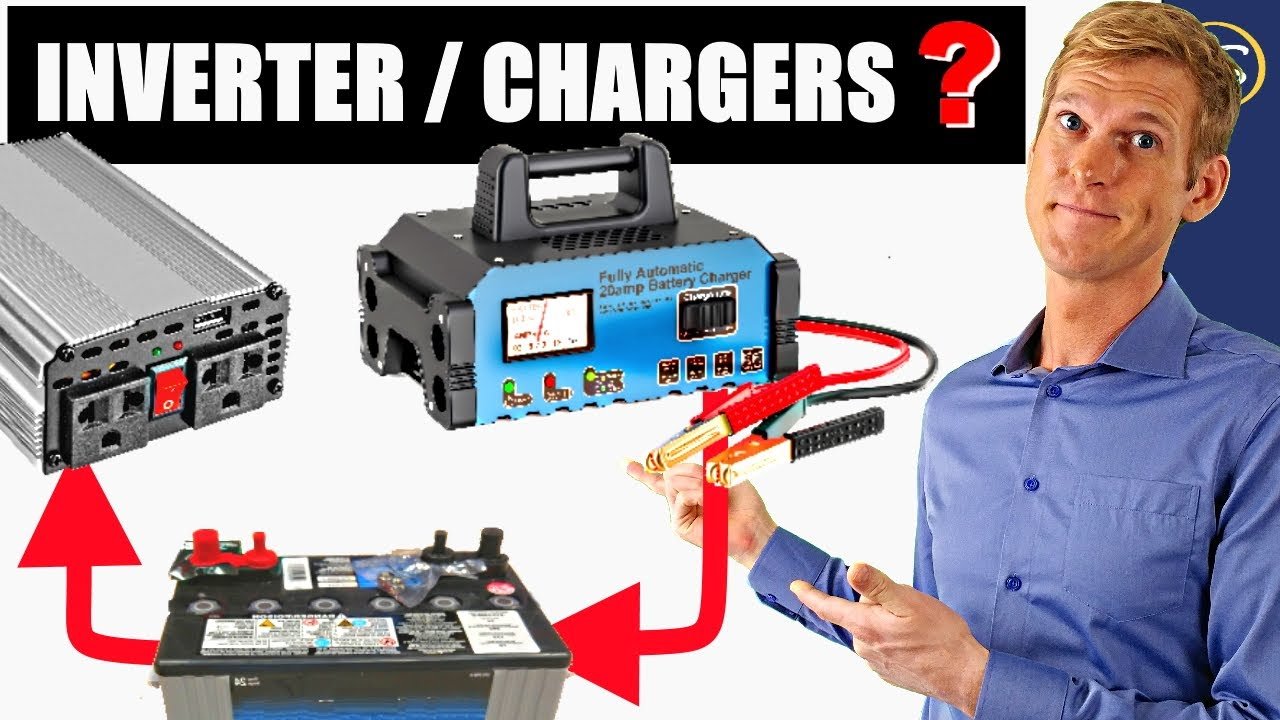
If you don't have a hybrid inverter, a standalone smart battery charger works fine for smaller systems. Look for one that's specifically designed for deep-cycle batteries, not a car starter charger. A smart charger uses multi-stage charging and can be left connected without overcharging.
Units rated for 10A to 30A are common for 100Ah to 300Ah battery banks.
A transfer switch becomes important if you're connecting a generator to a permanently wired system. It prevents your generator from backfeeding into the grid, which is dangerous for line workers and illegal under the National Electrical Code (NEC article 705). Some inverter/chargers include an internal transfer switch rated for the load.
If your system uses AC coupling, where you have a grid-tied inverter with battery storage, the process is slightly different. Some AC-coupled systems can charge batteries from the grid through the grid-tied inverter. Others require a separate AC charger.
Check your system's manual before assuming it supports grid charging.
Step-by-Step: How to Charge Your Solar Battery From a Wall Outlet
Let's walk through this with a typical setup, a hybrid inverter with a lithium battery bank.
Step 1: Confirm your battery chemistry setting
Before you do anything, go into your inverter/charger's settings menu. Look for "battery type" or "battery chemistry." Select the correct option. For lithium, that's usually "LiFePO4" or "Lithium." For lead-acid, choose "Flooded," "AGM," or "Gel" as appropriate.
Double-check the absorption voltage. For a 12V LiFePO4 battery, that should be between 14.2V and 14.6V. For a 48V system, multiply by four, about 56.8V to 58.4V.
Check your battery manufacturer's spec sheet. If you're unsure, start at the lower end of the range.
Step 2: Set the maximum charge current
This is critical. Your battery and wiring have a limit on how much current they can safely handle. A common recommendation is 0.2C to 0.3C.
That means for a 100Ah battery, set the charge current to 20A to 30A maximum. If you have a 200Ah battery, up to 60A.
Check your battery's datasheet for the maximum continuous charge current. Some lithium batteries can handle 0.5C or even 1C, but pushing that hard with grid charging generates heat and reduces lifespan. Conservative settings are safer.
Step 3: Connect the AC source
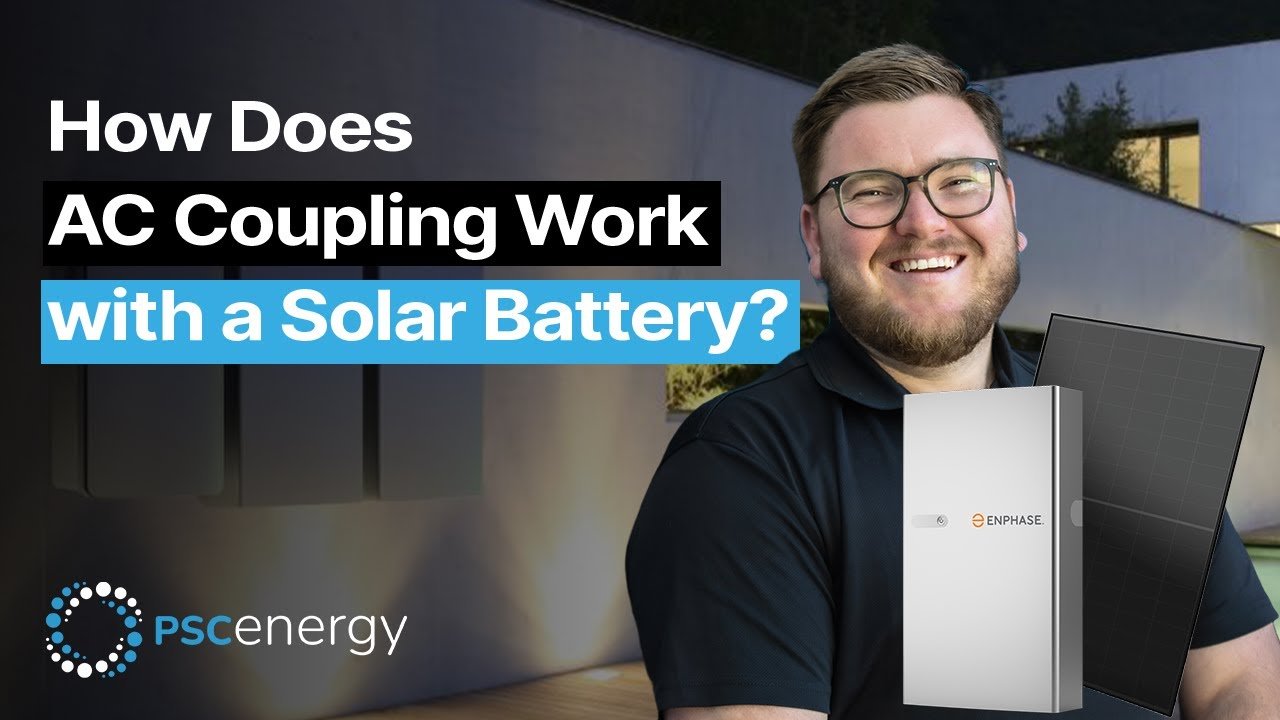
Plug your inverter/charger into a wall outlet or connect it to your generator. If using a generator, make sure it's rated for the inverter's AC input requirements. Some inverter/chargers are sensitive to generator waveform and may not charge properly with "dirty" power from inexpensive portable generators.
Step 4: Enable charging on the inverter
Most hybrid inverters have a setting to enable "grid charging" or "AC charging." Without this enabled, the inverter will pass AC through to loads but won't charge the battery. Find the setting and turn it on.
Step 5: Monitor the charge progress
Watch the voltage and current on your inverter's display or app. During bulk charging, the current should stay at your set maximum while voltage rises. When voltage hits the absorption set point, current will gradually drop.
Charging is complete when current drops to near zero at the absorption voltage.
For lithium batteries, the BMS may stop charging slightly before the inverter's absorption timer finishes. That's normal. The battery is full.
Step 6: Disable grid charging when done
If you only needed a one-time charge, turn off the grid charging setting. This prevents the inverter from automatically recharging from the grid when the battery drops below a set threshold, which could happen overnight and waste electricity.
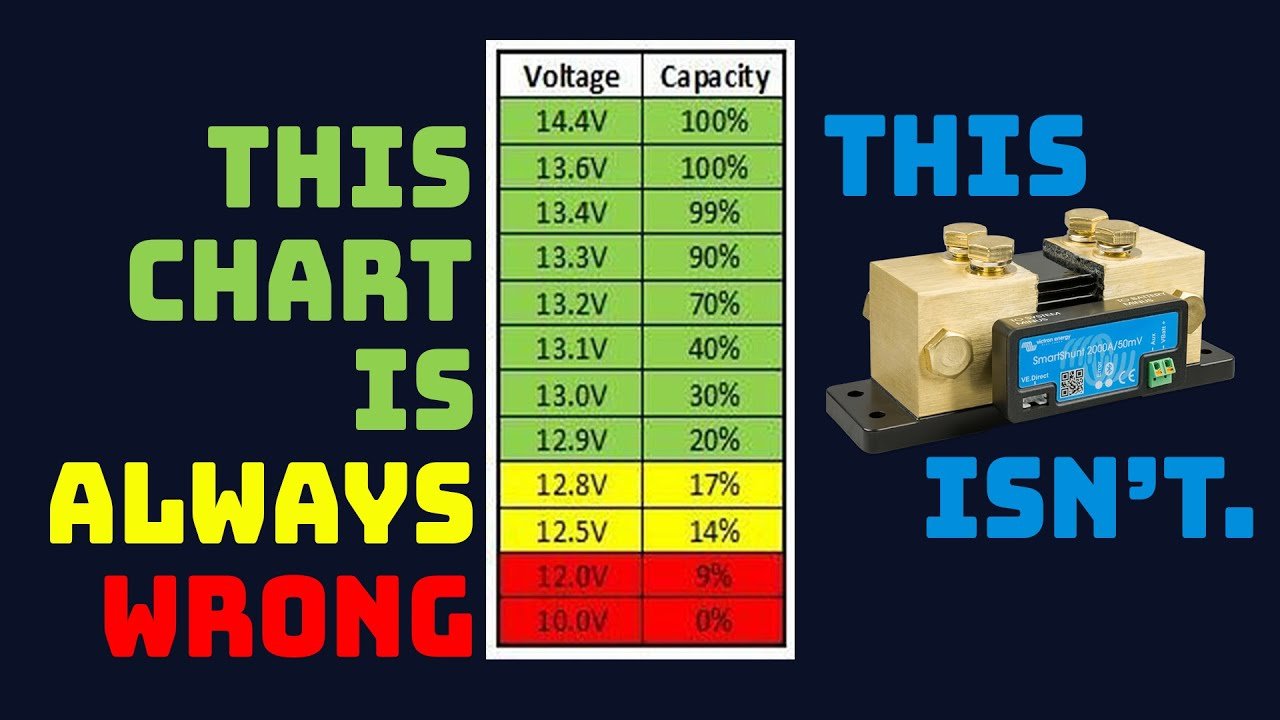
Image source: YouTube / Current Connected (YouTube thumbnail (fair-use with source credit))
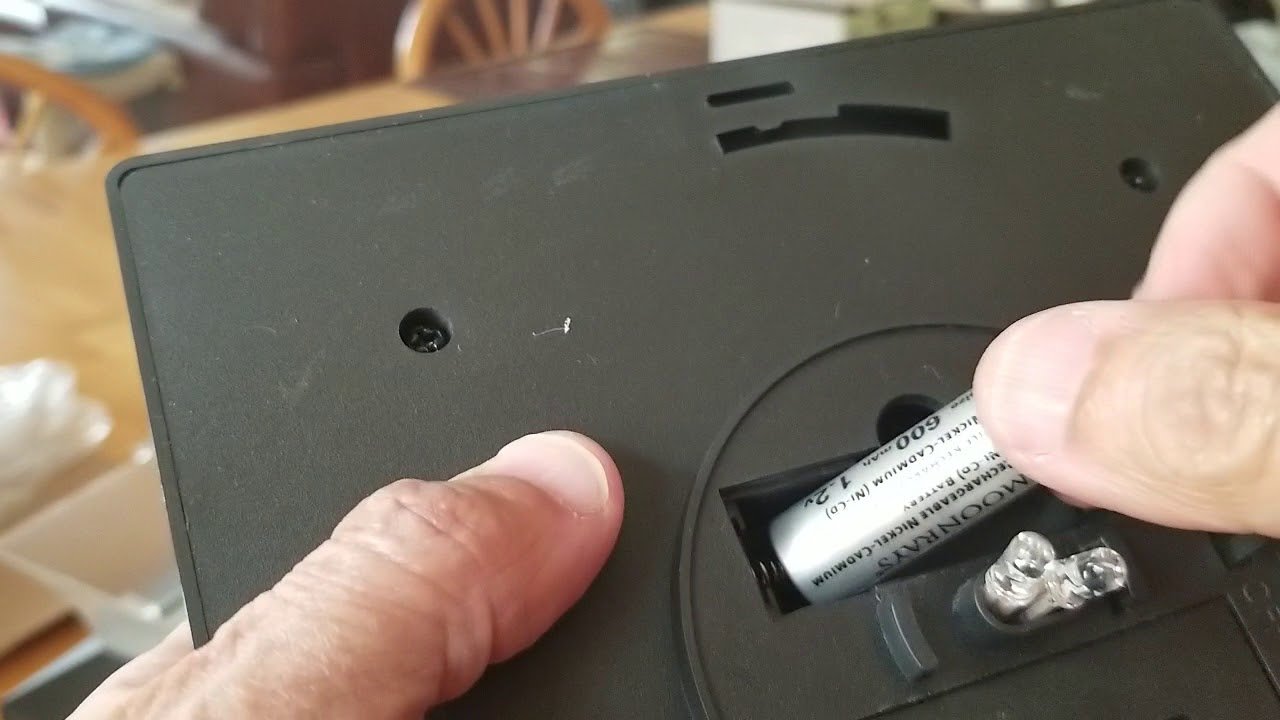
Image source: YouTube / Will Wen-Lithium Battery Tech (YouTube thumbnail (fair-use with source credit))

Similar Posts