Oregon Solar Panel Costs: Your Complete Guide
Renewable Energy Systems Specialist & Lead Solar Hardware Tester
If you're wondering how much are solar panels in Oregon, you've probably noticed the answer isn't one simple number. It depends on your home, your electricity usage, and the equipment you choose. Most homeowners end up paying somewhere between $15,000 and $30,000 before incentives.
But the final cost can swing pretty dramatically based on your specific situation.
According to the Energy Trust of Oregon, the average installed cost per watt in the state hovers around $2.80 to $3.50 as of 2026. That's before the 30% federal tax credit kicks in. But here's where it gets interesting.
Oregon also offers its own rebates and low-interest loans that can shave thousands more off the price. Let's walk through what actually determines your number.
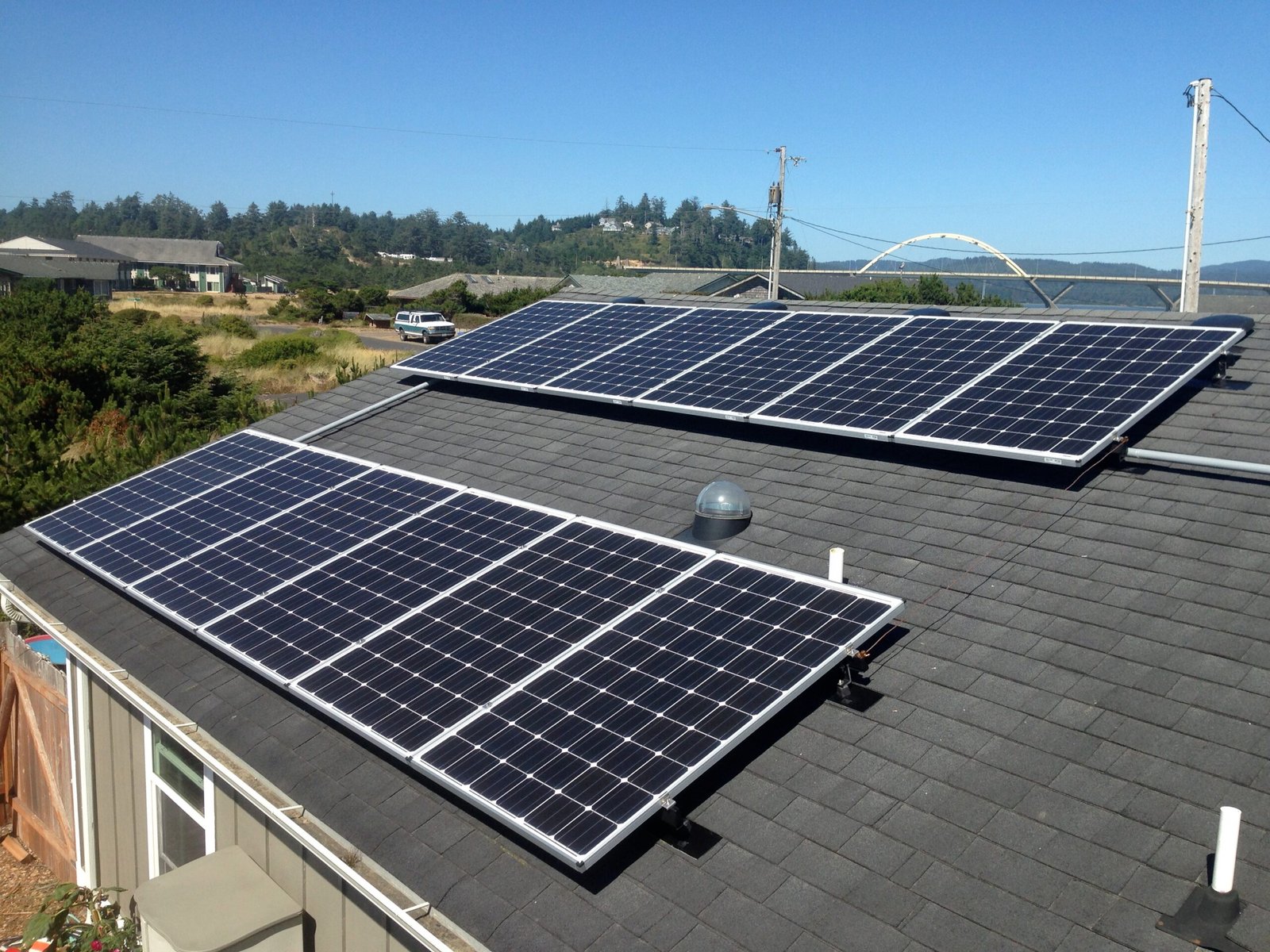
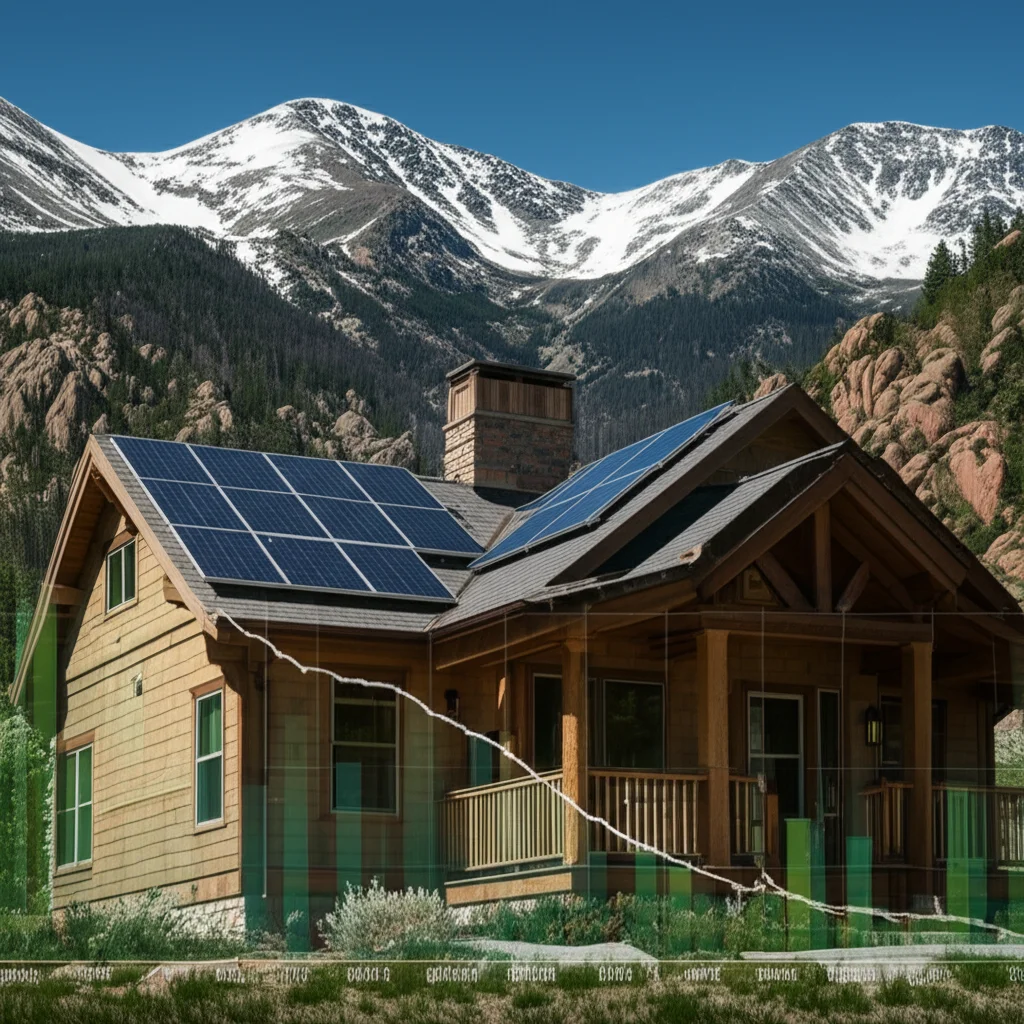
Image source: Bing (Web (fair-use with source credit))
Quick Answer
Oregon solar panels cost $2.50 to $3.50 per watt. A typical 8 kW system runs $20,000 to $28,000. The 30% federal tax credit cuts that to $14,000 to $19,600.
Oregon rebates and loans can lower it further. Your exact cost depends on your home and needs.
That's the short version. But the real answer depends on six key variables. Your electricity bill drives system size.
Your roof determines installation complexity. Equipment choices affect efficiency and price. Installer pricing varies across the state.
Financing changes your upfront cost. And Oregon's incentives shift based on your utility and income.
Why There's No Simple Answer
Solar pricing isn't like buying a TV. You can't just look up "Oregon solar panels price" and get a single number. Every home is different.
Every installer bids differently. And every utility in Oregon has its own rules for net metering and rebates.
Here's what makes it complicated.
System Size Depends on Your Usage
The biggest factor is how much electricity you use. A home that uses 800 kWh per month needs a smaller system than one using 1,500 kWh per month. Your annual usage determines how many panels you need.
That directly sets the base price.
Typical Oregon homes install systems between 6 kW and 10 kW. A 6 kW system might cost $15,000 to $21,000 before incentives. A 10 kW system could run $25,000 to $35,000.
The math scales with your needs.
Roof Condition and Orientation Matter
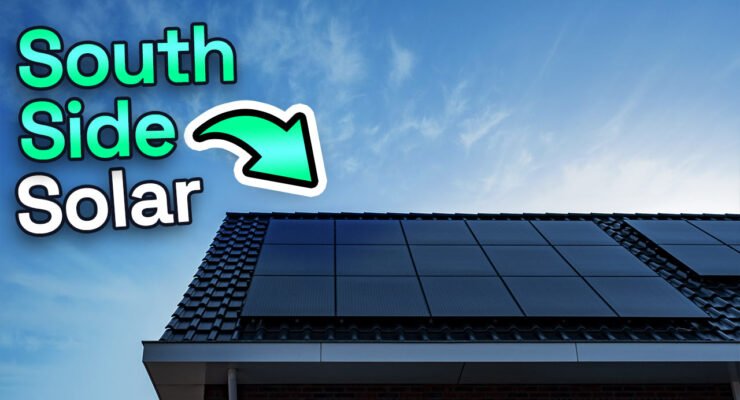
Your roof is the canvas. A south-facing roof with no shade is ideal. East or west-facing roofs still work but produce less.
A roof that needs replacement before solar adds $8,000 to $15,000 to the total project cost. Flat roofs, metal roofs, and tile roofs each have different mounting requirements.
Shading from trees or nearby buildings also cuts production. An installer will factor that into the design. More shading means more panels needed to hit your target, or fewer savings.
Equipment Choices Change the Price
Not all solar panels are the same. Premium panels from brands like SunPower or REC deliver higher efficiency and longer warranties. They cost more per watt.
Budget panels from Qcells or Canadian Solar offer good performance at a lower price.
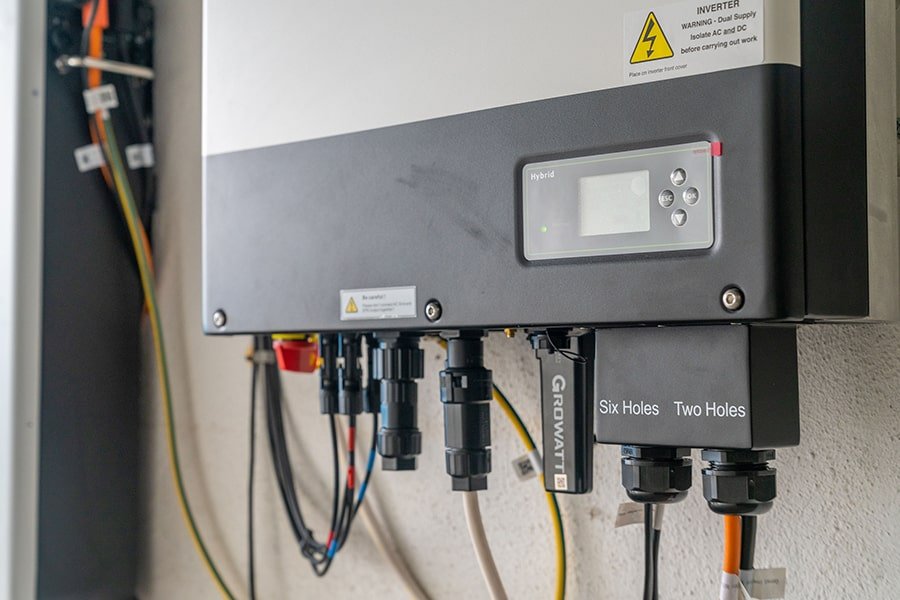
Inverters add another layer. Microinverters cost more but maximize production on shaded roofs. String inverters cost less but work best on simple, unshaded roofs.
Batteries add $8,000 to $15,000 or more.
You can get a clearer picture of the different kinds of solar modules available by reading up on the options. Each type has its own tradeoffs between cost and performance.
Installer Pricing Varies
Oregon has dozens of solar installers. Prices vary by 10 to 25 percent between companies for the same system. Getting multiple quotes is essential.
The cheapest quote isn't always the best value. But the most expensive doesn't guarantee the best quality.
Financing Changes the Upfront Cost
Cash purchase gives you the lowest total cost. Solar loans require no money down but add interest. Leases and PPAs (Power Purchase Agreements) have zero upfront cost but lower long-term savings.
The right choice depends on your cash flow and how long you plan to stay in your home.
Key Variables That Change Your Cost
Let's break down each variable so you can see where your situation lands. This is the decision tree part. Work through each one, and the price will start to come into focus.
Your Electricity Usage
Pull your last 12 months of utility bills. Find your total annual kWh usage. Divide by 12 for your monthly average.
Most Oregon homes use between 600 and 1,200 kWh per month.
Here's a rough guide to system size based on usage:
| Monthly Usage (kWh) | Recommended System Size | Estimated Cost Before Incentives |
|---|---|---|
| 600-800 | 5-7 kW | $12,500 – $21,000 |
| 800-1,000 | 7-9 kW | $17,500 – $27,000 |
| 1,000-1,200 | 9-11 kW | $22,500 – $33,000 |
| 1,200+ | 11+ kW | $27,500+ |
Your installer will do a more precise calculation. But this gives you a ballpark.
Your Roof's Orientation and Pitch
South-facing roofs get the most sun. East and west-facing roofs produce about 15 to 25 percent less. North-facing roofs are generally not worth it in Oregon.
Roof pitch also matters. A steep roof is harder to work on. It may require special mounting or safety equipment.
That adds cost.
Shading
Trees, chimneys, and nearby buildings cast shadows. Microinverters or power optimizers help mitigate shade. But heavy shade can make solar uneconomical.
An installer will measure shade throughout the year.
Your Roof's Condition
If your roof is 15 years old or older, get it inspected before solar. Replacing a roof after solar is expensive. It requires removing and reinstalling the panels.
Many homeowners combine roof replacement with solar installation. That saves money in the long run.
Local Utility and Net Metering
Oregon has three main utility territories. Portland General Electric (PGE) covers the Portland metro area. Pacific Power serves eastern and southern Oregon.
EWEB is in Eugene. Each has its own net metering policy and rebate programs.
Net metering credits you for excess electricity you send to the grid. In Oregon, most utilities credit at the retail rate. That's generous.
But policies can change. You can learn more about the advantages and disadvantages of solar panels in terms of grid connection and savings.
Equipment Quality
Premium panels cost more upfront but produce more power over 25 years. Budget panels cost less but degrade faster. The difference can be 5 to 10 percent in total lifetime output.
Inverters also vary. Microinverters cost $0.10 to $0.20 per watt more than string inverters. But they offer better performance on complex roofs.
Batteries are a separate decision entirely.
Step-by-Step: How to Get Your Real Price
You could spend hours reading about solar costs. But nothing beats getting real quotes. Here's the process that works.
Step 1: Gather Your Usage Data
Log into your utility account. Download your last 12 months of bills. Look for the total kWh used each month.
Add them up. That's your annual consumption.
Step 2: Research Your Roof
Check your roof's age, material, and condition. Note the orientation of your roof faces. Estimate the amount of shade.
You don't need to be precise. Your installer will verify everything.
Step 3: Get Multiple Quotes
Contact at least three Oregon solar installers. Ask for a site visit and a detailed quote. Compare system size, panel brand, inverter type, warranty, and total cost.
Don't just compare the bottom line. Look at the equipment and workmanship.
A good understanding of the main components of a solar panel will help you evaluate what each installer proposes.
Step 4: Calculate Incentives
The federal tax credit is 30 percent of the system cost. It's a dollar-for-dollar reduction on your federal income tax. You need enough tax liability to claim it.
Oregon's Energy Trust offers cash rebates typically between $400 and $1,500. The Oregon Department of Energy offers low-interest loans up to $40,000.
Step 5: Estimate Payback and Savings
Divide your net cost by your estimated annual savings. That gives you your payback period in years. Most Oregon homeowners see payback between 8 and 12 years.
After that, electricity is essentially free for the life of the system.
Costs & Metrics: What Oregon Data Shows
Let's get specific. Here's what the numbers actually look like for Oregon homeowners as of 2026.
Cost Per Watt in Oregon
The installed cost per watt in Oregon ranges from $2.50 to $3.50 before incentives. That's in line with the national average. Some areas with higher labor costs, like Portland, lean toward the upper end.
Rural areas may be slightly lower.
Typical System Costs
Here's a table showing realistic price ranges for common system sizes in Oregon:
| System Size | Panels Needed | Cost Range (Before Incentives) | Cost After 30% Federal Credit |
|---|---|---|---|
| 6 kW | 15-18 | $15,000 – $21,000 | $10,500 – $14,700 |
| 8 kW | 20-24 | $20,000 – $28,000 | $14,000 – $19,600 |
| 10 kW | 25-30 | $25,000 – $35,000 | $17,500 – $24,500 |
Oregon-Specific Incentives
The federal tax credit is the biggest incentive. It's 30 percent with no cap through 2032. After that, it steps down to 26 percent in 2033 and 22 percent in 2034.
The Energy Trust of Oregon offers cash rebates for qualifying systems. The amount varies by utility and system size. Typical rebates range from $400 to $1,500.
Some utilities offer additional incentives for low-income households.
The Oregon Department of Energy (ODOE) provides low-interest loans. Rates are around 3 to 5 percent. You can borrow up to $40,000 for solar and battery storage.
The loan covers the system cost after the federal tax credit.
Oregon also exempts the added home value from property tax. Your home's assessed value goes up. But you don't pay extra property tax on the solar addition.
That's a real savings.
Payback Period
Payback in Oregon typically runs 8 to 12 years. It depends on your electricity rates, system cost, and how much sun your roof gets. Higher electricity rates mean faster payback.
PGE's rates are among the highest in the state. That makes solar more attractive in PGE territory.
A 25-year system lifespan means 13 to 17 years of free electricity after payback. Total savings over 25 years can range from $20,000 to $50,000 or more.
Monthly Savings
Most Oregon homeowners save $50 to $150 per month after solar. The exact amount depends on your system size and usage. If your system covers 100 percent of your usage, your savings equal your previous electricity bill.
Production Estimates
Oregon gets about 4 to 5 peak sun hours per day on average. That's less than Arizona or California. But it's similar to Germany, which is a global leader in solar.
Modern panels are efficient enough to produce meaningful power even in cloudy conditions.
A 1 kW system in Oregon generates about 1,200 to 1,500 kWh per year. A typical 8 kW system produces 9,600 to 12,000 kWh annually. That covers most homes' electricity needs.
You can get a comprehensive solar panel buying guide that walks through the entire process from assessment to installation.

Similar Posts