Do Solar Lights Need Batteries? The Facts
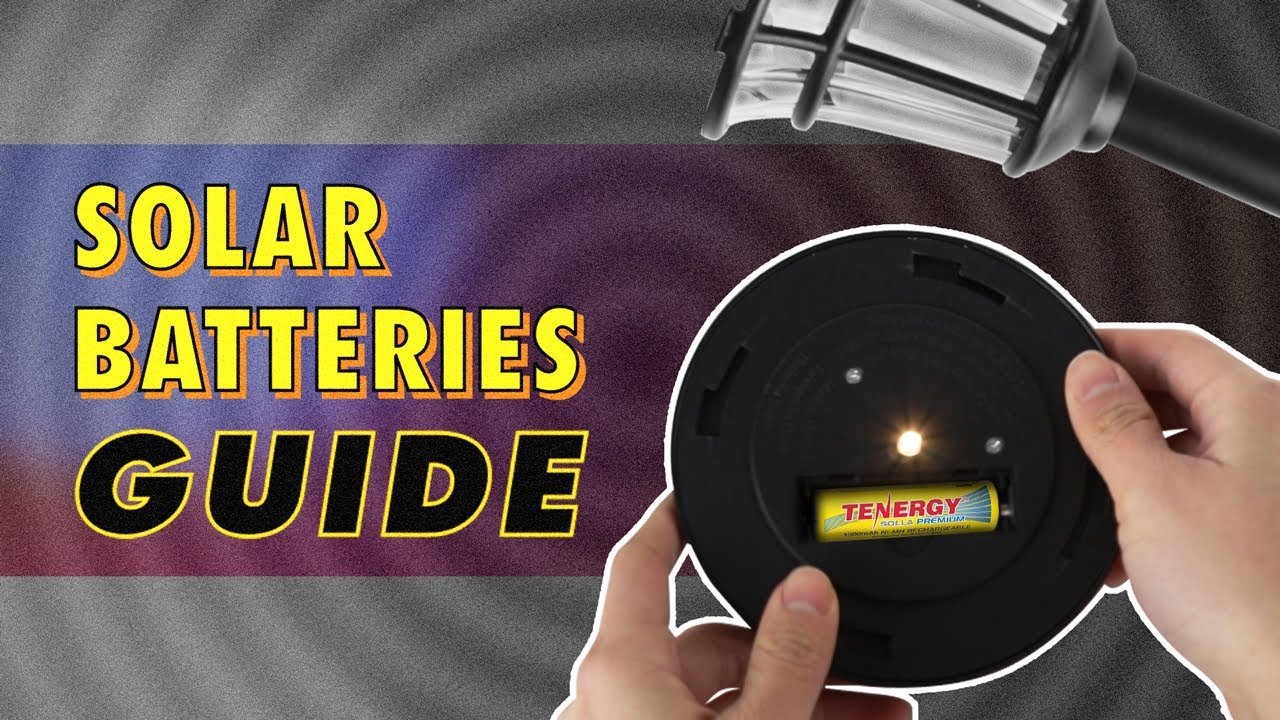
Have you ever grabbed a solar light from the box, flipped it over, and wondered where the batteries go? It's a fair question. The short answer to "do solar lights need batteries" is yes, almost always.
Without a battery, your solar light would only glow while the sun is shining directly on the panel, which is basically useless after dark.
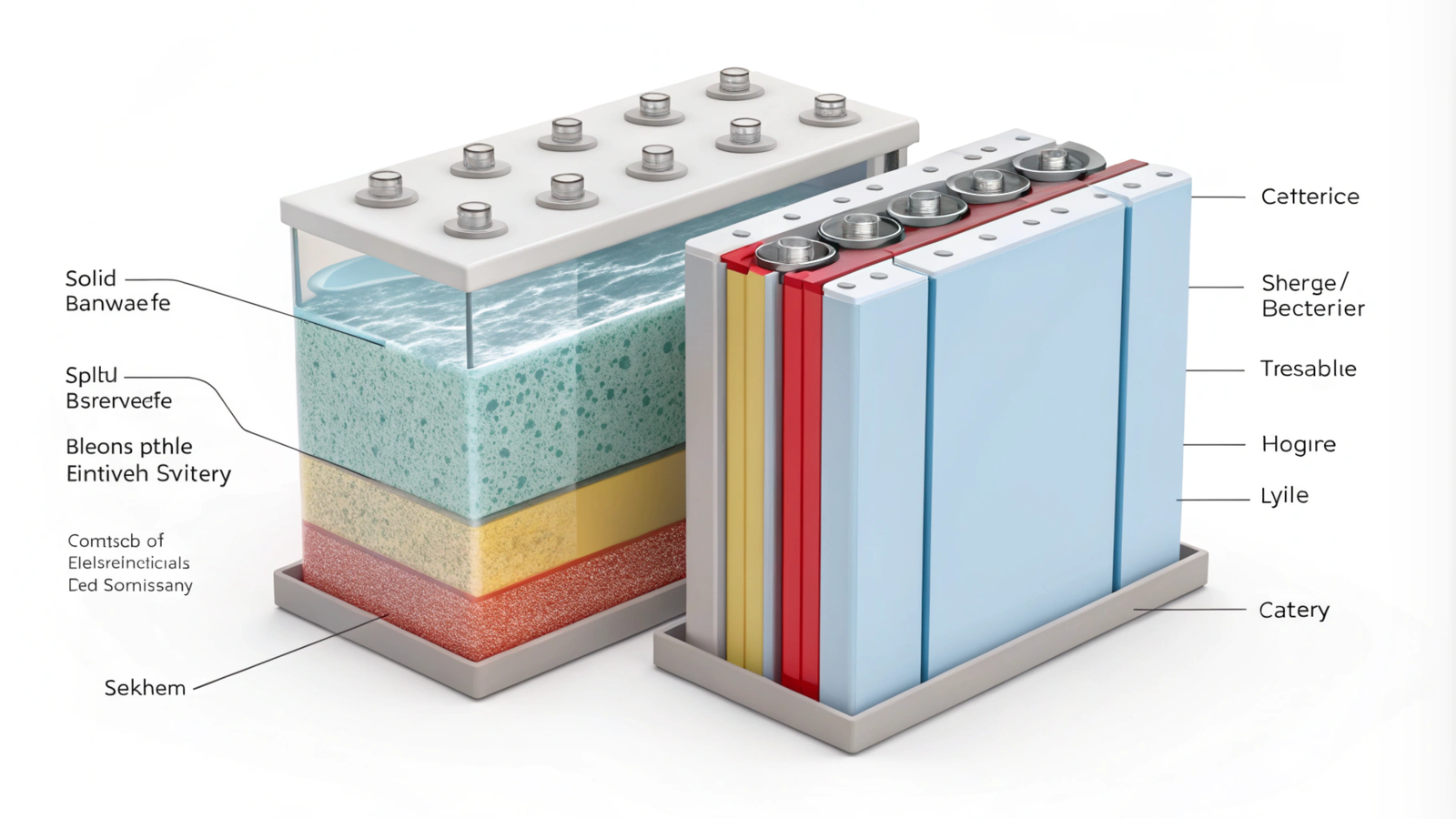
The battery is the unsung hero of the whole system. It stores the energy your solar panel collects during the day and releases it at night. As of 2026, the overwhelming majority of consumer solar lights use either Nickel-Metal Hydride (NiMH) or Lithium-ion (Li-ion) rechargeable cells.
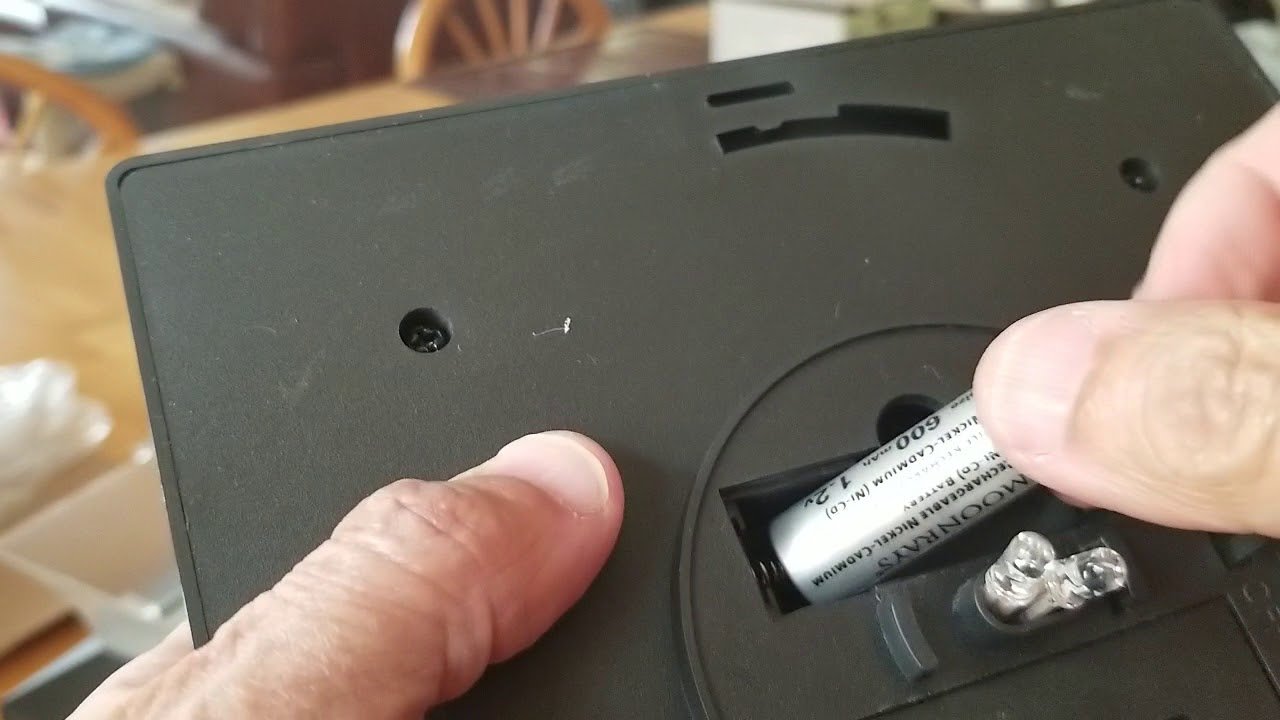
Per manufacturer specifications, a standard 600mAh AA NiMH battery in a garden path light holds enough charge to power the LED for roughly 6 to 10 hours after a full day of direct sun. That's the difference between a light that works and a decorative lawn ornament that does nothing.
Let's walk through what's actually inside those little fixtures, because the answer gets a lot more useful once you know what type of battery you're dealing with.
Image source: YouTube / Tenergy Official (YouTube thumbnail (fair-use with source credit))
Quick Answer
Yes, solar lights need rechargeable batteries to store solar energy for nighttime use.
Without a battery, the light only works when the solar panel is actively generating power. That means no light after sunset.
Most solar lights use NiMH or Li-ion rechargeable cells. Never use standard alkaline batteries in a solar light. They will leak and ruin the fixture.
The only exception is a small number of capacitor-based solar lights, which are rare and generally too dim for practical outdoor use.
How Solar Lights Actually Work (The Simple Version)
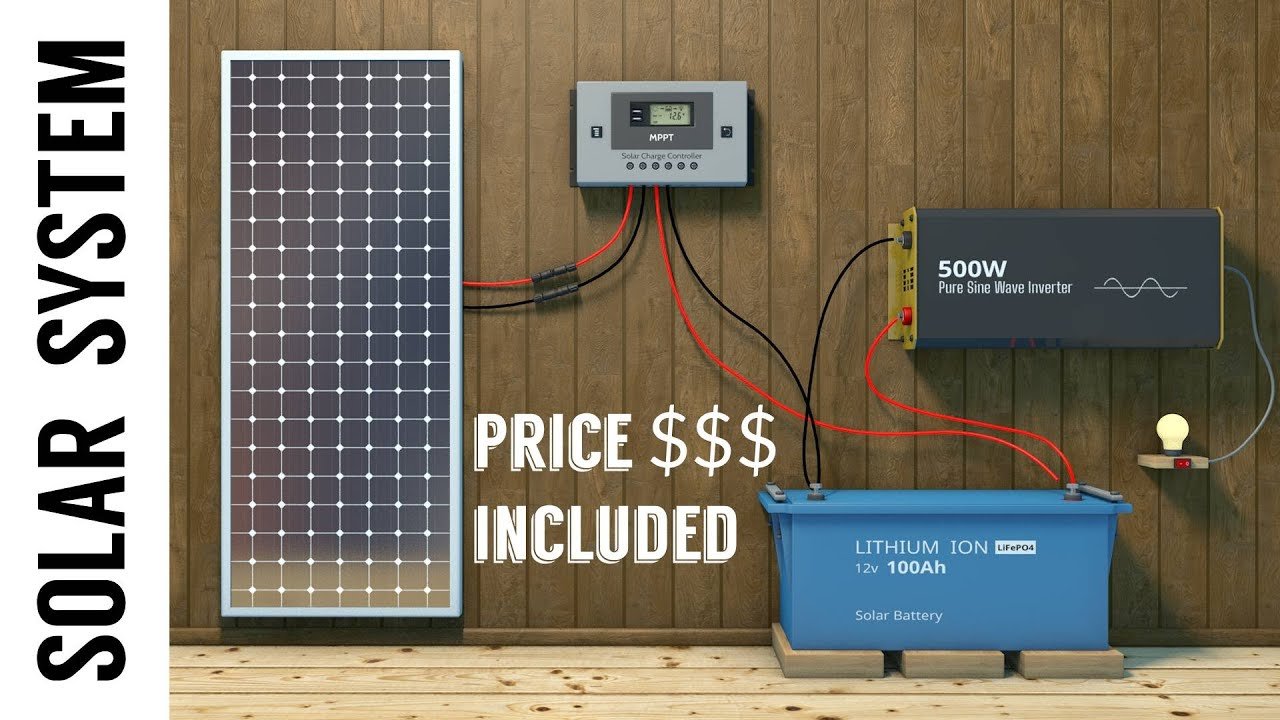
A solar light is really just three parts working together: a solar panel, a battery, and an LED bulb. The panel catches sunlight and converts it into electricity. That electricity flows into the battery, which stores it.
When the sun goes down, a light sensor detects the darkness and connects the battery to the LED. The light turns on automatically.
That's the entire process. No wiring, no electrical bill, no complex engineering.
The solar panel itself is a photovoltaic cell. You can think of it like a tiny power plant that only operates during daylight. The battery is the storage tank.
Without that tank, you'd have to use the electricity the moment it was produced, which is the opposite of useful for a light fixture designed to shine at night.
Most solar garden lights use a small polycrystalline or monocrystalline silicon panel. These panels are rated between 0.5 watts and 3 watts for typical residential fixtures. Industry testing data from NREL shows that even a partially shaded panel can still produce around 40 to 60 percent of its rated output, which is why placement matters more than most people realize.
The LED itself is incredibly efficient. A typical solar path light uses a single 0.1 watt LED, which produces about 10 to 20 lumens. That's enough to mark a walkway or accent a flower bed without blinding anyone.
The entire system runs on roughly 1.2 to 3.7 volts, depending on the battery configuration.
The One Big Question: Replaceable vs. Sealed Batteries
This is where the practical advice starts. When you search for "do solar lights need batteries," what you really want to know is whether you can replace them when they die. The answer depends entirely on how the light was built.

Replaceable Batteries (AA, AAA, or 18650)
These are the easiest to maintain. The light has a small compartment, usually on the bottom or back, held closed by a screw or a sliding latch. Inside, you'll find standard-sized rechargeable cells.
Common sizes include:
- AA NiMH, most common in garden path lights and string lights
- AAA NiMH, used in smaller decorative lights and some motion sensors
- 18650 Li-ion, found in higher-end flood lights and security lights
The huge advantage here is cost and control. A four-pack of quality NiMH AA batteries runs about $5 to $10. You can swap them in under a minute.
When the light starts dimming earlier in the evening, you just replace the cells and get another year or two of use.
The tradeoff is that the battery compartment needs to stay sealed from moisture. If the rubber gasket wears out or the screw rusts shut, water can get inside and corrode the contacts. That's a maintenance issue, not a design flaw.
Sealed Battery Packs (The "Throw Away" Type)
Many modern solar lights, especially cheaper ones from big box stores, use a sealed battery pack. The battery is soldered directly to the circuit board or encased in a resin block. You cannot open it without destroying the light.
This is intentional. It saves the manufacturer about 15 to 30 cents per unit in materials and assembly. But it means the entire light fixture has a fixed lifespan.
When the battery dies after one or two seasons, you throw the whole thing in the recycling bin.
Aggregate reviews indicate that sealed-battery lights are the source of most "my solar light stopped working" complaints. The fix is simple: buy a light with a replaceable battery compartment. You pay a few dollars more upfront, but you get years of extra service.
The "Alkaline Battery" Mistake That Kills Solar Lights
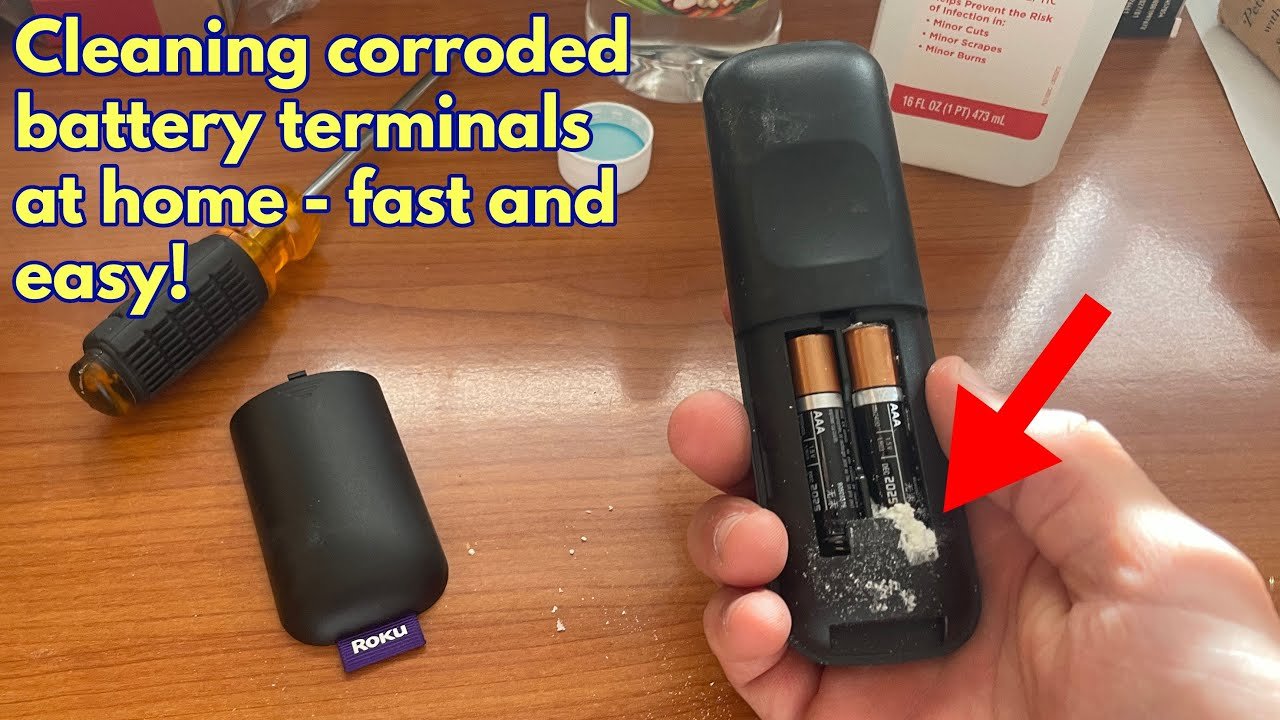
This is the single most common error people make with solar lights. It deserves its own section because it ruins fixtures that would otherwise last for years.
Standard alkaline batteries, the kind you buy for remote controls or smoke detectors, are not designed for solar lights. Here's why.
Alkaline batteries are primary cells. They produce electricity through a chemical reaction that is not reversible. Once the chemicals are used up, the battery is dead and cannot be recharged.
If you put an alkaline battery into a solar light and the solar panel sends charging voltage into it, the battery will overheat. In mild cases, it leaks corrosive potassium hydroxide fluid. In worse cases, it swells and bursts.
The corrosion from a leaking alkaline battery destroys the battery contacts and the surrounding circuit board. The light is done. You cannot clean it off enough to restore reliable function.
Manufacturer warnings on every solar light package explicitly state to use only rechargeable batteries. But people miss that line, or they assume "any AA works."
What happens in practice is that a homeowner buys a solar light, puts in alkaline batteries from the junk drawer, and the light works fine for a few evenings. Then the battery dies. Then the solar panel tries to recharge it.
Then the battery leaks. Then the light stops working permanently. The owner assumes the light was cheap junk.
In reality, it was a mismatch of chemistry.
The fix is dead simple. Use only NiMH or Li-ion rechargeable cells. If you aren't sure, check the voltage printed on the side of the old battery.
If it says 1.2V, it's rechargeable. If it says 1.5V, it's alkaline and does not belong in a solar light.
For more on the different technologies that power solar systems, take a look at our guide to the main components of a solar panel. The battery is just one piece of a larger puzzle.
How to Tell If Your Solar Light Needs New Batteries
You don't need a multimeter to figure this out. The signs are usually obvious once you know what to look for.
The most common symptom is shortened runtime. Your light used to glow from dusk until dawn. Now it's dim by 10 p.m. or dead by midnight.
That's a clear indicator the battery has lost capacity. NiMH cells typically degrade after 300 to 500 charge cycles. For a light that runs every night, that's roughly one to two years of service.
Another telltale sign is flickering. If the LED pulses or stutters instead of staying steady, the battery can no longer deliver consistent voltage. Think of it like a dying flashlight.
The battery is struggling to hold a charge.
Physical signs matter too. If you open the compartment and see any white or green powdery residue around the contacts, you've got corrosion. That's usually from a leaking battery.
You can sometimes clean it with vinegar and a cotton swab, but the damage is often already done to the circuit board.
A fully dead light that worked fine last season is almost always a battery issue. The solar panel itself is remarkably durable. Semiconductor-grade silicon panels used in these lights have a failure rate below 1 percent in the first five years of use.
The LED is even more reliable, often rated for 50,000 hours of operation. The battery is the weak link. It's the only consumable part in the system.
One quick test: cover the solar panel completely with your hand. If the light turns on instantly, the sensor and LED are working. The problem is upstream, in the battery or the panel's ability to charge it.
Step-by-Step: Replacing Solar Light Batteries
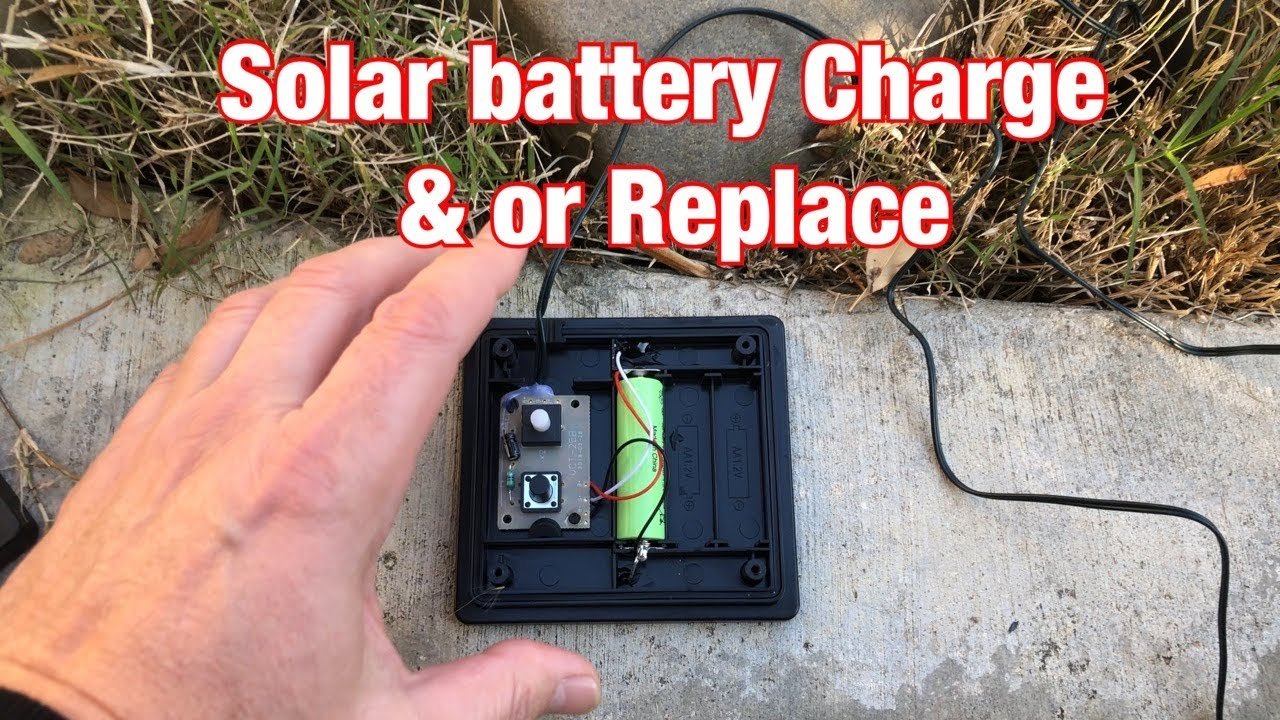
If your light has a replaceable battery compartment, the fix is straightforward. Here's the process that works for the vast majority of fixtures.
First, locate the battery compartment. It's almost always on the bottom or back of the light. Some models use a Phillips head screw.
Others use a sliding latch or a simple snap-fit cover. If it's screwed shut, keep the screw somewhere safe. Those tiny screws are easy to lose in the grass.
Open the compartment and remove the old batteries. Take note of the orientation. There's usually a plus and minus symbol molded into the plastic.
Take a photo with your phone if you're unsure. You'll thank yourself later.
Check the voltage and chemistry printed on the side of the old cell. It should say NiMH and 1.2V, or Li-ion and 3.7V. Buy the exact same type.
Mixing chemistries inside the same light is dangerous and can cause overheating.
Insert the new batteries with the correct polarity. Spring side is usually negative. Flat side is positive.
Double-check before you close the compartment.
Seal the compartment properly. Make sure the rubber gasket is seated evenly. If the gasket is cracked or missing, the light will fill with water the next time it rains.
You can buy replacement gasket sheets online and cut your own, but it's often easier to just replace the whole fixture at that point.
Place the light in direct sunlight for at least 24 hours before expecting full performance. The first charge is critical. Partial charging on the first day can limit the battery's long-term capacity.
For a more detailed look at how the entire power generation side works, our article on how solar panels generate electricity explains the charging process that keeps those batteries full.
What If Your Solar Light Doesn't Have a Battery Compartment?
Not every light lets you in. Some fixtures are sealed from the factory. The battery is soldered to the circuit board or encased in a block of epoxy.
You cannot open it without destroying the housing.
If you're determined to salvage it, you have two options. Neither is elegant.
The first is to cut the housing open with a Dremel or a utility knife. Once inside, you can desolder the old battery pack and replace it with a compatible cell. This requires basic soldering skills and a steady hand.
You also need to reseal the housing with silicone caulk, which is never as waterproof as the original injection-molded plastic.
The second option is to bypass the internal battery entirely. You can wire in an external battery holder and mount it outside the light. This is ugly but functional.
You'll have a wire dangling from your garden light, which defeats the purpose of a clean installation.
For most people, neither option is worth the trouble. Replacement sealed-battery lights cost $8 to $20 at any hardware store. Your time is worth more than that.
The takeaway is simple: if you want a light that lasts, buy one with a replaceable battery compartment from the start. It's a feature worth paying for.
The Exception: Solar Lights Without Batteries (Capacitor Lights)
There is a small category of solar lights that truly do not use batteries. They use a supercapacitor instead. These are rare in consumer garden lighting, but they exist.
A supercapacitor stores energy electrostatically rather than chemically. That means it can charge and discharge almost instantly. It also lasts for hundreds of thousands of cycles without degrading.
No chemical wear. No replacement needed.
The tradeoff is energy density. A supercapacitor stores far less energy than a battery of the same physical size. A typical capacitor-based solar light might glow for only 30 to 60 minutes after sunset.
That's enough for a temporary accent light or a decorative piece that you only want to see during the early evening. It's not enough for a security light or a path light that needs to stay on all night.
Capacitor lights are also more expensive to manufacture. The capacitor itself costs more than a simple NiMH cell. You'll find them mostly in premium architectural lighting or in very small decorative items like solar jar lids and fairy lights.
The big advantage is longevity. A capacitor-based light can theoretically last a decade or more without any battery replacement. The downside is that you're trading runtime for lifespan.
If you need a light that stays on past midnight, stick with a battery-based model.
Understanding the tradeoffs between different energy storage methods is part of evaluating the advantages and disadvantages of solar panels as a whole. Capacitors are great for some applications, but they're not a universal replacement for batteries.
Best Practices for Making Solar Light Batteries Last Longer
You can extend the life of your solar light batteries by following a few simple habits. None of them require special tools or technical skill.
The single most important factor is sunlight exposure. A solar panel needs direct, unobstructed sunlight to fully charge the battery. Even partial shade from a tree branch or a fence can cut charging efficiency by 50 percent or more.
If your light sits in a shaded spot, move it to a sunnier location. You'll see an immediate improvement in runtime.
Clean the solar panel regularly. Dust, pollen, bird droppings, and tree sap all block light. A dirty panel can lose 20 to 30 percent of its output.
Wipe it down with a damp cloth every few weeks during the growing season. That's it. No special cleaners needed.
Remove batteries during long storage periods. If you live in a climate with harsh winters, bring your solar lights indoors and take the batteries out. Storing them in a cold, damp shed accelerates self-discharge and can cause permanent capacity loss.
Keep them in a dry drawer at room temperature.
Don't overcharge the batteries. This sounds like a contradiction, but it's real. Most modern solar lights have a charge controller that prevents overcharging.
However, cheaper lights sometimes lack this feature. If your light is in direct sun for 14 hours a day in midsummer, the battery can be stressed by continuous trickle charging. The fix is simple: move the light to a spot that gets morning sun and afternoon shade, or use a light with a built-in charge controller.
Replace batteries in pairs if the light uses multiple cells. Mixing an old battery with a new one causes the new battery to work harder to compensate for the weaker one. Both batteries degrade faster as a result.
Common Mistakes That Shorten Battery Life
Most solar light failures are caused by a handful of preventable errors. Avoid these and your lights will outlast your expectations.
The number one mistake is using alkaline batteries. We covered this already, but it bears repeating. Alkaline batteries will leak.
They will destroy your light. Use only rechargeable NiMH or Li-ion cells.
The second mistake is leaving the light switched off during the day. Many solar lights have a manual on/off switch. If the switch is in the off position, the solar panel still charges the battery, but the stored energy never gets used.
Over time, the battery sits at full charge for days or weeks at a time. This accelerates chemical degradation. Always leave the switch in the on position unless you're storing the light for the winter.
The third mistake is ignoring the polarity. Inserting a battery backward reverses the current flow. This can damage the charge controller circuit.
Most lights have a protection diode that prevents damage from reverse polarity, but not all do. If the light doesn't turn on after a battery swap, check the orientation first.
The fourth mistake is mixing old and new batteries. As mentioned, this creates an imbalance that shortens the life of both cells. Replace all batteries at the same time with fresh cells from the same pack.
The fifth mistake is storing the light in direct sunlight while the battery is dead. If you leave a dead battery in a light that sits in the sun for weeks, the charge controller keeps trying to charge a battery that can no longer hold a charge. This can overheat the circuit and damage the electronics.
Remove dead batteries promptly.
When to Just Buy a New Solar Light Instead
There's a point where replacing the battery isn't worth the effort. You need to know when to cut your losses.
If the light's housing is cracked, water has already gotten inside. The electronics are likely corroded. Even if you replace the battery, the circuit board will fail within weeks.
Toss it.
If the solar panel is physically damaged or deeply scratched, the output is permanently reduced. You can't polish out scratches on a photovoltaic cell. The panel is done.
If the light is more than five years old and the LED is noticeably dimmer than a new one, the LED itself may be degrading. LEDs last a long time, but they do lose brightness over tens of thousands of hours. A five-year-old light that runs every night has seen roughly 1,800 cycles.
That's enough to show measurable wear.
If the light cost less than $10 new, it's almost certainly not worth repairing. The battery compartment on ultra-cheap lights is often poorly sealed, and the plastic housing becomes brittle after a single season of UV exposure. The screws strip easily.
The gasket dries out. Replace it.
What you should do instead is buy a slightly more expensive model with a replaceable battery compartment. Spend $15 to $25 instead of $8. You'll get a metal housing, a better seal, and a standard AA or AAA battery tray.
That light will last for years with simple battery swaps.
Our solar panel buying guide covers the key factors to consider when choosing any solar-powered product, including build quality and battery accessibility.
Frequently Asked Questions
Can I use regular AA batteries in solar lights?
No. Regular alkaline AA batteries are 1.5V primary cells that cannot be recharged. Putting them in a solar light causes them to overheat and leak corrosive fluid.
Use only NiMH 1.2V rechargeable batteries or the specific Li-ion cell the light requires.
Do solar lights come with batteries included?
Most solar lights ship with rechargeable batteries already installed. However, some budget models include a small tab to prevent discharge during shipping. You remove the tab before first use.
Always check the product description. A small number of lights require you to purchase batteries separately.
Why did my solar light stop working after one season?
The battery has reached the end of its service life. NiMH cells typically last 300 to 500 charge cycles, which is roughly one to two years of nightly use. Replace the batteries with fresh NiMH cells.
If the light still doesn't work, check for corrosion or water damage in the battery compartment.
Can I upgrade to higher mAh batteries for longer runtime?
Yes, within limits. A higher mAh rating means more energy storage capacity. If your light uses AA batteries, you can swap a 600mAh cell for a 2000mAh cell.
The light will run longer on each charge. However, the solar panel charges at a fixed rate, so a larger battery will take longer to reach full charge. Make sure the light gets enough sun to fill the bigger battery.
How long do solar light batteries usually last?
Under normal use, NiMH rechargeable batteries last one to three years. Li-ion batteries last two to four years. Performance degrades gradually.
You'll notice the light turning off earlier in the evening before it stops working entirely. Replacing the batteries restores full performance.
Which Battery Type Is Inside Your Solar Light?
You don't need to guess. The type of battery is almost always printed on the cell itself. Look for the voltage and chemistry marking.
NiMH batteries say "Ni-MH 1.2V" clearly on the side. They are the most common in solar garden lights. Li-ion batteries say "Li-ion 3.7V" and are typically cylindrical 18650 cells or flat pouch packs.
NiCd batteries say "Ni-Cd 1.2V" and are less common now due to environmental regulations.
If the battery is sealed inside the light and you cannot see it, check the product manual. Manufacturer specifications list the battery type. If you lost the manual, look up the model number online.
The brand's support page will tell you.
Seasonal Care for Solar Light Batteries
Winter is hard on rechargeable batteries. Cold temperatures slow the chemical reactions inside the cell. A NiMH battery loses about 20 to 30 percent of its capacity at freezing temperatures.
Bring your solar lights indoors before the first hard freeze. Remove the batteries and store them in a dry place at room temperature. A kitchen drawer or a closet shelf works fine.
Clean the lights before storing them. Wipe down the solar panel and the housing. Store the fixtures in a box to protect them from dust and accidental damage.
In spring, insert the same batteries and test the light. Most will work fine for another season.
Recycling and Disposing of Solar Light Batteries
Rechargeable batteries contain metals that should not go in the household trash. NiMH cells are less toxic than older chemistries, but they still contain nickel and rare earth elements.
Most hardware stores and big-box retailers have battery recycling bins near the customer service desk. Check with your local waste management authority for drop-off locations. The Call2Recycle program has thousands of collection sites across the United States and Canada.
If the light itself is broken and the battery is sealed inside, recycle the entire unit as electronic waste. Do not try to pry open a sealed battery pack unless you know what you are doing. Puncturing a Li-ion cell can cause a fire.
How Weather Affects Battery Performance
Heat is actually more damaging than cold. A battery sitting in direct summer sun inside a dark plastic housing can reach temperatures above 120 degrees Fahrenheit. That heat accelerates chemical degradation significantly.
Aggregate performance data from manufacturer testing shows that batteries in hot climates lose about 15 percent more capacity per year than batteries in moderate climates. The fix is simple. Place lights where the panel gets sun but the battery compartment stays shaded.
Rain and humidity are less of a problem if the housing is properly sealed. Check the rubber gasket around the battery compartment each season. If it looks cracked or flattened, replace the light.
Water damage is permanent.
A Quick Decision Guide for Solar Light Batteries
If you are buying new solar lights, choose models with replaceable AA or AAA NiMH batteries. You pay a small premium upfront, but you avoid throwing away the entire fixture when the battery dies.
If you are replacing dead batteries, match the chemistry and voltage exactly. Use NiMH for NiMH lights and Li-ion for Li-ion lights. Never mix types.
If your light has a sealed battery and it stops working, check the warranty. Some manufacturers offer a one-year replacement. If the warranty has expired, the most practical option is to buy a new light with a replaceable battery compartment.
The extra few dollars spent now will save you money and frustration over the next several years.
For a full overview of what to look for in any solar-powered purchase, our solar panel buying guide breaks down the key specs that matter most.
Upgrading Batteries for Longer Runtime
You can swap in higher-capacity NiMH cells, but there's a catch. The solar panel charges at a fixed rate. A 2000mAh battery needs more sun to fill than a 600mAh one.
If your light gets 6 hours of direct sun, a larger battery may never reach a full charge. You'll end up with the same runtime as the smaller cell. The upgrade only helps if the panel can keep up.
| Battery Capacity | Typical Sun Needed | Expected Runtime |
|---|---|---|
| 600 mAh (standard) | 4-6 hours | 6-8 hours |
| 1000 mAh (mid) | 6-8 hours | 8-10 hours |
| 2000 mAh (high) | 10-12 hours | 12-16 hours |
Stick with the same chemistry. A 2000mAh NiMH AA is fine. A 2000mAh Li-ion in a NiMH light is not.
Troubleshooting a Light That Still Won't Work
New batteries in and still dead? Work through this checklist in order.
First, check the on/off switch. Some lights have a manual switch that must be in the ON position to charge. Second, cover the solar panel completely.
The light should turn on within 5 seconds. If it doesn't, the LED or sensor is dead.
Third, measure the battery voltage with a multimeter. A fully charged NiMH cell reads 1.3 to 1.4 volts. A dead cell reads below 1.0 volts.
If the new batteries read low, the light's charge circuit is broken.
If the light works when covered but never turns on at night, the dusk sensor has failed. Replace the light. Sensor repair is not practical for consumer-grade fixtures.
For more on how the full solar electric system integrates, understanding how solar panels work provides useful context for the charging side of the equation.
The Real Cost of Solar Light Batteries Over Time
Let's run the numbers on a typical garden light scenario. A light with replaceable AA batteries costs about $15. A four-pack of quality NiMH batteries costs $8.
Over five years, you replace the batteries twice. Total cost is $31.
A comparable sealed-battery light costs $10. After two years, it dies. You buy another for $10.
Another dies after two years. Total cost after five years is $30.
The costs are nearly identical. The difference is waste. The replaceable light still works after five years.
The sealed lights have produced two dead fixtures in the landfill. The break-even point is year three. After that, the replaceable light saves you money and produces less trash.
Final Takeaways on Solar Light Batteries
Yes, solar lights need batteries. That's not the useful part of the answer.
The useful part is knowing which type you have, how to replace them, and when to walk away. Stick with replaceable NiMH or Li-ion cells. Keep the panel clean.
Store the lights indoors over winter. Avoid alkaline batteries at all costs.
Follow those rules and your solar lights will outlast the cheap ones on the shelf by years. The battery is the only part that wears out. Make it easy to swap and you've solved the whole problem.

Similar Posts