How Much Do Solar Panels Cost in Colorado?
Renewable Energy Systems Specialist & Lead Solar Hardware Tester
If you've been searching for an answer to the question of how much do solar panels cost in Colorado, you've probably noticed that every website gives you a different number. Some say $15,000. Others say $30,000.
Neither is wrong, and neither is right for everyone. That's not a cop-out. It's the truth about how solar pricing actually works in this state.
Your final price depends on three things that are unique to your home: how much electricity you use, what your roof looks like, and which utility company you're on. As of 2026, the average Colorado homeowner pays between $2.80 and $3.50 per watt before the federal tax credit. For an 8-kilowatt system, that's roughly $22,400 to $28,000 upfront.
After the 30% federal credit, you're looking at $15,680 to $19,600. But those are averages. Your actual number could be higher or lower depending on the choices you make.
Let's walk through what those choices are and how to figure out your own personal cost.
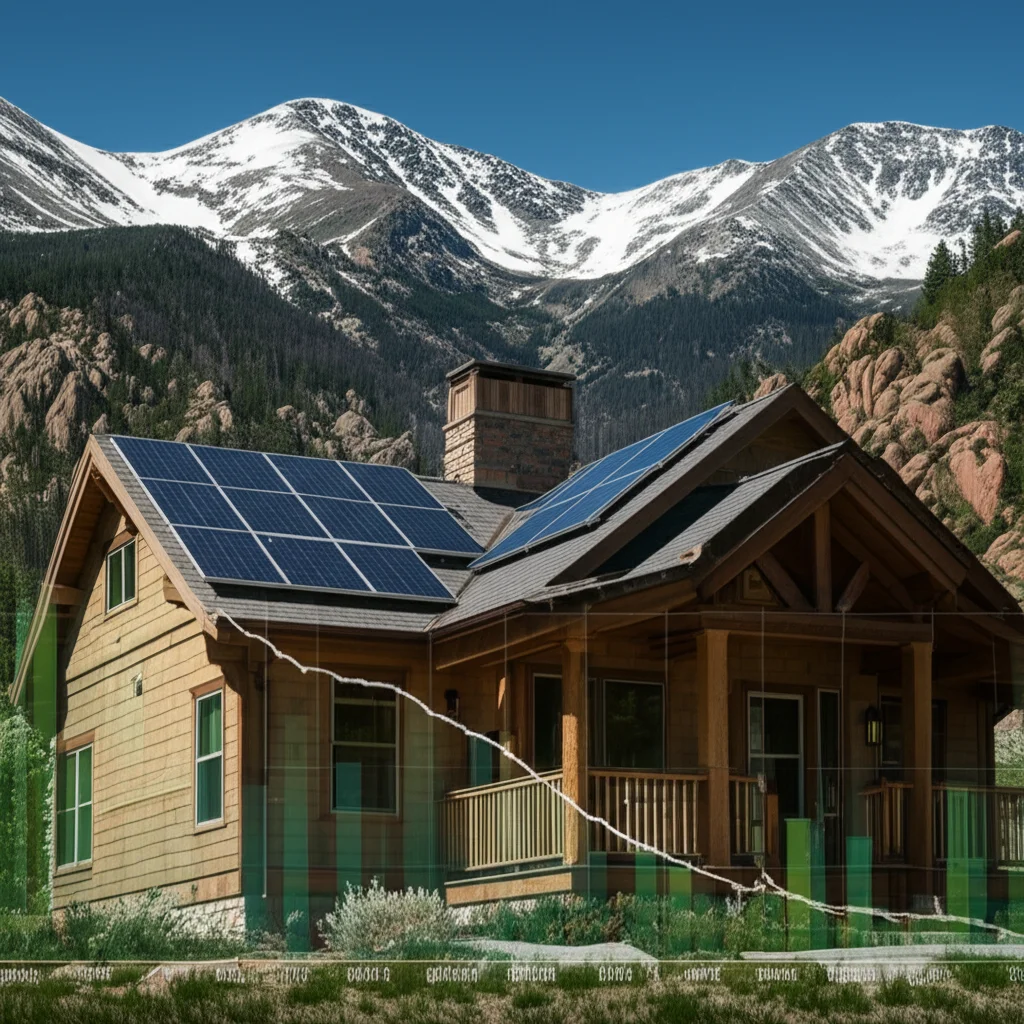
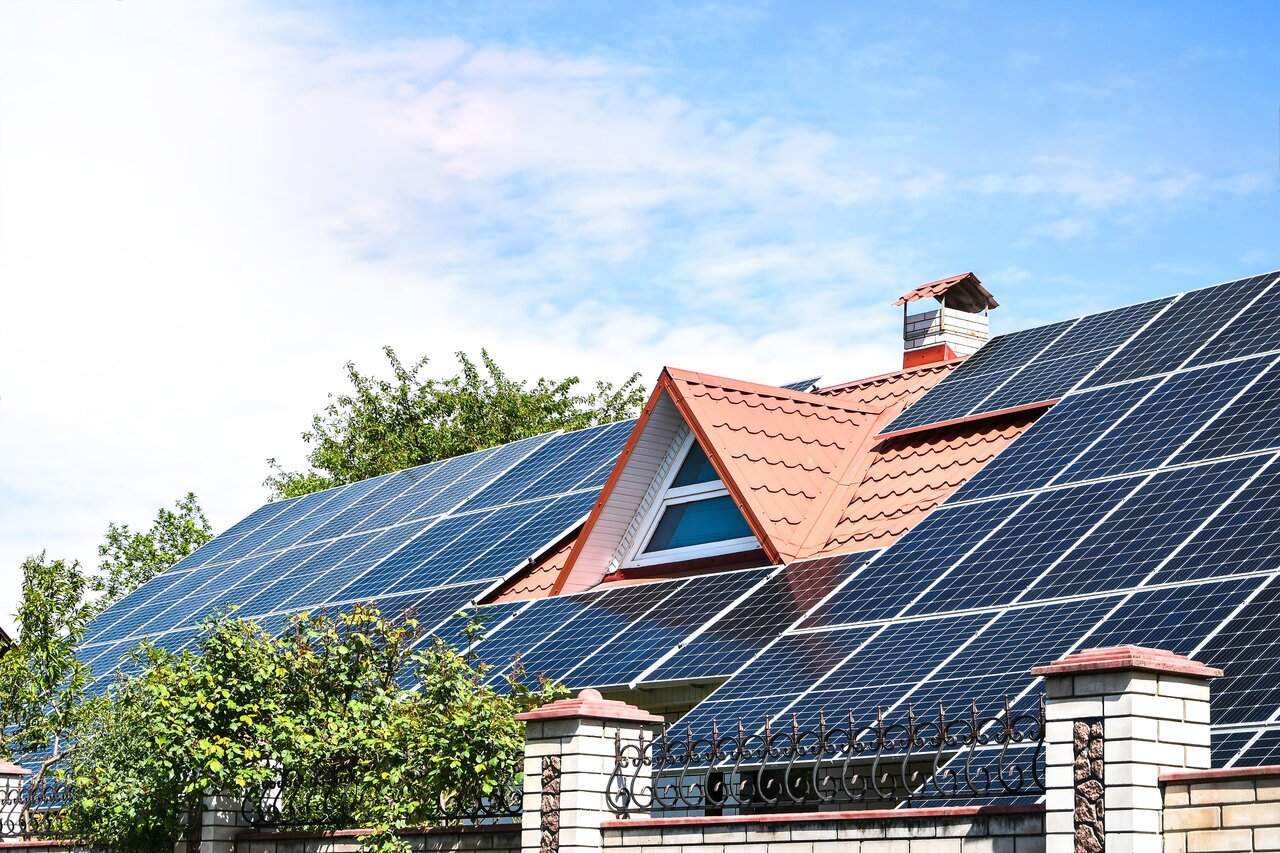
Image source: Bing (Web (fair-use with source credit))
Quick Answer
A typical Colorado solar system costs $2.80 to $3.50 per watt. An 8 kW system runs $22,400 to $28,000 before incentives. The 30% federal tax credit drops that to $15,680 to $19,600.
Payback takes 7 to 12 years. Your actual cost depends on system size, equipment, and installer. Colorado also exempts solar from property tax increases.
The Real Problem: Why There's No Single "Solar Panel Cost" for Colorado
Here's the thing. Solar pricing isn't like buying a TV where you walk into a store and see one price tag. It's more like remodeling a kitchen.
Every home is different, and every quote reflects your unique situation.
The cost per watt in Colorado ranges from about $2.50 on the low end for a simple, south-facing roof with a cash purchase, all the way up to $4.00 or more for a complex installation with battery storage and financing. That's a huge spread. And if you're just looking for a single number, you'll either overpay or miss out on a system that actually fits your needs.
The real problem is that most online articles give you a flat average and send you on your way. That doesn't help you budget. It doesn't help you compare quotes.
And it definitely doesn't help you avoid the common mistakes that inflate your final bill.
So instead of one answer, what you really need is a decision tree. A way to look at your own situation and follow the right branch to your own accurate estimate. That's exactly what we're building here.
The 3 Big Variables That Change Your Price
Three things drive the cost of solar in Colorado more than anything else. If you understand these, you're already ahead of most homeowners shopping for quotes.
How Much Electricity You Use
Your annual electricity usage determines the size of the system you need. More usage means more panels, which means a higher total cost. But here's the catch: the larger the system, the lower the cost per watt.
Installers have fixed costs for permits, design, and labor. Those get spread out over more panels on a bigger system.
A typical Colorado home uses 8,000 to 12,000 kilowatt-hours per year. That translates to a 6 to 10 kW system. Smaller homes or energy-efficient ones might only need 4 to 6 kW.
A big house with electric heating or an EV charger could require 12 kW or more.
Here's a rough breakdown of system sizes and their pre-incentive costs:
| System Size | Annual Usage (kWh) | Typical Cost Range | After 30% Tax Credit |
|---|---|---|---|
| 6 kW | 8,000-9,000 | $16,800-$21,000 | $11,760-$14,700 |
| 8 kW | 10,000-12,000 | $22,400-$28,000 | $15,680-$19,600 |
| 10 kW | 13,000-15,000 | $28,000-$35,000 | $19,600-$24,500 |
| 12 kW | 16,000+ | $33,600-$42,000 | $23,520-$29,400 |
Your first step is to pull your last 12 months of electric bills and add up the kilowatt-hours. That number is your starting point.
Your Roof's Condition, Pitch, and Direction
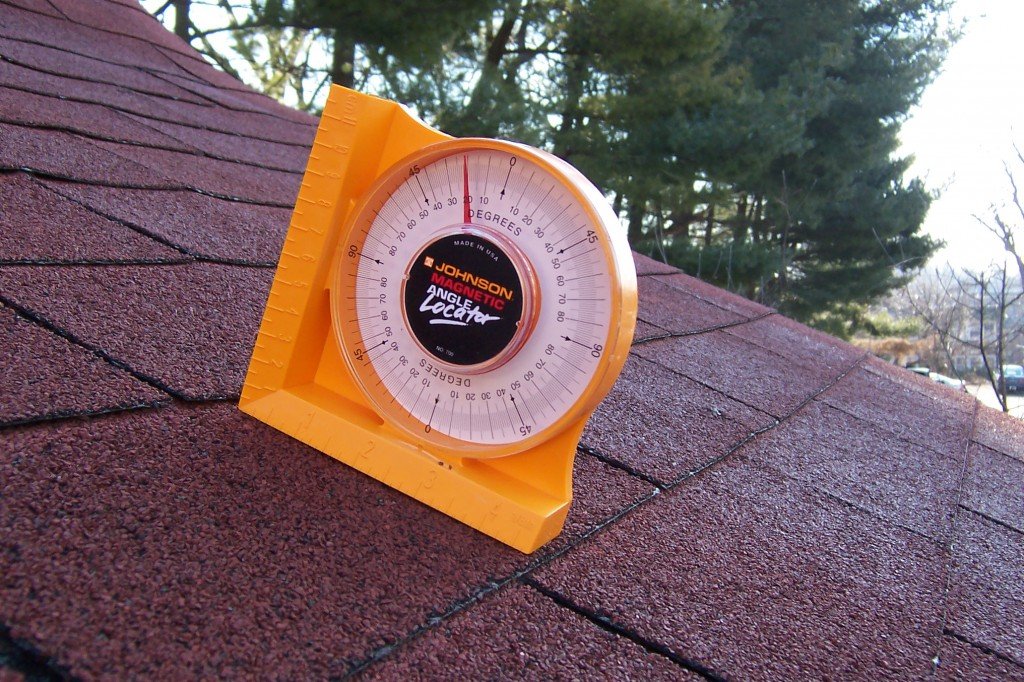
Your roof is the most underrated cost variable in solar. Here's why.
A simple south-facing roof with a 4:12 to 6:12 pitch and no obstructions is the cheapest roof to install on. The crew works fast. The racking is standard.
There are no surprises. That's the $2.80 per watt installation.
Now compare that to a complex roof with multiple angles, skylights, chimneys, or valleys. Or a roof that faces east and west instead of south. Or a flat roof that needs ballasted mounting.
Or a tile or metal roof that requires special flashing. Each of those adds labor time and hardware costs. You can easily see the per-watt price climb to $3.50 or more.
Then there's roof age. If your roof has less than 10 years of life left, you should replace it before installing solar. That's a separate cost of $8,000 to $15,000 for a typical Colorado home.
And if you don't, you'll pay to remove and reinstall the panels when the roof fails. That's $3,000 to $5,000 on its own.
Take a hard look at your roof before you get quotes. If it needs work, factor that into your total budget.
Which Colorado Utility You're On
Colorado has dozens of utilities, and they all handle solar differently. Most of the Front Range is on Xcel Energy. But there are also municipal utilities like Colorado Springs Utilities and Fort Collins Utilities.
And there are rural electric cooperatives like San Miguel Power and Delta-Montrose Electric.
Xcel Energy offers retail net metering with a cap at 120% of your annual usage. That means you can offset up to 120% of your consumption and get credited at the full retail rate. That's good for solar economics.
Municipal utilities and co-ops often have different rules. Some offer net metering but at lower rates. Some have caps that kick in sooner.
Some require a separate battery if you want backup or better time-of-use savings. The terms of your interconnection agreement directly affect how much money your system saves you, which changes your payback period.
Check with your specific utility before you start getting quotes. Ask about their net metering policy, interconnection fees, and any time-of-use rate plans they offer. That information is free, and it will help you compare installer proposals more intelligently.
Decision Branch #1: Buy, Finance, Lease, or Subscribe?
Now that you know your usage and roof situation, it's time to decide how you'll actually get solar. This is the biggest financial decision in the process.
Cash Purchase vs. Solar Loan
Paying cash gives you the lowest overall cost. You own the system outright. You get the full 30% federal tax credit.
There's no interest, no loan fees, and no third party involved. A typical 8 kW system for $22,400 becomes $15,680 after the credit. You start saving on electricity immediately, and the payback period is 7 to 9 years.
Most people don't have that much cash sitting around. That's where solar loans come in. A solar loan lets you finance the system with little or no money down.
The interest rates vary from 4% to 8% depending on your credit and the loan term. The catch is that the lender typically takes the federal tax credit as a down payment, not you. Or they structure the loan so you get the credit, but the rate is higher.
Who is cash best for? Homeowners with savings who plan to stay in their house for 10+ years. Who is a loan best for?
Anyone who wants solar now, has good credit, and plans to stay for at least 5 to 7 years. The monthly payment on a loan should be less than your average electric bill, or the math doesn't work.
Solar Lease / Power Purchase Agreement (PPA)
A solar lease or PPA involves no upfront payment. A third party owns the system on your roof. You pay them a fixed monthly fee or a per-kilowatt-hour rate for the power the system produces.
The installer handles maintenance and monitoring.
The downside is that you don't get the tax credit. The installer does. And you typically save less money over time compared to owning.
Savings are usually 10% to 20% off your current electric bill, not the 70% to 90% you might see with ownership.
Who is leasing best for? Homeowners with no tax liability who can't use the federal credit, or people who plan to move in 3 to 5 years and want no upfront cost. If you're staying long-term, ownership almost always wins.
Community Solar (Off-Site Alternative)
If your roof doesn't work for solar (too much shade, wrong orientation, needs replacement), community solar is a solid alternative. You subscribe to a share of a larger solar farm elsewhere in Colorado. You get credits on your electric bill for the power your share produces.
There's no installation, no maintenance, and no upfront cost.
Community solar typically saves you 5% to 15% on your bill. It's not as profitable as rooftop ownership, but it's better than paying full retail rates. And it requires zero commitment to your property.
Decision Branch #2: Do You Need Battery Storage?
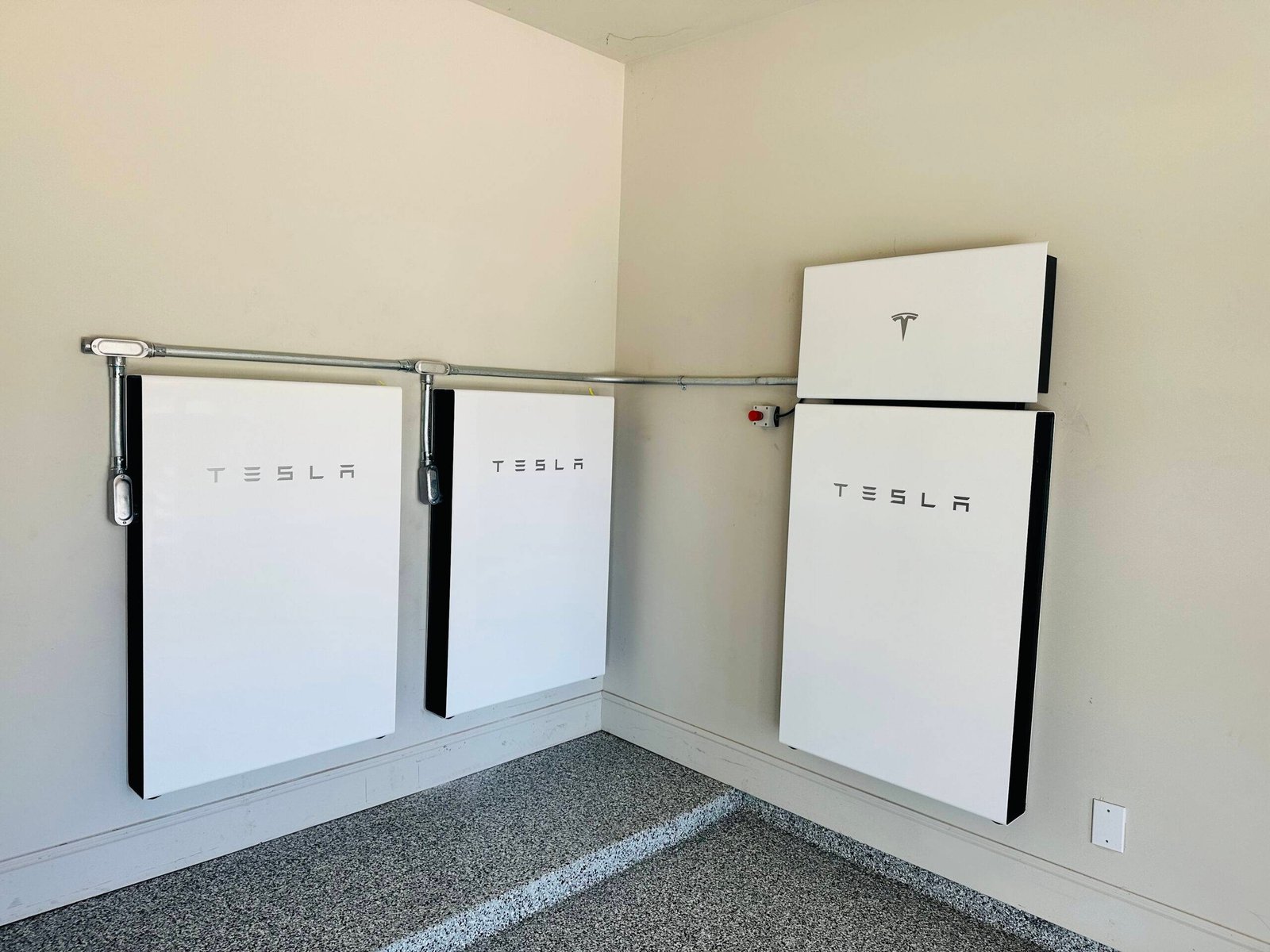
Battery storage adds $8,000 to $15,000 to your system cost. That's a big number. So you need to be honest about whether you actually need it.
With Net Metering (No Battery)
If you're on Xcel Energy with full retail net metering, a battery is hard to justify on economics alone. Your grid acts as your battery. You send excess power out during the day and pull it back at night for free.
Your net bill is just the difference between what you consume and what you produce over the billing cycle.
In this scenario, a battery adds cost without adding savings. Your payback period gets longer by 5 to 8 years. Skip the battery unless you have a specific reason to buy one.
Time-of-Use Rates & Battery
Some Colorado utilities are moving toward time-of-use rates. Power is cheaper at off-peak times and more expensive during peak hours. A battery can store cheap solar power during the day and discharge it during expensive peak hours, avoiding those high rates.
This makes economic sense if your utility has large rate differences between peak and off-peak. Colorado Springs Utilities and some co-ops have these rate structures. Check your utility's rate plan before deciding.
Backup Power Needs (Mountain Homes, Outages)
This is where batteries shine. If you're in a mountain town like Durango, Grand Junction, or Breckenridge where power outages happen regularly, a battery gives you backup power. You can keep your fridge, lights, and internet running through a multi-day outage.
Batteries are also valuable for homes with medical equipment needs or wells that require electric pumps. In these cases, the cost is worth it for the peace of mind alone. Just don't expect the battery to pay for itself through electricity savings.
Treat it as an insurance policy with a side benefit of modest energy savings.

Similar Posts