How Long Can a Solar Battery Power a House?

You've stared at the spec sheet. You know the battery holds 13.5 kilowatt-hours. But when the lights go out and you're standing in your kitchen wondering "how long can a solar battery power a house," that number on paper suddenly feels useless.
And honestly, it kind of is, unless you know how to translate it into real-world runtime.
Here's the truth that most solar installers won't say upfront: the answer depends almost entirely on you. What you choose to run. When the outage happens.
Whether the sun is shining. As of 2026, the average home with a single 13.5 kWh battery gets roughly 8 to 12 hours of backup, but that's only if you're running essentials. Fire up the AC and the central heat pump, and that number drops to 3 or 4 hours fast.
Let's walk through the variables so you can calculate your own number, not guess at someone else's.
Quick Answer
A standard 10 to 15 kWh solar battery powers essential home loads for 8 to 12 hours. Run the whole house and expect 3 to 5 hours. Off-grid systems need 3 to 5 days of storage.
Your actual runtime depends on what you plug in and whether the sun recharges the battery during the day.
The Real Problem: Why There's No One Answer
Ask ten solar owners how long their battery lasts and you'll get ten different answers. That's not because someone's system is broken. It's because "power a house" means something different to everyone.
A house with a gas stove, LED lights, and a modem draws maybe 500 watts per hour during an outage. That same house with a central AC unit, electric oven, and a well pump can pull 5,000 watts or more the second everything kicks on. The same battery that runs one house for 24 hours might drain in 4 hours at the next house.
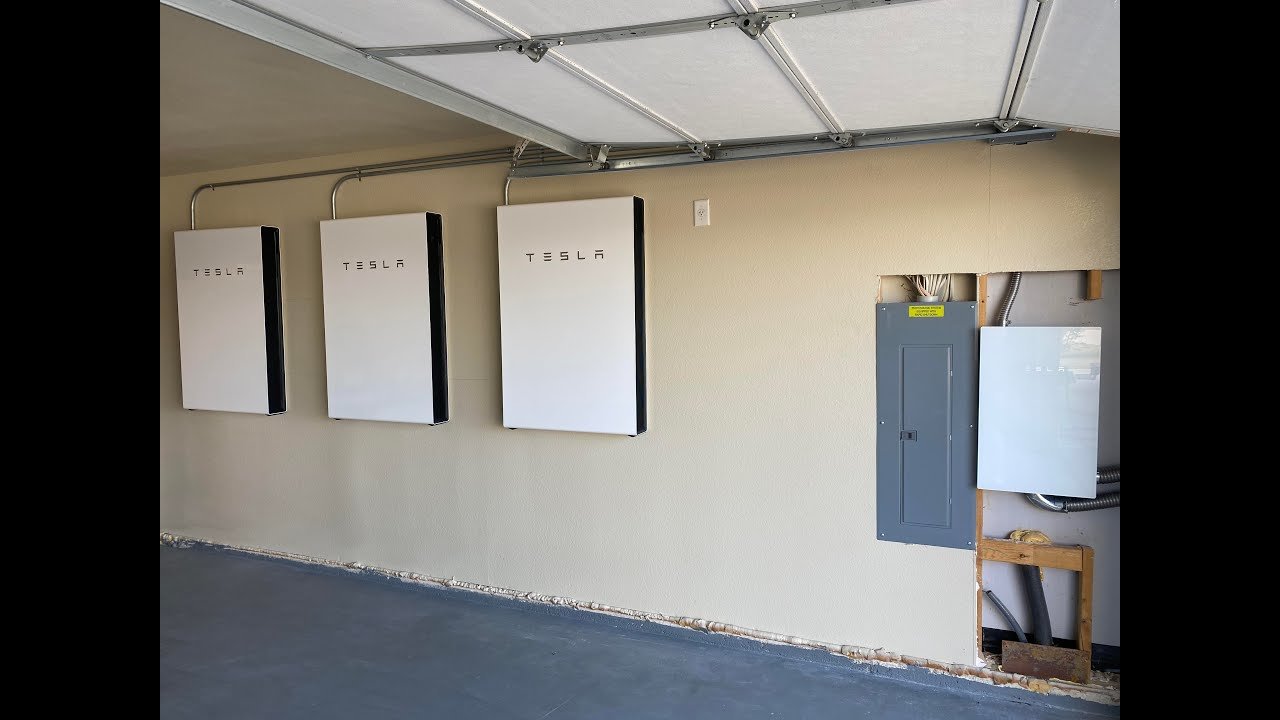
Manufacturer specifications confirm this. Most residential batteries list their usable capacity clearly, 10 kWh, 13.5 kWh, 15 kWh, but they also list a continuous power output in kilowatts. That number tells you how much load the battery can handle at once.
A battery rated for 5 kW continuous output simply cannot run a 4-ton AC unit and a well pump simultaneously, even if it has plenty of stored energy.
So the real question isn't "how long will it last." It's "how long will it last for me." That's what we're going to figure out.
How a Solar Battery Actually Works in a Blackout
Before you can estimate runtime, you need to understand what the battery is actually doing during an outage. Three concepts matter more than anything else.
The Difference Between Power and Energy
Power is the rate of energy use, measured in kilowatts. Energy is the total amount stored or consumed, measured in kilowatt-hours. Think of it like a bucket with a hole in the bottom.
The size of the hole is your power draw. The amount of water in the bucket is your stored energy.
A common mistake is confusing the two. A battery might hold 10 kWh of energy but only deliver 5 kW of power at any given moment. That means you can run a 5 kW load for about 2 hours, not 10 hours.
The power rating limits how much you can run at once, while the energy rating limits how long you can run it.
Usable Capacity vs. Total Capacity
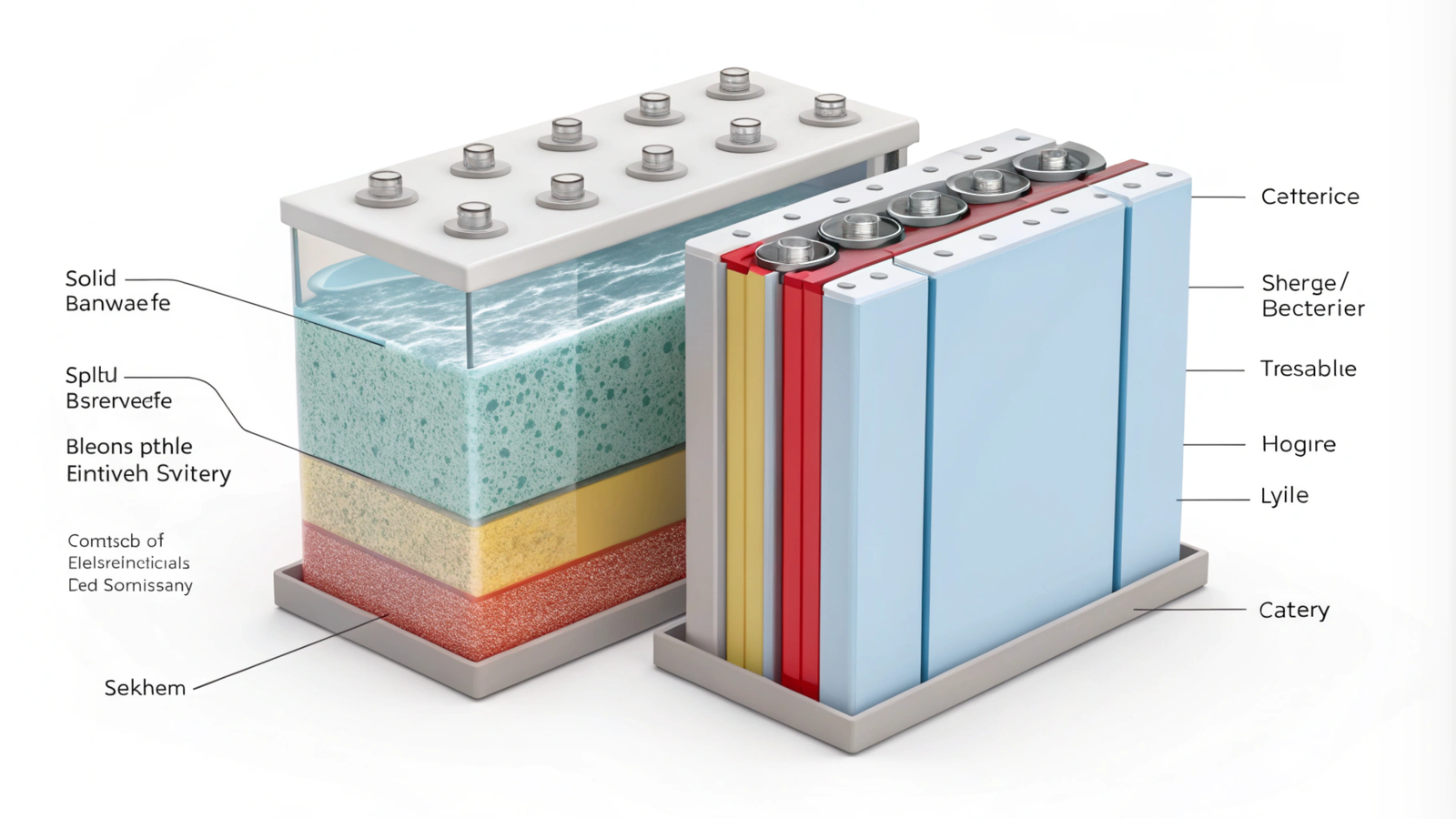
Here's where battery chemistry changes the math. A lithium-ion battery like LiFePO4 typically allows 80 to 100 percent depth of discharge. That means you can use almost all the stored energy.
A lead-acid battery, on the other hand, should only be discharged to 50 percent to avoid damage.
That 10 kWh lead-acid battery? You really only have 5 kWh to work with. The same capacity in lithium gives you 8 to 10 usable kWh.
This single factor makes lithium batteries far more practical for home backup, even though they cost more upfront.
Why the Inverter Matters
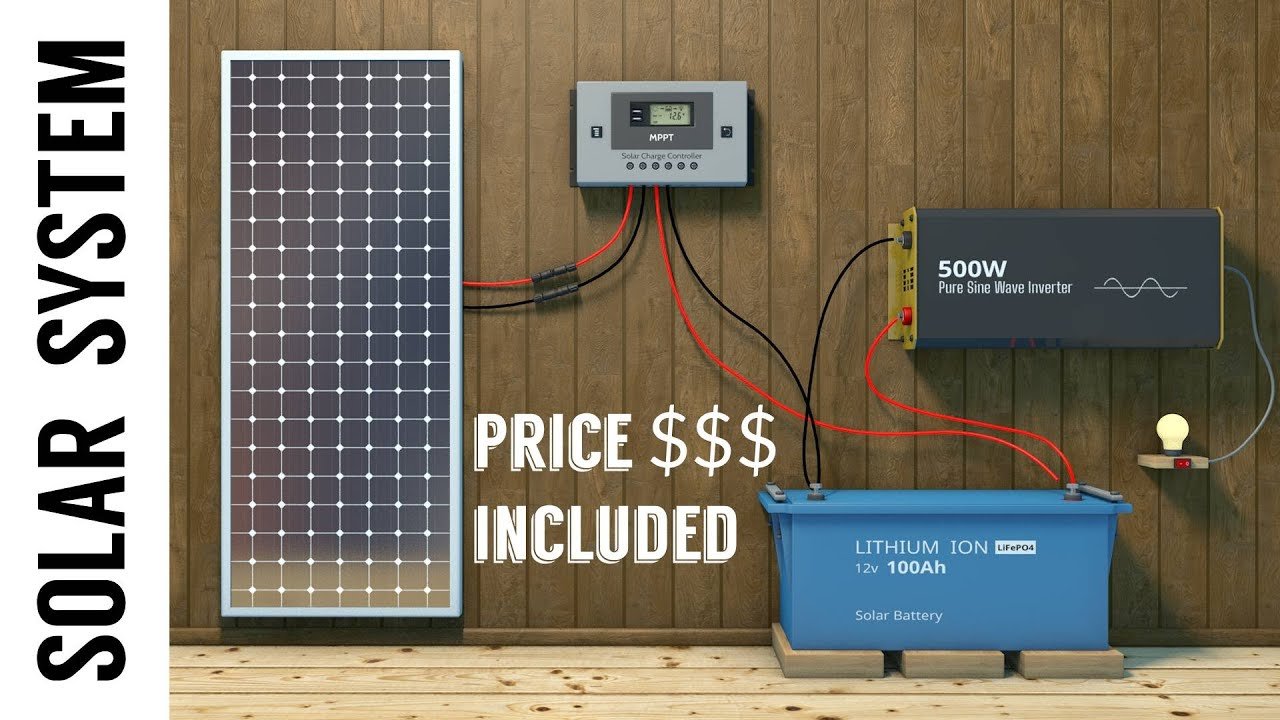
The inverter is the bridge between your battery and your appliances. It converts DC power from the battery into AC power your house can use. Every inverter has a maximum continuous output and a surge rating.
A typical solar battery inverter might handle 5 kW continuous with a 7 kW surge for 10 seconds. That surge matters for starting motors, refrigerators, pumps, and AC compressors all draw 2 to 3 times their running wattage for a split second when they kick on. If your inverter can't handle that surge, the system trips and you're sitting in the dark with a full battery.
Check your inverter specs alongside your battery specs. They have to work together.
The First Big Decision: Whole-Home vs. Partial Backup
This is the fork in the road that determines everything else. You have two choices, and they lead to very different runtimes.
What a Critical Loads Panel Does
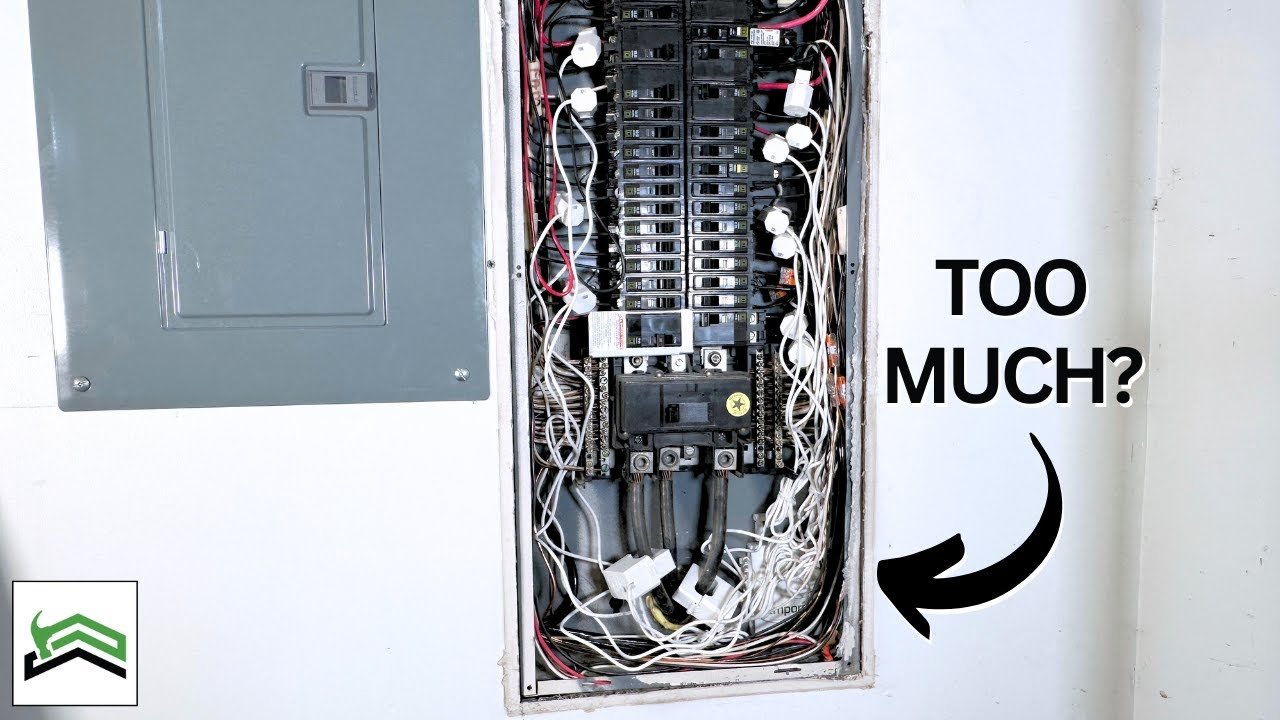
A critical loads panel is essentially a sub-panel that separates your essential circuits from the rest of the house. During an outage, the battery powers only what's connected to this sub-panel. Everything else stays off.
Typical critical loads include refrigerators, lights, well pumps, internet routers, furnace blowers, and maybe one outlet per room for charging phones. You don't include the central air conditioner, electric water heater, or electric oven, those loads are too large for a single battery to handle for long.
Most solar installers default to a critical loads panel for single-battery systems. It's the practical middle ground between "full backup" and "no backup at all."

How Much House You Can Actually Run
Let's put some real numbers on this. A typical critical loads setup draws between 500 and 1,500 watts per hour depending on what's running. Here's what that looks like with a 13.5 kWh battery:
| Load Type | Typical Draw | Runtime on 13.5 kWh Battery |
|---|---|---|
| Essentials only (lights, fridge, modem, phone charging) | 500W | 22-24 hours |
| Essentials plus well pump | 1,200W | 9-11 hours |
| Essentials plus furnace blower | 1,500W | 7-9 hours |
| Whole house minus AC | 2,500W | 4-5 hours |
| Whole house with AC | 5,000W | 2-3 hours |
| Whole house with AC plus oven | 7,000W | 1.5-2 hours |
The Trade-off Between Runtime and Convenience
Whole-home backup sounds great until you realize you're trading 22 hours of essential power for 2 hours of full-house power. Most homeowners land on the critical loads approach for exactly this reason. You keep the fridge cold, the lights on, and the internet running.
You learn to live without the AC for a few hours.
If whole-home backup is a must, you need either a very large battery bank, think 30 to 40 kWh, or a battery paired with a generator. That's a different conversation and a different price tag.
Step-by-Step: Calculate Your Own Backup Time
You don't need to guess. You can calculate your exact runtime in about ten minutes with a notepad and a little math.
Step 1: List Your Essential Loads
Walk through your house and write down everything you absolutely need during an outage. Be honest, you don't need the 65-inch TV and the espresso machine. Focus on:
- Refrigerator and freezer
- Well pump (if applicable)
- Furnace or boiler (gas systems use minimal power for the blower or pump)
- Internet router and modem
- Lights in the main living areas
- Phone chargers
- Medical equipment
Step 2: Find the Wattage for Each Item
Every appliance has a label that lists its wattage or amperage. Check the back or bottom of the fridge, the side of the furnace, the base of the lamp. If you see amps instead of watts, multiply amps by volts (usually 120V for small appliances, 240V for big ones) to get watts.
For example: a fridge drawing 3 amps at 120V uses 360 watts.
Step 3: Add Them Up
Total your essential loads. Realistic numbers look like this:
| Appliance | Running Watts |
|---|---|
| Refrigerator | 400 |
| Freezer | 350 |
| Well pump | 1,000 |
| Furnace blower | 600 |
| Router/modem | 20 |
| LED lights (8 bulbs) | 80 |
| Phone chargers (2) | 20 |
| Total | 2,470 watts |

Step 4: Apply the Formula
The formula is simple:
Usable battery capacity (kWh) ÷ Total load (kW) = Runtime (hours)
Using our example with a 13.5 kWh lithium battery (allowing 100 percent depth of discharge):
13.5 ÷ 2.47 = 5.5 hours
That's the raw runtime. But you should always subtract 15 to 20 percent for inverter losses and surge events. So call it about 4.5 hours of practical runtime for that setup.
Step 5: Adjust for Actual Use
You won't run everything all at once. The well pump runs for 30 seconds at a time. The fridge cycles on and off.
Your real-world runtime will be longer than the straight calculation suggests. Most homeowners see about 30 to 40 percent more runtime than the formula predicts for this reason.
That 4.5-hour estimate probably becomes 6 to 7 hours in practice.
The Three Situations That Change Everything
Your runtime calculation changes completely depending on what's happening outside. Three scenarios cover almost every situation.

Scenario 1: Grid-Down With No Sun
This is the worst case. The grid is out. It's night or it's been cloudy for days.
Your battery is running on stored energy alone with no way to recharge.
Everything we just calculated applies here. You get exactly the runtime your battery capacity allows, and when it's empty, it's empty. This is why off-grid systems need massive battery banks, 3 to 5 days of storage, because cloudy stretches happen.
If you live in an area with frequent winter storms, this scenario matters a lot. Check your local weather patterns before deciding on battery size.
Scenario 2: Grid-Down With Sun During the Day
If the sun is shining, your solar panels can recharge the battery while you're using it. But here's the catch: most grid-tied solar systems shut down completely during a grid outage unless you have the right equipment.
You need either a battery with built-in islanding capability (like most modern AC-coupled systems) or a hybrid inverter that can isolate from the grid and continue producing power. Without that feature, your panels sit idle while your battery drains.
With the right setup, your panels can recharge the battery during daylight hours, effectively giving you indefinite backup, as long as the sun holds out. A 5 kW solar array in good sun can produce 20 to 25 kWh per day, which is enough to recharge a 13.5 kWh battery and power the house simultaneously.
Scenario 3: Grid-Down With Clouds or Winter Conditions
Partial sun changes the math again. A 5 kW array might only produce 8 to 12 kWh on a cloudy day. In winter, shorter days and lower sun angles cut production further.
The Department of Energy recommends oversizing your solar array by 20 to 40 percent if you're relying on it for backup in less-than-ideal conditions. That's a planning step most homeowners miss until they're sitting in the dark watching their battery slowly drain on a gray afternoon.

Image source: YouTube / ROSHAN TECH (YouTube thumbnail (fair-use with source credit))

Similar Posts