Calculate Your Solar Battery Lifespan Instantly

You've typed "how long will my solar battery last calculator" into a search bar because you want a straight answer. And here's the thing: a simple calculator that just divides battery capacity by your home's wattage will give you a number that's wrong. Not a little wrong, but meaninglessly wrong.
That number won't account for the fact that you can't drain most batteries completely, that your inverter eats some power just existing, or that a battery sitting in a cold garage performs differently than one in a conditioned basement.
Manufacturer specifications indicate that a typical lithium-ion home battery rated at 10 kWh might only offer 8 to 9 kWh of usable capacity. Aggregate reviews and field data confirm that inverter losses and temperature effects can shave another 10 to 15 percent off that figure before you've even plugged in a single appliance. So if you want a runtime estimate you can actually plan your home around, you need to walk through a decision-making framework, not a one-click calculator.
Let's map out exactly how to get a real number.
Quick Answer
A solar battery calculator estimates how long your battery will power your home. The math is simple: usable kilowatt-hours divided by your average load in kilowatts. But usable capacity is always less than rated capacity.
And your actual load changes by the hour. A 10 kWh battery with 80 percent depth of discharge gives you 8 usable kWh. If your home draws 1 kW on average, that's 8 hours of runtime on paper.
Real-world conditions will cut that by 15 to 25 percent.
Why "It Depends" Is the Only Honest Answer
Nobody wants to hear "it depends" when they're trying to plan a budget or an emergency backup strategy. But with solar batteries, that's the most accurate answer you're going to get. The runtime of your battery hinges on a handful of variables that change from house to house and season to season.
Your battery chemistry sets the first limit. A standard lead-acid battery should never be discharged below 50 percent of its rated capacity. Do it anyway and you'll slash its cycle life from a few hundred cycles to maybe fifty.
Lithium iron phosphate (LFP) batteries, by contrast, typically allow an 80 to 100 percent depth of discharge. Per National Electrical Code guidelines and manufacturer datasheets, an LFP battery rated at 10 kWh can safely deliver 8 to 10 kWh per cycle. That's a huge difference in usable energy from the same-size battery.
Your home's load profile matters just as much. A family running a well pump, refrigerator, furnace fan, and a few lights draws maybe 1.5 kW on average overnight. A different family with the same battery but an electric water heater, a pool pump, and a home office running three monitors could draw 4 kW.
Same battery, radically different runtime.
Then you have weather. Your battery might have a 10 kWh rating at 25°C (77°F). Manufacturer specs show that capacity drops roughly one percent for every degree Celsius below 20°C.
A battery sitting in an uninsulated garage during a 0°C winter night could lose 20 percent of its usable capacity before you've even turned a light on.
So here's what we're doing instead of punching numbers into a generic tool. We're building a custom calculator for your exact situation. You'll make a series of decisions about your equipment, your habits, and your environment.
Each decision narrows down your runtime estimate until you have a number you can trust.
What This Calculator Actually Does (And Doesn't Do)
A proper solar battery calculator is not a magic box. It's a logical flowchart that asks you for specific inputs and applies industry-standard derating factors to each one. Think of it as a checklist that catches the losses most people overlook.
What a good calculator should do:
- Apply the correct depth of discharge factor for your battery chemistry (50 percent for lead-acid, 80 to 100 percent for LFP)
- Subtract inverter conversion losses (typically 5 to 10 percent for modern units)
- Apply a temperature derating factor if you input your battery's ambient location
- Account for battery aging by asking how many years the system has been in service
- Separate your calculation into "daily cycling" and "emergency backup" scenarios
What no calculator can do for you:
- Predict exactly which appliances your family will run during an outage (because humans are unpredictable)
- Account for a faulty battery management system or a degraded cell
- Know whether your inverter will clip your battery's output on a hot day
- Tell you how many cloudy days in a row you'll get next February
The real value of walking through this process yourself is that you learn where your weak points are. Maybe your battery is fine but your inverter is undersized. Maybe your loads are reasonable but your battery is in a freezing garage.
You'll find those gaps by working through the decision tree, not by staring at a single number.
Your Battery Specs: Capacity, DoD, and Chemistry
Before you can estimate runtime, you need to know exactly what your battery can deliver. This starts with three numbers that should be on your battery's spec sheet or dataplate.
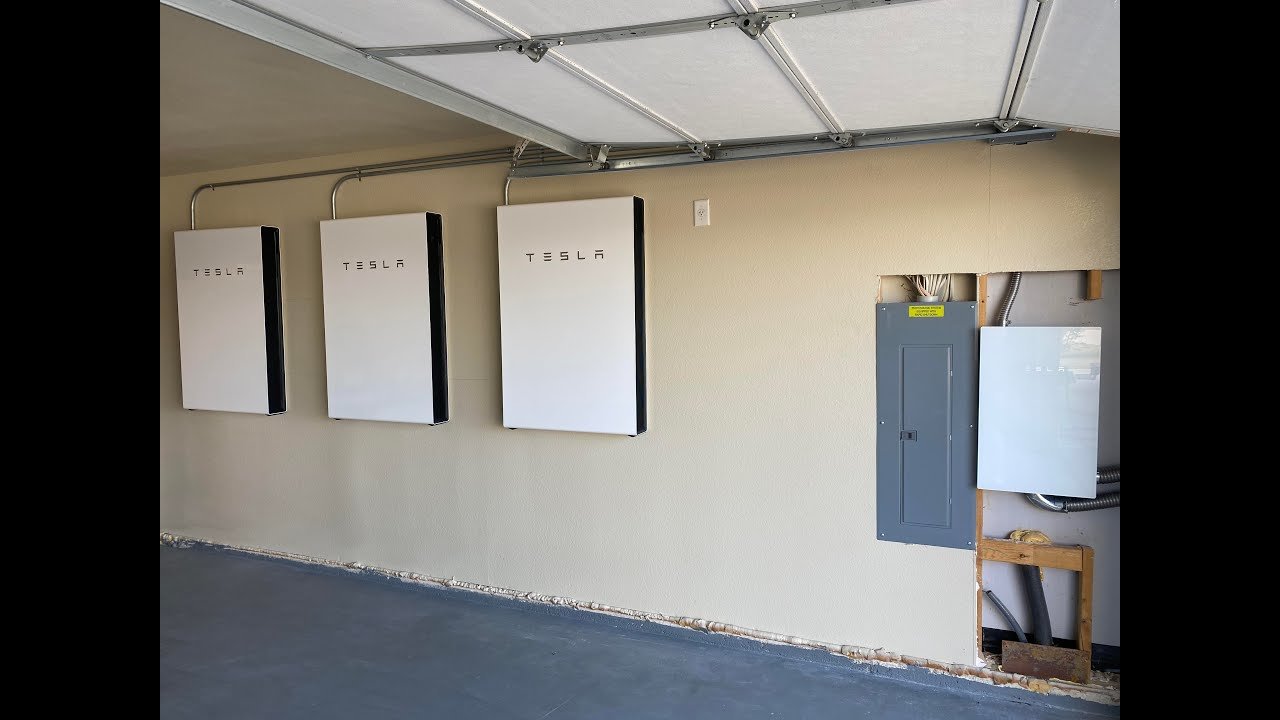
Rated capacity is the total energy the battery can theoretically store, measured in kilowatt-hours (kWh). A typical home battery ranges from 5 to 15 kWh, though some larger units stack up to 30 kWh or more. This is the number manufacturers put on the box.
It is not the number you should use in your runtime calculation.
Depth of discharge (DoD) tells you what percentage of that rated capacity you can safely use each cycle. This is where the first significant real-world correction happens.
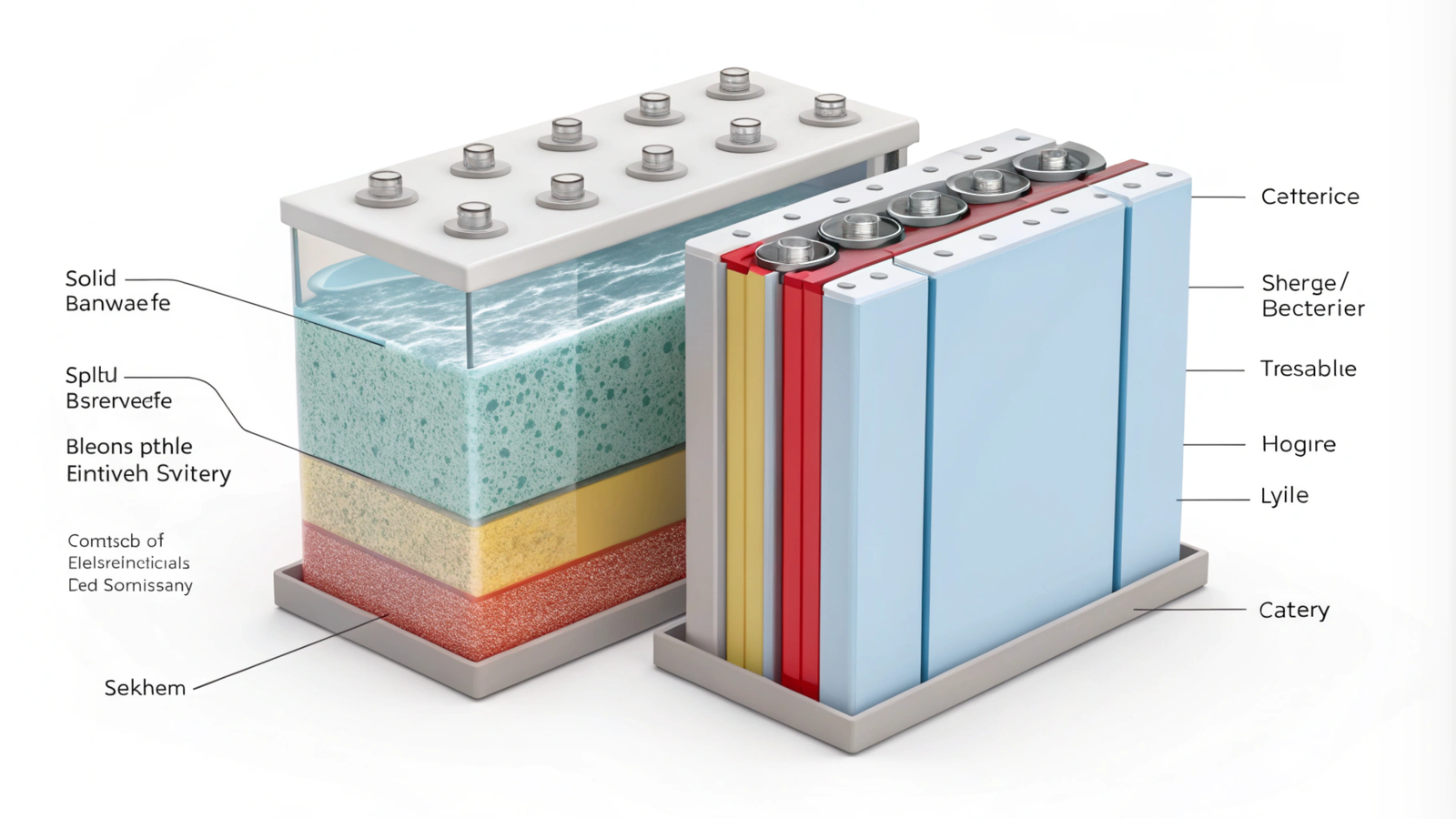
| Battery Chemistry | Typical DoD | Usable from 10 kWh Rated |
|---|---|---|
| Flooded lead-acid | 50% | 5 kWh |
| Sealed AGM lead-acid | 50-60% | 5-6 kWh |
| Lithium NMC | 80-90% | 8-9 kWh |
| Lithium LFP (LiFePO4) | 80-100% | 8-10 kWh |
Round-trip efficiency is the third critical number. Your battery doesn't deliver every watt-hour you put into it. Some energy is lost as heat during charging and discharging.
Modern lithium batteries typically achieve 90 to 95 percent round-trip efficiency. Lead-acid batteries lag at 70 to 85 percent. That means if you put 10 kWh into a lead-acid battery, you might only get 7 to 8.5 kWh back out.
To find your usable capacity, multiply rated capacity by DoD percentage, then multiply by round-trip efficiency. For a 10 kWh LFP battery at 90 percent DoD and 95 percent efficiency, that's 10 × 0.9 × 0.95 = 8.55 usable kWh. That's the number you should actually use in your runtime math.
If your battery runs on direct current (DC) and your home runs on alternating current (AC), you also need to factor in your inverter's conversion efficiency. Most modern inverters are 95 to 98 percent efficient, but cheap or aging units can drop below 90 percent. Multiply your usable kWh by inverter efficiency to get the real energy your appliances will see.
Your Loads: How to Measure What You Actually Use
This is where most people get tripped up. They guess their home's energy use based on what feels right, and they usually guess low by a wide margin. Let's get real numbers.
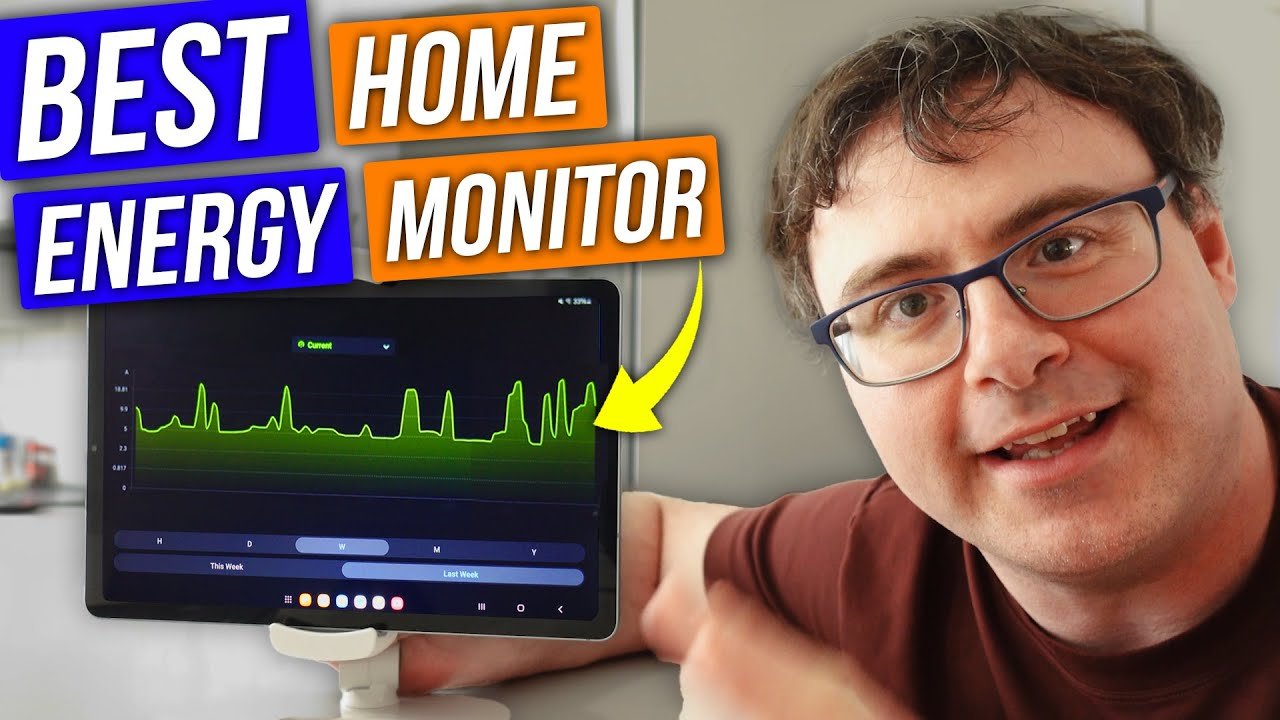
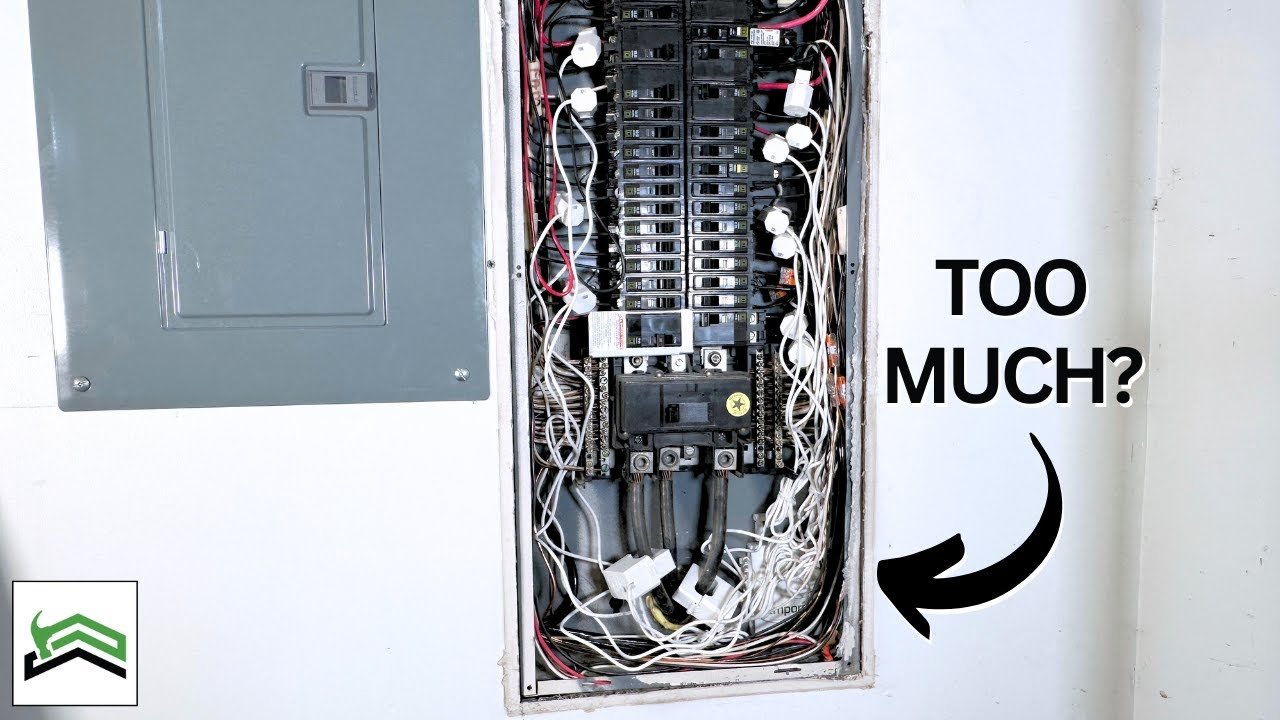
Your best option is a whole-home energy monitor that clamps onto your main breaker panel. Devices like the Emporia Vue, Sense, or Curb track your real-time power draw in watts and log it over days and weeks. If you don't have a monitor, you can read your utility meter manually: note the reading at the start and end of a typical evening, subtract, and convert to kilowatt-hours.
If you're planning for backup power during an outage, don't calculate based on your all-day average. List only the critical loads you'd actually run when the grid goes down. A realistic backup load list looks something like this:
- Refrigerator: 150 watts average (cycles on and off)
- LED lights (10 bulbs): 100 watts total
- Wifi router and modem: 30 watts
- Furnace fan: 500 watts
- Sump pump: 800 watts (runs intermittently)
- One small TV: 80 watts
- Phone charging: 15 watts
That adds up to roughly 1.7 kW while everything is running simultaneously. But your pump and refrigerator cycle on and off. Your actual average sustained draw might be more like 800 to 1,000 watts, or about 1 kW.
Over eight hours, that's 8 kWh of consumption. If your battery delivers 8.55 usable kWh, you're looking at roughly 8.5 hours of runtime before the battery hits its depth of discharge limit.
If you're using this calculator for daily solar self-consumption, your loads are different. You're running your whole home during the day while solar panels are charging the battery, then drawing from the battery through the evening peak hours. Your evening load might be 2 to 3 kW for four to six hours.
That's a much shorter runtime window, and it changes your battery sizing math entirely.
For a more detailed breakdown of how energy flows through a residential solar system, including how different panel types affect charging rates, our guide on the different types of solar panels covers the efficiency differences that matter here. A higher-efficiency panel means more charge current reaches your battery during those limited sun hours.
The Three Big Leaks: Inverter Loss, Temperature, and Aging
You've calculated your usable capacity. You've measured your loads. Now you need to apply the three corrections that separate a theoretical runtime from a real one.
These three factors together can knock 15 to 30 percent off your estimate.
Inverter loss happens every time power flows from your battery to your appliances. Your inverter converts DC from the battery to AC for your home, and that conversion is never perfect. The lost energy turns into heat.
A high-quality inverter from a reputable manufacturer might run at 97 percent efficiency. A budget unit or an older one could be at 90 percent or lower.
A practical way to check: multiply your usable battery kWh by your inverter's efficiency rating. If you have 8.55 usable kWh and a 95 percent efficient inverter, you get 8.12 kWh of actual AC power for your home. That 0.43 kWh difference is real.
It's roughly enough to run a refrigerator for three hours.
Temperature is a quieter thief. Battery chemistry slows down in cold conditions. At 0°C (32°F), a lithium battery's internal resistance increases and its effective capacity drops.
Manufacturer datasheets from major battery brands indicate capacity falls by roughly one percent per degree Celsius below 20°C. At -10°C (14°F), that's a 30 percent loss.
If your battery lives in a garage that hits freezing on winter nights, apply that derating factor before you do your final math. An 8.55 kWh battery at -5°C might only deliver 7.0 kWh of actual capacity. Some batteries have internal heaters that mitigate this, but those heaters also draw power, usually 100 to 300 watts while running.
Aging is the third leak you can't ignore. Lithium batteries degrade with every charge cycle and with calendar time. A typical LFP battery is rated for 4,000 to 6,000 cycles to 80 percent of original capacity.
That means after year five or six of daily cycling, you've lost about 20 percent of your original usable capacity. Lead-acid batteries degrade faster, often losing significant capacity after 300 to 500 cycles.
When you're estimating runtime for a system that's been in service for a few years, reduce your usable capacity by an aging factor. A five-year-old LFP battery at 80 percent of original capacity means your 8.55 usable kWh becomes 6.84 kWh before you even apply inverter and temperature derating. That changes your runtime estimate from "comfortably all night" to "maybe six hours if you're careful."
Recharge Reality: How Much Sun You Really Get
Your battery only runs as long as its charge holds out. Once it's empty, the clock resets only when your solar panels put enough energy back in. This is where off-grid and backup users need completely different math from grid-tied households.

For grid-tied homes with time-of-use rates, you don't really care about recharge speed. Your battery charges from solar during the day and discharges during peak evening hours. If it runs low, the grid catches you.
Your runtime calculation is about maximizing savings, not survival.
For off-grid homes, recharge speed is everything. You need to know how many hours of effective sunlight your location gets, and you need to be honest about seasonal variation. The National Renewable Energy Laboratory publishes peak sun hour maps that show you exactly what your region averages month by month.
Peak sun hours are not the same as daylight hours. One peak sun hour equals the amount of solar energy that hits your panels when the sun is directly overhead at full intensity. In Seattle in December, you might get 1.5 peak sun hours per day.
In Phoenix in June, you could get 7 or more. Your solar array's output is your panel wattage multiplied by peak sun hours multiplied by system losses.
If you have a 5 kW solar array and you get 4 peak sun hours, your system produces roughly 20 kWh per day on average. But that's gross DC output. After inverter losses, wiring losses, and the occasional cloud, real-world production is closer to 16 to 18 kWh.
If your battery holds 10 kWh usable, it can recharge fully in about half a good day's production. That leaves the rest of your solar energy to run your home directly.
The catch is that winter sun is weak and short. If your battery has 10 kWh usable capacity and you're drawing 15 kWh per day to run your home, you need the sun to replenish that deficit. In December in a northern climate, you might only get 2 peak sun hours.
A 5 kW array produces 10 kWh gross, maybe 8 kWh net. You burn 15 kWh and produce 8 kWh. You're losing 7 kWh per day.
After two cloudy days, your battery is dead and stays dead until the sun returns.
Understanding how your specific setup generates electricity in the first place helps you match your battery expectations to reality. Our explanation of how solar panels generate electricity walks through the conversion process that determines how much charge your battery can actually receive from your array.
Off-Grid vs. Backup: Two Very Different Math Problems
If you live off-grid, your battery runtime calculation is a survival question. If you're grid-tied with backup, it's a convenience question. Treating them the same way leads to bad decisions.
Off-grid homes need enough battery to cover consecutive cloudy days. The standard rule is three to five days of autonomy. Multiply your daily consumption by the number of autonomy days, then add 20 percent.
A home that uses 10 kWh per day needs a battery bank with at least 36 kWh usable capacity for three days. That's a different scale entirely from a backup system where the grid recharges you.
Grid-tied backup systems can size smaller. You only need to cover critical loads until the grid returns. Most utility outages last under eight hours.
A 10 kWh battery with 8 kWh usable capacity is often plenty. You can run your fridge, lights, and router for 10 to 12 hours if you're careful.
If you live in an area with frequent multi-day outages from hurricanes or winter storms, you might want to split the difference. The National Renewable Energy Laboratory publishes historical outage data by region. Use that to decide whether you're sizing for a few hours or a few days.
Your local climate and grid reliability should drive the decision, not a one-size-fits-all calculator.
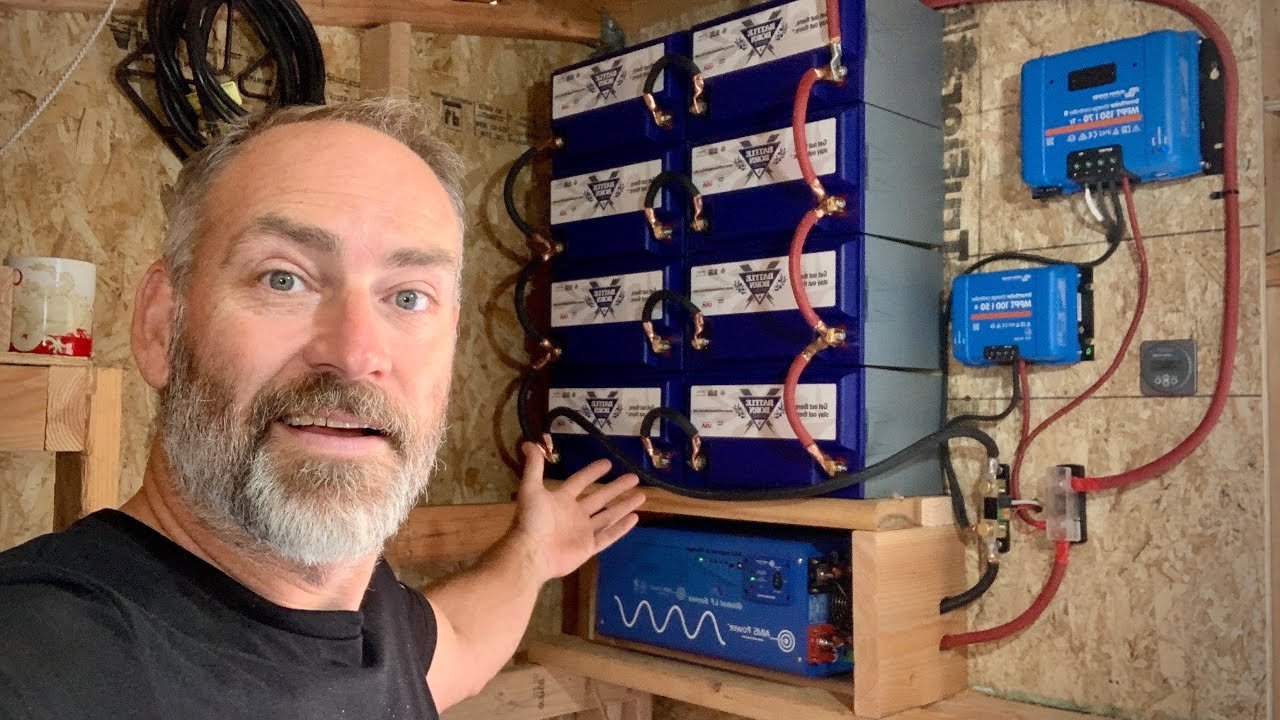
For a full breakdown of how different system configurations affect your options, our guide on the main components of a solar panel system explains how inverters, charge controllers, and battery banks work together in off-grid versus grid-tied setups.
Step-by-Step: Running the Calculator Yourself
You don't need special software. Grab a spreadsheet or a piece of paper. Here's the process condensed into five steps.
- Determine usable capacity: rated kWh × DoD × round-trip efficiency × inverter efficiency.
- Measure your average critical load in kilowatts: add up the wattage of everything you'll run, then multiply by the fraction of time each appliance runs.
- Divide usable kWh by average load in kW. That's your theoretical runtime in hours.
- Apply temperature derating: multiply by 1 minus (temperature drop below 20°C × 0.01).
- Apply aging derating: multiply by the percentage of original capacity remaining (e.g., 0.9 for year three).
Example: 10 kWh LFP battery at 90 percent DoD, 95 percent round-trip, 96 percent inverter, 1.2 kW average load, 5°C ambient, three years old.
Usable = 10 × 0.9 × 0.95 × 0.96 = 8.21 kWh. Theoretical runtime = 8.21 / 1.2 = 6.84 hours. Temperature derating: 15°C below 20°C = 15 percent loss.
Multiply by 0.85. Derated runtime = 5.81 hours. Aging derating: roughly 5 percent per year for LFP, so multiply by 0.85 (three years).
Final runtime = 4.94 hours.
You can trust that number far more than a generic online calculator. If you want to understand how your specific solar array's output feeds into this, our article on how do solar panels work covers the panel-to-battery energy flow in detail.
Common Mistakes That Wreck Your Estimate
The biggest error is using rated capacity instead of usable capacity. People see "10 kWh" on the box and divide by their load. That gives a number that's 20 to 50 percent too high.
Second mistake: ignoring that your inverter draws power even when no appliances are running. Most inverters consume 20 to 50 watts in standby. Over 24 hours, that's 0.5 to 1.2 kWh drained from your battery.
If you're sizing for a two-day outage, that's a significant loss.
Third mistake: assuming your refrigerator draws its nameplate wattage continuously. A fridge compressor cycles on for maybe 15 minutes per hour. Its average draw is 20 to 30 percent of its rated wattage.
Run the fridge number at full power and you'll cut your runtime estimate in half needlessly.
Fourth mistake: forgetting that battery capacity drops with use. An LFP battery's usable capacity at 80 percent depth of discharge isn't the same in year five as it was in year one. Plan for degradation upfront.
Finally, ignoring seasonal variation. Your summer runtime estimate won't hold in December unless you adjust for colder temperatures and fewer sun hours. Run the calculation twice: once for best case and once for worst case.
When the Numbers Don't Add Up – Troubleshooting
Your calculated runtime doesn't match what you actually get. That's frustrating and common. Start with the easiest checks.
First, verify your load measurement. A plug-in energy monitor is cheap and accurate. Measure your critical loads over a full 24-hour period.
You might be running an old freezer or a space heater you forgot to account for.
Second, check your battery's actual state of charge at the start of your test. A battery management system (BMS) can report inaccurate state of charge if it hasn't been calibrated in a while. Fully charge the battery, discharge it to its low-voltage cutoff, and recharge again.
That resets the BMS's reference.
Third, look for phantom loads. A modem, router, smart home hub, or a cable box can draw 10 to 30 watts each. Together they can eat 1 kWh per day.
If you're calculating for a small battery, that matters a lot.
Fourth, test your inverter's efficiency yourself. Measure DC voltage and current at the battery terminals while your inverter is running a known AC load. Compare DC watts in to AC watts out.
You might find your inverter is performing worse than its spec sheet claims.
If everything checks out and your runtime is still short, your battery may have degraded faster than expected. Some batteries fail prematurely due to manufacturing defects or improper charging. Check your battery's voltage during charging and discharging.
If it drops unusually fast, contact the manufacturer.
Understanding these failure points helps you get the most out of your system. Our buying guide for residential solar equipment includes advice on selecting components that match your actual usage patterns.
Should You Size Up or Down? A Quick Decision Guide
You've run the numbers. Now you need a decision. Here's a simple framework based on your situation.
If you're grid-tied with backup and your calculated runtime is within 20 percent of your desired coverage, stick with your current battery. The grid is your safety net. Sizing up for rare events isn't worth the cost.
If you're off-grid and your calculated runtime is less than three days of autonomy, you need to size up. Add another battery or increase your solar array. Living without power for days isn't acceptable.
Prioritize getting to at least three days at your worst-case winter load.
If you're using a battery for time-of-use savings and your runtime is too short, consider whether you can shift more loads to daytime. Run the dishwasher and laundry during peak solar hours instead of after sunset. That reduces evening demand and stretches your battery further.
If you're planning a new system and can't decide between a 10 kWh and a 15 kWh battery, run the calculation for both. Look at how often you'd actually exhaust the smaller battery. If it's more than a few times a year, size up.
If it's once or twice, save the money.
To reinforce your understanding of what your panels contribute, our overview of the advantages and disadvantages of solar panels helps you weigh whether adding more generation is better than adding more storage for your specific situation.
Frequently Asked Questions
How accurate are online solar battery calculators?
Most online calculators give a rough first pass, not a precise runtime. They typically ignore temperature derating, inverter standby losses, and battery aging. A calculator that doesn't ask for your battery chemistry or ambient temperature is probably overestimating by 20 to 40 percent.
The manual five-step approach in this guide is far more reliable.
Do I need to factor in my solar panel output?
Only if you're off-grid or expecting to recharge during the outage. For grid-tied backup, your solar panels stop working when the grid goes down unless you have a specific backup-ready inverter. If your system can island, you need to subtract the panel output from your load before dividing by battery capacity.
How does battery age affect my runtime estimate?
Battery capacity degrades with every full cycle and with calendar time. LFP batteries typically lose about 2 to 3 percent capacity per year. After five years, a 10 kWh battery might only deliver 8.5 to 9 kWh at full charge.
If you're running the calculator for an older system, reduce usable capacity by your best estimate of degradation.
What's the difference between ampere-hours and kilowatt-hours for this calculation?
Kilowatt-hours measure energy. Ampere-hours measure charge. To convert, multiply amp-hours by battery voltage, then divide by 1,000.
A 200 Ah battery at 48 volts holds 9.6 kWh. Most solar battery calculators should use kilowatt-hours. If yours asks for amp-hours, make sure you input the correct system voltage.
Should I size my battery for average or worst-case conditions?
Size for worst case. That means lowest expected temperature, highest expected load, and shortest sun hours. For off-grid, plan for three consecutive cloudy days in winter.
For backup, plan for your worst historical outage duration plus a 20 percent safety margin. Sizing for average conditions leaves you stranded when you need the battery most.

Similar Posts