How Many Solar Panels Does It Take to Power a Home?
Renewable Energy Systems Specialist & Lead Solar Hardware Tester
If you've ever wondered how many solar panels are required to power a house, you've probably gotten a frustrating answer: it depends. That's not a cop-out. It's the truth.
Your home, your roof, your energy habits, and where you live all change the number.
In our research, the average American home uses about 10,600 kilowatt-hours (kWh) per year, according to the U.S. Energy Information Administration. That's a useful starting point.
But your actual number could be way higher or lower. Let's walk through the variables so you can find your own answer.
Quick Answer
For a typical American home, the solar panel count falls between 17 and 30 panels. The exact number depends on your electricity usage, sun exposure, and panel wattage. Most residential systems range from 6 to 12 kilowatts.
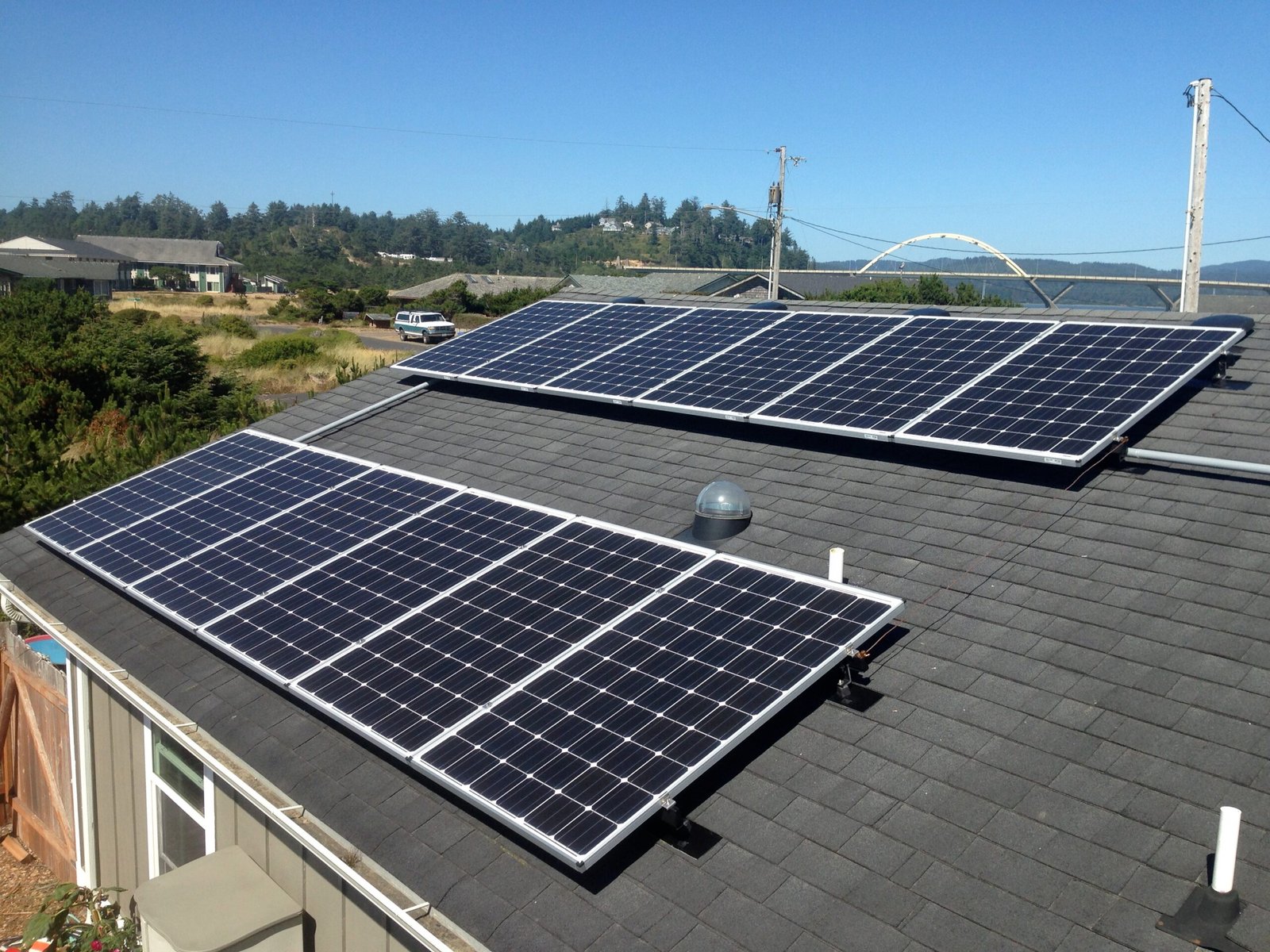
A 400-watt panel produces roughly 1.6 kWh per day in good sun.
Image source: Bing (Web (fair-use with source credit))
Why "It Depends" Is the Only Honest Answer
Generic online calculators give you one number. They don't know your roof. They don't know your habits.
The truth is that every home is different, and a one-size-fits-all answer leads to costly mistakes.
The question "how many solar panels are required to power a house" has a different answer today than it did five years ago. Panels are more efficient now. Many models hit 400 to 450 watts.
That means you need fewer panels for the same output.
Your location matters more than most people realize. A home in Phoenix needs fewer panels than a similar home in Seattle. The sun is simply stronger in some places.
The seasonal variation matters too. Winter sun is weaker, and your system needs to cover that.
Your energy usage is the biggest variable. A family with an electric vehicle and a heat pump uses much more power than a couple in a small apartment. The range is huge.
We've seen homes that need 10 panels and homes that need 40.
The basic science behind solar energy involves converting sunlight into direct current electricity, which an inverter then changes to usable alternating current. The efficiency of that conversion depends on the components and the installation. But the core factor is always the size of the array.
The 5 Key Variables That Determine Your Panel Count
Every panel count calculation starts with these five factors. Miss one, and your estimate will be off.
| Variable | What It Affects | Why It Matters |
|---|---|---|
| Annual energy usage (kWh) | Total system size needed | The most direct measure of what you need |
| Peak sun hours (location) | Daily output per panel | Varies from 3.5 to 6.5 hours across the US |
| Panel wattage (choice) | How many panels you need per kW | 350W vs 500W changes the count significantly |
| Usable roof area | How many panels can physically fit | South-facing, unshaded roof space is premium |
| System losses (derate factor) | Real-world output vs. rated output | Inverters, wiring, heat, and dirt reduce output by 15-25% |
Let's break each one down.
Annual energy usage is the starting point. You can find it on your electric bill. The total kWh used over the past 12 months tells you exactly how much energy your system needs to replace.
Peak sun hours measure how much usable sunlight your location gets. This is not the same as daylight hours. A peak sun hour equals one hour of sunlight at 1,000 watts per square meter.
The U.S. map shows a clear range from the Southwest to the Pacific Northwest.
Panel wattage is your choice. Modern residential panels range from 350W to 500W. Higher wattage panels cost more per panel but often less per watt.
They also take up less roof space, which matters if your roof is small or oddly shaped.
Usable roof area is the practical limit. You might have a large roof, but parts of it face north or get heavy shade. The panels need to face south (in the northern hemisphere) for maximum output.
The tilt angle also matters.
System losses are real. Inverters waste some energy. Heat reduces panel efficiency.
Wiring has resistance. Dirt and snow block sunlight. The standard derate factor is 0.75 to 0.85.
That means you lose 15 to 25 percent of the rated output.
Step 1: Find Your Real Daily Energy Need
Start with your electric bill. Look for the total kilowatt-hours used in the last 12 months. Add up every month's usage.
That's your annual consumption.
If you only have a few bills, use the average. But a full year is better. Summer and winter vary a lot.
Air conditioning in July and heating in December can double your usage.
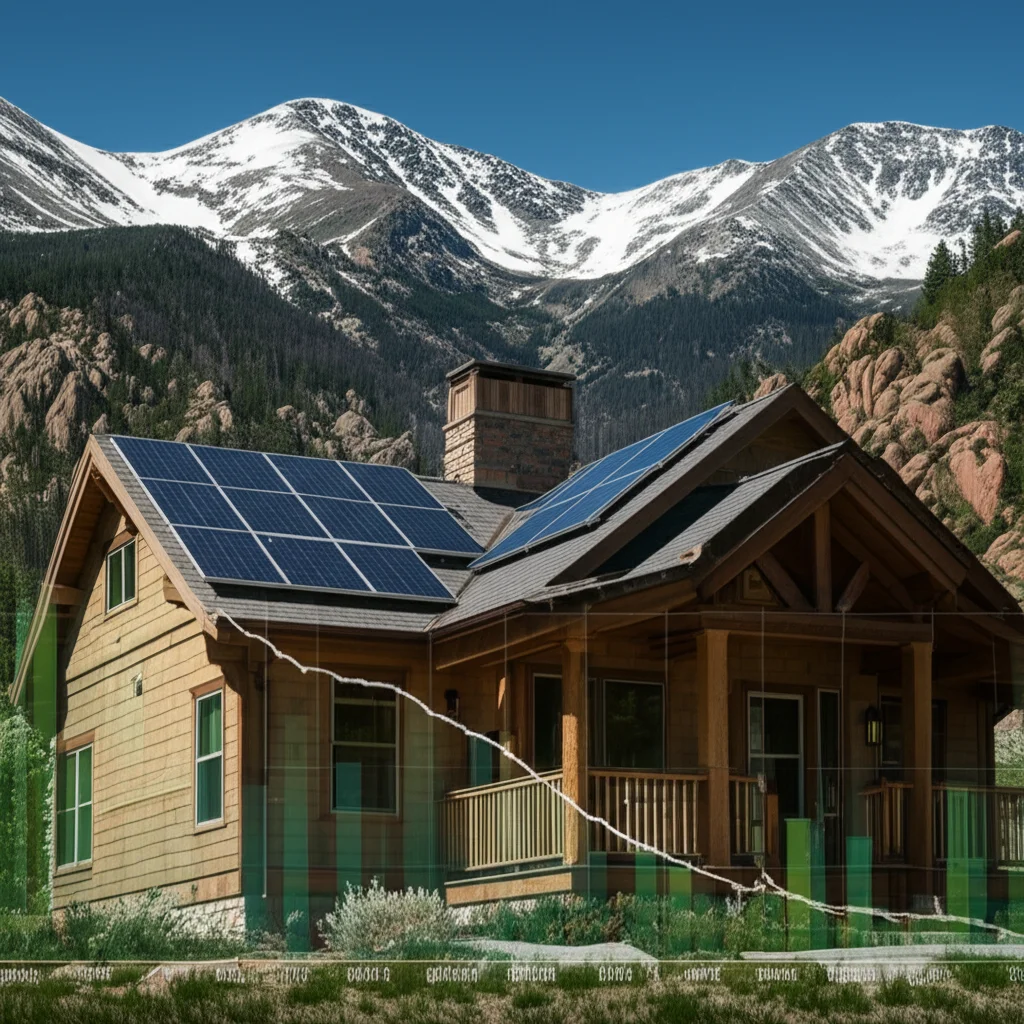
Divide your annual kWh by 365. That gives you your daily energy need. For the average home using 10,600 kWh per year, the daily need is about 29 kWh.
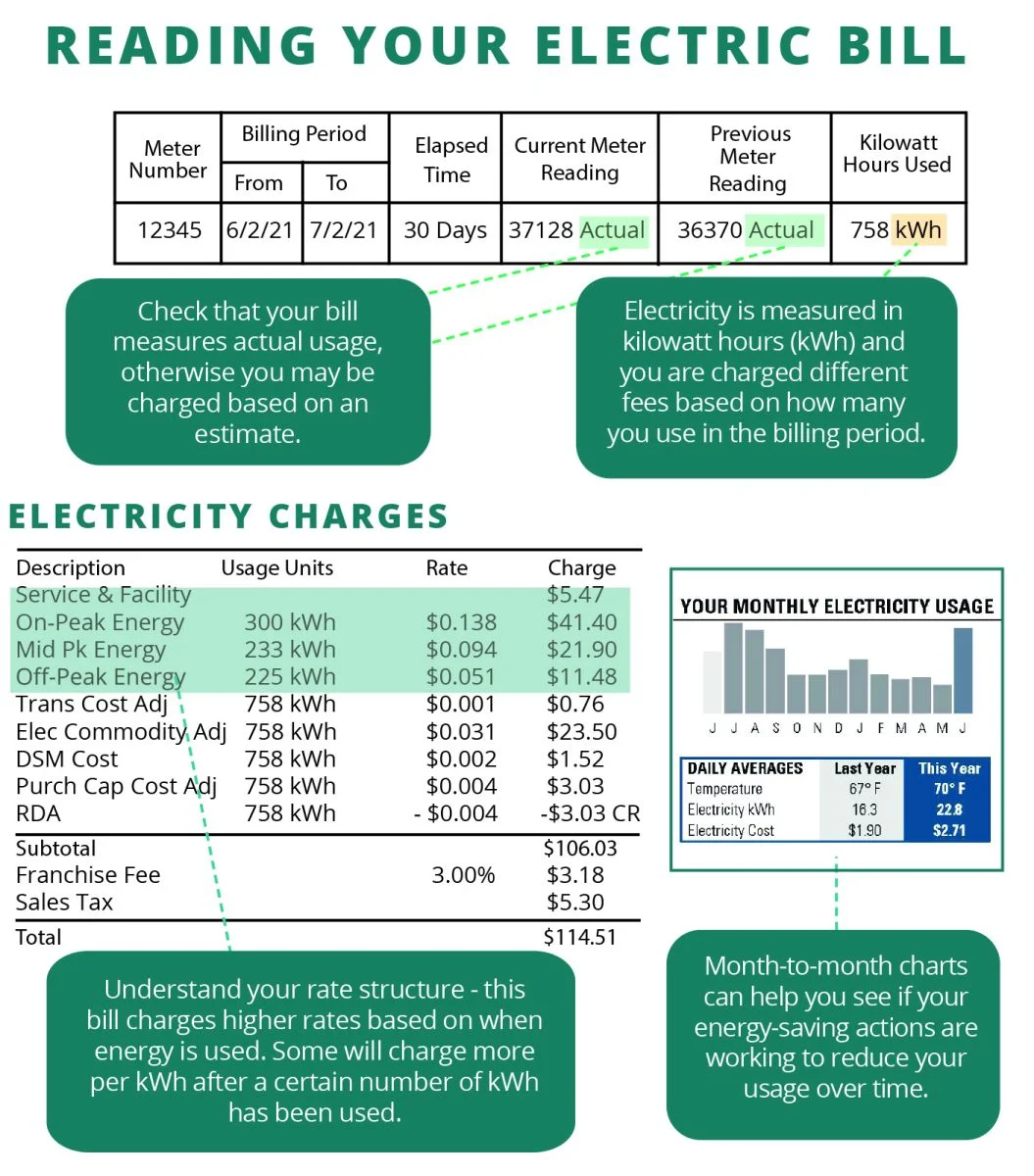
Image source: Bing (Web (fair-use with source credit))
Think about the future. Are you planning to buy an electric vehicle? Add a heat pump? Work from home more?
Those changes increase your energy usage. It's cheaper to oversize your system now than to add panels later.
If you're planning a full home solar installation, include those future loads. A standard EV adds about 4,000 kWh per year. A heat pump adds another 2,000 to 4,000 kWh depending on your climate.
Don't use square footage. Many people ask, "How many panels for a 2,000-square-foot home?" That's the wrong question. Square footage doesn't tell you how much energy you use. A 2,000-square-foot home with a pool pump, electric dryer, and a home office uses far more than a similar home with gas appliances and minimal electronics.
Step 2: Look Up Your Peak Sun Hours
Peak sun hours (PSH) measure how much usable sunlight your location gets each day. The number varies by state and even by city. The Southwest gets 5.5 to 6.5 hours.
The Pacific Northwest gets 3.5 to 4.5 hours.
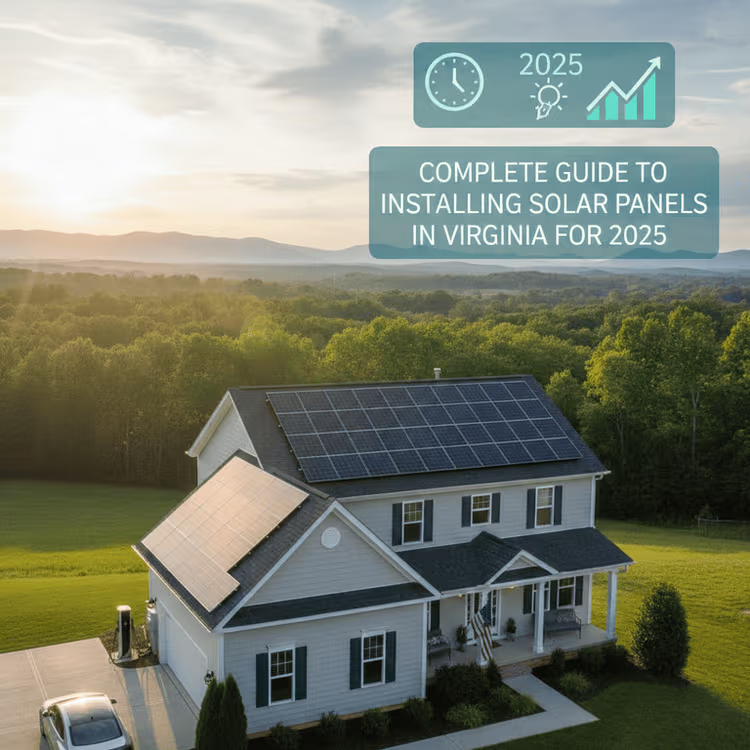
You can find your region's peak sun hours on a solar insolation map. The National Renewable Energy Laboratory (NREL) provides detailed data. The map shows the average daily peak sun hours for each area.
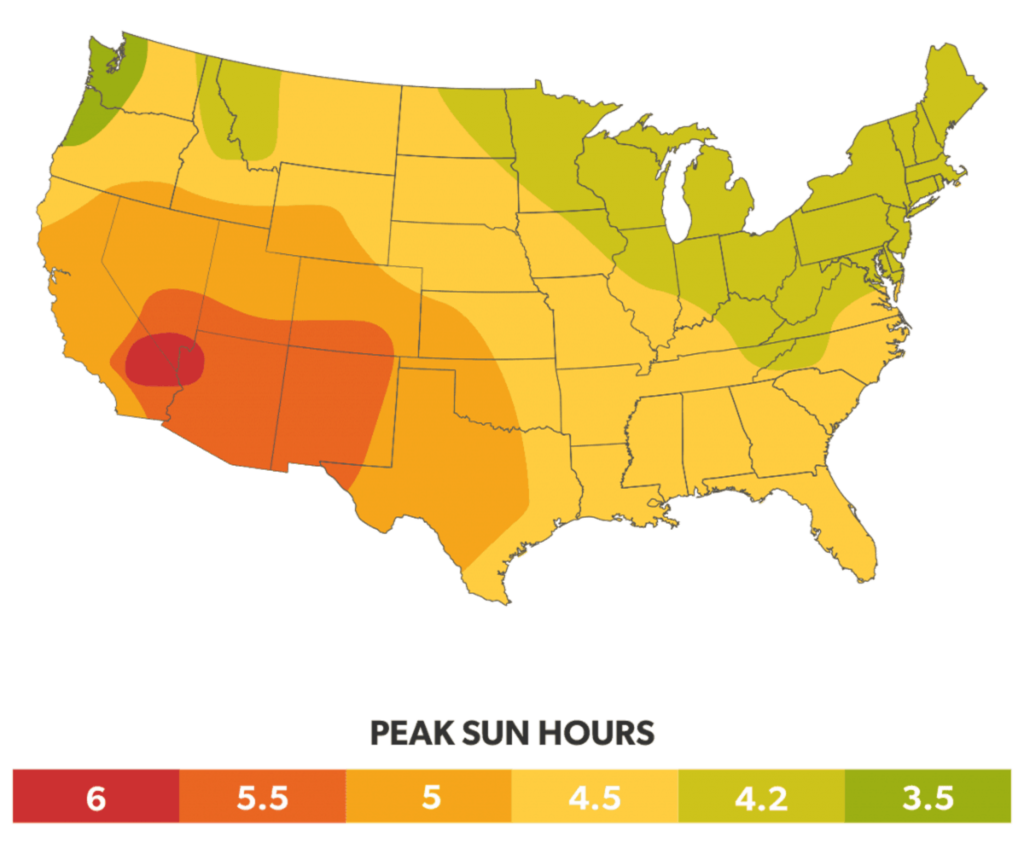
Image source: Bing (Web (fair-use with source credit))
Peak sun hours are not daylight hours. A location might have 14 hours of daylight in summer but only 5 peak sun hours. The angle of the sun and atmospheric conditions reduce the intensity. The peak sun hours number accounts for that.
Seasonal variation matters. Your system needs to work year-round. In winter, peak sun hours drop. In the northern states, winter PSH can be half of summer PSH.
Your system needs to be sized for the worst months if you want to cover all your usage.
For a rough estimate, use these averages:
- Southwest (Arizona, New Mexico, southern California): 5.5 to 6.5 hours
- Southeast (Florida, Georgia, Texas): 4.5 to 5.5 hours
- Midwest (Illinois, Ohio, Indiana): 3.5 to 4.5 hours
- Northeast (New York, Massachusetts, Pennsylvania): 3.5 to 4.5 hours
- Pacific Northwest (Washington, Oregon): 3.0 to 4.0 hours
Step 3: Do the Simple Math
Now you have the numbers. Let's do the calculation.
Formula: Daily energy need (kWh) ÷ (Panel wattage × Peak sun hours × Derate factor) = Number of panels
Let's walk through an example.
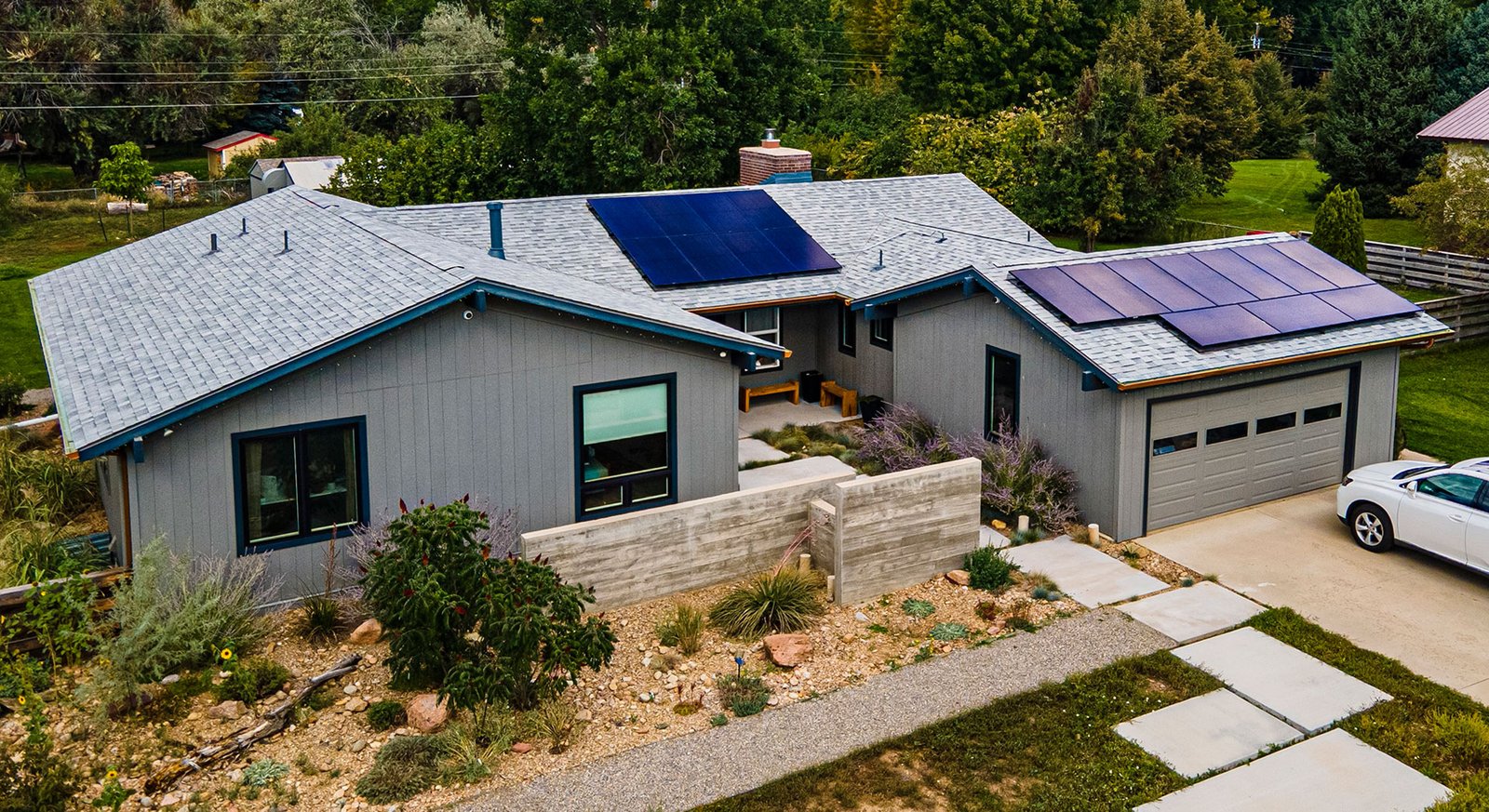
A home in Denver uses 10,600 kWh per year. That's 29 kWh per day. Denver gets about 5.5 peak sun hours.
The homeowner chooses 400-watt panels. The derate factor is 0.8.
29 ÷ (0.4 × 5.5 × 0.8) = 29 ÷ 1.76 = 16.5 panels
Round up to 17 panels. That's a 6.8 kW system.
Try a different scenario. A home in Seattle uses the same 29 kWh per day. Seattle gets 3.8 peak sun hours. Same panel choice.
29 ÷ (0.4 × 3.8 × 0.8) = 29 ÷ 1.216 = 23.8 panels
Round up to 24 panels. That's a 9.6 kW system.
The difference is clear. The same home in Denver needs 17 panels, while Seattle needs 24 panels. That's why location matters.
What if you choose higher wattage panels? Use 500-watt panels. For the Denver home: 29 ÷ (0.5 × 5.5 × 0.8) = 29 ÷ 2.2 = 13.2 panels. That's 14 panels.
For the Seattle home: 29 ÷ (0.5 × 3.8 × 0.8) = 29 ÷ 1.52 = 19.1 panels. That's 20 panels.
Higher wattage panels save roof space. They also cost more per panel but often less per watt. The trade-offs of going solar include the upfront cost, but the savings over time can be significant.
Check your math against the system size. The total system size in kilowatts is panel count × panel wattage ÷ 1000. For the Denver example with 400W panels: 17 × 400 ÷ 1000 = 6.8 kW. That's a reasonable size for an average home.
The different panel options available include monocrystalline, polycrystalline, and bifacial types. Monocrystalline panels are the most efficient and common for residential use. They typically have higher wattage ratings and better performance in low light.

Similar Posts