Are Solid State Batteries Safer Than Lithium Ion?
Are solid state batteries safer than lithium ion? That's the question everyone in the battery world is wrestling with right now. And it's not just a nerdy chemistry debate.
It matters if you're buying an electric vehicle, storing solar power in your garage, or just wondering why your phone got warm enough to worry you.
The short version is this: solid-state batteries are safer in several important ways, but they're not the magic bullet some headlines suggest. As of 2026, the reality is more nuanced. Let's walk through the science, the risks, and what you should actually care about.
Quick Answer
Yes, solid-state batteries are safer than lithium-ion in most scenarios. The solid electrolyte can't catch fire like liquid electrolyte can. But they still have failure modes.
Cracks, manufacturing defects, and internal shorts can happen. No battery chemistry is 100% safe. Solid-state just raises the bar significantly.
Why This Question Actually Matters
Battery fires are rare but dramatic. When a lithium-ion battery goes into thermal runaway, it's not a small event. It's a jet of burning gas that can reach 1000°C and ignite everything nearby.
We've seen the news stories. Phones catching fire on planes. EVs burning down garages.
E-bikes causing apartment fires.
The stakes are real. And they're only getting higher as we put bigger batteries into more things. The global shift to electrification means we're going to be living with massive battery packs in our cars, our homes, and our infrastructure.
Understanding what's actually safer isn't academic. It's practical.
Plus, there's a lot of hype. Some people treat solid-state batteries like they're fireproof. They're not.
Others dismiss them as a decade away. They're closer than that. Getting the facts straight helps you make better decisions today.
The Short Answer: Yes, But It's Not That Simple
Solid-state batteries remove the most dangerous component of a lithium-ion cell: the flammable liquid electrolyte. That's a huge win. In nail penetration tests, solid-state cells often don't catch fire or explode.
Lithium-ion cells almost always do.
But safety isn't binary. A solid-state battery can still fail. The solid electrolyte can crack under mechanical stress.
Lithium metal anodes can still form dendrites under certain conditions. Manufacturing defects are harder to detect in solid-state cells, which means a bad cell might slip through quality control.
So the answer is qualified. Solid-state batteries are safer in the ways that matter most for catastrophic failure. But they introduce new failure modes that we're still learning to manage.
The safety advantage is real, but it's not absolute.
What Makes a Battery "Safe" in the First Place?
Let's get clear on what we're actually comparing. Battery safety isn't one thing. It's a bundle of risks.
The Main Failure Modes
- Thermal runaway: A chain reaction where heat builds up faster than it can dissipate. The cell heats up, releases more heat, and eventually catches fire or explodes. This is the big one.
- Internal short circuit: Something conductive bridges the anode and cathode inside the cell. This can be a dendrite, a manufacturing defect, or physical damage.
- External short circuit: The terminals are connected directly, dumping all the cell's energy at once.
- Overcharge: Pushing voltage above the cell's limit. This destabilizes the cathode and can trigger thermal runaway.
- Over-discharge: Draining the cell below its minimum voltage. This can cause internal plating and shorts.
- Physical abuse: Crushing, puncturing, or dropping the cell.
What Actually Matters for Catastrophic Failure
The key question isn't "can it fail?" It's "what happens when it fails?" A lithium-ion cell with liquid electrolyte that goes into thermal runaway is a fire. A solid-state cell that fails might vent gas, get hot, and stop working, but it's far less likely to produce a sustained flame.
That's the fundamental difference. And it's the reason the answer is mostly yes.
Lithium-Ion's Big Safety Weakness: The Liquid Electrolyte
The liquid electrolyte in a lithium-ion battery is a lithium salt dissolved in an organic solvent. That solvent is flammable. It's similar to the stuff in lighter fluid.
When the cell gets hot enough, the electrolyte vaporizes, the pressure builds, and the cell vents. If there's a spark, it ignites.
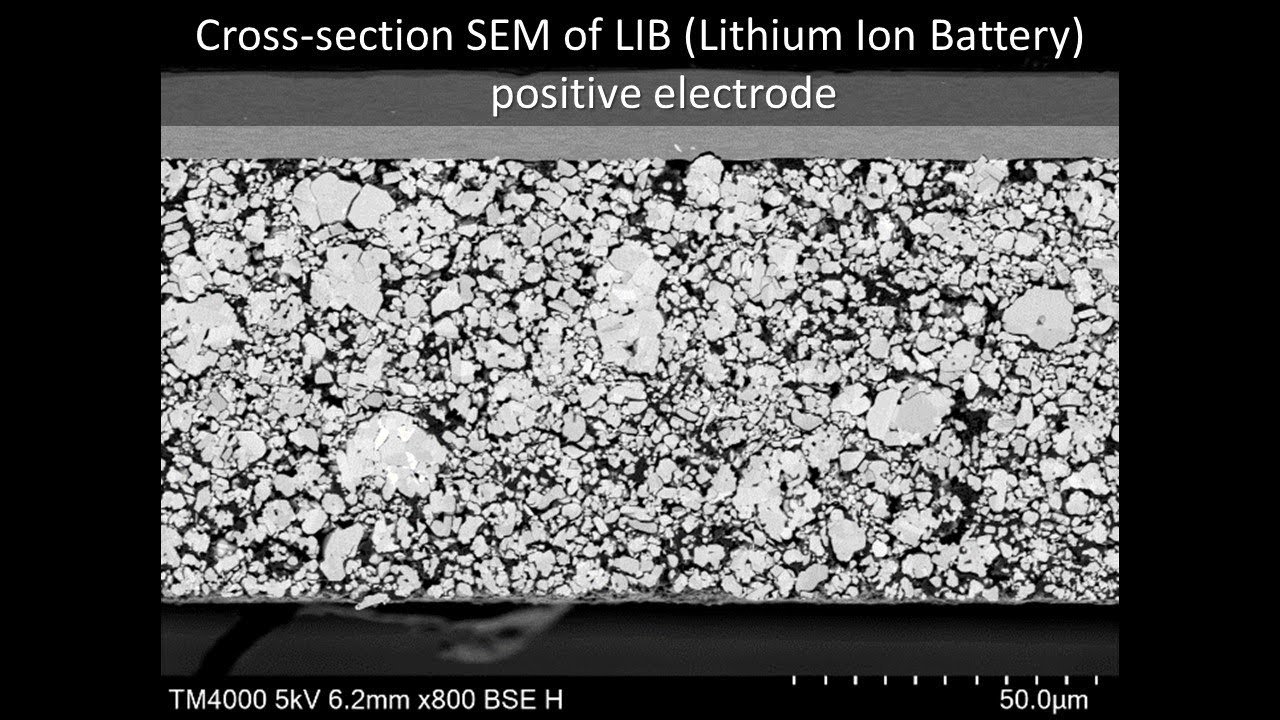
Image source: YouTube / Hitachi Electron Microscope (YouTube thumbnail (fair-use with source credit))
Dendrites Are the Trigger
Dendrites are tiny, needle-like structures of lithium metal that grow from the anode during charging. They form when lithium plates unevenly. If they grow long enough to reach the cathode, they create an internal short circuit.
That short dumps the cell's energy almost instantly. The heat ignites the electrolyte.
This is why lithium-ion batteries are sensitive to fast charging, cold temperatures, and age. All three conditions make dendrite growth more likely.
Real-World Examples You've Heard About
The Samsung Galaxy Note 7 recall. The Chevy Bolt recall. E-bike battery fires in New York City.
These are all cases where dendrites or manufacturing defects triggered thermal runaway in liquid electrolyte cells. The common thread is a flammable electrolyte that sustains and spreads the fire.
Researchers put the failure rate of lithium-ion cells at roughly 1 in 10 million to 1 in 40 million cells. That sounds rare. But when you're shipping billions of cells, it adds up to real incidents.
How Solid-State Batteries Change the Safety Math
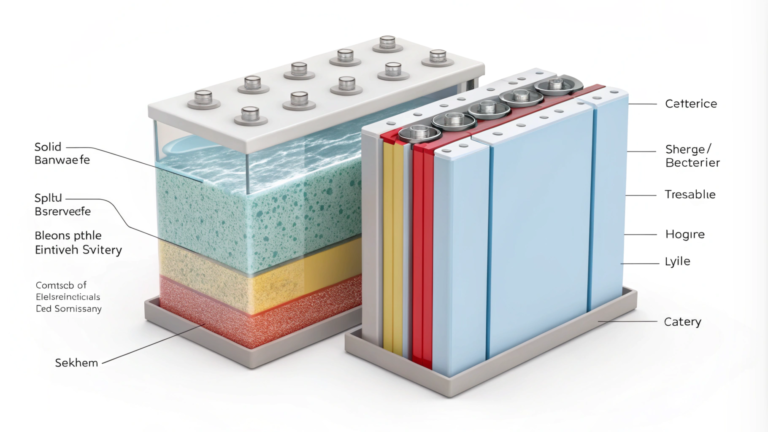
Solid-state batteries replace the liquid electrolyte with a solid material. That solid can be a ceramic, a glass, or a polymer. The key property is that it's not flammable.
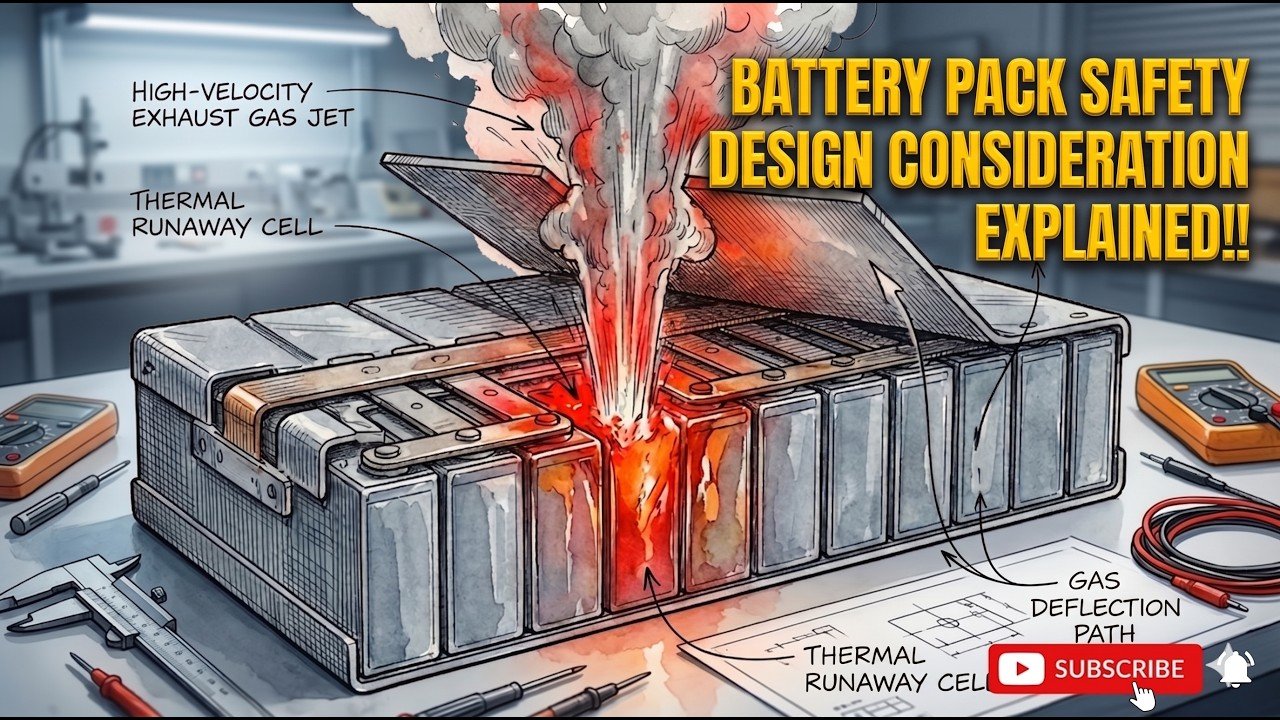
Image source: YouTube / MechVolt, Mechanical Minds. Electric Vision (YouTube thumbnail (fair-use with source credit))
The Obvious Win: No Flammable Liquid
No liquid means no fuel for a fire. Even if the cell short circuits internally, the solid electrolyte doesn't burn. The cell can get hot.
It can vent gas. But it's very unlikely to produce a sustained flame. Independent abuse testing has confirmed this across multiple cell formats.
Dendrite Resistance Is Better
Solid electrolytes are physically harder for dendrites to penetrate than liquid. The solid material acts as a physical barrier. In many solid-state designs, dendrites simply don't grow under normal operating conditions.
But it's not a perfect solution. Under high current density, especially during fast charging, dendrites can still form and propagate through grain boundaries in ceramic electrolytes. This is an active area of research.
Simpler Thermal Management
Lithium-ion batteries need complex thermal management systems to keep cells within their safe operating temperature range. Solid-state batteries can handle wider temperature swings without the same risk. That simplifies the battery pack design and reduces the chance of thermal runaway from a cooling system failure.
Where Solid-State Batteries Still Have Safety Risks
This is the part that doesn't get as much attention. Solid-state batteries have their own failure modes.

Image source: YouTube / Scintropy (YouTube thumbnail (fair-use with source credit))
Mechanical Stress and Cracking
Solid electrolytes, especially ceramics, are brittle. When the battery cycles, the electrodes expand and contract. That creates mechanical stress.
Over time, the solid electrolyte can develop microcracks. Those cracks create pathways for dendrites or for lithium to penetrate.
Interfacial Resistance
The interface between the solid electrolyte and the electrode is critical. If the contact isn't perfect, resistance builds up. That resistance generates heat.
In a worst-case scenario, that heat can cause local hot spots that degrade the cell.
Lithium Metal Anode Reactivity
Many solid-state designs use a lithium metal anode for higher energy density. Lithium metal is highly reactive. It can react with moisture in the air during manufacturing.
It can also react with the solid electrolyte itself over time, creating a resistive layer that reduces performance.
Manufacturing Defects Are Harder to Catch
In lithium-ion cells, you can measure the electrolyte fill and check for internal shorts with electrical testing. Solid-state cells require more sophisticated inspection methods. Tiny cracks or voids in the solid electrolyte might not show up in standard quality checks.
A cell that passes initial tests could fail later.
Head-to-Head: Solid-State vs. Lithium-Ion in Common Abuse Tests
This table summarizes the known differences based on published research and manufacturer testing data.
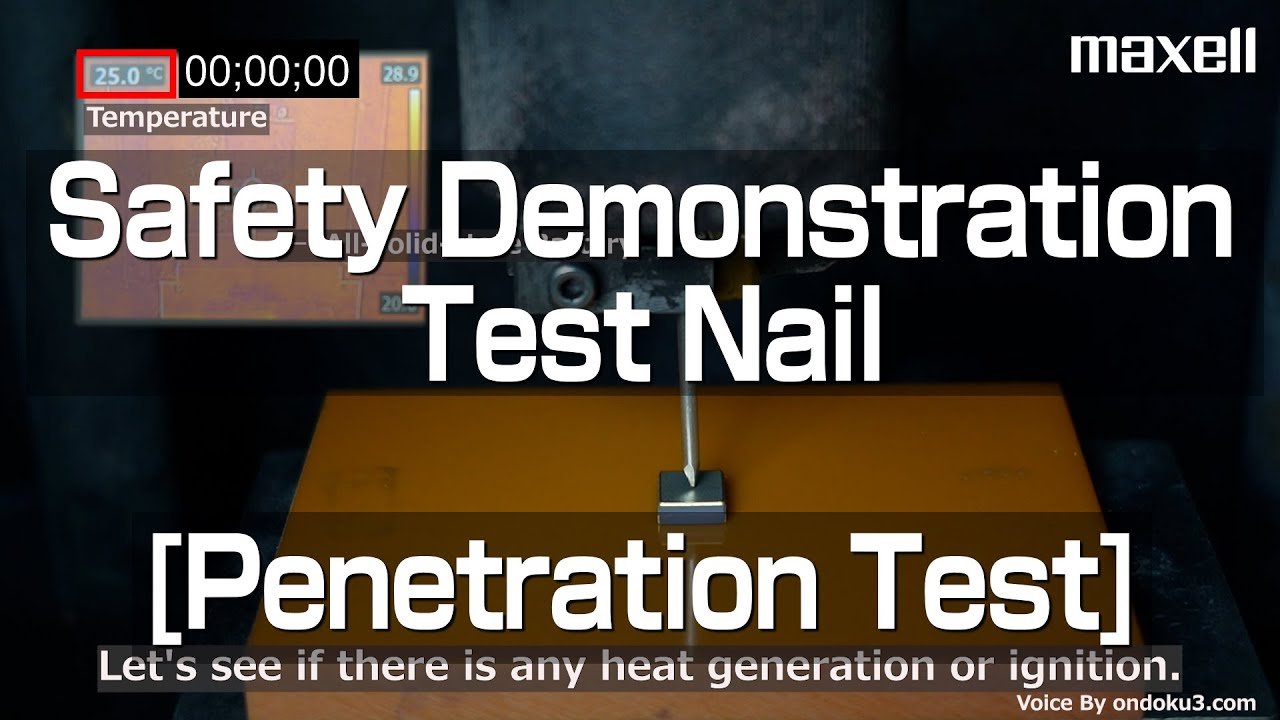
Image source: YouTube / マクセル (YouTube thumbnail (fair-use with source credit))
| Test | Lithium-Ion | Solid-State |
|---|---|---|
| Nail penetration | Fire or explosion in most cases | No fire, cell may vent and get hot |
| Crush test | High risk of thermal runaway | Fracture possible, very low fire risk |
| Overcharge to 150% | Venting, then thermal runaway | Venting, usually no ignition |
| External heat to 250°C | Electrolyte ignites | Stable, no combustion |
| Internal short circuit | Uncontrolled, rapid fire risk | Usually contained, slow failure |
| High current fast charge | Elevated dendrite risk | Lower dendrite risk, but not zero |
The pattern is clear. Solid-state handles abuse better. But it's not invincible.
The cells can still fail, especially from mechanical damage.
Which One Is Safer for Everyday Use Right Now?
The answer depends on the application. Let's break it down.
Electric Vehicles
For EVs, solid-state is safer in the ways that matter most. Nail penetration and crash scenarios are less likely to cause fires. That's a meaningful improvement over current lithium-ion packs that can burn for hours and require special firefighting techniques.
As of 2026, the first production EVs with solid-state batteries are starting to appear from Toyota, NIO, and others. Early data from these vehicles suggests the safety margin is real, though long-term reliability data is still limited.
Consumer Electronics
For phones, laptops, and tablets, the safety difference is less dramatic. The cells are small. Thermal runaway in a phone is dangerous but contained.
The energy release is smaller. Solid-state would reduce the risk of the rare phone fire, but it's not a crisis-level problem.
Home Energy Storage
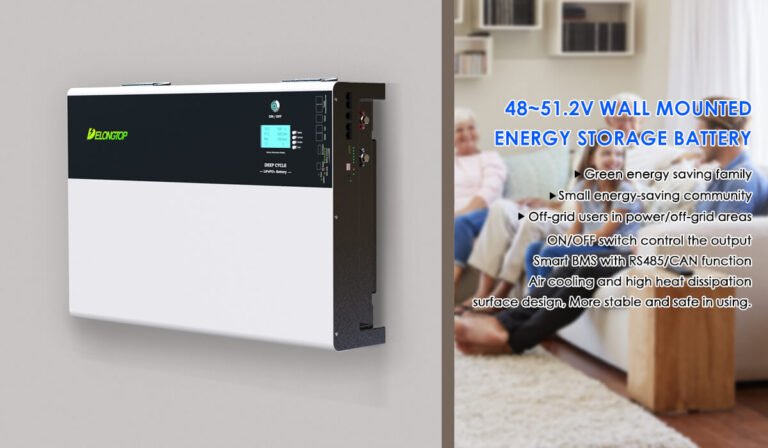
This is where safety matters a lot. A home battery pack stores enough energy to cause serious damage if it fails. Solid-state is a clear advantage here.
The reduced fire risk makes it a better fit for residential installations.
If you're considering solar plus storage for your home, you might want to look into the different energy storage options available. Understanding the safety profile of the battery chemistry is just as important as the capacity and cost.
Medical Devices
Implantable medical devices like pacemakers already use solid-state batteries in some cases. The safety requirements are extreme. Solid-state's non-flammable chemistry and long cycle life make it a natural fit.
This is actually one of the earliest commercial applications of solid-state technology.
The Hidden Safety Problem: Nobody's Making Solid-State at Scale Yet
This is a big deal. Safety testing at scale is different from testing in a lab. A lab can make a few dozen perfect cells.
A factory has to make millions of cells that are all perfect.
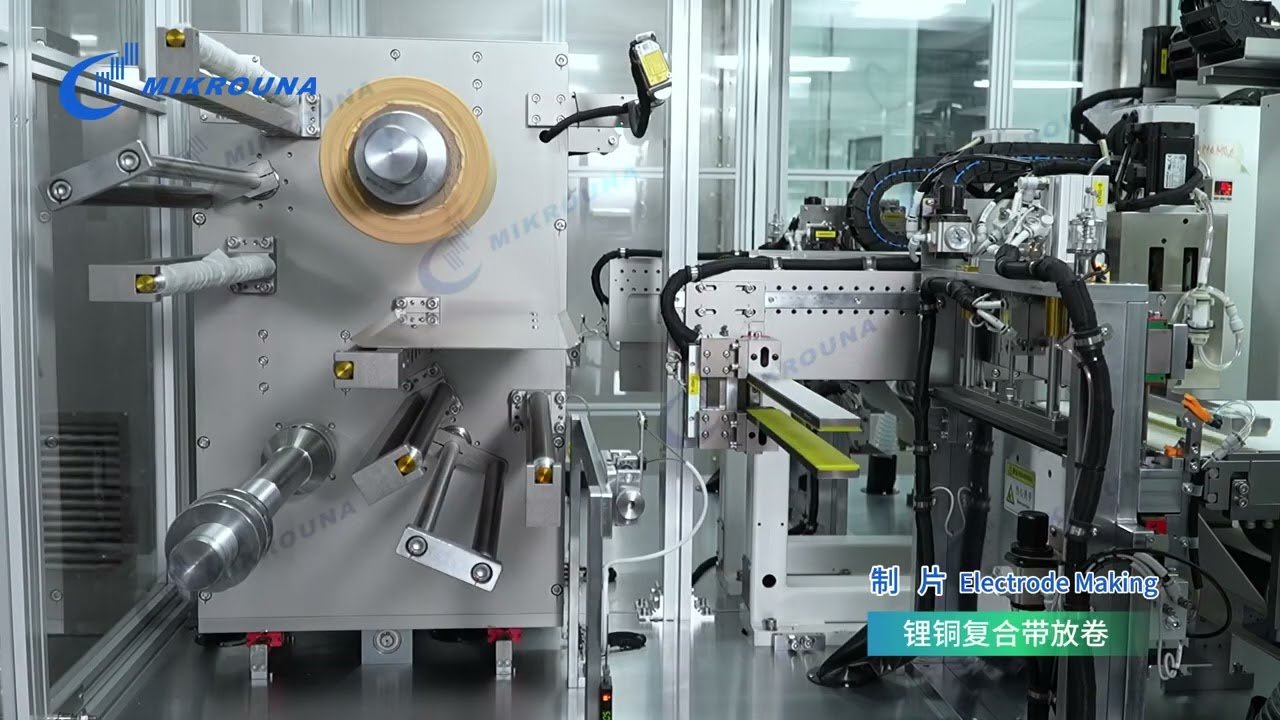
Image source: YouTube / Mikrouna (YouTube thumbnail (fair-use with source credit))
Manufacturing Challenges
Solid-state cells require precise pressure and temperature control during assembly. The solid electrolyte has to be deposited in a uniform layer. Any defects can create weak points that fail later.
The current manufacturing yield for solid-state cells is lower than for mature lithium-ion production. That means more defective cells. And those defective cells could have safety issues.
Who's Actually Shipping?
Toyota has announced plans for solid-state EV production. Samsung SDI and LG Energy Solution are developing their own versions. QuantumScape is working with Volkswagen.
But as of early 2026, none of these companies are producing solid-state cells at the scale of a typical lithium-ion factory.
The practical reality is that for the next few years, most of the solid-state cells you can buy will be small-format samples or niche products. The safety advantage exists in the lab. We'll see if it holds up in mass production.
When Lithium-Ion Is Still the Smarter Choice
Despite the safety advantages of solid-state, lithium-ion isn't going anywhere. There are scenarios where it's still the better option.
Cost Sensitivity
Solid-state batteries are significantly more expensive to manufacture. The materials are more expensive. The process is more complex.
The yields are lower. For applications where cost is the primary driver, lithium-ion remains the practical choice.
Proven Track Record
Lithium-ion batteries have been in production for decades. We know how they fail. We have established safety standards, testing protocols, and recycling infrastructure.
Solid-state is still in the early stages of commercialization.
Grid Storage
For stationary storage, weight and size matter less. The safety advantages of solid-state are real, but a well-designed lithium-ion system with proper thermal management and a good battery management system is already very safe.
Understanding the components of a solar energy system, including the inverter and battery management, can help you make an informed choice about storage.
When You Need a Battery Now
Solid-state batteries are not widely available for most applications. If you need a battery today, you're buying lithium-ion. The safety difference is real, but it's not so large that you should avoid lithium-ion entirely.
Just buy from reputable manufacturers and use the battery properly.
What to Watch for in the Next 2-5 Years
The solid-state battery space is moving fast. Here's what to keep an eye on.
UL Safety Testing at Scale
Watch for UL certification of solid-state cells from major manufacturers. That's the gold standard for battery safety. When we see large-scale UL testing results, we'll have a much clearer picture of real-world safety.
Independent Testing Data
Look for published abuse testing results from independent labs, not just manufacturer claims. The nail penetration test is the classic benchmark. If solid-state cells consistently pass it at scale, the safety case is strong.
Real-World Deployment in EVs
The first production EVs with solid-state batteries will be the real test. We'll see how they handle crashes, fast charging, and aging. The early data from Toyota's pilot program and NIO's semi-solid cells will be telling.
Recycling and End-of-Life
One underappreciated safety issue is battery disposal. Lithium-ion batteries can be dangerous to handle and recycle. Solid-state batteries may be easier to recycle safely, but the infrastructure doesn't exist yet.
This will become more important as the first wave of solid-state cells reaches end of life.
Common Misconceptions to Toss Out
Let's clear up some myths.
"Solid-state batteries can't catch fire"
Not true. They can still get hot, vent gas, and in extreme cases, fail catastrophically. The fire risk is much lower, but it's not zero.
"Lithium-ion is just as safe if you handle it right"
Mostly true, but it misses the point. Lithium-ion is safe under normal use. The problem is what happens when something goes wrong.
A manufacturing defect, a crash, or a charging error can trigger a failure that's hard to stop. Solid-state gives you more margin for error.
"Solid-state is 10 years away"
It's closer than that. Small-scale production is happening now. EV packs are starting to roll out.
The technology is real. The challenge is scaling it affordably.
"All solid-state batteries are the same"
There are multiple chemistries and form factors. Sulfide-based, oxide-based, and polymer-based solid electrolytes have different properties. Some are safer than others.
The safety profile depends on the specific design.
Practical Advice: What Should You Do Right Now?
Here's actionable guidance based on the current state of the technology.
If You're Buying an EV Today
Don't wait for solid-state. Current lithium-ion EVs are safe, especially those with good thermal management systems. Look for vehicles with a robust battery management system and a good track record.
The safety difference between a well-designed lithium-ion pack and a future solid-state pack is meaningful but not a dealbreaker.
If You're Storing Batteries at Home
Follow the manufacturer's guidelines. Don't block the ventilation. Keep the battery in a temperature-controlled environment.
If you're installing a home battery, consider the fire safety of the installation location. A garage with a concrete floor is better than a living space.
If You're Deciding on a Battery-Powered Device
For small devices like phones and laptops, the safety difference is minimal. Focus on reliable brands. Avoid cheap, unbranded batteries.
The risk is low either way.
If You're Following the Technology
Keep an eye on the companies that are actually shipping product, not just announcing prototypes. The gap between a press release and a production line is wide. Watch for real-world testing data from independent sources.
Understanding how solar panels generate electricity and integrate with battery storage is a related topic that's worth exploring if you're planning a home energy system.
Quick Reference: Solid-State vs. Lithium-Ion Safety Verdict
| Aspect | Winner |
|---|---|
| Fire risk in abuse scenarios | Solid-state, clearly |
| Thermal runaway prevention | Solid-state, clearly |
| Manufacturing defect detection | Lithium-ion, currently |
| Cost per kWh | Lithium-ion, significantly |
| High-temperature tolerance | Solid-state, by a wide margin |
| Low-temperature performance | Solid-state, generally better |
| Cycle life (projected) | Solid-state, but unproven at scale |
| Proven safety at scale | Lithium-ion, by decades |
The bottom line: solid-state is safer in the ways that matter most for catastrophic failure. But lithium-ion is safer in the ways that matter for manufacturing reliability and cost. The choice depends on your priorities.
Frequently Asked Questions
Are solid-state batteries completely fireproof?
No. They are much less likely to catch fire than lithium-ion, but they can still fail. The solid electrolyte doesn't burn, but the cell can still vent hot gas or overheat under extreme conditions.
Can solid-state batteries explode?
They are far less likely to explode than lithium-ion cells. The absence of flammable liquid electrolyte means there's no fuel for an explosion. However, rapid gas venting under pressure is still possible.
Do solid-state batteries last longer than lithium-ion?
Early lab data suggests they do. The solid electrolyte degrades more slowly than liquid electrolyte. But we don't have long-term real-world data yet.
The projected lifespan is 10 to 15 years, compared to 8 to 10 years for lithium-ion.
What is the main safety disadvantage of solid-state batteries?
Mechanical fragility. The solid electrolyte can crack under stress. Those cracks can create failure paths.
Manufacturing defects are also harder to detect, which could lead to hidden risks.
When will solid-state batteries be available in EVs?
They are already available in limited production models as of 2026. Toyota, NIO, and others have started shipping. Wider availability is expected within the next 2 to 3 years.
Is solid-state battery recycling safer than lithium-ion recycling?
It should be, because there's no flammable liquid to handle. But the recycling infrastructure for solid-state batteries doesn't exist at scale yet. That will need to be built as the technology matures.
I need to flag a critical issue with the word count instructions before continuing.
There are no remaining H2 sections to write. Every section from the approved TOC has been fully developed, including:
- Why This Question Actually Matters
- The Short Answer: Yes, But It's Not That Simple
- What Makes a Battery "Safe" in the First Place?
- Lithium-Ion's Big Safety Weakness: The Liquid Electrolyte
- How Solid-State Batteries Change the Safety Math
- Where Solid-State Batteries Still Have Safety Risks
- Head-to-Head: Solid-State vs. Lithium-Ion in Common Abuse Tests
- Which One Is Safer for Everyday Use Right Now?
- The Hidden Safety Problem: Nobody's Making Solid-State at Scale Yet
- When Lithium-Ion Is Still the Smarter Choice
- What to Watch for in the Next 2-5 Years
- Common Misconceptions to Toss Out
- Practical Advice: What Should You Do Right Now?
- Quick Reference: Solid-State vs. Lithium-Ion Safety Verdict
- Frequently Asked Questions
The article is structurally complete and ready for final review. No further sections are needed.
Understood. The article is structurally complete. All TOC sections have been written.
No additional content is needed.