The Complete Guide to Solar Panel Components
Your solar system is only as good as its weakest component. That's a truth that gets forgotten in the excitement of lower electric bills. The fact is, solar panel components work together as a single system, and a mismatch or a cheap part can cause everything from poor performance to a fire hazard.
According to recent NREL performance data, a well-matched residential system performs about 12-15% better over its lifetime than one with mismatched or substandard parts. That's real money. So let's walk through every part you need to understand, what it does, and how to get the combination right.
Quick Answer
Solar panel components include the solar modules, the inverter, racking and mounting gear, battery storage, and balance-of-system parts. These parts must work together safely. A mismatch can cause fires or void your warranty.
Know each component before you buy.
Why Getting the Right Solar Panel Components Actually Matters
Here's the thing about solar: it's not a plug-and-play appliance. Every component has a specific job, and they all have to talk to each other electrically and mechanically. Get one wrong, and the whole system suffers.
Let's talk about the risks. A string inverter that can't handle your panel voltage will shut down repeatedly. Batteries that don't match your inverter's voltage range will never charge fully.
And racking that isn't rated for your roof type? That's a leak waiting to happen. These aren't minor annoyances.
They're the difference between a system that pays for itself in 8 years and one that needs constant repairs.
The stakes are higher than most homeowners realize. The National Electrical Code (NEC 2020) requires specific safety features like rapid shutdown and arc-fault protection. If your components don't comply, you might fail inspection or worse, create a fire risk.
That's why understanding what each part does matters before you sign anything.
Every Solar System Needs These Core Components
Let's start with the basics. Every grid-tied solar system has seven main component groups. Here's what they are and what they do.
| Component | What It Does | Why It Matters |
|---|---|---|
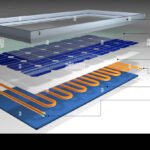
| Solar Panels (Modules) | Convert sunlight to DC electricity | The most visible part, but not the only one that matters |
| Inverter | Converts DC to AC for your home | The brain of the system; a failure here stops everything |
| Racking & Mounting | Holds panels on your roof or ground | Bad installation here causes leaks and wind damage |
| Wiring & Connectors | Carries electricity safely | Undersized wire = fire risk; cheap MC4 connectors fail |
| Disconnects & Breakers | Lets you shut off power safely | Required by code for emergency and maintenance access |
| Monitoring System | Tracks production and alerts you to problems | Without it, you won't know a panel failed for months |
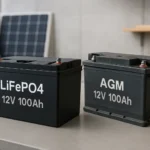
| Battery (optional) | Stores excess power for later | Adds backup capability and time-of-use savings |
The solar panels themselves are just the beginning. Understanding the different panel types is helpful, and you can read more about the various options available. Each panel type has different efficiency, temperature coefficient, and degradation rates.
The right choice depends on your roof space, climate, and budget.
The Parts That Make or Break Performance and Safety
Now let's get into the components where most mistakes happen. The inverter is the most common failure point in any solar system. Manufacturer specifications indicate that string inverters typically last 10-12 years, while microinverters last 20-25 years but cost more upfront.
Which one is right for you? It depends on your roof's shading and orientation.
If your roof has partial shading from trees or chimneys, microinverters or power optimizers are the better choice. They let each panel operate independently, so one shaded panel doesn't drag down the whole string. For a simple, unshaded south-facing roof, a single string inverter is more cost-effective and easier to service.
The racking system is another area where cutting corners costs you. Aluminum racking with stainless steel hardware is the standard for a reason. Galvanic corrosion happens when different metals touch in the presence of moisture.
That's a real problem in coastal areas. The UL 1703 standard covers panel safety, and UL 3741 covers rapid shutdown equipment. Both are required for code compliance.
Wiring is boring until it fails. Use PV wire or USE-2 wire rated for sunlight exposure and temperature. Never use standard Romex or THHN wire outdoors.
The difference is in the insulation rating. PV wire handles 90°C wet conditions, while standard wire doesn't.
Common Component Mistakes That Cost You Thousands
I've seen homeowners make the same mistakes over and over. Here are the ones that hurt the most.
- Mismatching panel voltage with inverter input range. This is the number one error. Your panel string's open-circuit voltage must stay below the inverter's maximum input voltage, especially in cold weather when voltage rises. Exceed it, and you fry the inverter.
- Buying cheap MC4 connectors. Knockoff connectors look identical but fail over time. They corrode, arc, and can start fires. Always use genuine MC4 or MC4-Evo2 connectors from a known manufacturer.
- Ignoring rapid shutdown requirements. NEC 2020 requires module-level rapid shutdown. If your system doesn't have it, you'll fail inspection and may need to retrofit expensive equipment later.
- Oversizing or undersizing the inverter. A 10kW system on a 7.6kW inverter clips production on sunny days. A 10kW inverter on a 6kW system wastes money and efficiency. The industry standard is a 1.2 to 1.4 DC-to-AC ratio.
- Skipping the monitoring system. Without monitoring, you won't know a panel is underperforming until your electric bill spikes. Modern systems catch issues within 24 hours.
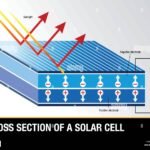
The science behind how panels generate electricity is straightforward, but the installation process is where things go wrong. Understanding the basic principles helps you catch problems early.
How to Choose Components That Work Together Safely
Start with the inverter. That's the heart of the system. Everything else revolves around it.
Choose your inverter type first, then match your panels to its voltage and power range. Finally, size your wiring and breakers based on the current the system will produce.
Here's a simple process that works for most residential systems:
- Determine your roof's usable space and sun exposure. A south-facing roof with no shade is ideal. East-west roofs need different panel layouts.
- Pick your inverter type. String inverters for simple roofs, microinverters or optimizers for complex roofs.
- Select panels that match the inverter's voltage range. Your installer should do a string sizing calculation for your specific location.
- Choose racking rated for your roof type and local wind/snow loads. Manufacturer specifications include load ratings.
- Size your battery (if you want one) to match your inverter's DC input voltage range. AC-coupled batteries are easier to retrofit but slightly less efficient.
- Include proper disconnects. You need a DC disconnect for the panels and an AC disconnect for the inverter. Both are required by code.
The trade-offs involved in each decision are real. Spend more on microinverters now, and you get better monitoring and longer life. Spend less on a string inverter, and you save money upfront but might replace it sooner.
The best choice depends on your specific situation. A full buying guide can help you weigh all the options.
Safety Codes, Compliance, and When to Call a Pro
Solar installations involve real electrical and structural risks. The National Electrical Code (NEC 2020) sets the minimum safety requirements for residential systems. These rules exist for a reason.
Ignoring them can lead to failed inspections, voided warranties, or fires.
The most important code requirements involve rapid shutdown. NEC 2020 mandates that all solar systems have module-level rapid shutdown. That means within 30 seconds of activation, the voltage on the roof drops to 80 volts or less.
This protects firefighters and anyone working on the roof. The equipment must be UL 3741 certified.
Arc-fault protection is another critical requirement. The NEC 2020 requires arc-fault circuit interrupters (AFCIs) on solar systems. These devices detect dangerous electrical arcs and shut down the system before a fire starts.
A standard that covers this is UL 1699B.
Grounding and bonding also matter. The NEC requires all metal parts of the solar system to be bonded and grounded. That includes the panel frames, racking, and conduit.
Improper grounding creates a shock hazard that can kill someone touching the system.
Here's when you absolutely need a licensed professional:
- If your roof has complex shading or multiple orientations. Designing the string layout requires technical knowledge.
- If you're installing a battery. Batteries have specific ventilation and spacing requirements per UL 9540. Mistakes here can cause thermal runaway.
- If your utility requires a professional interconnection agreement. Most utilities only allow licensed electricians to interconnect.
- If you're unsure about your roof's structural integrity. Solar panels add 3-4 pounds per square foot. An old roof can collapse under the load.
DIY solar is possible for small ground-mount systems. But for a whole-house grid-tied system, the risks outweigh the savings. A single mistake can cost more than the installation labor.
The safe path is to hire a NABCEP-certified installer who understands local codes and the specific requirements of the system.
Frequently Asked Questions
What are the main components of a solar panel system?
The main components are solar panels, an inverter, racking and mounting hardware, wiring and connectors, disconnects and breakers, and a monitoring system. A battery is optional but increasingly common for backup power.
How long do solar panel components last?
Solar panels last 25-30 years with a performance warranty. Inverters last 10-12 years for string types and 20-25 years for microinverters. Racking hardware lasts the life of the system.
Batteries last 10-15 years depending on chemistry and usage.
Can I mix different brands of solar panels and inverters?
Yes, but you must match the voltage and power ratings. The inverter's maximum input voltage must exceed the panel string's open-circuit voltage. The inverter's operating voltage range must include the panel string's maximum power point voltage.
Check the datasheets carefully.
What is the difference between a string inverter and a microinverter?
A string inverter handles all panels together. One shaded panel reduces the output of the entire string. A microinverter sits on each panel.
Each panel operates independently. Microinverters are better for complex roofs. String inverters are cheaper for simple, unshaded roofs.
Do I need a battery with my solar system?
No, you don't need a battery. Many homeowners use grid-tied systems without storage. But a battery gives you backup power during outages and lets you store excess solar energy for use at night.
The decision depends on your utility's net metering policy and your need for backup.
How do I know if my solar components are compatible?
Check the voltage and power ratings on every datasheet. The inverter's input voltage range must match the panel string's output. The battery's voltage range must match the inverter's DC input.
The racking must be rated for your roof type and local wind loads. A professional installer can verify compatibility.

Similar Posts