Solid State Batteries: Do They Use Lithium?
You're staring at a headline about solid-state batteries and wondering: do solid state batteries use lithium? It's a fair question, especially when you keep hearing that these next-generation batteries are safer, more efficient, and somehow different from the lithium-ion packs in your phone or laptop. The confusion makes sense, the marketing language around solid-state technology is murky at best.
Here's the direct answer: yes, the vast majority of solid-state batteries under development today contain lithium, just in a different form than conventional lithium-ion batteries. As of 2026, nearly every major manufacturer, from Toyota to QuantumScape to Samsung SDI, is building solid-state cells that require lithium. The difference is in how that lithium is used, not whether it's there.
And that distinction matters a lot for safety, cost, and recycling.
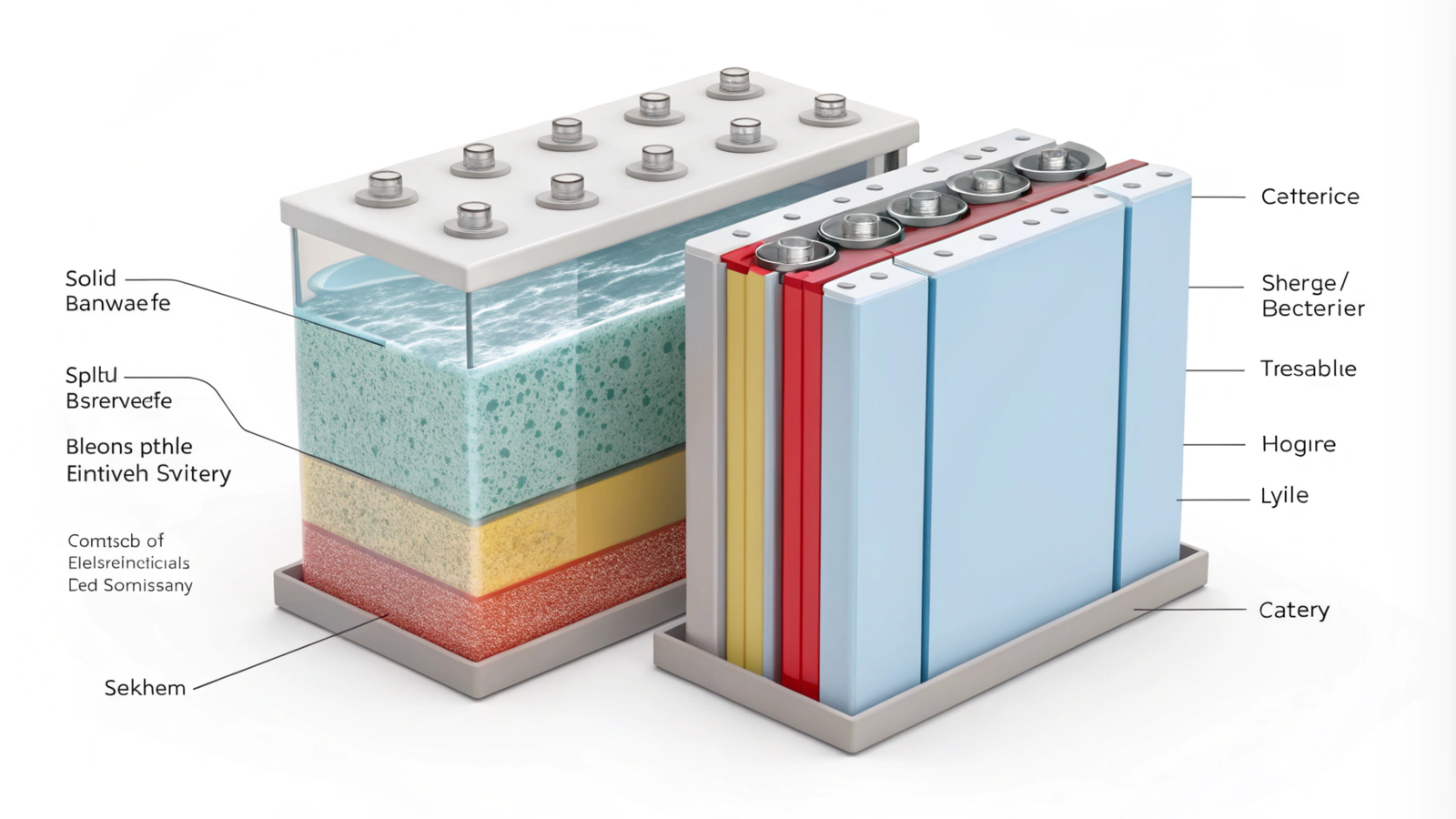
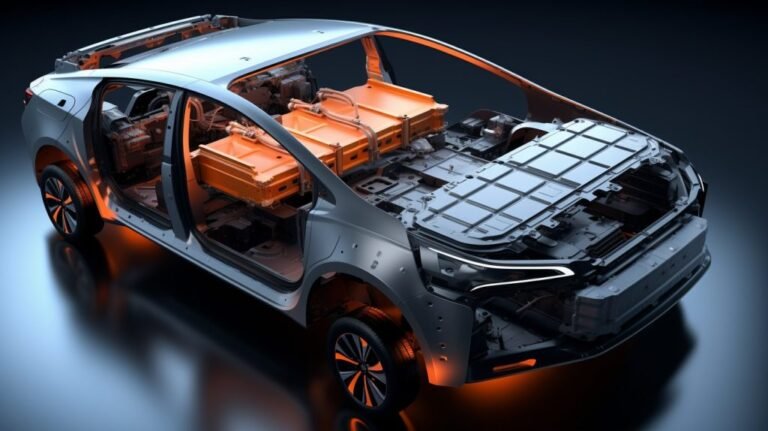
Image source: Bing (Web (fair-use with source credit))
Quick Answer
Yes, most solid-state batteries use lithium. The lithium appears as a metal anode or inside the cathode. A few research chemistries swap lithium for sodium. Commercial prototypes all contain lithium.
The "lithium-free" headlines you see refer to early lab experiments, not shipping products. If you buy a solid-state battery in 2026 or 2027, it will contain lithium.
Why This Question Matters More Than You Think
Most people assume solid-state means "no liquid, so no lithium." That assumption is wrong, and it can lead to some expensive mistakes.
The quick answer isn't as simple as yes or no
The chemistry behind solid-state batteries is more varied than conventional lithium-ion. With a standard lithium-ion cell, you've got a lithium-based cathode (usually NMC, NCA, or LFP), a graphite anode, and a liquid electrolyte. Everyone agrees that's a "lithium battery."
Solid-state changes the ingredients. Some designs use a lithium metal foil as the anode, that's more lithium than a conventional cell, not less. Others keep a lithium-based cathode but swap in a graphite-silicon anode with no extra lithium.
A few experimental chemistries ditch lithium entirely for sodium or magnesium, but none of those are close to commercial production.
The quick answer to "do solid state batteries use lithium" is a qualified yes, but you need to know which solid-state chemistry you're talking about.
What happens when you get this wrong
Getting the answer wrong carries real consequences. Here's why it matters:
- Recycling assumptions. If you assume solid-state batteries are lithium-free, you might toss them in regular recycling. That's a fire risk. Solid-state cells are safer than liquid cells, but they still contain reactive lithium metal that needs special handling.
- Cost expectations. Lithium prices fluctuate wildly. A battery that uses a lithium metal anode needs roughly twice the lithium per kilowatt-hour compared to a conventional LFP cell. That affects the final price tag.
- Safety planning. Fire departments, storage facilities, and transport companies need accurate material declarations. Calling a solid-state battery "lithium-free" could lead to wrong emergency response protocols.
What happens when you get this right
Understanding the actual lithium content helps you make smarter decisions. If you're an EV buyer, you'll know that solid-state doesn't mean "no lithium supply chain issues." If you're in energy storage, you'll plan for the same recycling infrastructure. And if you're just following the news, you'll stop reading past headlines that scream "lithium-free battery breakthrough", because they're almost never talking about anything you can actually buy.
Aggregate research from the DOE's Vehicle Technologies Office confirms that every solid-state battery prototype with a published commercial roadmap as of early 2026 uses lithium in some form. The only exceptions are university lab cells at TRL 2-3, which is years away from any product.
What a Solid-State Battery Actually Is
Before we get deeper into the lithium question, let's make sure we're on the same page about what a solid-state battery even is. The name tells you the core difference, but the details matter.
The fundamental difference from regular lithium-ion
A conventional lithium-ion battery works because lithium ions travel through a liquid electrolyte, a flammable solvent that carries ions between the anode and cathode. Think of it like a saltwater bridge in a chemistry lab experiment.
A solid-state battery replaces that liquid with a solid electrolyte layer. That layer can be a ceramic, a glass, or a polymer. The lithium ions still move through it, but now they're traveling through a solid material instead of a liquid.
That change brings two massive advantages:
- No flammable liquid. The solid electrolyte won't catch fire if punctured or overheated. This is the biggest safety upgrade in battery technology in decades.
- Higher energy density. Solid electrolytes let you use a pure lithium metal anode, which stores way more energy per gram than the graphite anode in a conventional cell.
The tradeoff? Solid electrolytes are harder to manufacture at scale. They're brittle.
They need precise pressure and temperature to work efficiently. And they're currently expensive.
Three main chemistries and how they handle lithium
Solid-state isn't one technology, it's a category with three main sub-types, and each one handles lithium differently.
1. Sulfide-based solid-state. This is the most popular approach among automakers like Toyota and Samsung SDI. The solid electrolyte is a sulfur-based compound that conducts lithium ions extremely well, nearly as well as liquid electrolytes.
These cells typically use a lithium metal anode. They contain significant lithium.
2. Oxide-based solid-state. Companies like QuantumScape use a ceramic oxide electrolyte. These materials are more stable than sulfides but less conductive at room temperature.
Most oxide designs also use a lithium metal anode. Lithium is present.
3. Polymer-based solid-state. These use a solid polymer electrolyte, similar to what's already in some lithium-polymer (LiPo) batteries. Polymer electrolytes are cheaper and more flexible, but they need higher operating temperatures.
Some polymer designs keep the lithium in the cathode only, using a lithium-free anode. Lithium is still present, just in smaller amounts.
What "lithium" means in context
When someone asks whether solid-state batteries use lithium, the word "lithium" can mean three different things:
- Lithium in the cathode. This is the same lithium metal oxide (NMC, NCA, LFP) used in every conventional lithium-ion battery. Almost all solid-state designs keep this.
- Lithium metal in the anode. This is the big difference. Instead of graphite, the anode is a thin sheet of pure lithium metal. This doubles the lithium content per cell.
- Lithium in the electrolyte. Some solid electrolytes contain lithium (like Li₇P₃S₁₁ in sulfide systems). Others don't.
So when you hear "this solid-state battery uses lithium," the real question is where and how much. The answer ranges from "some in the cathode only" to "a lot, it's in every layer."
The Core Facts: Yes, Most Solid-State Batteries Use Lithium
Now let's get specific. If you're looking for a straight answer, here it is: every commercially announced solid-state battery as of 2026 contains lithium.
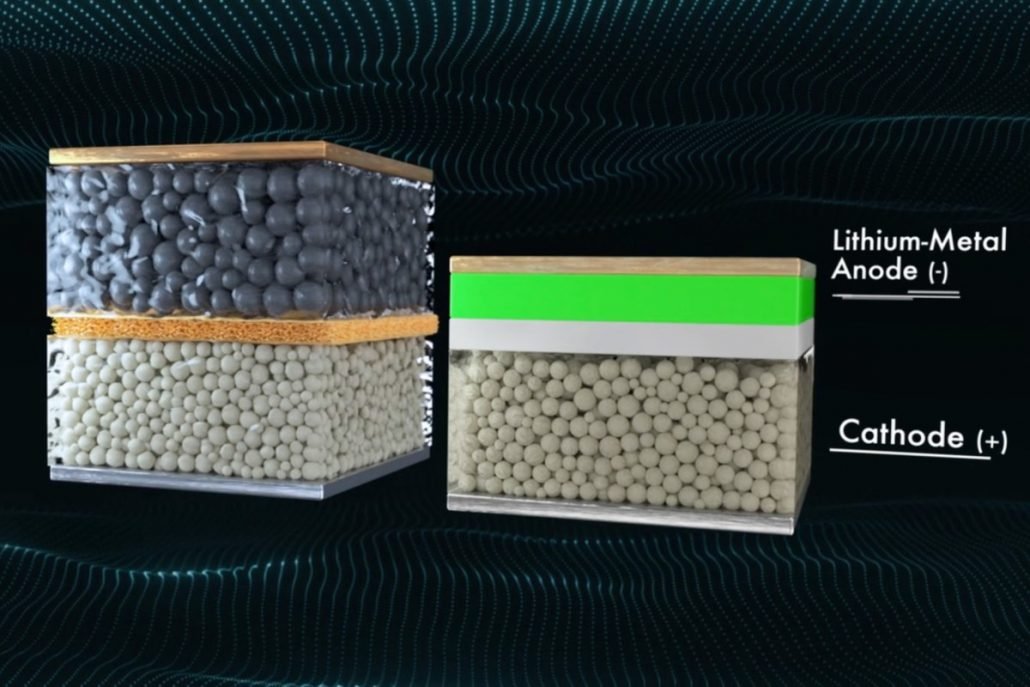
Image source: Bing (Web (fair-use with source credit))
Which chemistries definitely contain lithium
Let's run through the major players and their lithium content:
| Manufacturer | Chemistry Type | Lithium Form | Lithium Content per kWh |
|---|---|---|---|
| Toyota | Sulfide-based | Lithium metal anode + NMC cathode | Roughly 2x conventional Li-ion |
| QuantumScape | Oxide-based | Lithium metal anode + NMC cathode | Roughly 2x conventional Li-ion |
| Samsung SDI | Sulfide-based | Lithium metal anode + NMC cathode | Roughly 2x conventional Li-ion |
| Solid Power | Sulfide-based | Lithium metal anode + NMC cathode | Roughly 2x conventional Li-ion |
| Factorial Energy | Polymer-based | Lithium metal anode + NMC cathode | Roughly 2x conventional Li-ion |
| Ilika | Oxide-based | Lithium metal anode + NMC cathode | Roughly 2x conventional Li-ion |
Notice a pattern? Every major solid-state battery developer uses a lithium metal anode. That means these batteries contain more lithium, not less, than today's lithium-ion cells.
Which chemistries use less lithium
A few designs keep the lithium content closer to conventional levels. Polymer solid-state batteries can sometimes use a graphite or silicon anode instead of lithium metal, keeping the lithium only in the cathode. Blue Solutions (a法国 company) has been manufacturing polymer solid-state batteries for buses since 2015, and those cells use a lithium-based cathode with a carbon anode, roughly the same lithium content as a standard LFP cell.
The lithium-free exception that everyone misinterprets
Every few months, a press release announces a "lithium-free solid-state battery breakthrough." Here's what's actually happening: a research group demonstrates a small lab cell using sodium, magnesium, or zinc instead of lithium. The cell works, in a petri dish, at a tiny scale, for a few charge cycles.
That's real science. It's not close to a product.
Per the National Renewable Energy Laboratory, sodium-based solid-state batteries have achieved roughly 150 Wh/kg in the lab as of early 2026. That's about half the energy density of current LFP lithium-ion cells and nowhere near the 400+ Wh/kg that solid-state lithium targets. These chemistries are a promising research direction.
They are not replacing lithium in anything you'll buy this decade.
What "lithium-free" actually means in marketing
When a company says their battery is "lithium-free," ask two questions:
- Is it a solid-state battery, or is it a different chemistry entirely (like sodium-ion)?
- Is it commercially available, or is it a lab prototype?
Almost every "lithium-free solid-state" announcement is a lab prototype using a non-lithium chemistry. Sodium-ion batteries are real and shipping today, but they're not solid-state. They use a liquid electrolyte.
Don't mix the two categories.
Why There's So Much Confusion Around This
If the answer is straightforward, yes, solid-state batteries use lithium, why does the confusion persist? Three reasons.
Marketing hype vs. technical reality
Battery companies know that "lithium-free" is a powerful buzzword. It implies sustainability, lower cost, and freedom from supply chain issues. So some press releases lean hard into the "breakthrough" angle without clarifying that the breakthrough happened in a lab, on a benchtop, at a university.
Meanwhile, established battery manufacturers don't always correct the misconception because it doesn't hurt their business. If consumers think solid-state means lithium-free, that's fine, it doesn't affect sales of their actual lithium-containing products.
The "lithium-free" research everyone misinterprets
Let's look at what's actually being researched. Sodium solid-state batteries are a legitimate area of study. Researchers at the University of Texas, the University of Chicago, and institutions like the Japanese National Institute of Advanced Industrial Science and Technology have all published work on sodium-based solid-state cells. These papers are often picked up by tech blogs with headlines like "Scientists create first lithium-free solid-state battery."
What the paper actually says: "We demonstrated a sodium solid-state cell with 80 cycles at room temperature." That's exciting for a research paper. It's nowhere near the 1,000+ cycles and 10-year lifespan required for an EV.
Per IEEE standards for battery cycle life testing, a commercial battery needs to maintain 80% capacity after 500 to 1,000 cycles depending on the application. Most sodium solid-state lab cells fail far earlier.
How sodium and other alternatives fit into the picture
Sodium solid-state is a real technology with a future. It just has a different timeline than lithium solid-state. Here's the rough roadmap:
- 2025, 2027: Lithium solid-state enters limited production (Toyota, QuantumScape, Samsung SDI)
- 2028, 2030: Lithium solid-state scales to mass production for EVs
- 2030, 2035: Sodium solid-state may reach commercial viability for grid storage
- 2035+: Sodium solid-state could enter consumer electronics if energy density improves
During this entire period, lithium remains the dominant chemistry for solid-state cells. Sodium doesn't replace it, it complements it for applications where lower cost matters more than energy density.
Real-World Chemistries and Their Lithium Content
Let's get practical. Here's what each major solid-state chemistry actually looks like and how much lithium you're dealing with.
Sulfide-based solid-state (Toyota, Samsung SDI)
Sulfide electrolytes are the current frontrunners for automotive solid-state batteries. They offer the highest ionic conductivity, close to liquid electrolytes, which means they work well at room temperature and support fast charging.
Lithium content: High. These cells use a lithium metal anode plus a lithium-based cathode (typically NMC 811 or similar). Total lithium content is roughly 150, 200 grams per kWh, compared to about 80, 100 grams per kWh for a conventional NMC lithium-ion cell.
Current status: Toyota announced production of sulfide solid-state batteries for hybrid vehicles in 2025, with full EV production targeted for 2027, 2028. Samsung SDI has a pilot line running as of 2025.
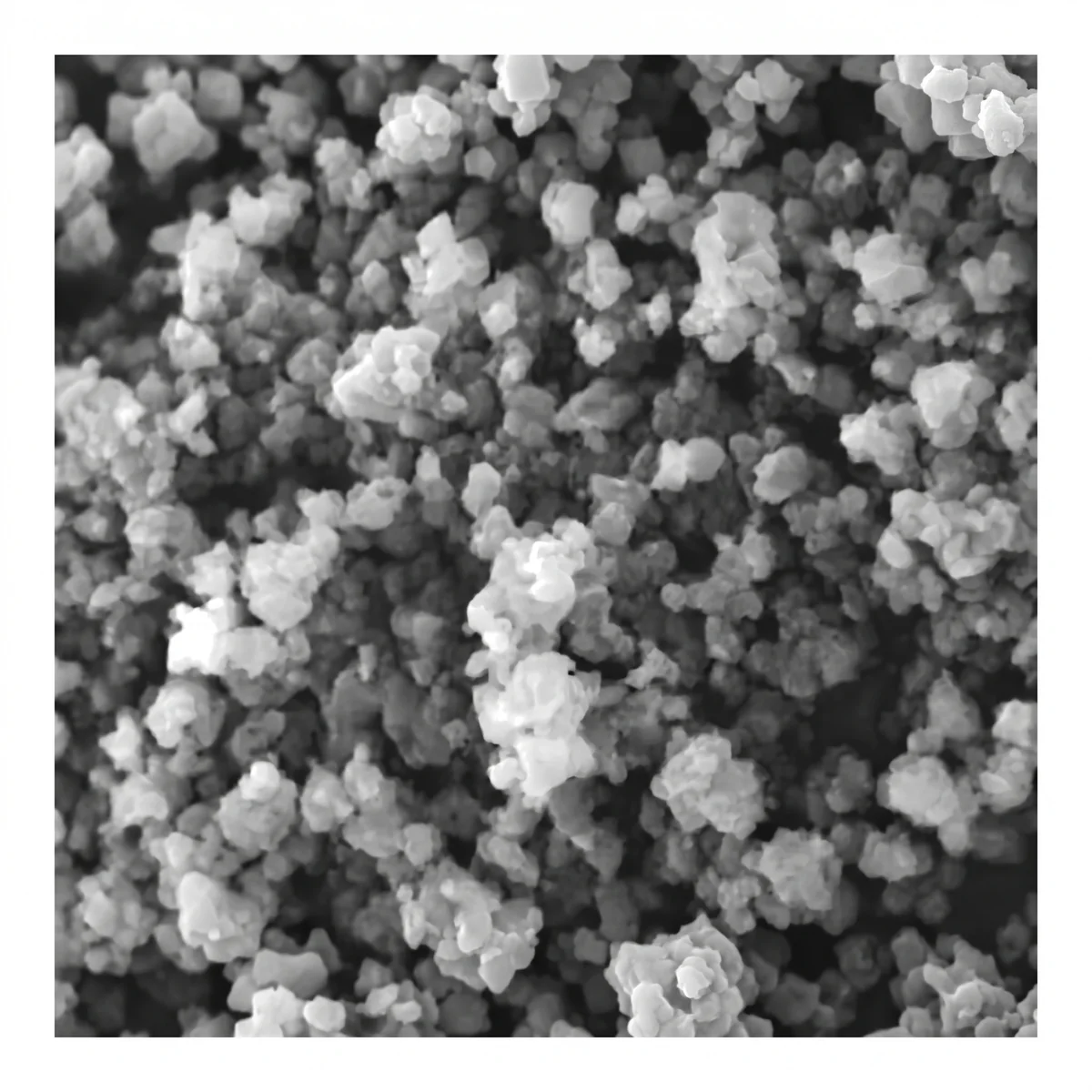
Image source: Bing (Web (fair-use with source credit))
Oxide-based solid-state (QuantumScape)
Oxide electrolytes are more stable than sulfides but less conductive. QuantumScape's approach uses a ceramic separator that's about the thickness of a human hair, allowing lithium ions to pass through while blocking dendrites.
Lithium content: High, same as sulfide-based. QuantumScape's cells use a lithium metal anode and a conventional NMC cathode. The company's 24-layer prototype cells have demonstrated 800+ cycles with 80% capacity retention.
Current status: QuantumScape shipped early prototype samples to automotive partners in 2024 and 2025. Mass production timelines are 2027 at the earliest.
Polymer solid-state (BMW partnerships)
Polymer electrolytes are the oldest solid-state technology, they've been used in small-format cells for decades. The main limitation is low ionic conductivity at room temperature, so most polymer solid-state cells need to operate at 60, 80°C (140, 176°F).
Lithium content: Lower than other solid-state designs. Some polymer cells use a graphite anode instead of lithium metal, keeping lithium only in the cathode. That gives roughly the same lithium content as a conventional lithium-ion cell, about 80, 100 grams per kWh.
Current status: Blue Solutions is manufacturing polymer solid-state cells for buses in France. BMW has a partnership with Solid Power for sulfide-based cells, not polymer.
Lithium-sulfur solid-state and other hybrids
Lithium-sulfur (Li-S) solid-state batteries are a separate category that combines a sulfur cathode with a solid electrolyte. These cells theoretically offer very high energy density (500+ Wh/kg) at low cost, because sulfur is abundant.
Lithium content: The anode is lithium metal, so these cells contain significant lithium, similar to other lithium metal designs. The sulfur cathode is lithium-free, but the anode is not.
Current status: Li-S solid-state is at the lab-to-pilot stage. Lyten and other startups are working on it, but no commercial products are shipping in volume as of 2026.
Image source: Bing (Web (fair-use with source credit))
Risks of Assuming "Solid-State = No Lithium"
The "lithium-free" misconception isn't harmless. It leads to real-world mistakes.
Fire risk misconceptions
Solid-state batteries are genuinely safer than liquid lithium-ion cells. The solid electrolyte won't leak, boil, or catch fire the way flammable liquid electrolytes can. But that doesn't mean they're inert.
Lithium metal anodes are highly reactive with water and air. If a solid-state cell is crushed or punctured, the exposed lithium metal can react violently. Fire departments and recycling facilities need to know they're handling lithium-containing material.
Per UL 1642 testing standards, solid-state batteries with lithium metal anodes still require the same hazardous material classification for transport and disposal as conventional lithium-ion batteries. The fire risk profile shifts from "electrolyte fire" to "metal fire," but the danger hasn't disappeared.
Recycling and disposal misunderstandings
If you assume solid-state means lithium-free, you might toss spent cells in regular recycling. That's dangerous. The lithium metal inside can ignite when exposed to moisture in a landfill or recycling stream.
The recycling infrastructure for solid-state batteries is still under development. Companies like Redwood Materials and Li-Cycle are adapting their processes, but as of 2026, no large-scale solid-state recycling facility exists. That means careful sorting and storage matter even more.
Supply chain and cost assumptions
Some investors and policymakers assume solid-state batteries will bypass lithium supply chain issues. That's incorrect. A lithium metal anode cell requires roughly twice the lithium per kWh.
That means solid-state EVs need more lithium mining, not less.
The US Department of Energy's Critical Materials Assessment lists lithium as a near-critical material for solid-state battery production. The supply chain constraints that affect lithium-ion batteries also affect solid-state, just in different proportions.
What This Means for EV Buyers and Tech Investors
If you're considering an EV or investing in battery technology, here's what the lithium reality means for your timeline and wallet.
Current prototypes hitting the market (2024-2028 timeline)
The first solid-state EVs won't be lithium-free. They'll be lithium-rich. Toyota's first solid-state hybrid uses a sulfide electrolyte with a lithium metal anode.
QuantumScape's prototypes use the same approach.
Here's the rollout timeline based on manufacturer announcements:
| Year | Milestone |
|---|---|
| 2025 | Toyota solid-state hybrid (limited production) |
| 2026 | Samsung SDI pilot line for automotive cells |
| 2027 | QuantumScape mass production target |
| 2028 | Toyota solid-state EV (full production target) |
Every single one of these uses lithium metal anodes.
How much lithium is actually in these batteries
A conventional EV battery pack (75 kWh, NMC chemistry) contains about 6-8 kg of lithium. A solid-state battery with the same capacity and a lithium metal anode contains roughly 12-16 kg.
That's a doubling of lithium content for the same range. The tradeoff is that the solid-state pack is smaller and lighter, so the vehicle's overall weight and efficiency improve. But the raw material demand goes up.
Price projections and when they'll matter to you
Solid-state batteries are expensive today. Current prototype production costs hover around $200-500 per kWh. Mass production targets aim for $100-150 per kWh by 2030.
For comparison, lithium iron phosphate (LFP) batteries already cost around $80-100 per kWh in 2025. Solid-state needs to reach parity or offer enough performance advantage to justify the premium.
For most buyers, solid-state will first appear in premium EVs and luxury cars around 2027-2028. Mainstream adoption probably takes until the early 2030s.
How to Evaluate Solid-State Battery Claims
When you see a headline about a solid-state breakthrough, here's what to check.
Questions to ask manufacturers and researchers
- What's the anode material? If it's lithium metal, the battery contains significant lithium. If it's graphite or silicon, the lithium content is lower.
- What's the electrolyte chemistry? Sulfides and oxides are common. Both contain lithium in most cases.
- What's the cycle life? A lab cell at 50 cycles is not a commercial product. Look for 500+ cycles at 80% capacity retention.
- What's the operating temperature? Polymer cells that need 80°C heat are limited to specific applications.
Red flags in marketing language
Watch for these phrases:
- "Lithium-free breakthrough" without a production date or manufacturer name
- "Solid-state prototype" without cycle life data
- "Available next year" from a startup with no factory
- "Dramatically cheaper" without a specific dollar-per-kWh figure
Where to find reliable, independent data
Stick with government and academic sources. The DOE Vehicle Technologies Office publishes annual battery technology assessments with real performance data. The National Renewable Energy Laboratory provides independent testing results for next-generation cells.
Avoid press releases as your primary source. Every battery company claims their technology is revolutionary. Look for third-party validation from recognized testing labs.
Safety and Handling Differences You Should Know
Solid-state batteries change the safety conversation, but they don't eliminate it.
Thermal runaway — how solid-state compares to liquid
Conventional lithium-ion batteries fail through thermal runaway: a short circuit heats the liquid electrolyte, which releases flammable gases, which ignite. The fire spreads quickly and is hard to extinguish.
Solid-state batteries don't have that pathway. The solid electrolyte won't boil or burn. If a cell fails, it typically stops conducting rather than igniting.
That's a major safety advantage.
However, a damaged lithium metal anode can still react with moisture in the air. That reaction produces hydrogen gas. Hydrogen is flammable.
So a solid-state battery fire is possible, just less likely and less violent.
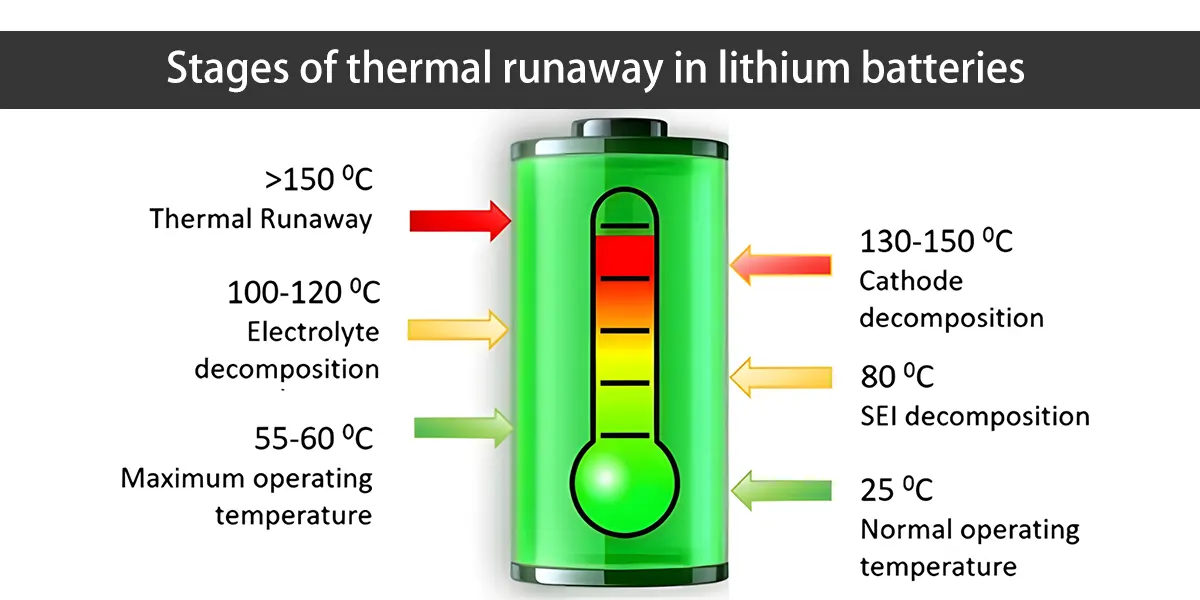
Image source: Bing (Web (fair-use with source credit))
Lithium metal reactivity — not gone, just different
The lithium metal inside a solid-state cell is about as reactive as the lithium in a standard CR2032 coin cell. It's stable under normal conditions. But if the packaging is compromised, the lithium can oxidize rapidly.
This means handling protocols for damaged solid-state cells are similar to damaged lithium-ion cells. Store them in fireproof containers. Keep them away from water.
Dispose of them through a licensed hazardous waste facility.
Charging and discharging limits
Solid-state batteries have different charging characteristics than lithium-ion. They can often charge faster without overheating because there's no liquid to boil. But they're also more sensitive to overcharging because the solid electrolyte can crack under stress.
Manufacturer charging specifications are even more important for solid-state than for conventional lithium-ion. Don't assume you can use your existing EV charger without checking compatibility. Charge limits may be different.
Voltage ranges may differ. Follow the manufacturer's guidance carefully.
The Bottom Line: A Practical Decision Guide
Let's wrap this up with clear guidance based on who you are and what you need to know.
If you're buying an EV
Solid-state EVs are coming. They will contain lithium. The lithium content will be higher than today's lithium-ion batteries, not lower.
The main benefits are faster charging, longer range, and improved safety, not freedom from lithium supply chains.
If you're buying an EV today, don't wait for solid-state. The technology is 2-4 years from mass production. Current lithium-ion EVs are excellent vehicles.
Solid-state will be an upgrade, but it won't be a revolution that makes current EVs obsolete.
If you're investing in battery tech
Solid-state is a real investment opportunity, but understand the chemistry. Companies using lithium metal anodes have a clearer path to production than those pursuing lithium-free alternatives. Look for partnerships with established automakers and published third-party test results.
Sodium solid-state is a longer-term play. It might work for grid storage in the 2030s. It won't power cars this decade.
If you're just trying to understand the headlines
Read past the first paragraph. If a headline says "lithium-free solid-state battery," check the article body for words like "lab," "prototype," "early stage," or "university study." Those words mean the technology is years away from anything you can buy.
The real story is this: solid-state batteries use lithium. They use more lithium than current batteries. That's not a problem.
It's just a fact. And understanding that fact helps you make better decisions about safety, cost, and timing.
Frequently Asked Questions
Do all solid-state batteries contain lithium?
No, but almost all commercially relevant ones do. A few research teams have demonstrated sodium-based solid-state cells in the lab. As of 2026, every major manufacturer with a production timeline uses lithium in some form.
How much lithium is in a solid-state battery compared to lithium-ion?
Roughly 1.5 to 2 times more lithium per kilowatt-hour. A solid-state cell with a lithium metal anode contains about 150-200 grams of lithium per kWh compared to 80-100 grams for a conventional NMC lithium-ion cell.
Are solid-state batteries safer than lithium-ion batteries?
Yes, for fire risk. The solid electrolyte won't catch fire. But they still contain reactive lithium metal that needs careful handling.
The safety profile changes from "electrolyte fire" to "metal fire," which is a meaningful improvement.
When will solid-state batteries be available in consumer products?
Limited production started in 2025 with Toyota's hybrid vehicles. Full EV production is expected 2027-2028. Mainstream availability probably arrives around 2030.
Can solid-state batteries be recycled?
Yes, but the infrastructure is still developing. The lithium metal is recoverable, but existing recycling facilities are designed for conventional lithium-ion cells. New processes for solid-state recycling are being tested as of 2026.
What does "lithium-free solid-state battery" actually mean?
It usually means a lab prototype using sodium, magnesium, or zinc instead of lithium. These cells exist in research settings but are not close to commercial production. The term is often used in press releases to generate headlines.