Find Solar Panel Recycling Near You
You've got a stack of old solar panels and no idea what to do with them. That's where the question "where to recycle solar panels near me" comes in. It's not as simple as tossing them in the dumpster.
Most people don't realize those panels are full of materials that can be hazardous if handled wrong.
As of 2026, nearly 90% of decommissioned panels in the U.S. still end up in landfills. That's a problem. Solar panels contain lead, cadmium, and silver that can leach into soil and water over time.
The EPA classifies certain panel types as hazardous waste, which means disposal is regulated. Let's walk through what you actually need to know.
Why This Matters More Than You Think
Most people assume solar panels are just glass and aluminum. Easy to recycle, right? Not exactly.
The reality is that solar panels are complex electronic devices. They contain silicon wafers, silver circuitry, copper wiring, and in some cases toxic compounds like cadmium telluride or lead-based solder. When those materials break down in a landfill, they don't just disappear.
They can contaminate groundwater and soil for decades.
But there's another reason this matters. Several states have already banned solar panels from landfills. California, Washington, New Jersey, and North Carolina all have laws in place as of 2026.
More states are expected to follow. If you live in one of those states and you throw panels in the trash, you're looking at fines.
Then there's the financial angle. Panels contain valuable materials. Recyclers can recover up to 95% of the glass, aluminum, and precious metals.
That means the recycling industry is growing fast. More facilities are opening every year. The problem is finding the right one near you.
Quick Answer
Search for solar panel recyclers on the PV Cycle website. Call your original installer and ask about their take-back program. Contact the panel manufacturer to check if they offer free recycling.
For a small fee, use a mail-back recycling kit. Never put panels in regular trash or curbside recycling.
How Solar Panel Recycling Really Works (The Core Facts)
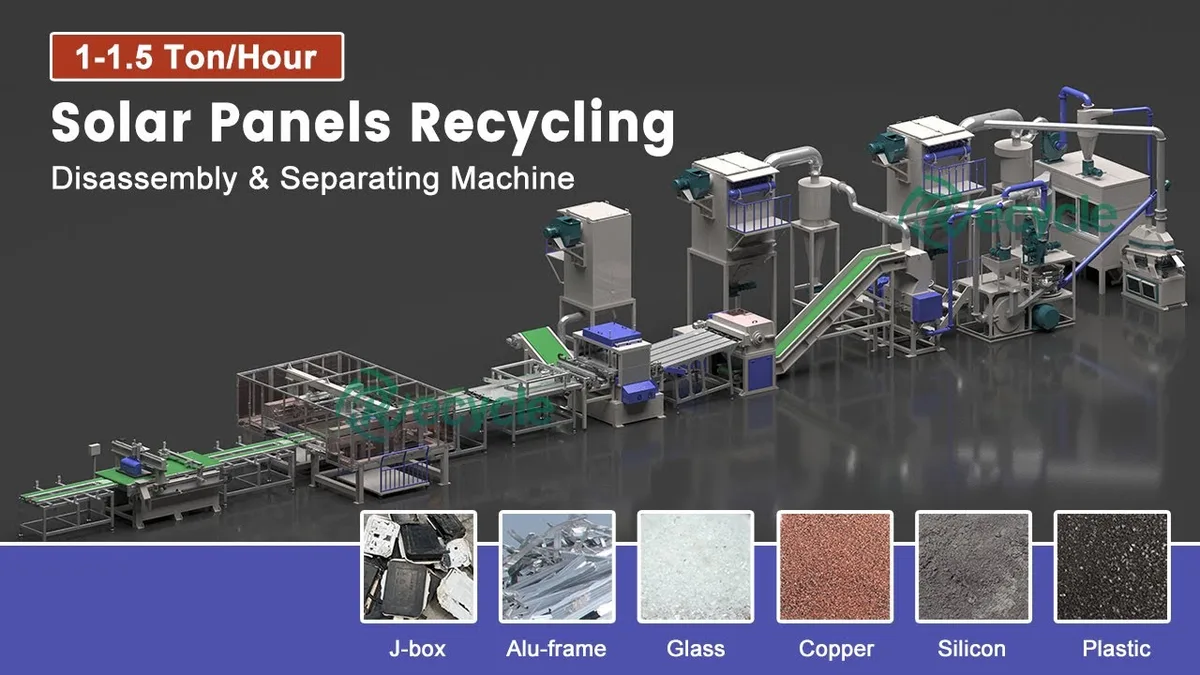
Recycling a solar panel isn't like recycling a soda can. It's a multi-step process that separates materials by type.
Here's what happens at a proper recycling facility:
- Frame removal. The aluminum frame is taken off first. Aluminum is 100% recyclable and has real scrap value.
- Glass separation. The tempered glass cover is removed. It gets crushed and used in new glass products or construction materials.
- Thermal processing. The panel goes through a high-heat oven. This burns off the plastic backing and the ethylene-vinyl acetate (EVA) layer that bonds everything together.
- Chemical or mechanical separation. The remaining silicon cells are treated with acid or mechanically shredded. This recovers silver, copper, and the silicon wafer itself.
- Material refinement. Precious metals are purified and sold back into manufacturing supply chains.
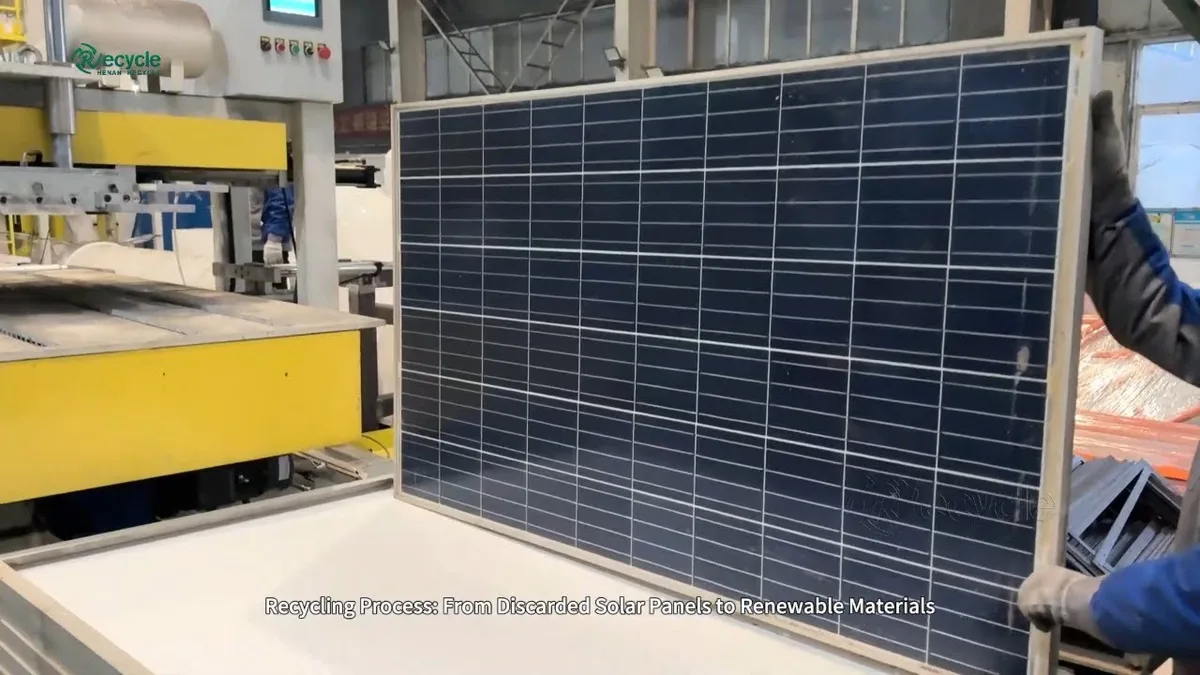
Not all recyclers handle every type of panel equally. Silicon-based panels (the most common residential type) are easier to recycle than thin-film panels. Thin-film panels contain cadmium telluride, which requires specialized handling.
The EPA has specific guidance on this, which you can find at their hazardous waste page.
A good recycler will give you a certificate of recycling. That document is your proof that the panels were handled legally. Keep it for your records.
Local Recycler vs. Manufacturer Take-Back vs. Mail-Back: Which Is Right for You?
You have three main options. Each one fits a different situation. Here's how they stack up.
| Option | Best For | Cost | Convenience |
|---|---|---|---|
| Local recycler | Large systems, urgent removal, any panel type | $15–$45 per panel | Low (you transport or pay for pickup) |
| Manufacturer take-back | Panels under 10–15 years old, same brand | Free or low cost ($0–$10 per panel) | Medium (must coordinate with installer) |
| Mail-back kit | 1–5 panels, any condition | $30–$80 per kit | High (ship from home) |
Local recycler is the best option if you have a full system (10+ panels) and you're in a state with landfill bans. You drop the panels off or pay for a pickup. The facility handles everything.
The downside is that not every town has one. Rural areas often have to drive an hour or more.
Manufacturer take-back is a hidden gem. Many major panel makers like First Solar, SunPower, and LG offer take-back programs. You ship the panels back or the installer retrieves them.
Some programs are free. Others charge a small fee. The catch is that the program usually only covers their own brand.
If you have mixed panels from different manufacturers, you may need multiple programs.
Mail-back kits are a lifesaver for small jobs. You order a box, fill it with panels, and ship it to a recycling center. The price includes the box, shipping, and recycling fees.
It's not cheap per panel, but it's the easiest option for a few old panels from a DIY project.
If you're unsure which path to take, start with the manufacturer. Check their website for a recycling program. If they don't offer one, search for a local recycler.
Use mail-back only as a last resort.
Step-by-Step: How to Find a Legit Recycler Near You
Finding a real recycler takes a few minutes of legwork. But it saves you from getting scammed or fined. Here's the process.
Step 1: Check your state laws
Visit your state environmental agency website. Search for "solar panel disposal" or "photovoltaic waste." You'll find out if your state has a landfill ban or a producer responsibility law. This determines what options are available to you.
Step 2: Call your original installer
If you had a professional installation, the installer might have a recycling partnership. Some companies include end-of-life recycling in their service agreements. It's worth a phone call.
Even if they don't, they often know the local recyclers in your area.
Step 3: Search the PV Cycle directory
PV Cycle is a nonprofit that runs a network of certified solar panel recyclers across the U.S. Enter your zip code on their site. It shows you the nearest drop-off locations.
This is the most reliable way to find a legitimate recycler.
Step 4: Vet the recycler
Not every facility that claims to recycle panels actually does. Some just shred them and dump the material in a landfill. Here's what to ask:
- Do you handle silicon-based panels? (Most residential panels are silicon.)
- Do you provide a certificate of recycling?
- What is your per-panel fee, and does it include transportation?
- How do you handle thin-film panels if I have them?
A legit recycler answers these questions clearly. If they're vague or pushy, walk away.
Step 5: Schedule pickup or drop-off
Once you've found a recycler, confirm the logistics. Some facilities require you to bring the panels in a specific way. Panels should be stacked flat, not leaning against each other.
Broken panels need to be sealed in plastic to prevent dust and sharp edges from causing problems.
Step 6: Get the paperwork
After recycling, request a certificate of recycling. This document proves you didn't illegally dump the panels. Keep it with your solar system paperwork.
If you ever sell your home, the buyer's inspection team may ask for it.
For more background on the different types of panels that affect recycling options, check out our guide on types of solar panels.
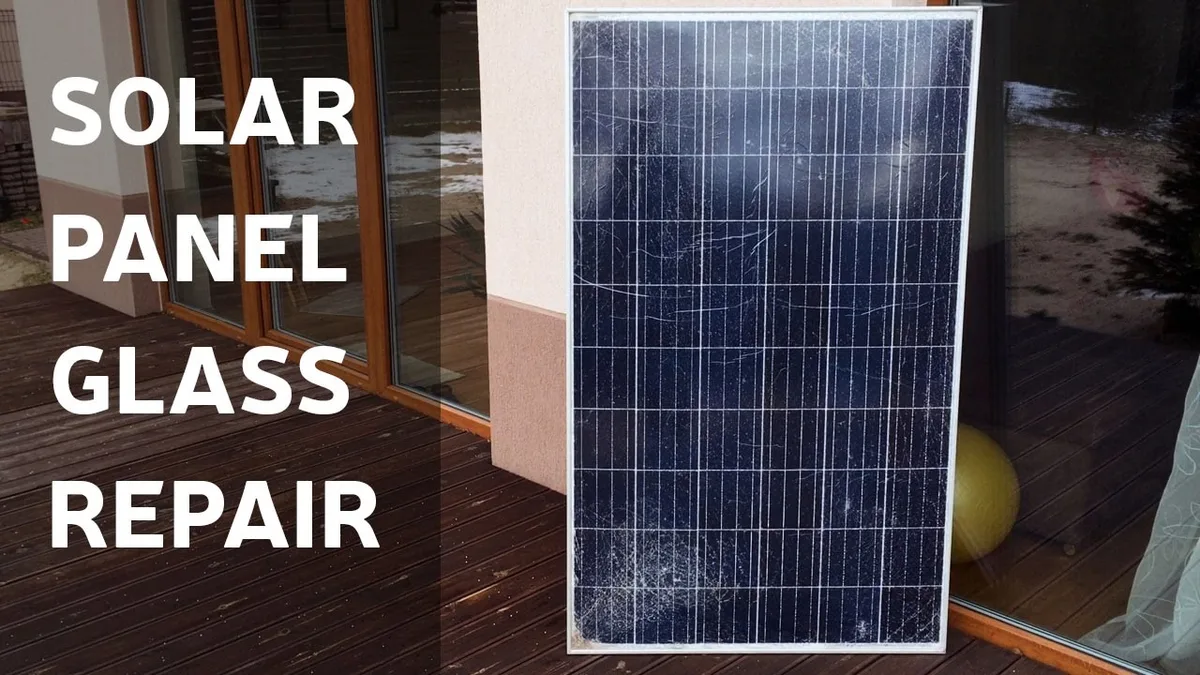
Image source: YouTube / Well Done Tips (YouTube thumbnail (fair-use with source credit))

Image source: YouTube / MyNBC5-WPTZ (YouTube thumbnail (fair-use with source credit))