How Much Do Solar Panels Cost in Virginia?
Renewable Energy Systems Specialist & Lead Solar Hardware Tester
If you're trying to figure out how much are solar panels in virginia, the short answer is that most homeowners pay between $13,500 and $32,000 before any incentives. That's a big range, and it depends on your home, your energy use, and which installer you pick. Let's cut through the noise and get you real numbers you can actually use.
As of 2026, the average cost per watt in Virginia sits between $2.70 and $3.20 before the federal tax credit. For a typical 7 kW system, that's roughly $19,000 to $22,400. But you won't pay that full price after the federal credit and Virginia's own tax exemptions.
Here's what that actually looks like.
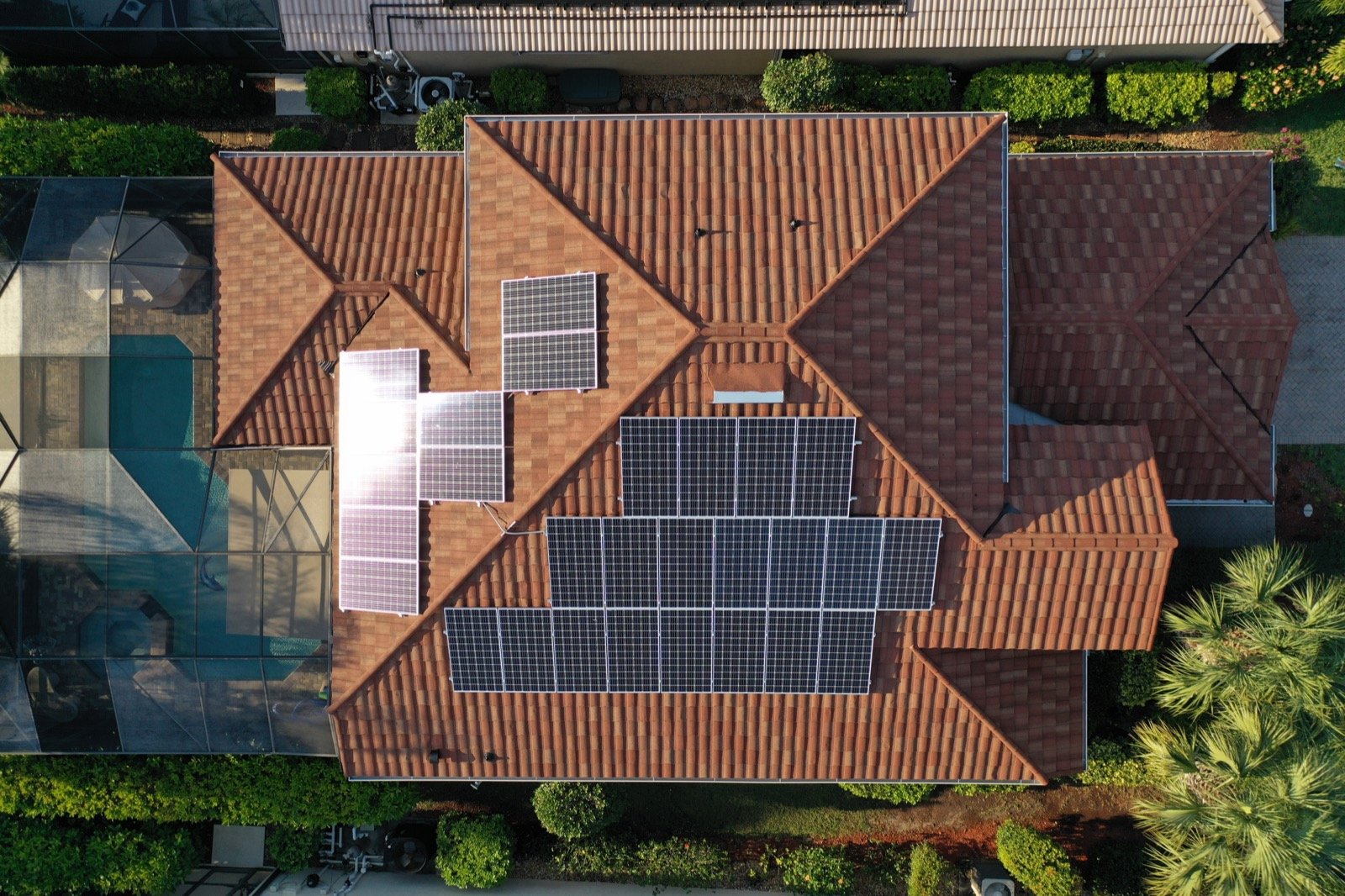
Image source: Bing (Web (fair-use with source credit))
Quick Answer
In Virginia, solar panels cost roughly $2.70 to $3.20 per watt. A typical 7 kW system runs $18,900 to $22,400 before incentives. The federal tax credit cuts 30% off that total.
You also save on property and sales tax here. After credits, many homeowners pay $9,500 to $15,700.
The Real Breakdown: What You'll Pay (Before and After Incentives)
Let's start with the raw numbers. Solar panel pricing is almost always quoted in dollars per watt. That makes it easy to compare systems of different sizes.
For a 5 kW system, you're looking at roughly $13,500 to $16,000 before incentives. For a 10 kW system, that jumps to $27,000 to $32,000. Most Virginia homes land somewhere in the middle, around 7 to 8 kW.
Here's what a typical 7 kW system costs in Virginia:
| Cost Item | Amount |
|---|---|
| Gross system price | $18,900 – $22,400 |
| Federal ITC (30%) | – $5,670 – $6,720 |
| After federal credit | $13,230 – $15,680 |
| Property tax exemption | $0 added tax on home value |
| Sales tax exemption | Saves ~$500 – $800 |
| SREC income (10 years) | ~$1,500 – $3,000 total |
The federal Investment Tax Credit (ITC) is the biggest single discount. It's a dollar-for-dollar reduction on your federal taxes, not a deduction. You claim it on your next tax return using IRS Form 5695.
That 30% credit is locked in through 2032, so you have time.
Virginia also exempts solar equipment from property tax. That means your home's assessed value goes up after installation, but you don't pay extra taxes on that increase. The state also waives sales tax on the equipment and installation.
Those two exemptions save you another $1,000 to $1,500 on a typical system.
Then there's the SREC market. Solar Renewable Energy Certificates let you sell the environmental credits your system generates. The market in Virginia has been volatile, typically paying $40 to $60 per megawatt-hour.
For a 7 kW system, that's about $150 to $250 per year. It's not a game-changer, but it helps.
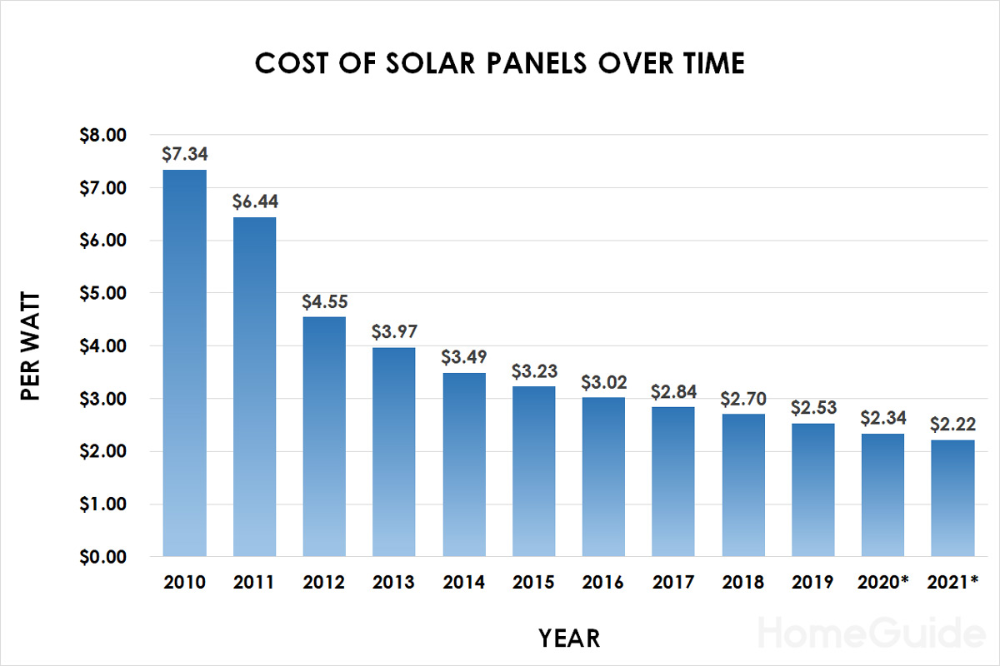
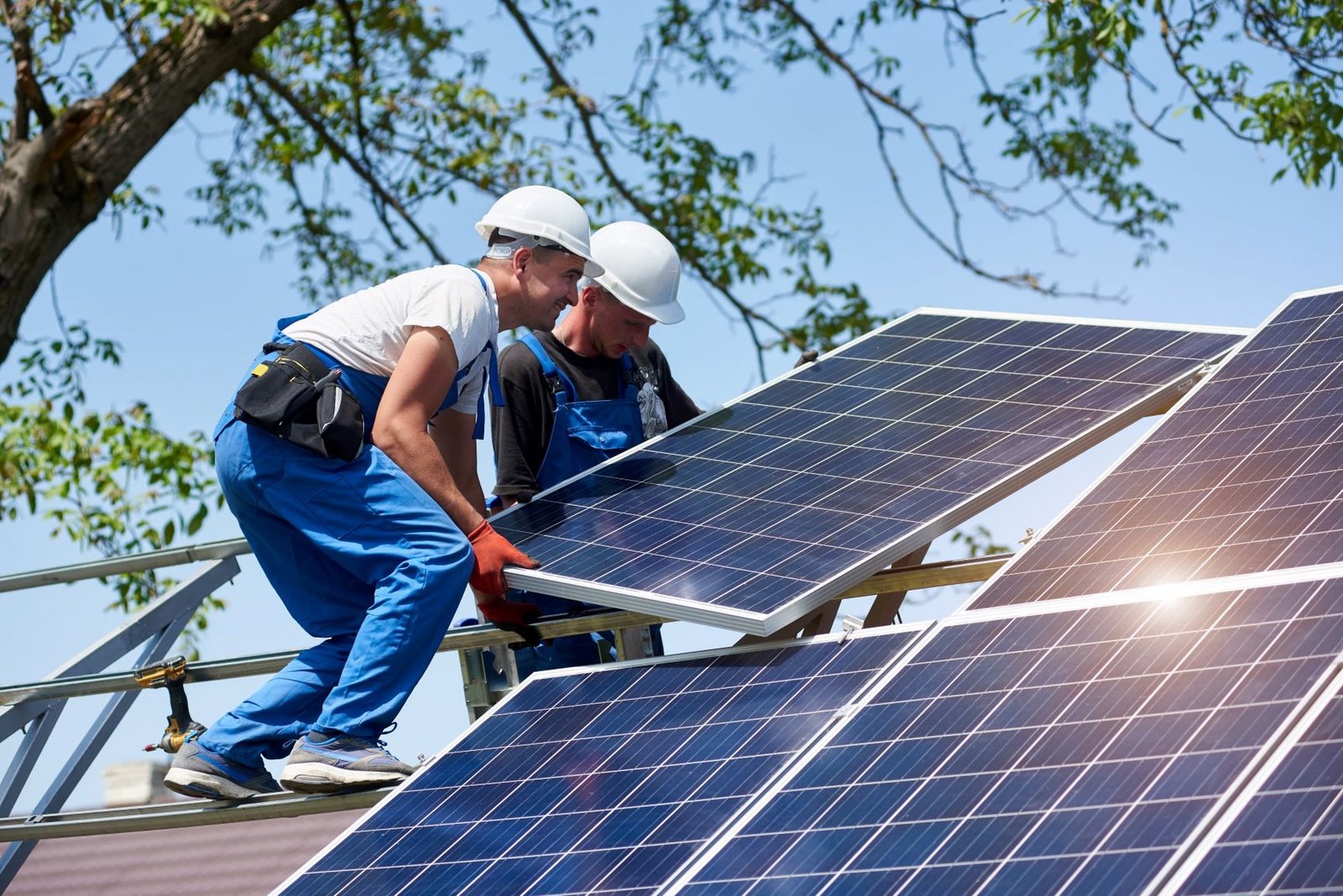
Image source: Bing (Web (fair-use with source credit))
What Actually Determines Your Price
Not every Virginia home gets the same price per watt. Here are the main factors that drive your quote up or down.
System size is the biggest variable. Larger systems cost more in total, but the per-watt price often drops slightly. Installers have fixed costs for permits, design, and labor.
Spreading those across a bigger system lowers the cost per watt.
Your roof matters more than you think. A simple south-facing roof with no shading is the cheapest to install. A complex roof with multiple angles, skylights, or a steep pitch adds labor time. If your roof is older than 15 years, you might need to replace it before installing panels.
That's an extra $5,000 to $12,000 you didn't plan for.
Panel and inverter choices also shift the price. The main types of solar panels range from budget-friendly polycrystalline to high-efficiency monocrystalline. Premium panels from brands like SunPower or REC cost more upfront but produce more power per square foot.
The main components of a solar panel system include the inverter, which converts DC to AC power. Microinverters from Enphase cost more than a single string inverter, but they perform better on shaded roofs.
Your installer's pricing varies too. A local company with lower overhead might quote $2.70 per watt. A national brand with a big marketing budget might quote $3.20.
You should always get three to four quotes to see the range in your area.
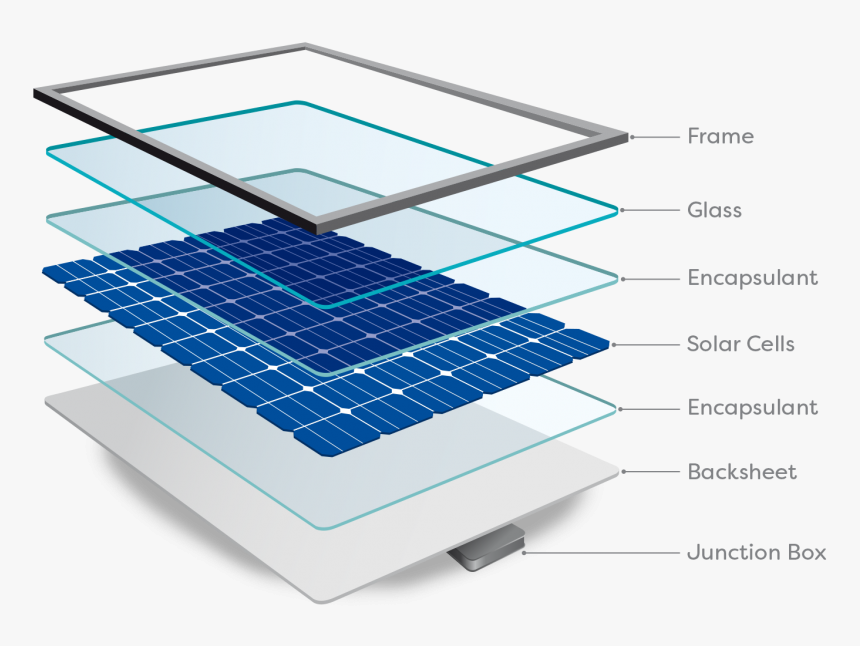
Image source: Bing (Web (fair-use with source credit))
The Three Main Ways to Pay — and Which One Saves You More
You have three main options for paying for solar in Virginia. Each one changes the math on your total cost and savings.
Cash Purchase
Paying cash is the simplest and most profitable route. You own the system outright. You get the full federal tax credit.
You pay zero interest. Your payback period is typically 7 to 10 years, and after that, your electricity is essentially free for the next 15 to 20 years.
Best for: Homeowners with enough savings who plan to stay in their home for at least 10 years.
Solar Loan
A solar loan lets you finance the system with little or no money down. You still own the system and claim the tax credit. Interest rates currently range from 4% to 8% depending on your credit and whether the loan is secured by your home.
A loan extends your payback period to 12 to 15 years because of the interest. But you start saving on your electric bill from day one, and the loan payment is usually less than your old utility bill.
Best for: Homeowners who want to own their system but can't pay cash upfront.
Lease or PPA
With a lease or power purchase agreement (PPA), a third party owns the system. You pay a fixed monthly fee or a per-kWh rate. You don't get the tax credit.
The installer handles maintenance.
The problem is that leases often include escalator clauses that raise your payment 2% to 3% every year. Over 20 years, your savings shrink significantly. A thorough solar panel buying guide will tell you to run the numbers carefully here.
Best for: Homeowners who can't use the tax credit, don't want maintenance, or plan to move soon.
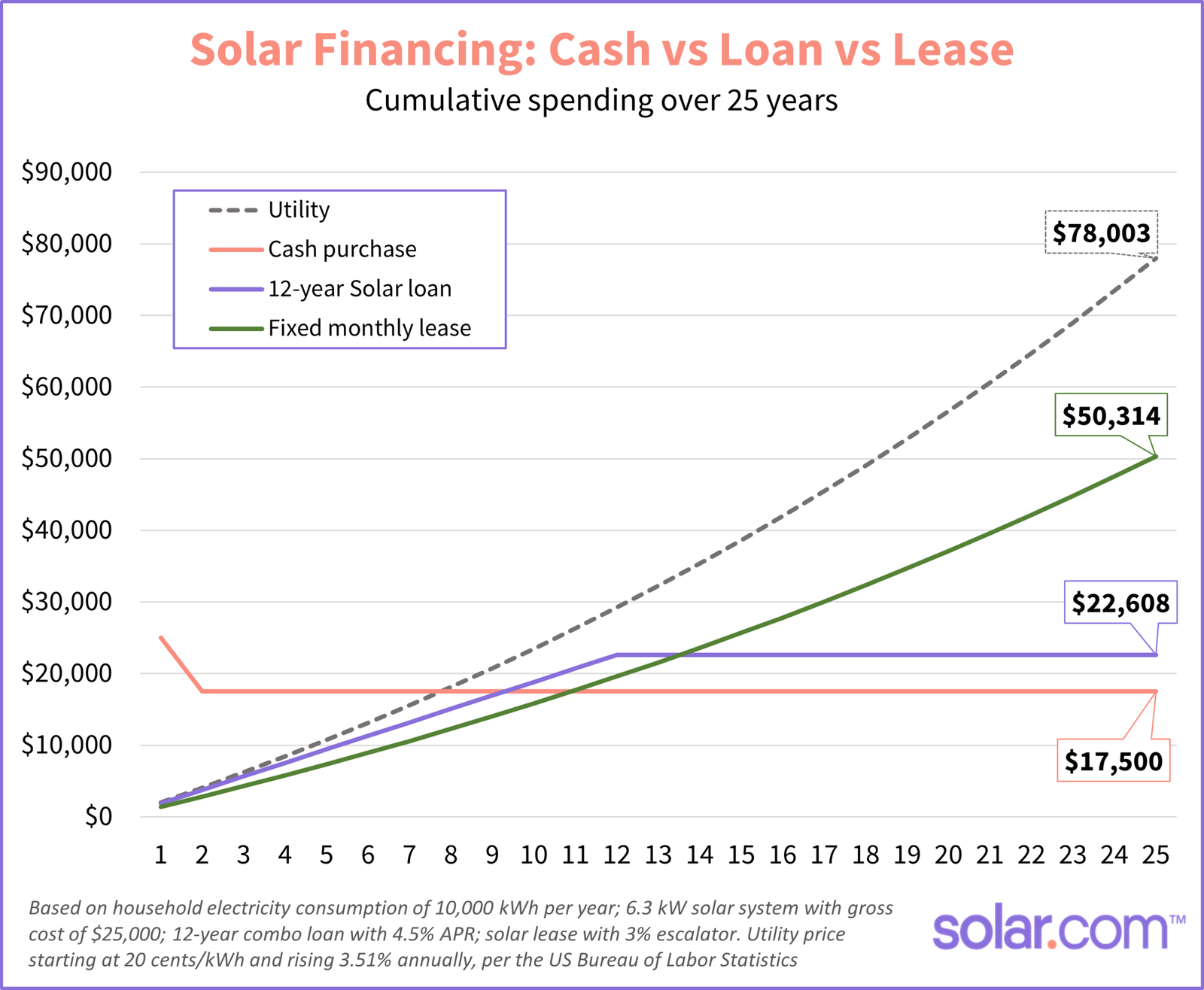
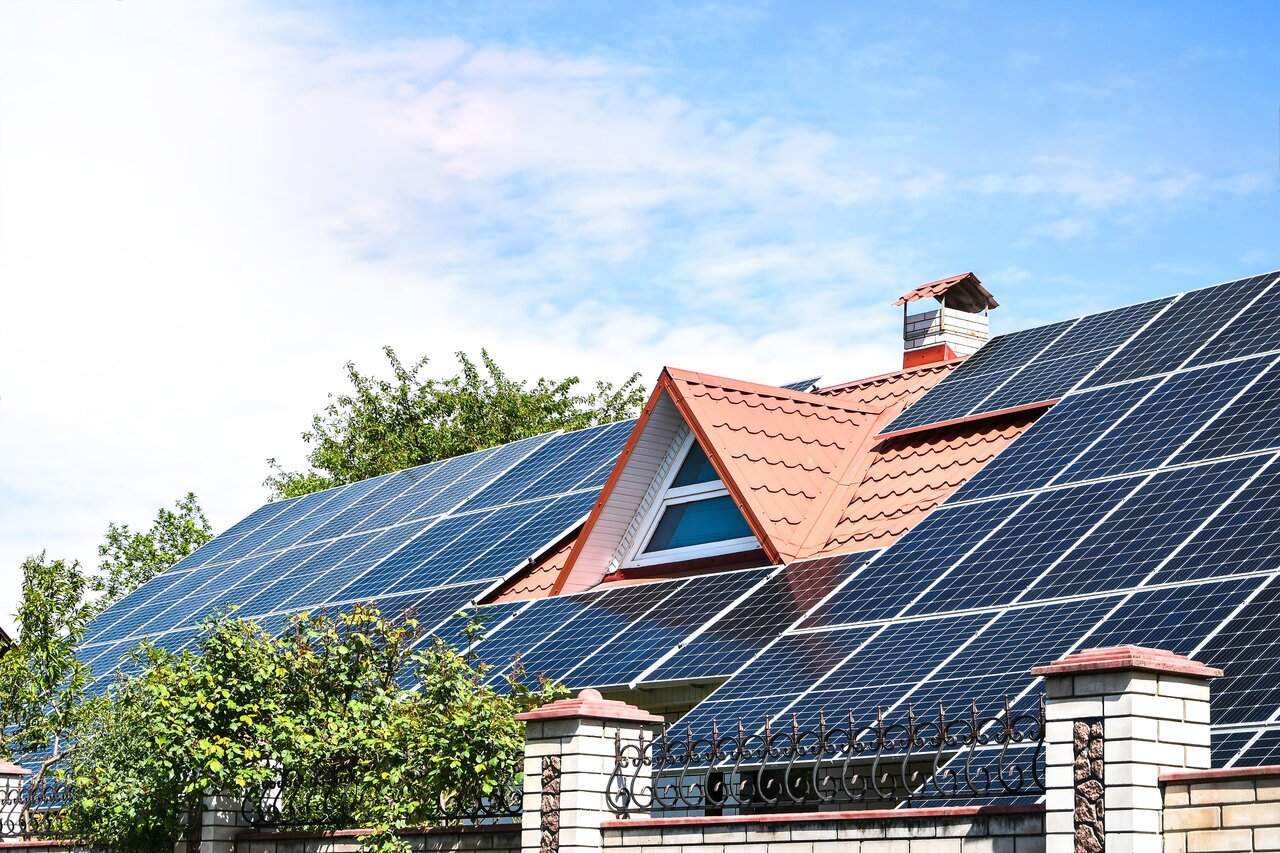
Image source: Bing (Web (fair-use with source credit))
Mistakes That Cost Virginians Thousands
Solar is a big investment. A few common mistakes can wipe out thousands of dollars in savings. Here's what to watch for.
Falling for "free solar" pitches. There is no free solar. Some companies offer "no money down" leases that sound like a deal. But the fine print usually includes an escalator clause or a high buyout price.
Read the contract before signing anything.
Ignoring the net metering cap. Virginia's net metering rules are good, but they have a cap. For investor-owned utilities like Dominion Energy, the cap is 6% of peak load. Once that fills up, new customers get credited at a lower rate.
Check with your utility before you commit.
Not checking your roof age first. If your roof has 10 years or less of life left, you'll need to replace it before or during the solar installation. That's an extra cost that can derail your budget. Get a roof inspection as part of your quote process.
Picking the cheapest installer without vetting. A low price can mean cheap equipment, poor installation, or a company that won't be around in five years to honor the warranty. Check reviews, ask about manufacturer certifications, and verify their Virginia contractor license.
Overlooking the SREC market. Some installers downplay SRECs because the income is modest. But over a decade, a few hundred dollars per year adds up. Make sure your installer registers your system for SRECs or you're leaving money on the table.
The advantages and disadvantages of solar panels are well documented, but the biggest disadvantage is making a rushed decision. Take your time. Get multiple quotes.
Run the numbers with your actual electric bill.

Similar Posts