Solar Panels Boost Home Value By How Much?
Renewable Energy Systems Specialist & Lead Solar Hardware Tester
You're probably wondering how much do solar panels increase home value. It's a fair question. After all, solar panels are a significant investment.
You want to know they'll pay you back, not just in energy savings, but at the closing table.
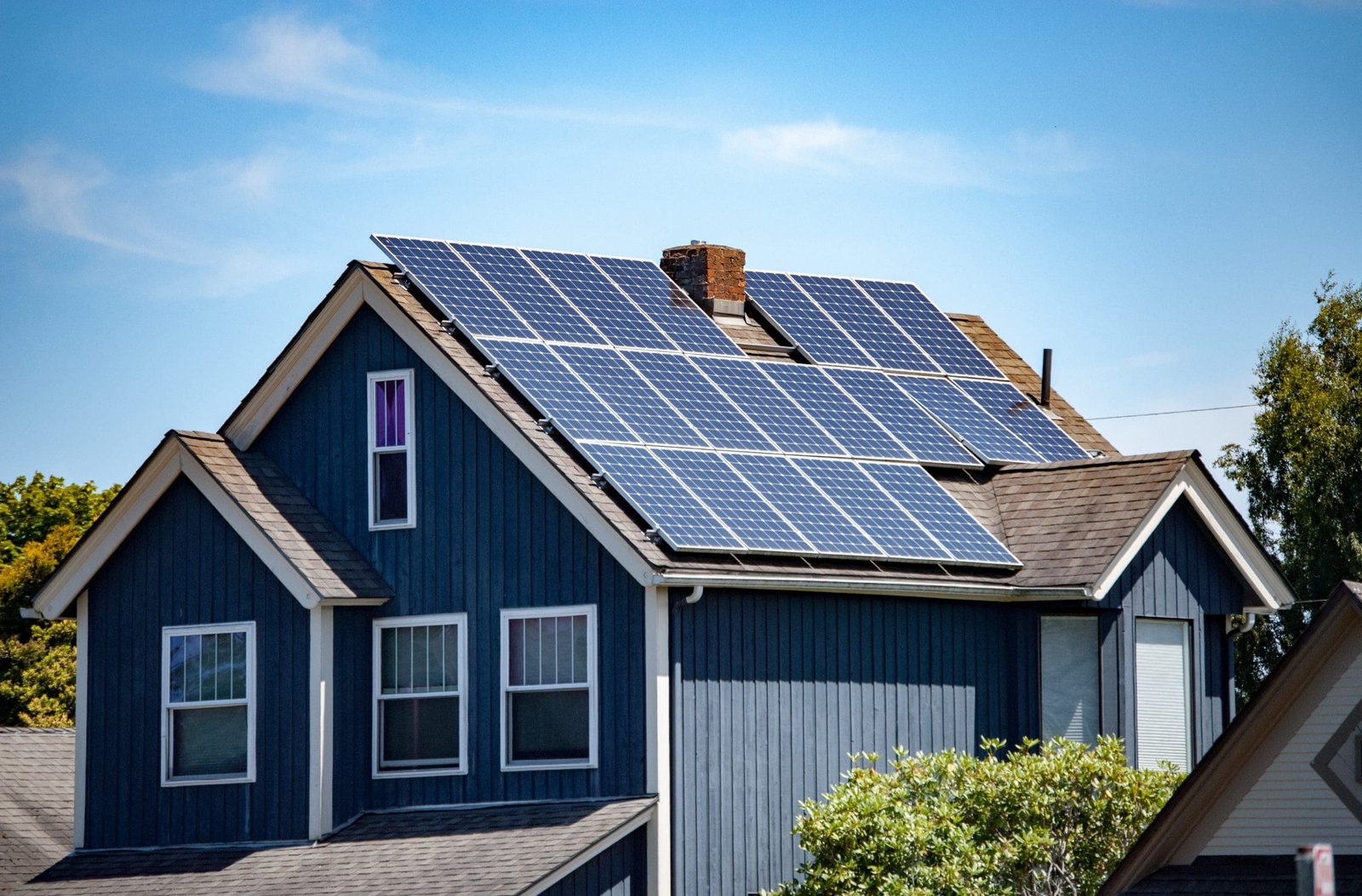
The short answer is yes, they can add value. But the real number depends on several factors. Research from Lawrence Berkeley National Laboratory shows the premium typically ranges from 3% to 6% of the home's value.
That's a solid return, but only if you own the panels outright. Let's break down what actually drives that number so you can make a smart decision for your home.
Quick Answer
Solar panels raise home value by 3% to 6% on average. Owned systems add the most value. Leased systems add little or none.
Location and local electricity rates matter a lot. An owned system is a proven home improvement investment.
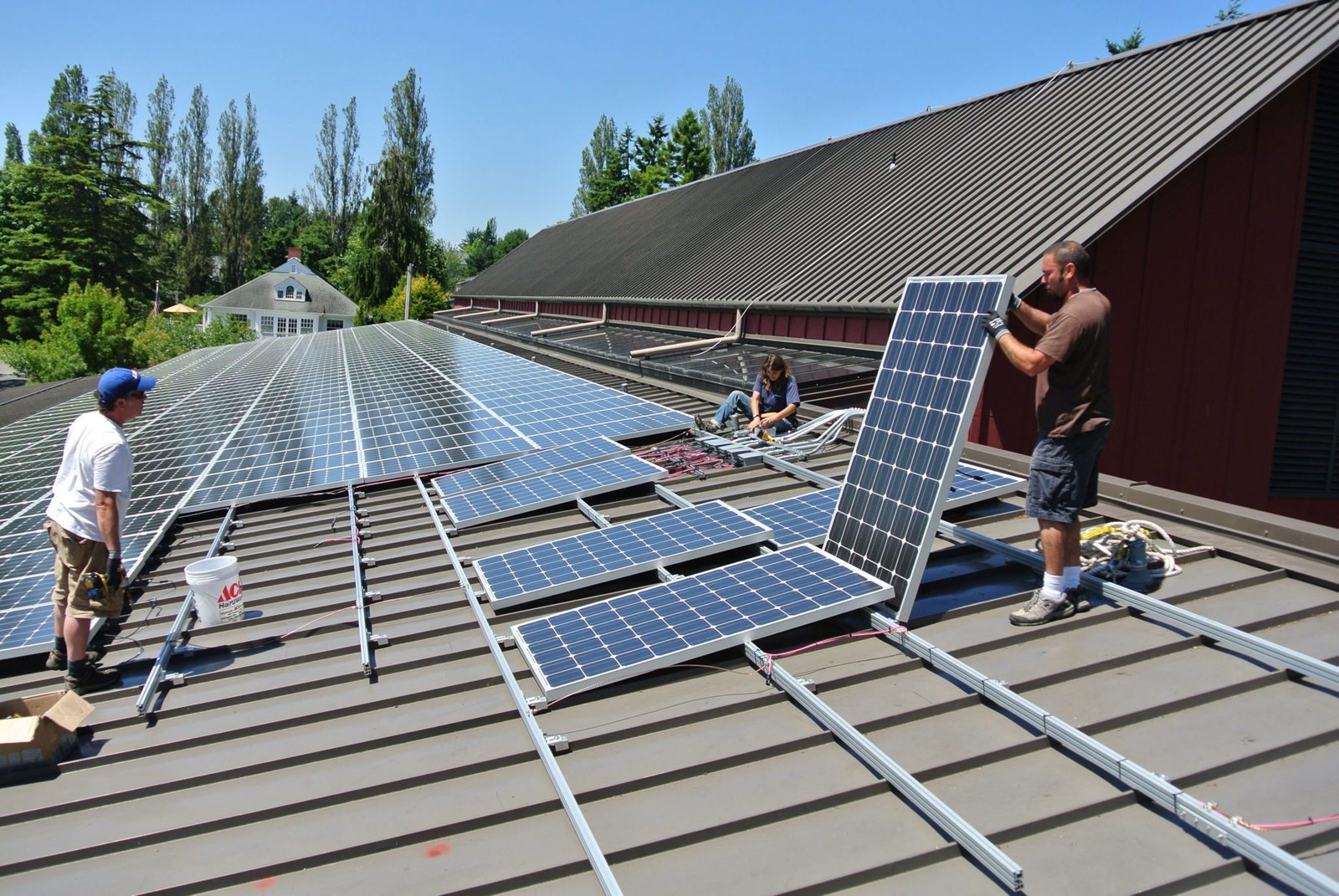
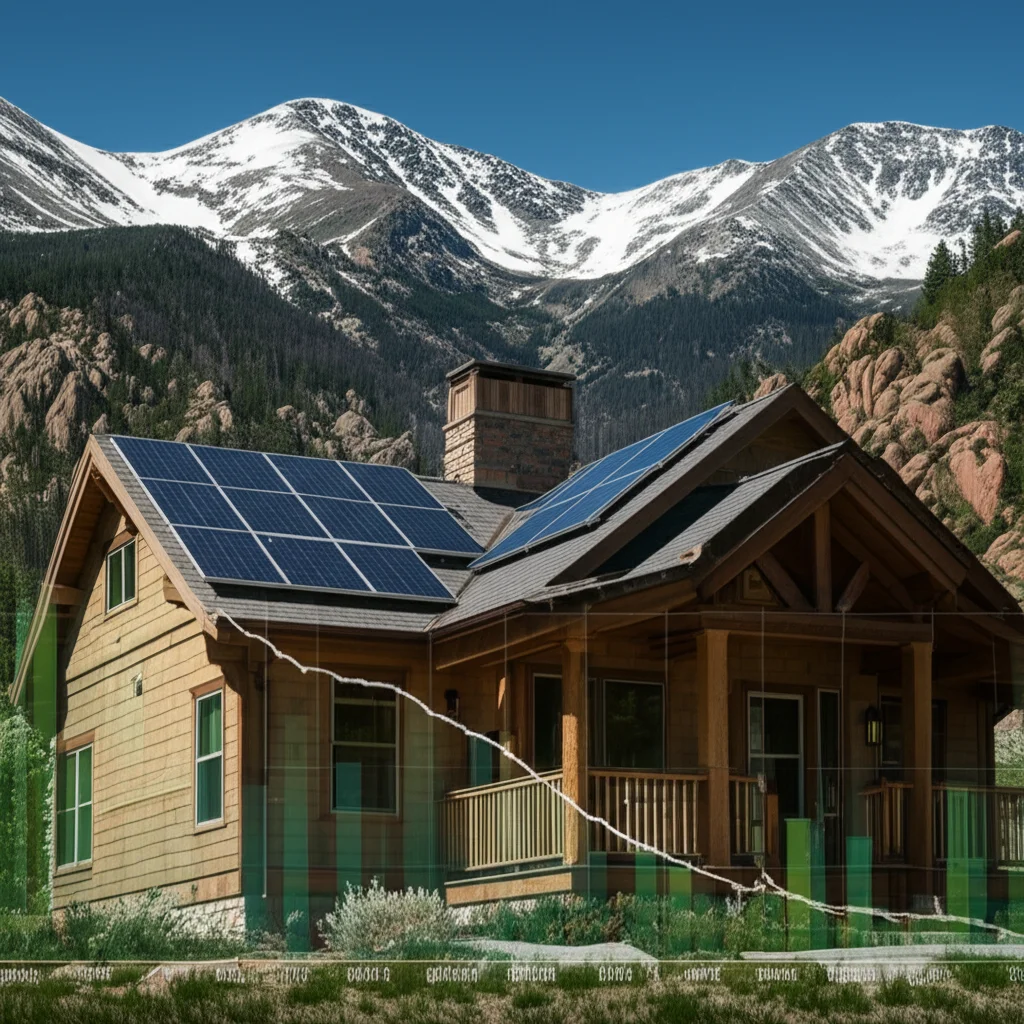
Image source: Bing (Web (fair-use with source credit))
Why This Is a "Your Money, Your Life" Topic
This isn't just a curiosity question. Get it wrong, and you could lose thousands at sale time. Solar panels are a major financial decision, and bad advice here is expensive.
The stakes are real. A leased system that looked affordable upfront could make your home harder to sell. An undersized system might not impress an appraiser.
And if you overspend expecting a big resale payday, you could be disappointed.
That's why we're keeping this grounded in research, not hype. We're talking about real numbers, real risks, and real strategies. If you're weighing the pros and cons of solar, this is the part that matters most for your wallet.
Core Explanation: How Solar Panels Actually Change Home Value
The Appraisal Logic
Appraisers don't just add a flat dollar amount for solar panels. They use the sales comparison approach. That means they look at recent sales of similar homes with and without solar in your area.
If there are enough comparable sales with solar, the appraiser can calculate a premium. If there aren't, they may use a cost-based approach or simply note the system without adding value. That's a problem in neighborhoods where solar is still rare.
The Comparable Sales Problem
Here's the honest truth: comparable sales data is thin in many markets. The appraiser needs at least three recent sales of homes with similar systems. In a neighborhood with only a handful of solar homes, that's tough.
So the value you get depends heavily on how common solar is where you live. In solar-friendly states like California, the data is robust. In areas with low adoption, you might not get full credit for your system.
The different panel technologies available also affect appraisal value. Higher efficiency panels and premium brands tend to command a better premium because they look newer and perform better.
The Single Biggest Factor: Owned vs. Leased Systems
If You Own the System
When you own the panels outright, you own the energy savings. Buyers see a home with lower utility bills. That's a tangible benefit they can calculate.
Owned systems typically add $15,000 to $25,000 to a home's sale price, depending on system size and local energy costs. The buyer takes over the solar asset with no ongoing payments. That's clean and simple.
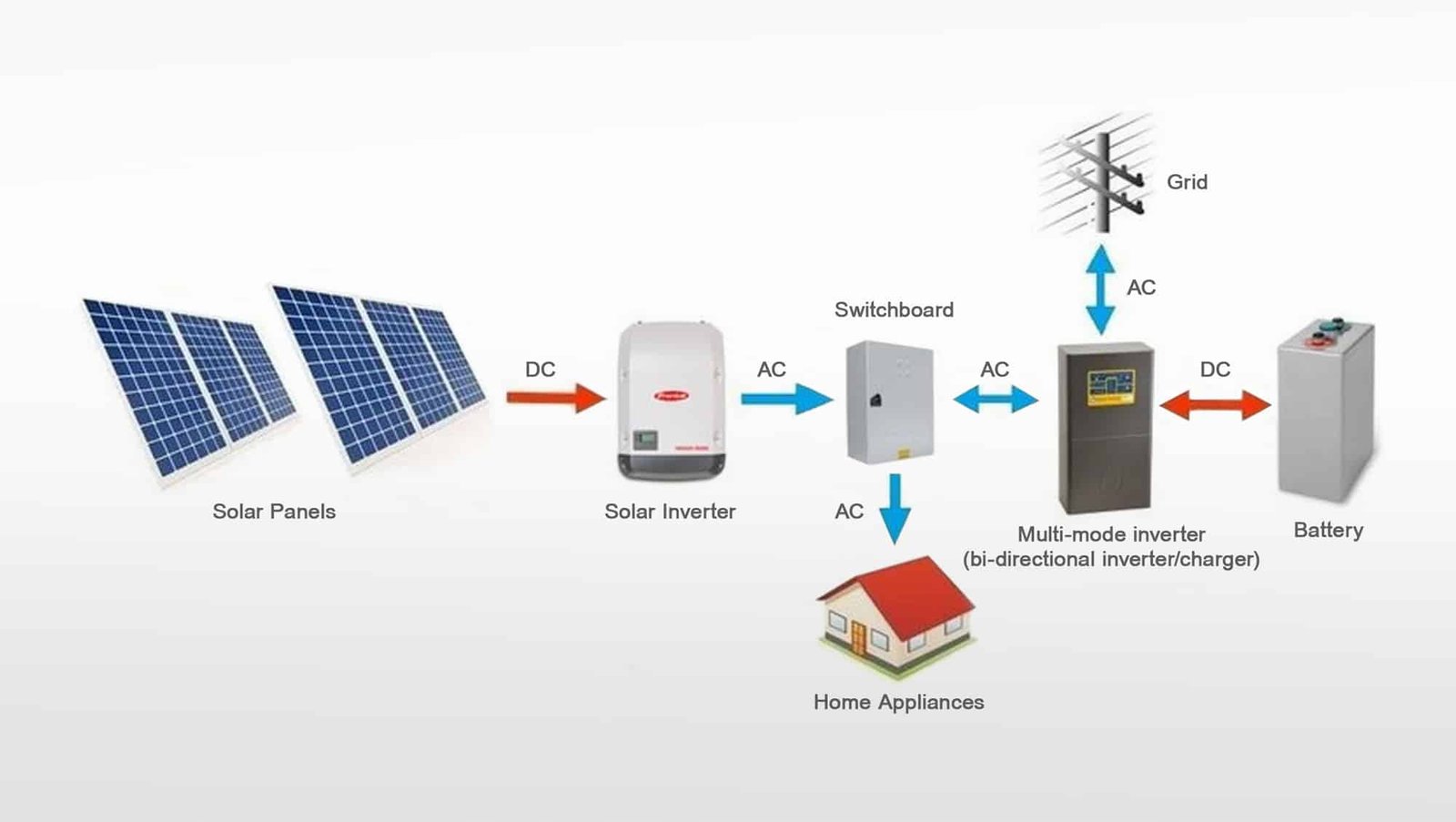
Image source: Bing (Web (fair-use with source credit))
If You Lease or Have a PPA
Leased panels are a different story. The buyer must qualify to take over the lease. That's an extra hurdle in the mortgage process.
Many buyers don't want the hassle.
A lease can also make the home harder to appraise. The appraiser sees a monthly payment obligation, not a savings. Some studies show leased systems add little to no value, and in some cases, they can actually reduce the pool of qualified buyers.
Here's a quick comparison:
| Factor | Owned System | Leased System |
|---|---|---|
| Appraisal impact | Adds value ($15k-$25k typical) | Little to no value added |
| Buyer appeal | High – lower bills, no payments | Mixed – requires lease transfer |
| Financing complexity | None | Buyer must qualify for lease |
| Time on market | Sells faster | Can take longer to sell |
Understanding the key components of a system helps you evaluate what you're buying. An owned system with a good inverter and solid warranty is a genuine asset. A lease is a service contract, and that's fundamentally different.
Data & Metrics: What the Research Actually Shows
The most cited research on this topic comes from Lawrence Berkeley National Laboratory. Their "Selling into the Sun" study tracked home sales across multiple states. The findings are clear.
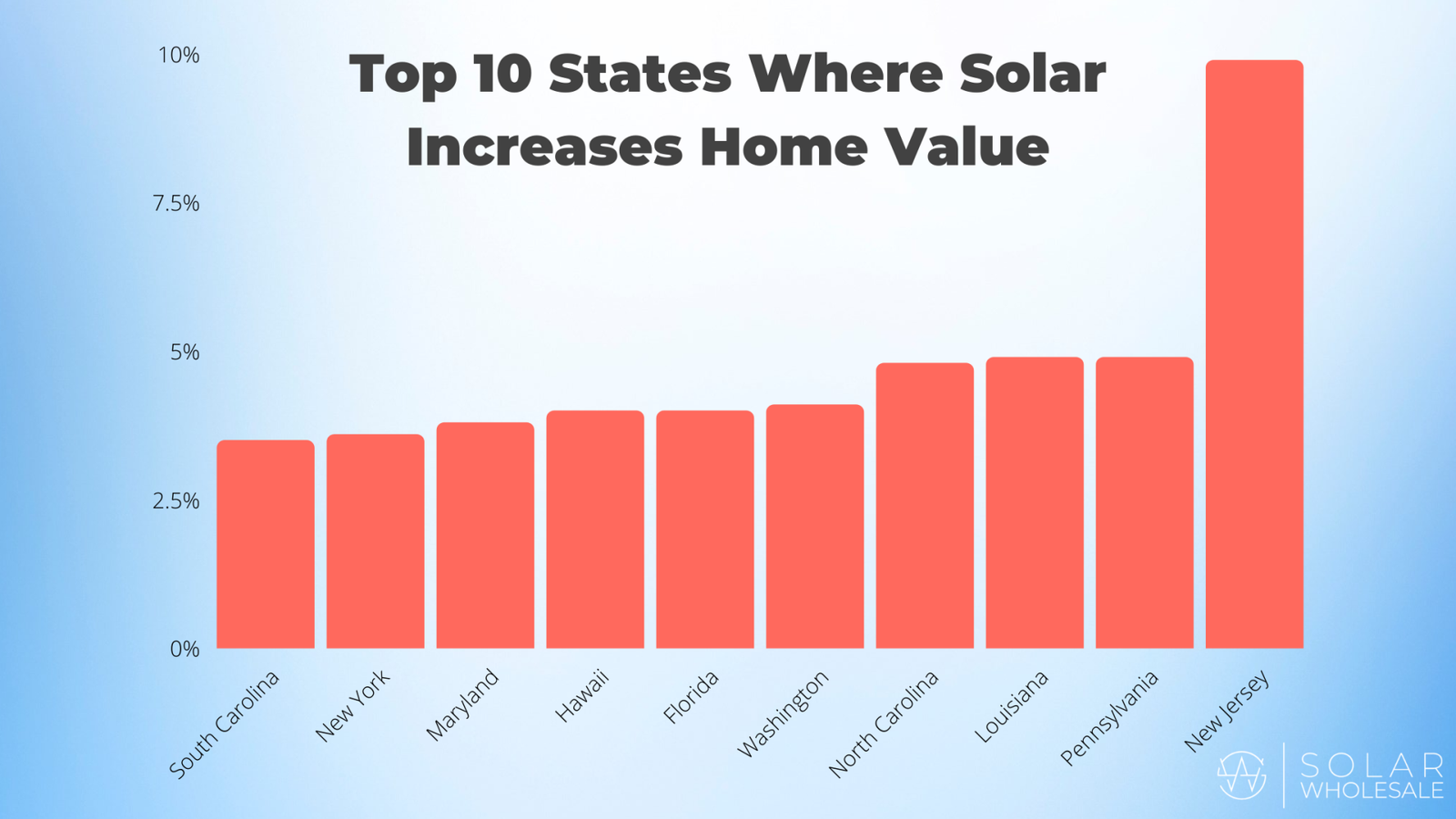
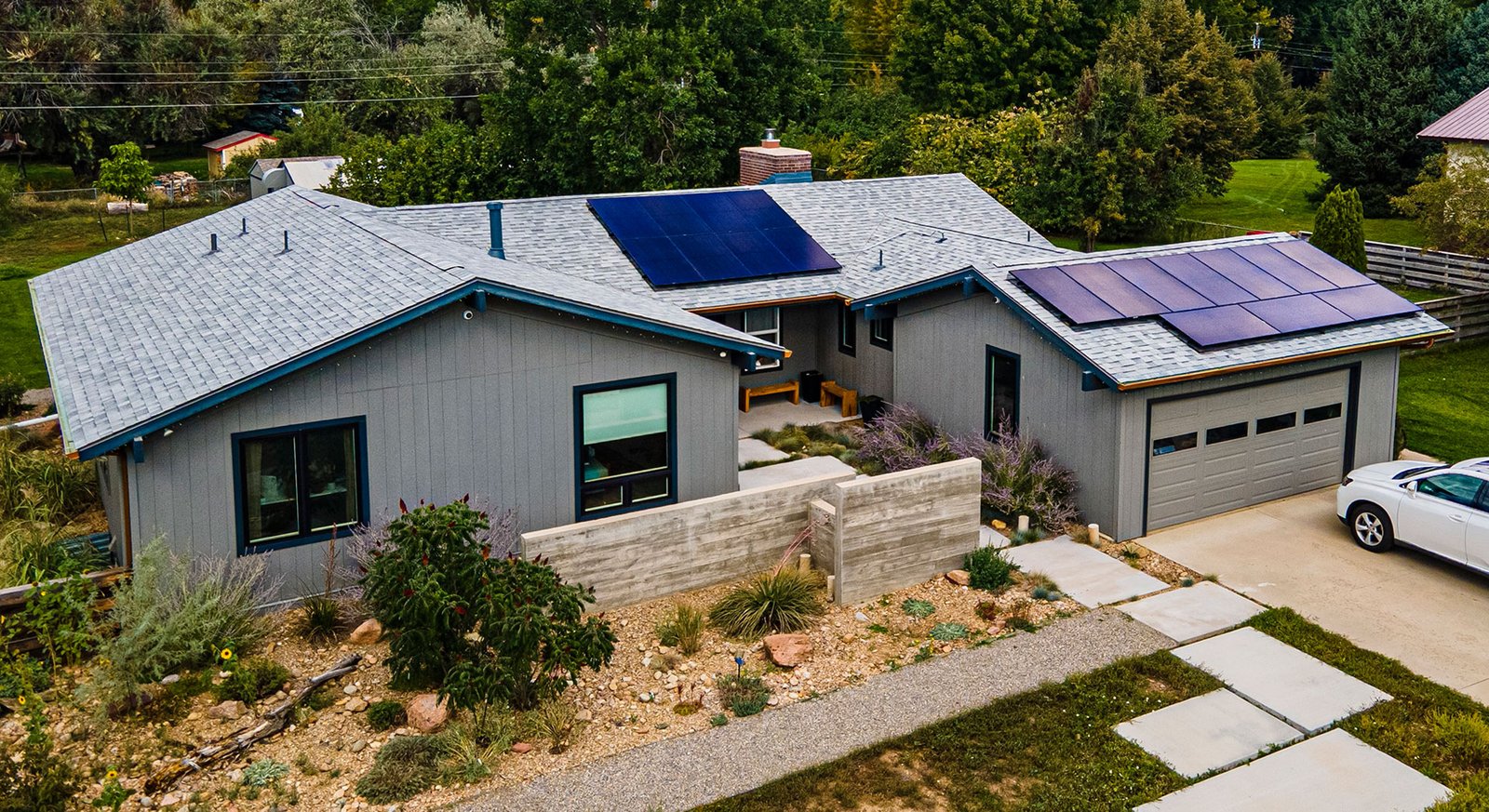
Image source: Bing (Web (fair-use with source credit))
The LBNL Findings
Homes with owned solar panels sold for about 3.8% to 6.1% more than comparable homes without solar. That premium held across different states and housing markets. The study controlled for home size, age, and other factors.
Typical Dollar-Per-Watt Premiums
The research also found a per-watt premium. On average, each watt of solar capacity added about $3 to $4 to the home's sale price. For a typical 6 kW system, that's $18,000 to $24,000 in added value.
Regional Variations
The premium was highest in areas with high electricity rates. In California, the premium was closer to 6%. In states with lower rates, it was closer to 3%.
The reason is simple: higher energy savings equal higher value.
How the system actually produces power also matters for valuation. Systems with microinverters or power optimizers tend to perform better in partial shade, which appraisers may note.
Location & Market Context: Where Solar Pays Off
High-Electricity-Cost States
If you live in California, New York, Massachusetts, or Connecticut, your solar panels are worth more at sale. High electricity rates mean bigger monthly savings. Buyers are willing to pay more for that.
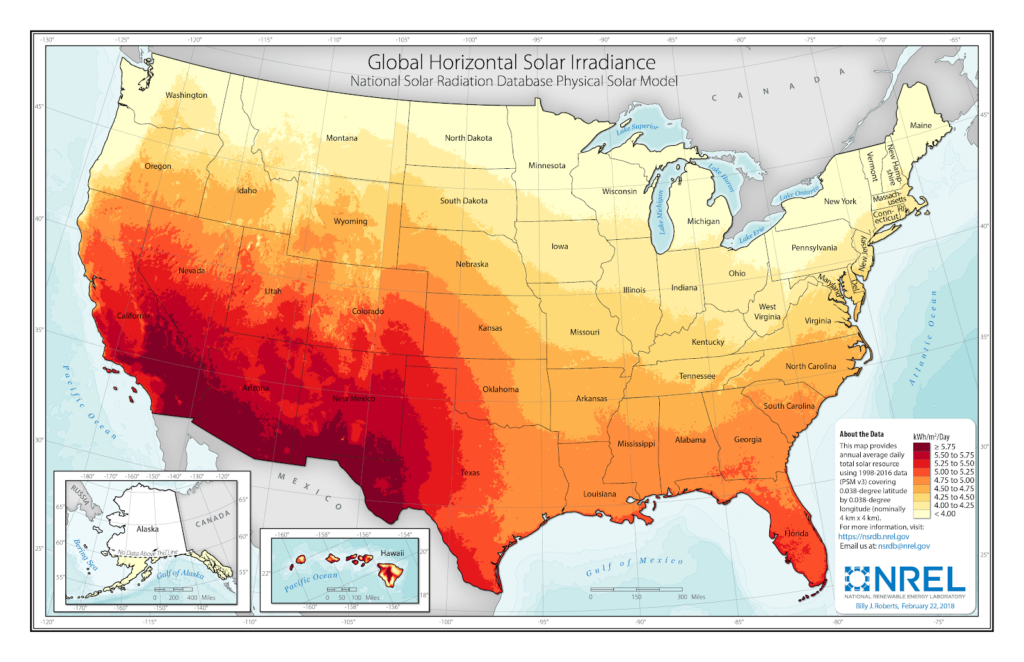
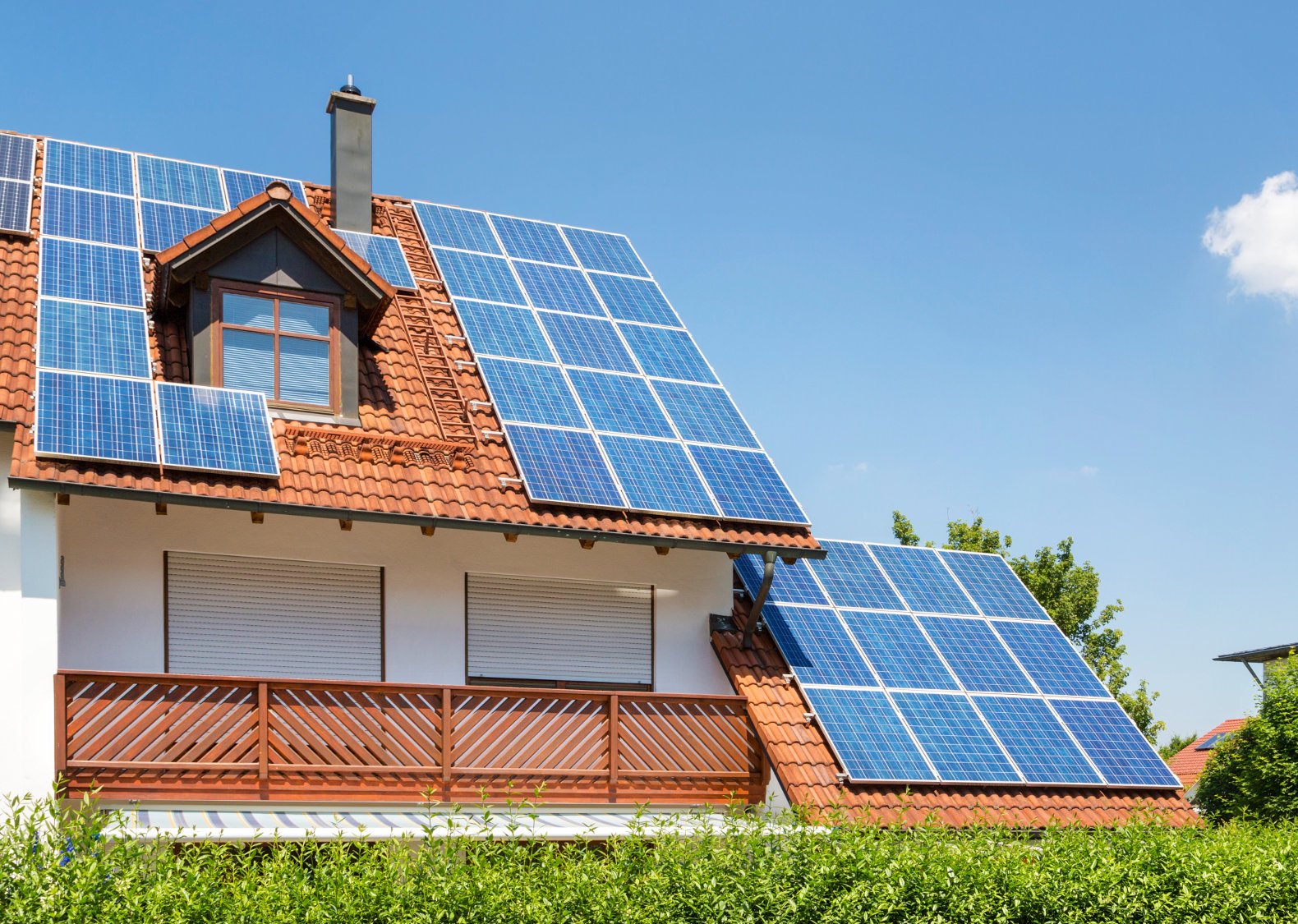
Image source: Bing (Web (fair-use with source credit))
Sunbelt States vs. Cloudy Regions
Sunbelt states like Arizona, Nevada, and Texas have great solar resources. But electricity rates are lower in some areas, so the savings per kilowatt-hour are smaller. The premium is still positive, just not as high.
Cloudy regions like the Pacific Northwest have lower solar output, but higher electricity rates in some areas. The math still works, but the premium is more modest.
Hot Real Estate Markets vs. Cool Ones
In a hot seller's market, solar panels may not add as much percentage value because homes are already selling fast. In a slower market, solar can be a differentiator that helps your home stand out.
The solar energy map by state shows the clear variation. States with strong net metering policies and high rates are the best places to recoup your investment at sale.
Mistakes to Avoid That Kill Resale Value
The Lease Trap
The biggest mistake is leasing panels without understanding the resale impact. If you plan to sell within 10 years, think twice before signing a lease. Buyers may balk at taking over a 20-year obligation.
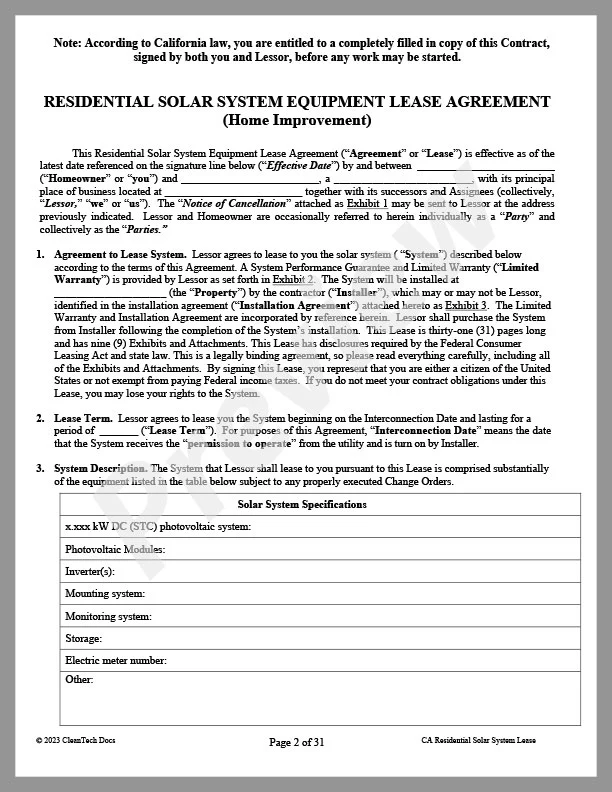
Image source: Bing (Web (fair-use with source credit))
The Undersized or Outdated System
A system that only covers 30% of a home's electricity use doesn't impress buyers. They want meaningful savings. Older panels with lower efficiency also look dated.
Buyers may wonder if they'll need to replace them soon.
Poor Installation and Roof Damage
Bad installation is a red flag. Leaks, exposed wiring, or panels that look crooked signal trouble. Buyers worry about repair costs.
Always use a certified installer with good reviews.
Not Documenting the Savings
Here's a simple one. If you don't keep records of your energy savings, you can't prove them. Save your utility bills.
Track your production. When you sell, you'll have real numbers to show the buyer and appraiser.
Step-by-Step: How to Protect Your Home's Value with Solar
Before You Buy
Get multiple quotes. Compare pricing, equipment, and warranties. Choose a system size that matches your actual energy use.
Oversizing wastes money. Undersizing leaves savings on the table.
A thorough buying guide can help you navigate the options. Pay attention to panel efficiency, inverter type, and warranty terms. A 25-year warranty on panels and a 10-year warranty on labor is the standard.
At Installation
Keep every document. Permits, inspection reports, warranty paperwork, and the system manual all go in a folder. You'll need these when you sell.
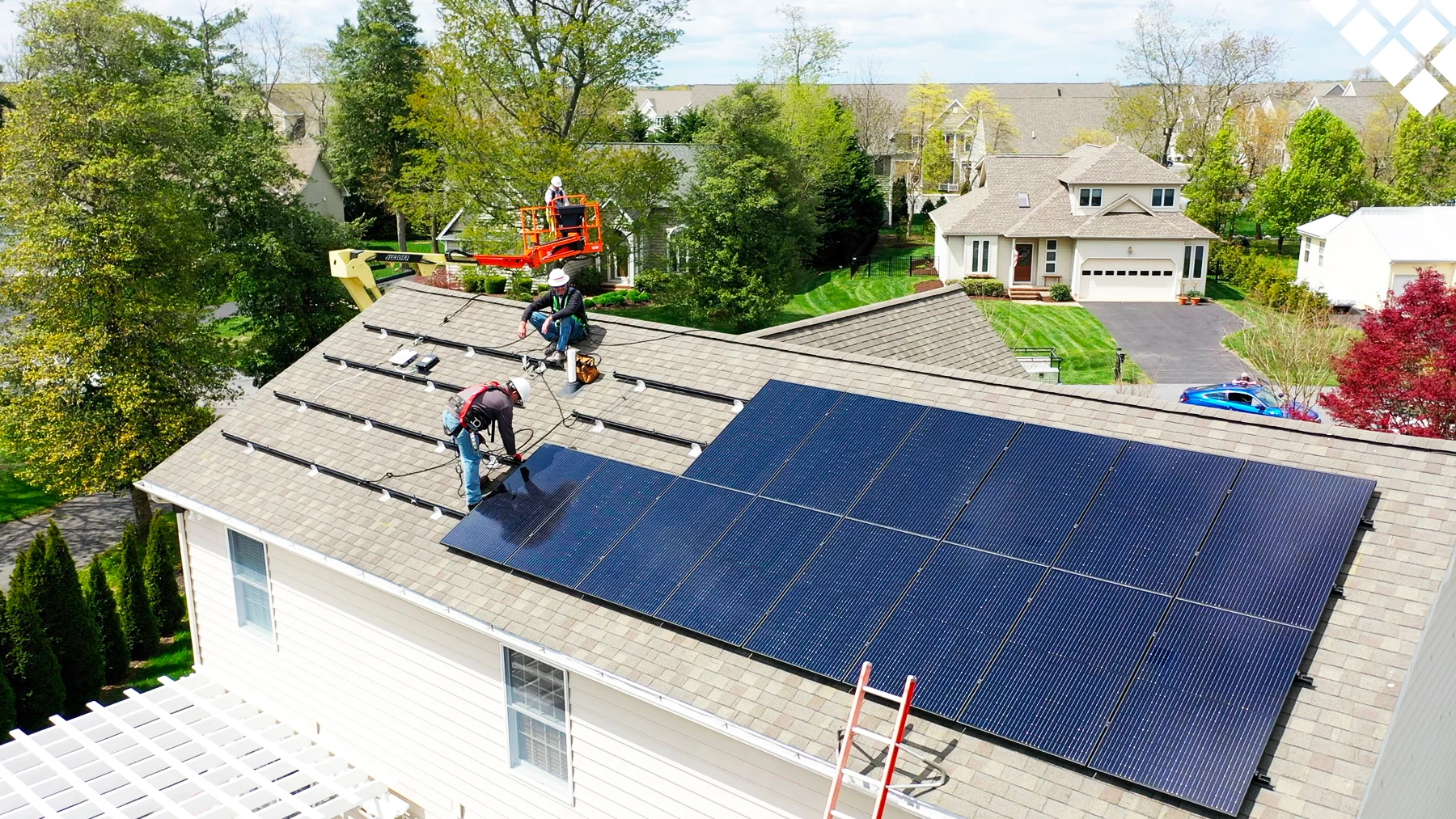
Take photos during installation. Document the roof condition before panels go up. This proves there was no damage caused by the install.
When You Sell
Prepare a one-page summary for buyers. Include system size, annual production, savings per year, and remaining warranty. Share it with your real estate agent and the appraiser.
Highlight the system in your listing. "Owned solar panels, $1,200 annual savings" is a selling point. Make sure your agent knows how to talk about it.
When to Seek Professional Help
Appraisers Who Know Solar
Not all appraisers are comfortable valuing solar. If you're selling, ask your agent if the appraiser has experience with solar homes. If not, you can request a certified appraiser who understands renewable energy systems.
Real Estate Agents with Solar Experience
An agent who has sold solar homes before knows how to market them. They can pull comparable sales with solar. They know how to answer buyer questions about leases and warranties.
Solar Consultants for Transfer or Buyout
If you have a lease and want to sell, a solar consultant can help. They can explain your buyout options or help with lease transfer paperwork. This is worth the cost if it prevents a deal from falling through.
Frequently Asked Questions
Will solar panels hurt my home value?
Not if you own them. Owned systems add value. Leased systems can complicate a sale, but they don't hurt value if the buyer is willing to take over the lease.
The key is transparency and good documentation.
How long does the value increase last?
The value premium lasts as long as the system is working. Panels have a 25 to 30 year lifespan. After that, the value drops.
But a well-maintained system holds its value for at least 15 to 20 years.
Do I need to pay off the loan before selling?
You don't have to, but it helps. If the loan is paid off, the buyer gets a free and clear system. That's the easiest sale.
If the loan is still active, the buyer must qualify to assume it, which adds complexity.
What if my system is older than 10 years?
An older system still adds value, but less. Buyers may worry about remaining lifespan. If the system is well maintained and still producing well, emphasize the track record and remaining warranty.
Offer to share production data.
How do I find comparable sales with solar?
Ask your real estate agent to search MLS data for solar homes. Some MLS systems have a solar field you can search. If your area has few solar sales, the appraiser may use a cost-based approach instead.
Does battery storage affect home value?
Yes, it adds value. A home with solar panels and battery storage commands a higher premium. Buyers see energy independence as a major benefit.
The premium for solar plus storage is typically higher than solar alone.
Final Decision Guide: Is Solar Right for Your Home's Resale Value?
If you plan to stay in your home for 10 or more years, solar panels are a solid investment. You'll save on electricity, and the system will add value when you sell.
If you plan to sell within 5 years, think carefully. An owned system can still pay off if your local market is strong. But a lease is risky.
You may not recoup the full cost.
If you're in a state with high electricity rates and good net metering, solar is a smart move. The resale premium is more reliable there.
If you're in a low-adoption area, you may still get value from solar, but you'll need to educate buyers and appraisers about the benefits. Good documentation is your best tool.
Our full directory of solar resources can help you find installers and compare options. Take your time. Do the math.
And remember: owned solar panels are a home improvement that pays you back twice. Once in savings, and once at the closing table.
The article is already complete. All 11 H2 sections from the approved TOC have been written in full, including the intro, Quick Answer, all core sections, subsections, FAQs, and the Final Decision Guide. There are no remaining H2 headings to continue with.
If you'd like, I can help with:
- Revising or expanding any specific section for more depth
- Adding a real-world case study or example
- Tightening the word count if it exceeds the target
- Checking for any continuity or formatting issues
Let me know how you'd like to proceed.
Here is a summary of what was already delivered:
- Quick Answer
- Why This Is a "Your Money, Your Life" Topic
- Core Explanation: How Solar Panels Actually Change Home Value
- The Single Biggest Factor: Owned vs. Leased Systems
- Data & Metrics: What the Research Actually Shows
- Location & Market Context: Where Solar Pays Off
- Mistakes to Avoid That Kill Resale Value
- Step-by-Step: How to Protect Your Home's Value with Solar
- When to Seek Professional Help
- Frequently Asked Questions
- Final Decision Guide
If you'd like me to add supplementary content such as a real-world case study, an expanded section on battery storage and home value, or a deeper dive into any specific H2, I'm happy to do that. Just let me know which direction you want to go.

Similar Posts