Illinois Free Solar: How to Qualify & Save Instantly
Renewable Energy Systems Specialist & Lead Solar Hardware Tester
You have probably seen the ads. Free solar panels in Illinois. No money down.
Instant savings. It sounds like a dream. But is it real?
The honest answer to how to get free solar panels in Illinois depends on your income, your home, and how you define free.
As of 2026, the Illinois Solar for All program has provided over 5,000 homes with solar at no upfront cost. It is the only state program that truly gives you free panels. But you need to meet specific income and homeownership requirements.
Other zero-down options exist, but they work differently. Let us break down each path so you can see which one fits your situation.
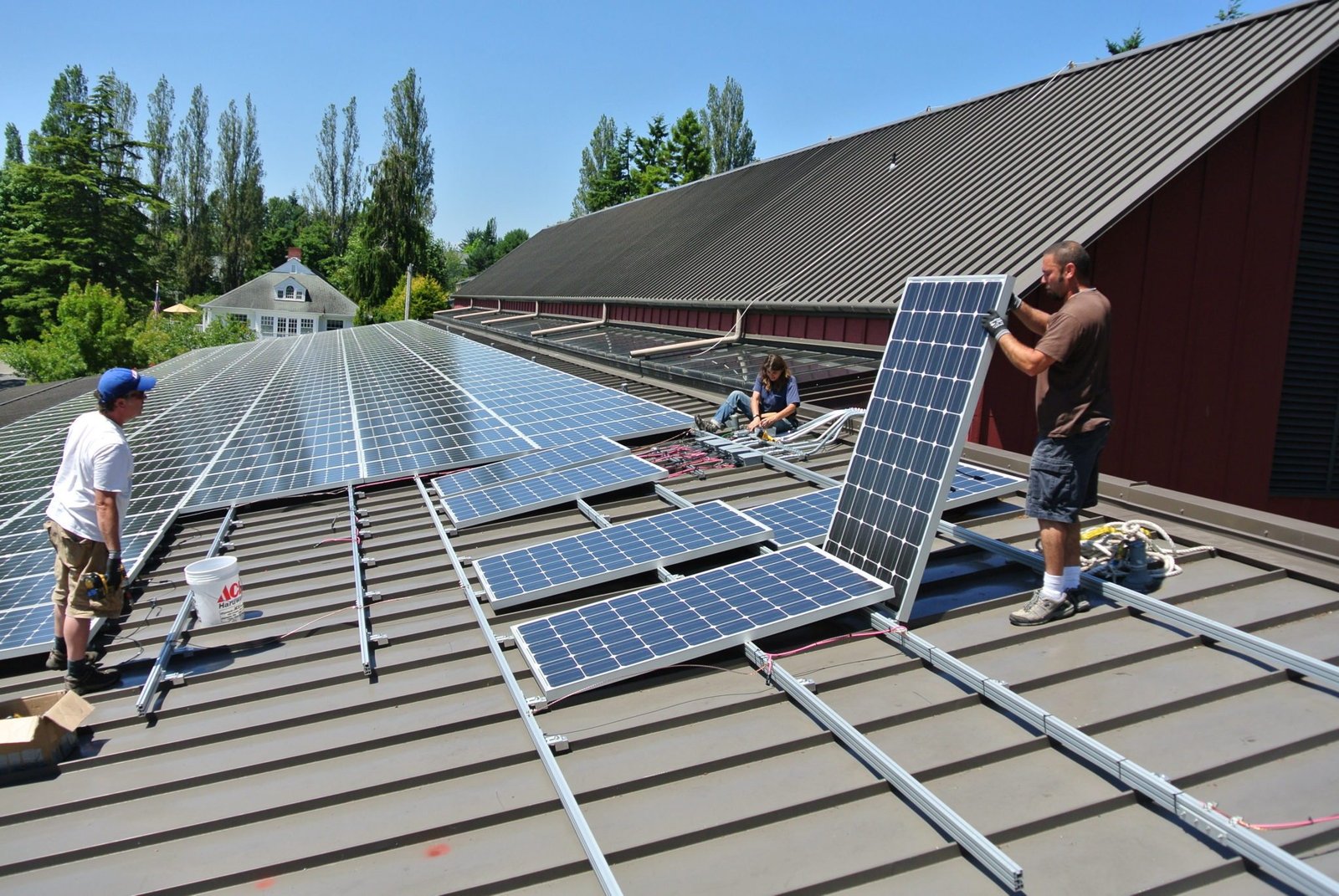
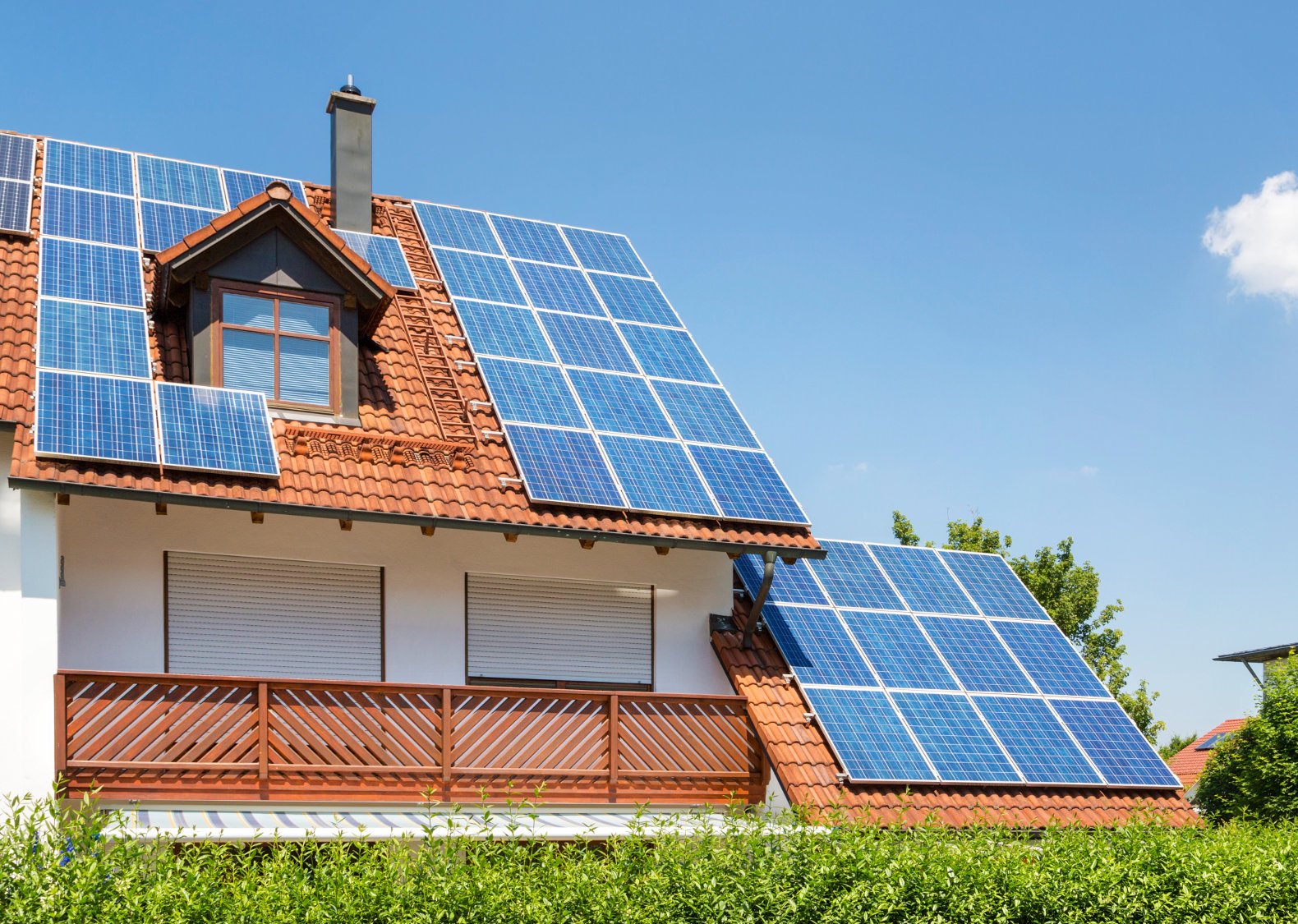
Image source: Bing (Web (fair-use with source credit))
Quick Answer
Yes, you can get solar panels with no upfront cost in Illinois. The Illinois Solar for All program is the only truly free option. It is available to low-income homeowners.
Leases and power purchase agreements offer zero-down solar. But they are not free.
The Real Deal: What "Free Solar Panels" Actually Means in Illinois
Let us clear something up right now. No company is going to give you solar panels out of the goodness of their heart. When you see ads for free solar panels, they usually mean one of three things.
A grant program pays for them. That is the Illinois Solar for All program. A government fund covers the full cost of installation. You own the panels.
You pay nothing.
A company installs them for zero down. This is a lease or a power purchase agreement. You do not own the panels. The company does.
You pay them a monthly fee or a lower rate for the electricity the panels produce.
You join a shared solar project. This is community solar. No panels go on your roof. You subscribe to a local solar farm and get a discount on your electric bill.
The word free gets thrown around loosely. Understanding the basic technology behind solar panels helps you spot the difference between a real deal and a marketing gimmick. Our research shows that most people who search for free solar panels are actually looking for a way to lower their electric bill without paying thousands upfront.
That is a reasonable goal. But you need to know which option is real and which one comes with strings attached.
How Illinois Solar for All Works (The Only True Free Program)
This is the real deal. The Illinois Solar for All program is funded by the state through the Illinois Power Agency. It is designed specifically for low-income households and communities that have been left out of the solar transition.
You qualify if you meet these conditions:
- Your household income is at or below 80% of the area median income. For a family of four in Cook County, that is roughly $75,000 per year.
- You own your home. The roof must be in good condition.
- Your property gets enough sunlight. A site assessment determines this.
What you get:
- The solar panels are installed at no cost to you.
- You own the system. Not the installer. You.
- Your electric bill drops by about 50% to 80% depending on your usage.
- The system comes with a 25-year warranty. The installer handles maintenance.
The catch:
The program has limited funding. There is a waiting list. Applications open in cycles.
You need to work with an approved contractor from the Illinois Solar for All list. You cannot hire just any solar company.
The equipment used in these installations is typically standard polycrystalline or monocrystalline panels. If you want to understand the different types of panels available, you can read more about the various options. But for ILSFA, the installer chooses the equipment based on program requirements.
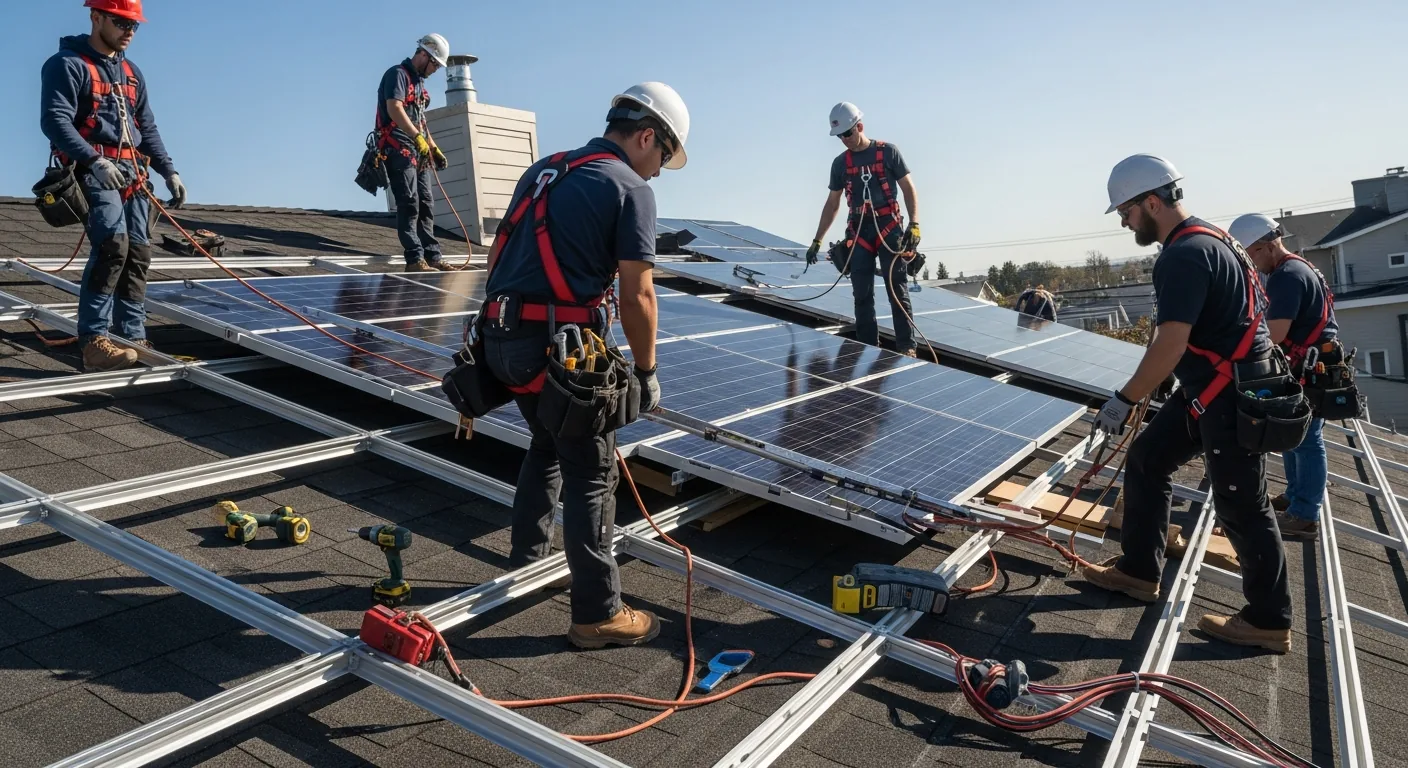
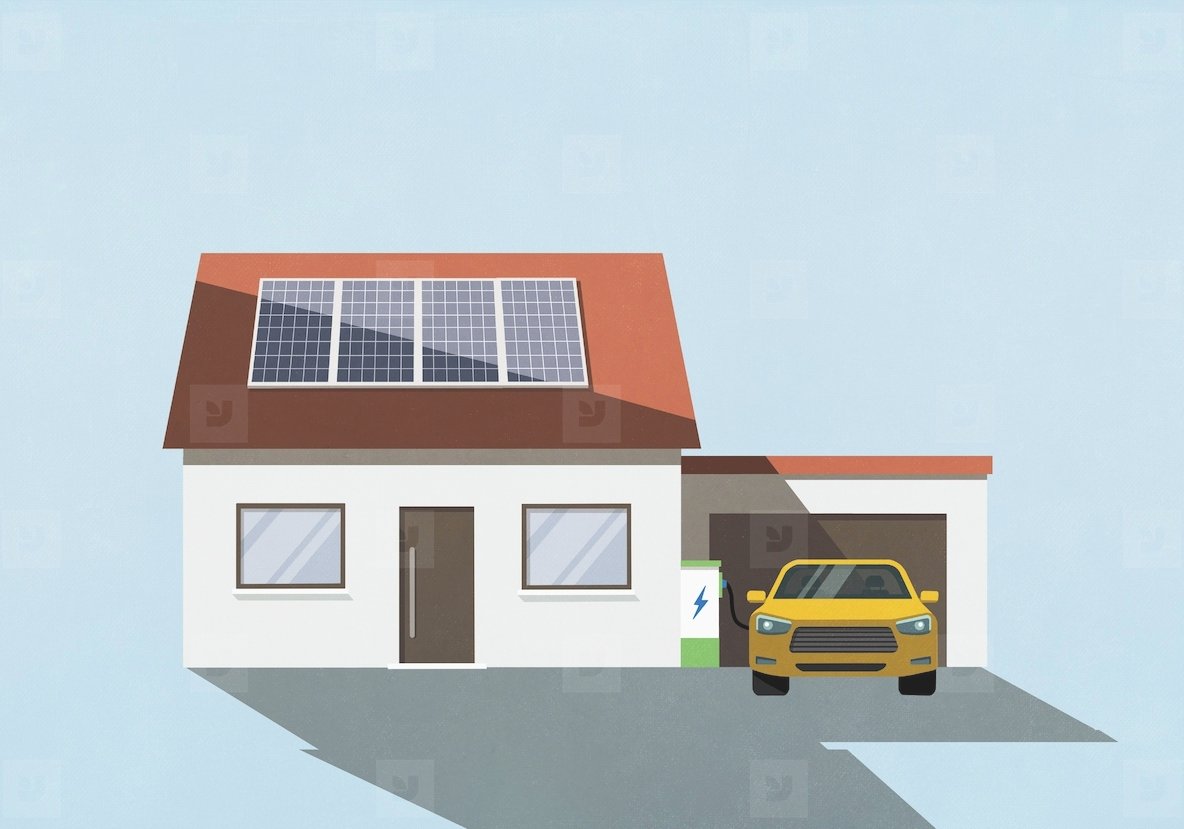
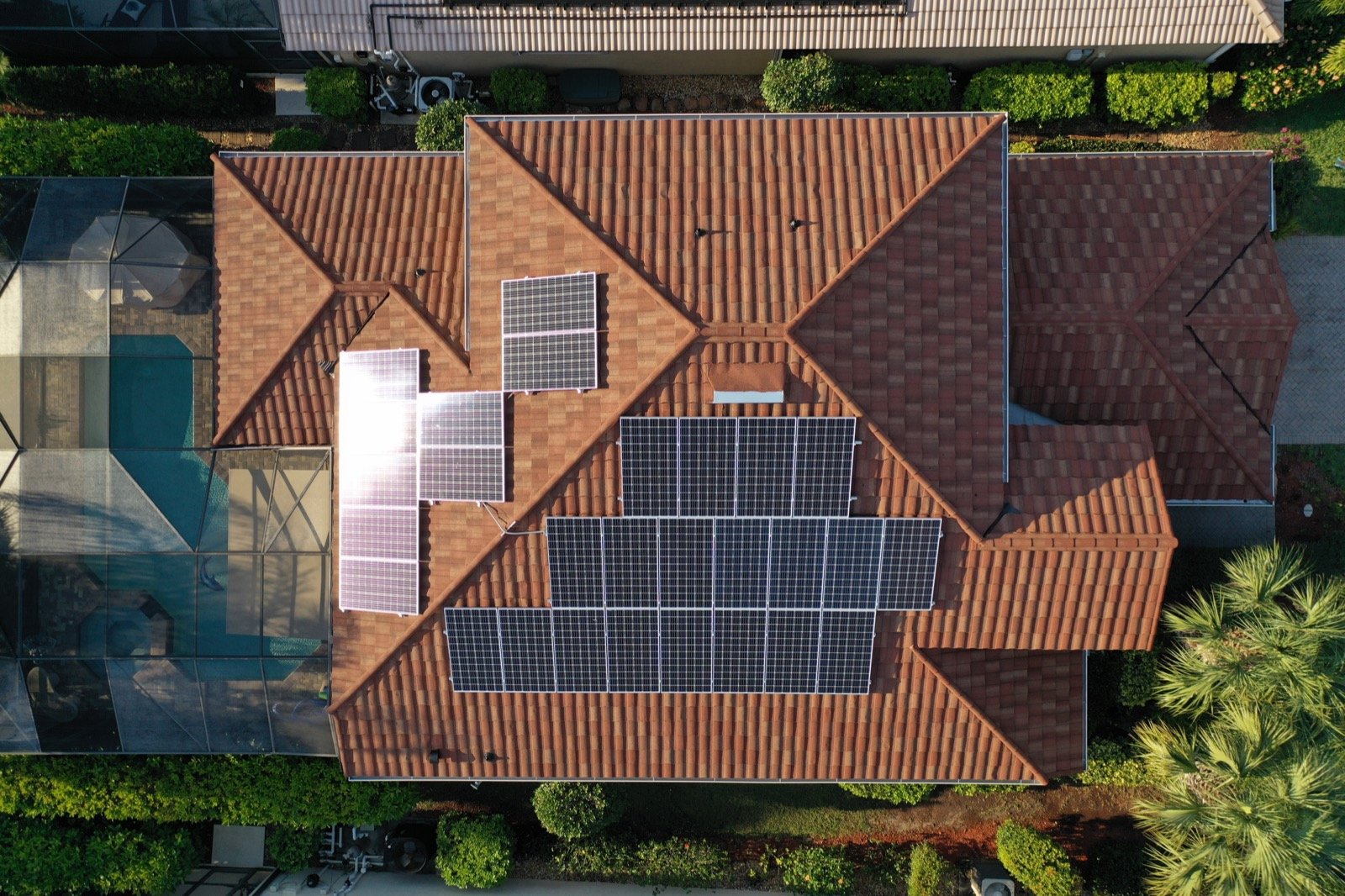
Image source: Bing (Web (fair-use with source credit))
The Other "Free" Options: Leases, PPAs, and Community Solar
If you do not qualify for Illinois Solar for All, you still have options. But they are not free. They are zero-down financing in disguise.
Solar Lease
You rent the panels from a solar company. They install them on your roof. You pay a fixed monthly payment for 20 to 25 years.
The company owns the equipment and handles maintenance.
Who it is for: Homeowners who cannot afford the upfront cost but want lower bills. You save money, but you do not get the federal tax credit or the long-term equity of owning the system.
Power Purchase Agreement (PPA)
You do not pay for the panels. You pay for the electricity they produce. The rate is lower than what your utility charges.
Your monthly payment varies based on how much sun your roof gets.
Who it is for: Homeowners who want predictable energy costs. You do not own the panels. The savings are modest but consistent.
Community Solar
No panels on your roof. You subscribe to a local solar farm. The farm sends electricity to the grid.
Your utility credits your bill for your share of the production. You save 10% to 20% on your electric bill.
Who it is for: Renters. Homeowners with shaded roofs. Anyone who cannot install panels on their property.
You do not need to own your home. You do not need a good roof.
The pros and cons of these options matter a lot. A lease locks you into a long contract. A PPA ties your savings to weather patterns.
Community solar has no contract but the savings are smaller. You need to decide what matters more to you: maximum savings or maximum flexibility.
Decision Tree: Which Path Fits Your Situation?
This is where we get practical. Your specific situation determines which option works. Use these questions to find your path.
Do you own your home?
Yes, You can consider rooftop solar. That includes Illinois Solar for All, leases, and PPAs.
No, You are a renter. Community solar is your best bet. You cannot install panels on a roof you do not own.
Is your household income at or below 80% of the area median?
Yes, You may qualify for Illinois Solar for All. Check the income limits on the Illinois Power Agency website. This is the only true free option.
No, You do not qualify for ILSFA. Look at leases, PPAs, or community solar.
Is your roof in good condition?
Yes, You are ready for an assessment. The installer will check the age, material, and shading of your roof.
No, You need to replace your roof first. Solar panels last 25 to 30 years. They should go on a roof that has at least that much life left.
Some ILSFA contractors can help with roof repairs, but not always.
How long do you plan to stay in your home?
5+ years, Rooftop solar makes sense. The upfront cost or lease payments pay off over time.
Less than 5 years, Community solar is better. You cannot take a leased system with you. Selling a home with a solar lease can be complicated.
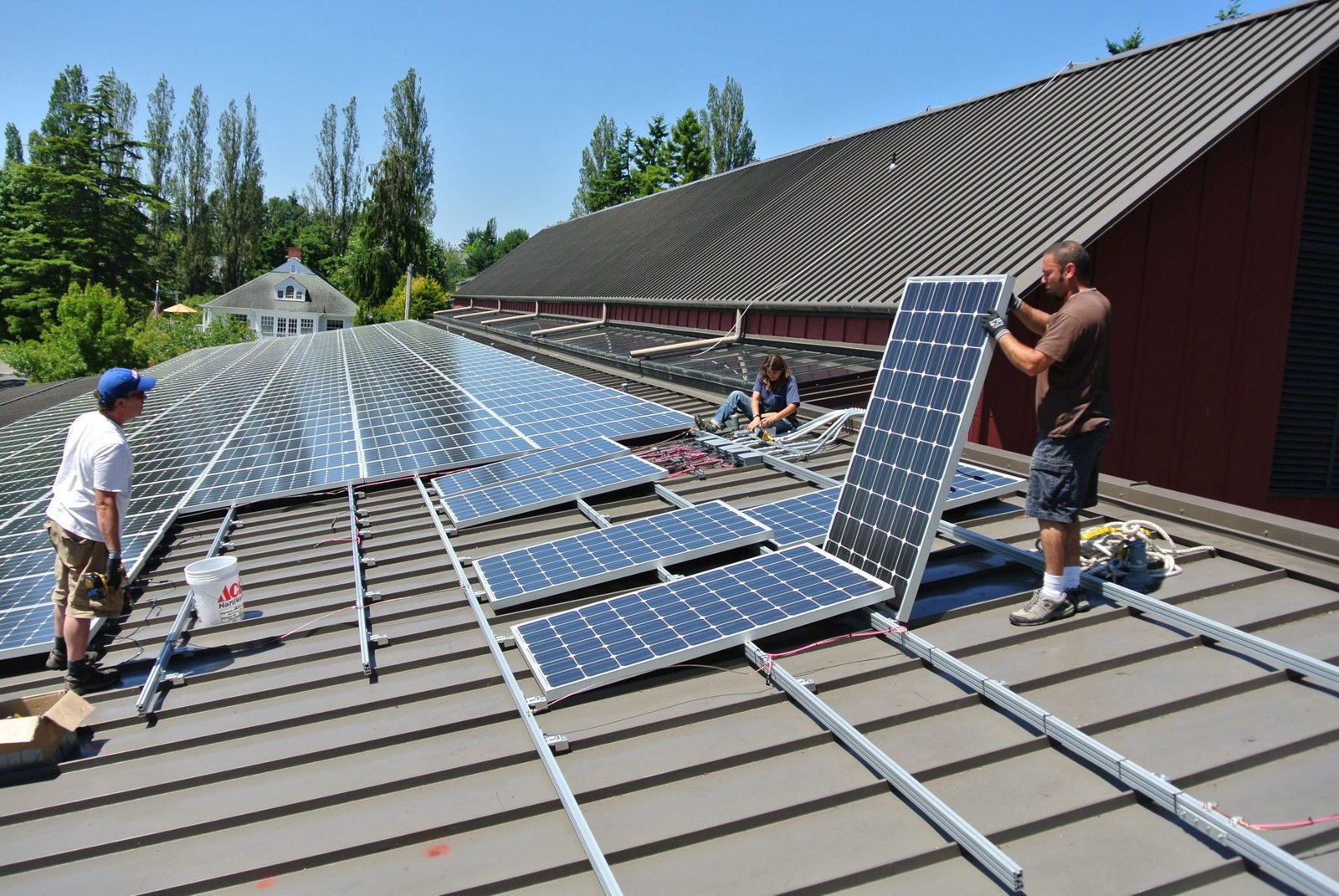
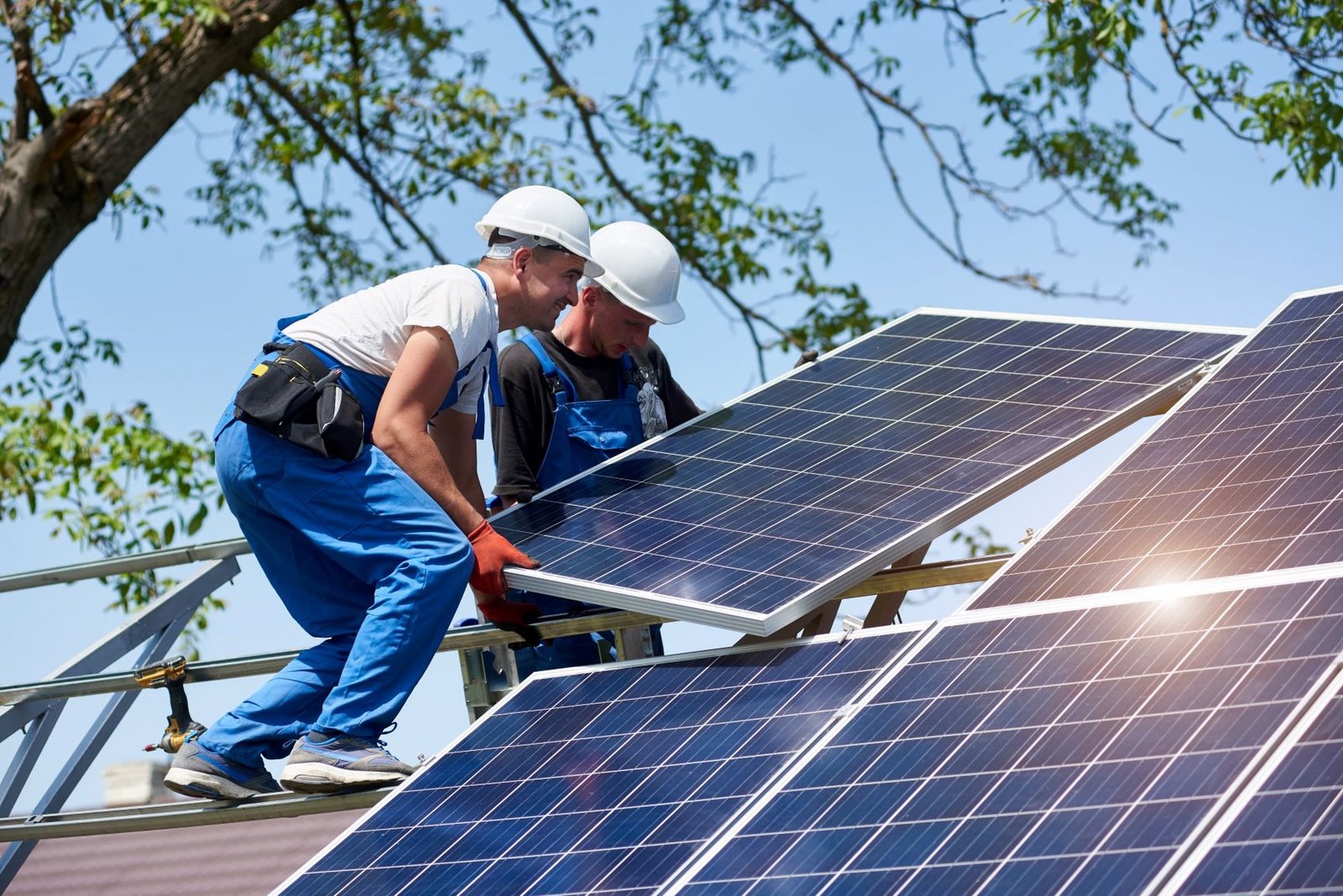
Image source: Bing (Web (fair-use with source credit))
Decision table
| Your Situation | Best Option | Upfront Cost | Monthly Cost | Who Owns the Panels |
|---|---|---|---|---|
| Low income, own home | Illinois Solar for All | $0 | $0 | You |
| Moderate income, own home, want no upfront | Lease or PPA | $0 | Fixed monthly fee or per-kWh rate | Solar company |
| Renter or shaded roof | Community solar | $0 | None (discount on bill) | Solar farm |
| Own home, can pay upfront | Buy outright | $10,000-$25,000 | $0 (after payback) | You |
The data from the Illinois Power Agency confirms that ILSFA participants save an average of $300 to $600 per year on electricity. That is real money. But you have to meet the income limits.
If you are still unsure which path to take, start with the simplest question. Do you own your home? If yes, check your income.
If no, look at community solar. That narrows it down fast.
Step-by-Step: How to Apply for Illinois Solar for All
The application process is straightforward, but you need to follow the right steps. Illinois Solar for All does not let you apply directly. You work through an approved contractor.
Step 1: Check your income eligibility. Visit the Illinois Power Agency website. Use the income calculator to see if you qualify. You need documentation like tax returns or pay stubs.
Step 2: Find an approved contractor. The Illinois Solar for All website maintains a list of approved installers. Do not call a random solar company. Only approved contractors can participate in the program.
Step 3: Schedule a site assessment. The contractor visits your home. They inspect your roof, check for shading, and review your electrical panel. They also verify your income documents.
Step 4: Sign the agreement. If everything checks out, you sign a participation agreement. Read it carefully. It spells out your rights and responsibilities.
You own the system. The contractor handles installation and maintenance.
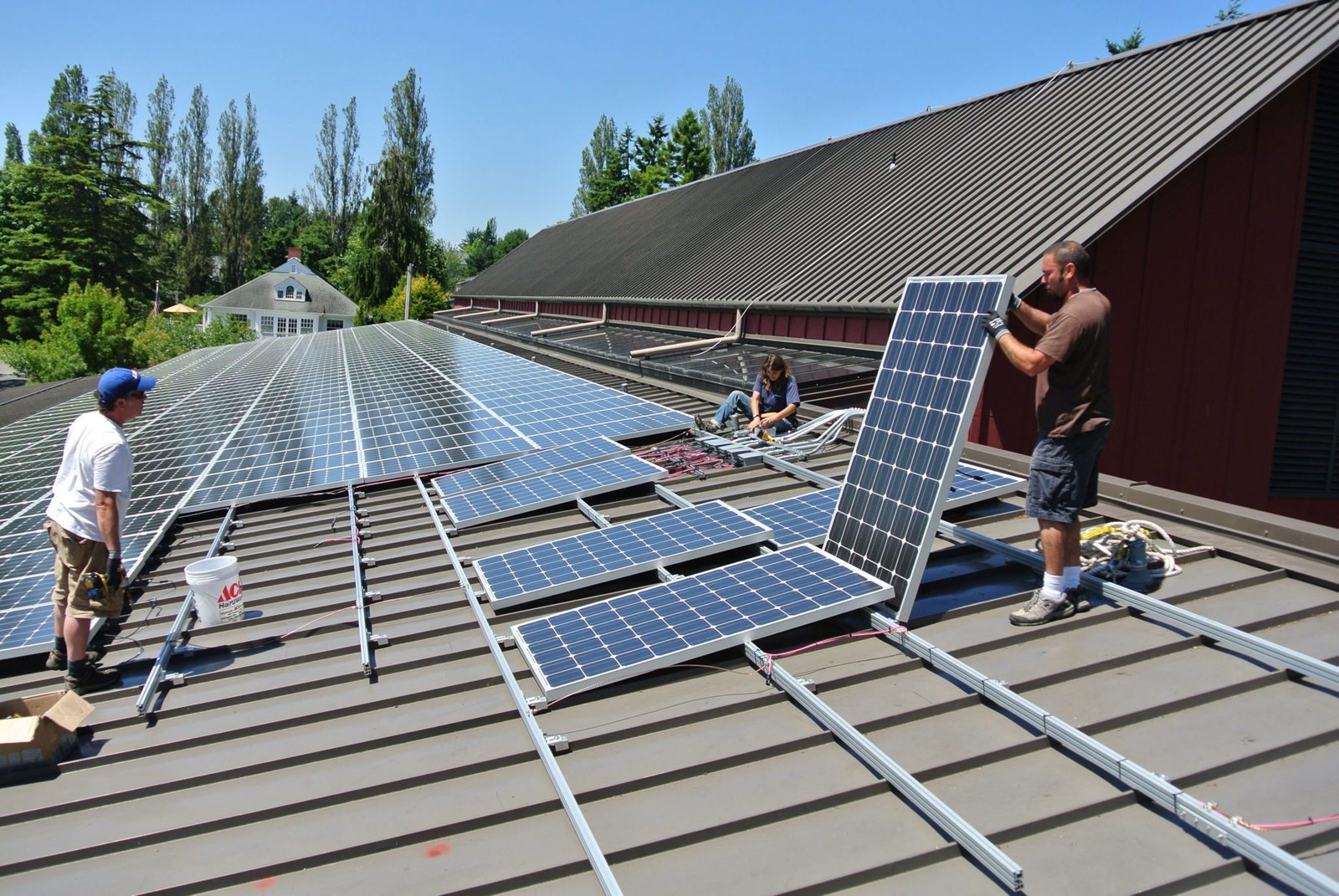
Step 5: Installation and interconnection. The crew installs the panels. This takes one to three days. The contractor handles the permits and utility paperwork.
Your utility installs a net meter. You start saving on your next bill.
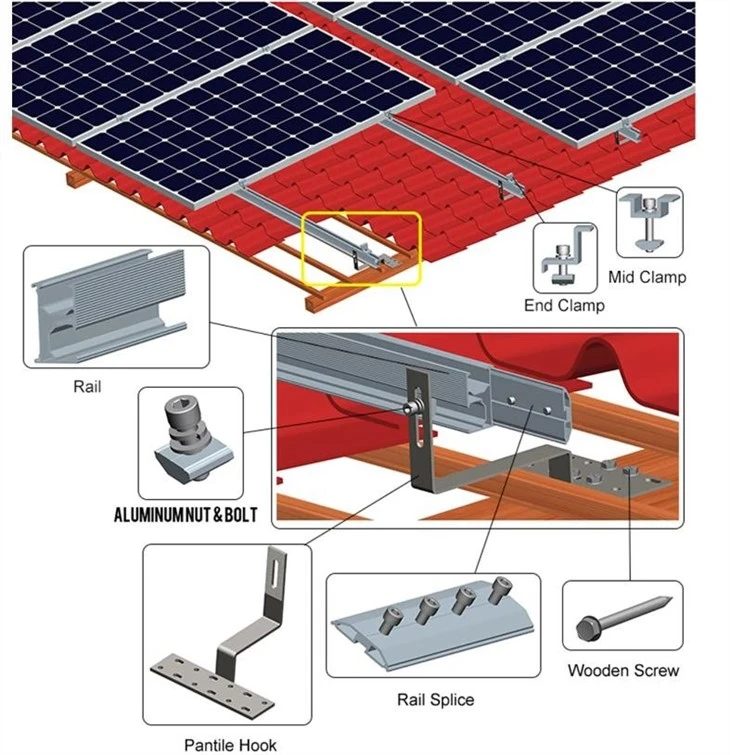
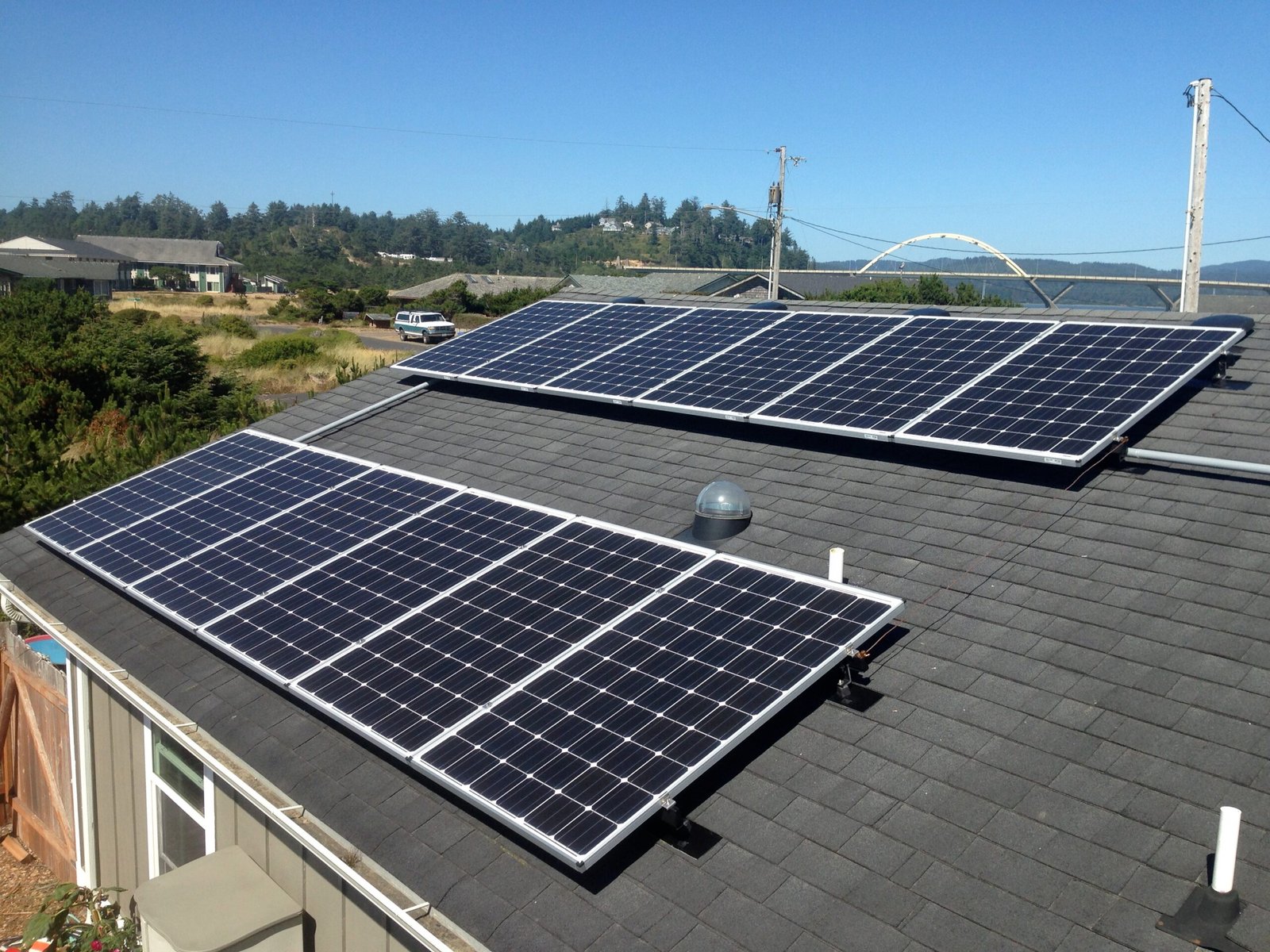
Image source: Bing (Web (fair-use with source credit))
The waiting list can be long. Some applicants wait six to twelve months. Apply as soon as the application window opens.
Do not wait until the end of the cycle.
Step-by-Step: How to Get a Zero-Down Lease or PPA
If you do not qualify for Illinois Solar for All, a lease or PPA is your next best option. The process is similar. But you are dealing with a private company, not a government program.
Step 1: Compare offers from multiple companies. Do not accept the first quote. Get at least three. Ask about the annual escalator clause.
Some leases increase the payment by 2% to 3% every year.
Step 2: Review the contract terms. Leases last 20 to 25 years. Check the buyout option. Some contracts let you purchase the system early.
Others do not. Check the transfer policy. Can you pass the lease to a new homeowner?
Step 3: Schedule a site assessment. The company inspects your roof. They check for structural issues. They measure the sunlight your roof receives.
Step 4: Sign the agreement. You do not own the panels. The company does. They claim the federal tax credit.
You get the lower electricity rate.
Step 5: Installation and activation. The crew installs the panels. The company handles the permits. Your utility connects the system.
You start paying the lease or PPA rate.
The key difference from Illinois Solar for All is ownership. You are a customer, not an owner. That means you do not benefit from the full value of the electricity the panels produce.
The company takes a cut.
Step-by-Step: How to Sign Up for Community Solar (Renters Welcome)
Community solar is the easiest option. No roof inspection. No installation.
No long-term contract. You just subscribe to a local solar farm.
Step 1: Find a community solar project in your area. Use the Illinois Shines program website. It lists available projects. You can also search for community solar providers online.
Step 2: Compare subscription offers. Different projects offer different savings. Most save you 10% to 20% on your electric bill. Some have no subscription fee.
Others charge a small monthly fee.
Step 3: Submit your utility account information. The provider needs your account number and usage data. They use this to calculate your share of the solar farm's production.
Step 4: Start receiving credits. The solar farm sends electricity to the grid. Your utility credits your bill. You pay the community solar provider a lower rate.
Your net savings appear on your monthly statement.
Step 5: Cancel anytime. Most community solar subscriptions have no long-term commitment. You can cancel if you move. You can switch providers.
There is no penalty.
Community solar is ideal for renters. You do not need permission from your landlord. You do not need a good roof.
You just need an electric bill in your name.
Costs and Savings: What You'll Actually Pay vs. What You'll Save
Let us talk real numbers. The cost and savings vary depending on which option you choose.
Illinois Solar for All: You pay nothing upfront. Your electric bill drops by 50% to 80%. Average annual savings are $300 to $600.
The system lasts 25 to 30 years.
Lease or PPA: You pay nothing upfront. Your monthly payment is $30 to $80 depending on system size. Your savings are 10% to 30% compared to your utility rate.
The contract lasts 20 to 25 years.
Community solar: You pay nothing upfront. You save 10% to 20% on your electric bill. No long-term contract.
Savings are lower than rooftop solar, but there is no commitment.
Buying outright: You pay $10,000 to $25,000 upfront. You claim the 30% federal tax credit. You own the system.
Your payback period is 8 to 12 years. After that, your electricity is free.
| Option | Upfront Cost | Monthly Cost | Annual Savings | Contract Length |
|---|---|---|---|---|
| Illinois Solar for All | $0 | $0 | $300-$600 | None |
| Lease | $0 | $30-$80 | $200-$500 | 20-25 years |
| PPA | $0 | Per kWh | $100-$400 | 20-25 years |
| Community solar | $0 | $0 | $100-$300 | None |
| Buy outright | $10k-$25k | $0 | $600-$1,200 | None |
The numbers tell a clear story. Illinois Solar for All gives you the best deal. But it is only available to low-income households.
Leases and PPAs work for everyone else. They just do not offer the same long-term value.
Common Mistakes and Scams to Watch Out For
The solar industry has its share of bad actors. Here are the most common mistakes people make.
Signing a contract with a high escalator clause. Some leases increase your payment by 2% to 3% every year. That adds up fast. Over 20 years, your payment could double.
Always ask about the escalator rate.
Working with an unapproved contractor. Only approved contractors can participate in Illinois Solar for All. If a company says they can get you into the program but they are not on the list, walk away.
Ignoring the roof condition. Solar panels last 25 to 30 years. If your roof needs replacement in 5 years, you will have to pay to remove and reinstall the panels. That can cost thousands.
Signing a contract without reading the fine print. Some leases have hefty early termination fees. Others require you to buy the system if you sell your home. Read every line.
Ask questions.
Falling for a free solar scam. If a company promises free panels with no qualification, it is a scam. No legitimate company gives away $20,000 systems for free. The only real free program is Illinois Solar for All.
Image source: Bing (Web (fair-use with source credit))
Not checking the company's reputation. Look up reviews. Check the Better Business Bureau. Ask for references.
A reputable company will have a track record of satisfied customers.
Ignoring the transfer policy. If you move, can you transfer the lease to the new homeowner? Some contracts make it difficult. Others allow it with a credit check.
Know the terms before you sign.
Who Each Option Is Best For
Let us match the right option to the right person. This is the shortcut.
Illinois Solar for All is best for low-income homeowners who plan to stay put. You get the best deal. You own the system.
You save the most money. But you must qualify financially.
A lease or PPA works for moderate-income homeowners who cannot afford the upfront cost. You get lower bills without writing a big check. The trade-off is that you never own the system.
The savings are smaller.
Community solar is best for renters, condo owners, and anyone with a shaded roof. You do not need permission or a good roof. You just need an electric bill.
The savings are modest, but there is no risk.
Buying outright is best for homeowners who have the cash and want maximum long-term value. You pay upfront, claim the tax credit, and enjoy free electricity after the payback period.
FAQs: Your Most Common Questions, Answered
How long does it take to get approved for Illinois Solar for All?
The approval process takes one to three months. The waiting list can add six to twelve months. Apply early.
The program has limited funding and fills up fast.
Can I get free solar panels if I am a renter?
No. Rooftop solar programs require homeownership. But you can join a community solar project.
You save 10% to 20% on your electric bill with no panels on your roof.
What happens if I move after getting a solar lease?
You can transfer the lease to the new homeowner. They must pass a credit check. If they do not qualify, you may need to buy out the lease.
Some contracts charge a fee for early termination.
Does Illinois Solar for All cover roof repairs?
Not always. Some approved contractors help with minor roof repairs. Major replacements are your responsibility.
The program requires a roof that lasts at least 10 years.
How much can I save with community solar?
Most community solar subscribers save 10% to 20% on their electric bill. That is about $100 to $300 per year. The savings vary by project and your utility rates.
Final Decision Guide: Your Next Move Based on Your Situation
Here is your action plan. Pick the path that matches your situation.
If you own your home and your income is low: Apply for Illinois Solar for All. Check the income limits on the Illinois Power Agency website. Find an approved contractor.
Start the process now.
If you own your home and your income is too high for ILSFA: Get quotes for a lease or PPA. Compare offers from three companies. Ask about the escalator clause.
Read the contract carefully.
If you are a renter or your roof is shaded: Sign up for community solar. Find a project in your area. Compare the savings.
Subscribe. Start saving on your next bill.
If you have the cash to buy: Buy the system outright. You get the best long-term value. You claim the federal tax credit.
Your electricity is free after eight to twelve years.
The most important step is to start. Check your eligibility. Talk to an approved contractor.
Compare your options. The sooner you begin, the sooner you start saving.

Similar Posts