How to Choose Solar Panels: A Beginner’s Guide
Renewable Energy Systems Specialist & Lead Solar Hardware Tester
You're standing in front of a dozen solar panel specs, and it all starts to blur together. The efficiency numbers, the wattage ratings, the warranty fine print, it's a lot. But learning how to choose solar panels doesn't have to be that complicated.
It really comes down to matching three things: your roof, your energy use, and your budget.
As of 2026, residential solar panel efficiency ranges from about 15% to 22% depending on the cell technology. That spread means real differences in how much power you can pull from a given roof area. Getting the decision right starts with understanding what those numbers actually mean and how they apply to your specific situation.
Let's walk through it step by step.
Quick Answer
To choose solar panels, start with your energy bills. Calculate your average monthly kWh usage. Then measure your usable roof space.
Match panel wattage to your roof area. Compare efficiency, temperature coefficient, and warranty. Get quotes from multiple installers.
Pick the best value, not the cheapest price.
The Real Problem: Why Most People Pick the Wrong Panels
The biggest mistake isn't picking a bad panel. It's picking the right panel for the wrong situation. Most people walk into this thinking all panels are basically the same, or that the most expensive one must be the best.
Neither is true.
Here's what actually goes wrong:
- Focusing only on price per watt. The cheapest panel per watt often has a high temperature coefficient or a fast degradation rate. That means you lose more power on hot days, and your system produces less over time. A slightly more expensive panel can save you thousands over 25 years.
- Ignoring your roof's unique conditions. A panel that performs great in a lab test can struggle on a roof that faces east-west, gets partial shade, or sits in a hot climate. The real-world conditions matter more than the spec sheet.
- Choosing panels before you understand your inverter setup. Not all panels work well with all inverters. Voltage and current limits matter, and mismatching can mean your system never reaches its rated output.
- Buying panels that don't physically fit your roof. A 72-cell panel is longer than a 60-cell panel. If your roof has odd angles, chimneys, or vents, the larger panel might not fit without wasting space.
The fix is simple: start with your roof and your energy bills, then work your way to the panel. Do not start with the panel.
A Quick Look at How Solar Panels Actually Work (Without the Jargon)
You don't need to be an engineer to make a smart choice. But a basic understanding helps you read a spec sheet with confidence.
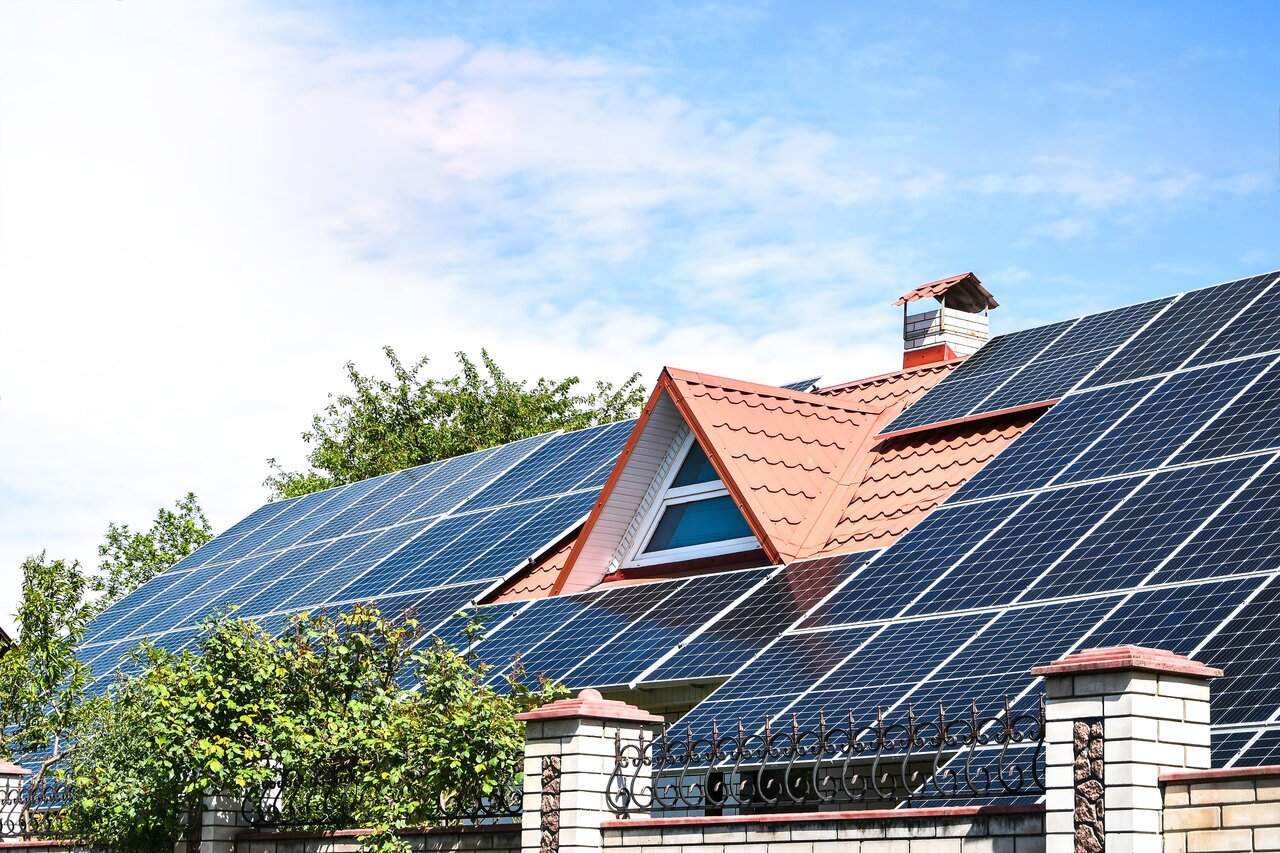
Image source: Bing (Web (fair-use with source credit))
A solar panel is a sandwich of layers. The top is tempered glass. Below that is a layer of silicon cells.
Those cells are the heart of the panel. When sunlight hits them, they knock electrons loose. That creates a flow of direct current (DC) electricity.
Metal contacts on the cells collect that current and send it to a junction box.
From there, the DC electricity travels to an inverter. The inverter converts it to alternating current (AC), which is what your home's outlets use. If you want to dive deeper into the physics, our article on how solar panels generate electricity breaks it all down.

Image source: Bing (Web (fair-use with source credit))
The diagram above shows the layers inside a typical photovoltaic cell. The key takeaway: not all cells are made the same way. Monocrystalline cells are cut from a single silicon crystal.
They're more efficient and more expensive. Polycrystalline cells are made from melted silicon fragments. They're slightly less efficient but cheaper.
That difference matters when you're deciding how much power you can fit on your roof.
The Key Specs That Actually Matter (and the Ones You Can Ignore)
Panel spec sheets are full of numbers. Some are crucial. Some are marketing fluff.
Here's how to tell the difference.
Specs That Matter
| Spec | Why It Matters | What to Look For |
|---|---|---|
| Efficiency (%) | Higher efficiency means more power per square foot. Critical if you have limited roof space. | 19% or higher for most residential installs. 21–22% if roof space is tight. |
| Temperature coefficient (%/°C) | Panels lose power as they heat up. A lower number means less loss on hot days. | Aim for -0.35%/°C or lower. Avoid anything above -0.45%/°C. |
| Degradation rate (%/year) | Every panel loses output over time. A lower rate means more power in year 25. | 0.5% per year is average. 0.3% is excellent. |
| Product warranty (years) | Covers defects and manufacturing issues. | 25 years is standard for quality panels. Avoid anything under 15 years. |
| Power tolerance (W) | How much the panel's actual output can vary from its rated wattage. | Look for +0/-5W or better. Avoid panels with a negative-only tolerance. |
Specs You Can Usually Ignore
- Brand name alone. A well-known brand doesn't guarantee better performance. Lesser-known manufacturers often use the same tier-1 cells.
- Panel weight. Unless you have a very weak roof structure, weight differences between panels are negligible.
- Color of the frame. Black frames look sleek. Silver frames are slightly cheaper. Neither affects performance.
- "Premium" marketing labels. Terms like "premium" or "high-efficiency" aren't standardized. Always check the actual numbers.
If you want a full breakdown of each component inside the panel, our guide on the main components of a solar panel covers it in detail.
Step 1: Check Your Roof and Your Energy Bills First
This is the step most people skip, and it's the one that determines everything else. You can't pick the right panel until you know what your roof can handle and how much power you actually need.
Calculate Your Energy Usage
Pull your last 12 months of electricity bills. Add up the total kWh used, then divide by 12. That's your average monthly consumption.
Most U.S. homes use between 800 and 1,200 kWh per month. If your number is higher, you'll need a larger system.
Here's a quick rule of thumb: a 1 kW solar system produces roughly 1,200 to 1,500 kWh per year, depending on your location. So if you use 1,000 kWh per month (12,000 kWh per year), you'd need about an 8 to 10 kW system.
Evaluate Your Roof
Your roof needs three things to work well with solar:
- Good sun exposure. South-facing roofs are best in the northern hemisphere. East and west work too, but you'll get about 15-20% less production. North-facing roofs are usually not worth it.
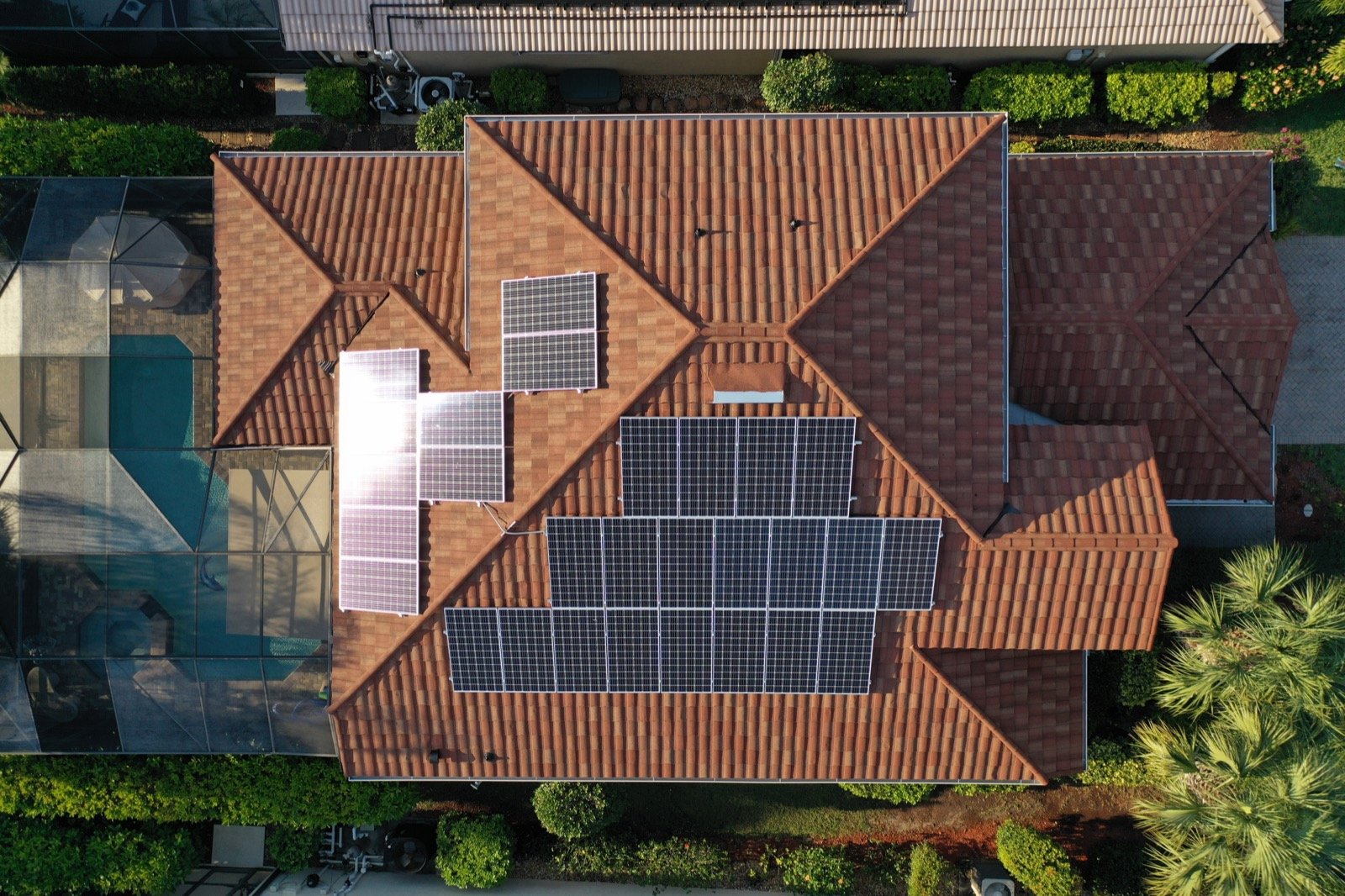
- Enough usable space. Measure the area that gets full sun, not counting chimneys, vents, or skylights. A typical 60-cell panel is about 5.5 feet by 3.3 feet. You need about 15-20 square feet per panel.
- Good condition. If your roof is more than 10 years old, get it inspected before you install solar. Replacing a roof under solar panels is expensive.
Check for Shade
Shade is the enemy of solar production. Even partial shade on one panel can drop the output of an entire string. Use a shade analysis tool or watch your roof at different times of day.
If you have significant shade, you'll want microinverters or power optimizers. We'll cover that in Step 3.
If you're still unsure about the basics, our article on what is a solar panel is a good place to start. It covers the fundamentals you need before making any decisions.

Similar Posts