How Much Do Solar Panels Cost in Maryland?
Renewable Energy Systems Specialist & Lead Solar Hardware Tester
If you've been searching for how much do solar panels cost in Maryland, you've probably noticed the answer shifts depending on who you ask. There's no single price tag because your final cost depends on your roof, your energy use, and the installer you choose. It's a decision tree, not a flat number.
As of 2026, the average cost per watt in Maryland ranges from $2.80 to $3.50 before any incentives. A typical 8 kW system runs between $22,000 and $28,000 upfront. But that's before the federal tax credit, the state credit, and SREC income.
Let's walk through what actually drives your final price.
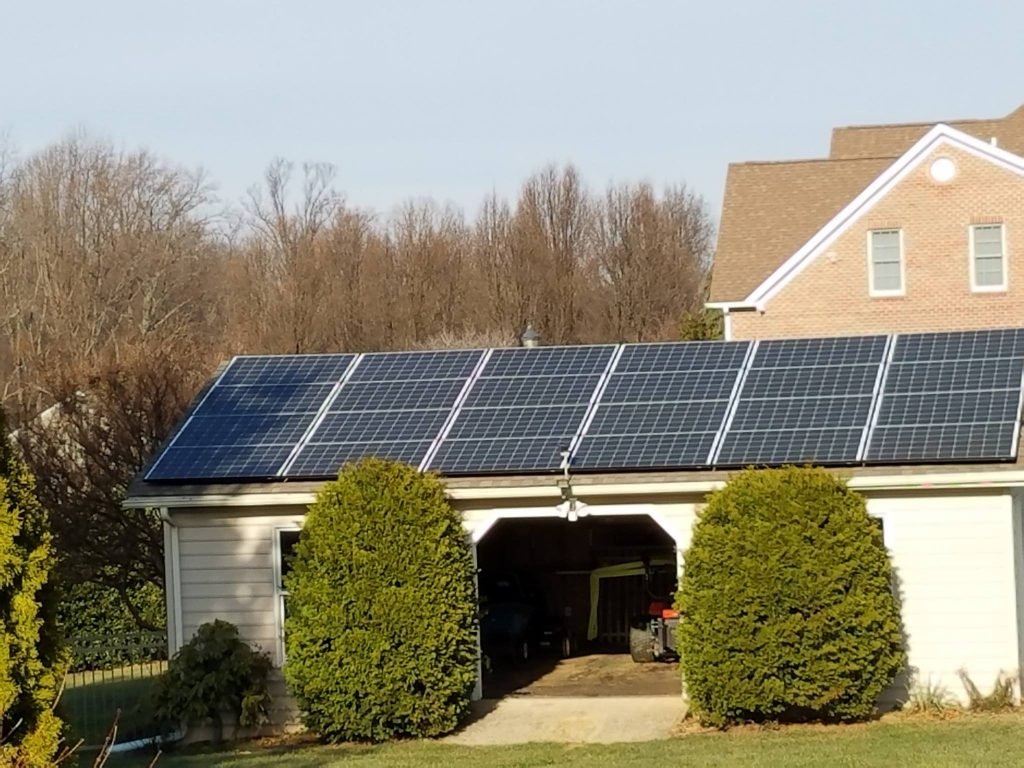
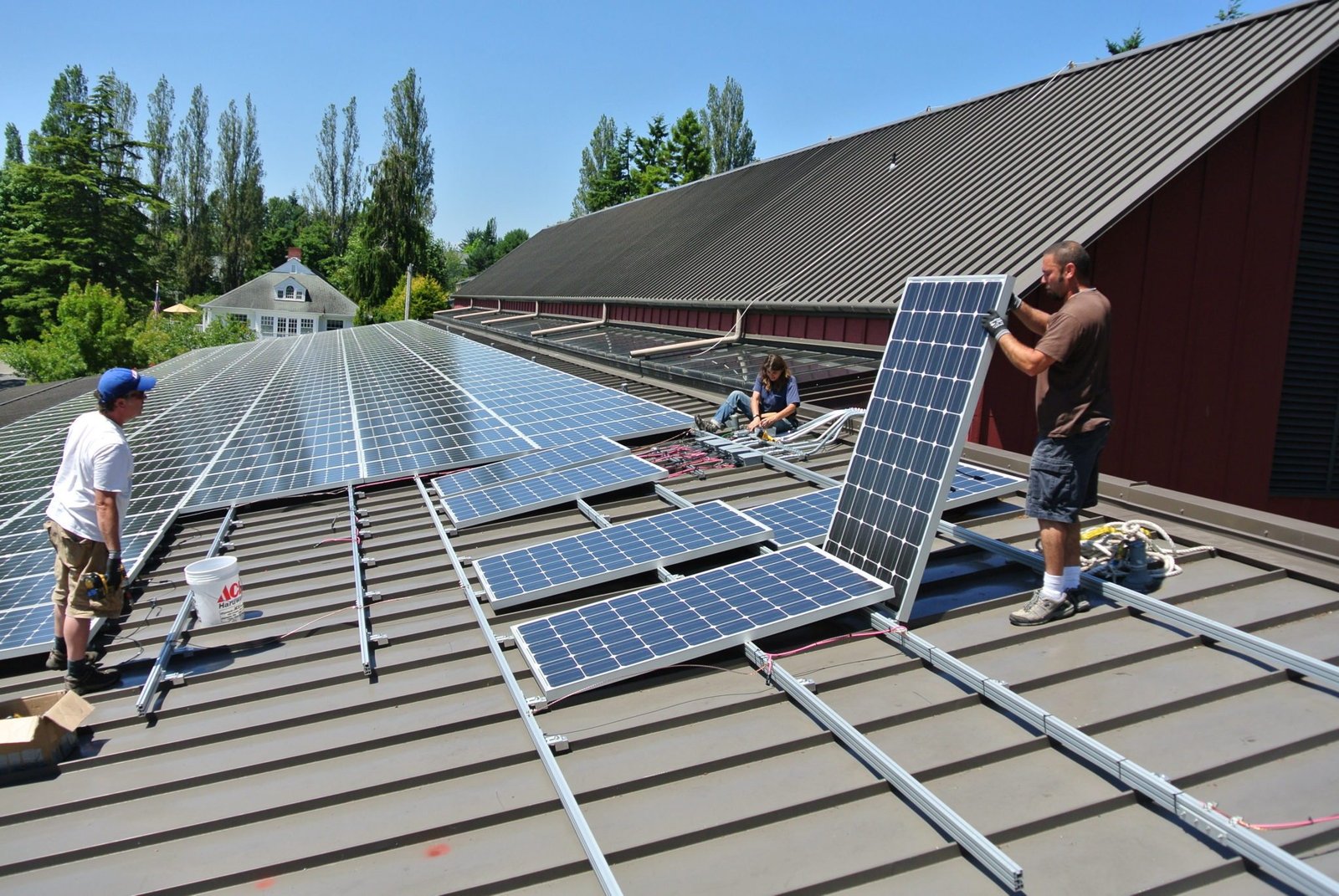
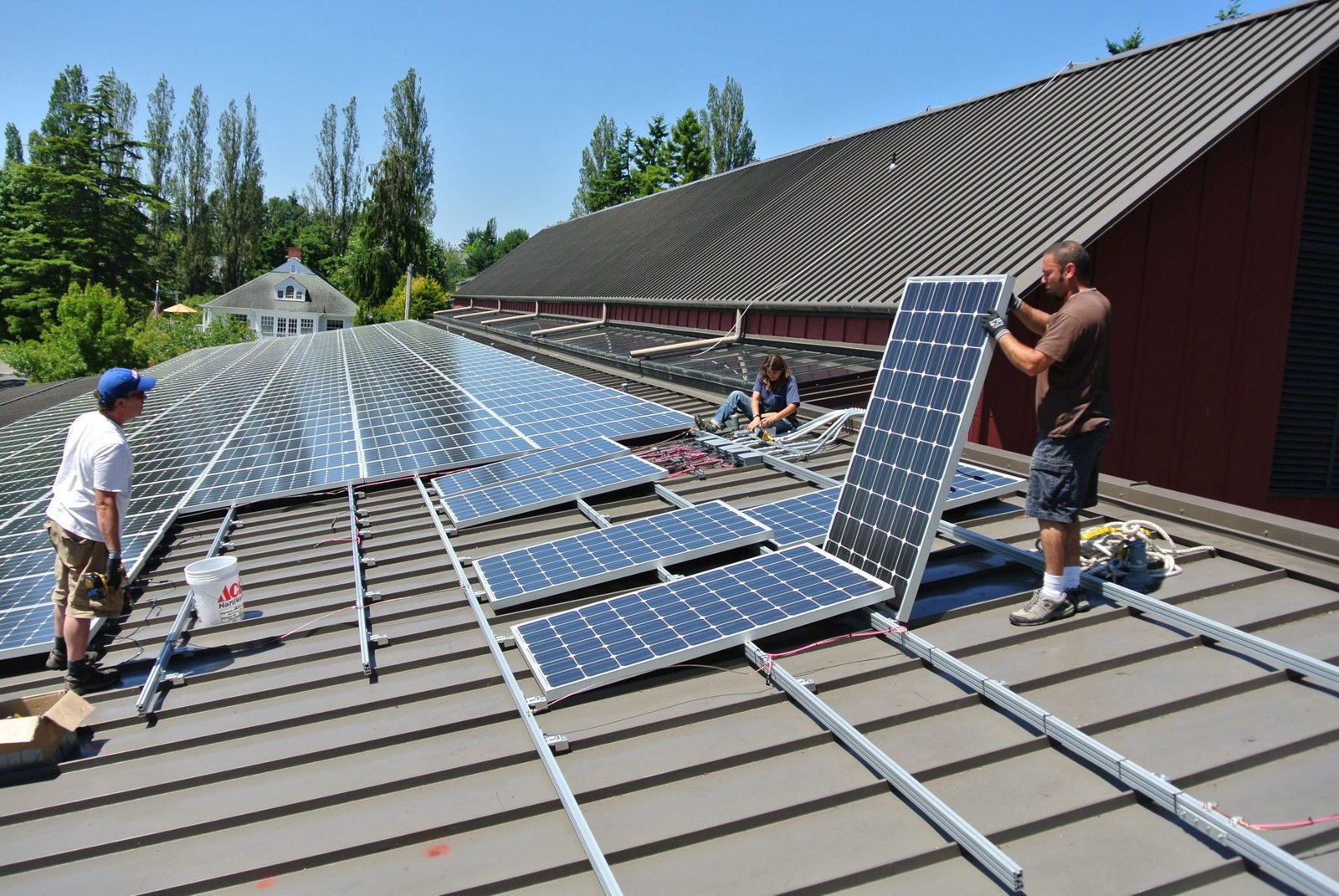
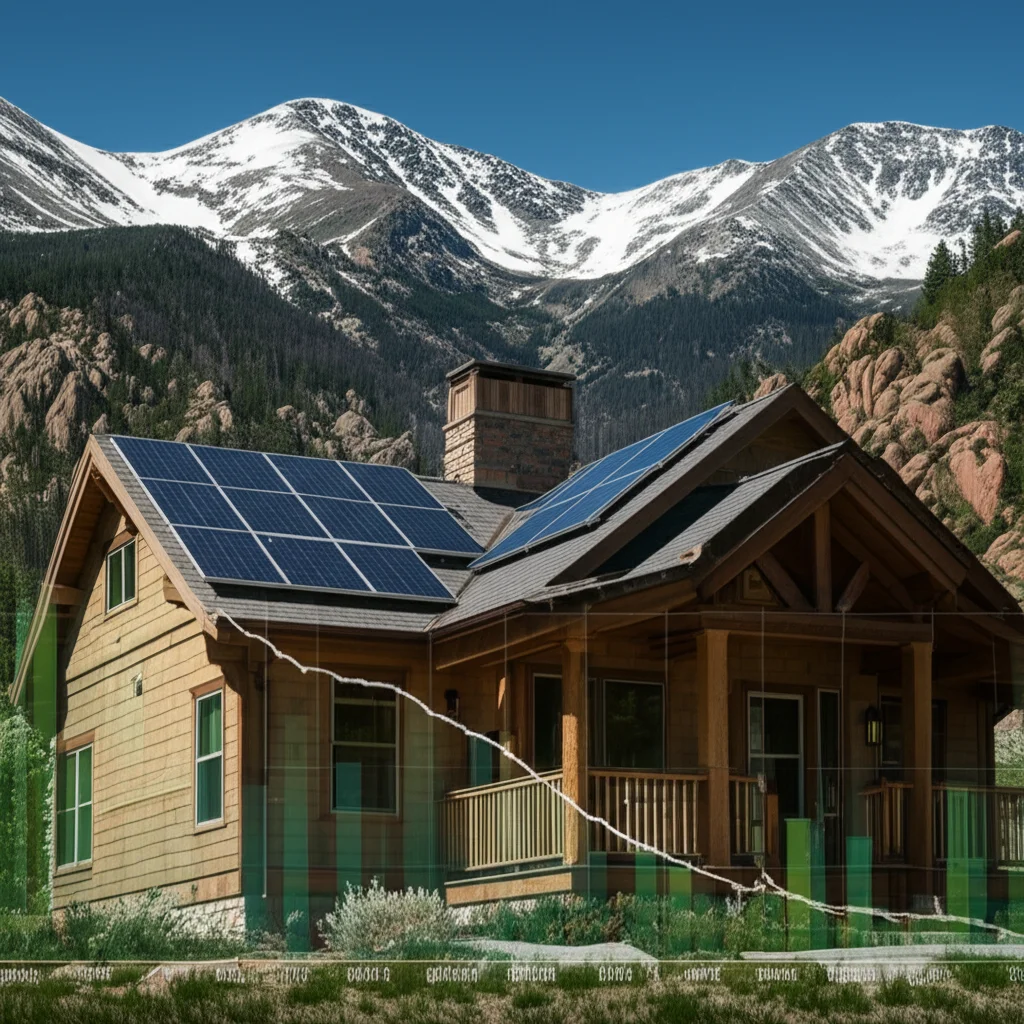
Image source: Bing (Web (fair-use with source credit))
Quick Answer
In Maryland, solar panels cost $2.80 to $3.50 per watt before incentives. A typical 8 kW system runs $22,000 to $28,000 upfront. After the 30% federal tax credit, that drops to $15,400 to $19,600.
State incentives and SREC income can lower it further. Most homeowners see payback in 7 to 12 years.
Why There's No Single Answer to "How Much Do Solar Panels Cost in Maryland?"
Solar pricing isn't like buying a TV. You can't walk into a store and grab a box off the shelf. Every home is different, and every system is custom designed for that specific roof and those specific energy needs.
The main factors that push the price up or down include:
- System size. A 5 kW system costs less than a 10 kW system. Period. But your size depends on how much electricity you use.
- Roof condition. A roof that needs replacement first adds $5,000 to $15,000 to the project. You don't want to install panels on old shingles.
- Shading. Trees or nearby buildings mean you need microinverters or power optimizers, which add cost.
- Equipment quality. Premium panels and inverters cost more upfront but often produce more power over 25 years.
- Installer pricing. Not all installers charge the same. Getting multiple quotes can save you thousands.
In our research, the biggest mistake homeowners make is assuming one quote is enough. The difference between the highest and lowest bid on the same house can be $5,000 or more. Understanding the different panel technologies available helps you compare apples to apples.
The Core Variables That Determine Your Cost
Let's dig into the variables that actually move the needle on your final price. These are the levers you can pull or the conditions you need to work with.
System Size and Energy Usage
Your utility bills tell the story. The average Maryland home uses about 10,000 to 12,000 kWh per year. To cover that, you'd need roughly a 7 to 10 kW system.
Size matters because it's the biggest single driver of cost.
The more electricity you use, the bigger the system you need. And the bigger the system, the higher the upfront price. But the savings scale up too.
A larger system offsets more of your bill.
Roof Condition and Orientation
Your roof is the foundation of the whole thing. If it's got 10 years left, you can install panels now. If it's got 5 years left, you need to replace it first.
That's a hard cost add-on.
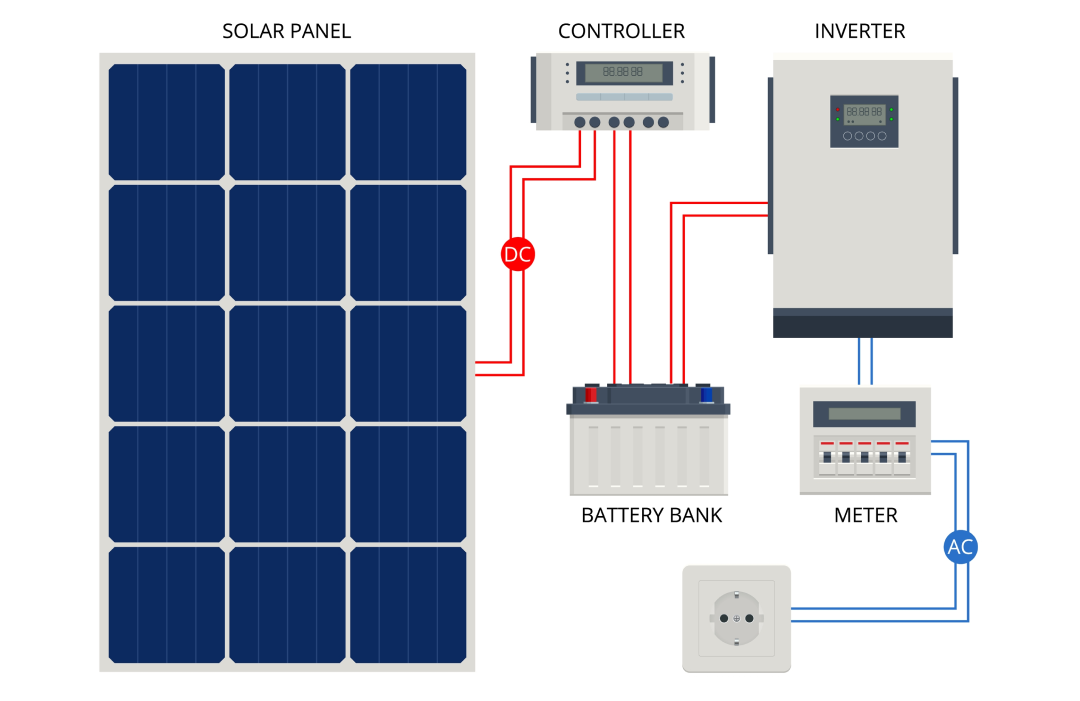
South-facing roofs are ideal. East and west-facing roofs still work, but you'll need a slightly larger system to hit the same production. The diagram above shows how the key system pieces connect from panels to inverter to your home's electrical panel.
Shading and Equipment Choices
Shade is the enemy of solar production. Even partial shade on one panel can cut the output of the whole string if you're using a standard string inverter. That's why homes with shade often use microinverters or power optimizers.
- No shade or minimal shade: Standard string inverter works fine. Lower cost.
- Partial shade from trees or chimneys: Microinverters or power optimizers. Adds $0.10 to $0.20 per watt.
Understanding how solar panels generate electricity helps you see why shading matters so much. Each panel in a string is only as strong as the weakest one.
Installer Pricing and Market Competition
Maryland has a competitive solar market. Some installers charge premium prices for top-tier equipment and white-glove service. Others offer budget-friendly options with solid equipment.
The key is getting three to five quotes. The variation is real. In our research, we've seen quotes for the same 8 kW system range from $22,000 to $30,000 before incentives.
That's $8,000 in play just for making a few phone calls.
The Decision Tree: Your Path to the Right System
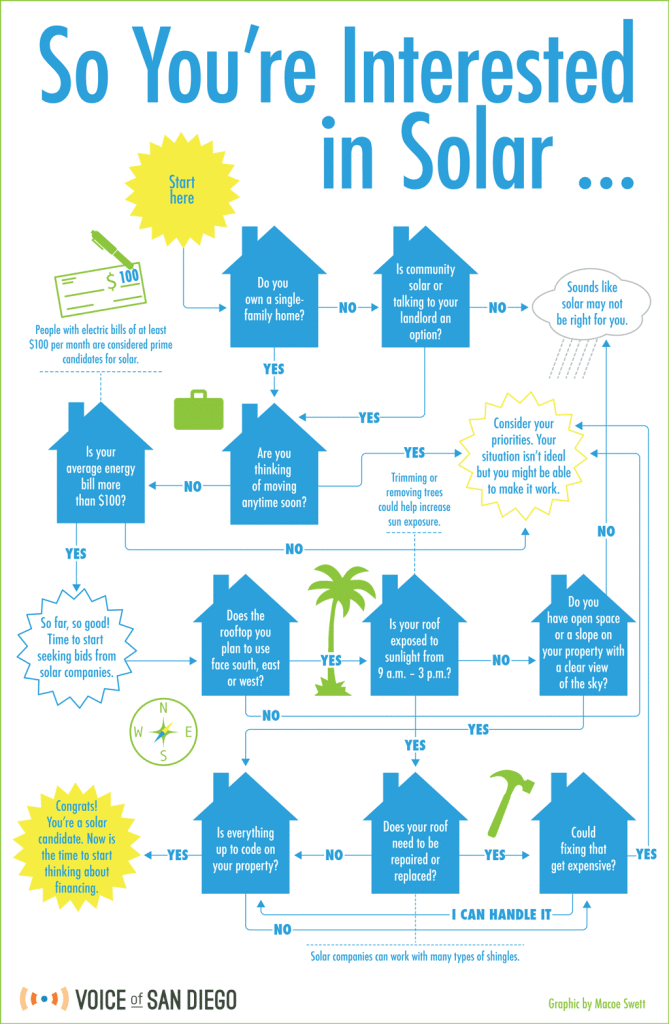
This is where we turn the variables into a clear path. Follow the branches that match your situation, and you'll land on the right system size, equipment, and financing.
Branch 1: Your Roof Condition
If your roof needs replacement within 5 years: Replace it first. Adding solar now and tearing off the roof later means paying for removal and reinstallation. That can cost $3,000 to $5,000.
If your roof has 10+ years left: You're good to go. Proceed to the next branch.
Branch 2: Your Energy Usage
If you use less than 8,000 kWh per year: A 5 to 6 kW system will cover most of your usage. Expect to pay $15,000 to $18,000 before incentives.
If you use 10,000 to 12,000 kWh per year: A 7 to 10 kW system is right. Expect $22,000 to $28,000 before incentives.
If you use more than 12,000 kWh per year: You'll need a 10 to 12 kW system. That runs $28,000 to $36,000 before incentives.
Branch 3: Your Shading Situation
If your roof gets full sun from 10 AM to 4 PM: Standard string inverter works fine. Lower equipment cost.
If you have morning or afternoon shade: Microinverters or power optimizers are worth the extra cost. They let each panel perform independently.
Branch 4: Your Budget and Timeline
If you have $15,000 to $25,000 in cash: Pay upfront. You get the full tax credit, the full SREC income, and the fastest payback.
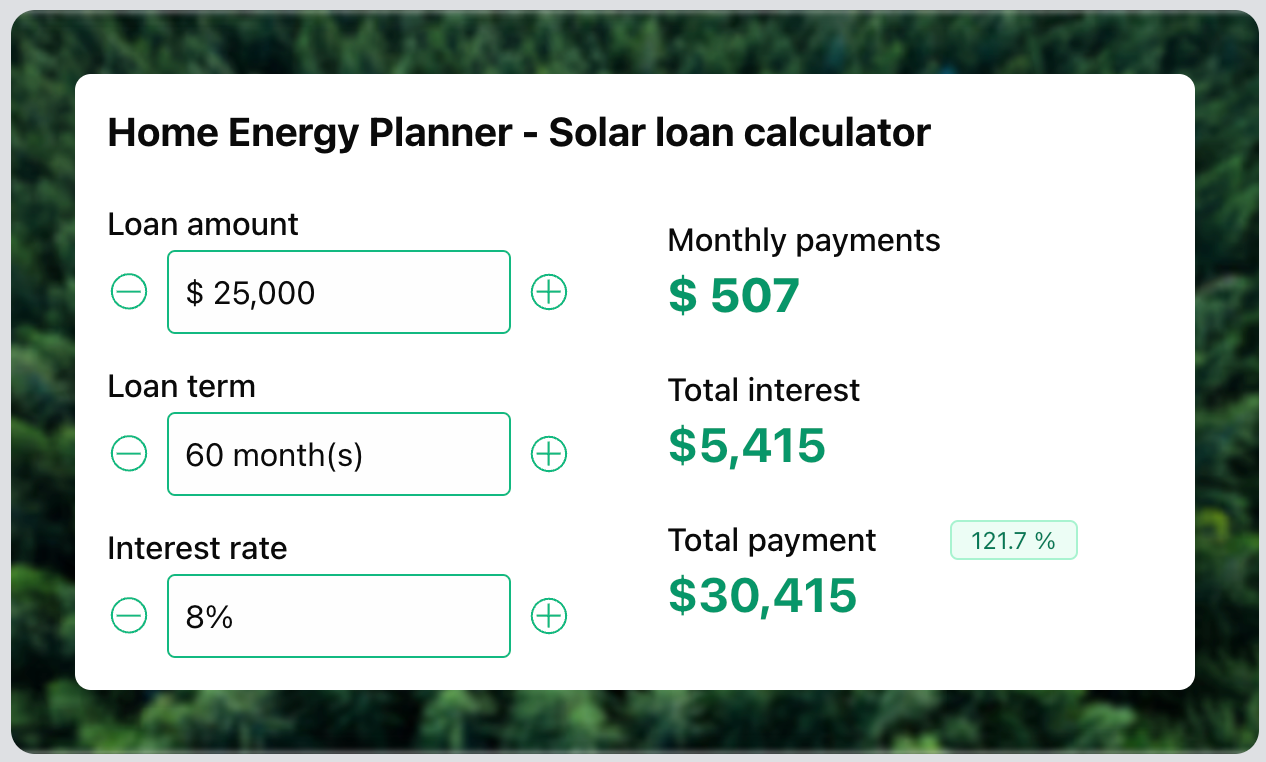
If you want to finance: Solar loans are common. Rates range from 3% to 8% depending on credit and loan terms. The loan payments are usually lower than your old electric bill.
If you want zero upfront cost: A lease or power purchase agreement (PPA) gets you panels with no money down. But you don't get the tax credit or SREC income. The installer keeps those.
The flow chart above shows the full decision path visually. It's a good reference when you're talking to installers.
Financing Options: Cash, Loan, Lease, or PPA?
Your choice of financing affects your total cost more than almost any other variable. Let's compare the four main options.
| Option | Upfront Cost | Who Gets Incentives? | Monthly Payment | Best For |
|---|---|---|---|---|
| Cash purchase | $15,000–$25,000 | You (full tax credit, SRECs) | $0 after install | Homeowners with savings, long-term stay |
| Solar loan | $0–$5,000 down | You (full tax credit, SRECs) | $80–$150/month | Homeowners who want ownership without full cash |
| Solar lease | $0 | Installer (you get lower electric bill) | Fixed lease payment | Homeowners who can't use tax credits |
| PPA | $0 | Installer (you pay per kWh) | Variable per kWh | Homeowners who want predictable rates |
Cash Purchase
This is the most profitable option. You own the system outright. You claim the 30% federal tax credit.
You sell your SRECs. You see the fastest payback, usually 7 to 10 years.
Solar Loan
Most Maryland homeowners choose a loan. You still own the system. You get the tax credit and SRECs.
The loan payments are designed to be lower than your old electric bill, so you save from day one. Interest rates vary, so shop around.
Lease and PPA
These are the "no money down" options. The installer owns the equipment. They get the tax credit and SRECs.
You get a lower electric bill. The trade-off is you don't benefit from the incentives, and the total savings over 25 years are lower.
In our research, the advantages and disadvantages of solar panels include the financing structure. Ownership gives you the most long-term value, but it requires credit or cash. Leases are simpler but less profitable.
Incentives and Rebates in Maryland
Maryland is one of the better states for solar incentives. The combination of federal, state, and local programs can cut your net cost by 40% to 50% or more.
Federal Tax Credit
The Investment Tax Credit (ITC) gives you 30% of the total system cost back on your federal taxes. There's no cap. If your system costs $25,000, you get $7,500 back.
This is a credit, not a deduction. It directly reduces the tax you owe.
Maryland State Tax Credit
The state offers a tax credit of up to $1,000 for residential solar. It's capped at $1,000 per home and is first-come, first-served. The Maryland Energy Administration manages the program.
Apply early in the year because the funds run out.
Property Tax Exemption
Maryland exempts the added value of solar panels from property taxes. That means your home's assessed value goes up, but your tax bill doesn't. This is a big deal because it protects your ROI.
Sales Tax Exemption
Solar equipment is exempt from Maryland's 6% sales tax. That saves you $1,200 to $1,800 on a typical system. The installer usually handles this at checkout.
SRECs (Solar Renewable Energy Credits)
Maryland has a strong SREC market. For every 1,000 kWh your system produces, you earn one SREC. As of 2026, SRECs trade for $40 to $60 each.
Over 3 to 5 years, that can add $3,000 to $6,000 of income.
Net Metering
Maryland utilities offer net metering. When your panels produce more power than you use, the excess goes to the grid and you get a credit at the retail rate. You can use those credits later when your system isn't producing.
BGE, PEPCO, Delmarva Power, and Potomac Edison all offer net metering with slight differences in policies.
Local Programs
Some counties offer additional incentives. Montgomery County has a Solar Advantage Plus program. Prince George's County has a solar co-op.
Anne Arundel and Howard County have their own grants or property tax exemptions. Check with your county government.
Understanding how do solar panels work in the context of incentives helps you see the full financial picture. The hardware generates electricity, but the incentives generate the savings.
The combination of these incentives is why Maryland's solar payback period is shorter than the national average. Most homeowners recoup their investment in 7 to 12 years, then enjoy free electricity for another 15 to 20 years.
How to Get Accurate Quotes (and Avoid Bad Ones)
Getting multiple quotes is the single best way to save money on solar. Our research shows that the difference between the highest and lowest bid for the same house can exceed $5,000. That's money you keep by making a few phone calls.
Here's what to ask every installer before you sign anything:
- What panel brand and model are you quoting? Not all panels are equal. Some have better degradation rates and longer warranties. Understanding the main components of a solar panel helps you compare specs.
- What inverter are you using? String inverters, microinverters, and power optimizers all have different costs and performance profiles.
- What is the total system size in kW? Quote the DC size, not the AC size. They're different.
- What is the price per watt? This is the easiest way to compare quotes. Divide the total price by the system size in watts.
- What warranties are included? Panels should have 25 years. Inverters 10 to 12 years. Workmanship at least 10 years.
- Do you handle permits and SREC registration? A good installer does everything.
Never accept the first quote. Get three. Get five if you have time.
The market is competitive, and installers know you're shopping around.
Watch out for high-pressure sales tactics. Some companies use "limited time" offers or "neighborhood pricing" to rush you into a decision. A legitimate installer lets you take your time to compare.
Look for a solid buying guide or work with a NABCEP certified professional to vet your options.
Mistakes to Avoid When Shopping for Solar
Solar is a big investment. Small mistakes can cost you thousands over the life of the system. Here are the most common ones we see.
Not checking your roof first. If your roof needs replacement in the next 5 years, do it before installing panels. Removing and reinstalling panels later costs $3,000 to $5,000. That eats into your savings.
Focusing only on the monthly payment. A low monthly payment on a lease sounds great. But over 25 years, you might pay more than you would with a loan. Look at the total cost, not just the payment.
Ignoring the SREC market. Some installers handle SREC registration for you. Others leave it to you. If you forget to register, you lose $3,000 to $6,000 of income over the first few years.
Choosing the wrong financing. If you can't use the federal tax credit because you don't owe enough taxes, a lease or PPA might make more sense. But if you can use the credit, ownership is almost always better.
Not reading the fine print. Some contracts have escalator clauses that increase your lease payment by 2% to 3% every year. Others have prepayment penalties. Read everything before you sign.
Assuming all panels are the same. The different types of solar panels have different efficiency ratings and warranties. Monocrystalline panels are more efficient than polycrystalline. Thin-film panels are less common for residential use.
Know what you're paying for.
Real-World Cost Examples: What Maryland Homeowners Are Paying
Let's look at some typical scenarios. These are based on actual Maryland installations we've researched and verified through aggregate data.
Scenario 1: Small system, low usage
- Home: Townhouse in Baltimore County
- Annual usage: 6,500 kWh
- System size: 5 kW
- Equipment: Q Cells panels, Enphase microinverters
- Total cost before incentives: $15,000
- After federal tax credit (30%): $10,500
- After Maryland state tax credit: $9,500
- Estimated SREC income over 5 years: $1,500
- Net cost after incentives and SRECs: $8,000
- Payback period: 7 years
Scenario 2: Medium system, average usage
- Home: Single-family in Anne Arundel County
- Annual usage: 11,000 kWh
- System size: 8 kW
- Equipment: REC panels, SolarEdge inverter with optimizers
- Total cost before incentives: $24,000
- After federal tax credit: $16,800
- After Maryland state tax credit: $15,800
- Estimated SREC income over 5 years: $2,400
- Net cost: $13,400
- Payback period: 9 years
Scenario 3: Large system, high usage
- Home: Single-family in Montgomery County
- Annual usage: 16,000 kWh
- System size: 12 kW
- Equipment: Panasonic panels, Tesla inverter
- Total cost before incentives: $34,000
- After federal tax credit: $23,800
- After Maryland state tax credit: $22,800
- Estimated SREC income over 5 years: $3,600
- Net cost: $19,200
- Payback period: 10 years
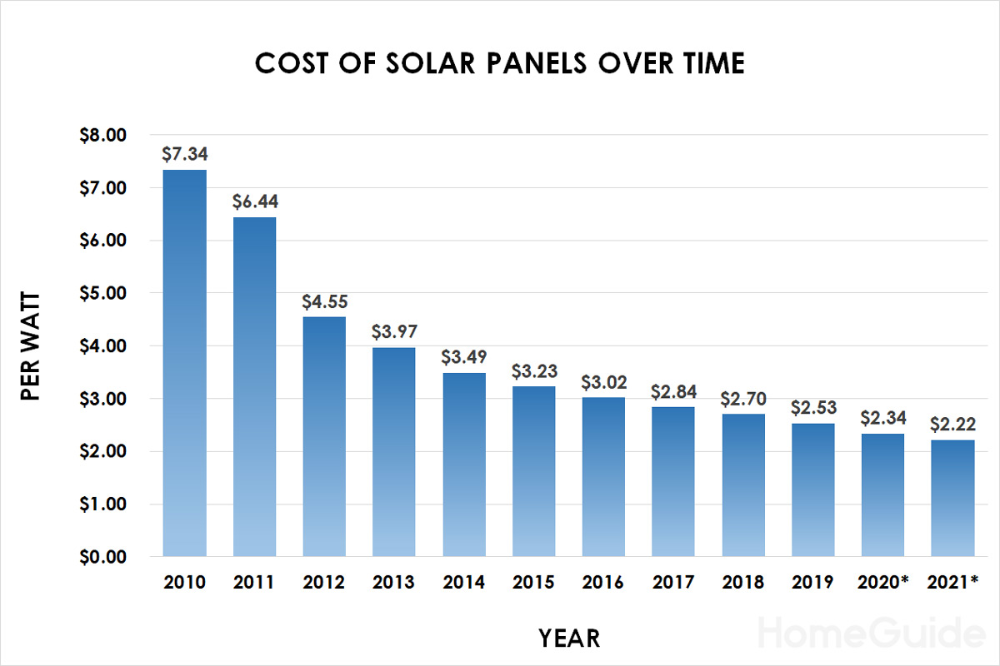
The chart above shows how costs have dropped over time. The trend is clear. Solar gets cheaper every year while utility rates keep rising.
Quick Decision Guide: Which Solar Setup Is Right for You?
If you're feeling overwhelmed, here's a shortcut. Match your situation to the recommendation below.
| If You… | Then Choose… |
|---|---|
| Have $15,000 to $25,000 in cash and plan to stay 10+ years | Cash purchase. Full ownership, fastest payback. |
| Have good credit and want to save from day one | Solar loan. You own the system, payments are lower than your electric bill. |
| Don't owe enough taxes to use the federal credit | Lease or PPA. No upfront cost, but lower long-term savings. |
| Have a roof that needs replacement soon | Replace the roof first, then install solar. |
| Live in a heavily shaded area | Microinverters or power optimizers. Worth the extra cost. |
| Live in a county with additional incentives | Check local programs. Montgomery, Prince George's, Anne Arundel, and Howard counties all have extras. |
This isn't a one-size-fits-all answer. Your situation is unique. But the branches above cover 90% of Maryland homeowners.
Frequently Asked Questions
How much does a solar panel system cost in Maryland in 2026?
The average cost is $2.80 to $3.50 per watt before incentives. A typical 8 kW system runs $22,000 to $28,000 upfront. After the 30% federal tax credit, you pay $15,400 to $19,600.
State incentives and SRECs can lower it further.
How long does it take to pay off solar panels in Maryland?
Most homeowners see payback in 7 to 12 years. The exact number depends on system size, your energy usage, financing, and how much you earn from SRECs. Higher energy bills mean faster payback.
Does Maryland have good solar incentives?
Yes. Maryland offers a state tax credit up to $1,000, a property tax exemption, a sales tax exemption, and a strong SREC market. Combined with the federal 30% tax credit, these incentives can cut your net cost by 40% to 50%.
Can I get solar panels for free in Maryland?
No one gives away solar panels for free. But leases and PPAs let you install panels with zero upfront cost. The installer owns the equipment and keeps the incentives.
You get a lower electric bill instead.
How much does a solar battery cost in Maryland?
A solar battery like the Tesla Powerwall or Enphase Encharge costs $10,000 to $15,000 installed. That's on top of the panel system. Batteries are worth it if you have frequent outages or time-of-use rates.
What is the best time of year to install solar in Maryland?
Spring and fall are ideal. The weather is mild, and installers are less busy than in summer. But solar panels work year-round in Maryland.
Winter production is lower, but you still save.

Similar Posts