Solar Panel Installation: How Long It Really Takes
Renewable Energy Systems Specialist & Lead Solar Hardware Tester
If you're wondering how long to install solar panels, the answer isn't a single number. It's a range shaped by a handful of key factors. You've signed the contract and you're ready to start saving.
But the waiting game can be confusing without a clear timeline.
In our research, the average timeline from signed contract to permission to operate (PTO) falls between 4 and 16 weeks as of 2026. That includes physical installation, permit approvals, and utility coordination. The biggest variable isn't the labor, it's the paperwork and local red tape.
Let's break down exactly what affects your timeline.
The Quick Answer: How Long Solar Installation Really Takes
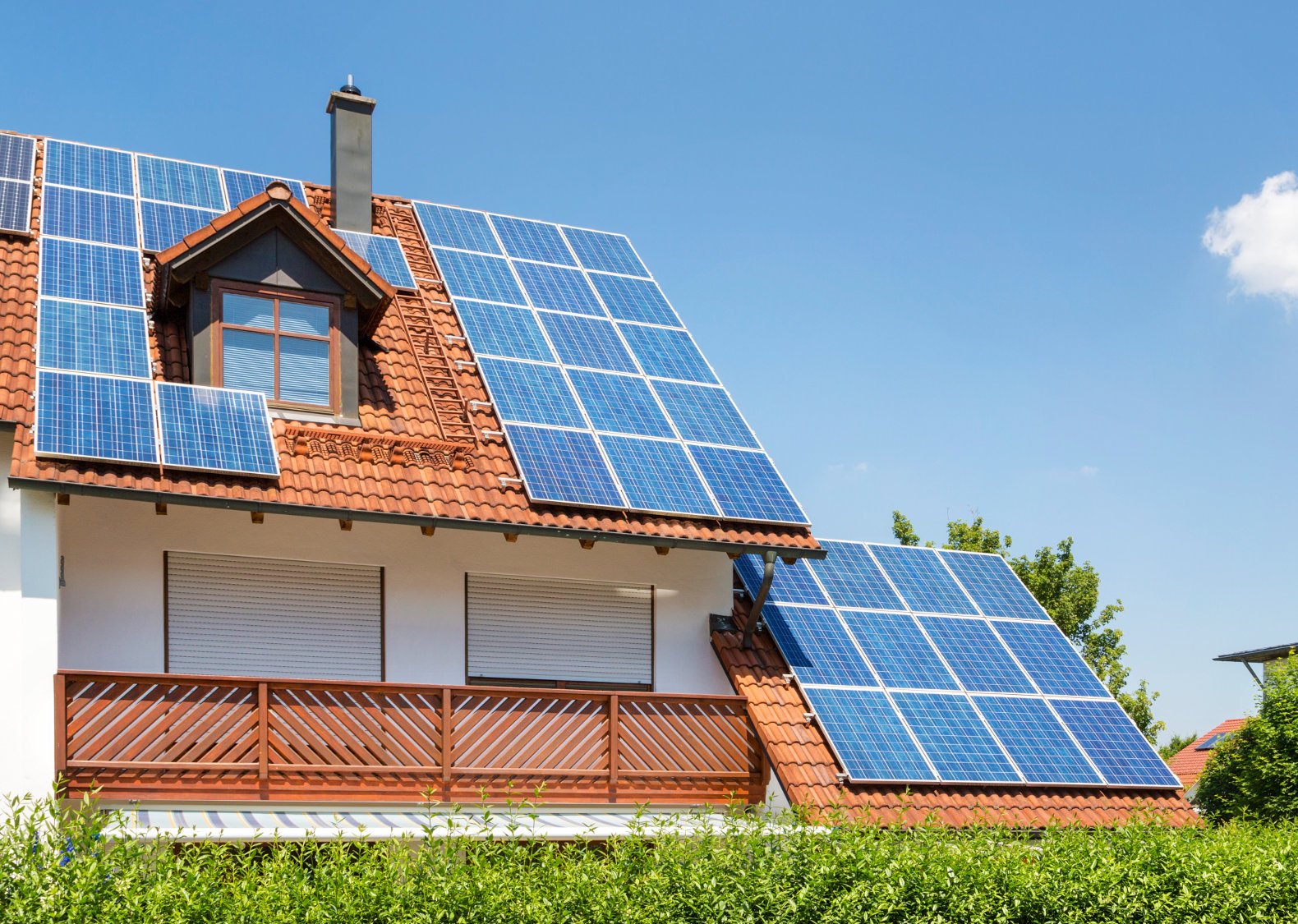
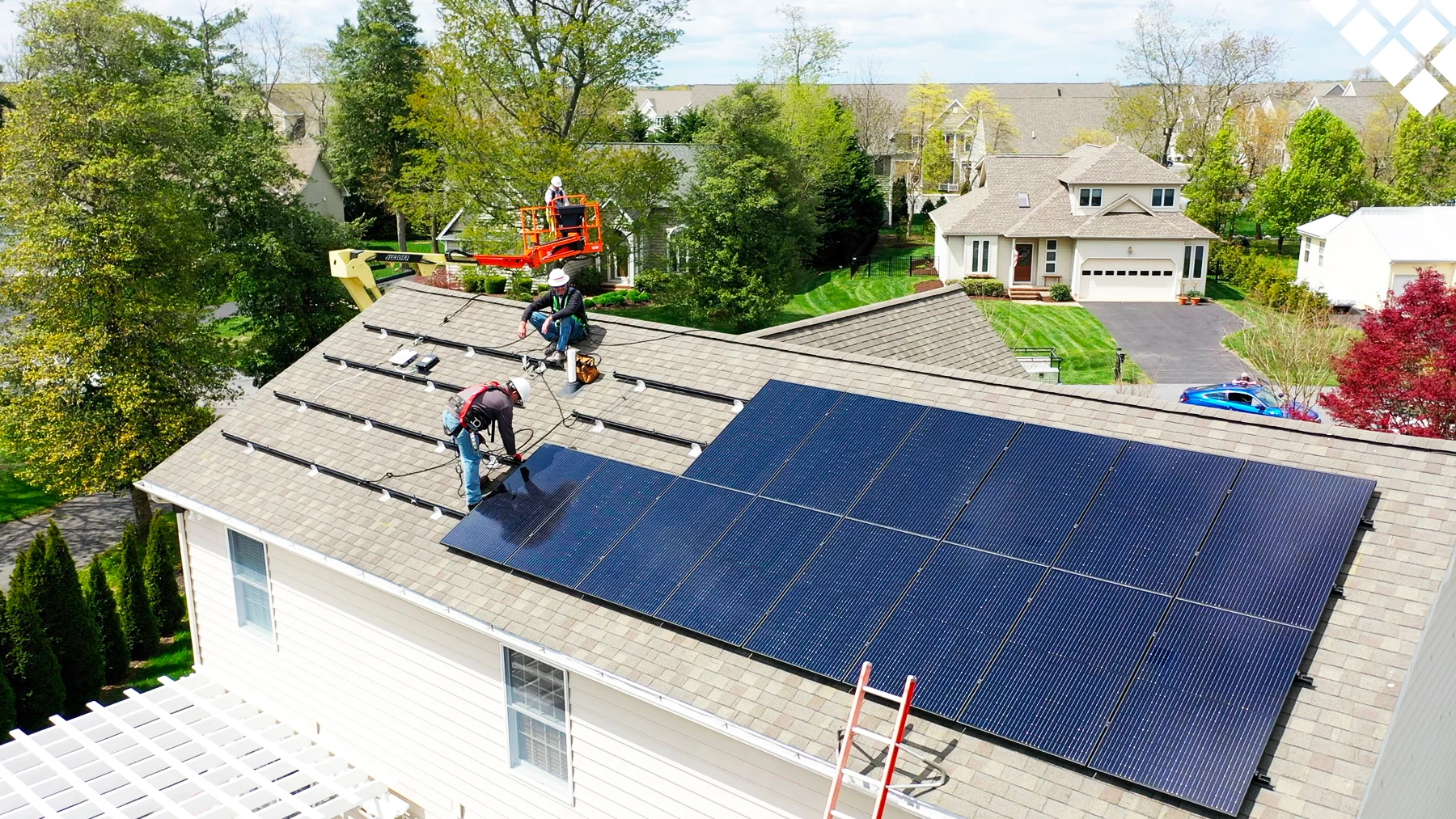
The physical install takes 1 to 3 days. The full process takes 4 to 16 weeks. Permits and utility approval add the most time.
Your specific situation determines where you land.

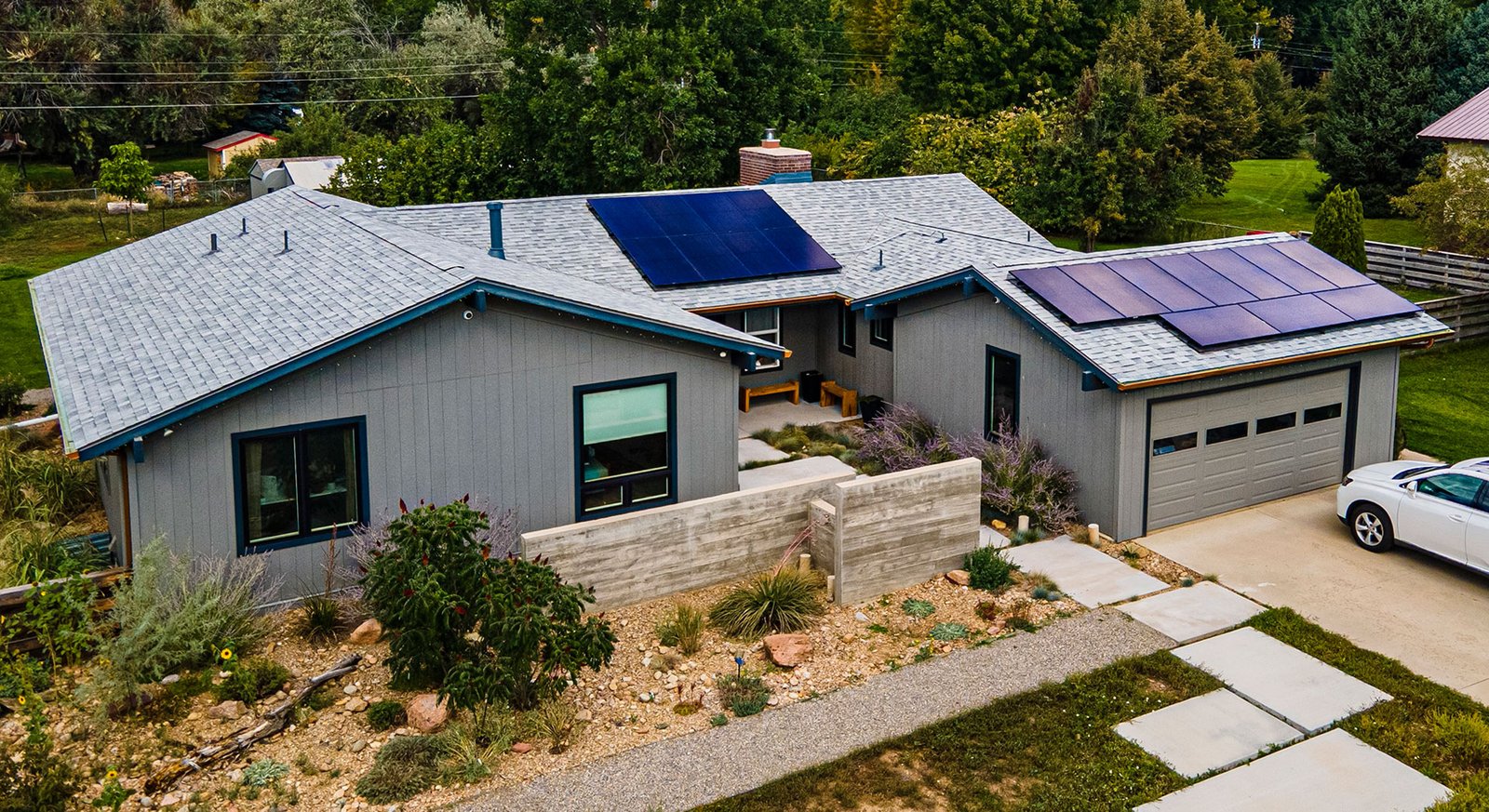
Image source: Wikimedia Commons / Oregon Department of Transportation (CC BY)
What Actually Controls Your Timeline: The Key Variables
Your timeline depends on a few big factors. Think of them as levers that can speed things up or slow things down.
| Variable | How It Affects Timeline | Typical Time Added |
|---|---|---|
| Roof type (shingle vs. tile vs. metal) | Determines mounting difficulty. Tile roofs need more labor and specialized hardware. | 0 to 2 extra install days |
| System size (5 kW vs. 10 kW) | More panels means more wiring and racking. | 1 to 3 days for physical install |
| Permitting complexity (simple vs. variance) | Simple permits take 1–2 weeks. Variances or engineering reviews take longer. | 1 to 8 weeks |
| Utility interconnection (fast vs. slow utility) | Some utilities approve in 2 weeks. Others take 8. | 2 to 8 weeks |
| Battery storage (add or no battery) | Adds wiring, permits, and inspection steps. | 1 to 2 extra install days, plus 1–2 permit weeks |
| Main panel upgrade needed? | Adds an electrical project before solar can connect. | 1 to 2 weeks |
| HOA approval | Adds a separate approval process. | 2 to 8 weeks |
| Weather and season | Winter, rain, and snow slow down install and inspections. | 1 to 4 weeks delay |
If you have a simple composition shingle roof and a fast permitting city, you are looking at the low end. If you have a tile roof, need a panel upgrade, and belong to an HOA, expect the higher end. The different solar panel technologies available also play a role in the timeline because some panel types require specific racking and wiring.
Here is a second key variable: your installer's schedule. During spring and summer, many contractors book out 3 to 6 weeks. In winter, you might get a faster start date but slower weather.
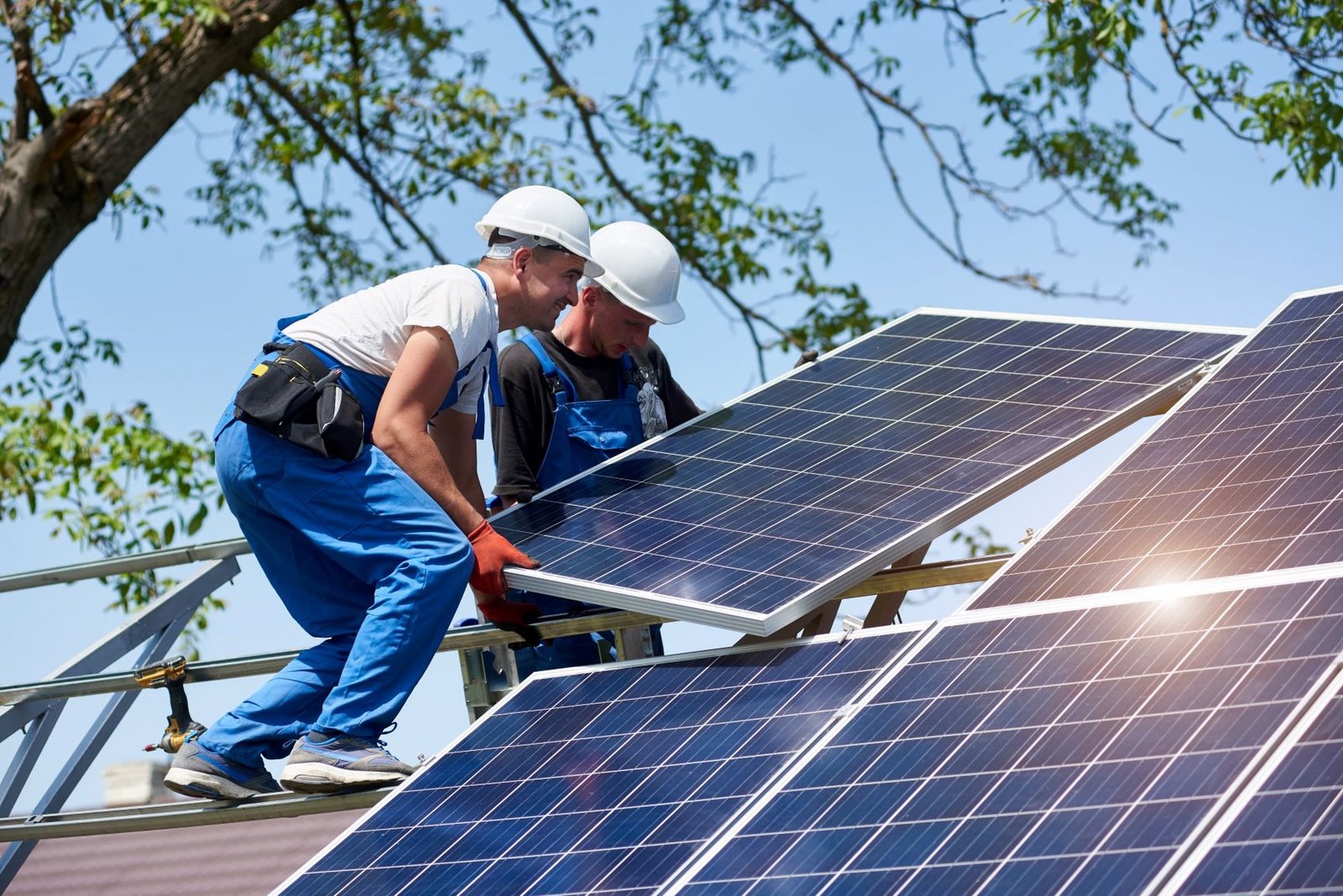
Ask your installer directly about their current lead time. Per manufacturer specifications, the physical labor for a standard 6 kW system is about 16 to 24 man-hours. That breaks down to one crew with two to three people working one to three days on site.
Image source: YouTube / Spirit Energy (YouTube thumbnail (fair-use with source credit))
The Full Timeline: Step by Step From Contract to Power On
Here is how the entire process unfolds, from the day you sign to the day your meter spins backward.
| Step | What Happens | Typical Duration |
|---|---|---|
| 1. Site survey and design | Installer visits your home, measures roof, checks shading, designs system. | 1 day |
| 2. Permit application and approval | City or county reviews plans, issues permit. | 1 to 6 weeks |
| 3. Material ordering and delivery | Panels, inverters, racking, wiring arrive. | 1 to 4 weeks |
| 4. Physical installation | Crew mounts racking, places panels, runs conduit, connects inverter. | 1 to 3 days |
| 5. City inspection | Inspector verifies electrical and structural work. | 1 day (scheduling adds 1–2 weeks) |
| 6. Utility interconnection and PTO | Utility installs net meter, approves grid connection. | 2 to 8 weeks |
Step 1 is straightforward. An installer comes out, climbs your roof, takes measurements, and checks for shade from trees or chimneys. Then they design a system that meets your energy needs and local code requirements.
This usually happens within a few days of signing.
Steps 2 and 3 often overlap. While the permit is being reviewed, the installer orders your equipment. Many reputable contractors keep common panels and inverters in stock.
But specialty items like certain battery brands or underlayment for tile roofs can have longer lead times.
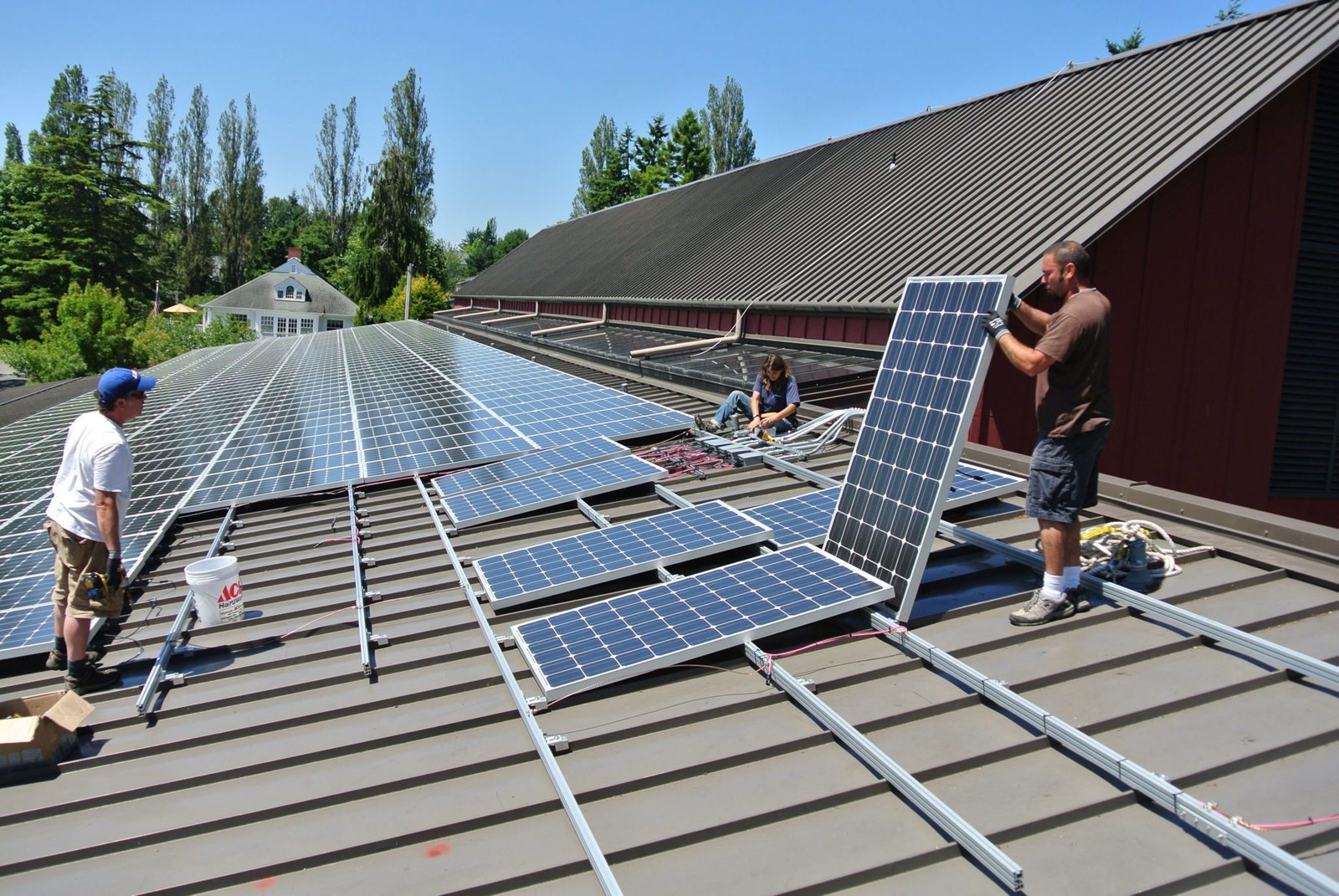
Step 4 is the part people picture: panels going up. The crew arrives early, sets up safety equipment, and works through the install in an orderly sequence. Understanding the fundamentals of solar energy generation helps you see why each step matters.
The order matters because the racking must be perfectly aligned before any panel goes on.
Step 5 is where small delays add up. The city inspector might only come on Tuesdays and Thursdays. If you fail inspection because of a minor wiring issue, you wait another week for reinspection.
Ask your installer if they handle inspection scheduling and if they have a good relationship with the local building department. Per the National Electrical Code (NEC), rapid shutdown requirements must be verified during this step.
Step 6 is the longest single wait for many homeowners. The utility company processes your interconnection agreement, sends someone to swap your meter for a bidirectional one, and gives you permission to turn the system on. Some utilities, like those in parts of Texas and Arizona, complete this in 2 weeks.
Others, particularly in California and the Northeast, can take 8 weeks or more.

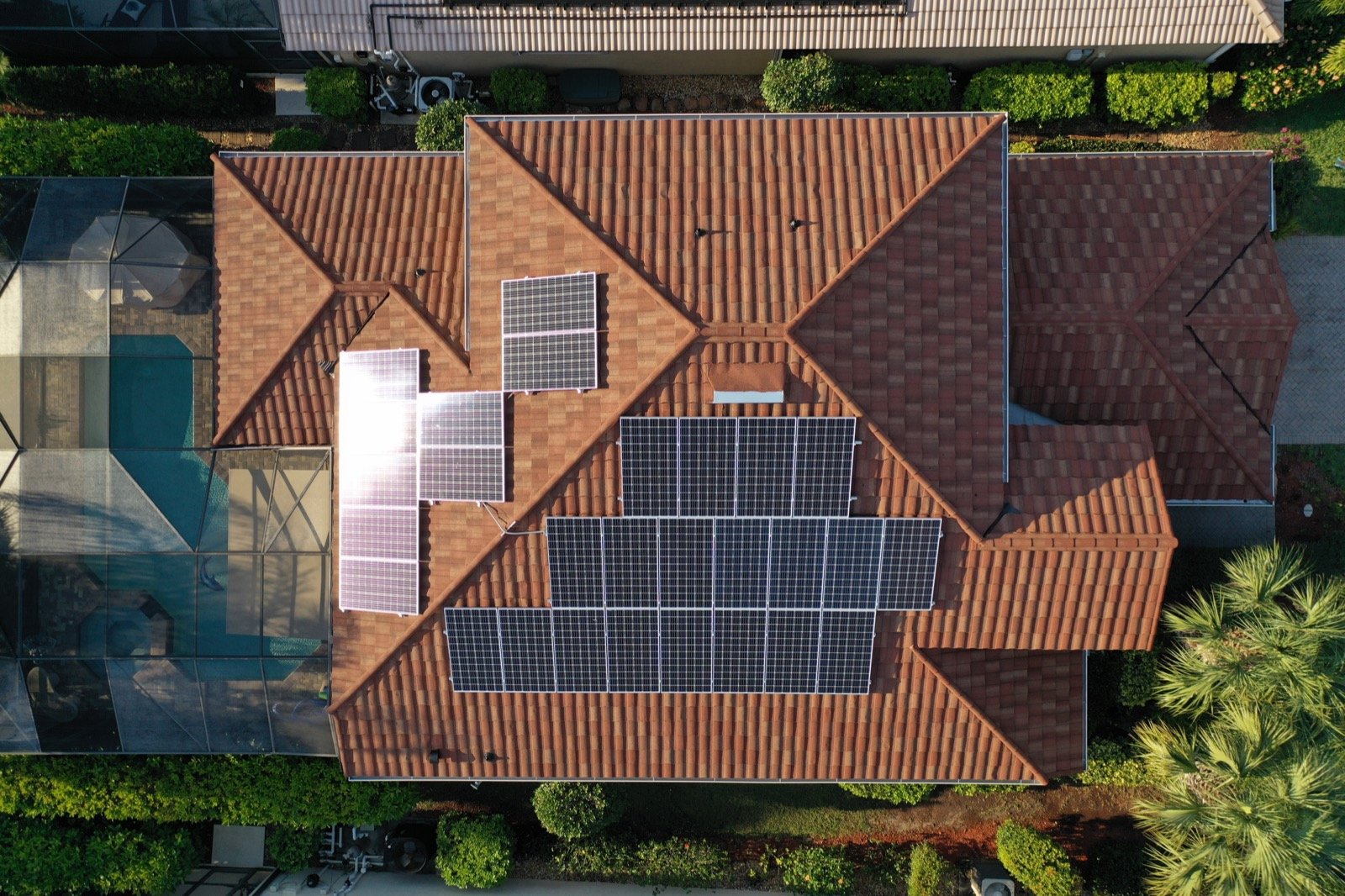
Image source: Wikimedia Commons / Authors of the study (CC BY)
Decision Branches: Which Scenario Fits You?
Your timeline depends on your exact combination of conditions. Here is how the three most common scenarios break down.
Quick Install (1–3 Weeks): Simple Roof, Fast Permits, No Battery
If you have a composition shingle roof, a small system (5, 6 kW), and no HOA, your timeline can be surprisingly short. Some cities offer over-the-counter permit approvals that take one day. If your utility is cooperative and your installer has equipment in stock, you can go from contract to PTO in under 20 business days.
This scenario is most common in parts of Texas, Arizona, and the Midwest where permit processes are streamlined. A practical guide to system selection can help you confirm if your setup qualifies for a fast install.
Moderate Timeline (4–8 Weeks): The Typical Homeowner
This covers the majority of residential installations. You have a composition or simple tile roof, a 6, 10 kW system, standard permitting that takes 2, 4 weeks, and no panel upgrade or battery. Your utility takes about 4 weeks for PTO.
The physical install takes two days. Add a week for the schedule gap between steps, and you land right in the middle of the range. Most installers quote 6 to 8 weeks for this type of project.
It is safe and predictable.
Long Haul (9–16+ Weeks): Complex Roofs, Utility Delays, or HOAs
This scenario is where the timeline stretches. If you have a tile or metal roof that needs structural engineering, you add 1, 2 weeks. If your home has 100A electrical service and needs a 200A upgrade, that adds another 2 weeks.
If you belong to an HOA that requires design review and only meets monthly, you could wait 6, 8 weeks for approval alone. And if your utility has a reputation for slowness (some in California and the Northeast are notorious), the total can easily hit 16 weeks. One homeowner we followed in San Diego County went from contract to PTO in 14 weeks because of a tile roof, a panel upgrade, and a utility backlog.

Image source: YouTube / The Solar Lab (YouTube thumbnail (fair-use with source credit))
The Biggest Timeline Traps (And How to Avoid Them)
You can avoid most delays with a little planning. Here are the traps that trip up homeowners the most.
Roof repairs. If your roof is 15 years or older, get a roofer to inspect it before you sign a solar contract. The last thing you want is to have panels installed and then need to remove them for a roof replacement a year later. Roof replacement adds 1 to 3 weeks and thousands of dollars.
It also helps to weigh the overall benefits and drawbacks of solar before committing, so you know what you are signing up for.
Main panel upgrade. If your home has 100A service and you plan on a 10+ kW system or a battery, you likely need a 200A panel. That is a separate permit, a separate inspection, and a separate project. Ask your installer to verify your panel capacity early.
Some municipalities require a load calculation before they approve the solar permit.
HOA approval. Your HOA may have specific rules about panel placement, racking color, or conduit routing. Some HOAs only meet once a month. Submit your application as early as possible and provide them with the installer's detailed plans.
If your HOA denies your request, you may need to appeal or adjust the design.
Weather and seasonality. If you live in a northern state, schedule your install for late spring or early summer. Rain can delay an install by a week. Snow can push it into the next month.
Experienced installers in snowy regions often build a weather buffer into their schedule. Ask about it.
Utility backlogs. Some utilities are chronically slow. Ask your installer about the utility's average PTO time for your area. You can also check the utility's own website for interconnection queue times.
If the utility is slow, plan for the upper end of the timeline. Understanding the basic technology behind your panels can prevent confusion during installation, because you will know which components need to be in place for the utility to approve.
Permit rejections. A common reason for delays is an incomplete or incorrect permit set. A good installer catches this during their design phase. But sometimes the city asks for a structural calculation or a revised site plan.
Each revision adds 1 to 2 weeks. Make sure your installer has experience with your specific city's permitting office.
Image source: YouTube / EXPLORIST life Mobile Marine & Off-Grid Electrical (YouTube thumbnail (fair-use with source credit))
How to Estimate Your Own Timeline: A Simple 3‑Step Guide
You can get a solid timeline estimate in about 15 minutes. No need for a crystal ball. Just three pieces of information and a little research.
Step 1: Check your local permit process
Call your city or county building department. Ask two questions. How long do solar permits typically take?
Do they offer over-the-counter approval for standard residential systems? Some smaller cities process permits in a week. Larger ones can take a month.
If they request structural engineering, add two weeks.
Step 2: Contact your utility company
Ask for the average interconnection timeline in your area. Some utilities post this online. Most will tell you over the phone.
If they mention a queue or backlog, ask how many applications are ahead of yours. This number alone can shift your estimate by weeks.
Step 3: Add up your personal variables
Use this simple table to build your estimate.
| Factor | Time to Add |
|---|---|
| Simple shingle roof, no HOA, no battery | Base: 4–6 weeks |
| Tile or metal roof | Add 1–2 weeks |
| HOA approval needed | Add 2–6 weeks |
| Main panel upgrade | Add 1–2 weeks |
| Battery storage included | Add 1–2 weeks for install, plus 1–2 for separate permit |
| Known slow utility | Add 4–6 weeks |
| Winter installation (snow/rain region) | Add 1–3 weeks |
Add the base timeline and every applicable extra. That is your realistic range. If the total comes out to 14 weeks or more, expect the upper end of the range.
If it comes out to 6 weeks, celebrate and still plan for a buffer of 2 weeks.
Frequently Asked Questions About Solar Installation Timing
Can solar panels be installed in one day?
For a very small system under 4 kW on a simple roof, yes. Most residential systems take 1 to 3 days. A single crew of two to three people can install about 20 panels in a full day.
Anything larger or more complex requires multiple days.
What takes the longest in the solar installation process?
The waiting periods, not the physical work. Permit approval and utility interconnection together can take 6 to 12 weeks. The actual installation is usually done in 1 to 3 days.
Homeowners often find the gap between installation and permission to operate the most frustrating part.
Does adding a battery significantly increase installation time?
Yes, but not dramatically. The battery itself adds 1 to 2 days of labor. The bigger time cost is the additional permitting and inspection steps.
Some jurisdictions require a separate permit for battery storage. Expect an extra 1 to 2 weeks in total for battery integration.
How long does solar panel installation take for a 2000 square foot home?
A home of that size typically needs a 6 to 8 kW system, about 15 to 20 panels. Physical install takes 1 to 2 days for a crew of two to three people. The full timeline from contract to power on still depends on permits and utility approval, which are independent of home size.
Do solar installations take longer in winter?
They can. Cold weather itself is not the issue. Panels work fine in the cold.
The problems are shorter daylight hours, rain, snow, and frozen ground for ground mounts. Experienced installers work through winter, but expect potential weather delays of 1 to 3 weeks in northern climates.
How long does the solar permit process take?
Permit approval ranges from 1 day to 6 weeks. Over-the-counter permits take a day. Standard review takes 2 to 3 weeks.
Complex projects with structural engineering or variance requests take 4 to 6 weeks. Ask your installer about your specific city before signing.
Final Take: Plan for the Worst, Hope for the Best
The timeline for solar installation is not one number. It is a range determined by your specific combination of roof type, local bureaucracy, utility cooperation, and equipment choices. The physical work is fast.
The waiting is slow.
Here is what we recommend based on our research. Always double the installer's quoted timeline for the full process. Ask specific questions about permit times, utility backlogs, and scheduling buffers.
Get everything in writing, including expected dates for each step.
The wait is worth it. Solar panels last 25 years or more. Those extra weeks of waiting become a footnote in the long story of energy savings and reduced carbon footprint.
Just go in with your eyes open about the timeline, and you will not be frustrated when things take a little longer than expected.

Similar Posts