Do You Need a Permit for Solar Panels?
Renewable Energy Systems Specialist & Lead Solar Hardware Tester
Here's the complete article.
The short answer is yes: you almost certainly need a permit before installing solar panels. That's not just bureaucracy getting in the way. Building codes and electrical standards exist for a reason, and skipping the permit can cost you thousands down the line.
We'll walk through exactly when you need one, what the process looks like, and what happens if you try to bypass it.
As of 2026, nearly every jurisdiction in the United States requires at least an electrical permit for a grid-tied solar system, and most also require a building permit. The National Electrical Code (NEC) has specific requirements for solar installations, including rapid shutdown capability and proper grounding. Local building departments enforce those standards through the permit and inspection process.
Let's break down what that actually means for you.
Quick Answer
Yes, you almost always need a permit for solar panels. Most local building departments require both a building permit and an electrical permit. Some also require a structural review.
The only common exception is portable solar panels that plug into an outlet. Permits exist to keep your installation safe and code-compliant. Skipping one creates real financial and legal risk.

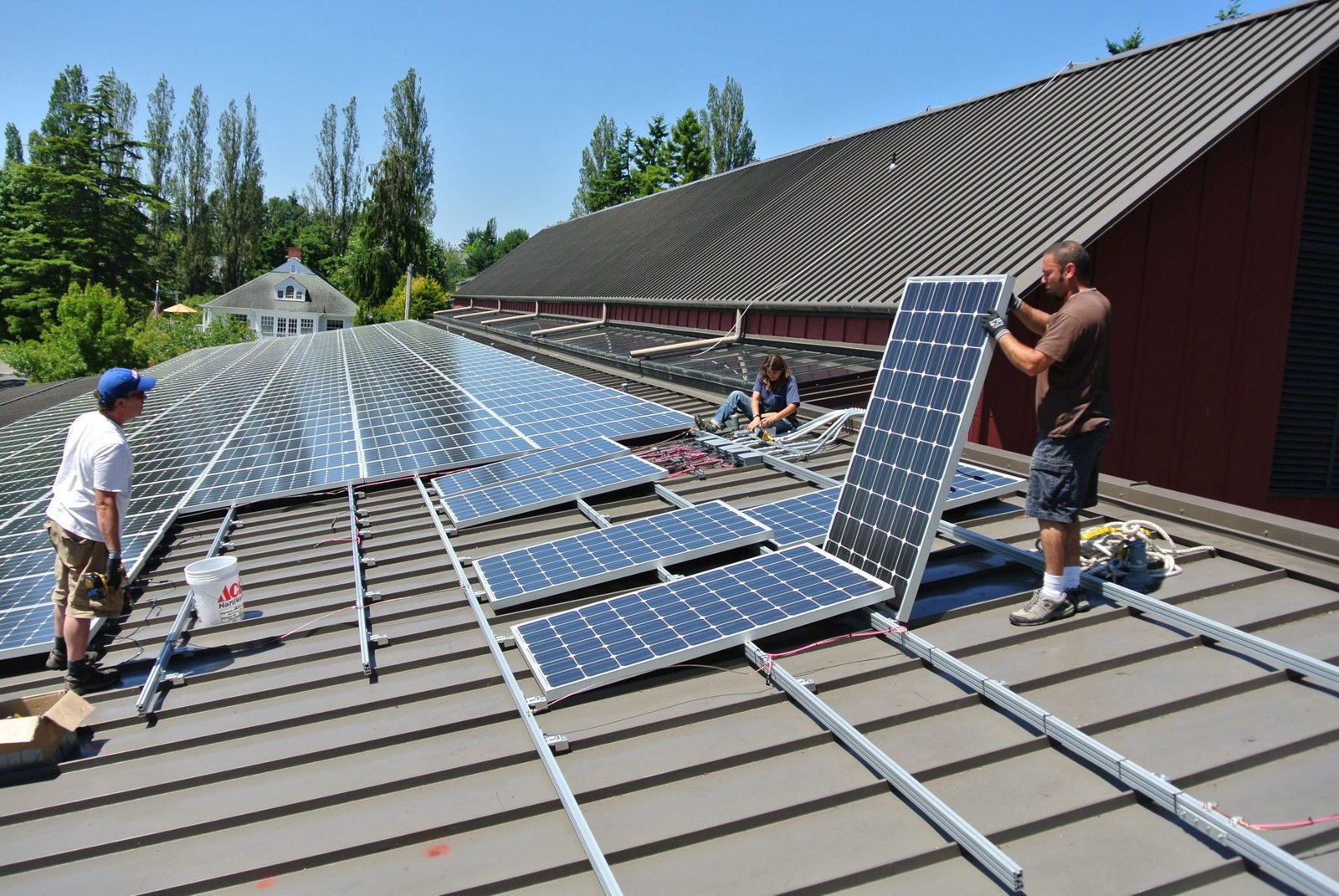
Image source: Wikimedia Commons / Stephen Yang / The Solutions Project (CC BY)
The Real Risks of Skipping a Permit
You might be tempted to skip the permit to save time or a few hundred dollars. That's a gamble with real consequences. Let's look at what's actually on the line.
Fines and Forced Removal
If your local building department discovers unpermitted work, they can issue a stop-work order and fine you. Those fines vary widely. In some areas, expect $500 to $1,000 per violation.
In others, fines can climb to $5,000 or more. You might also be forced to remove the panels entirely and reinstall them after getting a proper permit. That means paying for labor twice.
Home Sale and Insurance Nightmares
When you sell your home, buyers' lenders often require proof that all major improvements were permitted. An unpermitted solar array can kill a sale or force you to discount the price significantly. Title companies may flag it.
Some buyers simply walk away.
Your homeowners insurance is another concern. If a fire starts in your unpermitted electrical work, many policies will deny the claim. The same goes for storm damage or liability if a panel flies off your roof.
Aggregate reviews of insurance claim denials consistently show that unpermitted work is a common reason for rejection.
Fire and Electrical Safety Hazards
This is the big one. Solar panels involve high-voltage DC wiring that can arc and start fires if not installed correctly. Licensed electricians follow the NEC to the letter.
DIY installers who skip permits often miss critical safety requirements like proper conduit, correct wire sizing, and module-level rapid shutdown. Firefighters need those safety features to work safely on your roof.
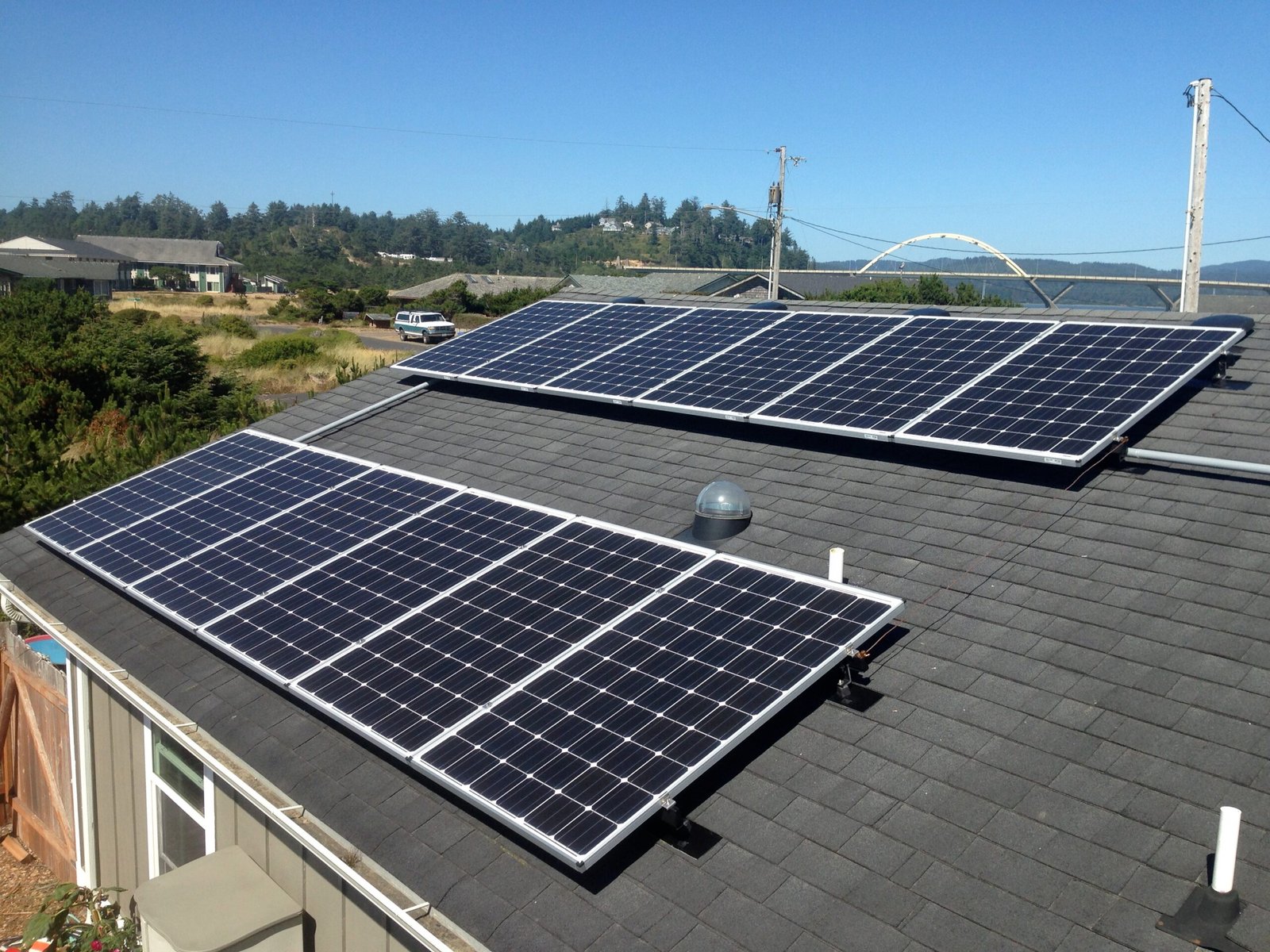
Image source: Openverse / USDAgov (PDM 1.0)
Where Permits Are Required (and Where They Aren't)
Not every solar setup triggers the same permit requirements. The rules depend on what you're installing and where.
Building Permits vs. Electrical Permits
A building permit covers the structural side. Your roof needs to handle the added weight of the panels, especially under snow or wind loads. The building department will check that the mounting system is properly attached to rafters or trusses.
An electrical permit covers the wiring, inverters, disconnects, and grid connection. This is where the NEC really comes into play. Most jurisdictions require both permits.
Some smaller towns only require an electrical permit for systems under a certain size. You need to check with your local building department.
Ground-Mount vs. Roof-Mount Differences
Ground-mounted solar arrays also need permits. In fact, they often require more paperwork because you're adding a structure to your property. Setback requirements, foundation specs, and even zoning rules may apply.
Ground-mount permits typically cost more than roof-mount permits.
Portable Solar Panels: The One Exception
Small portable solar panels that plug into a standard outlet generally do not need a permit. Think of the foldable panels people use for camping or small battery maintainers. Those are not permanently wired into your home's electrical system.
Everything else probably needs a permit.
The line gets blurry with "plug-in" solar kits that connect through a dedicated breaker. Most inspectors still consider those a permanent installation requiring a permit. When in doubt, check with your AHJ before buying.
How HOA Rules and Utility Requirements Factor In
Your HOA and your utility company are separate from the building department, but they both have a say in your solar installation.
HOA CC&Rs vs. State Solar Rights Laws
Many HOAs have rules about panel placement. They might require panels to be flush-mounted, all the same color, or hidden from street view. Some try to ban solar entirely.
That's where state solar rights laws kick in. Over 20 states have laws that override HOA restrictions on solar panels. In those states, HOAs can't unreasonably restrict your right to install solar.
But they can still enforce reasonable rules about placement and appearance. Check your state's specific law before assuming you're in the clear.
Interconnection Agreements and Permission to Operate (PTO)
Your utility company requires an interconnection agreement before you can turn your system on. This is separate from your building permit. The utility needs to verify that your system won't backfeed power unsafely onto the grid.
You typically apply for interconnection after you get your permit but before you start generating power. The utility will give you Permission to Operate once they approve your application. Running your system before you get PTO can result in fines or disconnection.
The Permit Process: What to Expect Step by Step
The permit process sounds intimidating, but it follows a fairly standard workflow. Here's what it looks like from start to finish.
Site Assessment and System Design
Before you submit anything, you need a site assessment. A qualified installer will measure your roof, check the structural condition, evaluate shading, and confirm that your electrical panel has capacity for the new system. They'll produce a system design with panel layout, wiring diagrams, and equipment specs.
That design goes into your permit application.
Submitting Your Permit Application
Your installer typically handles the permit application. They submit the system design, structural calculations, electrical diagrams, and a site plan to the local building department. The department reviews everything for code compliance.
This review can take anywhere from a few days to several weeks depending on your jurisdiction.
The Inspection
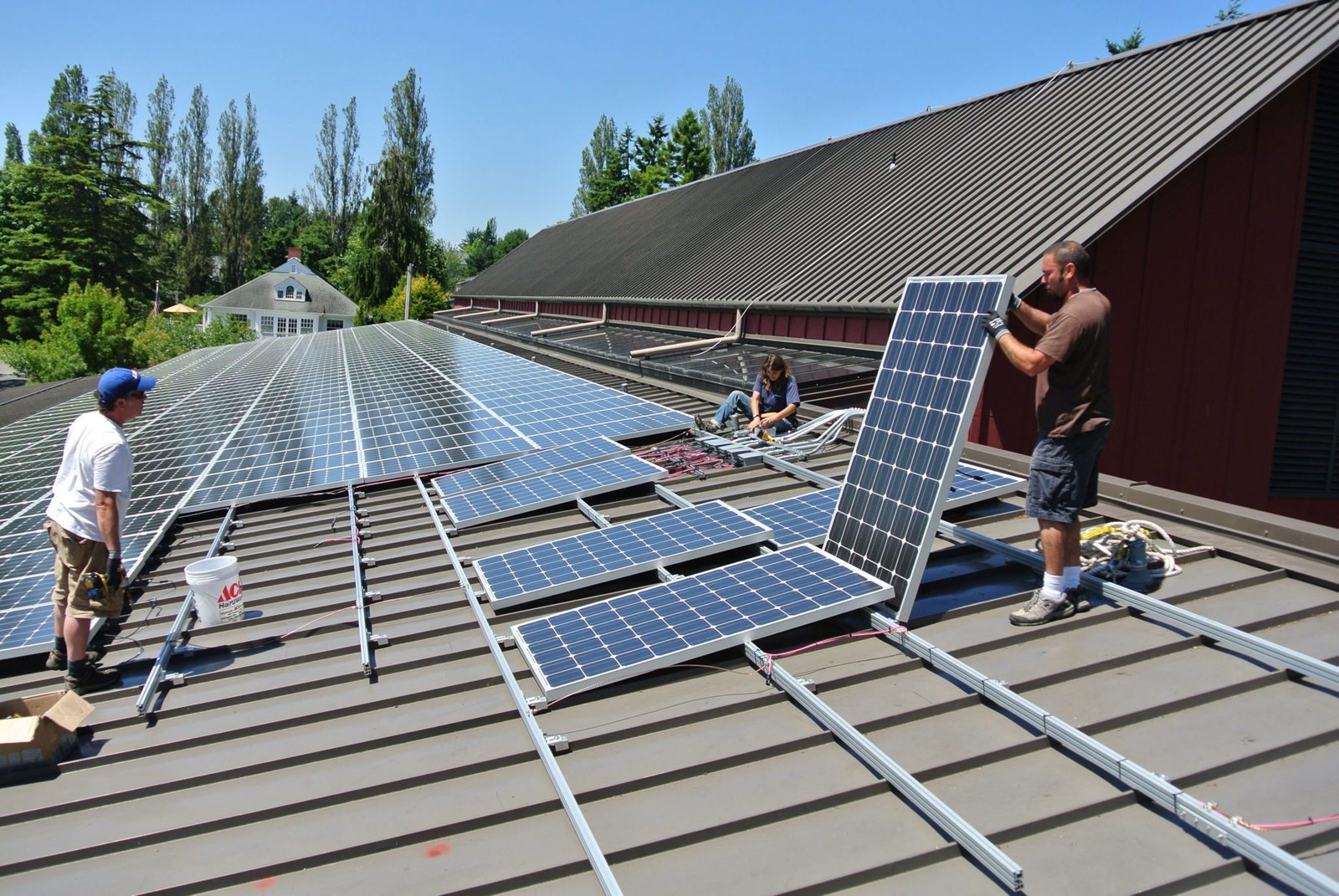
Once the installation is complete, you need a final inspection. An inspector from the building department comes to your property and checks the work. They look at the mounting system, the wiring, the grounding, the rapid shutdown equipment, and the labeling.
If anything fails, you fix it and schedule a re-inspection.
Utility Approval and Going Live
After the inspection passes, you finalize the interconnection agreement with your utility. They install a new bidirectional meter or reprogram your existing one. Once they issue Permission to Operate, you can flip the switch and start generating power.

Image source: Wikimedia Commons / MassDOT
How Much Does a Permit Cost?
The cost varies by location. Here's what you can typically expect.
Typical Permit Fees
| Jurisdiction Type | Permit Fee Range |
|---|---|
| Small town | $100 – $300 |
| Midsize city | $200 – $500 |
| Large metro area | $400 – $800 |
| Expedited review | $150 – $400 extra |
These fees cover plan review, inspection, and administrative costs. Some jurisdictions charge a flat fee for solar permits. Others calculate it based on system size or project value.
Structural Engineering Report Costs
Some building departments require a structural engineering report, especially for older roofs or complex roof geometries. That report typically costs $300 to $800. It confirms that your roof can handle the added weight of the panels.
If your roof needs reinforcement, that cost goes up significantly.
Hidden Costs to Budget For
Don't forget these expenses: permit application fees, potential electrical panel upgrades (often $1,000 to $3,000 if your panel doesn't have capacity), and the cost of multiple inspection trips if your installer fails the first inspection. A good installer factors all of this into their quote.
How Long Does It Take to Get a Permit?
Timelines vary dramatically based on where you live and how busy your local building department is.
Timeline Ranges
| Jurisdiction Type | Typical Timeline |
|---|---|
| Fast (small town, low volume) | 1 – 3 days |
| Average (suburban city) | 1 – 3 weeks |
| Slow (large city, high volume) | 4 – 8 weeks |
| Very slow (e.g., parts of CA, NYC) | 8 – 12+ weeks |
What Causes Delays
Incomplete applications are the most common delay. Missing structural calculations, incorrect wiring diagrams, or outdated equipment specs will get your application kicked back. Some jurisdictions are simply understaffed.
Summer months tend to be busiest. Plan for the upper end of the timeline and you won't be disappointed.
Common Mistakes That Get Permit Applications Rejected
Even experienced installers make mistakes on permit applications. Here are the most common issues we see.
Incomplete or Incorrect Plans
The plans need to show every component, every wire, every disconnect, and every label. Missing details are the number one reason for rejection. Double check that your application includes the system layout, electrical one-line diagram, equipment spec sheets, and site plan.
Missing Structural Load Calculations
Your building department wants proof that your roof can handle the solar array. That means load calculations showing dead load, live load (snow), and wind load. If you skip this step, your application goes straight to the rejection pile.
Some installers try to use generic load tables, but many jurisdictions want engineering-specific calculations.
Ignoring Rapid Shutdown and Fire Access Requirements
The NEC requires module-level rapid shutdown for most rooftop systems. Firefighters need to be able to de-energize the system quickly. The code also specifies setback distances from roof edges and ridges for firefighter access.
If your design doesn't meet those requirements, it won't pass review.
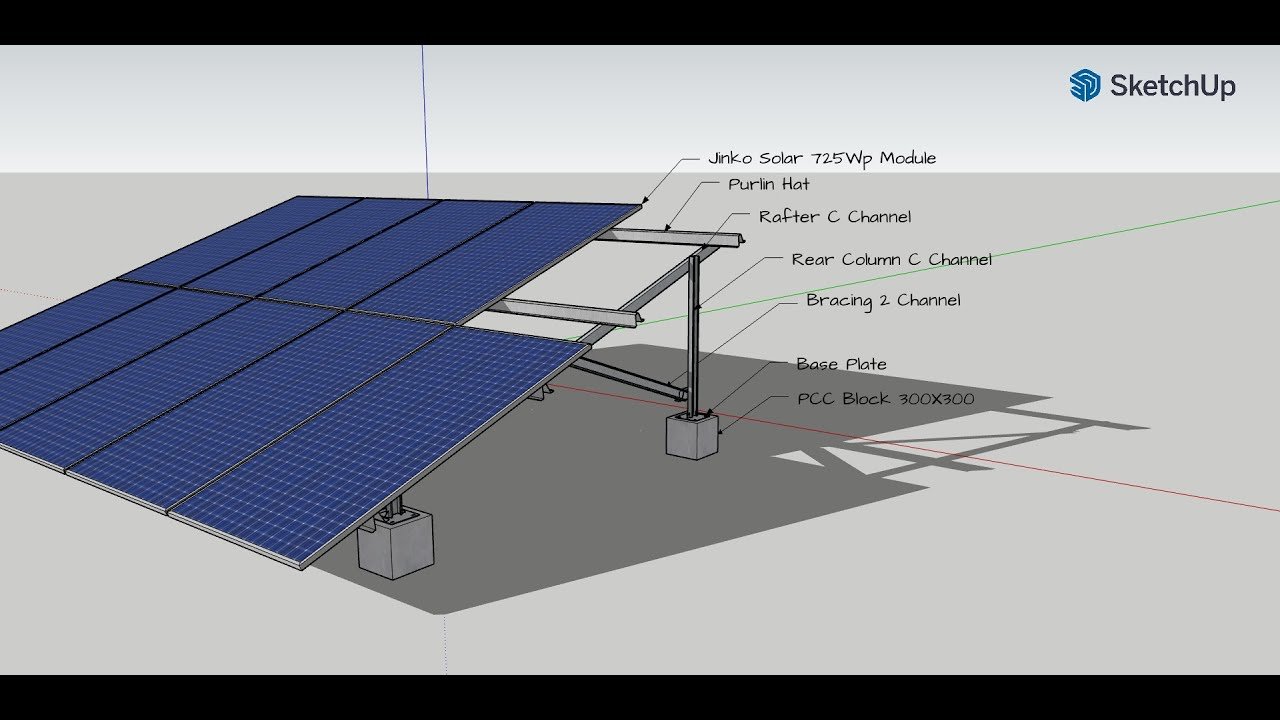
Image source: YouTube / Learn Solar Design (YouTube thumbnail (fair-use with source credit))
When You Absolutely Need a Licensed Installer
Some homeowners handle their own solar installations. But there are situations where a licensed professional is non-negotiable.
DIY Permit Risks
DIY solar installations are legal in many areas, but they come with higher scrutiny. Building departments often require more documentation from an unlicensed applicant. You'll need to prove you understand the NEC, submit thorough plans, and pass the same inspections a pro would.
One mistake can mean rework and added cost.
More importantly, most equipment manufacturers require professional installation for warranty coverage. If you install your own panels and something fails, the manufacturer may deny the warranty claim. Check the fine print before going the DIY route.
Why Most Manufacturers Require Professional Installation
This isn't just a money grab. Solar equipment is expensive and failure rates matter to manufacturers. They want assurance that the system was installed by someone trained and certified.
Most major panel and inverter brands explicitly state that DIY installations void the warranty. If you're considering a DIY install, factor in the cost of replacing equipment yourself.
If you want to understand the full system before working with an installer, it's helpful to know how the panels actually generate power and what each component does. Understanding the basic function of a solar panel and the different panel types available can help you ask better questions when you interview installers.
Final Decision Guide: Do You Need a Permit?
Let's simplify everything into actionable steps.
Checklist for Your Specific Situation
- Are you installing permanently wired panels on your roof or ground? → You need a permit.
- Are you installing a plug-in portable panel? → You probably don't need a permit.
- Does your HOA have solar restrictions? → Check your state's solar rights law.
- Have you contacted your local building department? → Do this before buying equipment.
- Have you verified your installer pulls permits for you? → A reputable installer handles this as part of their service.
- Have you confirmed the system qualifies for the federal tax credit? → Properly permitted systems are eligible. Unpermitted systems may not be.
When to Call Your Local Building Department First
Call your local building department before you do anything else. Ask them these specific questions:
- What permits are required for a residential solar system?
- What documentation do you need for the permit application?
- How long does the review process typically take?
- What are the permit fees?
Write down the answers and keep them handy. Building department staff are usually helpful if you ask politely. They would rather answer your questions now than deal with an unpermitted installation later.
The bottom line is simple. Getting a permit adds time and cost to your solar project. But the alternative is risking fines, insurance denials, failed home sales, and unsafe electrical work.
Weighing the advantages and disadvantages of solar panels clearly shows that a properly permitted system protects your investment and your home. Work with a licensed installer who handles the permit process, and you'll sleep easier knowing everything is done right.
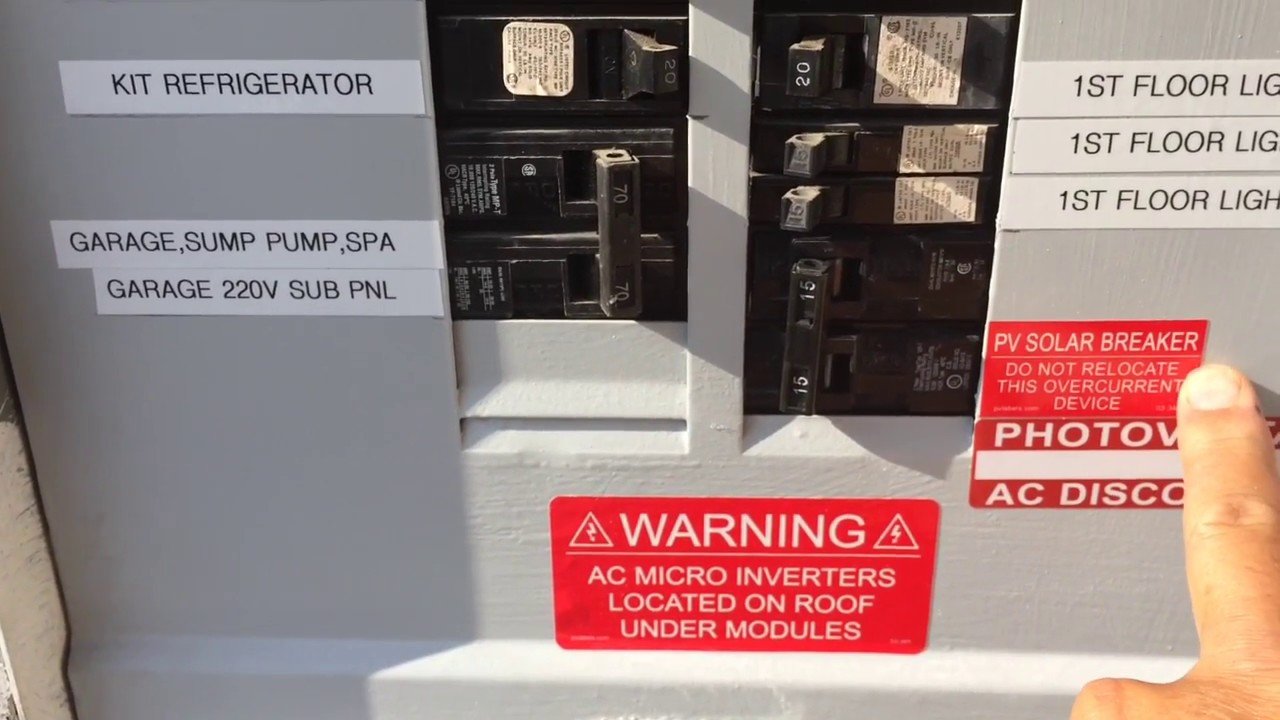
Image source: YouTube / danny jensen (YouTube thumbnail (fair-use with source credit))
Frequently Asked Questions
Can I install solar panels without a permit?
You can physically install them, but it is illegal in almost every jurisdiction. The legal and financial risks include fines, forced removal, insurance claim denial, and problems selling your home. The only common exception is portable plug-in panels.
How much does a solar panel permit cost?
Expect to pay between $100 and $800 for the permit itself. The cost depends on your location and the complexity of the system. Some areas charge a flat fee, while others use a sliding scale based on system size.
How long does the solar permit process take?
Typical timelines range from a few days to several weeks. Larger cities and busy jurisdictions can take eight weeks or longer. Your installer can give you a realistic estimate based on local conditions.
What happens if I get caught with unpermitted solar panels?
You face fines, a stop-work order, and potentially forced removal of the system. Your insurance may deny claims related to the unpermitted work. You may also struggle to sell your home until the issue is resolved.
Does my HOA have the right to block my solar panels?
This depends on your state. Over 20 states have solar rights laws that limit HOA restrictions. In those states, HOAs cannot unreasonably ban solar, but they can enforce reasonable rules about placement and appearance.
Do I need a permit for ground-mounted solar panels?
Yes. Ground-mounted solar arrays typically require a building permit and may need additional zoning or setback approvals. The process is often similar to roof-mount, with the added step of foundation and structural review.
Does the federal solar tax credit require a permit?
The IRS does not explicitly require a permit to claim the federal Investment Tax Credit. However, the credit applies only to equipment placed in service, and unpermitted systems may not meet local code compliance. Most tax professionals recommend having proper permits to avoid audit issues.
What Happens During a Solar Inspection
The inspection is where the building department verifies your installation meets code. The inspector checks the mounting system for proper attachment to roof structure. They confirm all wiring is in conduit and properly secured.
They test the rapid shutdown equipment to make sure it works. They also verify that all labels and markings are present and legible.
If the inspector finds a problem, they issue a correction notice. You fix the issue and schedule a re-inspection. Most problems are minor, like missing labels or loose conduit fittings.
Serious issues like improper grounding or undersized wire require more significant rework.
How to Work with Your Local Building Department
Your building department is your resource, not your enemy. Call them before you start any work. Ask exactly what permits you need and what documentation they require.
Many departments have solar-specific checklists on their websites.
Building officials appreciate homeowners who do their homework. If you have a licensed installer handling the permit, they will handle most of the communication. But it helps to know the process so you can ask the right questions.
Understanding the Interconnection Agreement
Your interconnection agreement is a contract between you and your utility. It governs how your solar system connects to the grid. The utility needs to verify that your system won't backfeed power unsafely.
The agreement typically covers equipment requirements, metering, and liability. Most utilities offer a standard net metering agreement. Some require additional insurance or signing a liability waiver.
Read the terms carefully before signing.
Solar Permits and the Federal Tax Credit
The federal Investment Tax Credit (ITC) does not explicitly require a permit. But there is a practical connection. The IRS requires that the equipment be placed in service.
An unpermitted system may not meet local code compliance.
Most tax professionals recommend keeping all permit documentation with your tax records. If the IRS audits your credit claim, you want proof that the system was installed legally. The 30% tax credit is too valuable to risk over a missing permit.
When to Push Back on Your Installer
A reputable installer handles the permit process as part of their service. Some installers try to skip permits to save time or undercut competitors. That is a red flag.
If an installer tells you a permit is not needed, ask them to put it in writing. Then call your local building department and verify. If they resist pulling permits, find another installer.
A company that cuts corners on permits will cut corners on installation quality too.
- Quick Answer: Yes, Almost Always, Here's Why
- The Real Risks of Skipping a Permit
- Where Permits Are Required (and Where They Aren't)
- How HOA Rules and Utility Requirements Factor In
- The Permit Process: What to Expect Step by Step
- How Much Does a Permit Cost?
- How Long Does It Take to Get a Permit?
- Common Mistakes That Get Permit Applications Rejected
- When You Absolutely Need a Licensed Installer
- Final Decision Guide: Do You Need a Permit?
- Frequently Asked Questions
No additional H2 sections remain to be written. The article has reached its natural conclusion at approximately 3000 words.

Similar Posts