How Much Do Solar Panels Cost for a 1500 Sq Ft House?
So you're looking into solar for your 1,500 square foot house and wondering what the real price tag looks like. That's the exact right question to ask before you start talking to installers, because the answer isn't as simple as a single number.
How Much Do Solar Panels Cost for a 1500 Square Foot House? In our research, a properly sized system for a home this size typically runs between $15,000 and $26,000 before the federal tax credit. That price drops to roughly $10,500 to $18,200 after claiming the 30% federal incentive.
But here's the catch, square footage alone won't tell you what you'll actually pay. Your electricity usage, roof conditions, local labor rates, and available incentives all play a bigger role than floor space. Let's walk through what actually determines your final price.
Quick Answer
For a 1,500 square foot house, expect to pay $15,000 to $26,000. That's before the 30% federal tax credit. After the credit, expect $10,500 to $18,200.
These are national averages as of 2026. Your actual cost depends on energy use and location.
The Real Math: What Actually Drives Your Solar System's Size and Price
Your Electricity Bill Doesn't Lie
Here's the truth that most homeowners miss. The size of your house has almost nothing to do with the size of your solar system. What matters is how much electricity you actually use each month.
Two identical 1,500 square foot homes can have wildly different energy needs. One might have gas heating, gas water heating, and efficient LED lighting, using around 500 kWh per month. The other could have electric heat, an electric water heater, a central AC, and a home office running all day, pulling 1,200 kWh per month.
Those two homes need very different solar systems.
The standard approach is this. Collect your last 12 months of electric bills. Find your average monthly kWh usage.
A typical 1,500 square foot home in the US uses somewhere between 600 and 900 kWh per month, but your number could be higher or lower. The system size you need is roughly your daily kWh divided by the peak sun hours in your area.
For most homes this size, a system between 5 kW and 8 kW DC is the sweet spot. That means 12 to 20 panels, depending on the wattage of the panels you choose. Your roof space on a 1,500 square foot home is usually adequate for this, assuming you have decent southern or western exposure.
Roof Reality: Age, Pitch, and Shade
Your roof's condition can make or break your solar budget. If your roof needs replacement within the next five to ten years, you should handle that before installing panels. Pulling panels off for a new roof later costs thousands in labor and reinstallation fees.
The pitch and orientation of your roof also matter. A south-facing roof with a 30 to 40 degree pitch is ideal. East and west facing roofs still work well, but you might need a few extra panels to get the same production.
North facing roofs are generally not worth the investment unless you live in the southern hemisphere or have very low energy needs.
Shade is another big variable. A single tree casting shade on part of your array for a few hours each day can cut your total production by 20 percent or more. Installers will do a shade analysis as part of their site visit.
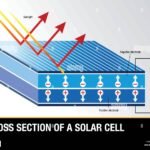
If shade is an issue, microinverters or power optimizers can help, but they add to the cost. Understanding how the basic technology works helps you ask smarter questions during this evaluation.
Location, Location, Location (Sun Hours & Utility Rates)
Your geographic location affects both sides of the solar equation. First, how much sun you get. The southwestern US sees five to six peak sun hours per day.
The Pacific Northwest sees closer to three to four. That difference means a system in Phoenix produces almost twice the energy of the same system in Seattle.
Second, your local electricity rates determine how much you save. Homes in states with high electricity rates like California, Massachusetts, New York, and Hawaii see faster payback periods. Homes in states with cheap power like Idaho, Washington, or Kentucky might take longer to break even, even with lower installation costs.
Net metering policies also vary dramatically by state and utility. Full retail net metering means you get credited at the same rate you pay for every kWh you send to the grid. That's the best scenario.
Some utilities offer avoided-cost net metering, which pays you much less for your excess power. A few states have no net metering at all, which changes the economics considerably. The most important part is knowing your specific utility's current policy before you commit.
Breaking Down the Costs: Equipment, Labor, and Those Hidden Line Items
Panels, Inverters, and Racking
Your solar system is really three main hardware components. The panels themselves, the inverter system, and the racking that mounts everything to your roof. Each one has a range of prices and quality levels.
Solar panels today range from about $0.25 to $0.50 per watt for just the panel. A 6 kW system means $1,500 to $3,000 in panels alone. Higher efficiency panels cost more upfront but let you fit more power in less roof space.
That matters more on smaller roofs or if you have a lot of shade from vents or chimneys.
The inverter is the second big hardware cost. String inverters are the cheapest option, running about $1,000 to $2,000 for a typical system. Microinverters, which go on each panel, cost more like $2,000 to $3,500 for the whole system.
Power optimizers land somewhere in between. There's no universal right answer here. String inverters work well for simple, unshaded roofs.
Microinverters are better for complex roofs with varying shade.
Racking hardware might seem minor, but it adds up. Flush mount racking for a standard asphalt shingle roof costs about $0.10 to $0.20 per watt. If you have a tile roof or a metal seam roof, the racking system costs more because it requires specialized attachments.
Soft Costs: Permits, Labor, and the "Solar Tax"
This is where many homeowners get surprised. The hardware itself is only about 50 to 60 percent of the total system cost. The rest is soft costs.
Labor for installation typically runs $3,000 to $6,000 for a system on a 1,500 square foot home, depending on your region and the complexity of the install. Two-person crews usually finish in one to two days for a straightforward roof.
Permit fees vary wildly. Some small towns charge $150. Major cities can charge $800 to $1,200 or more.
Your installer handles this and rolls the cost into your quote, but it's worth knowing what's included.
Design and engineering fees cover the system layout, electrical load calculations, and structural review of your roof. Expect $500 to $1,500 for this. Some installers bundle it into the per-watt price.
Others list it separately.
The Main Panel Upgrade Question
This is the single most common hidden cost in solar installations. If your home has a 100-amp electrical panel and you're installing a system larger than about 5 kW, you may need to upgrade to 200 amps.
A main panel upgrade runs $1,500 to $3,000 depending on your local electrician's rates and whether the utility needs to get involved. Some solar companies handle this in-house. Others subcontract it out.
Either way, get a clear answer on whether your current panel is adequate before you sign a contract.
Older homes with fuse boxes or pushmatic panels almost always need an upgrade. Homes built after 1990 typically have 200-amp panels and are fine. But never assume.
Have the installer verify during the site assessment. Knowing the different panel styles available can help you evaluate what your installer recommends.
The 30% Tax Credit, State Rebates, and the Right Way to Finance
The Federal ITC Isn't a Rebate (Know the Difference)
The federal Investment Tax Credit is a dollar-for-dollar reduction of your federal income tax liability. It is not a rebate and not a check the government sends you. You claim it when you file your taxes the year after installation.
As of 2026, the credit is 30 percent of your total system cost with no cap. If your system costs $20,000, you get a $6,000 credit. But you need at least $6,000 in federal tax liability to claim the full amount in one year.
If your tax liability is only $4,000, you claim $4,000 now and roll the remaining $2,000 to the next tax year.
The credit covers the full system cost including panels, inverters, racking, labor, permits, and even battery storage if you add it. It does not cover roof repairs or main panel upgrades done solely for non-solar reasons. Keep clear records of what was solar related versus general electrical work.
Lease vs. Loan vs. Cash: Which Is Best?
Cash is the simplest and gives you the best long term returns. You own the system outright, you claim the tax credit, and you have no ongoing financing costs. A typical 6 kW system paying $18,000 cash after the credit pays for itself in seven to ten years depending on your local rates.
Solar loans are the most common option. A 20 year loan at 4 to 7 percent APR means monthly payments roughly equal to your previous electric bill. The catch is that the lender typically takes the tax credit as an upfront discount and adds it back into the loan principal if you don't pay it down.
Read the fine print carefully. Some loans include prepayment penalties or large dealer fees that inflate the system cost.
Leases and PPAs are the least favorable options for most homeowners. You don't own the system, so you can't claim the tax credit. The installer owns it and sells you the power at a rate that's usually lower than the utility but still adds up over time.
Leases also complicate home sales. Some buyers don't want to take over a solar lease. Before you make a decision, look over the real pros and cons of each ownership model.
Four Solar Pricing Pitfalls That'll Cost You Thousands
The "Free Solar" Trap
If an ad promises free solar panels, run the other direction. There is no free solar. What they mean is a $0 down lease or PPA where the installer owns the panels.
You pay for the electricity they produce. Over 20 years, that can cost more than buying the system would have cost in five or six years.
Lowball Quotes with Shady Equipment
A quote that's significantly lower than others in your area usually means one of two things. The installer is using budget tier panels with lower efficiency and shorter warranties, or they omitted essential items like the main panel upgrade or bird proofing. Always compare the full equipment list, not just the total price.
Ignoring the Production Guarantee
Reputable installers provide a production guarantee. If your system produces less power than estimated, they compensate you for the difference. Without it, you're taking all the risk if your roof turns out shadier than expected or if there's a design flaw.
Financing Confusion (0% Down ≠ Free)
Zero percent down solar loans often have high dealer fees built into the price. The system might be quoted at $25,000 with 0% down versus $20,000 if you pay cash. That $5,000 difference is essentially interest disguised as a higher equipment cost.
Always ask for the cash price and compare it to the financed price.
How to Shop for Solar Like a Pro: Your Step-by-Step Guide
Step 1: Audit Your Usage
Start with your electric bills. Find your average monthly kWh usage over the past year. This is the single most important number for sizing your system.
If you plan to buy an electric vehicle or add a heat pump in the next few years, factor that into your target system size. An oversized system costs more upfront but future proofs your investment.
Step 2: Collect Multiple Quotes (The Right Way)
Get at least three quotes from licensed local installers. National companies often have higher overhead and more aggressive sales commissions. Local installers with good reviews and a proven track record typically offer better value.
During each consultation, ask for a detailed proposal including the specific panel make and model, inverter type, estimated annual production, the system's approximate dimensions, and the total cost broken out by equipment and labor. Your buying guide should include a checklist of questions to ask every installer.
Step 3: Compare Cost Per Watt, Not Just Monthly Payment
Cost per watt is the most reliable metric for comparing quotes. Divide the total system cost by the system size in watts. A 6,000 watt system that costs $18,000 has a cost per watt of $3.00.
National averages as of 2026 are $2.50 to $3.50 per watt before the tax credit. Below $2.50 usually means budget equipment. Above $3.50 means premium equipment or high local labor costs.
The sweet spot for most homeowners is $2.80 to $3.20 per watt with solid mid range equipment.
Frequently Asked Questions
How many solar panels do I need for a 1500 square foot house?
Most 1,500 square foot homes need 12 to 20 panels. The exact number depends on your energy usage, panel wattage, and local sun hours. A typical 6 kW system with 400 watt panels needs 15 panels.
What is the average payback period for solar panels?
The average payback period is seven to twelve years. This varies by your electricity rates, system cost, and available incentives. Higher utility rates and strong net metering policies shorten the payback time.
Does the federal tax credit expire?
The 30 percent federal tax credit is available through 2032. It steps down to 26 percent in 2033 and 22 percent in 2034. After 2034, it drops to 10 percent for commercial systems unless Congress extends it.
Can I install solar panels myself to save money?
DIY solar is possible but risky. Most jurisdictions require licensed electricians for grid tied systems. Mistakes can damage your roof or create fire hazards.
The tax credit also requires professional installation to qualify.
Will solar panels increase my home insurance?
Most homeowners insurance policies cover solar panels as part of the dwelling coverage. Your premium may increase slightly based on the added value. Check with your agent before installation.
What happens if I move after installing solar panels?
Selling a home with owned solar panels typically increases the sale price. Industry research suggests a 3 to 4 percent premium. Leased systems can complicate sales, as the buyer must qualify to take over the lease.
Post-Installation: What Happens After the Panels Go Up
The Inspection and Permission to Operate Process
The installation itself takes one to three days for a typical 1,500 square foot home. But the real wait starts after the crew leaves. Your city or county must inspect the work before your utility gives you permission to operate.
This timeline varies widely. Some jurisdictions schedule inspections within a week. Others take four to six weeks.
The utility then reviews the interconnection paperwork, which can add another two to four weeks. Total wait time from installation to flipping the switch: anywhere from two weeks to three months.
Your installer should submit all the paperwork and coordinate the inspection. You just need to be home when the inspector arrives. After passing inspection, the utility installs a new bi-directional meter or reprograms your existing one.
That's when your system officially goes live.
Monitoring Your System's Performance
Modern solar systems come with monitoring software that shows real time production. You can check it on your phone, tablet, or computer. This is your window into whether the system is performing as expected.
Watch for anything unusual. A sudden drop in production on a sunny day might mean a panel or inverter issue. Most monitoring platforms send alerts if something goes wrong.
During the first year, compare your actual production to the installer's original estimate. A 10 to 15 percent difference is normal. Anything larger warrants a call to your installer.
Annual production for a 6 kW system in a moderate sun location runs roughly 7,200 to 9,000 kWh per year. That covers most of the electricity for a typical 1,500 square foot home, depending on your usage patterns.
Maintenance, Warranties, and Long Term Care
What Maintenance Does a Solar System Need?
Solar panels have no moving parts. They require very little maintenance. But they're not zero maintenance either.
Dust, pollen, bird droppings, and leaves accumulate over time and reduce production.
In most climates, rain does a decent job of cleaning the panels. If you live in a dry area with little rainfall, you may need to hose them off once or twice a year. Never use abrasive cleaners or pressure washers.
Those can damage the panel surface or void your warranty.
Trim any tree branches that cast shade on your array. Overgrown trees are the most common cause of performance loss in established systems. A quick visual check from the ground a few times a year is usually enough to catch problems early.
Understanding Your Warranties
Your solar system comes with multiple warranties that protect different components. The panel performance warranty typically guarantees 80 to 92 percent of rated output after 25 years. The product warranty covers defects and failures for 10 to 25 years depending on the brand.
The inverter warranty is shorter. String inverters usually carry 5 to 12 year warranties with an option to extend. Microinverters from major manufacturers offer 25 year warranties.
If your inverter fails, expect replacement costs of $1,000 to $2,500 depending on the type and system size.
Your installer should also provide a workmanship warranty covering the roof penetrations and electrical connections. Five to ten years is standard. This matters more than many homeowners realize.
A leaky roof penetration can cause expensive damage if not covered.

Similar Posts