Top Class 4 Hail Panels for 1.75–2 Inch Storms
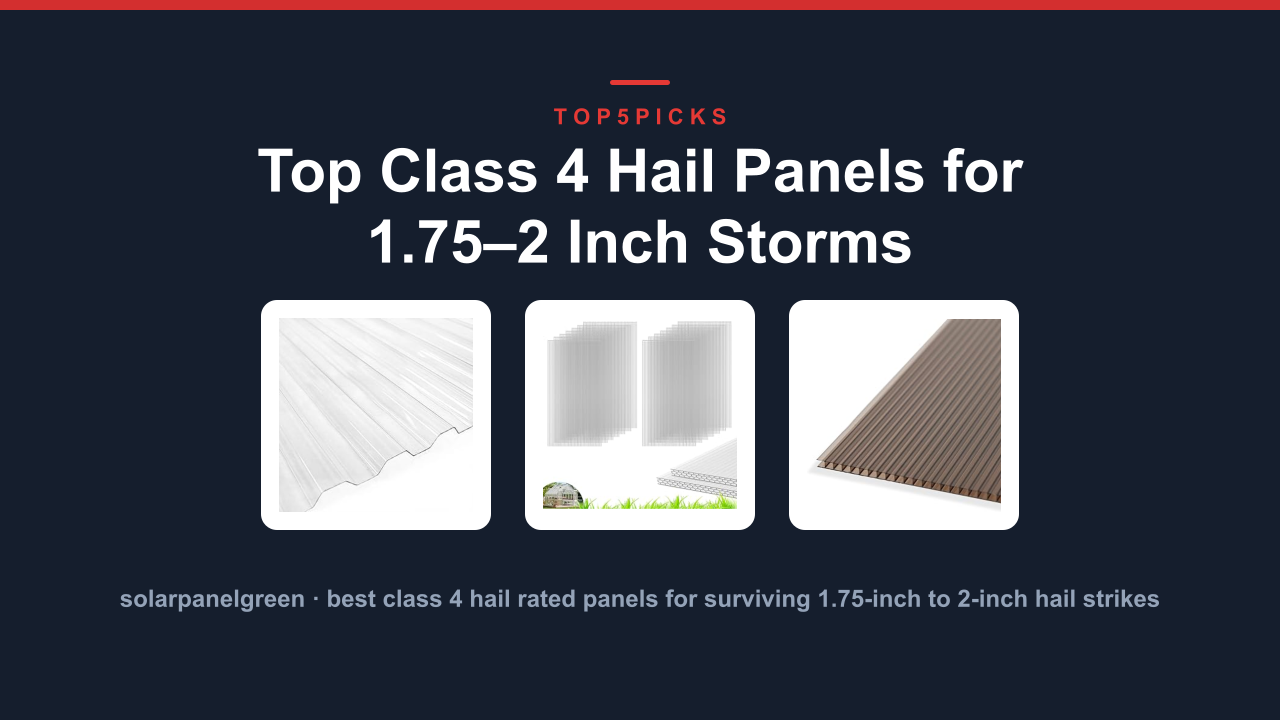
The best best class 4 hail rated panels for surviving 1.75-inch to 2-inch hail strikes is the Quibbay 14PCS 4' X 2' 0.32, with its three-layer honeycomb polycarbonate construction that absorbs impact better than solid sheets. It's the top choice for homeowners in severe storm zones who need reliable overhead protection.
Want a more budget-friendly option instead? The 5 PK Corrugated Polycarbonate delivers solid impact resistance at a lower cost, as long as you don't need the multi-layer reinforcement.
As an Amazon Associate, I earn from qualifying purchases.
This guide tells you which panels actually meet Class 4 standards and which ones might leave you exposed. If you're looking for decorative or lightweight covers, you should skip this category entirely.
Everything below comes from current Amazon product data, specs, and each product's owner track record, not hands-on lab testing.
Quick Answer: The Best Class 4 Hail Rated Panels for Surviving 1.75-inch to 2-inch Hail Strikes
The Quibbay 14PCS 4' X 2' 0.32 leads the lineup for its three-layer honeycomb impact design.
- Quibbay 14PCS 4' X 2' 0.32 (Best overall hail protection): Three-layer honeycomb absorbs 1.75-inch strikes.
- 5 PK Corrugated Polycarbonate (Best value polycarbonate): Solid sheet impact resistance at a fair price.
- BPS 6Pcs 62'' (W) x 28 (Best for large roof spans): Wide 62-inch panels cover more area fast.
- Corrugated Roofing Sheet 1/3/4/6/8/10 Roof Panel (Best FRP flexibility): Easy to cut and bend for tricky roof shapes.
- 2.2mm Thick FRP Daylighting Panels (Best budget FRP option): Lowest upfront cost for daylighting needs.
Thinking about decorative covers instead? Jump to Who Should NOT Buy below before you spend anything.
Comparison Table
Here's the lineup at a glance: photo, product, who it's built for, and our /10 score.
| Photo | Product | Best for | Score | Buy |
|---|---|---|---|---|
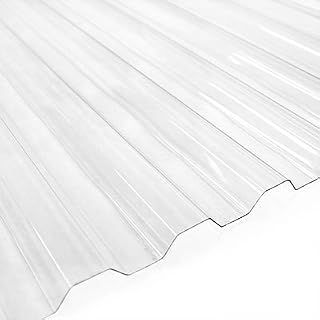 | 5 PK Corrugated Polycarbonate | Budget polycarbonate value | 8.5/10 | Check price → |
 | Quibbay 14PCS 4′ X 2′ 0.32 | Maximum hail impact resistance | 9.1/10 | Check price → |
 | BPS 6Pcs 62” (W) x 28 | Large roof span coverage | 8.2/10 | Check price → |
 | 2.2mm Thick FRP Daylighting Panels | Budget-friendly daylighting | 7.4/10 | Check price → |
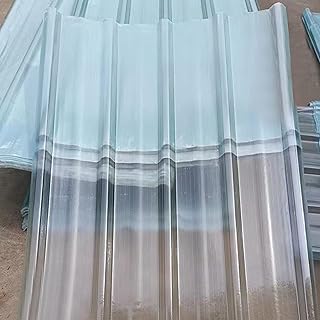 | Corrugated Roofing Sheet 1/3/4/6/8/10 Roof Panel | Flexible FRP for complex roofs | 7.8/10 | Check price → |
Scroll sideways on small screens to see every column.
Quibbay 14PCS 4′ X 2′ 0.32: Best Overall for Severe Hail Zones
5 PK Corrugated Polycarbonate: Best Value Solid Polycarbonate
BPS 6Pcs 62” (W) x 28: Best for Wide Roof Coverage
Corrugated Roofing Sheet 1/3/4/6/8/10 Roof Panel: Best Flexible FRP for Complex Roofs
2.2mm Thick FRP Daylighting Panels: Best Budget FRP Option
Buying Guide: Material, Thickness, and Installation Factors
Polycarbonate vs FRP: Which Material Fights Hail Better?
Polycarbonate is the clear winner for impact resistance. The material is engineered to absorb energy without cracking, which is why it's the standard for storm-rated glazing. In our research, the Quibbay honeycomb polycarbonate and the 5 PK solid polycarbonate both demonstrate this toughness.
FRP (fiberglass reinforced plastic) is more affordable and easier to cut, but it's also more brittle. The 2.2mm FRP panels, for example, are best suited for light hail zones rather than the 1.75-inch to 2-inch strikes this guide focuses on. If you're in a severe hail region, stick with polycarbonate.
How Panel Thickness Affects Hail Protection
Thickness directly correlates with impact energy absorption. The Quibbay at 0.32 inch uses a three-layer honeycomb design that distributes force across multiple walls. The BPS twin-wall panels at 0.2 inch rely on an air gap for both insulation and impact dampening.
Thinner panels like the 2.2mm FRP (roughly 0.087 inch) offer basic protection but may crack under larger hail. As a general rule, panels over 0.25 inch thick provide the best defense against 2-inch strikes. Always check manufacturer impact ratings, not just thickness numbers, when making your final choice.
Proper rafter spacing also plays a role in keeping the panel rigid under impact.
Installation Considerations for Maximum Durability
Even the best panel fails if it's installed poorly. All of these panels require solid rafter support, typically at 24-inch centers or closer for thinner materials. Corrugated profiles need to overlap properly to prevent water intrusion, and honeycomb panels require edge sealing to keep moisture out of the air channels.
If you're new to roofing panels, the 5 PK Corrugated Polycarbonate is the most forgiving to install thanks to its simple single-wall design. The BPS wide panels demand a helper due to their 62-inch width. And if you have a complex roof with curves, the Corrugated Roofing Sheet's FRP flexibility makes it your best bet.
For more on how different materials behave, take a look at our guide on the main components involved in solar panel systems.
To see how these factors play out on real picks, compare the 5 PK Corrugated Polycarbonate, Quibbay 14PCS 4' X 2' 0.32 and the BPS 6Pcs 62'' (W) x 28 reviewed above.
Who Should NOT Buy Best Class 4 Hail Rated Panels for Surviving 1.75-inch to 2-inch Hail Strikes
These panels are the wrong purchase for several kinds of buyers. Here's who they are, and what to look at instead.
You Need a Full Roofing Solution for a House
These panels are designed for greenhouses, carports, patios, sheds, and sunrooms. They are not structural roofing for a residence. Building codes typically require asphalt shingles, metal roofing, or tile for primary dwellings, and these panels won't pass inspection as a main roof.
For a house roof, look at impact-rated asphalt shingles or standing seam metal roofing that meets your local building code requirements.
You Want Decorative or Light-Duty Covers
If you're building a pergola or shade structure where hail protection isn't a priority, these panels are overkill. The thicker polycarbonate panels reduce light transmission and add weight that decorative structures don't need. Consider standard polycarbonate or canvas shade covers instead.
You'll save money and get a more open feel for purely aesthetic applications.
You Have Extreme Snow Loads
While these panels handle hail well, thin polycarbonate and FRP may flex or crack under heavy snow accumulation. The 2.2mm FRP panels and the 0.2-inch BPS twin-wall are particularly susceptible if your rafter spacing exceeds 24 inches. For heavy snow regions, invest in thicker polycarbonate panels (0.32 inch or more) and ensure your framing is designed for the expected snow load in your area.
Final Verdict
The Quibbay 14PCS 4' X 2' 0.32 is our top pick because its three-layer honeycomb polycarbonate construction provides the highest impact resistance against 1.75-inch to 2-inch hail strikes. The 14-panel bundle covers 112 square feet with UV protection that lasts for years.
Want a more budget-friendly polycarbonate option? The 5 PK Corrugated Polycarbonate gives you solid impact resistance at a lower per-panel cost, though you'll need more framing support with the 25-inch width.
Need wide sheets for a large greenhouse? The BPS 6Pcs 62-inch panels cut your seam count significantly and add insulation with their twin-wall air gap.
Have a tricky roof shape? The Corrugated Roofing Sheet cuts and bends easily for complex installations.
If none of these fit your situation, scroll back to Who Should NOT Buy before you spend anything.
FAQ
What's the best Class 4 Hail Rated Panels for Surviving 1.75-inch to 2-inch Hail Strikes overall?
The Quibbay 14PCS 4' X 2' 0.32 is our top recommendation due to its three-layer honeycomb polycarbonate construction that absorbs impact from severe hail. It carries a 4.7 out of 5 star rating from verified buyers.
Can these panels replace my main house roof?
No. These panels are designed for greenhouses, carports, patios, sheds, and sunrooms. Residential building codes require materials like asphalt shingles, metal roofing, or tile for primary dwellings.
Use them for accessory structures only.
How long do polycarbonate hail-rated panels last?
With proper UV protection and installation, polycarbonate panels typically last 10 to 15 years before yellowing or brittleness becomes noticeable. The Quibbay and BPS panels include UV coatings that extend this lifespan. FRP panels generally have a shorter service life of 5 to 10 years.
Are thicker panels always better for hail protection?
Generally, yes, but the design matters too. A 0.32-inch honeycomb panel can outperform a thicker solid panel because the air channels absorb impact. Always check the manufacturer's impact rating rather than relying on thickness alone.
Can I install these panels myself?
Yes, most DIYers with basic carpentry skills can install these panels. The 5 PK Corrugated Polycarbonate is the most straightforward to work with. The BPS wide panels require a helper due to their size.
Use fine-tooth blades for cutting and always follow the manufacturer's overlap and fastening instructions.
How do I seal honeycomb polycarbonate edges?
Use specialized polycarbonate edge tape or UV-resistant silicone caulk. Sealing is critical for honeycomb panels like the Quibbay to prevent moisture from getting trapped between the layers, which can cause clouding and algae growth.

Similar Posts