How to Safely Turn Off Your Solar Panels
You’re staring at your home solar system, wondering if you can safely shut it down for roof work or a storm. The question “How to Turn off Solar Panels?” is more complicated than it sounds because solar panels don’t really “turn off” in the traditional sense. As long as sunlight hits them, they generate voltage, even on cloudy days.
Per the National Electrical Code (NEC 690.12), modern residential systems must include rapid shutdown that drops DC voltage to under 30 volts within 30 seconds. But that automatic feature only works if every component is wired correctly and the shutdown device is actually triggered. Let’s break down what you really need to know before touching anything.
Why Shutting Off Solar Panels Isn’t Like Flipping a Light Switch
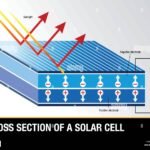
You flip a switch, the light goes out. Simple. Solar panels don’t work that way because photovoltaic cells convert light into electricity, they don’t store it.
Even after you throw every breaker in the house, the panels themselves keep producing DC voltage as long as the sun is shining on them.
Think of it like a garden hose connected to a spigot that’s always under pressure. Turning off the spigot (the inverter or disconnect) stops the flow downstream, but the hose from the panel to that switch remains live. That’s the part that catches homeowners off guard.
String inverters, microinverters, and systems with battery storage all behave a little differently. A typical residential array runs at 300 to 600 volts DC, plenty to cause serious injury or fire if you cut the wrong wire. So the first rule is: never assume the panels are dead just because your house lost power.
In our research, the most common misunderstanding is that flipping the main breaker kills everything. It doesn’t. The main breaker disconnects your home from the grid, but the solar panels stay energized up to the inverter’s AC side.
The real shutdown happens at the inverter and the separate DC disconnect.
If you want a deeper look at how these parts fit together, our guide on the main components of a solar panel explains the role of each piece.
The Core Facts: What Actually Happens When You “Turn Off” Solar
When you “turn off” a solar system, you aren’t stopping the panels from generating power. You’re isolating them from your home’s electrical system and from the grid. There are three main layers to this, and you need to address each one.
Layer 1, The inverter. Most modern inverters have a physical on/off switch or a digital shutdown function. Turning off the inverter stops it from converting DC to AC, so your house no longer gets solar power. But the DC wiring between the inverter and the panels is still live.
Layer 2, The AC disconnect. This is a switch between the inverter and your main panel (or the utility meter). It isolates the inverter from your home and the grid. Flipping this kills AC power flow but does nothing to the DC side.
Layer 3, The DC disconnect. This is the most important safety switch. It’s usually a lockable handle near the inverter or on the side of the house. Opening this disconnects the solar array from the inverter, cutting off the high-voltage DC supply.
However, even with the DC disconnect open, the wires from the panels to that switch remain energized.
If your system has battery storage, you also need to shut off the battery’s own disconnect. Hybrid inverters often combine battery and solar circuits, so consult the manufacturer’s manual.
The good news is that as of 2026, almost all new installations in the US include module-level rapid shutdown. That means each panel has a device that drops voltage to under 30 volts within 30 seconds when triggered by the inverter’s shutdown signal. But older systems or off-grid setups may not have this feature, so you can’t rely on it.
The Four Risk Zones You Need to Know About (Before You Touch Anything)
Before you reach for a switch, understand exactly what you’re dealing with. There are four danger zones that separate a safe shutdown from a disaster.
1. DC arcing. DC electricity doesn’t have a natural zero-crossing point like AC. If you pull a connector apart under load, it can sustain a white-hot arc that won’t stop until the current is physically interrupted.
That’s why you never disconnect a solar cable with the circuit live.
2. Capacitor discharge. Inverters and some disconnects contain capacitors that store charge even after the main power is cut. These can hold 300 volts or more for several minutes.
Touching the wrong terminal too soon can give you a jolt. Always wait at least five minutes after shutdown before working inside any enclosure.
3. Wet or damp conditions. Water can bridge live terminals and create a path to ground or through your body. Never operate disconnects or touch wiring during rain, snow, or morning dew.
Even condensation inside a combiner box can become conductive.
4. Two-way power flow. In a grid-tied system, the inverter can backfeed power onto the utility lines. Even if the grid is down, a properly functioning inverter should detect that and shut itself off (anti-islanding).
But older or malfunctioning equipment can still energize the grid, endangering utility workers. That’s why you always open the AC disconnect first.
These aren’t scare tactics, they’re real risks that electricians train for. If you’re unsure about any of these, take a moment to review the advantages and disadvantages of solar panels for context on why safety matters.
Step-by-Step: How to Safely De‑Energize Your System
Follow this exact sequence. Do not skip steps. Do not assume a previous step is enough.
- Turn off the inverter. Press the power button or flip its integrated switch (if present). Many inverters have a digital display that confirms it’s off. Wait for the screen to go dark.
- Open the AC disconnect. This is the switch between the inverter and your main panel. Flip it to the OFF position. Some disconnects require a lockable handle; pull it down firmly.
- Open the DC disconnect (if present). This is a separate switch on the DC side. If your system has only a rapid shutdown switch near the panels, activate that instead. For older systems with a separate DC breaker, open it now.
- Disconnect the battery (if you have one). Locate the battery’s own disconnect or breaker. Turn it off. Some systems use a dedicated battery combiner box, open its switch.
- Wait five minutes. This allows internal capacitors to discharge. Do not touch any terminals during this time.
- Verify with a non-contact voltage tester. Hold the tester near the DC wires (after the disconnect) and confirm no voltage is present. If it beeps or lights up, something is still live, do not proceed.
- Tag the disconnects. If you or someone else will be working on the system, place a lockout/tagout device or a simple “DO NOT TURN ON” sign to prevent accidental reconnection.
That’s it. Once you’ve confirmed zero voltage, the system is safe to work on. But remember: the panels themselves are still producing voltage.
Covering them with an opaque tarp can eliminate that risk, but never step on panels or work directly on the array unless you’re trained.
For a full breakdown of how each component fits into the system, our page on how solar panels generate electricity walks through the flow from sunlight to your outlets.
When You Should Absolutely Call a Licensed Electrician
Not every shutdown scenario is DIY-friendly. There are clear situations where you need to hire a professional. Here’s how to decide.
Call an electrician if:
- You need to disconnect the wiring inside a combiner box or junction box.
- Your system is older than 2017 and may not have rapid shutdown.
- You have a complex battery setup with multiple inverters or a high-voltage battery pack.
- You need to work on the roof near or directly on the solar array.
- The disconnects are unlabeled or you can’t identify each one.
- Your inverter is showing error codes or you suspect a fault.
- You are selling your home and need to disconnect for inspection, let a pro handle liability.
You can safely do it yourself if:
- You only need to isolate the inverter and flip the AC disconnect (e.g., for cleaning the inverter area).
- You are turning off the system for a grid outage (most inverters handle this automatically).
- You are simply checking that the shutdown works (press test button).
The NEC requires that any work on the DC side of a solar system be performed by a qualified person. Many home insurance policies also specify that unlicensed work voids coverage in the event of a fire or injury. Don’t risk it.
If you’re still weighing whether solar is right for your home, our solar panel buying guide covers what to look for when choosing equipment and installers.
Common Mistakes That Can Fry Your Inverter (or Worse)
The biggest mistake is skipping the AC disconnect before the DC disconnect. If you open the DC switch first while the inverter is still running, you can create a voltage spike that damages the inverter's internal components. Always follow the sequence: inverter off, AC disconnect open, then DC disconnect.
Another frequent error is trusting the inverter display to confirm shutdown. Some inverters show a blank screen even when internal circuits are still live. Always verify with a non-contact voltage tester at the DC wiring.
Never rely on screen status alone.
People also forget about capacitor discharge. Touching terminals immediately after shutdown can give you a nasty shock or arc flash. Wait at least five minutes, then test with a multimeter before handling any wiring.
A third trap is failing to label disconnects after a system upgrade. If you add battery storage or an additional inverter later, the original shutdown sequence changes. A professional installer should update your walkthrough.
If you're unsure which switch does what, stop and call an electrician.
Finally, never work on solar wiring in wet conditions. Moisture inside combiner boxes creates corrosion and shorts. Wait for dry weather.
If you must shut off during rain, only operate exterior disconnects that are rated for outdoor use and avoid touching any exposed terminals.
Frequently Asked Questions
Can I just flip the main breaker to turn off my solar panels?
No. The main breaker disconnects your home from the utility grid but leaves the DC side of your solar system energized. The inverter and panels still produce power.
You must use the dedicated AC and DC disconnects to fully isolate the system.
Do solar panels still produce power when they’re turned off?
Yes. Panels generate voltage whenever light hits them. Shutting off the inverter and disconnects only stops the flow of electricity downstream.
The DC wiring up to the disconnect remains live. Covering panels with an opaque tarp can stop generation if needed.
How long does it take for solar panels to discharge after shutdown?
Capacitors in the inverter and combiner box can hold charge for two to ten minutes depending on the brand. A good rule is to wait five minutes before touching any wiring. Always verify with a voltmeter before proceeding.
What happens if I turn off the DC disconnect first?
You risk damaging the inverter. Opening the DC side while the inverter is still converting power can create a voltage surge that burns out the inverter's internal power electronics. Always turn off the inverter first, then the AC disconnect, then the DC disconnect.
Is it safe to turn off solar panels during a storm?
Yes, it is safe for equipment and people. Shutting down the system during a lightning storm protects your inverter from power surges. Follow the standard shutdown sequence.
Do not go outside during active lightning; wait until the storm passes.
Do I need a professional to shut off my solar system every time?
No. For routine shutdowns like an outage or maintenance near the inverter, you can do it yourself safely by following the steps in this guide. Only call a professional when you need to access wiring inside enclosures, work on the roof, or if you cannot identify your disconnects.
The Bottom Line: Proceed With Respect, Not Fear
Shutting off solar panels is straightforward once you understand the equipment and the safety principles. The process is not dangerous if you follow the correct sequence and allow time for capacitor discharge. The real danger comes from assumptions and shortcuts.
Know your system type inside and out. Keep the manufacturer manual accessible. Label every disconnect clearly.
And if you ever feel uncertain, call a licensed solar electrician. A hundred dollar service call is cheaper than an emergency room visit or a fried inverter.
For a broader view of how these parts work together, our article on how do solar panels work covers the full electricity generation path from sunlight to your outlets.
Remember that your solar system is designed with safety features. Rapid shutdown devices, arc-fault protection, and anti-islanding circuits all help. But they only work if you use them correctly.
Treat your system with the same respect you would any high-voltage appliance. Follow the steps. Test before touching.
And never work alone in wet or poorly lit conditions.
That’s the complete guide. You now know exactly how to turn off your solar panels safely.

Similar Posts