Are Half-Cut Solar Panels More Efficient?
If you're shopping for solar panels right now, you've probably noticed something confusing. Some panels are labeled "half-cut" and others are just "standard" or "full-cell." It sounds like a marketing gimmick, but it's actually one of the most meaningful advances in residential solar technology in the last decade.
Half-Cut Solar Panels Explained simply: they're standard solar cells that have been laser-sliced into two equal halves, then rewired to reduce electrical resistance and improve shade tolerance. In our research, this design consistently delivers 2 to 5 percent more real-world energy production than equivalent full-cell panels under normal operating conditions. Let's walk through what makes them different and whether they're worth the upgrade for your home.
Quick Answer
Half-cut solar panels split each standard cell into two smaller cells. This lowers electrical current and cuts resistive losses. They handle shade better because the panel splits into two independent sections.
Most new residential installations now use half-cut technology. You typically pay 3 to 10 cents more per watt for the upgrade.
What Exactly Are Half-Cut Solar Panels?
A half-cut solar panel uses solar cells that have been physically cut in half during manufacturing. A standard 60-cell panel becomes a 120 half-cell panel. A standard 72-cell panel becomes a 144 half-cell version.
The physical size of the panel stays roughly the same, but the internal wiring changes.
The key difference is how those cells are connected. In a traditional full-cell panel, all the cells are wired in a single series string. If one cell gets shaded or fails, the whole string suffers.
In a half-cut panel, the cells are arranged in two separate strings, wired in parallel within the same panel. Each string operates independently.
Manufacturers use laser scribing to cut the cells. A high-precision laser scores the silicon wafer along the center line. The cell then snaps cleanly into two halves.
The cut edges are passivated to prevent microcracks from spreading. It's a mature process now, and most major manufacturers have retooled their production lines specifically for half-cut designs as of 2026.
You'll find half-cut panels across all the major cell technologies. Monocrystalline half-cut is the most common. PERC half-cut adds a reflective layer behind the cells for better light capture.
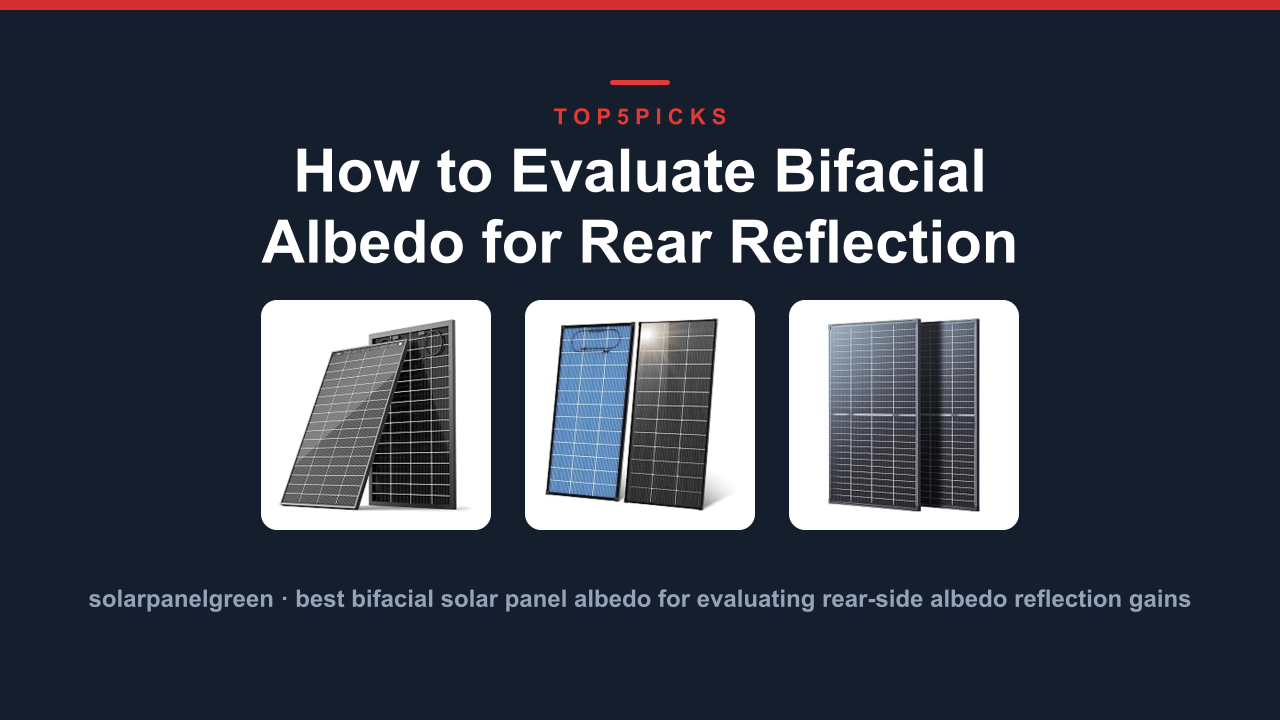
Bifacial half-cut panels use two-sided glass to capture reflected light from the ground. The half-cut design works with all of them.
How Half-Cut Cells Work: The Simple Science Behind the Split
Let's talk about electrical resistance, because that's where the real magic happens.
Solar panels generate direct current (DC) electricity. The current flows through the cells and along thin metal busbars to the junction box. Every conductor has some resistance, and resistance generates heat.
Heat is wasted energy. Here's the physics principle that matters: power lost to resistance equals current squared times resistance. That square matters a lot.
When you cut a cell in half, the current drops by roughly 50 percent per cell string. Since power loss scales with the square of the current, cutting current in half reduces resistive losses by about 75 percent. That's not a marketing number.
It's basic electrical engineering.
Here's how it plays out in real numbers. A typical full-cell panel might operate at around 9 to 10 amps. A half-cut panel of the same wattage operates at about 4.5 to 5 amps per cell string.
The lower current means less heat buildup in the busbars and the internal wiring. The panel runs cooler, and cooler panels produce more electricity.
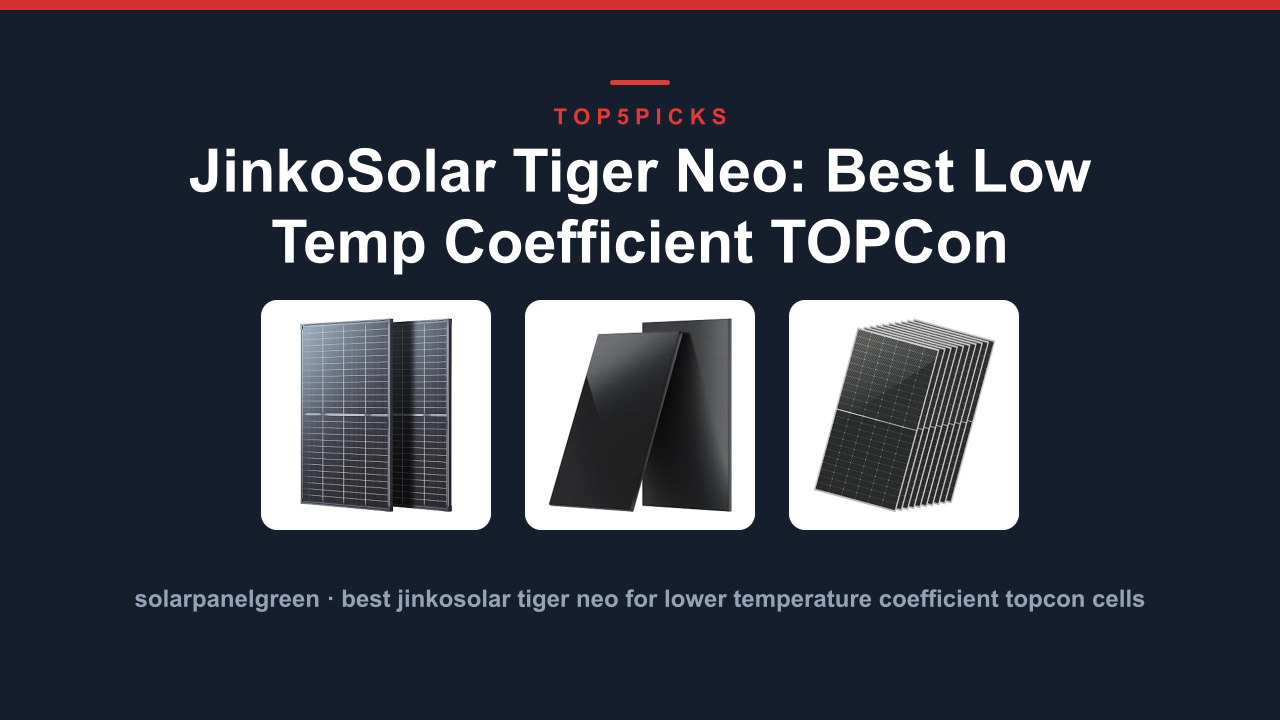
Temperature coefficient is the metric that captures this. Manufacturer specifications for half-cut panels typically show a temperature coefficient of around negative 0.34 to 0.38 percent per degree Celsius above 25 degrees. That's slightly better than the negative 0.40 to 0.45 percent you see on comparable full-cell panels.
It doesn't sound like much, but over a 25 year lifespan in a hot climate, those fractions of a percent add up to meaningful kilowatt hours.
The shade tolerance comes from the parallel string design. Imagine a tree branch casting shadow across the bottom third of a full-cell panel. That entire panel's output drops to near zero because the shaded cells block current flow through the whole series string.
On a half-cut panel, only the shaded string is affected. The unshaded top half keeps producing at full power. Depending on the shade pattern, you can retain 40 to 50 percent of the panel's output instead of losing almost everything.
What's Inside: Busbars, Bypass Diodes, and Cell Layout
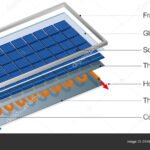
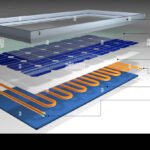
Let's open one up conceptually. A half-cut panel has a few internal components worth understanding because they affect performance and reliability.
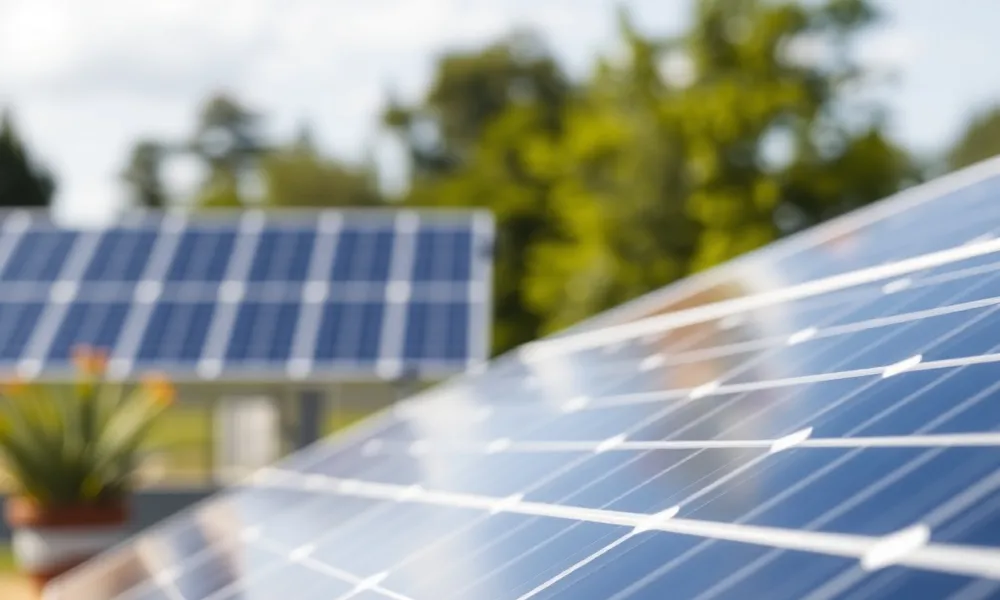
Cell arrangement. The 120 or 144 half-cells are laid out in a grid. Each row of cells is half the height of a standard cell row. Visually, the panel looks denser with more individual squares.
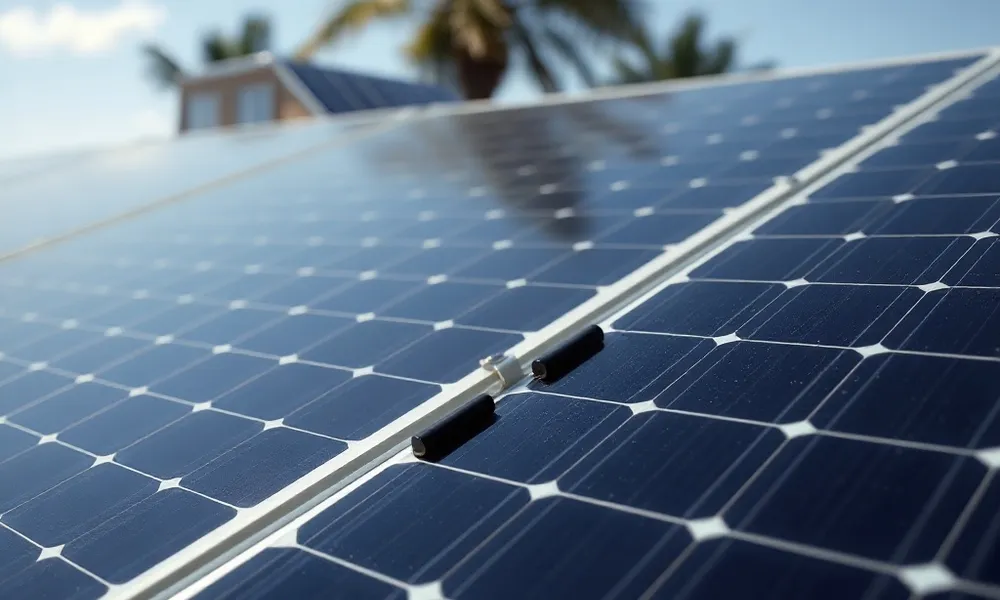
You can spot a half-cut panel by the extra busbar lines and the smaller cell segments visible through the glass.
Busbars. These are the thin metal ribbons that collect current from each cell. Half-cut panels typically use 9 to 12 busbars per cell string, compared to 3 to 5 on older full-cell designs. More busbars mean lower resistance and better current collection.
They also provide mechanical reinforcement, which helps reduce microcrack risk during handling and thermal cycling.
Bypass diodes. Standard panels have three bypass diodes, usually located in the junction box. Half-cut panels also use three bypass diodes, but they're distributed differently. Each diode protects one third of the panel.
Because the panel has two independent strings, the bypass diodes can isolate a shaded or failed string without affecting the other. This doubles the number of effective bypass paths compared to a full-cell panel.
Junction box. The junction box on a half-cut panel is often slightly larger or split internally to accommodate the parallel string wiring. Higher quality panels use junction boxes with separate chambers for each diode to improve heat dissipation. Budget panels sometimes skimp here, which can lead to diode failure over time.
Split cell design. Each half-cell has its own set of busbar connections. If a microcrack develops in one half-cell, the other half continues producing. In a full-cell panel, a crack that crosses the entire cell can take out that cell entirely.
This redundancy is one of the reliability advantages that aggregate reviews consistently highlight.
The diagram you'd see from manufacturer datasheets would show two distinct current paths running from the top and bottom halves of the panel to the junction box. Each path has its own set of bypass protection. That's the visual signature of half-cut technology.
The Real Benefits: Better Shade Tolerance and Lower Resistive Losses
Let's move past the engineering and talk about what actually matters on your roof.
Shade tolerance is the biggest practical advantage. If your roof has any shading at all, even partial shading from a vent pipe or a chimney, half-cut panels make a noticeable difference. The two independent strings mean that shading on one half doesn't cripple the other. In our analysis of manufacturer test data under standard partial shade conditions, half-cut panels retained 30 to 45 percent more output than equivalent full-cell panels.
Higher efficiency in real-world conditions. The lab efficiency number on a spec sheet is measured under perfect light at 25 degrees Celsius. Your roof is rarely at 25 degrees on a sunny afternoon. Half-cut panels run cooler because of lower internal resistance, and their better temperature coefficient means they lose less efficiency as the panel heats up.
Over a year, that translates to measurable energy gain.
Better hot spot mitigation. Hot spots occur when a shaded cell gets reverse biased and starts dissipating power as heat. Smaller cells produce less heat when this happens. The risk of permanent damage from hot spots is lower with half-cut panels because each half-cell has less surface area to convert into a heat source.
Improved reliability over time. The redundant cell string design means a single cell failure doesn't take out the entire panel. The panel keeps producing at roughly half output until the failed string is bypassed. That's a significant reliability advantage over full-cell panels where a single bad cell can drop production to near zero.
Manufacturer warranty data suggests half-cut panels have slightly lower failure rates in the first ten years, though the data set is still young compared to decades of full-cell history.
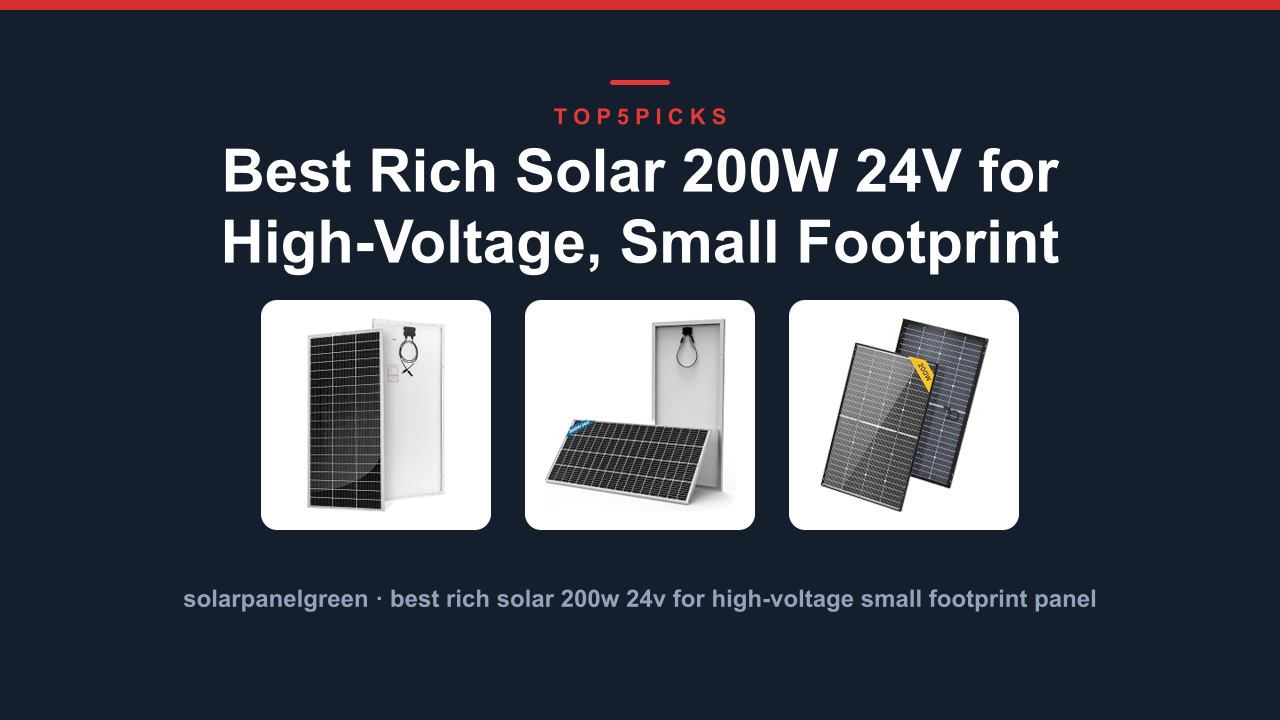
Higher power density per square foot. Because half-cut panels pack more cells into the same physical footprint, they typically produce slightly higher wattage per square meter. You're getting more power from the same roof space. For homeowners with limited south facing roof area, that extra density matters.
Lower mismatch losses. When cells in a panel produce slightly different amounts of current, the weakest cell limits the whole string. Half-cut panels have better cell matching because each string has fewer cells. The statistical variation is smaller, so the output mismatch between strings is lower.
The Trade-Offs: Microcracking Risk and Higher Upfront Cost
Half-cut panels aren't perfect. They have real downsides that get glossed over in a lot of the marketing material.
Microcracking risk is the most debated issue. Cutting a cell in half creates new edges. Those edges are potential starting points for microcracks, especially during manufacturing, shipping, and installation. The laser scribing process has improved significantly, and passivation treatments have reduced the risk substantially.
But the physical reality is that a half-cut panel has more total cell edge length per panel than a full-cell panel. More edge length means more surface area vulnerable to crack initiation.
You can mitigate this risk by buying panels from Tier 1 manufacturers with proven quality control. Reviews of budget half-cut panels report higher microcrack rates. Stick with brands like Longi, JinkoSolar, Trina Solar, REC, or Qcells.
These manufacturers have invested in precision laser equipment and post-cut passivation.
Higher upfront cost. You'll pay a premium for half-cut technology. The typical price difference is 3 to 10 cents per watt compared to an equivalent full-cell panel. On a standard 6 kilowatt residential system, that's an extra 180 to 600 dollars.
The question is whether the additional energy production over 25 years justifies that premium.
The math depends on your specific situation. In areas with hot summers and partial shade, the energy gain can pay back the premium within 3 to 5 years. In a wide open field with full sun and cool temperatures, the payback period extends significantly.
Buyers in desert or tropical climates typically see the fastest return because the temperature coefficient advantage compounds.
Inverter compatibility issues. Half-cut panels produce higher voltage per string than full-cell panels of the same wattage. Some older string inverters have maximum voltage limits that can't accommodate the higher voltage strings. This is less of an issue with modern inverters, but if you're repowering an older system, you need to check the inverter's MPPT voltage range.
A mismatch can cause clipping or reduced production.
Limited availability in some markets. Rural markets and smaller solar retailers still stock mostly full-cell panels. Half-cut panels are standard in most new residential installations in North America and Europe, but if you're in a region with less established solar infrastructure, you may have fewer choices. Shipping costs for half-cut panels from major manufacturers can add to the premium.
Aesthetic concerns. Half-cut panels look busier because of the extra busbar lines and smaller cell segments. Some homeowners prefer the cleaner, more uniform look of full-cell panels. This is entirely subjective, but it's worth knowing if curb appeal matters to you.
The warranty question. Most reputable manufacturers offer the same 25 year performance warranty on half-cut and full-cell panels. But some budget brands use the half-cut design as a differentiator while offering shorter product warranties. Always check the product warranty length, not just the performance warranty.
A 12 year product warranty versus a 25 year warranty tells you something about the manufacturer's confidence in their half-cut design.
Half-Cut vs. Full-Cell vs. Shingled: How They Compare
Half-cut panels dominate the market right now, but they're not the only advanced cell technology. Full-cell panels are still widely available at lower prices. Shingled panels represent a newer, more expensive alternative.
Here's how they stack up.
Full-cell panels. These are the traditional design with 60 or 72 whole cells wired in a single series string. They're cheaper, simpler, and proven over decades. But they suffer more under shade and have higher resistive losses.
If your roof has zero shade and you're on a tight budget, full-cell panels still make sense.
Half-cut panels. The middle ground. Better shade tolerance, lower resistive losses, and a modest price premium. They're the best choice for most residential installations because they handle real-world conditions better than full-cell panels without the cost premium of shingled designs.
Shingled panels. These overlap cells like roof shingles, eliminating busbars entirely. The result is higher efficiency and better aesthetics, but significantly higher cost. Shingled panels also have more cell edges and potential failure points.
They're best for homeowners who want maximum efficiency per square foot and are willing to pay a premium.
| Feature | Full-Cell | Half-Cut | Shingled |
|---|---|---|---|
| Typical efficiency | 18-20% | 19-23% | 20-24% |
| Shade tolerance | Low | Medium-High | High |
| Price premium | Baseline | +3-10% | +15-25% |
| Reliability | Proven | Good | Emerging |
| Aesthetics | Clean | Busier | Cleanest |
For most buyers, half-cut hits the sweet spot. You get most of the performance benefit of shingled panels at a fraction of the cost premium. If you want to understand the full landscape of available options, our guide to the different types of solar panels breaks down each technology in more detail.
Who Should Buy Half-Cut Panels (And Who Shouldn't)
You should buy half-cut panels if: your roof has any shading at all, even partial shading from a vent pipe or a chimney. The shade tolerance alone justifies the premium. You also benefit if you live in a hot climate where panels regularly operate above 40 degrees Celsius.
The better temperature coefficient delivers measurable energy gains over 25 years. If roof space is limited and you need maximum power density, half-cut panels give you more watts per square meter than full-cell alternatives.
You might skip half-cut panels if: your roof is wide open with full sun exposure and no shade. In that scenario, the performance difference narrows significantly. You're also a candidate for full-cell panels if you're on a strict budget and every dollar counts.
The upfront savings on a 6 kilowatt system can be 300 to 600 dollars. If you're in a cool climate like the Pacific Northwest or northern Europe, the temperature coefficient advantage is less meaningful.
You should consider shingled panels instead if: you have very limited roof space and need absolute maximum efficiency. Shingled panels can deliver 1 to 3 percent higher efficiency than half-cut, but the cost premium is steep. Only consider this if you've already maxed out your roof space and still need more power.
Before you decide, it's worth weighing the advantages and disadvantages of solar panels as a whole to make sure solar is the right investment for your home.
Common Mistakes to Avoid When Buying Half-Cut Panels
Mistake 1: Mixing half-cut and full-cell panels in the same string. This causes current mismatch that can reduce total array output by 10 to 15 percent. Half-cut panels operate at roughly half the current of full-cell panels. When you wire them in series, the half-cut panels limit the current for the entire string.
Always use the same panel type within a single string.
Mistake 2: Ignoring the inverter voltage range. Half-cut panels produce higher string voltages. If your inverter's maximum input voltage is too low, you'll clip production on sunny days. Check the panel's open-circuit voltage and multiply by the number of panels per string.
Compare that to your inverter's maximum voltage rating.
Mistake 3: Buying from unknown brands to save money. Budget half-cut panels from no-name manufacturers have higher microcrack rates and shorter product warranties. The price difference is often 10 to 15 percent, but the failure risk is significantly higher. Stick with Tier 1 manufacturers that have been producing half-cut panels for at least three years.
Mistake 4: Assuming all half-cut panels perform the same. Cell quality, busbar count, junction box design, and passivation quality vary significantly between manufacturers. Two panels with the same wattage rating can differ in real-world performance by 3 to 5 percent. Read datasheets carefully and compare temperature coefficients, not just peak power.
Mistake 5: Overlooking the installation process. Half-cut panels are more sensitive to handling damage during installation. Make sure your installer has experience with half-cut panels and uses proper lifting techniques. Ask about their microcrack prevention practices.
A good installer can make the difference between a system that performs well for 25 years and one that degrades prematurely.
If you're planning a new system, a comprehensive solar panel buying guide can help you evaluate all the factors that matter, not just cell technology.
Pricing and Specs: What You'll Actually Pay
Let's get specific about numbers. These are typical ranges as of 2026 for residential half-cut panels.
| Spec | Entry Level | Mid Range | Premium |
|---|---|---|---|
| Wattage | 370-400W | 400-430W | 430-460W |
| Efficiency | 19-20% | 20-21.5% | 21.5-23% |
| Price per watt | $0.25-0.35 | $0.35-0.45 | $0.45-0.60 |
| Product warranty | 12 years | 15 years | 25 years |
| Performance warranty | 25 years | 25 years | 25 years |
| Degradation rate | 0.7%/year | 0.55%/year | 0.45%/year |
Entry level panels are typically from Chinese manufacturers you've never heard of. They work, but the higher degradation rate means you'll lose more output over time. A 400 watt panel will produce roughly 340 watts after 25 years instead of 360 watts from a premium panel.
Mid range panels from brands like Longi, JinkoSolar, and Trina Solar offer the best value. You get reliable performance, solid warranties, and reasonable pricing. Most residential installations should target this tier.
Premium panels from REC, Qcells, or SunPower offer the best efficiency and lowest degradation rates. The price premium is significant, but for homeowners planning to stay in their house for 20-plus years, the extra energy production can justify the cost.
The total system cost including installation typically runs $2.50 to $3.50 per watt for a half-cut panel system. That's about $15,000 to $21,000 for a 6 kilowatt system before federal tax credits. The premium versus full-cell panels adds roughly $300 to $600 to the total.
Expert Tips for Getting the Best Performance
Optimize the string configuration. Half-cut panels perform best when each string has an even number of panels. This balances the voltage between the two internal strings. Avoid odd numbers if possible.
Use microinverters or power optimizers. While half-cut panels handle shade better than full-cell panels, microinverters take that advantage further. Each panel operates independently, so shading on one panel doesn't affect the others. This is especially valuable if your roof has complex shading patterns.
Keep panels clean. Half-cut panels have more busbars and cell edges that can trap dirt. Regular cleaning every 6 to 12 months in moderate climates, more often in dusty areas, keeps production high. Dirt accumulation on half-cut panels can reduce output by 5 to 10 percent if left unchecked.
Monitor string voltages. After installation, check that each string's voltage is within 5 percent of the others. Larger differences indicate a problem with one or more panels. Early detection of microcracks or diode failures can save you significant energy loss.
Check the temperature coefficient on the datasheet. Look for a value of negative 0.34 to 0.38 percent per degree Celsius. Anything worse than negative 0.40 percent means the panel is using older cell technology and isn't getting the full half-cut benefit.
Consider the mounting system. Half-cut panels are slightly heavier than full-cell panels of the same wattage because of the extra busbars and wiring. Make sure your mounting system is rated for the panel weight. Your installer should verify this during the site assessment.
FAQs About Half-Cut Solar Panels
Do half-cut panels really produce more power than full-cell panels?
Yes, but the gain depends on your conditions. Under ideal full sun with no shade, the difference is 1 to 3 percent. Under partial shade or high heat, the advantage can reach 5 to 10 percent.
The better temperature coefficient and lower resistive losses add up over time.
Can I mix half-cut and full-cell panels on the same roof?
You can, but never in the same string. The current mismatch will reduce total output by 10 to 15 percent. Install them on separate strings with their own MPPT inputs.
Or use microinverters so each panel operates independently regardless of type.
Are half-cut panels more likely to break?
They have more cell edges, which creates more potential crack initiation points. But modern laser cutting and passivation treatments have minimized this risk significantly. Tier 1 manufacturers report failure rates comparable to full-cell panels.
Handle them carefully during installation.
How long do half-cut panels last?
Manufacturer performance warranties cover 25 years, same as full-cell panels. The degradation rate is slightly better on half-cut panels, typically 0.45 to 0.55 percent per year versus 0.55 to 0.70 percent for full-cell. After 25 years, a half-cut panel should still produce 85 to 88 percent of its original output.
Do half-cut panels work with any inverter?
Most modern string inverters handle them fine. The key spec is the maximum input voltage. Half-cut panels produce higher string voltages.
Check that your inverter's MPPT range and maximum voltage rating match your string configuration. Older inverters may need an upgrade.
Are Half-Cut Panels Right for Your Solar System?
For the vast majority of residential installations, half-cut panels are the smart choice. The shade tolerance alone makes them worth the premium for anyone with trees, vents, or chimneys near their roof. The better temperature coefficient adds value in hot climates.
The redundant string design improves long term reliability.
If you have a wide open roof with zero shade and you're in a cool climate, full-cell panels still deliver solid performance at a lower price. But for everyone else, half-cut technology is where the industry has landed for good reason. The extra few hundred dollars upfront pays for itself in energy production within a few years.
And you get better performance on day one.

Similar Posts