Are Solar Panels Worth It in BC? Costs & Savings
Are Solar Panels Worth It in Bc? You have probably asked yourself that question while staring at your BC Hydro bill. The honest answer is that it depends on your roof, your energy habits, and where you live in the province.
A system that pays off in the Okanagan might take 20 years to break even in Prince George. So let’s walk through the factors that actually decide whether solar makes sense for you.
According to Natural Resources Canada data, a typical 7 kW system in southern BC generates roughly 9,500 to 11,000 kWh per year. That is enough to cover a large chunk of an average household’s annual usage, but only if your roof and budget line up. First, a fast answer for anyone scanning.
Quick Answer
Solar panels can be worth it in BC if you meet three conditions. You have a south-facing roof with little shade. Your household uses significant electricity during daylight hours.
You can access the CleanBC grant and the federal grant together. Under those circumstances, payback is typically 10 to 14 years. Without those factors, the math gets much tighter.
The Real Question: Is Solar Worth It for You in BC?
There is no universal yes or no. Our research shows that the answer changes based on three main variables: your roof quality, your daytime energy use, and your location within BC.
Roof quality means orientation, tilt, and shading. A south-facing roof with a 35 to 50 degree pitch is ideal. East- or west-facing roofs lose about 15 to 20 percent of potential production.
Shading from trees or nearby buildings can cut that further, sometimes by half. If your roof is shaded for even a few hours of peak sun, your payback stretches.
Daytime energy use matters because BC Hydro’s net metering program credits you at the retail rate for every kilowatt-hour you send back. But those credits reset each April 1st. If you generate a lot of surplus in summer but use little during the day, you may leave credits on the table.
Households that run appliances, heat pumps, or electric vehicles during the day get the most out of solar.
Location inside BC changes the solar resource significantly. The Okanagan valley receives about 20 percent more annual sunlight than the Lower Mainland. Vancouver Island sits somewhere in between.
Northern BC gets much less, and heavy snow cover in winter further reduces production. In our analysis, a system in the Okanagan pays off two to four years faster than the same system in Vancouver.
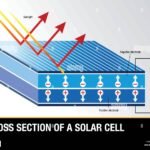
If you want a deeper look at how panels work and what you are actually buying, check out our explanation of how solar panels generate electricity. That context will help you understand why orientation and shading matter so much.
What Actually Determines Your Payback in BC?
Payback is the time it takes for energy savings to cover your upfront cost. In BC, that timeline depends on four key factors beyond the roof itself.
BC Hydro rates and their annual increases. As of 2026, BC Hydro residential rates are roughly 10 to 11 cents per kWh. They typically rise 2 to 4 percent each year. A higher future rate means greater savings from solar.
If you lock in a system now, you are effectively hedging against those hikes. Manufacturer specifications indicate that a well-sized system can save a household $1,200 to $2,000 per year in electricity costs.
The CleanBC and federal grants. The CleanBC grant offers up to $5,000 (or $1,000 per kW, whichever is less). The federal Canada Greener Homes Grant adds another $5,000 for solar, but only if you meet certain energy audit requirements. These two grants can cut your upfront cost by $8,000 to $10,000 combined.
That is a huge difference. Without them, payback stretches to 15 to 20 years for most homes.
Your household’s net metering strategy. BC Hydro credits you at the same rate it charges you, which is generous compared to many jurisdictions. But remember: any excess credit you have built up by the March 31 annual true-up date is forfeited. You want to size your system so it roughly matches your annual consumption, not your peak summer generation.
Over-sizing leads to wasted credits.
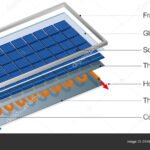
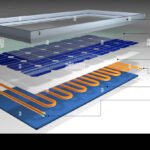
The type of panels and inverters you choose. Different combinations of those main components of a solar panel affect system cost and long-term output. Monocrystalline panels with microinverters cost more upfront but perform better in partial shade and last longer. String inverters are cheaper but can drag down production if a single panel is shaded.
Your installer should explain the trade-offs.
For a broader perspective on the upsides and downsides, read our guide to the advantages and disadvantages of solar panels. That will give you a balanced view before you commit.
The Solarmeter: A Decision Tree for BC Homeowners
Here is a practical way to sort your situation into one of three branches. Each branch comes with a different recommendation.
Branch 1: High daytime user with a good roof. You work from home, run HVAC during daylight hours, or charge an EV at home during the day. Your roof faces south or southwest with minimal shade. You are in southern BC.
In this case, solar is almost certainly worth it. Our research shows payback in 9 to 13 years, with solid returns across the panel’s 25-year lifespan.
Branch 2: Average user in the Lower Mainland or Vancouver Island. You have a decent roof but use most of your power in the evenings. Your bills average $100 to $150 per month. In this case, solar can still work, but the payback is longer, typically 13 to 17 years.
Stacking both grants is essential. If your roof needs replacement in the next 5 years, do that first and then consider solar. Otherwise, it may not pencil out.
Branch 3: Heavy shading, a bad roof, or low usage. You live north of Kamloops, your roof is shaded by trees, or you are a low electricity user (under 500 kWh per month). Payback often exceeds 20 years, and you might never break even before the panels degrade. For this branch, the best move is to focus on efficiency upgrades like insulation and a heat pump before revisiting solar in a few years.
If you need a refresher on what a solar panel actually is and how it converts light to electricity, our overview of what is a solar panel covers the basics. That will help you evaluate installer claims more confidently.
Real Numbers: System Pricing, Payback, and Production in BC
Let’s get into the actual dollars and kilowatt-hours. The table below shows typical figures for a mid-sized system in three regions of BC, assuming you qualify for both grants.
| Region | System size (kW) | Annual production (kWh) | Installed cost after grants | Annual savings (est.) | Payback (years) |
|---|---|---|---|---|---|
| Okanagan | 7 kW | 10,800 | $12,500 | $1,600 | ~8–11 |
| Lower Mainland | 7 kW | 9,200 | $12,500 | $1,400 | ~9–12 |
| Vancouver Island | 7 kW | 9,600 | $12,500 | $1,450 | ~9–12 |
| North Interior | 7 kW | 7,500 | $12,500 | $1,100 | ~12–16 |
Installed cost assumed at $2.80 per watt before grants, then reduced by $10,000 combined grant. Savings based on BC Hydro 2026 rates with 3% annual increase.
These numbers are estimates. Your actual payback depends on exact roof conditions, installer pricing, and your specific energy habits. The table makes one thing clear: location matters less than you might think once you are in the southern half of the province.
The Okanagan has an edge, but the Lower Mainland is still viable.
One trap to watch is the net metering reset. If your system is oversized and you produce 12,000 kWh but only use 8,000, those surplus 4,000 credits vanish at the April 1 true-up. That is real money left on the table.
Work with your installer to size the system within 90 to 110 percent of your annual consumption.
For a thorough step‑by‑step approach to buying, our solar panel buying guide walks through system sizing, warranty terms, and installer vetting. It pairs well with the decision tree above.
How to Get Real Quotes and Grants Without Getting Burned
Getting solar installed in BC involves a specific order of operations. Do not skip steps.
Step 1: Check your eligibility for both grants. The CleanBC solar grant requires a pre‑approval before you sign a contract. The federal grant has a separate application and requires a home energy audit. Apply for both early.
Grants can change or run out of funding.
Step 2: Get at least three quotes from BC‑licensed electrical contractors. Look for installers who are members of the BC Solar Installer Network or have a good reputation on local forums. Compare price per watt, warranty terms (panels 25 years, inverters 10, 15 years), and the proposed system size.
Step 3: Review the quotes for red flags. Beware of quotes that are drastically lower than the average. They often use off‑brand panels, undersized inverters, or skim on labour quality. A reputable installer will explain net metering, snow shedding, and annual production estimates based on your specific roof.
Step 4: Apply for your building permits through your municipality. Vancouver, Surrey, Kelowna, and smaller towns have different fees and timelines. In the City of Vancouver, permits cost around $300 and take a few weeks. In some rural areas, you may only need an electrical permit from Technical Safety BC.
Step 5: Schedule the install, then work with BC Hydro to set up net metering. You cannot turn the system on until BC Hydro approves your interconnection and installs a bi‑directional meter.
A common mistake is rushing the grant application. The CleanBC grant must be approved before you purchase the equipment. If you buy first, you forfeit the $5,000.
That alone can destroy the economics of your project.
For a complete list of the different types of solar panels available and which ones suit BC’s climate, see our breakdown on types of solar panels. That knowledge helps you ask better questions during the quoting process.

Similar Posts