5 Ways to Harvest Solar Energy Explained
If you're weighing the 5 Methods of Solar Energy Harvesting, you've probably realized it's not just about putting panels on a roof. Each method captures sunlight differently, and the right one depends on your climate, space, and energy goals. Pick wrong and you could overpay for a system that never performs as expected.
A little perspective helps. As of 2026, the U.S. Department of Energy estimates residential solar PV costs at $2.50 to $3.50 per watt, with typical payback between 5 and 12 years.
Solar thermal, meanwhile, can cut water heating bills by 50% to 80% in sunny regions. Let's dig into the details and match the right method to your situation.
Why Your Solar Harvesting Method Choice Matters More Than You Think
Here's the thing: solar isn't one technology. It's a family of related approaches, each with its own strengths, costs, and ideal use cases. The wrong pick can turn a smart investment into a money pit.
For instance, passive solar is cheap to build into a new home, but you can't easily retrofit it onto an existing roof. Concentrated solar power (CSP) can generate electricity after sunset with thermal storage, but it needs acres of land and high direct sunlight. That's a terrible fit for a suburban house.
That's why we've broken down the real trade-offs of solar panel systems and every other method below. Your goal is to match the technology to your situation before you commit cash to anything.
5 Methods of Solar Harvesting: What They Are and How They Work
Let's get the core definitions straight first. Each method captures sunlight in a different way.
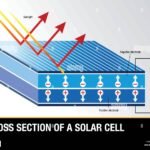
- Photovoltaics (PV): PV panels turn sunlight directly into electricity using semiconductor cells. This is the familiar rooftop panel, and it's the most widely used method today. You can see how a solar panel turns light into power in our detailed breakdown. And if you're weighing different panel chemistries, the basics still apply.
- Solar Thermal: Instead of electricity, this method captures heat. Flat-plate or evacuated-tube collectors absorb sunlight to warm water or air for space heating and domestic hot water.
- Concentrated Solar Power (CSP): CSP uses mirrors or lenses to focus sunlight onto a small receiver. The concentrated heat produces steam, which spins a turbine to create electricity. It's built at utility scale, not rooftop scale.
- Passive Solar: Passive solar is all about building design. Large south-facing windows, concrete or brick thermal mass, and natural airflow capture and distribute heat without any moving parts.
- Solar Hydronics: This is a pumped version of solar thermal. A fluid circulates through collectors, soaks up heat, and carries it to a storage tank or radiant floor system.
PV is the only method that creates electricity directly. The other four either produce heat or use sunlight to reduce energy needs mechanically.
Solar Harvesting Methods Side-by-Side
To see how the five stack up, it helps to put them in one table.
| Method | Output | Typical Efficiency | Best For |
|---|---|---|---|
| Photovoltaics (PV) | Electricity | 15–23% | Rooftop systems, off-grid power |
| Solar Thermal | Heat | 40–70% | Water heating, space heating |
| Concentrated Solar Power (CSP) | Electricity via steam | 15–20% | Utility-scale plants |
| Passive Solar | Heat and light | No machine efficiency | New building design |
| Solar Hydronics | Heat in fluid | 50–65% | Radiant floors, pool heating |
Efficiency isn't the whole story. CSP looks modest next to PV, but it can store heat for several hours after sunset, something PV can't do without batteries. Solar thermal's high efficiency is also misleading because it captures heat, not electricity.
The right choice depends on the output you actually need.
Best Use Cases: Which Method Fits Your Situation?
Instead of forcing a favorite, match the method to your real-world constraints. Here's how that plays out.
Residential Homeowners
For most homes, PV is the default for a reason. It produces electricity, works with net metering, and fits on most roofs. Add solar hydronics if you have a high hot water demand and live in a sunny climate.
Passive solar only shines in new builds or major renovations, where you can design glass placement and thermal mass from the start. If you're new to this, a solid buying guide covers the important decisions.
Commercial and Industrial
Large flat rooftops are a natural fit for PV, but solar thermal can also offset boiler fuel costs. If your business uses significant process heat, a concentrated solar or large hydronic array could be worth modeling. CSP is rarely cost-effective at this scale unless you need industrial steam.
Utility-Scale and Remote Projects
This is where CSP earns its keep. Pair it with molten salt storage and you get dispatchable power after sunset. For remote sites, PV plus batteries usually wins.
It's modular, simpler to maintain, and cheaper per kilowatt-hour than running fuel lines. Understanding the basics of how they work helps you spot capacity issues before they become expensive.
Solar Costs, Payback, and Real-World Performance Data
Real numbers beat guesswork. Here's what the research and manufacturer specs say as of 2026.
- Photovoltaics: $2.50 to $3.50 per watt installed. Typical payback of 5 to 12 years, depending on local electricity rates and sun exposure.
- Solar Thermal: $5,000 to $10,000 for a residential hot water system. Payback usually lands between 5 and 10 years, especially with gas or electric water heating as the baseline.
- Concentrated Solar Power: $3,000 to $6,000 per kilowatt of capacity, plus land and water costs. Payback can stretch past 20 years, so this is a long-term utility play.
- Passive Solar: Often adds just 0% to 10% to a new home's construction cost. Payback is effectively immediate because there's no mechanical system to maintain.
- Solar Hydronics: $6,000 to $12,000 installed. Payback depends heavily on whether you can use the heat year-round.
NREL's cost benchmarks confirm these ranges, and they've been stable for the past few years. One crucial detail: solar thermal and hydronic systems carry moving parts like pumps and antifreeze, so budget for occasional maintenance. PV, by contrast, has almost no moving parts and startup costs are the main hurdle.
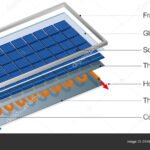
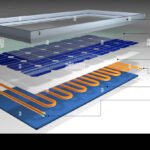
Always check the main components of a solar panel when comparing quotes, because build quality drives long-term performance.
Common Solar Harvesting Mistakes (And How to Avoid Them)
Even a well-researched solar project can go sideways. Here are the most frequent errors we see from aggregate buyer feedback and installer reports.
Sizing wrong for your actual usage. Homeowners often oversize PV systems based on peak summer production, not year-round needs. You end up overpaying for panels that sit idle in winter. Run a full 12-month utility bill analysis, not just your highest month.
Ignoring shading from trees or neighboring buildings. A single shaded panel can drag down output across an entire string. Our research shows that partial shading can reduce total system output by 20% to 30% without microinverters or power optimizers. Do a shading survey before you buy anything.
Mixing solar thermal with PV on the same roof without planning. Both need south-facing, unshaded space. Many homeowners run out of usable roof area and end up with compromised placement for both. Measure your available roof area in square feet before committing to two systems.
Choosing CSP for a residential or small commercial site. CSP requires high direct normal irradiance, large land parcels, and water access for cooling. It simply doesn't pencil out below 1 megawatt capacity. Stick with PV for any project under that threshold.
Forgetting maintenance on solar hydronic systems. The pumps, antifreeze, and heat exchangers need periodic checks. Let the fluid degrade and you risk freeze damage or reduced heat transfer. Budget for an annual inspection and fluid replacement every 3 to 5 years.
On the other hand, passive solar has almost no ongoing maintenance. You just need to avoid blocking south-facing windows with furniture or landscaping. Understanding the full range of advantages and disadvantages of solar panels helps you avoid the most common regrets.
Solar Harvesting FAQs
Can I combine multiple solar harvesting methods on one property?
Yes, and it's often smart. PV for electricity, solar thermal for hot water, and passive solar design for heating can work together. Just make sure you have enough unshaded roof and south-facing glass to support each system.
A professional energy audit helps you avoid overbuilding.
How long do solar harvesting systems last?
PV panels carry performance warranties of 25 to 30 years. Solar thermal collectors last 20 to 25 years, but pumps and controls may need replacement sooner. CSP plants are designed for 30 years or more.
Passive solar lasts as long as the building itself. Solar hydronics typically needs a pump replacement around year 10.
Which method works best in cloudy climates?
PV still generates electricity in diffuse light, though at reduced output. Solar thermal and CSP lose significant efficiency without direct sunlight. Passive solar depends on window orientation and insulation, not just sun.
For overcast regions, PV with a larger array is the most reliable pick.
Do I need permits for solar harvesting systems?
Almost always. PV and solar thermal typically require building permits and electrical or plumbing permits. CSP at utility scale needs environmental reviews and water rights.
Passive solar design changes may need planning approval. Check with your local building department before ordering equipment.
Is solar thermal better than PV for water heating?
If your goal is hot water only, solar thermal is more efficient per square foot of collector. It converts 40% to 70% of sunlight into heat. PV converts just 15% to 23% into electricity, and then you lose more through an electric water heater.
For pure water heating, thermal wins on efficiency.
The Verdict: Choosing the Right Solar Method for You
There's no universal winner. The right choice depends on your energy needs, climate, budget, and property.
Here's the simplest way to decide.
If you want electricity, choose PV. It's the most mature, affordable, and scalable option for homes and businesses. Pair it with batteries if you need backup power.
If you want to cut water heating bills, choose solar thermal or hydronics. Thermal is simpler and cheaper. Hydronics works better if you already have radiant floor heating.
If you're building a new home, incorporate passive solar design. It costs little upfront and saves energy every year without any mechanical parts.
If you're planning a utility-scale project in a sunny desert location, CSP with thermal storage provides dispatchable power after sunset. Just be prepared for the capital cost and water requirements.
If your situation is mixed, PV plus solar thermal is a proven combination. Many homeowners use PV for electricity and a small thermal array for water heating. The two systems share the roof but serve different needs.
Start with a professional site assessment. Get quotes from multiple installers. Compare total lifecycle costs, not just upfront price.
And check what incentives are available in your state or country. Federal tax credits, state rebates, and net metering programs can cut your effective cost by 30% to 50%.
That's the practical path. Pick the method that matches your real constraints, not the one that sounds most impressive in a brochure. Your energy bills will thank you.

Similar Posts