Do Solar Lights Charge When Turned Off?
So, do solar lights charge when turned off? The short answer is usually yes, but it depends on which “off” you mean. Many homeowners assume flicking the switch to off kills the whole circuit.
That assumption is wrong, and it can quietly drain your battery or leave your lights dead by midnight.
As of 2026, most garden solar lights pair a 1.2V NiMH or 3.7V Li-ion battery with a solar panel rated between 0.06W and 2W. The charge path runs from the panel through a small control board to the battery. Understanding that path tells you exactly what happens in each off mode, so let’s walk through it.
Quick Answer: Yes, But Only If “Off” Means the Right Thing
Yes, solar lights charge when switched off. The panel keeps feeding the battery. The only exception is a physical switch that fully disconnects the battery.
That switch must be left on. Remote controls and photocell sensors usually leave the circuit open. Some units skip charging in standby mode.
Check the manual first.
How Solar Lights Actually Charge: Panel, Battery, and the Switch Circuit
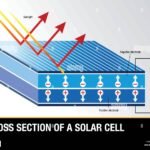
Every solar light follows the same basic loop. A solar panel absorbs daylight and converts it into direct current electricity. That current travels through a charge controller or a blocking diode into a rechargeable battery.
The battery stores the energy until dusk, when a photocell tells the LED to light up.
The on/off switch sits on this circuit, and its position decides the outcome. In most cheap garden lights, the switch only breaks the connection between the battery and the LED. The panel stays wired straight to the battery.
Flipping the switch off doesn’t stop the panel from pushing current into the battery.
In a few better-designed units, the switch also disconnects the panel. You’ll often see this in lights with a separate battery holder and a marked “solar” or “off” position. When the switch is off in those units, the battery never receives a charge.
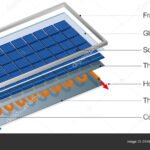
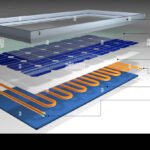
Here’s what you’re actually looking at inside the housing:
- Solar panel: produces the DC voltage
- Blocking diode: stops battery discharge back into the panel at night
- Charge controller: caps voltage to prevent overcharging (present mostly in Li-ion models)
- Rechargeable battery: stores the energy
- LED and switch: draw from the battery only when the light is active
For a deeper look at how panels turn sunlight into power, our explanation of solar panel basics is a good starting point. The same physical principles apply to the tiny panel on a garden light, just scaled down.
The Three Ways “Off” Happens and What Each One Does to Charging
Not all “off” commands are the same. The charging behavior changes based on how the off state is triggered. Here’s the breakdown:
| Off method | Does charging continue? | What happens inside |
|---|---|---|
| Physical slide switch | Usually no | Switch disconnects the battery entirely from the panel |
| Remote control off | Often yes | Controller goes to standby, but panel still charges the battery |
| Photocell / darkness | Yes | Sensor only holds the LED off; panel keeps charging all day |
If you use a physical switch to turn off your light, you’re likely stopping all charging. In that case, leave the switch in the on position whenever you want the battery to refill.
If you turn off the light with a remote, the circuit usually stays closed. The panel keeps feeding the battery, and the light will run the next night with a full charge. This is the typical setup on modern solar security lights and decorative sets.
Photocells are a different story. When the light is covered or dark, the sensor switches the LED off, but the battery remains connected to the panel. So even a light sitting in a dark room can charge if the panel is exposed to sunlight elsewhere.
It helps to know whether your light uses a panel type that charges well in partial shade. Monocrystalline cells perform better in low light than polycrystalline ones, which can affect how much charge you get on cloudy days.
What Damages a Solar Battery More: Turning It Off Wrong or Leaving It On
The biggest killer of solar light batteries is a full discharge that sits for weeks or months. When a physical switch prevents charging and the battery drains to zero, the chemistry degrades. NiMH cells are especially sensitive and can permanently lose capacity.
Leaving the light on doesn’t harm the battery as long as the panel gets sun. The charge controller keeps the voltage topped off. If the battery is fully chargeable, the controller simply stops feeding it more current.
That’s the ideal state.
The real problem happens when you store lights for winter with the switch off. The battery self-discharges over time, and without any top-up, it falls below the threshold where it can recover. Many people throw out lights in spring that were actually fine the previous fall.
What about leaving it on in a box? That doesn’t help either. If the panel is covered and the switch is on, it won’t charge, but it also won’t heavily discharge unless the sensor triggers.
That’s a safer storage condition than a dead battery, but not ideal.
For long-term storage, aim for a partial charge near 80%. That’s what many battery manufacturers recommend for seasonal equipment. You can also read about why solar panels are still worthwhile even with occasional battery wear to understand the tradeoffs in real-world use.
Step-by-Step: How to Test Whether Your Solar Lights Charge When “Off”
Let’s figure out which mode your light uses. It takes about five minutes and needs no special tools.
- Put the light in direct sunlight with the switch in the on position. Let it charge for at least six hours.
- Change the switch to the off position you want to test, such as physical off or remote off.
- Cover the solar panel completely to mimic darkness. Use a thick cloth or your hand.
- Wait ten to fifteen seconds so the photocell can respond.
- Check whether the LED stays dark. If it lights up, the battery is still receiving power while supposedly off.
- Uncover the panel and turn the switch back to on. Let it finish charging.
Manufacturer specs usually confirm the behavior, but this test gives you direct proof. If the light stays dark with a remote off, the controller likely cuts power to the LED but still charges. If it lights up with a physical off, then your switch doesn’t actually disconnect the battery.
This test matters when you’re troubleshooting which panel design you own and whether it has a true battery disconnect. If the light doesn’t charge at all, check the panel’s output with a multimeter. A sunny day should show at least 3V on a 6V-rated panel, or 4.5V on a 5V-rated panel.
Below that, the battery isn’t getting enough input.
Expert Storage and Maintenance Tips for Long-Lasting Batteries
Proper storage makes or breaks a solar light battery. If you store lights wrong, you can lose half their usable life before the next season starts.
The safest approach is to remove the battery entirely. Take it out of the housing, give it a partial charge to about 80%, and store it in a cool dry place. A basement or garage shelf works well.
Avoid freezing temperatures and direct heat.
For NiMH batteries, aim for temperatures between 40°F and 70°F. Li-ion cells tolerate a wider range but still perform best in moderate conditions. Check the manufacturer guidelines for your specific model.
If you cannot remove the battery, turn the switch to the on position. That keeps the circuit open and lets the panel trickle charge the battery even in weak winter sun. Leaving it off in storage with a physical disconnect will kill the battery.
Keep the solar panel clean year round. Dust, pollen, and bird droppings block light and reduce charge rates. Wipe the panel with a damp cloth once a month.
Use mild soap if needed, but avoid abrasive cleaners.
Battery replacement is inevitable. NiMH cells last one to three years. Li-ion batteries last three to six years.
When the light dims or runs only a few hours, swap the battery. Use the same voltage and capacity as the original.
Seasonal care matters too. In heavy snow, clear the panel so it can charge. In extreme heat, move lights to partial shade to prevent the battery from overheating.
Small habits like these double the service life of your lights.
Common Questions About Solar Light Charging (FAQ)
Will my solar lights charge on a cloudy day?
Yes, but at a much lower rate. Cloud cover reduces panel output by 50% to 90%. A full charge might take two or three days instead of one.
Monocrystalline panels handle low light better than polycrystalline ones.
Can I leave my solar lights outside in winter?
You can, but the battery may suffer. Freezing temperatures increase self-discharge and reduce capacity. If you leave them out, keep the switch on so the panel can provide a trickle charge.
Better yet, remove the battery and store it indoors.
How do I know if my solar light battery is dead?
The light turns on briefly or not at all. It may flicker or show a dim glow. If the battery is removable, test it with a multimeter.
A fully charged NiMH cell reads about 1.3V. A Li-ion cell reads around 3.7V. Below those levels, the battery is worn out.
Does the position of the switch change how long the battery lasts?
Yes. A physical switch in the off position disconnects the battery from the panel. The battery then self-discharges over weeks.
Leaving the switch on allows the panel to top up the battery daily, which keeps it healthy longer.
Can I use a higher capacity battery in my solar light?
Often yes, but check the voltage first. The voltage must match the original. A higher mAh rating gives longer run time.
However, the panel must be able to fully charge the larger battery. In low sun, it may not reach full charge each day.

Similar Posts