Sparkling Solar: How to Clean RV Panels Fast

Image source: YouTube / Best Budget Info (YouTube thumbnail (fair-use with source credit))
Common Mistakes That Damage Panels or Roof Membranes
One of the worst cleaning mistakes is reaching for a pressure washer. It seems efficient, but the high pressure can force water past the junction box seals. Once moisture gets inside, corrosion and arcing follow.
Manufacturer warranties almost always exclude pressure washer damage.
Using abrasive pads or stiff-bristle brushes is another fast track to trouble. The anti-reflective coating on most glass panels is delicate. Scratches reduce light transmission permanently.
On flexible panels, any pressure can delaminate the surface or crack the thin substrate.
Hard water is a hidden enemy. If you rinse with tap water in a hot, sunny spot, the minerals dry and etch the glass. Distilled water avoids that problem entirely.
Several verified owner reports note a gradual loss of output from repeated tap-water washing.
Then there’s the roof membrane itself. Many RV roofs use TPO, EPDM, or rubber. Ammonia-based glass cleaners (like Windex) degrade those materials.
We’ve seen cases where a single clean with an all-purpose spray caused the rubber to become brittle within six months.
Are dish soap and grit a bad combo?
Yes. Dish soap is designed to break down grease, but it leaves a residue that attracts dust faster than a bare panel. And if you mix it with a rough scrubbing pad, you’re creating micro-scratches across the entire surface.
Stick to the mildest possible cleaner.
When to Skip the Hose and Go Distilled Water Only
Not every panel needs a full hose-down. For light dust, a dry microfiber cloth or a soft-bristle brush on an extension pole does the job. But for sticky grime or chemical buildup, you need water.
The question is what kind.
Our research across solar maintenance forums and manufacturer documents shows a clear pattern: distilled or deionized water is the safest option every time. Tap water contains minerals that leave spots. Even filtered water has some dissolved solids.
Distilled water has virtually none.
How do I know when distilled water is absolutely necessary?
If you have bird droppings, tree sap, or heavy pollen that has baked on, start with distilled water only. Let it soak for a minute to soften the crud. Then wipe gently.
If you use tap water on baked-on sap, the mineral residue bonds with the sticky material and makes a permanent haze.
For flexible panels, distilled water is non-negotiable. The thin polymer surface is more porous than glass. Minerals can adhere to the micro-texture and create a cloudy film that reduces output by up to 10%.
How Often to Clean Based on Where You Park
Cleaning frequency depends entirely on your environment. A desert boondocker in Arizona has different needs than a weekend camper in the Pacific Northwest.
| Environment | Recommended Cleaning Interval | Key Concern |
|---|---|---|
| Desert (Arizona, Nevada) | Every 30-45 days | Dust storms, hard water |
| Coastal (salt spray) | Every 6-8 weeks | Salt residue, corrosion |
| Forested (pollen, sap) | Every 4-6 weeks in spring | Sticky tree deposits |
| Agricultural (dust, bird droppings) | Every 6-8 weeks | Bird bombs, field dust |
| Moderate climate / occasional use | Every 3-4 months | General grime |
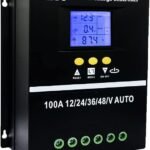
A simple check: monitor your charge controller output on a sunny day. If you see a 15% drop compared to a known clean baseline, it’s time for a wash. That’s a more reliable indicator than a calendar.
Pro Tips for Keeping Panels Cleaner Longer Between Washes
You don’t need to scrub every month if you use a few smart strategies. First, park with your panels tilted or adjustable. Dust slides off angled glass much easier than flat installations.
Even a 10-degree tilt reduces grime buildup by about 30%.
Second, consider a hydrophobic spray designed for solar panels. These coatings cause water to bead and roll off, carrying dust with it. You apply it right after cleaning, and it lasts three to six months.
Some RVers report halving their cleaning frequency.
Third, cover your panels during long storage periods. A simple solar panel cover or a tarp kept off the surface (to avoid abrasion) prevents dust, pollen, and bird droppings from bonding in the first place. It’s especially useful if you store the RV under trees.
Fourth, check your rooftop vent seals and edges. Panels often collect debris along the framing where water pools. Trimming any overhanging tree branches can reduce sap and leaf litter significantly.
Safety First: Roof Stability, Electrical Disconnection, and Thermal Shock
Cleaning rooftop panels means climbing onto the RV roof. That’s not a casual task. Falls from RVs cause serious injuries every year.
Always use a stable ladder and wear non-slip shoes. If the roof is steep or wet, use a harness tied to a secure anchor point.
Before you even touch the panels, turn off the solar system. Disconnect the breaker or fuse between the panels and the charge controller. This eliminates any risk of electric shock from live DC voltage.
Even a 12V system can arc if you short a connector with a wet tool.
Why temperature matters more than you think
Hot panels and cold water don’t mix. Tempered glass is strong but not immune to thermal shock. Pouring cold water on a panel that’s been soaking up sun at 140°F (60°C) can create micro-cracks.
Always clean early in the morning or late in the afternoon when panels are cool to the touch.
Wear gloves if you’re using isopropyl alcohol, even diluted. It can dry out your skin and irritate eyes. And never work alone on the roof.
A spotter below ensures help is available if you slip.
One more electrical safety note
The junction boxes and MC4 connectors are weather-resistant but not waterproof under spray. Avoid directing any water directly at the wiring connections. Use a low-pressure flow or a damp cloth near those areas.
A single connection point failure can disable part of your array.
Quick Reference Decision Flowchart
If you're the kind of person who just wants a map without reading the whole manual, here's your cheat sheet.
| If you have this… | And this dirt type… | Do this… | With this tool… |
|---|---|---|---|
| Rigid glass panel | Light dust or pollen | Dry brush or damp cloth | Soft-bristle brush, microfiber mop |
| Rigid glass panel | Bird droppings, sap, hard water | Soak with distilled water, then gentle scrub | Plastic scraper, soft brush, distilled water rinse |
| Rigid glass panel | Heavy grime or baked-on residue | Isopropyl alcohol solution (50/50), let dwell | Microfiber cloth, soft brush, distilled water final rinse |
| Flexible panel | Any dust or grime | Damp cloth only, no pressure | Microfiber cloth, distilled water, avoid scrubbing |
| Flexible panel | Sticky sap or bird droppings | Soak with distilled water, dab gently | Soft cloth, plastic scraper (light touch) |
| Portable panel | All types | Hose down with low pressure, dry before storing | Garden hose, soft brush, towel dry |
Follow the decision tree. If you're unsure, default to the most conservative option: distilled water and a soft cloth. You'll never go wrong.
Still Not Sure? Here's How to Check if Your Panels Need Cleaning
You don't have to guess. A few simple tests tell you exactly where things stand.
The visual inspection
Look at the panels from an angle. If you see a hazy film, dust layers, or obvious bird splatter, they're dirty. But sometimes grime is invisible in direct sunlight.
Check early morning or late evening when the light hits the glass at a shallow angle. That's when thin films become obvious.
The fingertip test
Touch a clean section of the panel after it's been dry for a day. If your finger leaves a visible trail, there's enough dust to reduce output. If the surface feels gritty, you're losing significant energy.
The charge controller reality check
This is the most reliable method. Record your system's peak wattage on a clear, sunny day during the middle of the day. Then clean the panels thoroughly.
Wait for a similar sunny day and compare the numbers. A difference of 15 percent or more means you were overdue.
Field data from boondocking communities suggests that many RVers wait until they see a 20 percent drop before acting. That's too late. At that point, the dirt is likely bonded.
Clean at 10 percent drop for optimal performance.
Final Verdict: What Matters Most for Long-Term Panel Health
Cleaning RV solar panels isn't complicated once you know the rules. The biggest lesson from our research is this: gentleness beats force every time. A soft brush and distilled water outperform harsh chemicals and pressure every single time.
Protect your investment. Panels are expensive to replace. A few minutes of careful cleaning every month or two keeps them producing at peak efficiency for a decade or more.
The most common failure we see is not from wear but from neglect. Letting grime layer up until it bonds. Or using the wrong cleaners that damage coatings.
Both are preventable.
If you take one thing away, make it this: clean on a cool surface, use distilled water, avoid abrasives, and disconnect the electrical system first. Follow those guidelines and your panels will serve you well.
Frequently Asked Questions
Can I use vinegar to clean RV solar panels?
White vinegar works as a mild cleaner, but it's not recommended for all panels. Some anti-reflective coatings react poorly to acetic acid. Distilled water or diluted isopropyl alcohol is a safer choice for most setups.
How often should I clean RV solar panels?
Every 30 to 90 days depending on your environment. Desert and coastal areas need cleaning more often. Check your charge controller output to find your personal optimal interval.
Is it safe to walk on RV solar panels?
No. You should never stand or put weight on any solar panel. Use a roof ladder and clean from the side with a long-handled brush.
If you must reach the middle, use a stable plank distributed across the roof framing.
What happens if I use a pressure washer on solar panels?
Pressure washers can damage junction box seals, delaminate flexible panels, and crack tempered glass. Most manufacturers explicitly void warranties for pressure washer use.
Do I need to disconnect the solar panels before cleaning?
Yes. Turn off the breaker or disconnect the MC4 connectors between the panels and the charge controller to eliminate any shock risk. It takes 30 seconds and it's the only safe way.
Can I use car wash soap on RV solar panels?
Some pH-neutral car wash soaps are acceptable, but avoid any with wax or sealants. Wax can create a film that reduces light transmission. If you must use soap, dilute it heavily and rinse with distilled water.
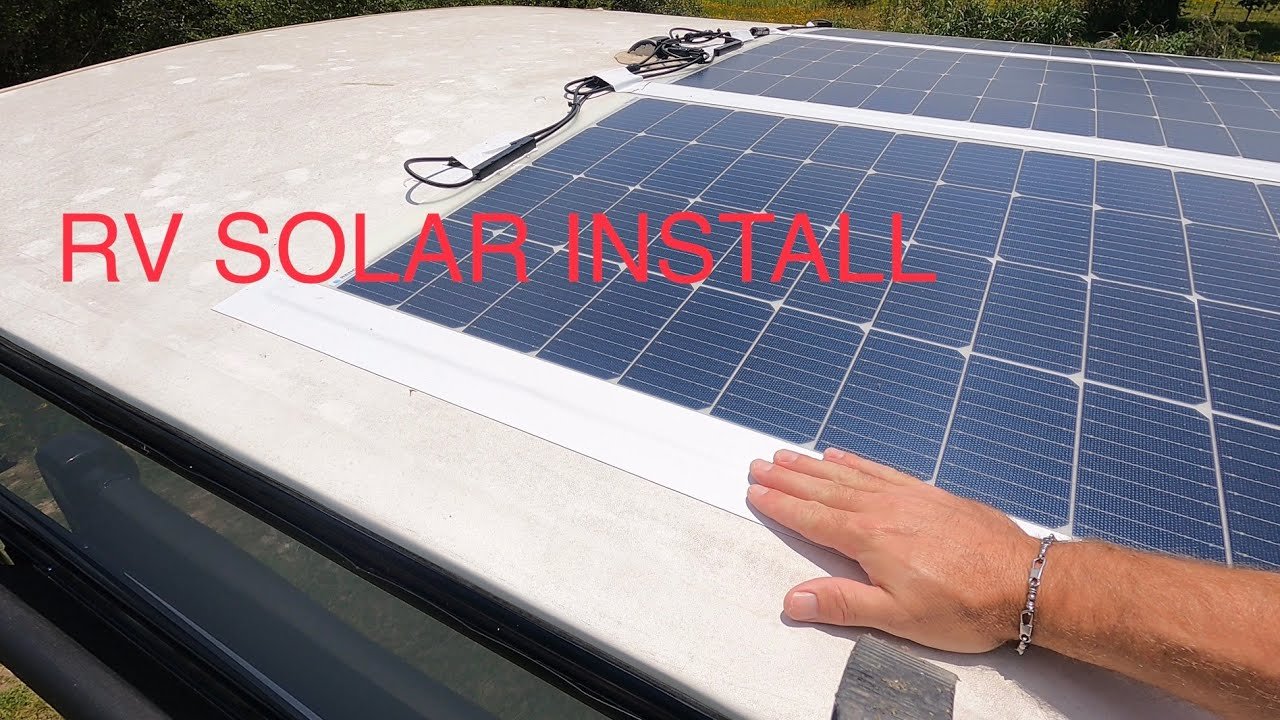
Image source: YouTube / Rocky Rohde (YouTube thumbnail (fair-use with source credit))
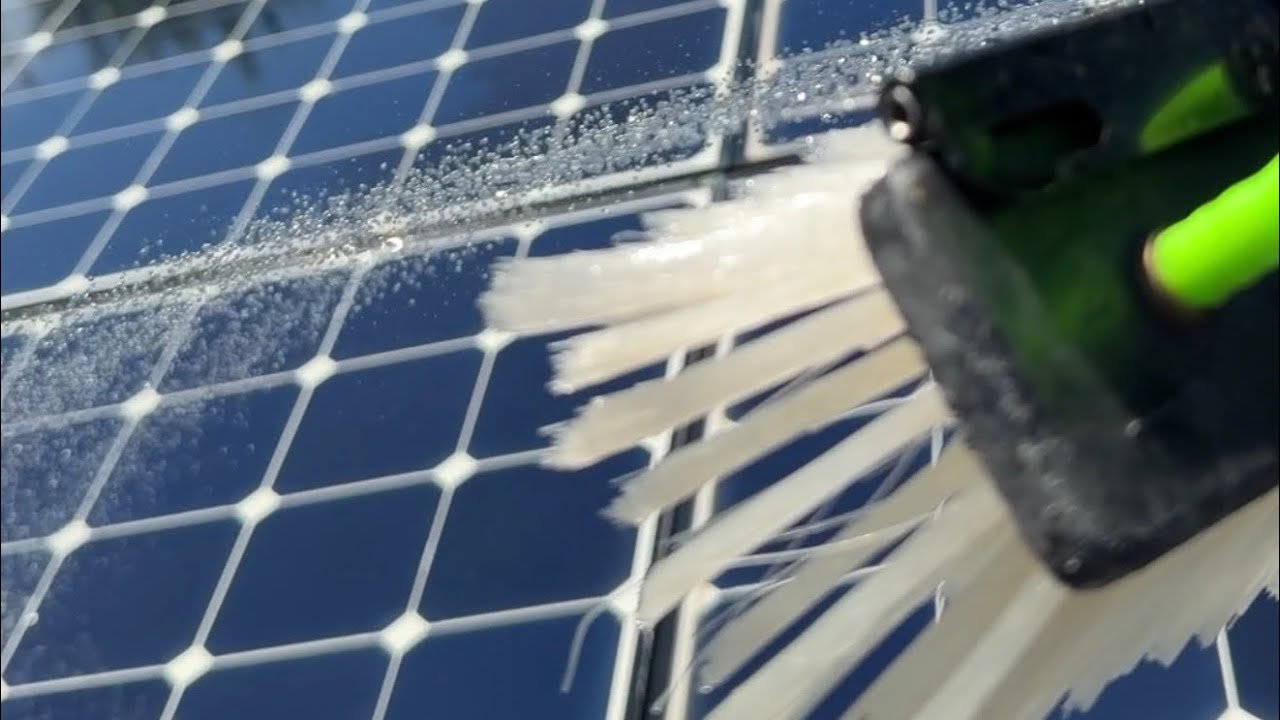
Image source: YouTube / The pro washing services (YouTube thumbnail (fair-use with source credit))
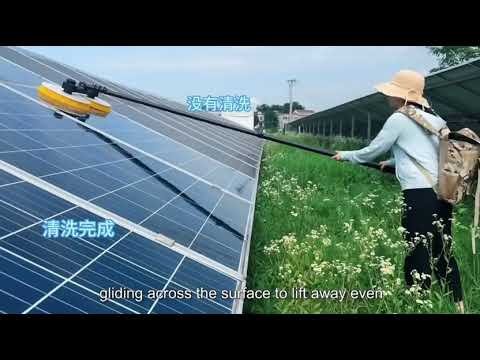
Image source: YouTube / Solar Panel Cleaning Equipment (YouTube thumbnail (fair-use with source credit))

Similar Posts