Who Buys Used Solar Panels Near Me?
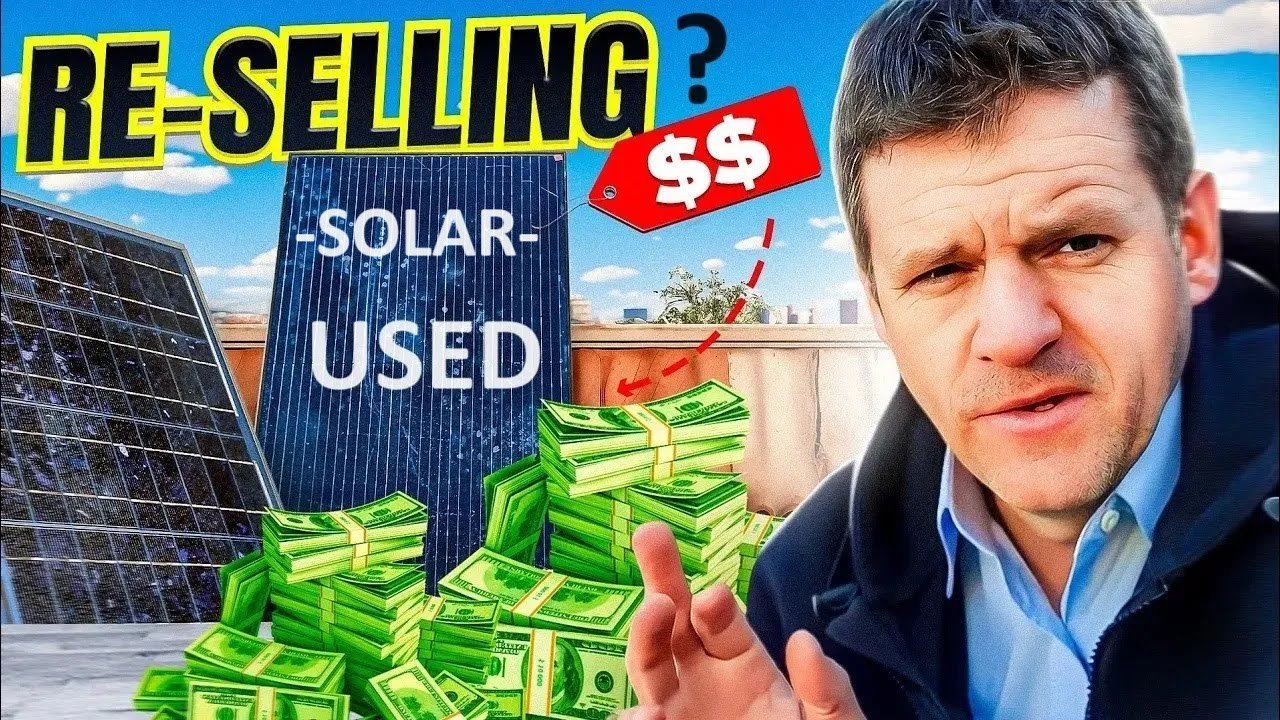
You’ve upgraded your solar setup, or maybe you’re tearing down an older system and wondering what to do with the panels. So you type into Google: who buys used solar panels near me. It’s a fair question, but the answer isn’t as simple as posting a listing and waiting for cash.
According to the National Renewable Energy Laboratory, solar panels degrade at roughly 0.5% per year. That means a ten-year-old panel still works at about 95% of its original output. That’s plenty of life left for the right buyer.
But finding that buyer locally takes some smart legwork and a healthy dose of caution.
Quick Answer
Your best local buyers are solar installation companies, licensed resellers, and off-grid DIYers. Avoid generic online marketplaces unless you vet the buyer carefully. Price depends on age, wattage, and condition.
Expect $0.10 to $0.50 per watt. Always test the panels and get cash or verified payment in person.
Image source: YouTube / DIY Solar Fun with Ray Loveless
Why Selling Used Solar Panels Is Riskier Than You Think
Most people assume selling used panels is like selling an old phone. List it, get paid, done. In reality, the used solar market is full of traps that can cost you time, money, or worse, your personal safety.
First, there’s the scam factor. Fake buyers promise payment but never show. Others send phony cashier’s checks.
Some even try to get panels for free by claiming they’ll “dispose” them, then flip them for profit. You lose the panels and get nothing.
Then there’s liability. If someone gets hurt moving a 45-pound panel off your roof, you could be on the hook. A cracked panel that fails later can lead to disputes.
And if you sell panels that were part of a solar lease or loan you’re still paying, the buyer might come after you.
Per manufacturer specs, most warranties don’t transfer to a second owner. So the buyer has no recourse if a panel dies after a year. That creates tension even in honest deals.
Bottom line: selling used panels isn’t as straightforward as selling a toaster. You need to approach it with eyes wide open.
What Determines Whether Anyone Will Buy Your Panels
Not all used panels are created equal. Buyers zero in on a handful of factors. Here’s what matters most.
Age and degradation. Panels aged 5 to 15 years are the sweet spot. Younger panels still have most of their rated output. Panels older than 20 years drop below 85% efficiency, and most buyers lose interest unless the price is rock bottom.
Wattage. A 300-watt panel in good condition sells faster than a 200-watt panel. Larger wattage means fewer panels to achieve a target system size, which saves the buyer mounting hardware and labor.
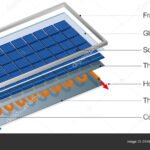
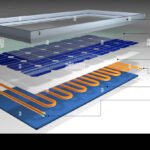
Brand and model. Tier-1 brands like LG, SunPower, Panasonic, and Canadian Solar hold value better. No-name panels from defunct manufacturers are a harder sell because replacement parts and specs are hard to find. If you’re curious about the differences, our guide on the main components of a solar panel explains what makes a quality panel.
Condition. Visible cracks, delamination, corrosion, or water ingress are deal killers. Even microcracks, invisible to the naked eye, can lead to hot spots and early failure. Buyers will test each panel with a multimeter or load tester before handing over cash.
Quantity. Selling a single panel might get you $30 to $60. Selling a pallet of 20 panels in good shape? Now you attract wholesalers and installers who will pay a premium for bulk lots.
Your location. If you live in a solar-heavy state like California or Texas, there are more installers and resellers near you. Rural areas may have almost zero local demand, pushing you toward shipping or national buyers. That adds cost and risk.
The Main Types of Buyers (And Who You Can Actually Trust)
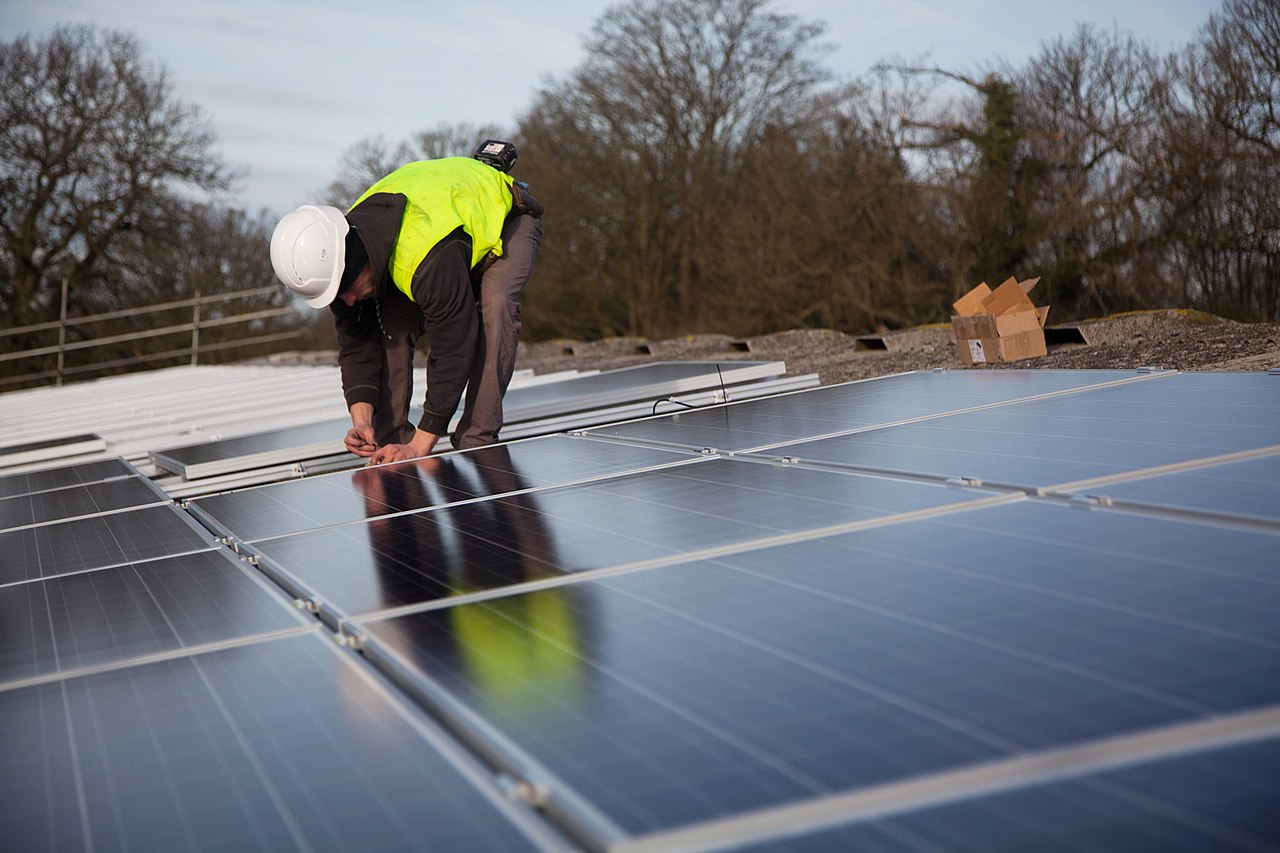
Image source: Wikimedia Commons / Kristian Buus / 1010 Climate Action (CC BY)
Not every buyer is the same. Some are reliable and professional. Others are bottom-feeders or scammers.
Let’s break down each type so you know who to call first.
Local Solar Installation Companies
These are your best bet. Installers often buy used panels for budget-conscious customers or backup storage arrays. They have the equipment to test panels on the spot.
They can also handle removal safely if you negotiate it as part of the deal.
Pros: Fast cash, professional handling, no shipping hassle. Cons: They’ll only buy if you have at least 10, 15 matching panels in decent condition. Single panels rarely interest them.
Licensed Resellers and Wholesalers
Some companies specialize in buying and flipping used solar equipment. They usually advertise online and have business licenses and physical locations. They test each panel and often offer a flat per-watt rate.
Pros: They buy in bulk, even older panels. They handle pickup. Cons: Their offers tend to be lower because they need to resell for profit. Still, it’s a safe, straightforward transaction.
Solar Recyclers
When panels are too damaged or old to resell, recyclers are your fallback. They strip materials like aluminum, glass, and silicon for reuse. You won’t get much money, often $5, 15 per panel, but you avoid landfill fees.
A few states, like Washington and California, now require solar panels to be recycled rather than trashed. Check your local regulations. The Solar Energy Industries Association has a map of certified recyclers to help find one near you.
DIY Enthusiasts and Off-Grid Builders
These are individuals building off-grid cabins, RVs, vans, or tiny houses. They want cheap panels in small quantities (1, 6). They’re usually willing to drive a moderate distance to pick them up.
Pros: They pay near market value for good-condition panels. They’re easy to deal with. Cons: You have to meet in a safe public place. Cash only.
No business license to fall back on if something goes wrong.
Online Marketplace Buyers (Facebook, Craigslist, Nextdoor)
These platforms are where most scammers lurk. But legitimate buyers exist too. The key is screening hard, ask for a phone call, check their profile history, never accept a check or wire transfer.
If you’re considering this route, read our advantages and disadvantages of solar panels article for a broader view of the market risks.
Red Flags: How to Spot a Scam When Selling Locally
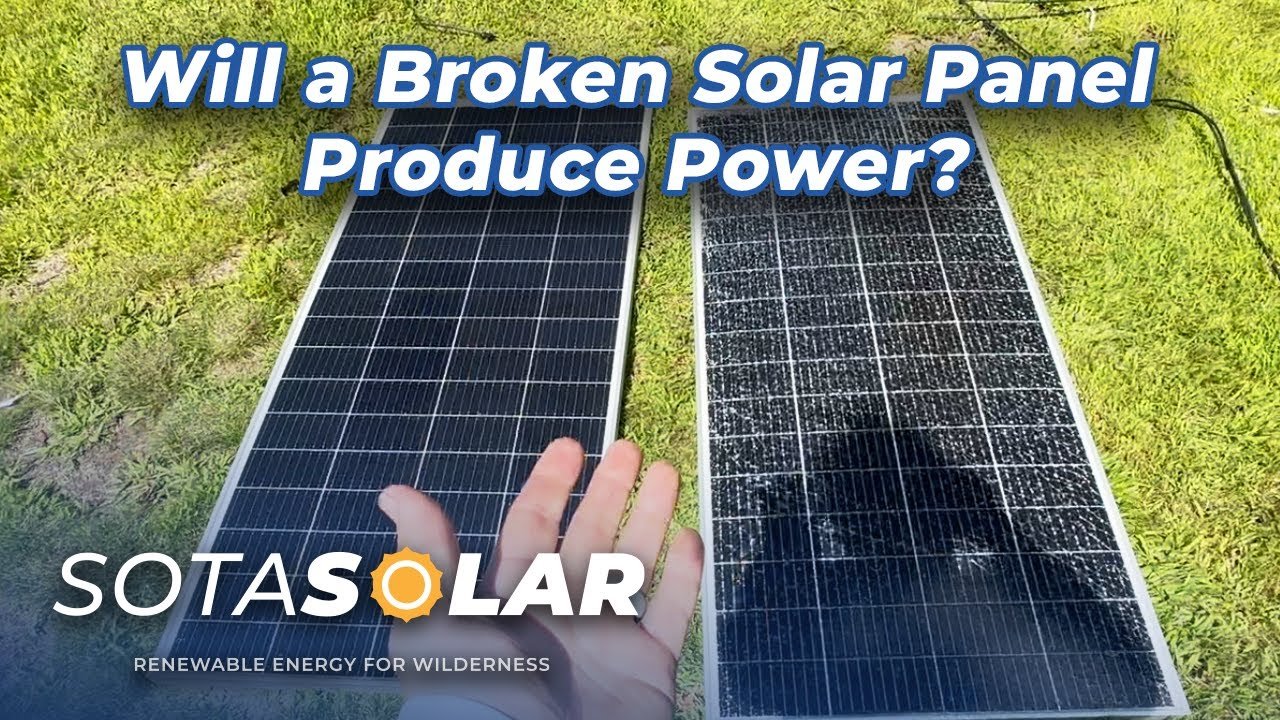
Image source: YouTube / SotaSolar
You need to be able to spot trouble before it costs you. Here are the most common red flags.
They insist on paying with a cashier’s check or wire transfer. This is the #1 scam method. The check looks real, your bank releases the funds, then weeks later the check bounces and you’re out the panels plus a bank fee. Cash only.
In person.
They ask you to ship the panels before payment clears. Never ship until you have verified funds in your account. Even then, scammers use stolen credit cards to buy panels. You end up losing both the panels and the money.
They offer to “dispose” your panels for free. Some call themselves “recyclers” but actually plan to flip the panels for a profit. Get a signed agreement stating they’re a licensed recycler, or just avoid the offer.
They pressure you for an immediate decision. Legitimate buyers will inspect the panels and may negotiate. Scammers want you to accept payment before you change your mind.
They have no verifiable business. A legitimate installer or reseller has a website, a physical address, reviews, and a business license. If they can’t provide any of that, walk away.
One more pro tip: always run a quick background check on the buyer’s email or phone number. A simple Google search often reveals scam reports.
Step-by-Step: How to Find and Vet Buyers Near You
Now that you know who’s out there, here’s the exact process to find and vet a reliable local buyer.
Step 1: Gather your panel details
Write down the brand, model, wattage, number of panels, age, and condition. Take clear photos of the front, back, and the label. The label contains specs like Vmp, Voc, Imp, Isc, serious buyers will ask for these.
Step 2: Search locally
Start with Google Maps. Search for “solar installation companies” or “solar panel resellers” near your city. Call each one and ask if they buy used panels.
Be upfront about quantity and condition.
Next, check Nextdoor and Facebook Marketplace. Post in local community groups asking for recommendations. Word of mouth is powerful in the solar community.
Step 3: Create a safe listing (if you go online)
If you use Craigslist or Facebook, write a clear, honest listing. Include the panel specs and condition. Never include your home address.
Arrange to meet at a public place, a police station parking lot works well.
Step 4: Vet each buyer
For businesses: ask for a business license number. Look up their reviews on Google and the Better Business Bureau. Call them and gauge their knowledge, a legitimate buyer will ask about voltage and degradation.
For individuals: ask for a phone call. Listen to their story. Do they sound like they’re building an off-grid system?
Or do they sound like they’re trying to flip panels? Trust your gut.
Step 5: Test the panels together
Before handing over the panels, test the output with a multimeter. Measure open-circuit voltage (Voc) and short-circuit current (Isc). Compare to the label specs.
If the readings are more than 10% low, you have a problem.
If you’re not comfortable testing the panels yourself, ask the buyer to test them in front of you. Many will have a simple load tester.
Step 6: Get paid and sign a bill of sale
Take cash or a verified payment app like PayPal Goods and Services (not Friends and Family). Write a simple bill of sale that includes the date, buyer name, panel details, and a waiver of liability. Both of you sign.
Keep a copy.
This step protects you if the panels fail later or if the buyer was somehow misinformed. If you want to learn more about how solar panels work and why proper testing matters, check out our explanation of how do solar panels work.
That’s the safe route. In the next sections we’ll look at what your panels are actually worth, what you need to do before listing, and the tax implications of selling used equipment.
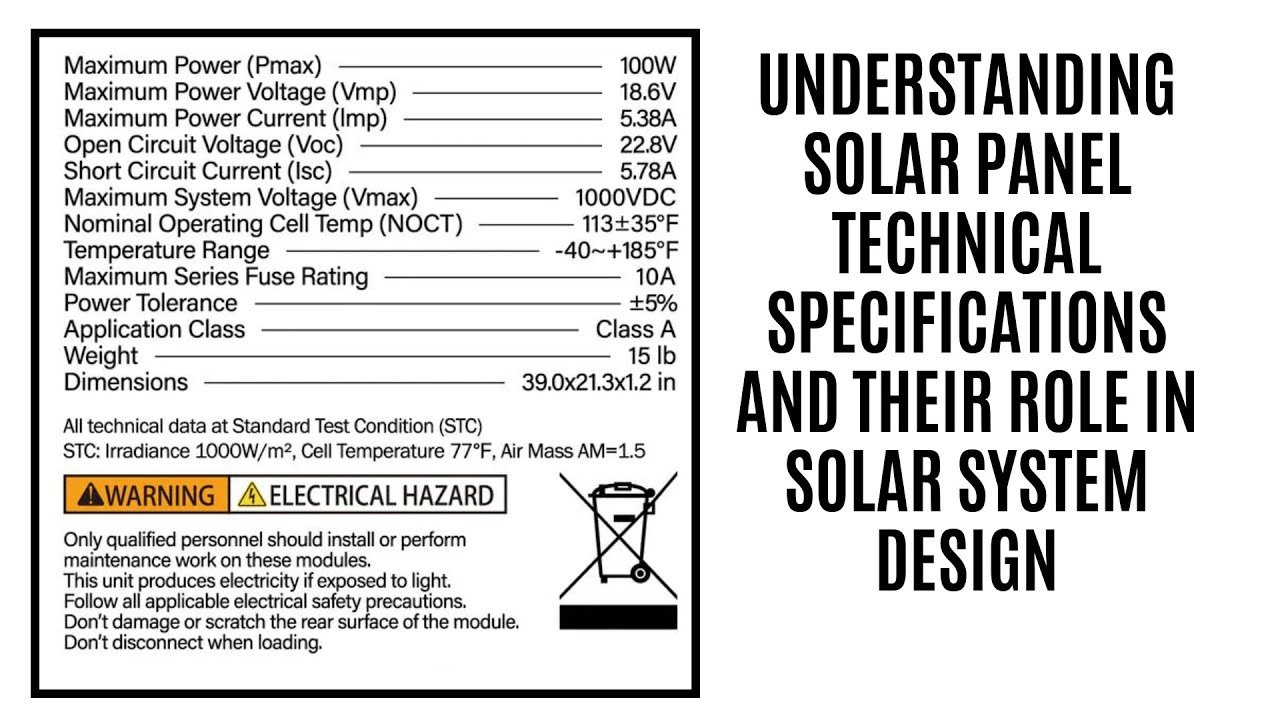
Image source: YouTube / solaracademyzone (YouTube thumbnail (fair-use with source credit))
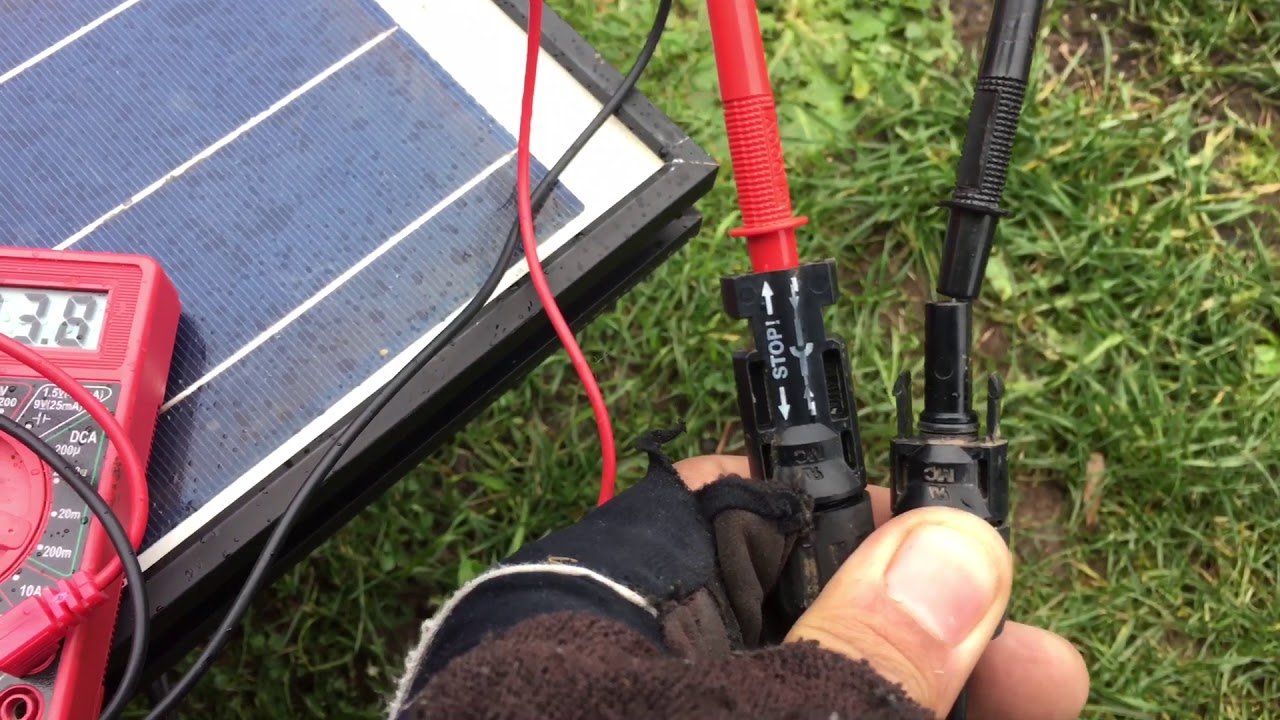
Image source: YouTube / Tope Sosanya (YouTube thumbnail (fair-use with source credit))

Similar Posts