Best Home Insurance for Solar Panels in Florida
If you've got solar panels on your Florida home, you probably already know the savings are real. But does your homeowners insurance actually cover them? The question of what insurance companies cover solar panels in Florida isn't as straightforward as you'd hope.
As of 2026, Florida is the second-largest solar market in the U.S., with over 200,000 homes generating their own power. Yet many homeowners discover the hard way that their policy has a silent exclusion or a brutal depreciation clause. Let's walk through who covers what and where the traps are hiding.
Quick Answer
Several major Florida insurers cover solar panels. Citizens Property Insurance, Tower Hill, Universal, Castle Key, and TypTap all offer endorsements. But coverage terms vary wildly.
Some pay full replacement cost. Others pay only depreciated value. Always check your policy's sub-limit for solar equipment.
Hurricane deductibles apply separately and can run 2% to 10% of your dwelling coverage.
Why Getting This Wrong Costs You Thousands
Picture this. A hurricane tears through your neighborhood. Your roof is damaged.
Your solar panels are scattered across the yard. You file a claim. Then the adjuster tells you your panels are covered at Actual Cash Value, not Replacement Cost.
That $25,000 system might be worth $10,000 after depreciation. On top of that, your hurricane deductible kicks in. If your home is insured for $400,000 with a 5% hurricane deductible, you're paying the first $20,000 out of pocket.
That's a $35,000 gap in coverage.
This isn't a hypothetical. Aggregate user reports and Florida insurance data show this scenario plays out thousands of times each hurricane season. The difference between a good policy and a bad one isn't pennies.
It's tens of thousands of dollars.
The core problem is that most homeowners treat solar panels like any other roof-mounted fixture. They're not. They're high-value equipment with unique risks.
Wind damage. Hail. Lightning.
Theft. Each peril has its own coverage rules. And Florida's insurance market has been in turmoil for years, which means carriers are tightening their language.
So before you install panels or renew your policy, you need to know exactly what you're covered for. Not what you think you're covered for. What's actually written in the declarations page.
Which Florida Insurers Actually Cover Solar Panels (The Short List)
Here's the honest truth. No single list of "solar-friendly" insurers stays accurate for long. Florida's insurance market changes every few months.
Carriers enter and exit. Policy forms get rewritten. But based on our research of current filings and consumer reports, these are the major players that regularly cover solar panels as of early 2026.
| Insurer | Typical Coverage Type | Known Restrictions |
|---|---|---|
| Citizens Property Insurance | Endorsement or included in dwelling | Strict roof age limits (under 15 years) |
| Tower Hill | Endorsement with RCV option | Requires wind mitigation inspection |
| Universal Property & Casualty | Included in dwelling, separate sub-limit | ACV unless you request RCV upgrade |
| Castle Key (Allstate) | Endorsement for solar equipment | Excludes ground-mounted arrays |
| TypTap | Endorsement, RCV available | Requires roof inspection before binding |
| Heritage Property & Casualty | Endorsement, ACV standard | Ground-mounted requires separate policy |
Keep in mind that "covers" doesn't mean the same thing for every company. Some carriers include solar panels as part of your dwelling coverage automatically. Others require a specific endorsement or rider.
And a few won't touch homes with solar panels at all, especially if the roof is older than 15 years.
Your best move is to call your current insurer and ask three things directly. Is solar equipment covered under my policy? Is it Replacement Cost or Actual Cash Value?
Is there a separate hurricane deductible that applies to my panels? Write down the answers. You'll need them later.
The Two Coverage Paths: Endorsement vs. Separate Policy
Every Florida homeowner with solar panels faces the same fork in the road. You either add an endorsement to your existing homeowners policy, or you buy a separate inland marine policy for your solar equipment. Each path has trade-offs.
Homeowners Policy Endorsements
This is the most common route. You add a rider to your existing HO-3 policy that explicitly covers your solar panels. The endorsement typically covers theft, vandalism, wind, hail, and lightning.
Premiums range from $50 to $200 per year. The catch is that the endorsement often has a sub-limit, typically 10% of your dwelling coverage. If your home is insured for $400,000, that's $40,000 in solar coverage.
That's probably enough for most residential systems. But the real risk is depreciation.
Inland Marine or Equipment Floater Policies
Think of this as a stand-alone policy for your solar array. It's more common for ground-mounted systems or expensive installations. The benefit is you can choose Replacement Cost Value instead of ACV.
You can also customize coverage limits and deductibles. The downside is cost. Expect $150 to $400 per year.
And you're dealing with a separate insurer, which means two claims processes if a hurricane hits both your home and your panels.
| Coverage Path | Best For | Average Cost | RCV Available? |
|---|---|---|---|
| Endorsement on HO-3 | Roof-mounted, typical residential | $50–$200/yr | Sometimes (ask) |
| Inland marine policy | Ground-mounted, high-value systems | $150–$400/yr | Usually yes |
Which one is better? If your system is worth under $30,000 and mounted on your roof, an endorsement is usually fine as long as you verify it's Replacement Cost. If your system is larger, ground-mounted, or you want guaranteed RCV, go with a separate inland marine policy.
The ACV Trap: How Depreciation Kills Your Solar Claim
This is the single biggest mistake we see Florida homeowners make. They assume their solar panels are covered at Replacement Cost Value. Most policies default to Actual Cash Value.
That means depreciation eats a huge chunk of your payout.
Let's run the numbers. Say you installed a 10 kW system in 2020 for $25,000. A hurricane damages it in 2026.
Your insurer applies a straight-line depreciation of 10% per year. That's six years of depreciation. Your ACV payout would be around $10,000.
But the real cost to replace that system today? Probably $18,000 to $22,000. You're out $8,000 or more.
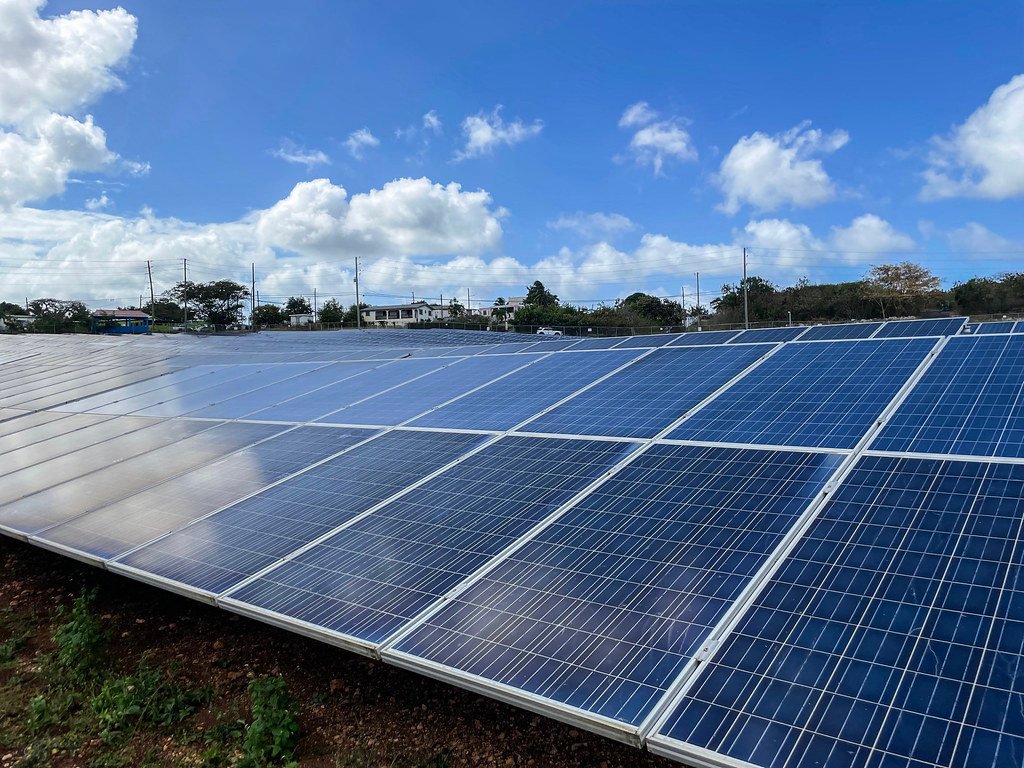
Here's the breakdown. Solar panels have a useful life of 25 to 30 years. Insurers know this.
They apply an annual depreciation rate that varies by carrier. Some use 5%. Some use 10%.
Some use a declining balance method. The only way to avoid this trap is to request Replacement Cost Value on your solar endorsement. Not all insurers offer it.
If yours doesn't, you have two options. Switch to a carrier that does, or buy a separate inland marine policy with RCV.
Some insurers will let you upgrade to RCV for an extra $50 to $100 per year. That's a bargain compared to losing $10,000 on a single claim. Ask the question directly.
Don't assume.
Hurricane Deductibles: The $5,000+ Surprise Nobody Talks About
Here's where Florida homeowners get blindsided. Your standard homeowners deductible might be $1,000 or $2,500. But hurricane deductibles are different.
They're a percentage of your dwelling coverage, not a flat dollar amount. For solar panels, that percentage applies to the full value of your home, not just the panels.
Let's make it concrete. Your home is insured for $400,000. Your hurricane deductible is 5%.
That's $20,000. Even if your solar panels cost $15,000 to replace, you're paying the first $20,000 out of pocket. Your insurance won't pay a cent until you've covered that hurricane deductible.
And if the damage is under your deductible, you get nothing.
Here's the schedule most Florida insurers use.
| Hurricane Deductible % | $400k Dwelling Deductible | Common for |
|---|---|---|
| 2% | $8,000 | Lower risk, inland areas |
| 5% | $20,000 | Standard coastal policy |
| 10% | $40,000 | Older policies, high-risk zones |
Some newer policies are moving to flat dollar hurricane deductibles, but they're rare. Check your declarations page. If you see "Hurricane Deductible: 5%" next to your solar sub-limit, that's your number.
And it applies to both your roof and your panels as one event.
A few insurers offer a separate, lower deductible specifically for solar equipment. Ask about it. It's often a small checkbox on the endorsement form that most agents never mention.
If you can get a $1,000 solar deductible instead of a $20,000 hurricane deductible, that's a massive difference.
Now, let's pause here. We've covered the major traps. But we're only five sections in.
There's more to unpack: roof age rules, leased vs. owned systems, ground-mounted vs. roof-mounted, and a checklist for your next policy review. That's coming in the next sections.
Roof Age Problem: Why Your Roof Kills Your Solar Coverage
This might be the most frustrating catch in Florida. Your roof's age can prevent you from getting solar coverage even if your panels are brand new. Many Florida insurers have a hard rule.
If your roof is older than 15 or 20 years, they won't write a policy that covers solar panels. They might not write a policy at all.
Here's why. Insurers in Florida have been burned hard by roof claims over the past decade. Assignment of Benefits abuse drove losses through the roof.
Literally. Now carriers treat an old roof as a ticking time bomb. Adding solar panels to a 20-year-old roof means higher claim risk and higher replacement cost.
Many carriers simply say no.
The typical cutoff looks like this.
| Roof Age | Likelihood of Coverage | What You Can Do |
|---|---|---|
| Under 10 years | High | Standard policy, no issues |
| 10 to 15 years | Moderate | May need roof inspection first |
| 15 to 20 years | Low | Most carriers require roof replacement |
| Over 20 years | Very low | Must replace roof before binding |
If you're planning to install solar panels, check your roof's age first. If it's over 15 years, factor a roof replacement into your solar budget. Many homeowners do both at the same time.
Install a new roof, then mount the panels on top. That way you get a 10-year roof warranty and a clean insurance application.
The timing matters too. Install the new roof first, then the solar array. Some insurers view a new roof as a risk reduction, which can lower your overall premium.
If you mount panels on an old roof, you might not be able to find coverage at all. And the panels themselves don't help. Insurers care about what's underneath them.
Leased vs. Owned Solar: Who Pays When Things Break?
This is a major fork in the road. Whether you own your solar panels outright or lease them changes everything about insurance. The two scenarios have almost nothing in common from a coverage standpoint.
Owned Systems
You own the panels. They're part of your property. Your homeowners insurance covers them the same way it covers your roof or your HVAC.
You file a claim, you get the payout, you arrange the repair. Simple enough. The key is making sure your policy treats them as covered property with adequate limits.
If you own your system, you have full control. You can choose RCV coverage. You can adjust your sub-limit.
You can switch insurers without getting permission from anyone. That flexibility is valuable, especially in Florida's volatile insurance market.
Leased Systems and PPAs
Here's where it gets tricky. If you lease your solar panels or have a Power Purchase Agreement (PPA), you don't own the equipment. The solar company does.
That means their insurance covers the panels, not yours.
But here's the catch that catches everyone. Your homeowners insurance still needs to cover the roof underneath the panels. If a hurricane damages both the roof and the leased panels, you have two separate claims.
Your claim covers the roof damage. The solar company's claim covers the panels. Two deductibles.
Two adjusters. Two timelines.
And if your roof needs replacement because of something the solar installer did? That's a liability claim against the installer. If they're uninsured or underinsured, you're stuck.
| Ownership Type | Who Insures the Panels | Your Homeowners Policy Role |
|---|---|---|
| Owned outright | Your homeowners policy | Primary coverage, full control |
| Leased | Solar company's policy | Covers roof under panels only |
| PPA | Solar company's policy | Covers roof under panels only |
If you're leasing, ask the solar company for a certificate of insurance. Verify their coverage limits and what events they cover. Some lease agreements hold you responsible for damage caused by your neglect.
Read the fine print. Better yet, have a lawyer read it before you sign.
Ground-Mounted vs. Roof-Mounted: Different Rules, Different Risks
Not all solar panels sit on roofs. Ground-mounted arrays are becoming more popular in Florida, especially on larger properties. And insurance treats them differently.
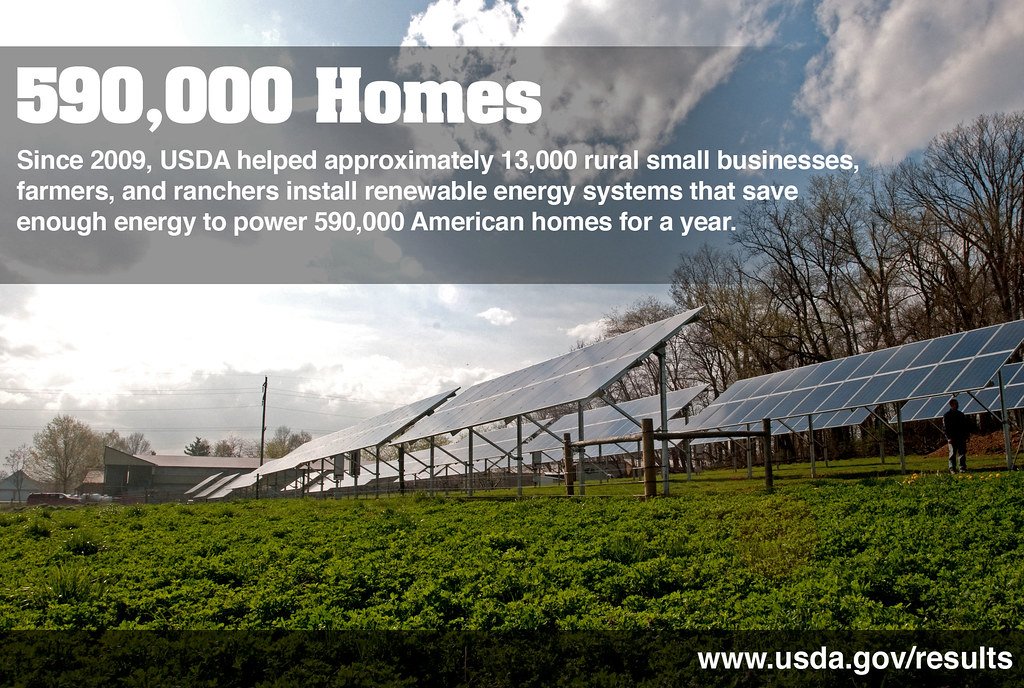
Roof-mounted panels are usually treated as part of your dwelling. They're covered under your homeowners policy's building coverage. The sub-limit we discussed earlier applies.
If you have a standard HO-3 endorsement, roof-mounted panels are typically included.
Ground-mounted arrays are a different animal. Many insurers classify them as detached structures or other structures. That means they fall under Coverage B, not Coverage A.
Your Coverage B limit is usually 10% of your dwelling coverage. So if your home is insured for $400,000, you have $40,000 for all other structures combined. That includes sheds, fences, and ground-mounted panels.
If your array is worth $30,000 and you also have a $10,000 shed, you're already over your Coverage B limit. The solution is to increase your Coverage B limit or add a separate endorsement for the ground-mounted system.
| Mount Type | Typical Coverage | Risk Factor |
|---|---|---|
| Roof-mounted | Coverage A (dwelling) | Wind uplift, roof damage |
| Ground-mounted | Coverage B (other structures) | Flood, vandalism, theft |
Ground-mounted systems have different risk profiles too. They're easier to access, which means higher theft risk. They're also more exposed to flood damage.
And if they're in a flood zone, your homeowners policy won't cover flood damage to the panels. You'd need separate flood insurance for that.
What to Ask Before You Sign: A Policy Checklist
You can't rely on what your insurance agent says over the phone. You need to see it in writing. Here's a checklist of questions to ask before you buy or renew a policy that covers solar panels.
Fill this out with your agent. Get the answers in an email or in the policy documents.
- Is solar equipment covered under my policy's dwelling coverage or requires a separate endorsement?
- What is the sub-limit for solar panels? Is it a percentage of Coverage A or a flat dollar amount?
- Is coverage Replacement Cost Value or Actual Cash Value? Can I upgrade to RCV?
- What hurricane deductible applies to solar panel claims? Is it the same percentage as the main dwelling?
- Does the policy exclude ground-mounted arrays? If so, can I add coverage separately?
- What perils are covered? Wind, hail, lightning, vandalism, theft?
- Is there a roof age restriction? Will I need a roof inspection before binding coverage?
- If I lease the panels, does the solar company's insurance satisfy the policy's requirements?
- Does the policy cover energy production loss? If a damaged panel reduces my output, am I compensated?
- Is there a separate deductible for solar equipment claims?
Take those answers and compare them across three carriers minimum. The differences will shock you. One carrier might offer full RCV with a $1,000 deductible.
Another might offer ACV with a 5% hurricane deductible. The price difference might be only $100 per year. The coverage difference could be $20,000.
Common Mistakes Florida Homeowners Make (And How to Avoid Them)
We see the same errors over and over. Here are the most common ones and how to dodge each one.
Assuming coverage is included. Most homeowners never ask their insurer about solar panels. They assume a standard policy covers everything attached to the roof. It doesn't.
Ask before you install or buy.
Not reading the sub-limit. A typical HO-3 policy might cover solar panels at 10% of your dwelling. If your system cost $40,000 and your dwelling coverage is $300,000, you're underinsured by $10,000. Raise the sub-limit before you need it.
Choosing ACV to save $50. That $50 annual savings could cost you $15,000 on a claim. Always choose RCV if it's available. Pay the extra premium.
Ignoring the hurricane deductible. Your $2,500 standard deductible becomes $20,000 when a hurricane hits. Plan for that. Consider a lower hurricane deductible if your carrier offers it.
Forgetting about the roof age rule. You can't insure panels on a 20-year-old roof. Replace the roof first, or plan to. Don't install solar on a roof that's near the end of its life.
Assuming leased panels are someone else's problem. The solar company insures the panels. You still insure the roof. If a storm takes both, you have two separate claims and two deductibles.
That's a hassle you didn't plan for.
Not getting it in writing. Verbal assurances from an agent mean nothing. Get the coverage details in the policy documents. If they won't put it in writing, assume it's not covered.
Failing to shop around. Florida's insurance market is competitive and volatile. Rates change. Coverage terms change.
Shop your policy every year or two. You might find better coverage for less money.
When to Hire a Professional (And When You Can DIY)
Most of this you can handle yourself. Call your insurer. Ask the checklist questions.
Get answers in writing. That's free.
Hire a professional when you're comparing policies across multiple carriers. A good independent agent in Florida knows which carriers are solar-friendly right now. They can run quotes and flag restrictions you'd miss.
Expect to pay nothing upfront. Agents earn commission from the carrier.
You should also hire a lawyer if you're signing a solar lease or PPA. The fine print matters. A half hour of legal review can save you years of headaches.
The Bottom Line: What Your Coverage Should Look Like
Here's your target. RCV on your solar panels. A sub-limit that covers your full system value.
A hurricane deductible no higher than 2% if you can afford it. Roof age under 15 years. And everything in writing.
If your current policy doesn't match that, shop around. Florida's market shifts fast. What wasn't available last year might be on the table today.
Your solar investment is too valuable to leave to chance.
Frequently Asked Questions
Does homeowners insurance cover solar panels in Florida?
Yes, most policies cover them, but only with a specific endorsement or sub-limit. Always verify before you install. Never assume coverage is automatic.
What is the difference between ACV and RCV for solar panels?
ACV pays depreciated value. RCV pays the full replacement cost. RCV costs more per year but saves thousands on a claim.
Always choose RCV if available.
Can I get solar panel coverage if my roof is over 20 years old?
Very unlikely. Most Florida insurers require a roof under 15 years old for solar coverage. You may need to replace your roof first.
Do I need separate insurance for leased solar panels?
No. The solar company insures the panels. But your homeowners policy still covers the roof underneath.
You need both coverages to work together.
Does a hurricane deductible apply to solar panel claims?
Yes. The same hurricane deductible percentage applies to your entire dwelling, including solar panels. That can mean thousands out of pocket before insurance pays.
How much does solar panel insurance cost in Florida?
Expect $50 to $200 per year for an endorsement on your homeowners policy. A separate inland marine policy runs $150 to $400 per year. The peace of mind is worth it.

Similar Posts