PERC Solar Panels Explained: What You Need to Know
If you’ve been shopping for solar panels lately, you’ve probably seen the term “PERC” pop up everywhere. PERC Solar Panels Explained in plain language comes down to one thing: a smarter way to capture sunlight that boosts efficiency without drastically changing how the panel looks or works. PERC stands for Passivated Emitter and Rear Cell, and it’s a small tweak to the back of a solar cell that makes a real difference in how much electricity you get per square foot.
Manufacturer specifications show that PERC panels typically deliver 18% to 22% efficiency, compared to 15% to 17% for older polycrystalline models. That’s a meaningful jump for anyone with limited roof space or a tight budget per watt. As of 2025, PERC has become the mainstream choice in residential solar, but it’s not right for every situation.
Let’s walk through what it really means for you.
Quick Answer
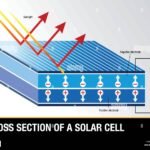
PERC solar panels add a passivation layer to the rear of the cell. This layer reflects unabsorbed light back into the silicon. It also reduces electron recombination.
The result is higher efficiency and better low-light performance. Most modern monocrystalline panels use PERC technology. It is now the industry standard for residential and commercial systems.
How PERC Solar Panels Actually Work – The Simple Version
To understand PERC, you first need to know how a regular solar cell works. Sunlight hits the silicon wafer. Photons knock electrons loose.
Those electrons flow as electricity. That’s the basics covered in our guide on how solar panels generate electricity.
Now imagine the rear side of that wafer. In a standard cell, some light passes straight through without ever being absorbed. And some electrons that do get excited quickly recombine with holes before they can contribute to current.
Both problems waste energy.
PERC solves this with a thin dielectric layer applied to the back of the cell. That layer acts like a mirror. It bounces unabsorbed light back into the silicon for a second chance to generate power.
At the same time, it “passivates” the rear surface, think of it as a calm blanket that keeps electrons from recombining too early.
Per NREL research, this rear passivation can boost absolute cell efficiency by 1% to 2% compared to a standard cell. That might sound small, but across a whole roof it adds up to several hundred more kilowatt-hours per year.
The manufacturing process is also well established, which keeps costs competitive. Most Tier 1 panel makers now produce PERC cells as their core product. You’ll find them in both 60-cell and 72-cell formats, typically rated between 300W and 450W per panel.
The Real Trade-Off: PERC Pros and Cons You Can’t Ignore
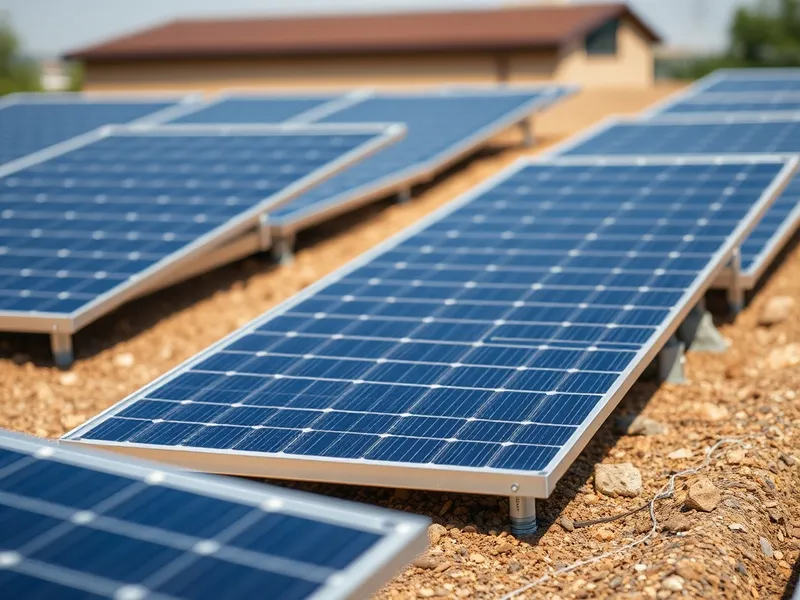
PERC isn’t a magic bullet. Like any technology, it comes with benefits and drawbacks that matter depending on your specific setup.
The Upside
- Higher efficiency per square foot. You get more power from the same roof area. That’s huge if your south-facing roof is small or oddly shaped.
- Better low-light performance. PERC panels produce more power in cloudy conditions, early morning, and late afternoon. That’s because the rear reflector captures light that would otherwise escape.
- Improved temperature coefficient. PERC cells lose less efficiency as they heat up compared to older panels. In hot climates, that can mean a meaningful yield advantage over the life of the system.
- Lower balance-of-system costs. Because you need fewer panels to reach your target wattage, you save on racking, wiring, and labor.
The Downside
- Higher upfront cost per watt. PERC panels typically cost 10% to 20% more than standard polycrystalline panels, though the gap has narrowed significantly.
- Light induced degradation (LID). Early PERC cells were prone to a 1% to 3% drop in performance during the first few weeks of exposure. Modern manufacturing has reduced this issue, but it’s still a factor to check in the warranty.
- Not ideal for fully shaded roofs. If your roof gets heavy shade for half the day, the extra efficiency of PERC never pays off. You’re better off spending money on microinverters or optimizers instead.
- Slightly heavier and larger in some models. Some high-wattage PERC panels use larger cells (like 210mm) that add weight and can be harder to handle on steep roofs.
For a full breakdown of what to weigh, our advantages and disadvantages of solar panels article covers the broader trade-offs beyond just cell technology.
Who Should Buy PERC Panels (and Who Should Skip Them)
This is the core decision tree part. The answer depends on your roof, budget, and local climate.
You should buy PERC panels if:
- You have limited roof space. A small south-facing roof can still hit your energy targets with PERC’s higher density.
- You live in a hot climate. In places like Arizona, Texas, or inland California, the better temperature coefficient makes a real difference.
- You have partial shade but good overall sun. PERC handles low light well, so morning or afternoon shade is less of a penalty.
- You plan to stay in your home long term. The extra upfront cost pays back over 25 years, especially with net metering or time-of-use rates.
You should skip PERC panels if:
- Your roof is large and unobstructed. You can hit the same kWh with cheaper standard panels and save thousands.
- Your roof gets significant shade. Microinverters or power optimizers will help more than switching to PERC.
- You’re on a tight budget and need the lowest cost per watt. Standard polycrystalline panels are still widely available and can be half the price per watt.
- You live in a mild climate with year-round overcast skies. PERC’s low-light advantage is real, but the cost premium might not be justified compared to other upgrades like a bigger array.
A good rule of thumb: if you have the roof area to fit a 6 kW system with standard panels, you probably don’t need PERC. If you can only fit 4 kW but need 5 kW of production, PERC is your friend.
PERC vs. the Alternatives: TOPCon, IBC, and Standard Panels
You’re not choosing between PERC and nothing. There are several other cell technologies on the market today. Here’s how they stack up.
| Technology | Efficiency | Cost Premium | Best For |
|---|---|---|---|
| Standard Monocrystalline (non-PERC) | 15–17% | Baseline | Large roofs, tight budgets |
| PERC | 18–22% | +10–20% | Space-constrained, hot climates |
| TOPCon | 22–24% | +20–30% | Premium efficiency, low degradation |
| IBC (Interdigitated Back Contact) | 22–26% | +40–60% | Highest efficiency, no space at all |
TOPCon (Tunnel Oxide Passivated Contact) is the next step beyond PERC. It uses a thin oxide layer on the rear side to reduce recombination even further. TOPCon panels have better LID resistance and slightly higher efficiency, but they cost more.
They’re a good choice if you need every last watt and plan to keep the system for 30 years.
IBC panels move all the electrical contacts to the back of the cell. That gives them a clean black front and the highest efficiency available, often above 24%. They’re also the most expensive.
IBC is for homeowners who want the absolute best performance and don’t mind paying a premium.
Standard monocrystalline without PERC is still sold, mostly in budget systems. They work fine for large roofs where space isn’t an issue. Just be aware that “monocrystalline” in 2025 almost always means PERC unless stated otherwise.
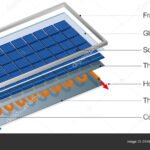
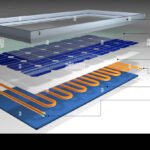
For a visual comparison of how these different cells are built, our article on the main components of a solar panel breaks down the layers inside each type.
If you’re still unsure, the solar panel buying guide walks through the full decision process from roof assessment to final install.
How to Decide If PERC Is Right for Your Roof – A Simple Checklist

You don’t need a engineering degree to make this call. Run through these five questions and you’ll know in under ten minutes.
Question 1: How much usable roof space do you have?
Measure your south facing roof area. If it’s under 400 square feet and you need a 6 kW system, PERC is almost mandatory. Over 600 square feet?
Standard panels will fit just fine.
Question 2: What’s your average summer temperature?
If you see regular days above 95°F, PERC’s better temperature coefficient matters. You’ll lose less power when the panels are baking in the sun. In mild climates, this advantage shrinks.
Question 3: How much shade hits your roof?
Heavy shade from trees or chimneys? Skip PERC and invest in microinverters or optimizers instead. Light morning or afternoon shade?
PERC’s low light response helps there.
Question 4: What’s your payback timeline?
If you plan to sell within 7 years, the PERC premium might not fully pay back. If you’re staying 15 years or more, the extra yield adds up nicely.
Question 5: What does your installer recommend?
A good installer will look at your actual roof, not a generic spec sheet. Ask them to run the numbers both ways: PERC versus standard. Compare the 25 year production estimates.
If you answer “yes” to at least three of the first four questions, PERC is worth the upgrade. If not, save your money for other system components.
Common Mistakes People Make When Choosing PERC Panels
Even smart buyers trip up on a few details. Here are the ones we see most often.
Mistake 1: Assuming all PERC panels are the same.
PERC is a technology, not a brand. A budget PERC panel from an unknown manufacturer might have worse LID performance or a weaker warranty than a proven Tier 1 module. Always check the manufacturer’s track record and the product warranty.
Our guide on what is a solar panel explains how to evaluate build quality.
Mistake 2: Ignoring the inverter pairing.
PERC panels with high wattage (400W+) need a matching inverter. A cheap string inverter might clip your peak production. Pairing with microinverters or power optimizers often makes more sense for these higher output modules.
Mistake 3: Forgetting about LID.
Light induced degradation hits PERC panels harder in the first few weeks. A 2% loss is normal. But some budget panels can lose 3% or more.
Ask for the manufacturer’s LID test data. Panels with a “light soaking” process at the factory show lower LID.
Mistake 4: Overpaying for “premium” without need.
Some installers push the most expensive PERC panels because the margin is higher. If your roof is big and sunny, a mid tier PERC module will perform almost as well for hundreds less per panel.
Mistake 5: Not checking the temperature coefficient.
Look for a temperature coefficient of -0.35%/°C or better. Some older PERC panels are closer to -0.40%/°C. That difference adds up over a rooftop’s lifetime in a hot climate.
What PERC Panels Actually Cost – Pricing and Payback Reality
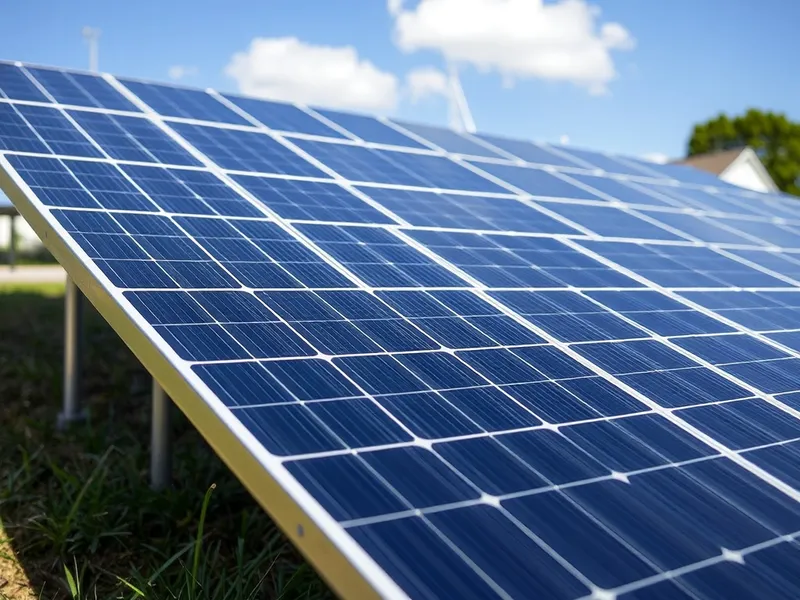
Let’s talk dollars. PERC panels have come down in price dramatically over the last five years.
| Cost Category | Standard Mono | PERC | Difference |
|---|---|---|---|
| Panel cost per watt (wholesale) | $0.22 – $0.32 | $0.28 – $0.42 | +15–30% |
| Installed system cost per watt | $2.50 – $3.00 | $2.70 – $3.50 | +$0.20–$0.50/W |
| 6 kW system total installed | $15,000 – $18,000 | $16,200 – $21,000 | +$1,200–$3,000 |
That premium sounds big. But here’s where the math flips. Because PERC panels produce more energy per watt, you might need fewer panels to hit your target.
That means less racking, fewer wires, and faster labor.
Real world example: A 6 kW system on a standard roof might use 20 panels at 300W each. With PERC at 400W per panel, you only need 15 panels. The cost savings on hardware and labor can offset 30% to 50% of the PERC premium.
Payback time? In a sunny state with net metering, the extra $1,500 to $3,000 for PERC pays back in 3 to 5 years through higher energy production. Over 25 years, that extra yield can total $5,000 to $9,000 depending on your electricity rates.
But in a low sun area with cheap power, the payback stretches to 8 years or more. Run the numbers for your specific address. Most installers will do this for free.
Are PERC Panels Worth It in Your Climate? (Hot vs. Cold vs. Cloudy)
Climate is the hidden factor in any solar decision. PERC’s advantages shift depending on where you live.
Hot climates (desert, southern US, Australia).
This is PERC’s sweet spot. The improved temperature coefficient means less power loss on 100°F afternoons. Combined with better low light capture at dawn and dusk, you can see 5% to 8% more annual yield compared to standard panels.
In Phoenix or Las Vegas, PERC is a clear winner.
Cold climates (northern US, Canada, northern Europe).
Cold panels actually run more efficiently. The temperature coefficient matters less when your panels are at 50°F most of the year. The low light advantage still helps during short winter days, but the premium is harder to justify.
Standard panels often deliver similar annual kWh per dollar.
Cloudy climates (Pacific Northwest, UK, northern Germany).
PERC panels do capture more diffuse light on overcast days, typically 2% to 4% more than standard panels. But the real limiting factor here is total sun hours, not panel efficiency. You might get better results by simply installing a larger array with cheaper panels.
Mixed climates (most of the eastern US, central Europe).
You get hot summers and cold winters. PERC helps more in the summer, less in winter. The net benefit sits somewhere in the middle.
A site specific solar calculator is the only way to know for sure.
One more note: PERC panels in very snowy areas face a unique issue. The rear reflector can’t help if the panel is fully buried. But the higher efficiency for the rest of the year still applies.
Installation and Compatibility: What to Check Before You Buy
PERC panels install almost exactly like standard panels. But a few compatibility points matter.
Racking and mounting.
High wattage PERC panels (over 400W) are physically larger. A 72 cell format is about 77 inches by 40 inches. Your existing roof rails might need repositioning.
Check the spacing before you order.
Inverter compatibility.
Some string inverters have a maximum input voltage per string. High wattage PERC panels can push that limit. Your installer will calculate the string size correctly, but it’s worth double checking.
Our article on how solar panels work explains string sizing basics.
Microinverters and optimizers.
Most modern microinverters handle 400W+ panels without issue. But older models might be capped at 350W. If you’re using microinverters, confirm the matched pair with your installer.
Wiring gauge.
Higher wattage panels mean higher current. A 450W panel at 30 volts pushes 15 amps. That’s within standard 10 AWG wire limits, but long runs may need upsizing to 8 AWG to prevent voltage drop.
Roof load.
PERC panels are slightly heavier per panel due to larger cells and sturdier framing. Average weight: 45 to 55 pounds per panel. Check your roof’s load rating.
Most residential roofs are fine, but older structures might need reinforcement.
Warranty transfer.
If you plan to sell your home, check whether the PERC panel warranty transfers to the new owner. Tier 1 manufacturers usually allow transfer for a small fee. Budget brands often don’t.
Talk to your installer about all five points before signing the contract. A good installer will walk through each one without being asked.
Long-Term Maintenance and Performance Over 25 Years

PERC panels don’t need special maintenance compared to standard panels. The same rules apply: keep them clean, check for damage, and monitor production.
Degradation rates. Most Tier 1 PERC panels degrade at 0.5% to 0.7% per year. After 25 years, you’ll still have 82% to 87% of original output. Budget panels can degrade faster, sometimes 0.8% to 1.0% per year.
Always check the performance warranty before buying.
LID stabilization. The initial light induced degradation happens in the first 1 to 3 months. After that, the panel stabilizes. Modern PERC cells with better passivation show lower LID, often under 1.5%.
Older models could lose 3% or more.
Cleaning frequency. Rain handles most dirt in moderate climates. In dusty areas or places with low rainfall, cleaning twice a year keeps production up. Use deionized water and a soft brush.
Avoid abrasive pads or pressure washers that can scratch the glass.
PID resistance. Potential induced degradation affects some PERC panels in high voltage systems. Look for panels rated for 1500V system voltage with PID resistant coatings. Most Tier 1 panels pass this test.
Warranty tips. Product warranties cover defects for 12 to 25 years. Performance warranties guarantee output above a threshold. Read both carefully.
Transferable warranties add resale value.
Frequently Asked Questions About PERC Solar Panels
What does PERC stand for in solar panels?
PERC stands for Passivated Emitter and Rear Cell. It describes a thin dielectric layer on the back of the solar cell that reflects unabsorbed light and reduces electron recombination.
Are PERC solar panels worth the extra cost?
For most homeowners with limited roof space or hot climates, yes. The higher efficiency pays back the premium within 3 to 8 years depending on local electricity rates and sun hours.
How long do PERC solar panels last?
PERC panels have the same lifespan as standard panels, typically 25 to 30 years. Most Tier 1 manufacturers offer performance warranties guaranteeing 80% to 87% output after 25 years.
Do PERC panels work better in low light?
Yes. The rear passivation layer captures light that would normally pass through the cell. This gives a 2% to 4% improvement in diffuse light conditions like cloudy days or early morning.
Can I mix PERC and standard panels on the same roof?
Technically yes, but it’s not recommended. Different performance characteristics make string sizing difficult. You’ll get better results using one panel type per array or using microinverters.
Is PERC the same as monocrystalline?
Not exactly. Most PERC panels use monocrystalline wafers, but the PERC technology is the added rear passivation layer. A panel can be monocrystalline without PERC, but almost all modern mono panels include it.
Final Verdict – Is PERC the Right Move for You?
Here’s the bottom line. PERC is the smart choice if you need more power from less space or you live somewhere hot. It’s the industry standard for a reason.
But it’s not mandatory. If you have a big open roof and mild weather, standard panels will serve you well for less money. The best solar system is the one that fits your actual roof, your budget, and your long term plans.
Run the numbers both ways. Ask your installer for a PERC versus standard quote with 25 year production estimates. That comparison will tell you everything you need to know.
And if you’re still unsure, our types of solar panels guide covers every option in detail so you can compare with confidence.

Similar Posts