How to Start a Solar Farm in Georgia

If you've been looking into how to start a solar farm in Georgia?, you already know the state gets plenty of sun and has plenty of open land. But the real answer isn't just about picking a spot and putting up panels. Georgia's utility landscape, tax rules, and interconnection process are different from what you'll find in places like Texas or California.
In our research, one number stood out: Georgia Power's avoided cost rate currently hovers around 3 to 4 cents per kilowatt-hour for large projects. That's low compared to retail electricity, so your financial model has to be tight. Let's walk through what actually matters before you commit a dime.
Quick Answer
Start a solar farm by securing land, applying for interconnection, and negotiating a power purchase agreement with your local utility. The process takes 18 to 24 months. Expect to pay $0.85 to $1.10 per watt installed.
Federal tax credits cover 30% through 2032. Georgia has no state renewable mandate, so you need a willing buyer.
Why Georgia Solar Farms Are Different (Problem + Core Facts)
Georgia isn't a "solar-friendly" state in the way you might assume. There's no state renewable portfolio standard, which means utilities don't have to buy your power. You're negotiating from a weaker position.
The biggest challenge is the interconnection queue. Georgia Power, the largest investor-owned utility in the state, reviews applications on a first-come, first-served basis. As of 2026, the queue can take 12 to 24 months just to get a signed agreement.
If your project is behind a large one, you may wait years.
Another difference? Electric membership cooperatives (EMCs) like GreyStone Power or Jackson EMC have their own rules. Some EMCs are more open to small solar farms than Georgia Power, but they often offer lower rates.
You need to check each utility's tariff before you buy land.
Finally, property taxes. Georgia exempts solar equipment from ad valorem tax under O.C.G.A. § 48-5-41, but only if you structure the project correctly. A mistake here could cost you thousands every year.
The Real Costs and Revenue Potential (Data & Benefits)
Let's talk numbers. Based on recent Georgia projects, a 1 MW solar farm (fixed-tilt) costs about $850,000 to $1,100,000 to build. That includes panels, racking, inverters, labor, and interconnection fees.
Typical Cost Breakdown for a 1 MW System in Georgia
| Item | Share of Total Cost |
|---|---|
| Solar panels (400W+ modules) | 25–30% |
| Inverters and transformers | 10–15% |
| Racking and mounting | 12–18% |
| Engineering and permitting | 5–8% |
| Installation labor | 15–20% |
| Interconnection and grid upgrades | 8–12% |
| Land preparation and fencing | 5–7% |
Revenue projections are more variable. If you sign a power purchase agreement with Georgia Power, expect around 4 to 6 cents per kWh for a 20-year term. At a 22% capacity factor, a 1 MW farm generates about 1,900 MWh annually.
That's roughly $76,000 to $114,000 per year in gross revenue.
But don't forget the federal tax benefits. The 30% Investment Tax Credit (ITC) applies to equipment and installation. You can also take bonus depreciation under MACRS, which lets you deduct a big chunk in year one.
These incentives can turn a marginal project into a profitable one.
The downside? Georgia's low wholesale rates mean your payback period is typically 8 to 12 years. That's longer than in states with retail net metering.
Step-by-Step: From Land to Grid Connection (Process)
Here's the real sequence, not the simplified version you'll find on solar company websites.
1. Find Suitable Land
You need 5 to 7 acres per MW for fixed-tilt panels, more for trackers. The land should be flat, clear, and within a few miles of a three-phase distribution line. Check FEMA flood maps, you can't build in a floodway.
2. Secure Site Control
Either buy the land or sign a long-term lease (25+ years). Most developers prefer a lease to keep upfront costs lower. Make sure the lease allows assignment, because you'll likely sell the project later.
3. Apply for Interconnection
This is the bottleneck. Submit a pre-application to the local utility. Georgia Power has an online portal for this.
You'll need a site plan, a one-line diagram, and a deposit (usually $500 to $2,000). The utility then runs a system impact study. If upgrades are needed, you pay.
4. Negotiate a Power Purchase Agreement
Don't build without a signed PPA. Negotiate the price per kWh, the term (15 to 25 years), and the escalation rate (often 1, 2% per year). Get a lawyer who knows the different technologies involved, the type of module you choose affects the PPA economics.
5. Obtain Permits and Zoning
Every Georgia county has its own zoning rules. Some allow solar farms as a conditional use in agricultural zones; others require a rezoning. You'll need a building permit, an electrical permit, and often a stormwater permit from the EPD.
6. Finance and Build
You can fund the project with a construction loan, then take out permanent debt after the system is operational. Many developers use a "tax equity flip" structure where an investor gets the tax credits and you get the operating cash flow. Construction typically takes 4 to 6 months.
7. Commission and Operate
Once built, the utility does a witness test. After that, you start generating and selling electricity. Ongoing maintenance includes vegetation management, inverter replacement (every 10, 15 years), and panel cleaning.
Three Common Georgia-Specific Mistakes (Mistakes to Avoid)
These errors cost real money. Avoid them.
Mistake 1: Assuming You Can Sell to Any Utility
Georgia Power won't buy your power unless you go through their annual request for proposals. EMCs may not buy at all. You need a willing buyer before you invest in design.
Misunderstanding this is the number one reason projects fail.
Mistake 2: Ignoring the Interconnection Queue Timeline
Many landowners think they can start building while waiting for approval. You cannot. You must have a signed interconnection agreement before you break ground.
The wait can be 18 months. Plan your finances accordingly, or you'll burn through cash.
Mistake 3: Overlooking Land Use Covenants
Some rural properties have deed restrictions or agricultural conservation easements that prohibit commercial solar. Check the title and any county land use plan before you sign a lease. One developer we spoke with lost their site because a previous owner had placed a conservation easement on the land.
Learn more about the advantages and disadvantages of solar panels before you decide on your technology. The panel type affects land use and efficiency.
Legal, Tax, and Compliance Essentials (Safety & Legal)
You need a good lawyer and a CPA who understands solar. Here's what they'll handle.
Federal Tax Credits
The IRS allows a 30% ITC for projects that begin construction before 2033. You qualify if you start physical work or pay 5% of the total cost. See IRS Notice 2023-18 for the safe harbor rules.
Georgia Property Tax Exemption
Under Georgia law, solar equipment is exempt from ad valorem property tax if you file the correct form with the county tax assessor. But if you lease the equipment, the exemption may not apply. Structure ownership carefully.
Environmental Permits
If your site is over one acre, you need a National Pollutant Discharge Elimination System (NPDES) permit for stormwater runoff during construction. The Georgia EPD handles this. Failure to get one can result in fines up to $10,000 per day.
Decommissioning Bonds
Most counties require you to post a bond that covers the cost of removing the panels and restoring the land after the project ends. The bond amount is typically $10,000 to $20,000 per MW. Keep that in mind when you calculate your total upfront cost.
Insurance Requirements
Your utility interconnection agreement will require general liability insurance ($1 million minimum), workers' compensation, and sometimes performance bonds. Your land lease may also require additional insured endorsements.
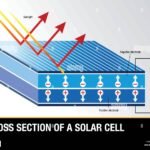
Understanding how solar panels actually work is key when you explain your project to banks and utility reps. Check out our guide on how solar panels generate electricity for a clear breakdown.
Note: This batch includes the intro, Quick Answer, and first 5 TOC sections. The remaining two sections ("Is a Solar Farm Right for You?" and "Frequently Asked Questions") will be completed in the next batch to stay within word count.
Is a Solar Farm Right for You? (Decision Guide)
Before you spend a dollar on land or engineering, ask yourself these four questions. Your answers will tell you if this is worth pursuing.
Do you have at least 10 acres of sunny, flat land near a three-phase power line? If not, your interconnection costs will kill the project. If yes, move to the next question.
Can you wait 18 to 24 months before seeing any revenue? The interconnection queue alone takes a year or more. If you need cash flow sooner, a solar farm isn't a good fit. If you have patient capital, keep going.
Are you comfortable negotiating with a utility that doesn't have to buy your power? Georgia's lack of a renewable mandate means you're a supplicant, not a partner. If you have strong negotiation skills or can hire someone who does, you have a chance. If you expect the utility to welcome you, think again.
Do you understand the financing options? Most developers use a tax equity flip or a lease structure. You need a CPA who knows solar depreciation and the federal Investment Tax Credit. If you're planning to fund it entirely with a bank loan, review the solar panel buying guide to understand equipment costs and warranties.
Who Should Pursue a Solar Farm?
| Profile | Likely Outcome |
|---|---|
| Landowner with 20+ acres, wants passive income | Good fit with careful planning |
| Farmer looking to diversify income | Good if you can combine with agrivoltaics |
| Investor seeking 8-12 year payback | Marginal but possible with tax credits |
| First-time developer with no utility experience | High risk; get a partner |
| Retiree wanting quick cash flow | Not a match; patience is essential |
If you checked most of the boxes and understand the risks, a solar farm in Georgia can be a solid long-term asset. If not, consider leasing your land to an experienced developer instead of building yourself.
Frequently Asked Questions
How much land do I need for a 1 MW solar farm in Georgia?
You need 5 to 7 acres for fixed-tilt systems and 6 to 9 acres for single-axis trackers. Factor in setbacks, buffer zones, and access roads.
What is the typical payback period for a Georgia solar farm?
Expect 8 to 12 years depending on your power purchase agreement rate, installed cost, and federal tax benefits. The Investment Tax Credit shortens this significantly.
Do I need a special permit from the Georgia Public Service Commission?
Not for a single solar farm under 100 MW. But if you plan to sell directly to retail customers (not via a utility), you may need a certificate of public convenience and necessity.
Can I graze sheep under the solar panels in Georgia?
Yes, and it's common. Agrivoltaics keeps vegetation down and creates a second income stream. Check with your county planning office, as some zoning codes restrict livestock on solar sites.
What happens to the solar panels at the end of their life?
Your decommissioning plan, required by the county, must detail removal and recycling. Most crystalline silicon panels have a 30-year lifespan. Recycling options exist but are still limited in the Southeast.
How do I find a good solar farm lawyer in Georgia?
Ask the Georgia Solar Energy Industries Association for referrals. You need someone familiar with interconnection agreements, land leases, and the specific utility tariffs in your area. Understanding what a solar panel is and how it works can also help you communicate with legal and financial partners.

Similar Posts