Keep Solar Panels Snow-Free: 4 Easy Methods

You look out your window after a heavy snow and see your solar panels buried under a thick white blanket. Your energy production just dropped to near zero, and you're wondering how to keep solar panels clear of snow without damaging them or risking your safety. It's a valid concern, and the answer depends on more than you might think.
According to research from the National Renewable Energy Laboratory, a 2-inch layer of snow can cut a solar panel’s output by roughly 80 percent. But the bigger question isn’t production loss, it’s how to clear that snow safely. Let’s walk through what actually works and what could cost you a lot more than a few lost kilowatt-hours.
Quick Answer
The safest way to keep solar panels clear of snow is to let nature do the work. Tilted panels often shed snow on their own. Only intervene if the snow is thick and not melting.
Use a soft plastic snow rake from the ground. Never use metal tools or hot water. Avoid climbing on the roof.
Why Snow on Solar Panels Is a Problem (and When It’s Not)
Snow becomes a problem when it fully blocks sunlight from reaching the photovoltaic cells. Those cells need direct or diffuse light to generate electricity, and a heavy coat of snow acts like a blanket. In our research, even a 1-inch layer can reduce output by 50 to 80 percent depending on snow density.
But here’s the nuance: a thin, translucent layer of snow on a clear day still lets some light through. And cold temperatures actually improve panel efficiency. The same panel might produce more power in 30 °F weather than in 90 °F weather, even with a light dusting.
So a little snow isn’t always bad. The problem is accumulation that stays for days without melting.
Heavy snow can also create a structural issue. A 2-foot-deep, wet snowpack on a flat-roof array can add hundreds of pounds of load. If your racking system wasn’t designed for that, you risk panel damage or roof leaks.
That’s why knowing your system’s snow load rating matters. Check your manufacturer specs or look up the load rating on your racking, most residential systems handle 30 to 50 pounds per square foot. If you live in a heavy snow zone, you may want to consider tilt-adjustable racking to help shedding.
For more on how these systems capture sunlight, see our breakdown of how solar panels generate electricity.
The #1 Rule: Don’t Intervene Unless You Must
This might sound counterintuitive, but it’s the single most important piece of advice. Solar panels are designed to shed snow on their own. The glass surface is smooth and slightly angled, and as the sun warms the panel, the snow layer melts from the bottom and slides off in a sheet.
Most panels in moderate climates clear themselves within a day or two after a storm.
Intervening too early or with the wrong tools can void your warranty, crack the glass, or cause personal injury. Manufacturer warranties almost universally prohibit any mechanical scraping or cleaning with abrasive materials. SunPower, LG, and REC all explicitly state that using a rake or brush can scratch the glass and void coverage.
Even if you don’t see damage, microscopic scratches reduce light transmission over time.
So when should you step in? Only when the snow is heavy and persistent, or when your system is ground-mounted and easy to access. If your roof is sloped and the snow slides naturally, wait it out.
If you must act, follow the steps later in this guide. And if you’re unsure, know that many homeowners simply let nature take its course without any loss. For a deeper look at what’s inside that solar panel, check out our article on the main components of a solar panel.
How Solar Panels Shed Snow Naturally (and Why Tilt Matters)
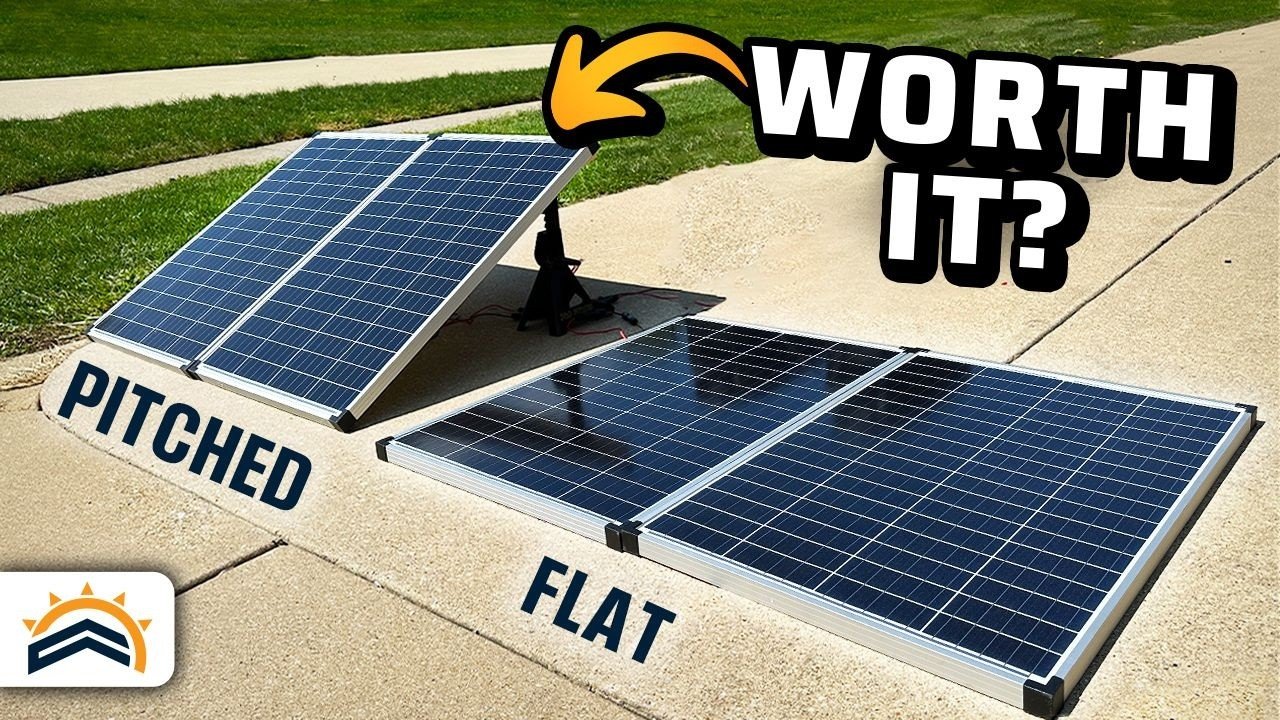
The physics of snow shedding is straightforward: gravity and warmth. A solar panel tilted at 30 to 45 degrees lets snow slide off once the glass warms above freezing. Panels mounted flat on a roof barely shed at all, because the snow sits perfectly still.
That’s why roof pitch matters. In snowy regions, installers typically tilt panels at 45 degrees or more to encourage sliding.
The glass itself is tempered and coated with a hydrophobic layer. Water beads up and runs off, and snow does the same once the base melts. The panel’s dark surface absorbs heat, even on cloudy days, raising the glass temperature a few degrees above ambient.
That small difference is enough to start melting the bottom layer of snow, creating a lubricating water film. Once that film forms, the whole snow sheet can slip off in one piece.
If your panels aren’t shedding, check the tilt. A low-slope roof might need snow guards or heating elements. You can also adjust the tilt seasonally on some ground-mount systems.
Winter tilt should be steeper to promote shedding. For more on choosing the right setup for your climate, read our solar panel buying guide.
The Real Risks: Warranty Voids, Glass Damage, and Personal Injury
Let’s get honest about the dangers. The biggest risk is personal injury. Walking on a snow-covered roof with ice is extremely dangerous.
Even with a safety harness, a slip can lead to a fall. OSHA reports that thousands of roofing injuries occur each year. Solar panels add a slippery surface on top of slippery shingles.
Do not climb onto a roof to clear snow.
Next is warranty voiding. As mentioned, almost every major manufacturer bans abrasive cleaning. If you use a metal roof rake and leave a scratch, your warranty is null.
Some companies even prohibit using any tool at all. Check your warranty document before buying a rake.
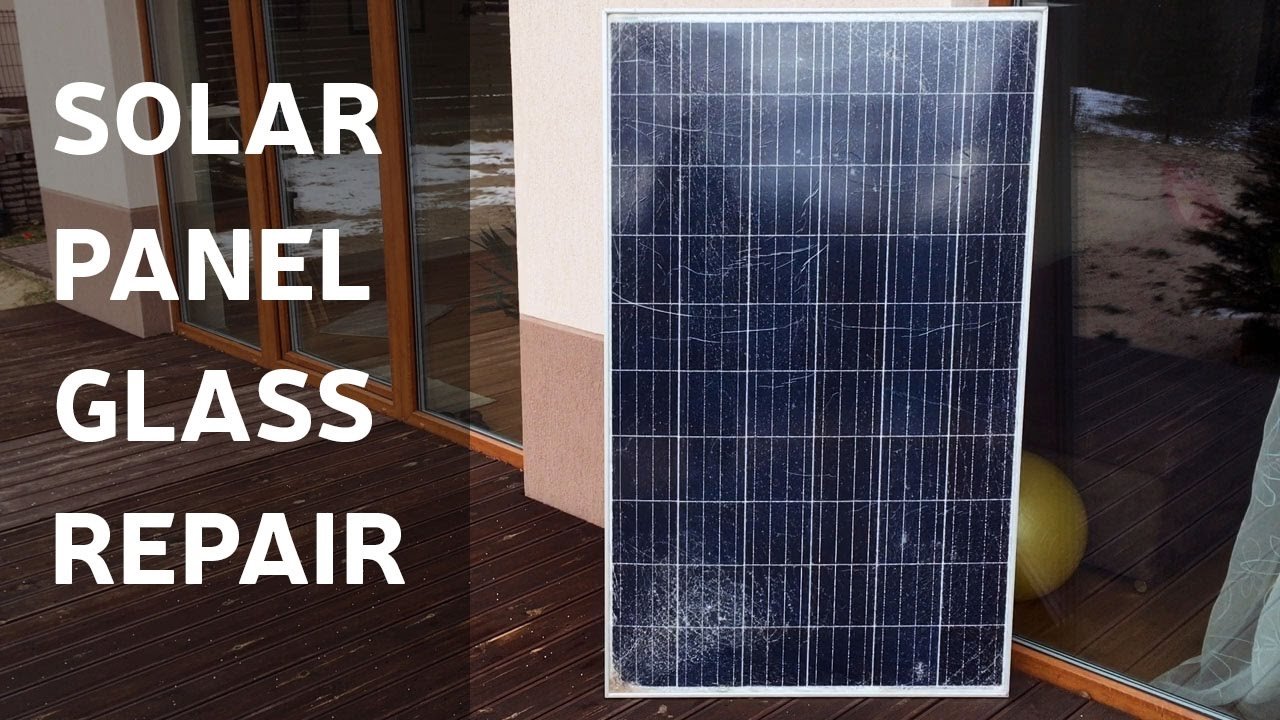
Then there’s immediate physical damage. Tempered glass is tough but not invincible. A sharp edge or a hard plastic blade can cause microcracks that grow over time.
Pressure washers can force water into the junction box and cause electrical faults. Hot water can cause thermal shock, the sudden temperature difference can crack the panel. I’ve seen photos on solar forums of a homeowner who poured hot water on a panel and watched it shatter.
Don’t try it.
Finally, electrical risk. Solar panels produce DC voltage whenever light hits them. If you damage the wiring or the glass, you expose live components.
That’s a shock hazard. Always disconnect the system at the inverter before cleaning, and never use water on a hot panel. For a clearer picture of how electricity flows through these systems, take a look at our guide explaining how do solar panels work.
Manual Snow Removal Tools: What Works and What Scratches
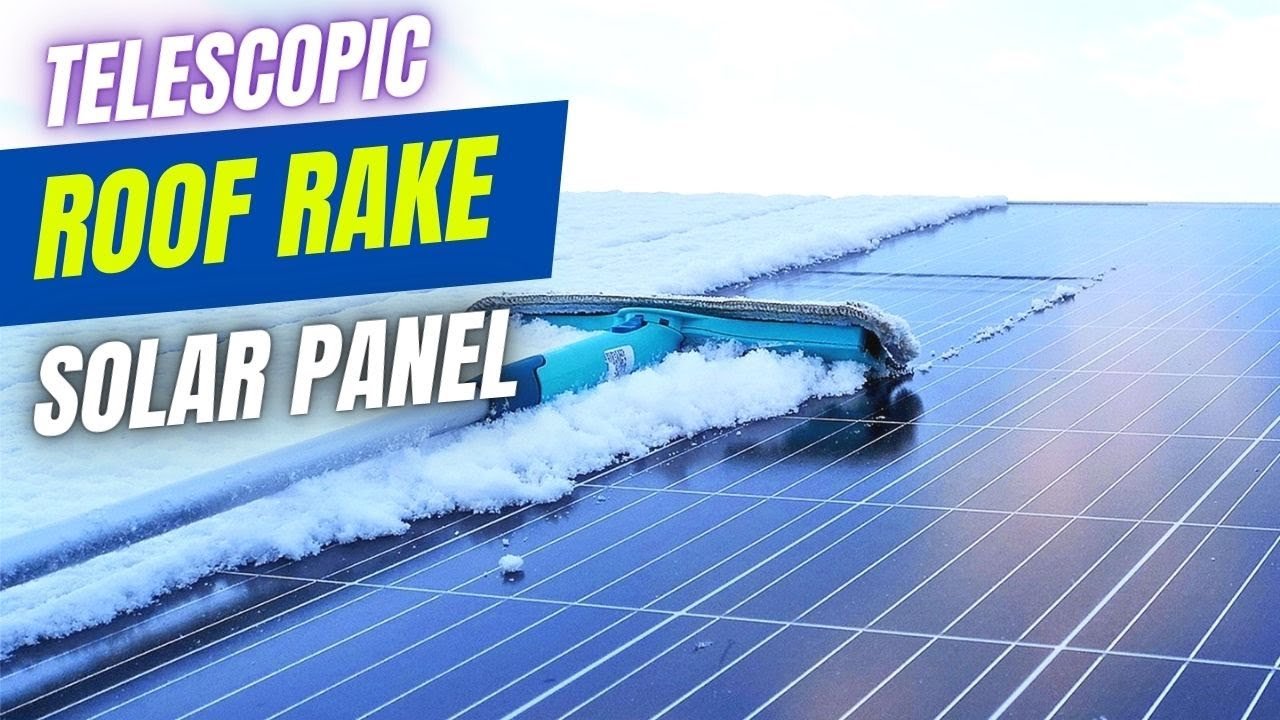
If you decide to clear snow manually, choose the right tool. Avoid metal blades, hard plastic with sharp edges, and any abrasive surface. The best tool is a dedicated solar snow rake with a foam or soft rubber blade.
These are sold at hardware stores and online. Short-handled ones work for ground-mounted panels; long telescoping versions let you reach roof panels from the ground.
Another option: a long-handled soft brush or squeegee designed for solar panels. Use a brush with silicone or foam bristles that won’t scratch. Never use a pressure washer, as the high pressure can damage the frame seal.
And never use a metal shovel, that will scratch immediately.
Here’s a quick comparison of common tools and their risks:
| Tool | Safe for panels? | Risk level | Notes |
|---|---|---|---|
| Soft plastic snow rake (foam blade) | Yes | Low | Best for light dry snow |
| Rubber squeegee on a pole | Yes | Low | Good for wet snow |
| Metal roof rake | No | High | Scratches glass |
| Hard plastic broom | No | Medium | Edges can microcrack |
| Pressure washer | No | High | Damages seals, forces water |
| Hot water bucket | No | Very high | Thermal shock |
If you use a rake, work from the ground. Never climb a ladder while carrying a long pole. Clear only the lower half of the panel if the snow is deep; the rest often slides off on its own.
Pull the snow downward, never push upward, to avoid damaging the bottom edge of the panel.
For ground-mounted systems, you can also use a leaf blower on low speed to push light powder off. Just be careful not to blow debris or grit that could scratch. And as always, check your warranty before buying any tool.
If your warranty bans all mechanical removal, stick to doing nothing.
Heated Snow Melting Systems: Cost vs. Convenience
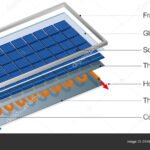
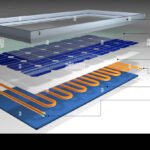
If manual removal isn’t your thing, a heated system can do the work for you. These systems use electric heating cables or mats that attach to the back or along the edges of each panel. When snow falls, the system turns on automatically and melts snow as it lands.
You never touch the panels.
There are two main types: heating cables and adhesive heating mats. Cables run along the panel edges or under the frame. Mats stick directly to the back of the panel.
Both prevent snow accumulation but add installation complexity and ongoing electricity costs.
Here’s a quick comparison:
| Feature | Heating cables | Heating mats |
|---|---|---|
| Installation method | Clips or adhesive along panel frame | Adhesive backing sticks to panel back |
| Coverage | Edges only, snow slides off center | Full back surface, faster melting |
| Typical cost per panel | $30 – $60 | $80 – $150 |
| Power draw per panel | 100 – 200 watts | 200 – 400 watts |
| Best for | Retrofit on existing arrays | New installations or ground-mount |
| Risk factor | Damages warranty if not pre-approved | May void warranty unless specified |
Our research shows that heated systems can add $50 to $150 per year in electricity costs for a typical 10-panel array in a snowy region. That’s a trade off. If you live in an area with consistent heavy snowfall and high electricity rates, it might be worth it.
If snow is light and infrequent, passive shedding is cheaper.
Before buying, check your panel manufacturer’s warranty policy on heating elements. Some brands like REC and SunPower explicitly allow third-party heating kits if installed per their guidelines. Others do not.
Always get written confirmation. Also consider a professional installation, which adds $200 to $500 for labor. For more on choosing the right equipment, see our solar panel buying guide.
Step-by-Step: How to Clear Snow Safely from the Ground

This process is for roof-mounted panels only if you can reach them from the ground with a long pole. For ground mounts, adapt as needed.
Step 1: Wait for sunshine. If the sun is out and panels are warm, wait an hour. They may shed snow on their own.
Step 2: Choose your tool. Use a soft plastic snow rake with a foam or rubber blade. Never use metal or hard plastic. Ensure the handle is long enough to reach the panels while you stand on the ground.
Step 3: Grip and approach. Stand at the bottom of the array, not directly under the panels in case of falling snow. Extend the rake gently upward. Do not hit the panel or scrape.
Step 4: Pull downward. Draw the blade across the panel from top to bottom. Use light pressure. The snow should slide off in sheets.
Clear only the lower half of each panel if the snow is deep.
Step 5: Check your work. After clearing, monitor your system’s output in the app or inverter display. If production doesn’t increase, there may be ice or remaining snow. Do not go back up to scrape.
Wait for sun.
Step 6: Repeat as needed. After each new snowfall, repeat this process only if the snow is thick enough to block significant light. Light dustings don’t need removal.
For more context on how your panels produce power in cold weather, read our guide on how solar panels generate electricity.
When to Call a Professional (and When to Walk Away)
Sometimes the smartest move is to hire someone with the right gear and insurance. You should call a professional if:
- Your panels are on a steep or icy roof with no safe ground access.
- You’re not comfortable with a long rake or heights.
- The snow is heavy, wet, and more than 6 inches deep.
- You see signs of ice dams under the panels.
- Your warranty allows only professional removal.
Professional solar maintenance companies use foam-tipped poles, heated water (at controlled temperatures), and safety harnesses. They carry insurance in case something goes wrong. Average cost in 2026 is $150 to $400 per visit, depending on panel count and roof complexity.
When should you walk away and do nothing? If the snow is light, dry, and likely to melt within 48 hours. If your system is tilted above 30 degrees.
If you cannot safely reach the panels from the ground. And if your warranty prohibits any manual removal. Many homeowners lose less than $20 worth of production during a multi-day snow event.
That’s less than the cost of even a single professional visit.
As one solar installer told us, “The panels want to shed. Let them.”
Winter Maintenance for Solar Panels Without Removal
You can keep your panels performing well during winter without ever touching the snow. Focus on three things: cleanliness, angle, and monitoring.
Keep the glass clean before snow season. Dirt, pollen, and bird droppings trap heat and reduce efficiency. In winter, a clean panel melts snow faster. Wash your panels in late fall using water only.
No soap or brushes needed if you have decent rain. For how to clean safely, see our article on solar panel maintenance.
Check your tilt angle. If your racking allows seasonal adjustment, tilt the panels steeper in winter. A 45 degree angle sheds snow better than a 20 degree angle. Adjust before the first freeze.
Monitor your system. Use your inverter app or monitoring platform to track daily output. Compare sunny winter days to summer baselines. A sudden drop may indicate snow, shade, or a malfunction.
If output drops on a clear day, there might be an issue unrelated to snow.
Shovel snow from the ground around ground-mounted arrays. This prevents snow from piling up against the bottom edge and blocking airflow. Good airflow helps panels stay cooler and melt faster.
Finally, consider adding snow guards above your panels if you live in a region with frequent avalanche-like snow slides. Guards prevent large sheets of snow from sliding off the roof and damaging gutters or landscaping. They don’t remove snow from panels but protect what’s below.
Frequently Asked Questions About Snow and Solar
Will snow damage my solar panels?
No, not if the panels are properly rated for your area. Most panels are tested for snow loads of 30 to 50 pounds per square foot. A typical heavy snow layer weighs far less.
Damage only comes from improper removal or extreme ice buildup.
Do I need to clear snow off ground-mounted panels?
Only if the snow is thick and you want maximum production. Ground mounts are easy to clear with a soft rake or leaf blower. Many owners let ground mounts self-clean because they tilt and shed quickly.
Can I use a leaf blower to remove snow?
Yes, for light dry snow only. Use low speed and keep the nozzle a few inches away to avoid blowing debris onto the glass. Never use a leaf blower on wet, heavy snow; it will just push and smear.
How much electricity do I lose from snow?
It varies. A 2-inch layer can block 80% of light. A 1-inch layer reduces output by 50%.
But the loss is temporary. Over a whole winter, total lost production is often less than 5% in moderate climates and up to 15% in deep snow zones.
Does a dark panel melt snow faster?
Yes. The dark photovoltaic cells absorb sunlight and heat up. This raises the glass temperature a few degrees above ambient, which helps the bottom layer of snow melt.
That’s why modern black-on-black panels shed snow more effectively than older blue panels.
Is it worth installing a heated system?
It depends. If you rely on solar for off-grid power or live in a region with constant snowfall, the convenience may justify the cost. For most grid-tied homes, the lost production doesn’t cover the system price and energy consumption.
Do the math for your situation.
Final Decision Guide: Should You Clear Snow or Wait?
Here is a quick decision framework based on your specific situation.
| If you… | Then… |
|---|---|
| Have a steep roof with safe ground access and light snow | Wait. Let it slide naturally. |
| Have a flat roof or ground mount with heavy snow | Clear gently from ground with a soft rake. |
| See deep wet snow that hasn't melted in 48 hours | Consider a professional or a heated system. |
| Cannot safely reach panels from the ground | Do nothing. Production loss is temporary. |
| Have a warranty that bans all tool use | Do not touch the panels. Ever. |
In most cases, the best approach is to let nature handle it. Your panels are built to shed snow. The small amount of lost production during a storm is rarely worth the risk of injury or damage.
If you must intervene, do so from the ground with the right tools and full knowledge of your warranty terms. That is the safest way to keep solar panels clear of snow without regret.

Similar Posts