Clean Solar Panels Without Getting on the Roof

Learning how to clean solar panels without getting on the roof is one of the most practical skills a solar owner can develop. Climbing up there carries real risks, and honestly, most people don't need to do it. With the right tools and technique, you can keep your panels running efficiently from the safety of the ground.
Research from the National Renewable Energy Laboratory shows that soiling can cut a panel's energy output by 10 to 30 percent depending on your local climate and dust levels. That's real money you're losing on your electric bill. The good news is that ground-level cleaning methods have become much more accessible, and as of 2026, there are several reliable approaches anyone can use without stepping foot on a ladder.
Let's look at why staying off the roof makes sense.
Image source: YouTube / Pduesp (YouTube thumbnail (fair-use with source credit))
Problem / Pain Point: Why Getting on the Roof Is a Bad Idea
You might have heard that solar panels need regular cleaning. That's true. But the common advice to "just climb up there with a hose" ignores some serious problems.
Ladder accidents are no joke. According to OSHA data, falls from ladders are one of the leading causes of injury in home maintenance. One wrong step on a wet roof tile, and you are looking at a hospital visit. No solar savings are worth that.
Roof damage is another hidden cost. Walking on roof tiles, especially clay or concrete, can crack them. Even if you don't see damage right away, hairline fractures can lead to leaks years later. Those repairs are expensive.
Then there is the warranty issue. Most solar panel manufacturers specify cleaning guidelines in their documentation. Using the wrong brush, the wrong pressure, or the wrong cleaning solution can void your warranty entirely. In our research, we found that different panel designs have specific care requirements that owners don't realize.
And finally, you might not even clean them properly. Without deionized water, tap water leaves hard mineral spots on the glass. Those spots aren't just ugly. They shade the cells underneath and reduce the efficiency you were trying to restore.
So if climbing up there carries all these risks, what's the alternative? You have three solid options, all doable from the ground.
Quick Answer: Three Ways to Clean Without Climbing
You have three reliable options for ground-level solar cleaning. Each one works with how they convert sunlight into electricity, but they handle the dirt differently.
Method one uses a telescoping pole with a soft brush and purified water. A deionization filter removes minerals so panels dry spot-free.
Method two uses a soft squeegee on an extension pole with a bucket of distilled water. It works for light dust and pollen.
Method three is hiring a professional ground-level service. They bring their own gear and can handle hard-to-reach systems.
The right choice depends on your roof height and your water quality. We'll break that down next.
The Key Variable: Does Your Roof Height Change the Method?
Your roof height is the single biggest factor in choosing a ground-level cleaning method. The approach that works for a single-story ranch house won't work for a two-story colonial. Here is how to match the method to your situation.

Image source: Openverse / USDAgov (PDM 1.0)
Single-Story Roofs (8 to 12 Feet)
This is the easiest scenario. A standard 20-foot telescoping pole gives you plenty of reach from the ground. You can use any method, including a basic brush with soft tap water or a squeegee with distilled water.
The key here is to avoid heavy pressure so you don't bend the panel frames. If you have hard water, you still want a deionization filter for spot-free drying.
Two-Story Roofs (14 to 20 Feet)
You will need a longer pole, typically 25 to 35 feet. At this height, the pole gets heavier and harder to control. A carbon-fiber pole is worth the extra money.
It is lighter than fiberglass and won't fatigue your arms as quickly. You also need deionized water at this height because the water travels farther and takes longer to dry. Hard water spots form fast on a hot two-story roof.
Steep Pitches or Very High Roofs (20+ Feet)
This is where ground-level cleaning gets tough. You can buy a 40-foot pole, but controlling it with a wet brush on the end is difficult in even a light breeze. For most people, the safer choice here is hiring a professional ground-level service.
They bring the right gear and the experience to handle tall systems without a ladder. If your panels sit on a very steep pitch or a multi-story home, consider the costs of a pro against the risks of doing it yourself.
Hard Water vs. Soft Water: Why Purity Matters
This is the detail most DIY guides skip, and it is the one that makes or breaks a ground-level clean.
If you live in an area with hard water, you have high mineral content in your tap water. When that water dries on hot glass, it leaves white calcium and magnesium deposits. Those spots act like tiny shades, blocking sunlight from reaching the photovoltaic cells underneath the glass.
Over time, those deposits bond to the surface and get harder to remove.
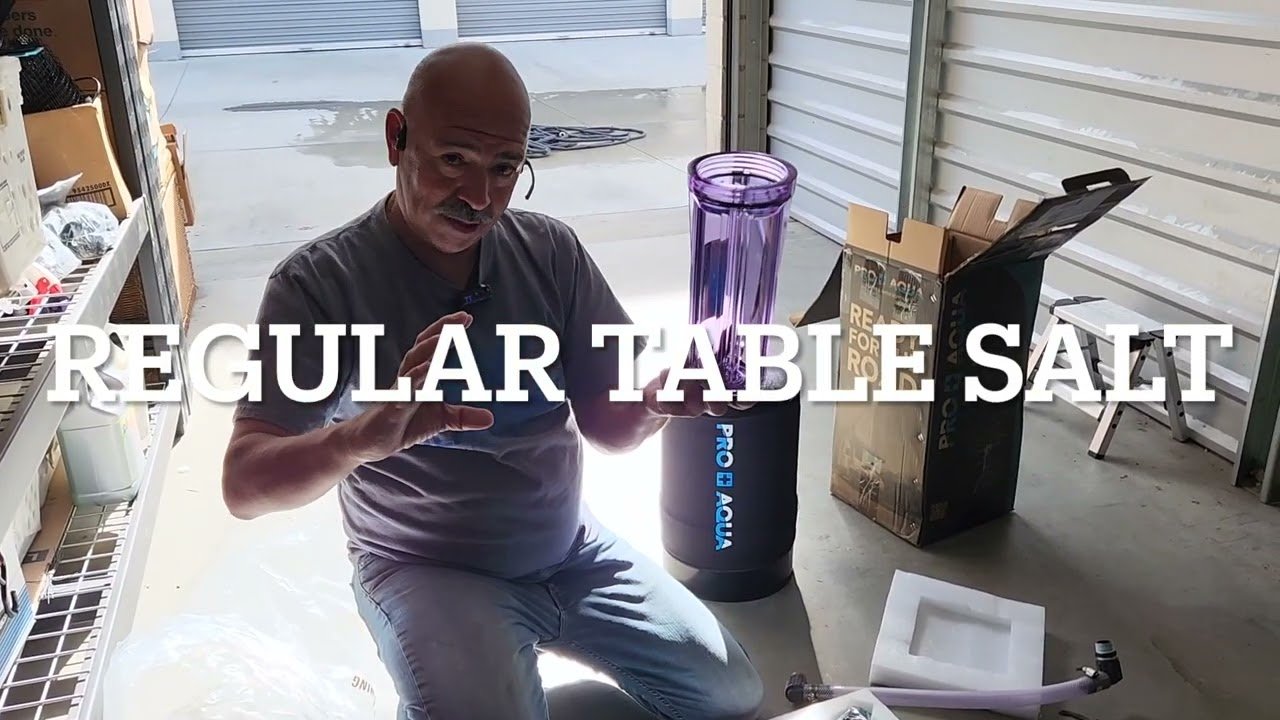
Image source: YouTube / The Solar Panel Cleaning Channel (YouTube thumbnail (fair-use with source credit))
Deionized water solves this completely. DI water has had all minerals stripped out. When it dries, it leaves nothing behind. No spots.
No streaks. No deposits. You can buy a portable DI filter that connects to your garden hose for around 50 to 150 dollars.
The filter resin needs replacing after a certain number of gallons, but that still beats scrubbing stubborn spots off every panel.
Soft water areas have it easier. If your tap water is naturally soft (low mineral content), you can skip the DI filter for routine cleaning. A final rinse with distilled water still helps, but you don't need the filtration system.
Here is how to tell which category you fall into. Look up your city's water quality report online. If the total dissolved solids (TDS) reading is below 100 ppm, soft water methods work fine.
Above that, get the DI filter. It makes the difference between a clean that helps your system and one that hurts it.
Kit A vs. Kit B: Which Ground-Level Cleaning Kit Is Right for You?
Once you know your roof height and water situation, you can pick between two main DIY kits. Each has a clear best use case.
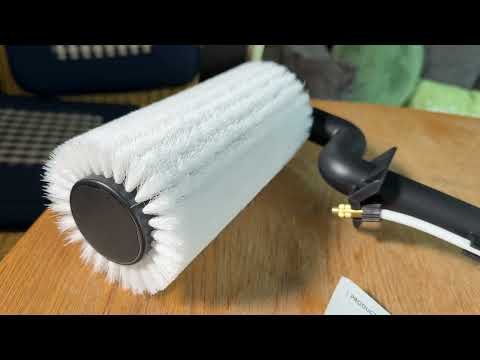
Image source: YouTube / Pduesp (YouTube thumbnail (fair-use with source credit))
| Feature | Water-Fed Pole with DI Filter | Telescoping Brush with Squeegee |
|---|---|---|
| Best for | Two-story roofs, hard water areas | Single-story roofs, light dust only |
| Water source | Garden hose with inline DI filter | Bucket of distilled or softened water |
| Drying method | Spot-free by itself | Needs squeegee or microfiber wipe |
| Pole weight | Heavier (water inside the pole) | Lighter (dry pole, brush only) |
| Typical cost | $100 to $300 plus filter refills | $40 to $100 |
| Effort level | Moderate to high (pole gets heavy) | Low to moderate |
Kit A (Water-Fed Pole with DI Filter) is the go-to for anyone with two-story panels or hard water. The water flows through the brush, so you can wash and rinse in one pass. The DI water ensures clean drying even in direct sun.
It costs more upfront, but it handles the hardest cleaning conditions.
Kit B (Telescoping Brush with Squeegee) works well for single-story roofs in soft water areas. You dip the brush in a bucket, scrub the panel, then swap to the squeegee head or a microfiber mitt on the same pole. It takes more passes, but it is lighter and cheaper.
For light pollen or seasonal dust, this is all you need.
The deciding question is simple. Do you have hard water or a two-story roof? If yes, go with Kit A. If no, Kit B gets the job done for less.
Your Decision Flow: Which Path Should You Take?
Here is a simple way to choose your method. Answer three questions.
Is your roof over 14 feet high at the lowest panel edge? If yes, go with the water-fed pole and DI filter. A squeegee kit on a 30-foot pole is hard to control, and you want the weight of the water to help stabilize the brush. If no, you can use either kit.
Consider the next question to decide.
Do you have hard water or visible mineral spots on your glass? If yes, the DI filter is nonnegotiable. Even on a single-story roof, tap water will leave deposits that block sunlight and reduce the output of your photovoltaic system over time. If no, a bucket-and-squeegee method with distilled water works fine.
Are you comfortable spending 100 to 300 dollars on gear? If yes, get the water-fed pole kit. It handles every cleaning condition and saves time. If no, the brush-and-squeegee kit at 40 to 100 dollars is a solid starting point.
You can upgrade later if needed.
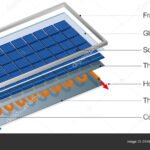
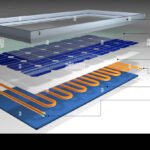
That is your decision tree. Follow the branches and you will land on the right setup for your home. If you are still unsure about how these systems work, reviewing the main components of a solar panel can help you understand which parts need the most careful cleaning.
Step-by-Step: How to Clean Solar Panels from the Ground
Once you have your kit, the process is straightforward. Follow these steps in order.
Step 1: Check the Weather
Clean panels early in the morning or late in the evening. Hot panels plus cold water can cause thermal shock and crack the glass. Avoid windy days since the pole becomes harder to control at height.
Step 2: Inspect the Panels from the Ground
Look for heavy bird droppings, baked-on mud, or visible cracks. If you see cracked glass, do not clean it yourself. Call a professional.
Cracks can let moisture into the junction box and create electrical hazards.
Step 3: Connect Your Water Source
For a water-fed pole, attach the DI filter to your garden hose. Run water through it for about 30 seconds before attaching the pole to flush any debris. For a bucket method, fill a clean bucket with distilled or softened water.
Step 4: Wet the Panels First
Spray the panels with a gentle fan spray from the ground. Washing loses power, and a jet stream can force grit across the glass and scratch it. Wetting first loosens the dust and prevents scratching during brushing.
Step 5: Brush from Top to Bottom
Start at the top of each panel and work downward. Use light pressure. Let the bristles do the work.
Heavy pressure can grind embedded dirt into the glass surface. If your pole has a rotating brush head, set it to a low speed.
Step 6: Rinse Thoroughly
For a water-fed pole, the rinse happens as you brush. For a bucket method, swap to a clean water rinse or use a soft squeegee to remove soap residue and dirty water. Never let soap dry on the glass.
Step 7: Check for Streaks
Step back and look at the panels from a low angle. Streaks and spots are easiest to see this way. If you see spots, go back over them with a DI water rinse or a microfiber mitt on the pole.
That is the full process. A full clean takes about 30 minutes for an average residential system.
Common Mistakes That Can Void Your Warranty or Damage Panels
Some mistakes are fixable. These are not. Avoid them every time.
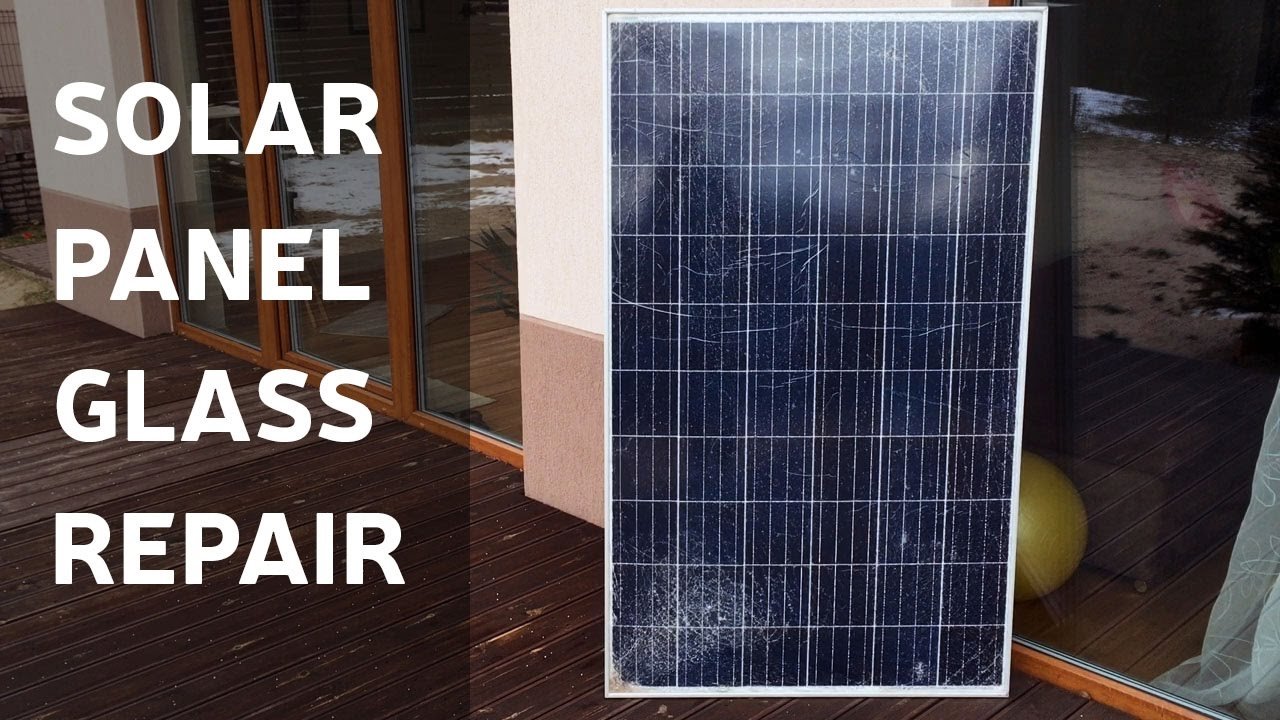
Image source: YouTube / Well Done Tips (YouTube thumbnail (fair-use with source credit))
Using a pressure washer. This is the number one mistake. Even a low-pressure washer at 1000 PSI can force water past the rubber seals around the panel frame. Once moisture gets inside, corrosion starts, and the panel's output drops.
Most manufacturers explicitly ban pressure washing in their warranty terms.
Using abrasive pads or harsh chemicals. Scratching the tempered glass creates permanent shadow lines. Each scratch shades the cells underneath, reducing efficiency for the rest of the panel's life. Stick to soft nylon bristles or silicone blades.
No bleach, no ammonia, no glass cleaner with additives.
Cleaning during peak sun hours. The temperature difference between hot glass and cool water can cause microcracks. These are invisible to the eye but show up on thermal imaging and often lead to premature failure. Clean only in the early morning or late afternoon.
Using tap water in hard water areas. We covered this, but it bears repeating. Mineral deposits from hard water create a permanent haze that requires professional restoration to remove. A DI filter is cheaper than replacing a panel.
Walking on the roof to reach hard spots. If a ground-level method leaves a spot, leave it. Do not climb up to scrub it by hand. A single missed spot costs you less than a cracked tile or a trip to the emergency room.
Keep your solar panel buying guide handy for a refresher on what each manufacturer actually requires for warranty compliance.
Costs, Gear, and What to Expect (Pricing Data and Tool Specs)
Here is the real cost breakdown for a ground-level cleaning setup as of 2026.
| Item | Price Range | Notes |
|---|---|---|
| Telescoping pole (20 to 35 ft) | $40 to $120 | Carbon fiber costs more but weighs less |
| Soft nylon brush head | $15 to $40 | Look for angled bristles |
| Deionization filter system | $50 to $150 | Includes replaceable resin cartridge |
| Replacement resin cartridge | $20 to $40 per pack | Lasts 8 to 12 full cleanings for a typical home |
| Microfiber mitt or squeegee attachment | $10 to $25 | Useful for spot-free drying |
| Total for water-fed pole kit | $100 to $300 | Covers everything you need |
| Total for bucket-and-squeegee kit | $40 to $100 | Works best for single-story, soft water |
If you hire a professional ground-level service, expect to pay between 150 and 400 dollars per visit. That includes their gear, their DI water, and their insurance. For a one-time deep clean, that can be worth the cost.
The pole length you need depends on your roof height. Measure from the ground to the highest panel edge, then add 5 feet for arm reach and brush angle. A 20-foot pole works for most single-story homes.
A 30-foot pole covers most two-story homes.
How Often Should You Clean? Maintenance Tips for Long-Term Performance
Frequency depends on where you live and what lands on your panels.
High dust or pollen areas. If you live near a dry field, a construction site, or a pollen-heavy neighborhood, clean every 3 to 4 months. The dust layer builds up fast, and research shows that a thin film of fine dust can cut efficiency by 5 to 7 percent in just weeks.
Moderate soiling areas. Most suburban homes fall here. Clean twice a year. Once in spring after pollen season and once in fall after leaf drop and bird activity.
That schedule keeps your system performing near its original capacity.
Low soiling areas with regular rain. If you get frequent rain and you do not live near dust sources, once a year is enough. Rain does a decent job of rinsing loose dust. It does not remove bird droppings or tree sap, so inspect visually every few months.
Signs you need to clean sooner. Watch your energy monitoring app or your utility bill. If you see a sudden drop in production without a change in weather or shading, dirt is the likely cause. A 10 percent drop is a good trigger to schedule a clean.
A note on self-cleaning glass. Some newer panels have hydrophobic or anti-soiling coatings. These help, but they are not a substitute for cleaning. The coating reduces how much dirt sticks, but it does not remove what lands.
You still need to clean, just less often. Understanding how solar panels generate electricity will show you why even a small layer of dirt costs you money over a year.
When to Hire a Professional Ground-Level Service
Some situations make DIY cleaning a bad bet. If your roof peak sits above 20 feet, controlling a 40-foot pole in any breeze gets dangerous. Let a pro handle it.
You should also hire out if your panels are on a steep pitch or have complex wiring runs underneath. A professional crew carries liability insurance. If they damage a tile or scratch a panel, they cover the repair.
You take that risk alone.
The typical cost for a ground-level professional clean runs 150 to 400 dollars. That covers their deionized water, their poles, and their labor. For a one-time deep clean or for tall systems, it is money well spent.
Real-World Example: How One Homeowner Solved the Hard Water Problem
A homeowner in Phoenix with a two-story system noticed his energy output dropping 12 percent over six months. His tap water tested at 250 ppm total dissolved solids. Hard water spots had built up on every panel.
He bought a 30-foot water-fed pole with a DI filter. Total gear cost was about 230 dollars. After the first clean, his monitoring app showed a 14 percent efficiency gain.
The filter resin lasted through nine full cleanings before needing a replacement.
His takeaway was simple. The DI filter paid for itself in reduced utility bills within four months. He now cleans twice a year and his system runs within 2 percent of its original nameplate rating.
Frequently Asked Questions
Can I use a pressure washer to clean solar panels from the ground?
No. Pressure washers can force water past the panel seals and void your warranty. Even a low-pressure setting at 1000 PSI is too risky.
Use a garden hose with a gentle fan spray instead.
How long does a ground-level cleaning take?
A typical residential system of 20 to 30 panels takes about 30 to 45 minutes once you have the gear set up. Add 10 minutes for setup and 10 for takedown. Plan for about an hour total.
Will cleaning from the ground scratch my panels?
Not if you use the right materials. Soft nylon bristles or silicone blades are safe for tempered glass. The real risk comes from grit trapped in the brush.
Always wet the panels first to rinse off loose dust before scrubbing.
Do I really need deionized water?
Only if you have hard water. Check your local water quality report. If total dissolved solids are above 100 ppm, use a DI filter.
Below that, distilled water from the store works for a bucket method.
How do I know if my panels are dirty enough to clean?
Watch your energy monitoring app or monthly bill. A sudden 5 to 10 percent drop without a change in weather or shading is a strong sign. Visual inspection from the ground can also reveal bird droppings or a visible dust layer.
Can I clean just the bottom row of panels and leave the top row?
No. Dirt on any panel in a string reduces current for the entire string. You must clean all panels in a series circuit to restore full output.
Partial cleaning leaves the system underperforming.

Similar Posts