Cancel Solar Panel Contract Without Penalty
So you’re searching for how to cancel a solar panel contract. Maybe the sales rep glossed over the fine print, or your monthly savings didn’t appear as promised. Perhaps your financial situation shifted and the long-term commitment no longer fits.
It’s frustrating, but you’ve got options.
The Federal Trade Commission’s Cooling-Off Rule gives you three business days to back out of a contract signed in your home. That window is tight, but it’s real. Even if you missed it, your next move depends on the contract type and how far along the installation is.
Let’s walk through each step.

Image source: Wikimedia Commons / MassDOT
The Problem: You Signed a Solar Contract and Now Want Out
You aren’t alone. Thousands of homeowners each year feel trapped after signing a solar lease, PPA, or loan. The industry has grown fast, and some sales practices have been aggressive.
A 2024 study by the Consumer Federation of America found that many solar contracts include auto‑escalation clauses that raise your monthly payment 2, 3% annually, a detail often buried in the paperwork.
Common triggers for wanting to cancel include:
- The system doesn’t produce the energy the salesperson promised.
- You discover a UCC‑1 lien placed on your home that you never knew about.
- You’re moving and the contract can’t be transferred easily.
- The price per kilowatt‑hour is higher than your utility’s rate.
Whatever your reason, the key is knowing exactly what kind of contract you have. That determines every next step.
Quick Answer: Three Paths to Cancellation Based on Timing
Cancel within three days of signing. Send a written rescission letter by certified mail. Do it immediately.
If you missed that window, your path depends on installation status.
- Panels not installed yet: You can often cancel with a fee. Some companies allow it without penalty before they order equipment.
- Panels installed: This is harder. You may need to buy out the lease, pay decommissioning costs, or negotiate a release.
The rest of this guide breaks down each scenario. Read the section that fits your situation.
Step 1 – Know Your Contract Type (Lease, Loan, PPA, or Owned)
Your contract type is the most important variable. It decides your legal rights, fees, and who you need to contact.
Image source: YouTube / One Block Off the Grid (YouTube thumbnail (fair-use with source credit))
Solar Lease
You pay a fixed monthly fee to use the panels. The company owns the equipment. Canceling means removing the panels and often paying a termination fee of $1,500, $5,000.
Power Purchase Agreement (PPA)
You pay per kilowatt‑hour generated instead of a flat fee. Again, the company owns the system. Early termination fees are similar, and you may also lose any net‑metering credits accumulated.
Solar Loan
You own the panels, but the loan is secured against your home. Canceling the loan after installation is tricky because you already own the equipment. You can sell the system or pay off the loan early, but prepayment penalties may apply.
Outright Owned (Cash Purchase)
You own everything. There’s no contract to cancel, but you may want to remove the panels or stop using them. That’s a separate process involving permits and possibly a roofing contractor.
If you’re unsure which type you signed, check the top of the first page. It usually says “Solar Lease,” “PPA,” or “Loan Agreement.” If you still can’t tell, look for language like “You are the owner” or “We retain ownership.”
For a deeper look at the different panels themselves, our guide to the types of solar panels explains what each technology offers.
Step 2 – Are You Still in the Cooling-Off Period?
This is your easiest escape hatch. The FTC’s Cooling-Off Rule applies to any sale over $25 made at your home, workplace, or dormitory. It does not apply to contracts signed online, at a trade show, or in a retail store.
If you signed at home:
You have three business days to cancel. Weekends and federal holidays don’t count. Send a written notice to the company before midnight of the third day.
Use the cancellation form included in your contract, or write a simple letter stating you want to cancel.
If you signed online or at a trade show:
You likely have no federal cooling‑off right. Some states, like California and New York, have their own laws that give you a few days after signing. Check your state’s consumer protection office.
What to do now:
- Locate the exact date you signed.
- Count three business days forward.
- If you’re still inside that window, stop reading and send a cancellation letter immediately.

Image source: YouTube / UpCounsel (YouTube thumbnail (fair-use with source credit))
Even if you miss the window, read the next step. You may still have a way out.
Step 3 – If Installation Hasn’t Started Yet
This is your second‑best scenario. The company hasn’t ordered panels or scheduled a crew. They have minimal costs, so they may be willing to cancel with a small fee, or even for free.
What to do:
- Call the company immediately. Explain that you want to cancel before any work begins. Ask for their cancellation policy.
- Put it in writing. Send a formal cancellation request via email and certified mail. Keep copies.
- Check for a “right of rescission” in your state. Some states give you three to five business days after signing, not just the FTC window. Even if the FTC rule doesn’t apply, your state law might.
- Negotiate the fee. If the contract says you owe a cancellation fee, ask if they’ll waive it given that no equipment has been ordered. Many companies agree to reduce or drop the fee to avoid bad reviews.
What to avoid:
- Don’t let them talk you into “just a site survey.” A site survey is not installation. You still have time.
- Don’t sign anything new. Some companies try to add a “no‑cancel” clause in a change order.
If they refuse, escalate to the state contractor licensing board. Companies that hold a contractor’s license must follow state rules.
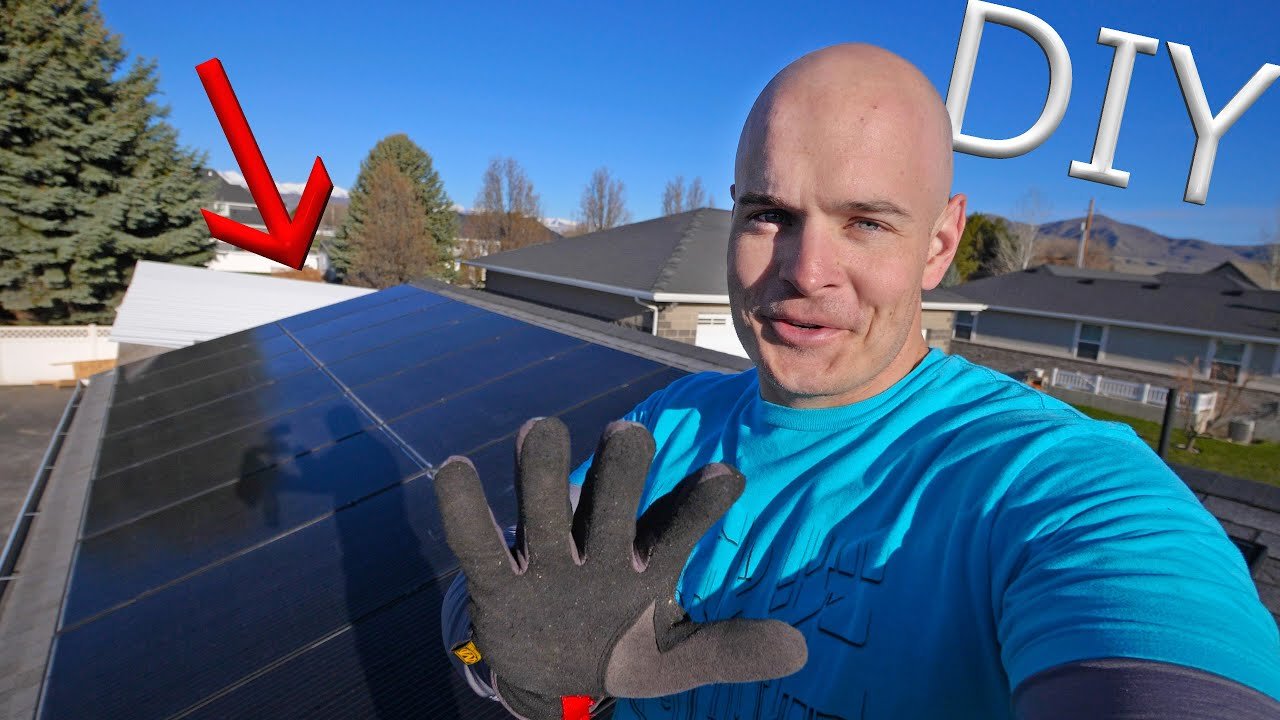
Image source: YouTube / JerryRigEverything (YouTube thumbnail (fair-use with source credit))
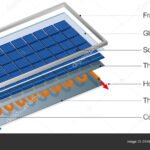
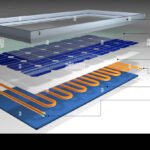
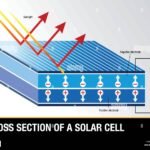
You might also want to review the main components of a solar panel to understand what you’re actually getting, and whether it matches what was promised.
This covers the first five sections. Continue with Step 4 through the remaining H2s to complete the full article.
Image source: YouTube / The Business Guy | Asset Protection Planners (YouTube thumbnail (fair-use with source credit))

Similar Posts