Do Solar Panels Get Hot? Here’s the Truth
If you own solar panels or you're thinking about getting them, you've probably asked yourself this: do solar panels get hot? The short answer is yes, they definitely do. But the real question is how hot, and whether that heat is something you need to worry about.
Let's start with a number that might surprise you. Under strong summer sun, a standard rooftop solar panel can reach 65 to 75 degrees Celsius (149 to 167 degrees Fahrenheit). That's hot enough to fry an egg on a metal roof in some cases.
But here's the good news: panels are designed to handle those temperatures. The question is what happens to their performance, their lifespan, and your safety when they do heat up. Let's walk through it step by step.
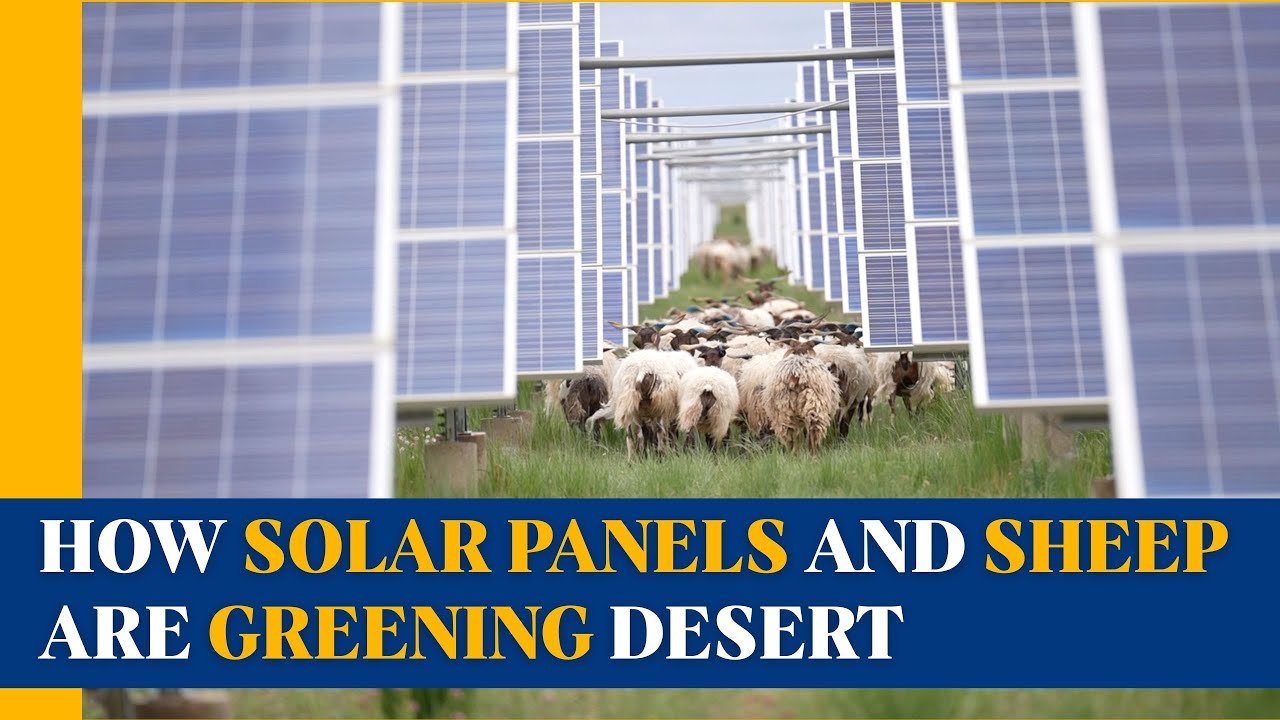
Image source: YouTube / CGTN (YouTube thumbnail (fair-use with source credit))
Quick Answer
Solar panels routinely reach 65 to 75°C under direct sun. That is normal and safe. The heat reduces power output by roughly 0.3 to 0.5 percent for every degree above 25°C.
Most residential panels are rated to operate up to 85°C. Heat does not damage panels under normal conditions. Poor installation or lack of airflow is the real risk.
How Solar Panels Actually Heat Up (And Why It's Not What You Expect)
Most people assume the sun's rays themselves are what make panels hot. That's partially true, but the real story is more interesting.
Photovoltaic cells are designed to absorb sunlight and convert it into electricity. But here's the catch: they're not perfectly efficient. A typical residential panel converts somewhere between 18 and 22 percent of the sunlight it receives into usable electricity.
The rest of that energy gets absorbed as heat.
Think of it like a dark car sitting in a parking lot on a July afternoon. The metal body soaks up sunlight, and the cabin temperature climbs fast. Solar panels do the same thing because they are made of dark silicon cells and dark backing materials.
Black frames and black backsheets absorb more heat than silver or white alternatives.
So the heat comes from two sources. First, the sunlight that doesn't get turned into electricity stays in the panel as thermal energy. Second, the ambient air temperature around the panel adds to the heat load.
On a 40°C day (about 104°F), the panel surface can be 25 to 35 degrees hotter than the air temperature.
Manufacturer specifications back this up. Under standard testing conditions, engineers measure something called NOCT (Nominal Operating Cell Temperature). For most residential panels, NOCT falls between 42 and 48°C.
That measurement assumes 800 watts per square meter of sunlight, 20°C ambient air, and a one meter per second breeze. In other words, it's a realistic warm day with some wind. If the air is hotter or the wind dies down, the panel temperature climbs.
The heat also depends on how the panel is mounted. A ground-mounted system with plenty of airflow underneath runs cooler than a flush roof mount where the back of the panel touches the roof surface. We'll cover that more in the installation section.
The Temperature Coefficient: That One Number on the Spec Sheet That Matters
If you've ever looked at a solar panel datasheet, you've seen a row of numbers under "temperature coefficient." Most people skip right past it. That's a mistake. This single number tells you exactly how much power your panels lose on a hot day.
Here's what it means. Every solar panel has a standard test condition rating measured at 25°C (77°F). That's the number the manufacturer advertises: "400 watts." But panels almost never operate at 25°C in the real world.
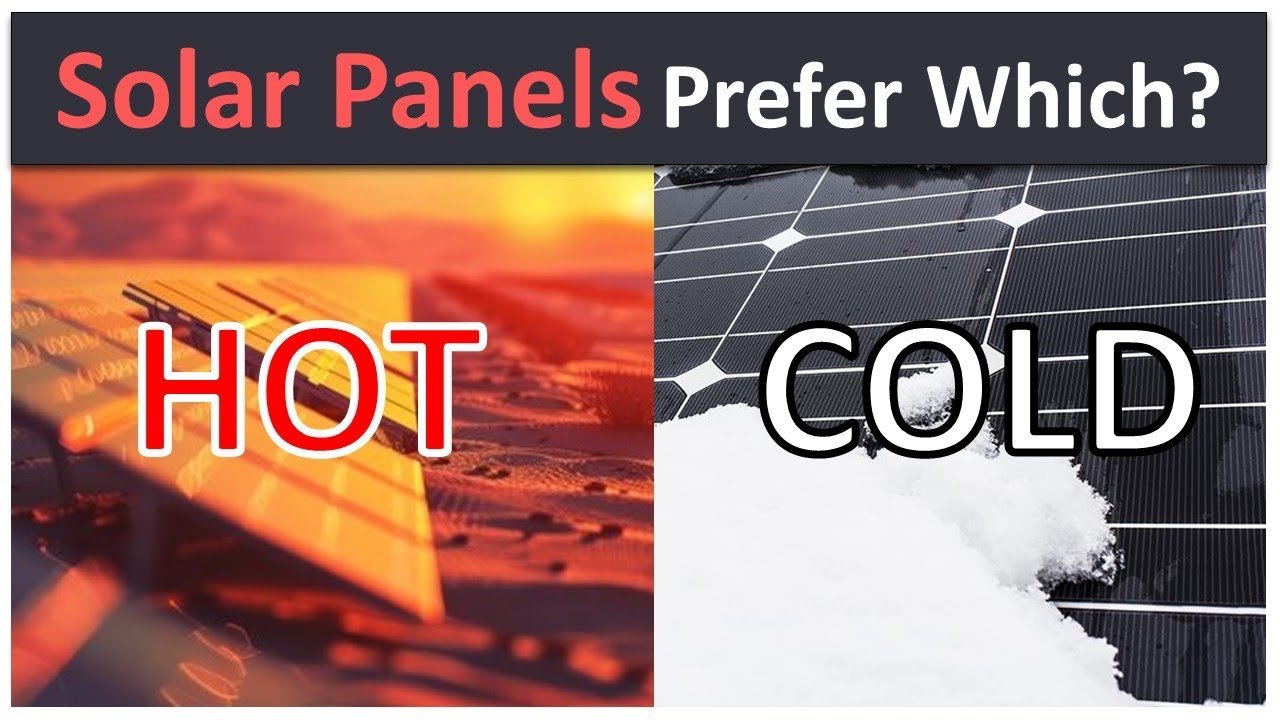
They run hotter. And the temperature coefficient tells you how quickly the power drops off as the panel heats up.
The coefficient is expressed as a negative percentage per degree Celsius. For most monocrystalline panels, it's around -0.3 to -0.4 percent per °C. Polycrystalline panels are slightly worse, typically -0.4 to -0.5 percent per °C.
Let's do the math with a real example. Say you have a 400 watt panel with a -0.35 percent per °C coefficient. When the panel is at 25°C, it produces 400 watts.
But on a hot day the panel surface hits 65°C. That's a 40°C difference above the standard test temperature. Multiply 40 times 0.35 percent, and you get a 14 percent power loss.
So that 400 watt panel is now producing about 344 watts. That's a real drop, but the panel is still generating plenty of power.
The good news is that modern high efficiency panels tend to have better (lower) temperature coefficients. If you live in a hot climate, paying a little extra for a panel with a coefficient of -0.30 or -0.32 is worth it. Over the 25 year life of the system, that difference adds up.
If you're curious about how different panel types stack up, the different technology options available today vary quite a bit in their heat tolerance. Each type handles thermal stress a little differently.
When Heat Becomes a Problem: Hot Spots, Degradation, and Fire Risk
Most of the time, heat is just a normal part of how solar panels work. But under the wrong conditions, it can cause real problems. Let's break down the three main risks.
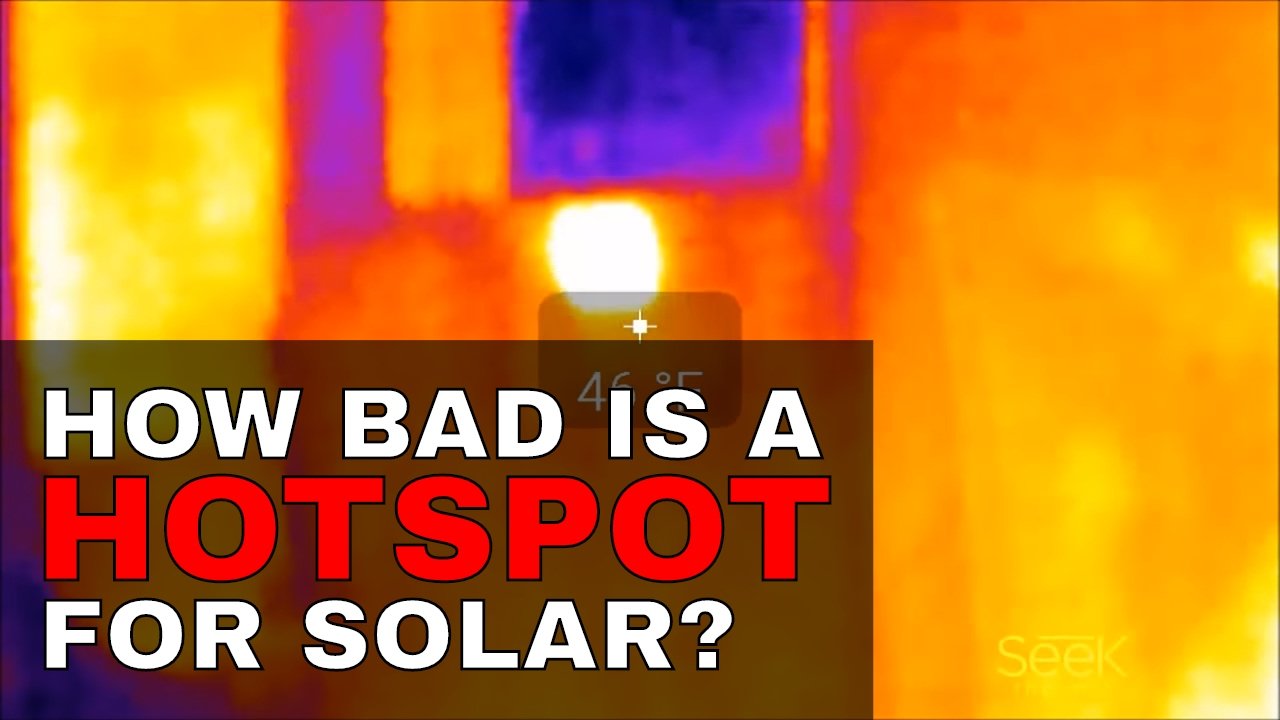
Hot spots are the most common issue. A hot spot is a localized area on the panel that gets significantly hotter than the rest. This usually happens when one cell or a group of cells is shaded while the rest of the panel is in full sun.
The shaded cells can't produce power, so they start to resist the current from the illuminated cells. That resistance creates heat, and it can get intense enough to melt solder joints or crack the glass.
Partial shading from a tree branch, a chimney, a bird dropping buildup, or even a leaf can trigger a hot spot. That's why rapid shutdown requirements and bypass diodes exist. Bypass diodes reroute current around shaded cells, preventing overheating.
But if the diodes fail or the shading persists, hot spots can cause permanent damage.
Thermal degradation is a slower, quieter problem. Every time a panel heats up and cools down, the materials inside expand and contract. Over thousands of cycles, this thermal stress can cause microcracks in the silicon cells, delamination of the encapsulant, or failure of the solder bonds between cells.
Panels in very hot climates degrade faster than panels in moderate climates. Research from testing facilities shows that panels in desert environments can lose roughly 0.5 percent additional efficiency per year compared to panels in cooler regions.
Fire risk is rare but real. The main concern is not the panel itself catching fire. It's the wiring, connectors, and junction boxes.
When panels get hot, the resistance in electrical connections increases. If a connection is already loose or corroded, heat can build up to the point of arcing. An arc fault can ignite nearby roofing materials or debris under the panel.
This is why building codes require proper wire sizing, rated connectors, and arc fault circuit interrupters on modern systems.
Per UL 1703 testing and certification standards, residential panels must pass rigorous thermal safety tests before they go to market. The risk is low with quality equipment and proper installation. But the risk is not zero, especially on older systems or poorly installed arrays.
The biggest takeaway here is that heat alone is rarely the enemy. It's heat combined with bad installation, poor maintenance, or shading problems that causes trouble.
Safe Installation Practices: Ventilation Gaps, Racking, and Airflow
Installation quality is the single biggest factor in how hot your panels get and how well they handle that heat. You can buy the best panels on the market, but if they're installed poorly, they will run hotter and degrade faster.
Ventilation gap. This is the most important detail. Panels need airflow underneath them to carry heat away. For roof mounted systems, the standard recommendation is a minimum 4 to 6 inch gap between the panel backsheet and the roof surface.
Some racking systems allow more. More gap means more airflow, which means cooler panels.
Flush mount systems that sit directly on the roof have almost no airflow. These should be avoided in hot climates unless the manufacturer specifically designs for that configuration. Ground mounted and roof mounted setups with rails that lift the panels off the surface are far better for thermal management.
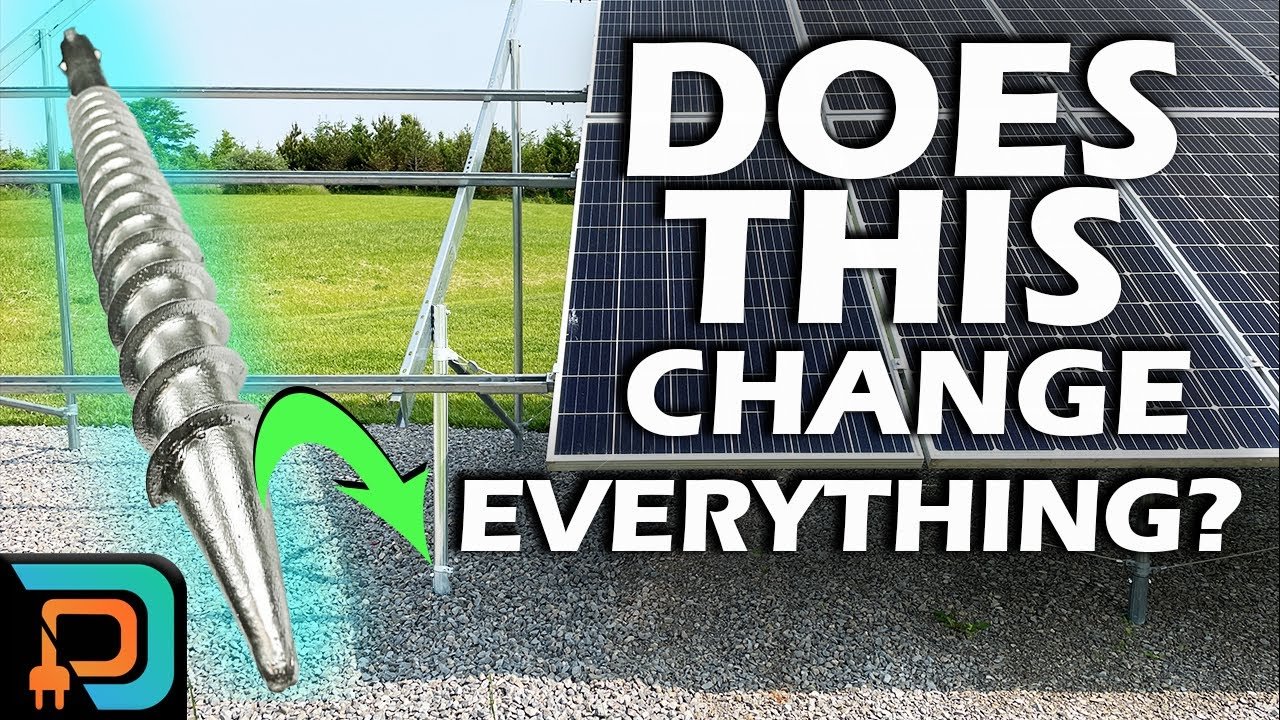
Racking material matters too. Aluminum racking is standard, and it's a good choice because aluminum conducts heat away from the panel frame. Steel racking can work but holds more heat. Dark colored racking absorbs more solar radiation than silver or white, so lighter colors are preferred in hot regions.
Tilt angle and orientation affect temperature. Panels tilted at a steeper angle get better airflow underneath. Flatter mounted panels trap more heat, especially in summer when the sun is high overhead. If you live in a hot area, a tilt angle of at least 15 to 20 degrees helps keep the panels cooler.
Roof type influences heat buildup. A dark asphalt shingle roof absorbs a lot of heat and radiates it upward toward the panels. A light colored metal roof or a cool roof coating reflects more heat away. If you're installing on a dark roof in a hot climate, the ventilation gap becomes even more critical.
Ground mounts are a different story. Because the panels are elevated and open on all sides, airflow is excellent. Ground mounted systems typically run 5 to 10°C cooler than roof mounted systems in the same location. That cooler operation translates to better performance and longer panel life.
If you're comparing installation options, take a look at the main benefits and tradeoffs between roof mount and ground mount systems. The right choice depends on your property and your climate.
Common Mistakes That Make Panels Run Hotter (And Cut Their Life Short)
Most people assume the panels themselves determine how hot a system gets. That's only half the story. Installation choices and maintenance habits play a bigger role than most homeowners realize.
Flush mounting on dark roofs. This is the biggest offender. When panels sit flat against dark asphalt shingles, heat from the roof radiates directly into the panel backsheet. There's no airflow to carry it away.
In our research, flush mounted systems on dark roofs can run 10 to 15°C hotter than similar panels on a rack with a 6 inch air gap. That extra heat cuts power output and accelerates degradation year after year.
Ignoring partial shade. We touched on hot spots earlier. But the mistake people make is thinking a little shade won't matter. A single branch casting a thin shadow across one corner of a panel can create a hot spot that damages the bypass diodes.
Over time, that damage spreads. Trim trees before installation, not after.
Using the wrong racking color. Dark racking absorbs more solar radiation. In hot climates, black rails and clamps can add several degrees to the panel frame temperature. Silver or white anodized aluminum reflects more heat.
It's a small detail that adds up over 25 years.
Allowing debris buildup. Bird droppings, leaves, dust, and pollen create localized shading on individual cells. Those shaded cells become hot spots. In dry climates, dust accumulation can reduce output by 5 percent or more simply by creating uneven heating across the panel surface.
Overlooking wire management. Loose or undersized wiring increases electrical resistance. Resistance creates heat at the connection points. Junction boxes and connectors that run hot are the most common source of arc faults in solar systems.
Use manufacturer approved connectors and check them annually.
How to Monitor and Spot Heat Issues Early (Thermal Imaging and Monitoring)
You don't need to guess whether your panels are overheating. There are practical ways to check, and you can catch problems long before they cause real damage.
Thermal imaging is the gold standard. A handheld thermal camera shows you the temperature of every cell and connection in the array. Hot spots show up as bright yellow or white patches against a cooler blue or green background. A quick scan can reveal failed bypass diodes, cracked cells, and poor electrical connections that are invisible to the naked eye.
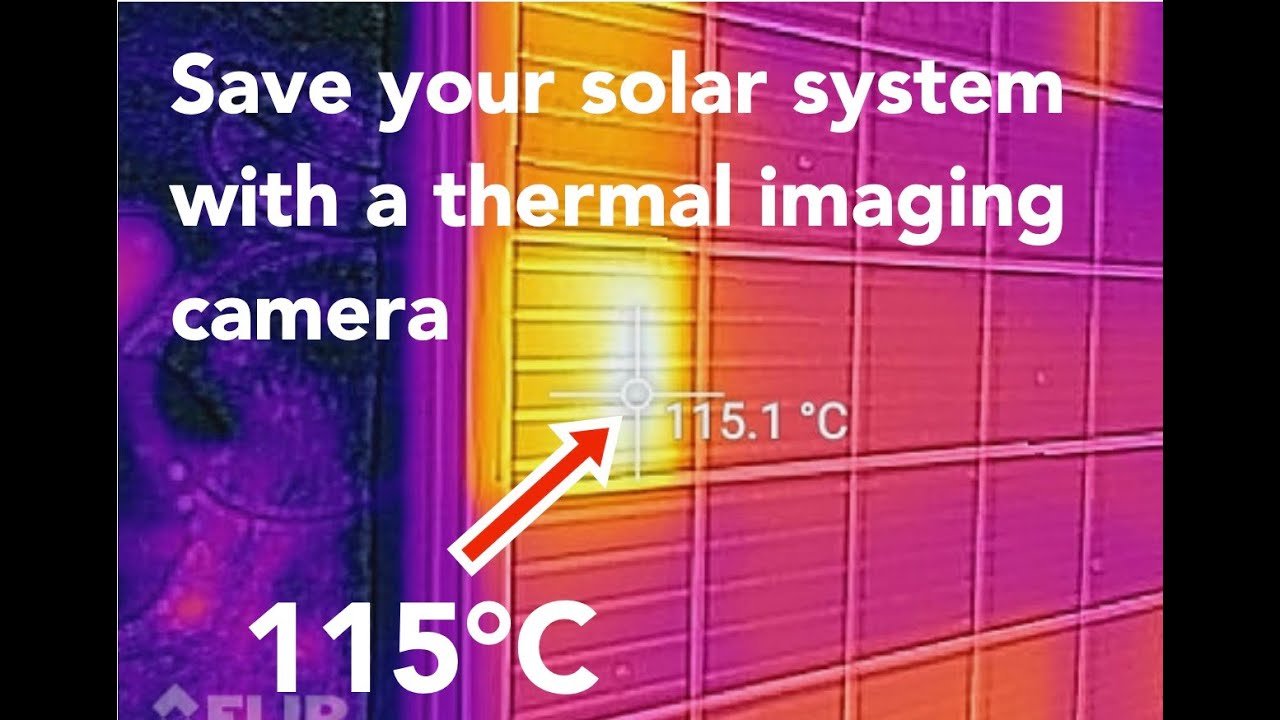
Professional solar inspectors use thermal imaging as part of routine maintenance. But you can buy or rent a basic thermal camera attachment for your phone. They cost around $200 to $400.
For a single home system, hiring an inspector to do a thermal scan once every two years is usually the smarter move.
Monitoring software catches trends. Most modern solar inverters and optimizers come with online monitoring platforms. These systems track per panel performance in real time. If one panel starts producing less power than its neighbors on a hot day, the software flags it.
That dip could be a heat related issue. Comparing daily production against the temperature coefficient we discussed earlier helps you spot abnormal losses.
Watch for physical signs. Discoloration on the panel surface, bubbling on the backsheet, or melted junction box plastic are obvious warning signs. Cracks in the glass that appear near the edge of a frame often come from thermal expansion stress. If you see any of these, call a qualified technician.
The self check method. On a clear sunny day, walk your array around midday. Use an infrared thermometer (the kind HVAC techs use) to measure surface temperatures across different panels. If one panel is 10°C hotter than the rest, something is wrong.
Check for shading, debris, or a failed bypass diode.
Expert Tips: What You Can Do to Keep Your Panels Running Cooler
You don't need to redesign your whole system to improve heat management. A few practical steps make a real difference.
Clean your panels regularly. We're not talking about weekly washing. In most climates, rain does the job. But in dry or dusty areas, a rinse every three to six months removes the film that traps heat.
Use deionized water and a soft brush. Avoid pressure washers and harsh chemicals. The goal is to remove uneven shading that creates hot spots.
Trim vegetation before it becomes a problem. A tree that casts afternoon shade on one corner of your array is a hot spot waiting to happen. Keep branches at least 10 feet away from the nearest panel. The shade moves as the sun moves, so what looks like clearance in the morning can become a problem at 2 PM.
Consider a light colored roof coating. If you're installing panels on a dark roof, a reflective cool roof coating can lower the roof surface temperature by 15 to 20°C. Less heat rising from the roof means cooler panels. This is especially effective in desert climates where summer roof temperatures can hit 80°C.
Choose panels with a low temperature coefficient. When you're shopping for panels, compare the temperature coefficient just as carefully as wattage and efficiency. A panel with a -0.30 percent per °C coefficient outperforms a comparable panel with -0.40 percent per °C in any hot climate. The difference is about 4 percent more power on a 40°C day.
Upgrade to microinverters or power optimizers. In a string inverter system, if one panel runs hot and underperforms, it drags down the whole string. Microinverters and power optimizers let each panel operate independently. A hot panel only loses its own output.
The rest of the system keeps running at full power.
When to Call a Professional (And What to Ask Them)
Some heat related issues are DIY fixable. Others require an experienced solar technician. Knowing the difference saves you money and prevents dangerous mistakes.
Call a professional when you see these signs:
- A panel that is significantly hotter than its neighbors (more than 10°C difference)
- Melted or discolored junction box plastic
- Arcing sounds or burning smells near the array
- Tripped breakers or inverter fault codes that mention temperature
- Visible cracks in the glass that appear around the frame edges
- Rapid power drops on hot days that don't match the temperature coefficient
What to ask the technician:
- "Can you perform a full thermal scan of every panel in the array?"
- "Are the bypass diodes in each panel functioning correctly?"
- "Is the ventilation gap under the panels adequate for our climate?"
- "Are the connectors rated for the temperatures we're seeing?"
- "Do you recommend any racking adjustments to improve airflow?"
What you can do yourself: Cleaning panels, trimming vegetation, checking monitoring software, and using an infrared thermometer for basic spot checks are all safe for homeowners. Never open the junction box, never disconnect live wiring, and never walk on panels. Roof work is dangerous, and electrical work on solar systems requires proper training and safety gear.
Real Scenario: What Happens During a Summer Heat Wave
Let's put this all together with a real world example. This is based on conditions that systems in hot climates face every year.
Picture a 7.2 kW residential system in Phoenix, Arizona, on a July afternoon. Air temperature hits 43°C (110°F). The panels are monocrystalline with a -0.35 percent per °C coefficient.
They're roof mounted on a south facing dark shingle roof with a 4 inch ventilation gap.
At 1 PM, the panel surface temperature reaches 72°C. That's 47°C above the standard test condition of 25°C. The temperature coefficient math says output drops 16.5 percent from the nameplate rating.
The system that normally produces 6.2 kW in spring conditions is now producing about 5.2 kW.
That's still plenty of power for the home. The air conditioner is running hard, but the panels are keeping up.
Now imagine the same system with a few of the mistakes we discussed. If the panels were flush mounted with no ventilation gap, the surface temperature could hit 80°C or higher. Output drops closer to 20 percent.
If one panel has a failed bypass diode from a previous hot spot, that panel might be producing almost nothing. The string inverter drags down the whole array.
The difference between a well installed system and a poorly installed one in this scenario is roughly 1 kW of lost production every afternoon. Over a summer, that adds up to hundreds of kilowatt hours. Over 25 years, it's a significant chunk of the system's total output.
The panels themselves are fine. They're designed to handle 72°C. The added heat will accelerate degradation slightly, but the system will still hit its 25 year warranty.
The real lesson is that a few simple installation and maintenance choices determine whether you lose 5 percent or 20 percent of your power on the hottest days.
Verified Summary: What You Actually Need to Know
Solar panels get hot. That's normal. Surface temperatures of 65 to 75°C are routine on summer days.
The heat reduces power output by roughly 10 to 15 percent compared to standard test conditions, which is also normal.
The real risks come from poor installation choices, not the panels themselves. Lack of ventilation gap, dark racking, flush mounting on dark roofs, and unaddressed partial shade all make panels run hotter than they should. Those conditions accelerate degradation and increase the tiny but real risk of electrical faults.
If your system is installed with adequate airflow, quality components, and regular basic maintenance, the heat is nothing to worry about. If it isn't, the problems show up slowly. Annual thermal scans and production monitoring catch them early.
Frequently Asked Questions
Will solar panels overheat and stop working?
No. Panels do not shut down from heat under normal conditions. They produce less power as temperature climbs, typically 10 to 15 percent less on the hottest days.
They continue generating electricity until the sun goes down. Damage only occurs if hot spots form from shading or failed components.
Can hot solar panels cause a roof fire?
The risk is very low with modern certified equipment and proper installation. Per UL 1703 testing standards, panels must pass stringent thermal safety tests. Most fire incidents trace back to loose electrical connections or damaged wiring, not the panels themselves.
Annual inspections reduce that risk further.
Do solar panels work better in cold weather?
Yes. Panels produce more power in cold temperatures because the voltage increases. A panel rated at 400 watts at 25°C can produce 420 watts or more at 10°C.
That's why you sometimes see higher production in early spring than in midsummer even though the days are shorter.
How much power do I lose on a hot day?
Use the temperature coefficient to calculate it. For a typical panel with -0.35 percent per °C, each degree above 25°C costs 0.35 percent of output. At 65°C, that's about 14 percent loss.
A 400 watt panel becomes roughly 344 watts. The system still meets your needs on most hot days.
Should I hose down my panels to cool them off?
No. Hosing panels during peak sun can cause thermal shock if the glass is extremely hot. The sudden temperature change can crack the glass.
Water also leaves mineral deposits that create uneven shading and hot spots. Clean panels in the early morning or evening if you must.
How long do solar panels last in hot climates?
Panels in hot climates degrade slightly faster than those in moderate climates. Typical degradation is about 0.5 percent per year, so a panel loses roughly 12.5 percent of its output over 25 years. In very hot regions, that number can climb to 0.7 percent per year.
Most manufacturers still honor the 25 year warranty as long as the panels are installed correctly.

Similar Posts