Quick Check: Is Your Solar Hot Water Working?

So you walk into your shower, turn the handle, and nothing but cold water comes out. Your solar hot water system is on the roof, the sun was out all day, and you have no idea why the tank feels lukewarm at best. How to check if solar hot water is working?
It's the kind of question that hits hardest on a Sunday morning when you can't call anyone.
The good news is that most problems are simple to diagnose. Per SRCC (Solar Rating and Certification Corporation) guidelines, a properly installed residential system should give you a tank temperature rise of 10 to 20 degrees Fahrenheit per hour of good sun. If you're not seeing that, something is likely wrong.
Let's walk through exactly what to check before you panic and call a plumber.
Quick Answer
Check the controller display for error codes. Feel the pump for vibration. Touch the pipes leaving the collectors.
Verify the pressure gauge reads between 20 and 50 psi. Look for air in the system. Listen for gurgling sounds.
Compare collector temperature to tank temperature. If the collector is hotter than the tank by 15 degrees or more and the pump isn't running, that's your problem.
Why This Matters More Than You Think
A solar hot water system that looks quiet isn't necessarily broken. In fact, some of the most expensive repairs happen when homeowners assume everything is fine because the tank still has some warm water. The backup electric element or gas booster will keep running to make up the difference, and your energy bill quietly climbs while you think you're getting free solar heat.
There is also a genuine safety angle here. A system that is overheating or overpressurizing can dump water through the pressure relief valve, create steam, or in extreme cases fail catastrophically. According to ASHRAE guidelines, residential solar thermal systems must have working temperature and pressure relief valves, and those valves need to be checked regularly.
Ignoring the problem because you didn't know how to check it is exactly how small issues turn into roof leaks and failed components.
The truth is that these systems are remarkably simple once you understand the basics. A pump moves fluid from the roof to a heat exchanger in the tank. A controller decides when to run that pump based on temperature sensors.
That is essentially the whole thing. Most checks you can do in five minutes with no tools and no climbing on the roof.
The Core Facts: What "Working" Actually Means
Before you start diagnosing anything, you need a clear definition of what "working" looks like. A healthy solar hot water system runs through a predictable daily cycle, and knowing that rhythm is half the battle.
On a sunny morning, the collector temperature should start climbing as soon as the sun hits the roof. Once the collector gets about 15 to 20 degrees Fahrenheit hotter than the bottom of the storage tank, the controller kicks the pump on. You will hear a faint hum or vibration.
The fluid circulates, heat transfers into the tank, and the collector temperature drops a bit. The pump stays on until the difference between collector and tank shrinks to about 5 to 10 degrees, then it shuts off. This cycle repeats all day.
By late afternoon, your tank should be sitting somewhere between 120 and 160 degrees Fahrenheit depending on your system size and the weather. If you have a backup booster, it should rarely need to run during the sunny months. That is a system doing its job.
If you see any of the following, your system is not working properly:
- The tank never reaches above 100 degrees on a sunny day
- The pump never runs even when the collector is hot
- The pump runs constantly even at night or on cloudy days
- The pressure gauge shows zero or reads above 60 psi
- You hear gurgling water sounds inside the house
- The controller display shows an error code or blank screen
- Hot water comes out scalding one day and barely warm the next
Understanding these baselines makes everything else easier. If you know what normal looks like, you can spot abnormal in seconds.
Step One: Start With the Controller (Your System's Brain)
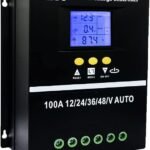
The controller is the most important diagnostic tool you have. It is usually mounted on a wall near your storage tank, sometimes in a garage or utility closet. It looks like a small thermostat with a digital display and a few buttons.
Every controller worth installing follows the same basic logic, using temperature sensors to decide when to run the pump.
Reading the Display Without Panicking
Walk over to the controller and press any button to wake it up if the display is dark. Most modern controllers like Resol or Steca models will cycle through several readouts. You should see two temperatures on the screen: one labeled "collector" or "SP1" and one labeled "tank" or "SP2."
The collector reading is the temperature on your roof. On a sunny day, even in winter, the collector should read well above the outside air temperature. A flat plate collector in direct sun can easily hit 180 degrees Fahrenheit even when it is 40 degrees outside.
Evacuated tube collectors can go even higher.
The tank reading is the temperature at the bottom of your storage tank, where the heat exchanger lives. This number typically starts near ambient in the morning and climbs through the day.
Here is what the numbers are telling you:
If the collector is hot and the tank is cold, but the pump is not running, you have a controller or sensor problem. The controller may not be reading the collector temperature correctly, or the pump relay may have failed.
If both temperatures read the same and the pump is running, the pump may be spinning but not moving fluid. This usually means air is trapped in the loop or a valve is closed.
If the collector temperature reads something obviously wrong like 300 degrees on a cool day or negative 20 in summer, the sensor itself is likely bad. These sensors fail often, and they are cheap to replace.
If the display is blank or shows an error code, grab your phone and look up that code in your system's manual. Common codes from Resol controllers include E1 (sensor short circuit) and E4 (overtemperature). The manual will tell you exactly what to do.
What Normal vs. Weird Temperatures Look Like
Let us put some real numbers on this so you know what to expect.
| Condition | Collector Temp | Tank Temp | Pump Status | Diagnosis |
|---|---|---|---|---|
| Sunny morning, system off | 90°F | 70°F | Off | Normal, waiting for differential |
| Sunny midday | 160°F | 120°F | Running | Normal, system working |
| Sunny midday | 160°F | 80°F | Off | Problem, pump should be on |
| Cloudy day | 75°F | 100°F | Off | Normal, collector is colder than tank |
| Night time | 50°F | 130°F | Off | Normal, system idle |
| Night time | 55°F | 130°F | Running | Problem, pump should not run |
If your numbers look like the problem rows, move to the next step. If you see the pump running when the collector is colder than the tank, that is a classic sign of a bad controller or a sensor that has failed in a way that tricks the controller into thinking the collector is hot.
Step Two: Check What You Can Touch Safely
You do not need to climb on your roof to diagnose most problems. Everything you need to feel, listen to, and read is located near the storage tank inside your house or garage. The collector loop piping, the pump, and the pressure gauge are almost always installed within arm's reach of the tank for exactly this reason.
The Pump Test (Listen and Feel)
Place your hand gently on the pump body. If the system is supposed to be running and you feel a faint vibration, the pump is spinning. If you feel nothing and the controller says the pump should be on, the pump may be seized or the relay may be dead.
A better trick is to put the tip of a long screwdriver against the pump body and press your ear to the handle. You will hear the pump spinning clearly. This old plumber trick works every time.
If you hear a quiet hum, the motor is running but you will not know if fluid is moving yet. That is the next check.
Some pumps have a small clear window or a flow indicator. If you see an arrow spinning or a ball floating in a glass sight tube, fluid is moving. If the window shows bubbles or the indicator is still, you have air in the loop.
The Pipe Temperature Trick
Touch the pipe leading out of the tank toward the collectors. Then touch the pipe returning from the collectors back into the tank. If the system is running correctly, the supply pipe should feel warm to hot.
The return pipe should feel noticeably cooler, often just above room temperature.
If both pipes feel the same temperature, the fluid is not circulating. The pump may be running dry. If both pipes are cold and the controller says the pump is on, you almost certainly have air trapped in the system.
If the supply pipe is hot but the return pipe is also hot, the heat exchanger inside the tank may be scaled up or the tank may already be fully heated. That is actually a good sign. The system is working, but there is no more heat to give.
The Pressure Check
Find the pressure gauge on the glycol loop. It is usually mounted near the expansion tank or on the pipe close to the pump. For a closed loop pressurized system, the cold pressure should read between 20 and 30 psi.
When the system heats up, the pressure will climb to 40 or even 50 psi. That is normal expansion.
If the gauge reads zero, you have lost pressure. This means there is a leak somewhere. The system will not circulate properly and the pump may run dry, which can destroy the pump seal in minutes.
If the gauge reads over 60 psi when cold, the expansion tank may have failed. The bladder inside the tank can rupture, and the system will have nowhere for the heated glycol to expand. The pressure relief valve will eventually pop open and dump fluid.
Step Three: Chase Down the Most Common Culprits
Most solar hot water problems fall into one of a handful of categories. If you have ruled out a dead controller or a seized pump, the next suspects are air, bad sensors, and booster issues.
Air in the System (The Gurgle Problem)
Air is the single most common issue with closed loop solar systems. When the glycol loop gets low on pressure or develops a small leak, air gets sucked in at the pump inlet. That air bubble works its way to the high point of the loop, usually the collectors on the roof, and the pump cannot push past it.
You will know air is the problem if:
- The pump runs but you feel no temperature difference on the pipes
- You hear gurgling or bubbling sounds from the pipework
- The controller shows the collector getting hot but the tank never warms up
- The pressure gauge needle bounces erratically
To fix this, you need to bleed the air from the system. There should be a manual air vent or a bleed valve at the highest point of the loop, often near the collectors. If you can safely access it, open it carefully with a screwdriver or small wrench while the pump is running.
You will hear air hiss out, then a steady stream of fluid. Close the vent as soon as fluid comes out steady.
If you cannot reach the roof, call a professional. But do not ignore air in the system. It will prevent any heat transfer and your backup booster will run constantly, wasting energy.
The Sensor That's Lying to You
Temperature sensors fail more often than people expect. They are simple thermistors that change resistance with temperature, and they can drift, short out, or open up. A sensor that reads 200 degrees when it is actually 70 degrees will keep the pump off.
A sensor that reads 50 degrees when the roof is at 150 degrees will keep the pump on forever.
Testing a sensor is simple with a multimeter. Disconnect the sensor wires from the controller. Measure the resistance across the sensor leads.
Compare it to a temperature resistance chart for that sensor type. PT1000 sensors are common and have a predictable curve. At 77 degrees Fahrenheit, a PT1000 should read roughly 1000 ohms.
If the reading is wildly different, the sensor is bad.
Swap in a new sensor. They cost about 15 to 25 dollars and take five minutes to install. This fixes a shocking number of "system not working" calls.
The Booster That Never Shuts Off
If your system has an electric backup element or a gas booster, and you notice your energy bill climbing even in summer, check the booster thermostat. The booster should only activate when the tank temperature drops below a set point, usually around 120 degrees. If the solar system is doing its job, the booster should almost never run.
Open the access panel on the tank (with the power off). Use a multimeter to check that the thermostat is opening and closing at the correct temperature. If the thermostat is stuck closed, the booster runs constantly, effectively turning your solar system into an expensive electric water heater.
This problem wastes more energy than any other single issue. Fixing a stuck thermostat pays for itself in one month.
When It's Not You — It's the Weather or the Season
Sometimes your system is working perfectly and the controller shows no errors, but you still get lukewarm water. That is when you need to check the variables you cannot control.
Winter months cut solar thermal output dramatically. In northern climates, your collectors might only produce usable heat for four to six hours on a short December day. The rest of the time, the backup booster carries the load.
That is not a failure. That is physics. Per SRCC testing standards, a typical residential system in a northern climate will deliver about 40 to 60 percent of your annual hot water, with the booster covering the rest.
Heavy overcast is another culprit. Diffuse sunlight still generates some heat, but far less than direct beam radiation. If you have had three days of solid cloud cover, your tank will be cold regardless of system health.
Wait for a sunny day and test again before you blame the hardware.
One more thing people miss. Shade. If a tree grew taller or a new building went up next door, your collectors might be getting partial shade during peak sun hours.
Even shading one tube or a corner of a flat plate collector can cut output by 30 percent. Walk outside at midday and look at your roof. Are the collectors in full sun?
The Red Flags That Mean "Call a Pro Now"
Most solar hot water issues are safe to diagnose yourself. But some situations demand an immediate professional. Do not mess around with these.
You see steam or boiling water venting from the pressure relief valve. This means the system is overheating and overpressurizing simultaneously. Turn off the pump at the controller. Turn off power to the backup booster.
Call a qualified solar thermal technician immediately. Do not touch the relief valve discharge pipe. The water inside can be over 200 degrees.
You smell burnt electrical smell near the controller or pump. Shut off power at the breaker. There may be a short circuit, a failing relay, or a pump motor that has seized and is drawing excessive current. Electrical fires in utility spaces start this way.
You find glycol on the floor or pooled around the tank. Glycol is slippery and toxic to pets if ingested. More importantly, a leak means your system is losing pressure. Running a pump with low pressure will destroy the pump seal within hours, turning a small leak into a major repair.
The collector temperature reads over 260 degrees and is still climbing. In a properly functioning system, the controller should shut the pump off when the tank is fully heated and the collector is at stagnation. If the controller keeps running and the collector keeps climbing, you risk damaging the heat transfer fluid. Propylene glycol breaks down above 300 degrees and becomes acidic, which can eat through your heat exchanger.
For everything else, a good solar thermal service call costs between 150 and 300 dollars. Compare that to the cost of a new system. Getting a professional opinion when you are unsure is cheap insurance.
Maintenance That Prevents the Panic Call
A few simple checks done twice a year will catch most problems before they leave you with cold water. Mark your calendar for spring and fall.
Check the pressure. Look at the gauge when the system is cold, ideally first thing in the morning. If it is below 15 psi, you have a slow leak. Top it up if you have the right glycol mix, but plan for a professional leak test.
Inspect the controller display. Cycle through the readings. Make sure both sensor values change predictably when you cup your hand over a sensor or shine a flashlight on it. If a reading seems frozen, that sensor is suspect.
Listen to the pump. Stand near it during a sunny midday when the system should be running. You should hear a quiet hum. Silence means the pump is not getting power or has seized.
Clean the collectors. Dust, bird droppings, and pollen build up on the glass over time. A gentle rinse with a garden hose once in spring and once in fall can recover 5 to 10 percent of lost efficiency. Do not use a pressure washer.
The high pressure can force water past the seals and fog up the inside of the collector glazing.
Test the backup booster. Turn off the solar system for a day. See how long it takes the electric element or gas booster to heat the tank on its own. If the booster is slow, the thermostat may be set too low or the element may be scaled up.
These checks take about 15 minutes total. They will save you hundreds in emergency service fees.
Frequently Asked Questions
Why is my solar hot water cold on sunny days?
The most likely cause is air trapped in the collector loop. Check the controller to see if the pump is running. If it is running but the pipes stay cold, bleed the air from the high point vent.
A bad temperature sensor can also trick the controller into keeping the pump off.
How do I reset my solar hot water controller?
Press and hold the reset button for five seconds. If there is no reset button, turn off power to the controller at the breaker, wait 30 seconds, and turn it back on. This clears most temporary error codes.
If the error returns, check the sensor readings.
What does an error code on the solar controller mean?
Common codes include E1 for a shorted sensor and E4 for overtemperature. Consult your system manual for the exact code definitions. Most controller manuals are available online through the manufacturer's website.
Resol and Steca both publish free PDF manuals.
How often should my solar hot water pump run?
On a sunny day, the pump should cycle on and off throughout the daylight hours. It typically runs for 15 to 30 minutes each cycle and rests for 10 to 20 minutes. At night or on cloudy days, the pump should stay off.
Can I fix a leaking pressure relief valve myself?
No. A leaking pressure relief valve usually indicates the expansion tank is failed or the system is overpressurizing. Replacing the valve without fixing the underlying problem is dangerous.
Call a licensed solar thermal technician to diagnose the root cause.
How do I know if my glycol needs replacing?
Test the glycol with a refractometer every two to three years. The freeze protection should be rated for at least 30 degrees below your local winter low. If the fluid looks dark or smells burnt, it has degraded and needs replacement.
Cloudy fluid may indicate contamination.

Similar Posts