How to Charge Golf Cart Batteries the Right Way

No more procrastinating. You've got a dead battery, a golf cart that won't move, and somewhere you need to be. Let's fix this the right way, not just "plug it in and hope."
Knowing how to charge golf cart batteries correctly can mean the difference between a pack that lasts seven years and one that fails in two. Overcharging destroys plates. Undercharging builds sulfation.
Both cost you real money.
This guide covers flooded lead-acid, AGM, gel, and lithium batteries. We'll walk through the exact process, the common mistakes that kill batteries, and the maintenance that extends their life. By the end, you'll know what your specific pack needs.
Quick Answer
To charge golf cart batteries, connect the charger to the battery pack first. Plug the charger into a grounded AC outlet. Let it run until the charger shuts off automatically.
Disconnect the AC cord first, then the battery cables. Check water levels on flooded batteries before charging. Use a charger matched to your system voltage.
Never use a car battery charger.
Why Charging the Right Way Actually Matters (And What Happens When You Get It Wrong)
A golf cart battery pack costs anywhere from $800 to $1,500 to replace. That's the kind of expense you want to delay as long as possible. The single biggest factor in how long your batteries last is how you charge them.
It's not the brand you buy or how often you drive. It's the charging habits you build.
Battery Council International testing shows that proper charging can double the lifespan of a lead-acid deep-cycle battery. That means seven years instead of three. The difference comes down to voltage management, temperature awareness, and simple consistency.
The risks go beyond just short lifespan. Overcharging a flooded battery causes excessive gassing. You lose water faster.
The electrolyte level drops, exposing the plates. Those plates then corrode and shed material. Eventually you get a dead cell that drags down the whole pack.
Undercharging is just as destructive. When a lead-acid battery sits below a full charge, lead sulfate crystals grow on the plates. In normal discharge and recharge, these crystals stay small and dissolve back into the electrolyte.
But if you chronically undercharge, the crystals grow hard and permanent. That's sulfation. Once it sets in, you lose capacity you can never recover.
There's also a real safety angle. Charging flooded batteries produces hydrogen gas. That gas is explosive.
A spark from a loose connection, a bad outlet, or even static electricity can ignite it. The Occupational Safety and Health Administration (OSHA) requires ventilation in commercial battery charging areas for exactly this reason. At home, you need to charge in an open space, not a sealed shed.
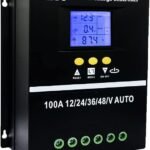
And if you're using solar energy to charge your batteries, a growing trend, the rules shift again. Solar panels don't deliver a steady voltage like a wall outlet. You need a proper charge controller that matches the battery chemistry.
Without one, you risk cooking your pack on a sunny day or never reaching full charge on a cloudy one.
The Chemistry Behind Your Battery (Without Getting Too Technical)
You don't need to be an electrochemist to keep your batteries alive. But understanding what's inside that plastic case explains why the charging rules change based on battery type.
Flooded Lead-Acid: The Workhorse
Flooded lead-acid batteries are the most common in golf carts. They're affordable. They're repairable.
And they're the most demanding to maintain.
Inside each cell are lead plates submerged in a liquid sulfuric acid electrolyte. When you discharge the battery, the lead and acid react and produce lead sulfate and water. When you charge it, you reverse that reaction.
You push the lead sulfate back into the plates and restore the acid concentration.
The key insight here is that water is consumed during charging. Hydrogen and oxygen gas bubble off. That's why you have to add distilled water periodically.
If you let the plates go dry, they oxidize and fail.
Flooded batteries need a multi-stage charger. Bulk stage delivers maximum current until the battery reaches about 80% charge. Absorption stage holds voltage steady while current drops.
Float stage keeps the battery topped off without overcharging. A quality charger handles all three automatically.
AGM and Gel: Sealed but Not Foolproof
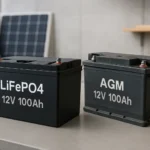
AGM stands for Absorbent Glass Mat. The electrolyte is absorbed into fiberglass mats between the plates. There's no free liquid.
That means no watering and no spills.
Gel batteries use a silica additive that turns the electrolyte into a thick paste. Like AGM, they're sealed and maintenance-free.
Both types are more sensitive to charging voltage than flooded batteries. They can't tolerate overcharging because you can't add water. If you push too much voltage, the electrolyte dries out permanently.
The battery swells, loses capacity, and eventually fails.
Manufacturer specifications indicate that AGM and gel batteries need a charger with a lower absorption voltage than flooded batteries. Typical flooded absorption is around 14.7 volts for a 12-volt battery. AGM is closer to 14.4 volts.
Gel is even lower at 14.1 volts. Using a flooded charger on a gel battery will destroy it in months.
Lithium-Ion: Different Beast, Different Rules
Lithium-ion golf cart batteries are becoming more popular. They're lighter. They charge faster.
They don't need watering. And they can handle deeper discharges without damage.
But they require a charger specifically designed for their chemistry. Lithium batteries use a different charging profile called constant current/constant voltage. The charger delivers a steady current until the battery reaches a set voltage, then holds that voltage while current drops to near zero.
At that point, charging stops. No float stage.
Here's a critical difference: you can't leave a lithium battery on a charger indefinitely. Unlike lead-acid, lithium doesn't want a maintenance charge. Continuous charging at full voltage stresses the cells and can cause swelling or even thermal runaway.
A smart lithium charger shuts off completely when charging finishes.
Lithium also needs a battery management system (BMS) built into the pack. The BMS monitors cell voltages, temperatures, and current. It protects against overcharge, over-discharge, and short circuits.
If you buy a lithium conversion kit, make sure the BMS is integrated and working.
Step-by-Step: How to Charge Golf Cart Batteries (The Safe Way)
This process assumes you have a flooded lead-acid pack because that's still the most common setup. I'll note where AGM, gel, or lithium differ.
Step 1: Check Water Levels (Flooded Batteries Only)
Open the vent caps. Look at each cell. The electrolyte should cover the plates by about half an inch.
If the plates are exposed, add distilled water until they're submerged. Do not fill to the top. Leave room for expansion during charging.
Per manufacturer guidance, you should add water before charging, not after. Charging causes the electrolyte level to rise. If you filled to the top before charging, you'll get overflow and acid spills.
For AGM, gel, and lithium: skip this step entirely. They're sealed.
Step 2: Clean the Terminals
Corrosion on battery terminals creates resistance. Resistance generates heat. Heat wastes energy and can prevent a full charge.
Mix a tablespoon of baking soda with a cup of water. Use a brush to scrub the terminals and cable ends. Rinse with clean water.
Dry thoroughly. Apply a thin coat of petroleum jelly or terminal protectant to slow future corrosion.
Step 3: Connect the Charger
Turn the charger off at the AC switch. Connect the positive cable (usually red) to the positive terminal on the battery pack. Connect the negative cable (usually black) to the negative terminal.
Why this order? If you accidentally touch the positive clamp to the chassis while connecting, you won't create a short because the negative isn't connected yet. Think of it as safety sequencing.
For smart chargers with a control board: some require the battery cables to be connected before plugging into AC. Others power up the charger first, then detect the battery. Check your manual.
Plugging in the wrong order on some models can confuse the charger and prevent it from starting.
Step 4: Plug Into AC
Plug the charger into a grounded outlet. Use a dedicated circuit if possible. A typical golf cart charger draws 10 to 20 amps.
That's a significant load on a shared circuit.
Extension cords are a bad idea. The voltage drop can confuse the charger and cause it to undercharge or overcompensate. If you must use one, use a heavy-duty 12-gauge cord that's as short as possible.
Step 5: Monitor the Charge
Smart chargers do the work for you. They'll start in bulk mode, transition to absorption, and eventually drop to float or shut off. You'll see LEDs or a display showing the status.
If your charger doesn't have automatic shutoff, you need to monitor it manually. A typical 48-volt pack takes 6 to 10 hours to fully charge from 50% discharge. Set a timer.
Unplug when the specific gravity reading on a hydrometer reaches 1.265 to 1.275 (corrected for temperature).
Step 6: Disconnect in Reverse
When charging is complete, unplug the AC cord first. Then disconnect the negative battery cable. Then the positive cable.
This order prevents sparks at the battery terminals.
Step 7: Top Off Water (Flooded Only)
After charging, check the water level again. It may have dropped slightly. Add distilled water as needed to bring it to the proper level.
Never add acid. Only distilled water.
The Biggest Mistakes That Kill Golf Cart Batteries
Let me save you some money. Here are the errors I see most often in research and real-world fleet data.
Using the Wrong Charger
This is mistake number one. A car battery charger is designed for starting batteries, not deep-cycle batteries. It pushes too much current too fast.
You'll overheat the pack, warp the plates, and drastically reduce lifespan.
Even among golf cart chargers, voltage must match exactly. A 36-volt charger on a 48-volt system won't charge at all. A 48-volt charger on a 36-volt system will overcharge and destroy the batteries in a single cycle.
You need a charger that matches both the voltage and the chemistry of your pack.
Charging a Hot Battery
Lead-acid batteries generate heat during charging. That's normal. But if the battery is already hot from driving or sitting in direct sun, charging it pushes temperatures into dangerous territory.
Heat accelerates chemical reactions. Too much heat warps plates, evaporates electrolyte, and weakens the separator material. Per Underwriters Laboratories (UL) safety standards, you should let the battery cool to below 100°F before starting a charge.
In summer, that might mean waiting an hour after your last drive.
Letting the Pack Sit Discharged
A lead-acid battery self-discharges at about 1% per day at room temperature. That rate triples in hot weather. If you park your cart at 50% charge and leave it for two weeks, you'll wake up to a deeply discharged pack.
Sulfation starts forming at around 60% state of charge. It accelerates below that. Your best practice is to charge the pack after every use, even if you only drove a mile.
Letting it sit partially charged for a day or two won't kill it immediately. Doing it repeatedly over a season will.
Mixing Old and New Batteries
When one battery in a series pack fails, people often replace just that one. That's a mistake. The old batteries have lower internal resistance and lower capacity.
They'll drag down the new battery, causing it to overwork and fail prematurely.
Replace batteries in complete sets. All six (or four or eight) should be the same age, same brand, and same model. Mixing brands or ages guarantees imbalance and short lifespan.
Ignoring Water Levels
We covered this above, but it's worth repeating. Running flooded batteries dry is the fastest way to ruin them. The exposed plates oxidize irreversibly.
You won't get that capacity back even if you refill and recharge.
Check water levels every two weeks during heavy use. Once a month during light use. Set a calendar reminder.
Your wallet will thank you.
What to Do Between Charges (Maintenance That Actually Extends Life)
Charging is half the story. The other half is what you do between charging sessions.
Watering Done Right
Use only distilled water. Tap water contains minerals that contaminate the electrolyte and reduce performance. The calcium, magnesium, and iron in tap water deposit on the plates over time and shorten battery life.
Fill after charging, not before. The electrolyte expands during charging. If you fill to the top before charging, it will overflow.
That's lost acid and a mess to clean.
For the final fill, leave the level about a quarter inch below the vent opening. This gives the electrolyte room to gas and bubble during the next charge without spilling.
Cleaning and Corrosion Control
Corrosion on terminals creates resistance. Resistance generates heat. Heat accelerates corrosion.
It's a vicious cycle.
Clean the terminals every few months with the baking soda solution mentioned above. Rinse and dry. Apply a thin layer of dielectric grease or terminal spray.
Check the cables too. Frayed or cracked insulation lets moisture in. Moisture corrodes the copper wire from the inside out.
Replace any cable that shows signs of wear.
Equalization Charging
Equalization is a controlled overcharge that stirs up the electrolyte and breaks down small sulfate crystals. It's only for flooded batteries. AGM and gel can't tolerate it.
Manufacturer specifications typically recommend equalizing every 10 to 30 cycles. The process involves charging at a higher voltage (typically 15.5 volts for a 12-volt battery) for two to four hours after the normal charge completes.
Monitor the specific gravity during equalization. Stop when the readings stop rising across all cells. If one cell consistently reads lower, that cell is failing.
Aggregate reviews from fleet operators report that regular equalization adds one to two years of life to a battery pack. It's worth the effort.
Tight Connections
Vibration from driving can loosen battery terminals and cable connections. Loose connections cause resistance, heat, and arcing. Arcing can ignite hydrogen gas.
Check every terminal and cable connection monthly. Tighten with a wrench to the torque specified in your owner's manual. Over-tightening can crack the terminal posts.
Under-tightening leaves you with the same problem.
Storage Charging for Seasonal Users
If you store your cart for winter or between uses, don't just park it at any charge level. A full charge is essential for storage. Lead-acid batteries self-discharge faster when cold.
A battery that's stored at 100% charge will still be above 80% in three months. A battery stored at 60% could drop below 50% in the same period. Below 50% is where sulfation accelerates.
Check the charge monthly during storage. Top it off if it drops below 80%. A smart charger with a float mode is perfect for this.
Plug it in once a month and let it run until the charger says full.
Lithium-ion batteries store best at about 50% charge. Never store lithium fully charged or fully discharged. The BMS will drain the battery slightly over time.
If it drops to zero, the BMS can lock up and the battery becomes unusable. Check lithium packs every two months and recharge if they drop below 30%.
Charging for the Off-Season: Storage Tips That Save Your Pack
Seasonal storage is where most battery damage happens. People don't think about their golf cart for six months. They come back to a dead pack that won't take a charge.
Full Charge for Storage
Flooded and AGM lead-acid batteries should be fully charged before storage. As of 2026, every major battery manufacturer recommends this. A fully charged lead-acid battery has a freezing point around minus 70°F.
A discharged battery freezes at around 20°F. That's a massive difference. Frozen batteries crack and become scrap.
Temperature Matters
Store batteries in a place that stays above freezing but below 80°F. Garage is fine. Shed is fine as long as it's ventilated.
The ideal storage temperature is around 50°F. At that temperature, self-discharge slows to a crawl.
Disconnect or Not?
For flooded batteries, disconnect the pack from the cart. The cart's electrical system can draw a small current even when everything is off. That parasitic drain can pull a battery down over months.
For lithium, leave the battery connected but ensure the BMS is active. The BMS draws a small amount of power. If you disconnect it completely, the BMS goes into protect mode and won't wake up until you apply an external charge.
How Often to Top Up
Check the voltage every four to six weeks. If it drops below 12.4 volts on a 12-volt battery (about 80% charge), recharge. A smart charger in float mode is ideal.
It maintains the battery at full charge without overcharging.
If you don't have a smart charger, just charge the pack every six to eight weeks. Set a calendar reminder.
Lithium Storage Voltage
Lithium batteries are different. Store them at 50% to 60% charge, not full. Storing lithium at full voltage stresses the cells and accelerates aging.
Storage at very low voltage can damage the BMS.
Most lithium battery vendors recommend a storage voltage of 3.3 to 3.4 volts per cell. For a 48-volt pack (16 cells in series), that's about 53 to 54 volts. Check your manual for the exact number.
Troubleshooting: When Your Batteries Won't Charge or Hold a Charge
Not every problem is a dead battery. Sometimes the charger is the issue. Sometimes it's the connections.
Here's how to diagnose the most common problems.
Charger Won't Turn On
First, check the AC outlet. Plug in a lamp or a phone charger. If that works, the outlet is fine.
Next, check the DC connection. Make sure the charger cables are firmly attached to the battery terminals. Corrosion or loose connections can prevent the charger from sensing the battery.
Some chargers won't start if the battery voltage is below a minimum threshold. A 48-volt charger might need at least 30 volts to detect the pack. If your pack is completely dead (below 30 volts), the charger won't see it.
You may need to "jump start" the pack by charging each battery individually with a 12-volt charger for a few minutes to raise the overall voltage.
Batteries Charge but Lose Power Fast
This is usually sulfation. The plates are coated with hard crystals that reduce the active material available for the chemical reaction. The battery accepts a charge quickly but doesn't store much energy.
Equalization can sometimes break down mild sulfation. For severe sulfation, you may need to replace the pack. Prevention is far cheaper than recovery.
Water Boiling Over
This is a classic sign of overcharging. The charger voltage is too high, or the absorption phase is too long. Check your charger settings.
Make sure they match your battery chemistry.
For flooded batteries, boiling means water loss. Check levels and refill. Then investigate the charger.
Voltage Drop Across the Pack
Use a multimeter. Measure the voltage of each individual battery in the pack. A healthy pack should show all batteries within 0.1 volts of each other at full charge.
If one battery is significantly lower, it's failing. That battery drags down the entire pack during discharge and gets overcharged during charging. Replace the entire pack.
Not just one battery.
When to Call a Pro
If you've checked all the connections, verified the charger, and one battery still reads zero volts or shows no current, that cell is dead. Internal short circuits or open circuits can't be fixed at home. The battery needs replacement.
Also call a professional if you smell sulfur (rotten eggs) strongly. That can indicate a battery that's venting excessive gas or about to fail catastrophically. Ventilate the area and keep sparks away.
Frequently Asked Questions
How often should I charge my golf cart?
After every use, even if you only drove a short distance. Lead-acid batteries perform best when kept near full charge. Letting them sit partially discharged accelerates sulfation.
Can I leave the charger plugged in all the time?
Only if you have a smart charger with a float or maintenance mode. Older chargers without automatic shutoff will overcharge and damage the batteries if left connected indefinitely.
Do I need to water batteries before or after charging?
Before charging is preferred. Add distilled water to cover the plates. After charging, the electrolyte level rises due to expansion.
If you added water after charging, you risk overflow on the next cycle.
How do I know if my batteries are fully charged?
Use a hydrometer to measure specific gravity (1.265 to 1.275) for flooded batteries. For AGM, gel, or lithium, use a voltmeter. A fully charged 48-volt pack reads about 50.9 to 52.1 volts at rest, depending on chemistry.
Let the batteries rest for at least an hour after charging for an accurate reading.
Is it okay to charge in the rain?
Not recommended. Water and electricity don't mix. If you must charge outdoors, use a charger with a weatherproof cover and keep the AC connection dry.
Hydrogen gas from flooded batteries can also accumulate under a cover.
Should I upgrade to a smart charger?
Yes, if you're still using an older ferroresonant charger. Smart chargers with multi-stage profiles charge faster, prevent overcharging, and extend battery life. For flooded batteries, look for one with an equalization mode.
Charging for the Off-Season: Storage Tips That Save Your Pack
Seasonal storage is where most battery damage happens. People forget about their cart for months. They return to a dead pack that won't take a charge.
Flooded and AGM lead-acid batteries should be fully charged before storage. A fully charged lead-acid battery freezes at around minus 70°F. A discharged one freezes at about 20°F.
Frozen batteries crack and become scrap.
Store batteries somewhere between 40°F and 80°F. A ventilated garage works well. Check the voltage every four weeks during storage.
If it drops below 12.4 volts on a 12-volt battery (roughly 80% charge), recharge it.
Disconnect the pack from the cart for long storage. The cart's electrical system draws a small parasitic current even when off. That drain pulls batteries down over weeks.
Lithium-ion batteries need different treatment. Store them at 50% to 60% charge. Storing lithium fully charged accelerates aging.
Store it nearly dead and the BMS may lock up. Check lithium packs every two months. Recharge if they drop below 30%.
For all chemistries, a smart charger with float mode or a monthly maintenance charge schedule will save your pack. Setting a repeating calendar reminder is the best prevention.
Troubleshooting: When Your Batteries Won't Charge or Hold a Charge
Charger won't turn on. Check the AC outlet first. Plug something else into it. Then check the DC connection at the battery terminals.
Corrosion can block the charger from sensing the pack. Some chargers won't start if battery voltage is below a minimum threshold. A 48-volt charger typically needs at least 30 volts from the pack.
If your pack is that low, charge each individual battery with a 12-volt charger for a few minutes to raise the overall voltage.
Batteries charge but lose power fast. This is almost always sulfation. Hard sulfate crystals coat the plates. They reduce the active material available for chemical reactions.
The battery accepts a quick charge but stores very little energy. Equalization can reverse mild sulfation. Severe sulfation means replacement.
Water boiling over during charge. That's overcharging. The charger voltage needs adjustment or the absorption phase is too long. Check your charger settings against your battery chemistry.
For flooded batteries, boiling means water loss. Refill with distilled water and investigate the charger.
One battery reads lower than the rest. Measure each battery's voltage with a multimeter. A healthy pack shows all batteries within 0.1 volts of each other at full charge. One low battery drags the entire pack down during discharge and gets overcharged during charge.
Replace the whole set.
When to call a pro. If one battery reads zero volts, shows no current, or has a cracked case, it's done. Internal shorts or open circuits can't be fixed at home. Strong sulfur smells (rotten eggs) indicate a battery venting excessive gas.
Ventilate immediately and keep all sparks away.
Frequently Asked Questions
How often should I charge my golf cart?
After every use. Lead-acid batteries perform best kept near full charge. Even a short trip uses some capacity.
Letting them sit partially discharged accelerates sulfation and shortens lifespan.
Can I leave the charger plugged in all the time?
Only with a smart charger that has float or maintenance mode. Older ferroresonant chargers without automatic shutoff will overcharge the batteries and cause permanent damage if left connected indefinitely.
Do I need to water batteries before or after charging?
Before charging. Add distilled water to just cover the plates. The electrolyte level rises during charging due to expansion.
Adding water after charging risks overflow on the next cycle.
How do I know when my batteries are fully charged?
For flooded batteries, use a hydrometer. The specific gravity should read between 1.265 and 1.275. For AGM, gel, or lithium, use a voltmeter.
Let the batteries rest for one hour after charging. A fully charged 48-volt pack reads 50.9 to 52.1 volts depending on chemistry.
Is it okay to charge in the rain?
Not recommended. Water and electricity create serious safety risks. Hydrogen gas from flooded batteries can also accumulate under a cover.
If you must charge outdoors, keep the AC connection completely dry.
Should I upgrade to a smart charger?
Yes, if you're using an older charger. Smart chargers with multi-stage profiles charge faster, prevent overcharging, and extend battery life. For flooded batteries, choose one with an equalization mode.
For lithium, you need a charger specifically designed for that chemistry.

Similar Posts