How Many Solar Panels Does Your RV Need?
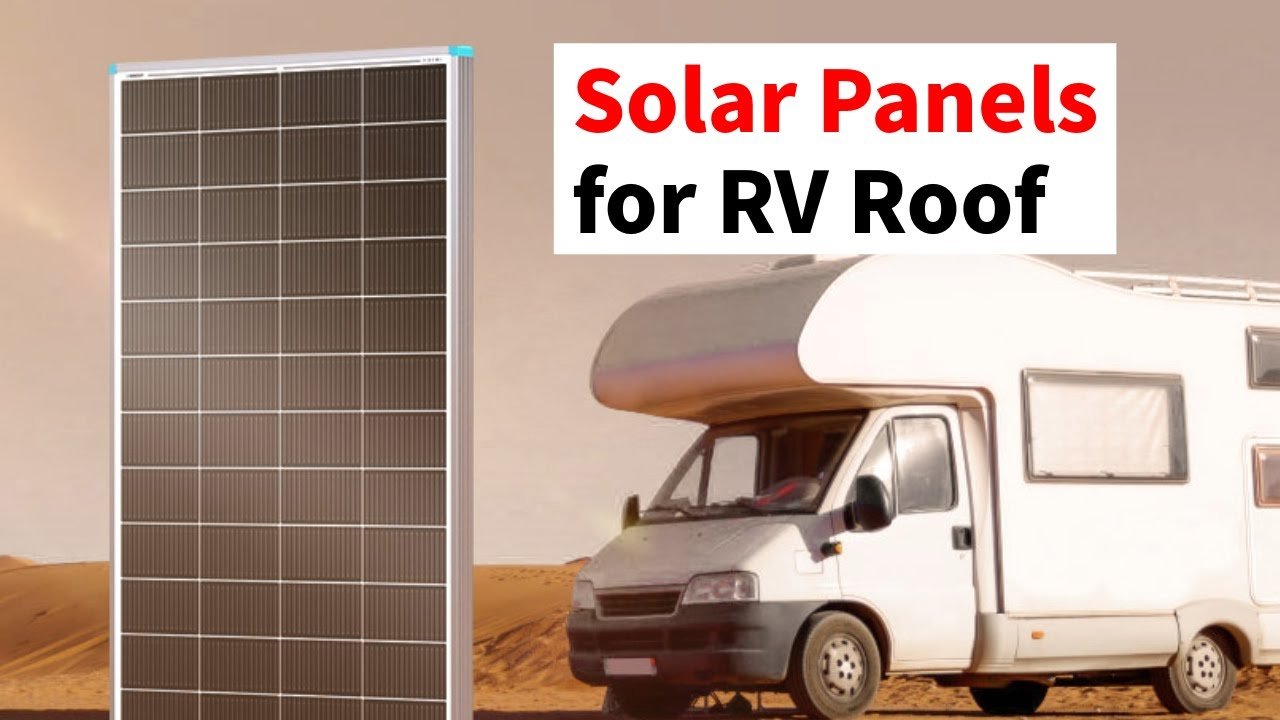
If you're asking how many solar panels do i need for my rv, you've probably already discovered that every forum and video gives a different answer. That's because the number isn't a fixed value. It depends on three specific things about your setup.
Get those right, and the math is straightforward.
Our research shows that most RVers end up needing between 200 and 600 watts of solar, but the real number comes from your daily energy use, your battery bank size, and your location's peak sun hours. The National Renewable Energy Laboratory (NREL) provides detailed solar irradiance maps that confirm these regional differences. Let's walk through each variable so you can land on the right number for your rig.
Why This Isn't a One-Size-Fits-All Number
A 100W panel works great for a weekend warrior who runs a few lights and a phone charger. A full-time RVer running a fridge, laptop, TV, and a water pump needs four times that. The same panel that keeps your batteries topped off in Arizona will struggle to keep up in the Pacific Northwest during winter.
Image source: YouTube / Best Budget Info (YouTube thumbnail (fair-use with source credit))
This is why the most common mistake is buying a kit someone else recommended. Your setup is unique. Your roof space is different.
Your power habits are your own. The good news is that the math is simple once you understand the three variables that matter.
Quick Answer
Most RVs need 200 to 600 watts of solar. The exact number depends on your daily power use. Your battery bank size also plays a major role.
Your location's sun hours complete the equation.
The Three Variables That Actually Control Your Panel Count
These three factors work together. Change one, and the ideal panel count shifts. Here's how each one matters.
Daily Watt-Hour Consumption
This is the total amount of power you use in 24 hours. It's measured in watt-hours (Wh). A simple setup with lights and a phone charger might use 500 Wh per day.
A full setup with a fridge, TV, laptop, and a water pump can easily hit 1,500 Wh or more.
Battery Bank Capacity (Usable Power)
Your battery bank stores the energy your panels produce. A 100Ah lead-acid battery gives you about 500 watt-hours of usable power. A 200Ah lithium battery gives you around 2,000 usable watt-hours.
Your panels must be able to fully recharge this bank in one good day of sun.
Peak Sun Hours at Your Camping Locations
This is the number of hours per day when the sun is strong enough to produce full power. It averages between 2 and 7 hours depending on where you are and what season it is. The table below shows common ranges.
| Region | Summer (hours/day) | Winter (hours/day) |
|---|---|---|
| Southwest desert | 6–7 | 4–5 |
| Midwest / Northeast | 5–6 | 2–3 |
| Pacific Northwest | 4–5 | 1–2 |
| Southeast | 5–6 | 3–4 |
The solar resource maps from NREL are a solid reference for your specific area. Government solar irradiance data is free and accurate.
How to Calculate Your Daily Power Use (Without Guessing)
This is the most important step. Skip it, and you're guessing. Here's how to do it right.
First, list every device you run on a normal day. Include the time you use it. Multiply the wattage of each device by the hours you use it.
Add them all up.
Here's a sample calculation for a light-to-moderate setup:
| Device | Watts | Hours Used Per Day | Daily Watt-Hours |
|---|---|---|---|
| LED lights (4 x 10W) | 40 | 5 | 200 |
| Water pump | 60 | 1 | 60 |
| Laptop charging | 65 | 3 | 195 |
| Phone + tablet | 30 | 4 | 120 |
| 12V fridge | 60 (avg) | 24 (cycles) | ~360 |
| TV / streaming stick | 50 | 3 | 150 |
| Total | 1,085 Wh |
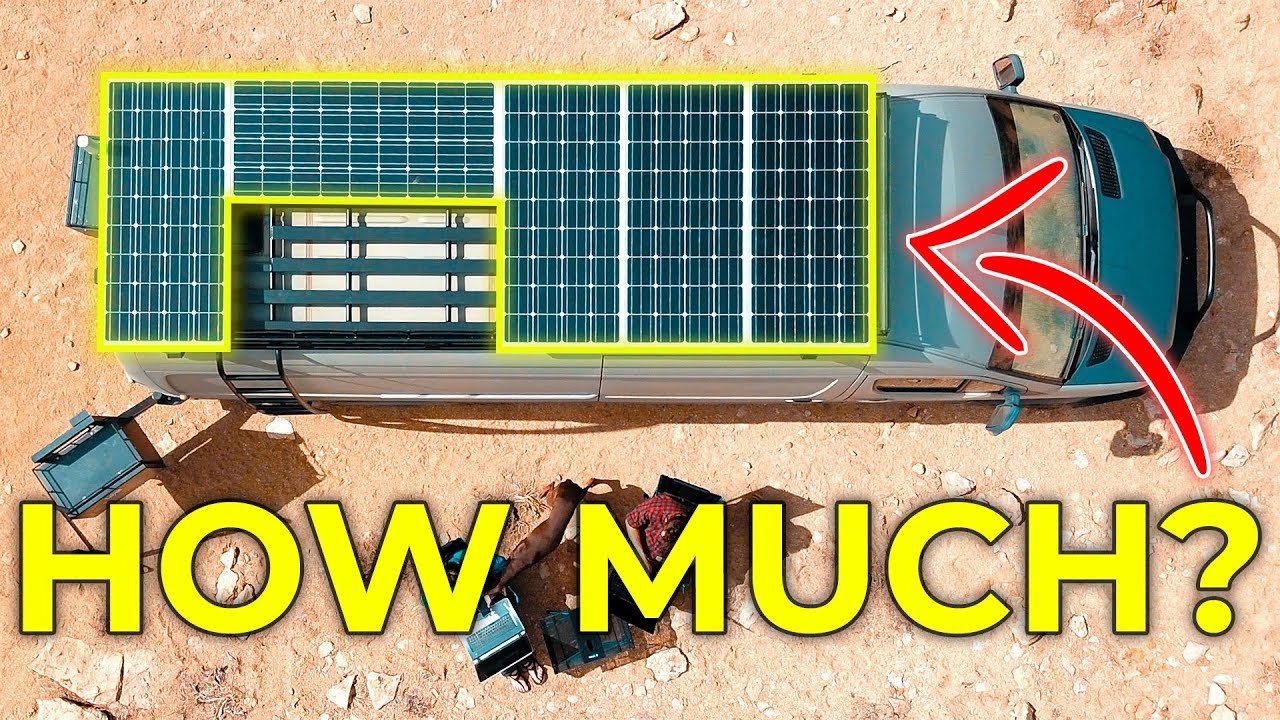
Image source: YouTube / EXPLORIST life Mobile Marine & Off-Grid Electrical (YouTube thumbnail (fair-use with source credit))
Add a 20% buffer to your total. A 1,085 Wh day becomes roughly 1,300 Wh. This covers the days you use more power or the fridge runs a little harder.
Why Your Battery Bank Size Limits Your Solar Needs
Your panels don't power your RV directly at night. Your batteries do. That means your battery bank capacity determines how much solar you actually need.
The rule is simple. Your solar array should be able to fully recharge your battery bank in one good day of sun. Let's run the numbers.
Say you have a 200Ah lithium battery. At 12.8V, that's 2,560 watt-hours of total capacity. With lithium, you can use about 80% of that safely.
That's roughly 2,048 usable watt-hours.
In a location with 5 peak sun hours, you need to put 2,048 watt-hours back in. Divide 2,048 by 5. That's about 410 watts.
But remember real-world losses. Add a 20% buffer. That brings you to roughly 492 watts.
So a 200Ah lithium bank needs about 500 watts of solar. That could be two 250W panels or three 170W panels. The exact configuration depends on your roof space.
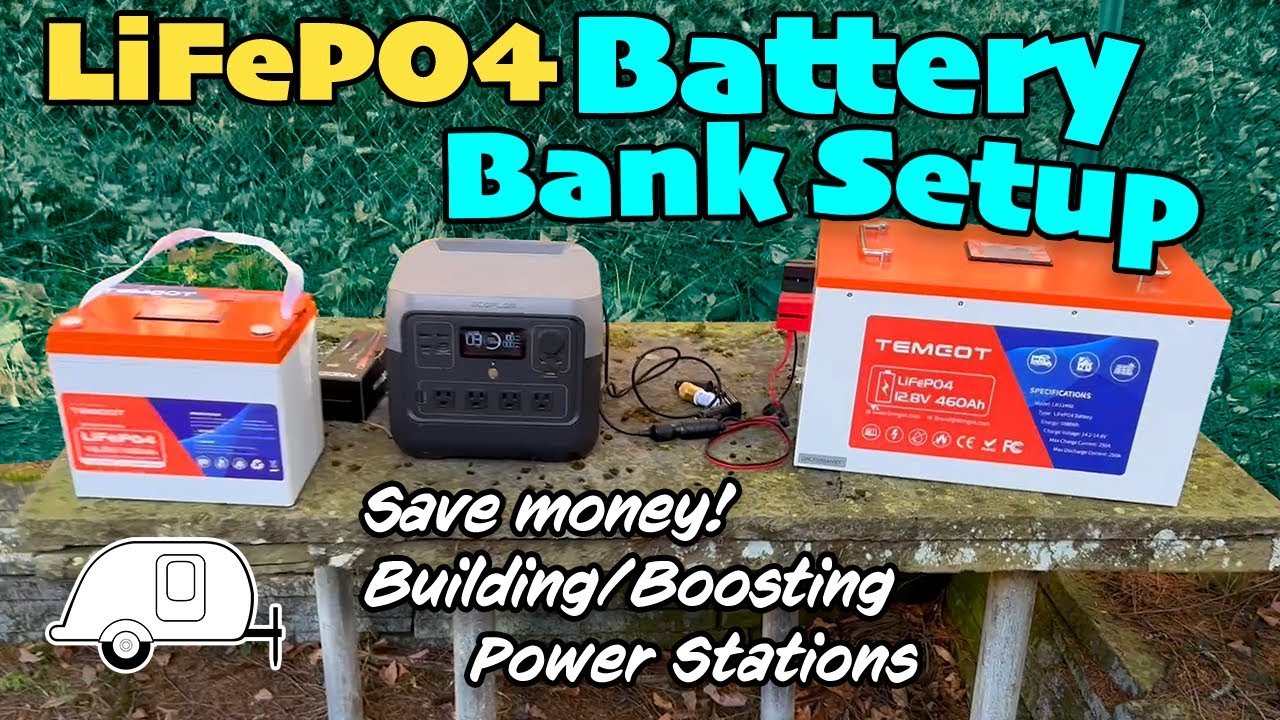
Image source: YouTube / DIY Outdoor Life (YouTube thumbnail (fair-use with source credit))
If you run lead-acid batteries, the math changes. You can only use about 50% of the rated capacity. A 200Ah lead-acid bank gives you just 1,000 usable watt-hours at 12V.
That means you need less solar to recharge it, but you also have less power to use. Many RVers find upgrading to lithium is worth it for the extra usable capacity alone. The main components of a solar panel system work together to make this efficient.
How to Account for Location, Season, and Bad Weather
Your location changes everything. A 300W panel in Arizona in July produces nearly its full rating. That same panel in the Pacific Northwest in December might deliver only 30% of its rated output.
The difference is peak sun hours.
Peak sun hours are the hours per day when sunlight is strong enough to produce full power. The NREL solar maps show that the Southwest gets 6 to 7 hours in summer. The Pacific Northwest gets 1 to 2 hours in winter.
That's a massive swing.
If you camp year-round, size your system for your worst season. This means you'll have surplus power in summer. That's fine.
You can always use less. The alternative is running a generator in winter because your panels can't keep up.
If you're a fair-weather camper who only goes out from May to September, size for summer. It's a much easier target. You can get away with fewer panels.
Many seasonal campers find that 300W is plenty when the sun is strong.
The different panel technologies perform differently in low light. Understanding how they work helps you choose the right setup. The principles behind how solar panels generate electricity are the same, but monocrystalline panels typically outperform polycrystalline in cloudy conditions.
The Real-World Efficiency Loss You Can't Ignore
Even the best solar panels don't deliver their rated wattage all day. You lose energy to several factors. Ignoring these losses is the fastest way to undersize your system.
Here's what steals your power:
- Dirt and dust on panels: 5 to 10% loss. A light dusting adds up fast.
- Roof angle vs. sun position: 10 to 20% loss unless you tilt the panels.
- Partial shading from trees, vents, or AC units: Can drop output by 50% or more.
- Charge controller losses: 5 to 10% loss. MPPT controllers are much better than PWM.
- Heat: Panels lose efficiency as temperatures rise above 25°C.
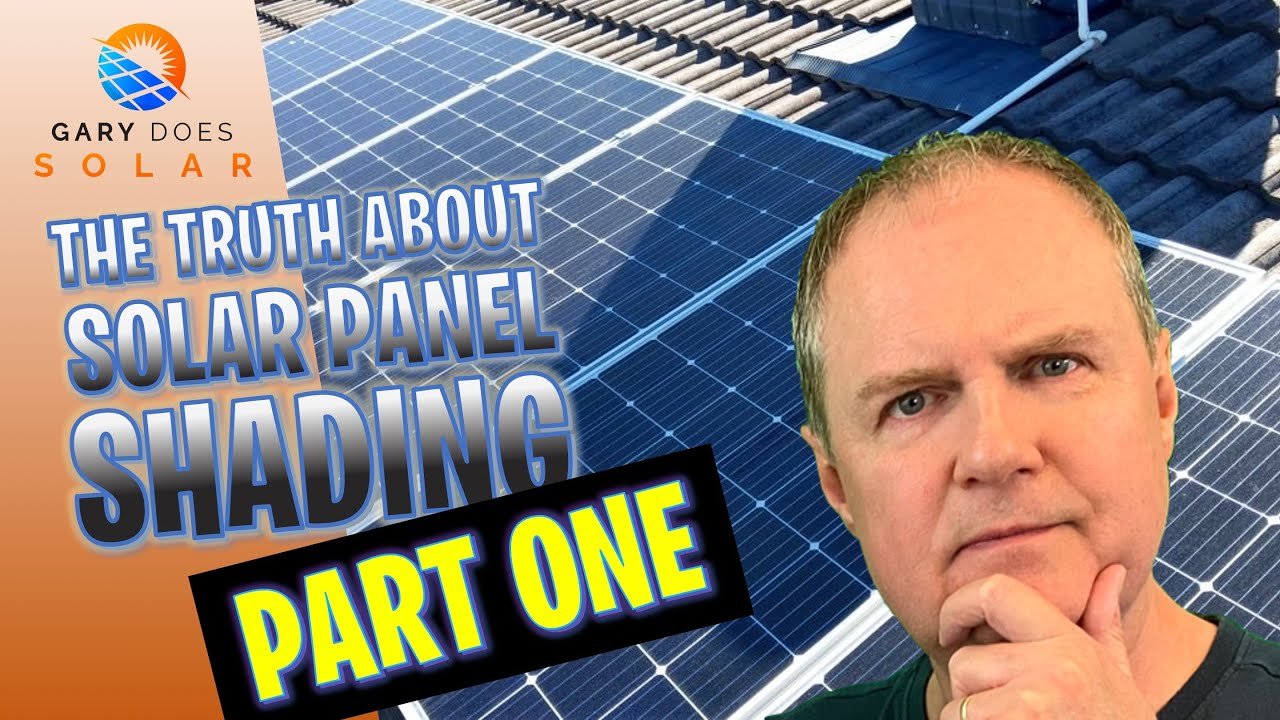
Image source: YouTube / Gary Does Solar ☀️ (YouTube thumbnail (fair-use with source credit))
Our research shows that a 20 to 30% de-rating factor is realistic for most RV setups. If your math says you need 500 watts, buy 600 to 650 watts. That extra buffer covers bad weather, dirty panels, and less-than-ideal roof angles.
The trade-offs of different panel types matter here. Some panels handle partial shading better than others. The advantages and disadvantages of different solar panel technologies affect real-world performance significantly.
Mistakes to Avoid: Over-Paneling, Under-Paneling, and Bad Math
The most common mistake is buying too many panels for your battery bank. You can't store what you can't use. A 600W array feeding a 50Ah battery is a waste.
The battery fills up by noon, and the rest of the day's production is lost.
Under-paneling is just as common. You buy a 100W kit because it fits your budget. Then you find out your fridge alone uses 360 Wh per day.
Your battery never fully recharges. You end up buying a generator anyway.
Bad math is the third trap. People forget to include inverter idle draw. A typical inverter draws 10 to 20 watts just by being on.
Over 24 hours, that's 240 to 480 Wh. That's a significant chunk of your daily budget.
The solution is simple. Calculate your actual load. Size your battery bank to hold two days of power.
Then size your solar array to recharge that bank in one good day of sun. A detailed buying guide can walk you through the component selection process.
Another common error is mixing panel voltages. Running a 12V panel and a 24V panel in parallel doesn't work well. The lower voltage panel drags down the whole string.
Stick to matching panels from the same manufacturer.
Safety & Compliance: Wiring, Fuses, and Roof Loading
Solar electricity is safe when done right. It can be dangerous when you cut corners. The risks are real.
Fire, electrical shock, and roof damage are all possible.
Start with overcurrent protection. Every wire run needs a fuse or breaker at the source. The wire between your panels and charge controller needs a fuse.
The wire between your battery and inverter needs one too. This prevents overheating if a short occurs.

Image source: YouTube / Pacific Yacht Systems (YouTube thumbnail (fair-use with source credit))
Wire gauge matters more than most people realize. Undersized wire creates voltage drop and heat. A 10-gauge wire is fine for short runs.
A 20-foot run at 30 amps needs 8-gauge or thicker. The National Electrical Code (NEC) provides ampacity tables for reference.
Roof loading is another concern. RV roofs aren't designed for heavy loads. A typical 300W panel weighs about 40 to 50 pounds.
Three panels add 120 to 150 pounds. That's significant. Check your roof's weight rating before mounting.
Grounding is critical. The DC negative should be bonded to the chassis ground. This provides a safe path for fault current.
Without it, a short could energize your entire RV. That's a shock hazard.
Costs & Specs: What Real Systems Actually Run
Let's talk money. A complete RV solar system costs between $1.50 and $3.00 per watt installed. That includes panels, charge controller, wiring, fuses, and mounting hardware.
Batteries and inverter are separate.
Here's a realistic breakdown for a 400W system:
| Component | Estimated Cost |
|---|---|
| Two 200W monocrystalline panels | $300 to $500 |
| MPPT charge controller (40A) | $150 to $300 |
| Wiring, fuses, connectors | $100 to $200 |
| Mounting brackets and sealant | $50 to $100 |
| Total (panels to controller) | $600 to $1,100 |
Batteries add significant cost. A 200Ah lithium battery runs $800 to $1,200. A 200Ah AGM lead-acid battery is $300 to $500.
The lithium battery lasts longer and gives you more usable capacity. Many RVers find the upfront cost worth it.
The solar panel category covers a wide range of options. You can find budget panels for under $1 per watt. Premium panels with higher efficiency can cost $1.50 per watt or more.
Our research shows that mid-range panels offer the best value for most RVers.
Use Cases: How Many Panels for Your Specific Setup
Your lifestyle determines your panel count. Let's break it down by three common RV profiles.
Weekend Boondocker
You camp for a few days at a time. You run lights, a water pump, and a phone charger. Maybe a small 12V fridge.
Your daily power use sits around 500 to 800 Wh.
For this profile, 200 to 300 watts of solar works well. A 100Ah lithium battery gives you enough storage. A single 200W panel or two 100W panels fits easily on most roofs.
You'll stay topped off with 4 to 5 peak sun hours.
Full-Time RVer
You live in your RV. You run a fridge, TV, laptop, water pump, and lights daily. Your power use runs 1,000 to 1,500 Wh per day.
You need reliable power year-round.
For this profile, 400 to 600 watts of solar is the sweet spot. A 200Ah lithium battery bank gives you two days of storage. Three 200W panels or two 300W panels fit on a standard RV roof.
You'll need 5 peak sun hours to recharge fully.
Heavy Power User
You run a microwave, coffee maker, CPAP machine, or power tools. You might even run a small air conditioner. Your daily power use exceeds 2,000 Wh.
For this profile, 800 to 1,200 watts of solar is realistic. You need a 300Ah or larger lithium battery bank. Roof space becomes a constraint.
You may need portable panels to supplement your roof array. This setup requires careful planning and a larger budget.
Real Scenarios: Three Systems That Worked (And One That Didn't)
Real examples help clarify the math. Here are four setups we've seen in our research.
Scenario 1: Weekend camper, 200W system. A couple with a small travel trailer runs a 12V fridge, LED lights, and phone chargers. Their 200W panel and 100Ah lithium battery keep them going for three days between charges. They never need a generator.
Total cost: roughly $800.
Scenario 2: Full-time van dweller, 400W system. A solo traveler with a 200Ah lithium battery runs a laptop, fan, lights, and a water pump. Their 400W array keeps the battery full even in partial shade. They work remotely full time.
Total cost: roughly $1,800.
Scenario 3: Off-grid family, 800W system. A family of four with a 400Ah lithium bank runs a fridge, freezer, TV, lights, and a microwave. Their 800W roof array handles daily use. They supplement with a portable panel in winter.
Total cost: roughly $3,500.
Scenario 4: The one that didn't work. A buyer installed 600W of panels on a 50Ah lead-acid battery. The battery filled up by 10 AM. The rest of the day's solar production was wasted.
At night, they ran out of power by 9 PM. They had to run a generator to recharge. The fix: upgrade the battery bank to match the solar array.
Frequently Asked Questions
How many solar panels do I need for a 30 amp RV?
A 30 amp RV typically uses 1,000 to 1,500 Wh per day. You need 400 to 600 watts of solar. This covers a fridge, lights, TV, and water pump.
Add a 200Ah lithium battery for storage.
Can I have too many solar panels on my RV?
Yes. Your battery bank limits how much power you can store. If your panels produce more than your battery can hold, you waste the extra energy.
Match your panel wattage to your battery capacity.
Do I need an MPPT charge controller?
Yes, for most modern setups. MPPT controllers are 20 to 30% more efficient than PWM. They convert excess voltage into extra current.
This matters when panels are cooler or when using higher voltage panels.
How much roof space do I need for RV solar panels?
A standard 200W panel measures about 60 by 26 inches. That's roughly 10 square feet. Four panels need about 40 square feet of clear roof space.
Measure your roof before buying.
Do solar panels work in winter?
Yes, but output drops significantly. Peak sun hours are lower in winter. Panels also produce less power when covered in snow.
Expect 30 to 50% of summer production in most regions.
Should I get portable or fixed solar panels?
Fixed panels are convenient and always ready. Portable panels let you chase the sun and park in the shade. Many RVers use a combination of both.
Fixed panels handle daily needs. Portable panels add extra capacity when needed.
Your Decision Guide: What to Do Next
Start with your daily energy use. Track it for three days. Add a 20% buffer.
That's your daily watt-hour target.
Next, choose your battery bank. Lithium is worth the investment. Size it to hold two days of power.
Then divide by your peak sun hours. Add a 20% de-rating factor. That's your solar wattage target.
Finally, check your roof space. Measure the clear area. Pick panels that fit.
Match your charge controller to your panel voltage. Use proper wire gauge and fuses.
The right system is the one that matches your actual needs. Not the one you saw on a forum. Not the one your friend recommended.
The one that comes from your own numbers.

Similar Posts