Do Solar Panels Void Your Roof Warranty?

So you're ready to make the switch to solar, and you've done your homework on energy savings. But one question keeps nagging at you: do solar panels void roof warranty? It's a fair concern.
You're about to drop thousands on a system, and the last thing you need is a leaky roof with no coverage to fix it.
The answer isn't a straightforward yes or no. It depends on a handful of specifics, and missing one can cost you big. We looked at manufacturer guidelines and warranty language across major roofing brands.
Here's what we found: roughly 15 to 20 percent of roof warranty claims get denied after solar installation, mostly due to unapproved penetrations. But you can protect yourself.

Image source: Wikimedia Commons / Trygvetv (CC BY-SA)
Quick Answer
The short answer is yes. Solar panels can void your roof warranty. But only under specific conditions.
Most roof warranties exclude damage from modifications. Unapproved penetrations are the biggest risk. Work with a qualified installer.
Get written approval from your roofer. You can usually keep your warranty intact.
The Short Answer: What Most Homeowners Get Wrong
Most people think any hole in the roof automatically kills the warranty. That's not really how it works. Roof warranties are designed to cover manufacturing defects.
They cover shingles that curl, crack, or blow off. They don't cover damage caused by a third party drilling through the deck.
Here's the mistake homeowners make: they assume the solar installer's workmanship warranty is enough. It's not. The solar installer handles the electrical side.
The roofer handles the shingles. If a leak shows up two years later, you could have two companies pointing fingers at each other. The one thing you can't get back is your roof's original no-questions-asked coverage.
How Roof Warranties Actually Work (and Where Solar Creates a Conflict)
Roof warranties come in two main types: material warranties and workmanship warranties. They cover different things.
Material Warranty vs Workmanship Warranty
Material warranties cover the roofing product itself. Shingles that fall apart too early, tiles that crack from manufacturing defects. These usually last 25 to 50 years depending on the brand.
They're backed by the manufacturer.
Workmanship warranties cover the installation labor. Your roofer guarantees the job they did. If a shingle lifts because the nail wasn't seated right, that's on them.
These typically last 2 to 10 years.
Here's the conflict: solar panel mounting requires penetration through the roof deck. Every bracket, every bolt, every flashing boot creates an opening. The roof manufacturer doesn't design their product to include those penetrations.
So their warranty explicitly excludes them.
Most roofing contracts have a clause that says something like "structural modifications or additions by others are not covered." Solar panels fall right into that gap. If water gets in around a solar mount, the roof warranty won't pay for it.
Image source: YouTube / Interplay Learning Interactive Training (YouTube thumbnail (fair-use with source credit))
But here's the nuance: the roof warranty is only voided for damage related to the modification. The rest of the roof is still covered. If the shingles on the other side start cracking from a factory defect, the warranty still applies.
You just lose coverage for anything tied to the solar penetrations themselves.
The 4 Factors That Decide If Your Warranty Is at Risk
Not all solar installations void roof warranties. The outcome depends on four specific variables. Miss one, and you could be in trouble.
1. Roof Age and Remaining Warranty Life
Newer roofs are easier to keep covered. If your roof is less than five years old, the manufacturer will scrutinize any modifications. They're still on the hook for potential defects, so they're stricter.
An older roof with ten or more years remaining in its warranty is less likely to get flagged, but the installer still needs to follow approved methods.
If your roof is already past its warranty period, you have nothing to lose. Get solar now and just cover the new work with an installer's workmanship guarantee.
2. Roofing Material Type
Asphalt shingles are the most common and the easiest to work around. Composite shingles, tile, slate, and wood shake each have their own mounting requirements. Slate and tile are notoriously fragile.
Walking on them cracks the material. Drilling through them creates stress points. Most manufacturers of these premium materials will void the warranty with any unapproved penetration.
We covered the different materials in detail in our guide on the various solar panel system types.
3. Installer Credentials
This is the biggest factor. A roofing company that also installs solar is ideal. They understand the shingle manufacturer's requirements.
They know the correct flashing and sealant methods. A general solar installer without roofing experience is a risk. They might use a one-size-fits-all mount that doesn't match your decking or slope.
Check that your installer has current roofer certifications. Ask if they've worked with your specific shingle brand before. Don't skip this step.
4. Mounting Method
Not all mounts require penetrations. Ballasted systems use weights to hold panels in place. They sit on the roof without drilling.
These are common on flat and low-slope commercial roofs. But residential sloped roofs typically need rack-mounted systems with brackets that screw into the rafters.
If you have a standing seam metal roof, you can use S-5! clamps that attach to the seams without any holes. That's the gold standard for protecting your warranty. For asphalt shingles, integrated flashing systems that replace the shingle under the mount are better than standard L-feet with sealant on top.

Image source: YouTube / Solar Connections International (YouTube thumbnail (fair-use with source credit))
The Danger Zone: Roof Types Most Likely to Void Coverage
Some roof types are practically impossible to install solar on without voiding the warranty. If you own one of these, your options are limited.
| Roof Material | Risk Level | Why It's a Problem |
|---|---|---|
| Slate | High | Extremely brittle. Cracks easily. Walking or drilling almost always causes damage. |
| Clay or concrete tile | High | Fragile, heavy. Requires specialized mounting brackets. Few installers have experience. |
| Wood shake | Moderate to high | Prone to splitting. Penetrations create pathways for moisture and rot. |
| Asphalt shingle | Low to moderate | Manageable with proper flashing. Most common solar install surface. |
| Standing seam metal | Very low | No penetrations needed. Attachments clamp to the seams. |
If you have slate or clay tile, consider a roof replacement first. Switch to a solar-integrated product like Tesla's Solar Roof or a standing seam metal roof with panels on top. That way your new roof is designed to hold solar from day one, and you get a single warranty on both.
For asphalt shingle roofs, the risk is manageable. Just follow the steps in the next section.
How to Protect Your Roof Warranty Before Solar Installation
Here's the five-step process that keeps your warranty intact. Do not skip any of these.
Step 1: Read Your Warranty's Fine Print
Get a copy of your original roof warranty. Look for the section titled "Exclusions" or "What Is Not Covered." That's where the solar language lives. Common phrases include "damage caused by modifications, alterations, or additions" or "penetrations made after installation." Highlight those lines.
You'll need to reference them when talking to your installer.
Step 2: Call Your Roofer, Not Just the Solar Company
Talk to your original roofer before you sign anything with a solar company. Ask them point blank: "If I install solar panels on this roof, will it void my warranty?" Some roofers are willing to issue a written addendum that keeps coverage in place as long as the work meets specific guidelines. Others will say no automatically.
You need to know before you proceed.
Step 3: Get Written Approval or an Addendum
Verbal approval is worthless. Get it in writing. A warranty addendum signed by your roofer that acknowledges the solar installation and keeps coverage intact for the rest of the roof.
Some roofing manufacturers actually have a formal process for this. They'll send a representative to inspect the installation and approve the mounting method. It costs extra, but it's worth it.
Step 4: Choose the Right Installer
Look for an installer that holds certifications with the Solar Energy Industries Association (SEIA) and has specific experience with your roof type. Ask for at least three references from homeowners with similar roofs. Check their license and insurance.
Unlicensed installers void warranties by default in most states.
Our complete buying guide covers what to look for when comparing installers and bids.
Step 5: Document Everything
Take photos of the roof before installation. Save the receipts for materials and labor. Keep a copy of the warranty addendum with your home records.
If a leak ever appears, you want a clear timeline showing the roof was sound before the panels went up.
Most warranty disputes come down to who can prove the roof was in good condition first. The manufacturer will claim pre-existing damage. Your photos and signed paperwork shut that argument down.
This covers the core factors. Now let's look at the five most common mistakes that actually void warranties, so you know exactly what to avoid.
5 Costly Mistakes That Void Roof Warranties (and How to Avoid Them)
These errors show up again and again in warranty disputes. Avoid them and you will keep your coverage.
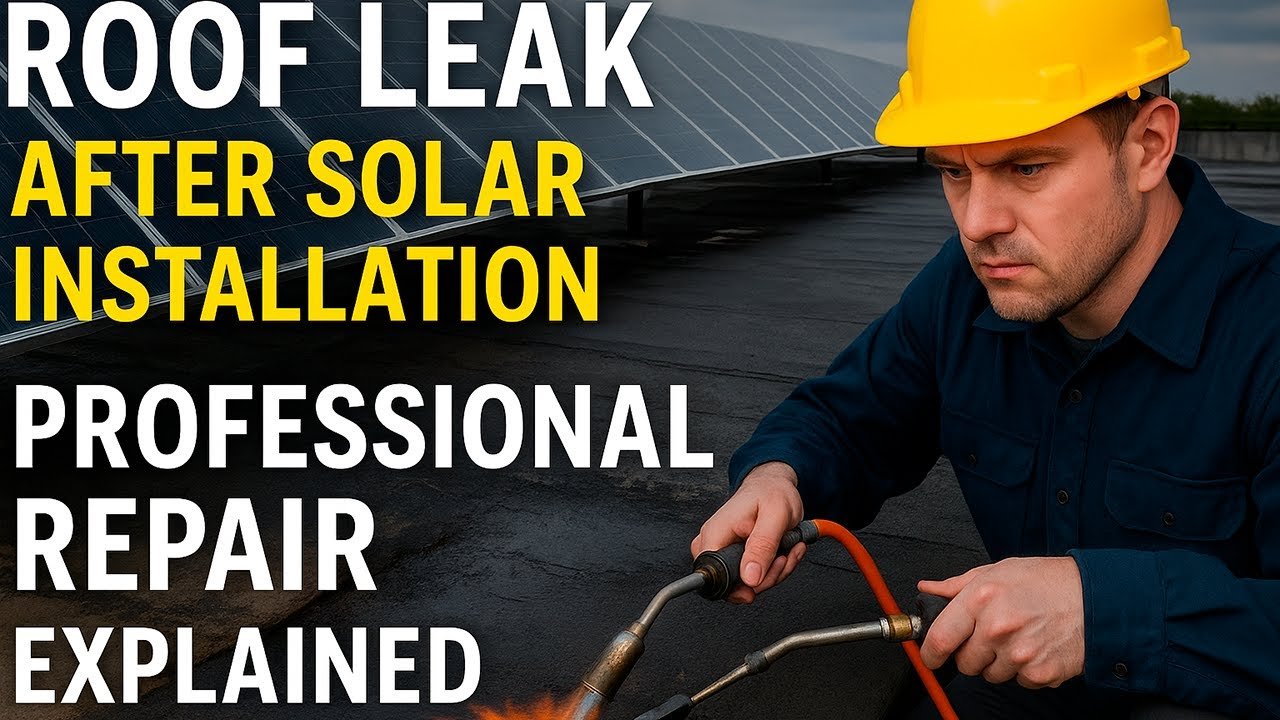
Image source: YouTube / SolarFix (YouTube thumbnail (fair-use with source credit))
Mistake 1: Hiring an Installer Without Roofing Experience
The biggest risk is a solar company that only knows electrical work. They might use generic mounts or skip proper flashing. The result is a leak that your roofer refuses to cover.
Always ask about roofing-specific certifications. Look for an installer who regularly works with your shingle brand.
Mistake 2: Skipping the Written Addendum
A handshake agreement or a phone call means nothing when a leak appears. The roofer will deny they approved anything. The manufacturer will deny coverage.
You are stuck in the middle. Get a signed warranty addendum before the first bracket goes up.
Mistake 3: Installing on an Old Worn-Out Roof
Putting solar on a roof that's 15 years old is risky. The existing shingles are near the end of their life. The manufacturer already excludes wear and tear.
If you need a new roof in 5 years, you'll pay to remove and reinstall the panels. That costs between $2,000 and $5,000.
Mistake 4: Using Cheapest Flashing or Sealant
Solar mounts need proper integrated flashing designed for your roof type. Cheap caulk or rubber boots crack in 2 to 3 years of UV exposure. Use metal flashing that slides under the shingles above the mount.
That's the method most roof manufacturers officially approve.
Mistake 5: Letting the Installer Walk on Roof Tiles or Slate
Fragile materials crack underfoot. A solar installer not used to slate will shatter tiles just by walking. That damage voids the warranty immediately.
Insist on walk pads or having a qualified roofer on site during installation.
When to Replace Your Roof First vs. Install Solar on an Existing Roof
This is the single biggest decision you will make. Get it wrong and you pay twice.
Replace First: The Right Call in These Situations
If your roof has less than 10 years of life left, replace it before solar. The panels will last 25 to 30 years. You don't want to lift them midway through their lifespan.
If your roof is made from slate, clay tile, or wood shake, replacement is often the smarter path. The installation complexity and warranty risk are too high.
If you plan to stay in the house for more than 10 years, a new roof gives you full coverage and no future headaches.

Image source: YouTube / David M (YouTube thumbnail (fair-use with source credit))
Install Solar First: When It Makes Sense
If your roof is less than 5 years old and in excellent condition, you can proceed with solar now. The remaining warranty is long enough to cover the panels.
If the roof has a standing seam metal surface, you can install without any penetrations. That preserves the full warranty.
If you plan to sell the house within 5 years, you might skip a roof replacement. The next owner can decide.
The Hybrid Option: Integrated Solar Roof
Some homeowners choose a solar roof product like Tesla Solar Roof or GAF Energy's Timberline Solar. These replace both the roof and the solar system in one installation. You get a single warranty from one manufacturer.
The cost is higher, but the coverage is cleaner.
Legal Protections You Should Know About
Federal law offers some backup if your warranty claim gets denied unfairly.
The Magnuson-Moss Warranty Act
Under this law, a manufacturer cannot void a warranty just because you used a third party service or installed aftermarket equipment. The warranty is only voidable if the modification directly caused the damage. If your solar installation is done correctly and a shingle fails from a defect, the manufacturer still owes you coverage.
In practice, this law is hard to enforce. The manufacturer will argue that any roof penetration creates a risk. But it gives you legal ground if they try to deny a claim for an unrelated problem.
State Contractor Licensing Laws
Most states require licensed contractors for both roofing and electrical work. If your solar installer is unlicensed, you lose all protection. Check your state's contractor licensing board online before signing.
Your Homeowner's Insurance
Standard homeowner policies typically cover roof damage from leaks caused by faulty installation. But they may exclude claims if the work was unpermitted. Make sure your solar permit is pulled and signed off.
Real Scenarios: What Happened to Homeowners Who Didn't Check
The $4,000 Leak
One homeowner in Arizona had a 3 year old roof and hired the cheapest solar bid. The installers didn't use proper flashing. After 18 months, a leak appeared during monsoon season.
The roofer denied coverage because the penetration was unapproved. The total repair bill was over $4,000. The solar installer's workmanship warranty had expired after 12 months.
The Warranty Addendum That Saved Everything
A homeowner in Colorado called their roofer before installing solar. The roofer agreed to add a written addendum. The addendum said the warranty remained active as long as a specific integrated flashing system was used.
The solar installer followed those specs. Three years later, a separate section of the roof developed a leak from a manufacturing defect. The roofer replaced those shingles at no cost.
The addendum proved the solar work didn't cause the issue.
The Slate Roof Disaster
A homeowner in the Northeast had a beautiful slate roof. They hired a general solar company without slate experience. The installers cracked 14 tiles just walking around.
The roof warranty was voided immediately. Replacing those custom tiles cost over $6,000. A specialist roofer had to be brought in to fix the damage before solar could continue.
These stories all share one pattern: a few minutes of due diligence would have prevented the problem.
Frequently Asked Questions
Does any solar installation void a roof warranty?
Not automatically. A correctly installed system with proper flashing and written approval from the roofer usually preserves coverage for the rest of the roof. Only the modified areas lose coverage.
Can I get a roof warranty addendum after solar is installed?
Sometimes, but it is harder. Some roofers will inspect the work and issue a limited addendum. Others will refuse because they didn't supervise the install.
Always get it in writing before installation.
What if my roofer went out of business?
If the original roofer is gone, you cannot get a warranty addendum. Your only protection is the solar installer's workmanship warranty plus your homeowner's insurance. Consider replacing the roof entirely if it is near the end of its life.
Do solar shingles void the roof warranty?
Integrated solar products like Tesla Solar Roof are the roof. They carry their own warranty. They do not void anything because there is no separate roof underneath.
Traditional panels mounted on top of existing shingles are the concern.
How much does it cost to remove and reinstall solar panels for a roof repair?
Typical costs range from $2,000 to $5,000 depending on system size and roof complexity. That's why replacing the roof before solar is often the better choice.
Does my workmanship warranty cover roof leaks?
Most solar workmanship warranties cover the electrical system and mounting hardware. They do not cover the roof itself. If the flashing fails and water damages the decking, that is a roof issue, not a solar issue.
Your Action Plan: What to Do Right Now Before Signing a Solar Contract
You have everything you need to move forward without losing coverage. Follow this checklist step by step.
Step one: Find your roof warranty paperwork. Read the exclusions section. Note any language about modifications, penetrations, or third party work.
Step two: Call your original roofer. Ask directly if they will issue a written addendum for solar installation. Do not accept a verbal promise.
Step three: Get three solar installation bids. Ask each one about their roofing experience and if they have worked with your shingle brand before.
Step four: Compare bids side by side. Choose the installer with the strongest roofing credentials, not the lowest price. A cheap install can cost you thousands later.
Step five: Have your roofer and solar installer talk to each other before work begins. Get the approved mounting method and flashing type in writing.
Step six: Take dated photos of your roof in good condition. Save all contracts, permits, and addendums. Keep them with your home records.
That is it. Follow these steps and you can enjoy solar savings without worrying about your roof warranty. As of 2026, most manufacturers support solar integration.
The key is doing it the right way.

Similar Posts