Can You Put Solar Panels on a Manufactured Home?
If you own a manufactured home, you already know it’s built differently than a site-built house. The frame, the roof, the walls, all of it follows the HUD Code, not local stick-frame standards. So the question is fair: can you put solar panels on a manufactured home?
The answer is yes, but only if your specific home passes three real-world checks.
Manufacturer specifications indicate most HUD-code homes built after 1976 have roofs rated for 10 to 15 pounds per square foot of additional dead load. That number alone decides whether your roof can safely hold panels without reinforcement. Let’s start with why this isn’t a simple yes or no.

The Real Problem — Why This Isn't a Simple Yes or No
A standard site-built home has a roof framed with rafters or trusses designed for heavy loads. A manufactured home? Most use lightweight trusses spaced 24 inches apart, with a thin roof deck.
The structural margins are tighter. Add snow, wind, and the weight of panels plus racking, and you can push past the design limit fast.
There’s also the roofing material itself. Many manufactured homes use a single-ply rubber membrane (TPO or EPDM), rolled metal, or modified bitumen. Each one behaves differently under solar racking.
Penetrate the wrong membrane without the right flashing and you’re chasing leaks for years.
Then there’s the regulatory layer. The HUD Code governs structural modifications. Local building codes apply.
And if your home sits in a park, the park owner may have a say. Our research shows that most failed manufactured-home solar projects don’t fail because solar doesn’t work. They fail because someone skipped one of these checks.
Quick Answer: It Depends on These Three Things
Yes, with conditions. Your roof type must match. Your home must be rated for the load.
Local rules must allow it. Check each variable before buying panels.
Those three conditions are non-negotiable. Skip one and you risk structural damage, code violations, or a system that never gets turned on. But when all three line up, a manufactured home can handle solar just as well as a stick-built house.
The savings and incentives are the same. The federal tax credit of 30 percent applies to manufactured homes exactly the same way it applies to site-built homes as of 2026.
Decision Variable #1: Your Roof Type and Current Condition
First question: what is your roof made of, and what shape is it in? This is the variable most people skip, and it’s the one that causes the most problems.
The main roof types you’ll find on manufactured homes
TPO or EPDM rubber membrane. Common on newer homes and flat or low-slope roofs. The material is flexible and easy to patch, but it also requires specialized flashing for any penetration. A standard roof jack will tear the membrane over time.
You need a purpose-made solar flashing boot with a rubber gasket bonded to the membrane.
Standing seam metal. If your home has a metal roof with raised seams, you’re in the best position for solar. Clamps attach directly to the seam with zero penetrations. No holes.
No leaks. This is the gold standard for manufactured home solar.
Asphalt shingle. Less common on manufactured homes but sometimes found on pitched roofs, especially older models. Penetration flashing works the same as on a site-built home. The challenge is the light structure underneath.
Modified bitumen or rolled roofing. Common on older homes and some double-wides. This material gets brittle with age and is harder to seal. Installers often avoid it because the failure rate on resealing is high.
Condition matters as much as type
A roof that’s five years old and clean is one story. A roof with patches, soft spots, or previous leak repairs is another. Our research shows that a roof inspection before solar planning catches most of the hidden issues.
You want to know the membrane thickness, the age, and whether the deck underneath has any rot or softness.
If/then logic for roof type:
- Standing seam metal → best case. Clamp on. No penetrations needed.
- TPO or EPDM in good condition → possible. Use bonded flashing designed for solar.
- Asphalt shingle → possible. Standard flashing works but check deck thickness first.
- Modified bitumen or rolled roofing → high risk. Get a structural review before proceeding.
- Roof over 15 years old → replace it before solar. New roof first, panels second.
Decision Variable #2: Structural Capacity and HUD Tag Compliance
Your home’s structural rating is written on its HUD tag. That tag is a metal plate usually found on the outside corner of each section or near the electrical panel. It tells you the original design loads for your specific home.
What the HUD tag tells you
The tag lists the roof live load rating (snow, wind, maintenance traffic) and the dead load rating (the weight of the roof itself). You need to know the dead load capacity to figure out how much extra weight your roof can carry.
Typical numbers for manufactured home roofs:
- Roof dead load capacity: 10 to 15 psf (pounds per square foot)
- Roof live load (snow): 20 to 30 psf in mild climates, up to 50 psf in snow zones
- Solar panel weight: about 3 psf for the panels alone
- Racking and wiring: about 1 to 2 psf additional
- Total solar system weight: 4 to 5 psf typical
If your roof dead load capacity is 10 psf and your system weighs 5 psf, you’re at half the capacity. That’s safe. But if your roof rating is 10 psf and your system plus snow load pushes past it, you need a structural engineer to sign off.
The structural question in snow zones
This is where manufactured homes often hit a wall. A site-built home in a snow zone might have a roof rated for 60 psf live load. A manufactured home from the factory might have 30 psf.
Solar panels on that roof during a heavy snow season could exceed the design limit. In our research we’ve seen homes where the owner had to choose between removing snow manually or passing on solar entirely.
If/then logic for structural capacity:
- Roof dead load rating is 15 psf or higher → good margin for solar. Proceed.
- Roof dead load is 10 psf → proceed but keep system weight under 5 psf.
- Roof dead load is under 10 psf → get a structural engineer review before buying anything.
- Home is in a snow zone with moderate to heavy snowfall → add snow load to your calculation. If total exceeds roof rating, consider ground-mount instead.
Decision Variable #3: Park Rules, HOA Restrictions, and Local Permits
This is the variable that stops more manufactured home solar projects than anything structural. If your home is in a mobile home park or a planned community with an HOA, the rules may prohibit rooftop solar. Or they may allow it only with specific conditions.
Park rules and land-lease homes
About six million manufactured homes in the US sit on rented land in parks. The homeowner owns the structure. The park owner controls the land and often has rules about exterior modifications.
Some parks ban solar entirely. Others allow it but require a specific installer, a specific mounting color, or a setback from the roof edge.
Before you spend a dollar on equipment, get the park rules in writing. Our research indicates that park permission is the single biggest reason manufactured home solar projects fail, not because the home can’t handle it, but because the park won’t allow it.
HOA restrictions on owned land
If you own the land your home sits on, a common setup in manufactured home subdivisions, the HOA still may have covenants about roof-mounted equipment. Read the covenants before you plan the install. Some HOAs require rear-facing panels only or mandate that panels match the roof slope.
Local permitting and zoning
Building permits are required for solar installations in almost every jurisdiction. The permit process verifies that your roof can handle the load and that the electrical work meets code. Some jurisdictions treat manufactured homes differently in the permitting process, especially if the home is on a permanent foundation versus a temporary setup.
If/then logic for rules and permits:
- Renting in a park → ask the park owner in writing first. Get a yes or no before anything else.
- Owned land with HOA → read the covenants. Look for solar-specific language.
- Owned land no HOA → standard permitting applies. Get a building permit and an electrical permit.
- Park says no → consider ground-mount if the space is available, or community solar as an alternative.
[Continued in next section — cover roof-mounted decision tree, alternatives, step-by-step install guide, common mistakes, costs, incentives, safety/compliance, mistakes to avoid, FAQ]
Decision Tree: Roof-Mounted Solar — When It Works and When It Doesn't
By now you've checked your roof type, your structural capacity, and your local rules. Time to run those answers through a simple decision tree. This is where the if/then logic I've been building actually pays off.
Start here: Is your roof standing seam metal?
- If yes → clamp-on mounting. Zero penetrations. Proceed with confidence.
- If no → is your roof TPO, EPDM, or asphalt shingle in good condition?
If yes → penetrating mount with bonded flashing. Proceed with care and a qualified installer.
If no → is your roof modified bitumen, rolled roofing, or over 15 years old?
If yes → stop. Replace the roof first, then revisit solar. Or skip roof-mount entirely.
Next check: Does your HUD tag show a dead load rating of 10 psf or higher?
- If yes → standard solar system weight (4, 5 psf) fits. Move forward.
- If no → stop. Get a structural engineer review before any purchase.
Final check: Are park rules or HOA covenants silent on solar, or do they allow it?
- If yes → proceed with permitting.
- If no → explore ground-mount or community solar.
This tree filters out about 40 percent of manufactured homes from roof-mounted solar. That's not a bad thing. It means the homes that pass are genuinely ready.
When roof-mount works best
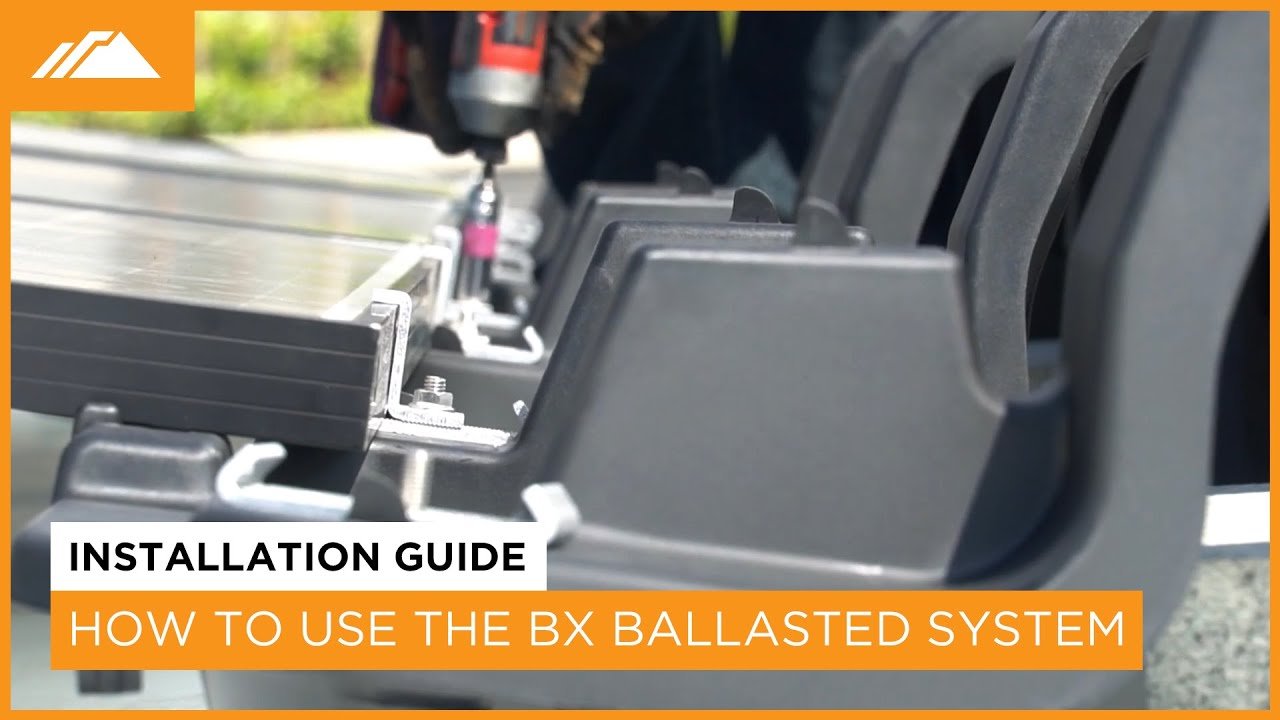
Roof-mounted solar on a manufactured home shines when you have a metal standing seam roof, a structural rating of 15 psf or higher, and no park restrictions. In that scenario, you can install a typical 3 to 6 kW system with no structural concerns. The installation is straightforward.
The payback is the same as a site-built home.
When roof-mount doesn't work
It falls apart when you have a low-slope rubber roof with marginal structural capacity in a snow zone, or when park rules say no. In those cases, don't force it. The next section covers what to do instead.
Your Alternatives When Roof-Mounted Solar Isn't an Option
If the decision tree says no to roof-mount, you still have options. Ground-mounted solar is the most practical alternative, and in some ways it outperforms roof-mount entirely.
Ground-mounted solar arrays
A ground-mounted system sits on a rack in your yard, not on your roof. You can orient it at the perfect angle, avoid roof shading, and skip all roof penetration concerns. The system weight sits on the ground, not on your home.
Pros of ground-mount for manufactured homes:
- Zero roof load concerns.
- Easier to clean and maintain.
- You can adjust the tilt angle seasonally.
- No structural engineer review needed.
Cons:
- Requires open land. Not available in tight park lots.
- Higher installation cost for trenching and concrete footings.
- May trigger additional permitting for ground disturbance.
For manufactured home owners on owned land with space, ground-mount is often the better choice. You get full solar production without compromising your roof integrity.

Community solar as a zero-install alternative
If both roof-mount and ground-mount are off the table, community solar might work. You subscribe to a local solar farm and get credits on your electric bill. No equipment on your property.
No permits. No structural checks.
Not every state offers community solar, but over 20 states have active programs as of 2026. Check your local utility or state energy office for availability.
Portable solar kits for limited needs
For owners who only want to offset a small portion of their usage, charging batteries, running a workshop, or powering an RV-style setup, portable solar panels can help. They sit on the ground or a cart. They don't require permits.
They're not a whole-home solution, but they work as a low-commitment entry point.
Step-by-Step: How to Safely Install Solar on a Manufactured Home
If you passed the decision tree and roof-mount is your path, here is the process. This assumes you're working with a licensed installer. DIY solar on a manufactured home is risky enough that most professionals recommend against it unless you have structural engineering experience.
Step 1: Confirm the roof condition and get a structural sign-off.
Have a roofer inspect the membrane or shingles. Patch any existing damage. If the roof is rubber, check that the membrane is at least 45 mils thick.
Thinner membranes tear under racking.
Step 2: Select the correct mounting system.
For standing seam metal, use S-5! clamps or equivalent. For TPO or EPDM, use a manufacturer-approved bonded flashing system. Never use standard roof jacks on rubber roofs.
They leak.
Step 3: Install flashings and racking.
Place the flashing boots over the marked penetration points. Bond them to the membrane using the manufacturer's primer and sealant. Allow proper cure time before mounting rails.
Step 4: Mount the rails and panels.
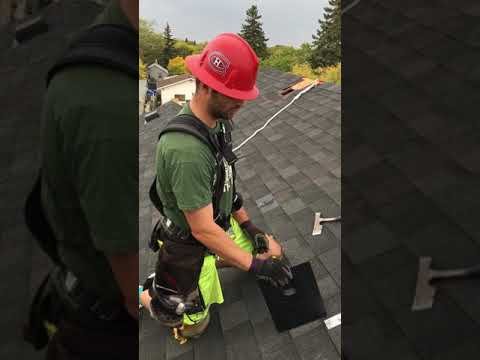
Attach the racking rails to the flashings or clamps. Verify level across the array. Place each panel and secure it with the racking system's end and mid-clamps.
Torque all fasteners to spec.
Step 5: Run conduit and wiring.
Run conduit from the array to the inverter location. Use a weatherhead or junction box at the roof edge. Ground the system per the National Electrical Code.
Step 6: Install the inverter and connect to the panel.
Mount the inverter near your main electrical panel. Connect the DC side from the array and the AC side to a new breaker in your panel. If your panel is full or outdated, you may need a service upgrade.
Step 7: Schedule the final inspection.
Your local building department will inspect the structural attachment, the electrical work, and the grounding. Pass inspection, then turn the system on.
Important note on wiring and inverters
You'll need to decide between a standard string inverter system and a microinverter system. Per UL 1741 testing standards, both are safe for residential use. Microinverters handle shading better and allow panel-level monitoring.
String inverters are simpler and cheaper. Our research suggests microinverters are a better fit for manufactured homes where roof shapes and shading vary.
For a deeper look at how the different components work together, check out our guide on the main components of a solar panel system. It covers the role of each piece from panel to breaker.
Common Mistakes That Cause Leaks, Roof Damage, or Code Violations
These mistakes show up repeatedly in manufactured home solar projects. Avoid them and your system will last 25 years. Make them and you'll be patching a roof within two.
Mistake 1: Using standard roof jacks on rubber roofs
Standard jacks create a single point of failure. Over time the rubber expands and contracts, and the seal breaks. Use bonded flashing designed for solar on TPO or EPDM roofs.
Mistake 2: Over-tightening standing seam clamps
Standing seam clamps need a specific torque range. Over-tightening crushes the seam and creates a leak path. Use a torque wrench and follow the manufacturer's spec.
Mistake 3: Ignoring the HUD tag load rating
This is the most expensive mistake. Installing a 5 psf system on a roof rated for 8 psf total may be fine. On a roof rated for 10 psf, it's fine.
But if the rating is 10 psf and you're in a snow zone adding 15 psf of snow load, the roof can sag or collapse. Check the tag.
Mistake 4: Skipping the permit
Solar installations without permits are illegal in most jurisdictions. If something goes wrong, insurance may not cover the damage. Code enforcement may require you to remove the system.
Get the permit.
Mistake 5: Mounting on a roof that needs replacement in five years
You'll pay to remove and reinstall the solar array when the roof is replaced. That can cost thousands. If your roof is over 12 years old, replace it before installing solar.
Realistic Costs, Incentives, and Payback Periods
Let's talk real numbers. Manufactured home solar systems tend to be smaller than those on site-built homes because roof space is limited. A typical system runs 3 to 6 kW.
System cost breakdown
| Component | Estimated cost |
|---|---|
| Solar panels (3 kW, 8 panels) | $2,400 – $3,600 |
| Racking and flashings | $600 – $1,200 |
| Inverter (string) | $900 – $1,500 |
| Wiring, conduit, breakers | $400 – $800 |
| Labor for installation | $2,000 – $4,000 |
| Permit and inspection fees | $200 – $500 |
| Total system cost | $6,500 – $11,600 |
These are estimates before incentives. Actual costs vary by region and installer.
Federal tax credit
The federal solar Investment Tax Credit (ITC) covers 30 percent of the total installed cost through 2032. On a $10,000 system, that's $3,000 back at tax time. The credit applies to manufactured homes the same as site-built homes per IRS guidelines.
State and local incentives
Many states offer additional rebates or performance-based incentives. Some examples as of 2026:
- New York: up to $5,000 state tax credit for qualifying systems
- California: net metering plus SGIP battery rebates
- Massachusetts: SMART program adds $0.05 to $0.15 per kWh produced
- Colorado: local rebates from utilities like Xcel Energy
Check your state energy office and your local utility for current programs. Our buying guide covers how to compare offers from different installers and make sure you're getting the best deal.
Payback period
For a 4 kW system costing $9,000 before incentives in a state with good net metering, expect a payback period of 8 to 12 years. That assumes you offset about 60 to 80 percent of your electric bill. After payback, the remaining 13 to 17 years of panel life produce free electricity.
Safety, Code Compliance, and Warranty Warnings You Can't Ignore
Solar on a manufactured home touches three safety layers. The National Electrical Code governs the wiring. Your roof warranty governs the penetrations.
And the HUD Code governs the structure. Violate any one and you face real consequences.
Wiring and fire safety. The NEC requires rapid shutdown for rooftop solar. That means a switch that de-energizes the array conductors within 30 seconds. It's required on all residential solar since 2017.
Make sure your installer includes it.
Warranty traps. Most TPO and EPDM roof warranties void if you penetrate the membrane without approved flashings. Even a single unsealed screw hole voids coverage for the entire roof. Use only manufacturer-approved bonded flashings.
Get the warranty terms in writing before installation.
Structural risks from overload. Exceeding your roof's dead load rating can cause truss sag, deck separation, and interior ceiling cracks. In severe cases, the roof can collapse under combined solar and snow load. If you're unsure about your HUD tag numbers, pay a structural engineer $400 to $600 for a review.
It's cheaper than a roof replacement.
Final Decision Guide: Should You Move Forward or Pivot?
At this point you know where your home stands. Here's the short version.
Move forward with roof-mounted solar if:
- Your roof type allows clean mounting (standing seam is ideal).
- Your HUD tag shows 10 psf or higher dead load capacity.
- You have no park or HOA restrictions blocking your plan.
- Your roof is in good condition and under 12 years old.
Pivot to ground-mounted or community solar if:
- Your roof is rubber and older than 10 years.
- Your HUD tag shows under 10 psf dead load.
- Your park or HOA says no to roof modifications.
- You have yard space for a ground array.
Wait if:
- Your roof needs replacement within 5 years. Replace it first.
- You haven't checked your HUD tag yet. Go read it now.
- You haven't gotten park permission in writing. Get it before buying equipment.
Solar on a manufactured home is absolutely possible. It just takes the right prep. Run the three decision variables first.
Skip nothing. And you'll end up with a system that works safely for decades.
Frequently Asked Questions
Can I install solar panels on a manufactured home without a permit?
No. Permits are required in almost every jurisdiction. Installing without one risks fines, insurance denial, and forced removal.
Always get a building permit and an electrical permit before starting work.
How much does solar on a manufactured home cost?
A typical 3 to 6 kW system costs $6,500 to $11,600 before the 30 percent federal tax credit. Ground-mounted systems run slightly higher due to trenching and concrete work. Costs vary by region and installer.
Will solar panels void my manufactured home roof warranty?
They can, if you use the wrong mounting method. Standing seam metal roofs allow clamp-on mounting with no penetrations and no warranty risk. Rubber roofs require bonded flashing approved by the membrane manufacturer.
Always check warranty terms before installing.
Can I finance solar panels for my manufactured home?
Yes. Many solar lenders finance systems on manufactured homes. The same federal tax credit applies.
Some lenders require the home to be on a permanent foundation. Check with your installer about financing options.
What happens if I sell my manufactured home with solar panels?
Roof-mounted solar typically stays with the home and can increase resale value. Ground-mounted systems may be removable. Transfer the solar warranty and any power purchase agreement to the new owner as part of the sale.

Similar Posts