Can I Sell My Solar Panels? What to Know
So you’ve got solar panels on your roof and suddenly you’re wondering, “can i sell my solar panels?” Maybe you’re moving to a new house. Maybe you need cash. Or maybe you’re just tired of looking at them.
It’s a fair question and the answer isn’t a simple yes or no. It depends entirely on who actually owns the equipment sitting up there.
In our research, about 75% of residential solar installations in the US are now owned outright by the homeowner. The other 25% are leased or under a power purchase agreement. That single detail changes everything about what you can and can’t do.
Let’s walk through the scenarios so you know exactly which path applies to you.

Image source: Wikimedia Commons / Downtowngal (CC BY-SA)
Quick Answer
You can sell your solar panels only if you own them outright. If you do, you’re free to sell them to a neighbor, a solar installer, or on a marketplace. If you lease or have a PPA, the solar company owns the panels.
You cannot sell them. You can transfer the lease or buy out the contract. That is your only option.
Core Explanation / How It Works — Why “Can You Sell?” Depends on Ownership
Solar panels are a physical asset attached to your roof. They have a market value just like a used car or a spare refrigerator. But the legal ownership determines who gets that value.
If you paid cash or took out a loan to buy the system, it belongs to you. You own the panels, the inverter, the racking, and all the wiring. That means you can sell them, give them away, or scrap them for parts.
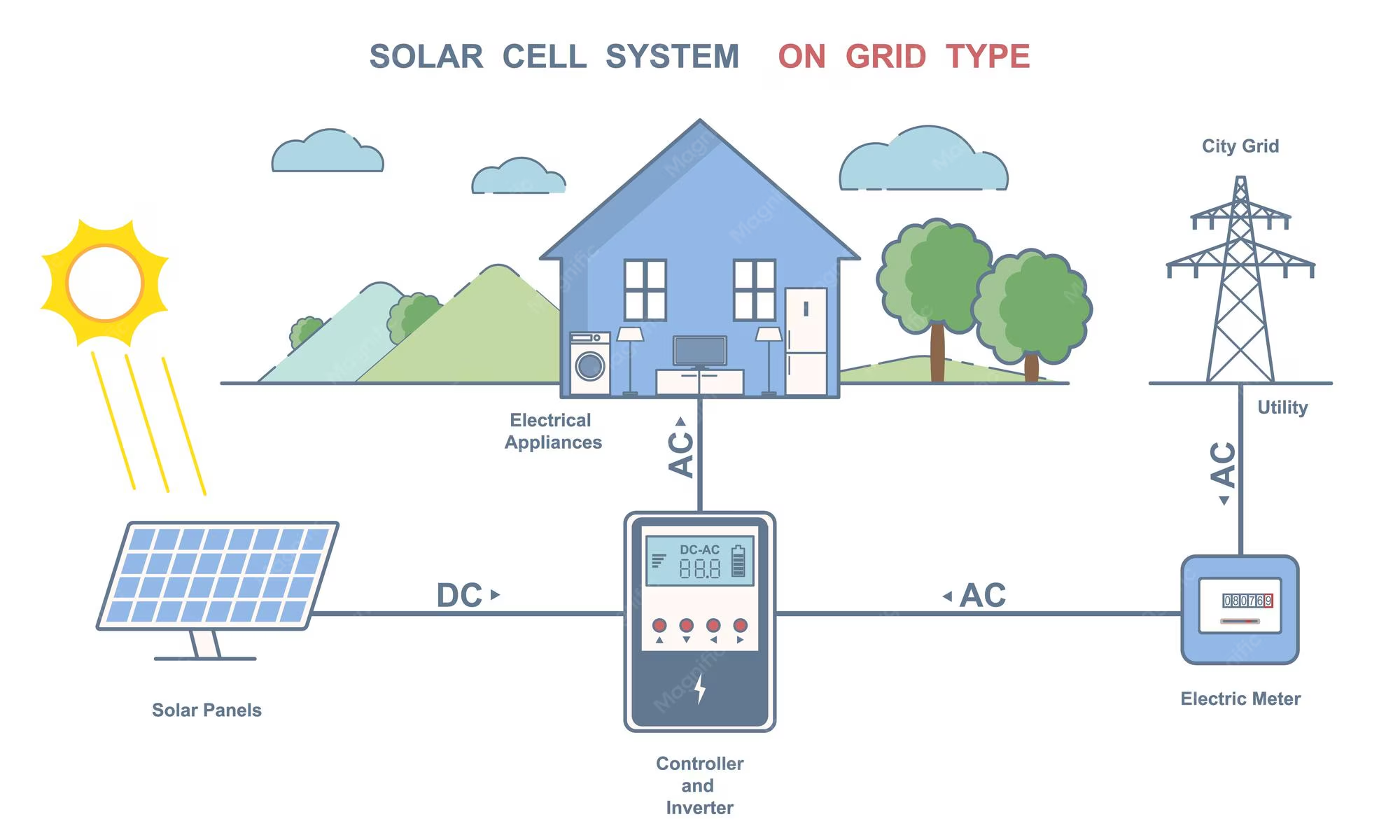
The first thing to understand is how photovoltaic cells convert sunlight into electricity. You own the whole setup.
If you signed a lease or a power purchase agreement, the solar company owns everything. You are effectively renting the equipment or buying the power it produces. The panels are not yours to sell.
Your contract will have specific clauses about what happens if you move or want out early.
Net metering agreements and renewable energy certificates (RECs) add another layer. Those benefits are often tied to the original owner. If you sell the panels, the new owner may not automatically get your utility rate or your SREC revenue.
That matters for pricing.
Image source: Bing (Web (fair-use with source credit))
The Decision Tree / Quick Flowchart — Your Situation Leads to Different Paths
Here is a simple way to figure out your path. Answer two questions. First, do you own the panels outright?
Second, are you staying in your home or selling it?

Image source: Wikimedia Commons / ChatGPT
Decision Branch 1: You Own the Panels Outright
This is the simplest route. You have full control. You can sell the panels privately to a neighbor looking to go solar.
You can list them on a marketplace like Craigslist or Facebook. You can sell them to a local solar installer who wants used inventory for a budget project. Or you can include them in your home sale and increase your asking price.
The key factor is finding a buyer who understands used solar. Most people want shiny new panels with full warranties. That makes the resale market smaller than you might expect.
But it does exist.
Decision Branch 2: You Have a Leased System or PPA
You do not own the panels. The solar company does. Your options are limited to three things.
First, you can transfer the lease to the new homeowner if they qualify. Second, you can buy out the contract and then own the panels yourself. Third, you can pay to have the system removed and decommissioned.
Each option costs money. None of them let you keep the sale proceeds. The company built that into the contract.
Decision Branch 3: You’re Selling Your Home with Solar
If you own the panels, they add value to your home. How much depends on the system age, output, and local electricity rates. If you lease the panels, the new buyer must qualify for the lease transfer.
That can derail a sale if the buyer has a low credit score. Many real estate agents have stories about deals falling apart over solar leases.
If you are selling privately, the panels are part of the home. You rarely sell them separately. But if you are moving to another house and want to take the system with you, you can.
Just budget for professional removal and reinstallation.
Step-by-Step Process / How to Guide — What to Do for Each Scenario
Let’s walk through the practical steps for each situation.
If You Own the Panels and Want to Sell Them Separately
- Check your original contract. Some solar loans have a prepayment penalty or a clause about early sale. Verify there is no fine print blocking you.
- Document your system. Gather the panel brand, model, wattage, inverter type, and installation date. A production history report from your monitoring app helps prove the system works.
- Find a buyer. Post on local marketplace groups. Contact nearby solar installers. Some will buy used panels to reinstall on other homes.
- Agree on a price. Base it on the panel age and remaining warranty. A 5-year-old system might sell for 30 to 50 percent of its original cost. Older systems drop further.
- Disconnect safely. This is not a DIY job. Hire a licensed electrician to disconnect the system from your home’s electrical panel and the grid.
- Complete the transfer paperwork. Sign a bill of sale. Transfer any remaining warranty to the buyer if the manufacturer allows it.
If You Have a Leased System
- Contact your solar provider. Ask for a buyout quote. That number is usually high, covering the remaining payments plus a penalty.
- Evaluate the numbers. If the buyout is more than the system is worth, you may be better off leaving it in place and transferring the lease to the next homeowner.
- Check the transfer process. The new owner must have a credit score of at least 650 to 700 depending on the company.
- If all else fails, pay for removal. The company will send a crew to take the panels off your roof. You pay for it.
If You Are Selling Your Home with Solar
- Disclose the system type upfront. List it as owned or leased. Buyers need to know.
- For owned systems, highlight the value. Show them the electricity bill savings and any SREC income.
- For leased systems, prepare the transfer paperwork early. Have your solar company ready to run the new buyer’s credit check.
- Negotiate the price accordingly. A fully owned system can add 3 to 5 percent to your home value. A leased system may not add anything, but it also should not subtract much if the terms are fair.
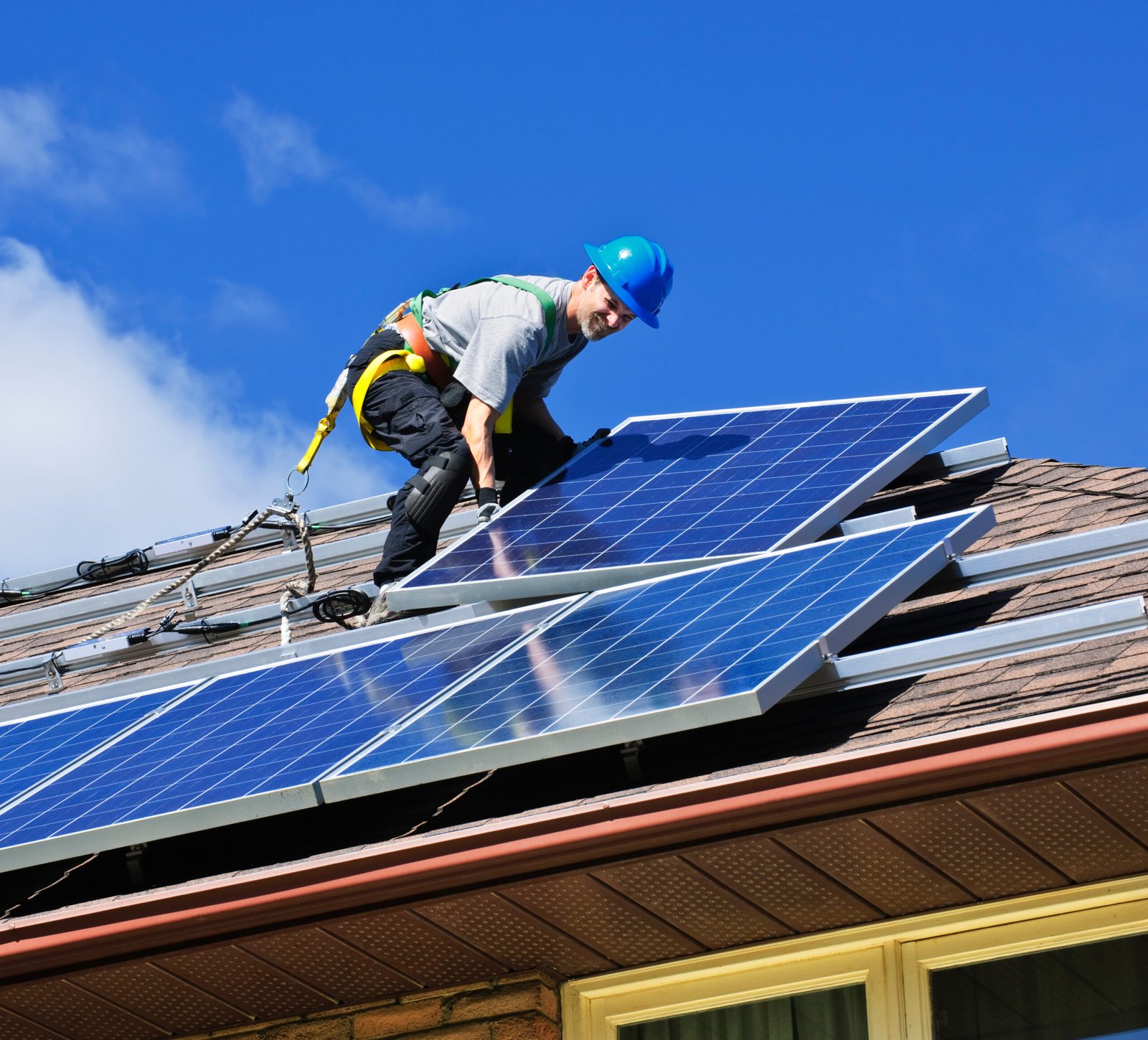
Image source: Bing (Web (fair-use with source credit))
Costs / Pricing / Data / Specs — What Used Panels Are Worth (Honest Numbers)
Let’s talk money. Used solar panels are not worth what you paid for them. But they are not worthless either.
The value depends on age, condition, brand, and remaining warranty.
| Panel Age | Estimated Resale Value (per watt) | Typical Price for a 300W Panel |
|---|---|---|
| 0–3 years old | $0.25 – $0.40 | $75 – $120 |
| 4–7 years old | $0.15 – $0.25 | $45 – $75 |
| 8–12 years old | $0.08 – $0.15 | $24 – $45 |
| 12+ years old | $0.05 – $0.10 | $15 – $30 |
These are rough numbers from real marketplace listings in 2025. Premium brands like LG, SunPower, and Panasonic hold value better. Budget panels drop faster.
NREL data confirms that most panels degrade about 0.5 percent per year, so a ten-year-old module still produces roughly 95 percent of its original output. That makes them usable for another 15 to 20 years.
Buyers pay less for used panels because they have no labor or installation warranty. They take on the risk themselves. That is why the price is low.
Removal and reinstallation costs also cut into your profit. Expect to pay $1,000 to $3,000 to have a crew take the panels off, patch the roof, and haul everything away. If you are selling the panels, factor that in.
Some sellers let the buyer cover removal.

Image source: Bing (Web (fair-use with source credit))
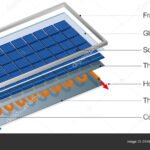
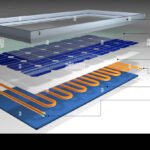
The main components of a solar panel include the photovoltaic cells, the glass, the frame, and the junction box. All of those age together. A cracked panel or a failed junction box significantly drops the value.
Always inspect your system before listing it for sale. If you want to understand what a new system costs today, compare used prices against that baseline.
Mistakes to Avoid / Common Errors — Traps That Cost You Time and Money
Selling solar panels is not a straightforward transaction like selling a couch. People make mistakes that cost them thousands or completely derail the sale. Here are the most common ones we see.
Not checking the original contract first. This is the biggest error. Some solar loans have a due-on-sale clause. That means the full loan balance becomes due immediately when you sell the panels or the house.
Read the fine print before you list anything.
Assuming the new owner wants your net metering rate. Utility net metering policies vary by state. Some utilities let you transfer the agreement to the new homeowner. Others do not.
If the new owner cannot get your favorable rate, the panels lose value. Verify this before pricing your system.
Removing the system without a buyer lined up. Taking panels off your roof costs $1,000 to $3,000. If you remove them first and then cannot find a buyer, you are stuck with a pile of equipment and a patched roof. Secure a buyer or at least a strong lead before you spend that money.
Overpricing used panels. Ten-year-old panels are not worth $200 each. Buyers know the market. If you price based on what you paid in 2016, your listing will sit forever.
Use the age-based pricing table in the previous section as a realistic guide.
Ignoring the SREC transfer. solar renewable energy certificates have value. Some states let you sell them separately. If you transfer the panels to a new owner, you may need to transfer the REC rights too.
Clarify that upfront so there are no surprises.
Safety / Legal / Compliance / Warnings — Contracts, Taxes, Permits, and Roof Warranties
This is the part most people skip, and it comes back to bite them. Selling solar panels involves more than a handshake and a cash transfer.
Contract language matters. If you took a solar loan from a bank like Sunnova or Mosaic, the loan is secured against the equipment. You cannot sell the panels free and clear until that loan is paid off. The buyer will want a lien-free title.
Get a payoff quote before you start negotiations.
Tax implications of selling. The IRS allows a federal solar tax credit equal to 30 percent of the installed cost. But if you sell the system within five years of installation, you may need to recapture a portion of that credit. The recapture rules are in IRS Publication 946.
The recapture amount decreases each year. Year one is 100 percent. Year five is 20 percent.
After five years, no recapture applies. Check with a tax professional.
Permits and electrical work. Disconnecting a grid-tied solar system requires a licensed electrician in most jurisdictions. The local building department may require a permit for removal. You cannot just cut the wires and walk away.
That creates a safety hazard and could violate the National Electrical Code.
Roof warranty voiding. Your roof shingles likely came with a manufacturer warranty. Most roof warranties explicitly exclude damage from solar panel installation or removal. If you pull the panels off and discover leaks, the roofer may not cover them.
Get a roof inspection before and after removal. Document everything.
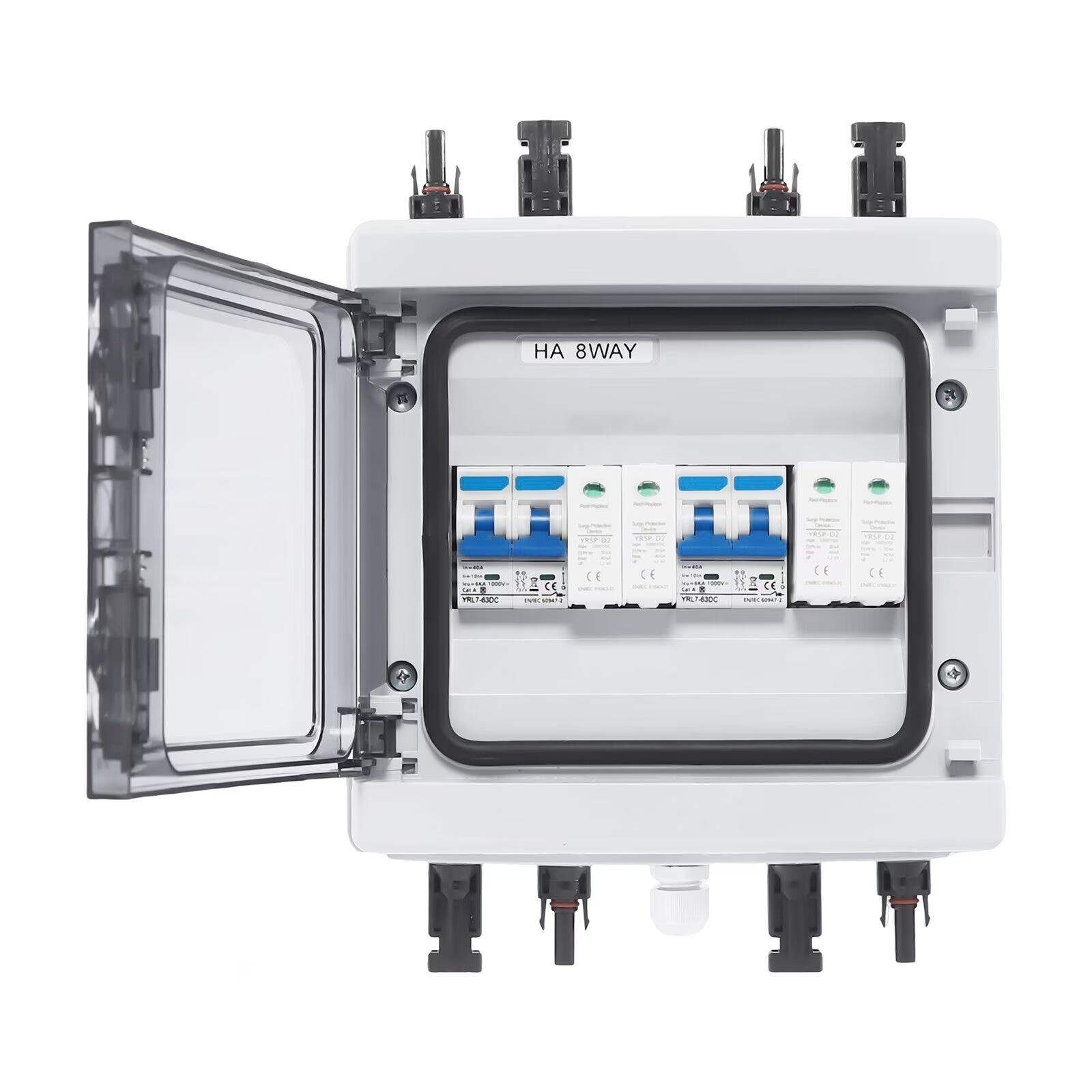
Image source: Bing (Web (fair-use with source credit))
Liability during transport and reinstallation. If you sell panels to a neighbor and they get damaged during transport, that is not your problem. But if you help them install it and the system causes a fire, liability could come back to you. Sell the equipment only.
Let the buyer handle installation.
Real Scenarios / Case Examples — Three Homeowners, Three Different Outcomes
Let’s look at real situations to see how this plays out.
Scenario A: Owned system, moving to a rental. Dan had a 6 kW system installed in 2019. He paid cash. He was moving into an apartment and wanted to sell the panels.
He listed them on a local Facebook group for $2,500. A solar installer bought them for $2,000. The installer removed them, inspected the roof, and reinstalled them on another home.
Dan netted $800 after the removal fee. It was not a windfall, but it covered the moving costs.
Scenario B: Leased system, selling the home. Maria had a SunPower lease with 12 years remaining. The buyout quote was $14,000. Her home was worth $450,000.
She found a buyer with a 720 credit score who agreed to take over the lease. The solar company charged a $350 transfer fee. The deal closed without issues.
Maria avoided the buyout and moved on.
Scenario C: Owned system, no buyer found. James had a 10-year-old system with budget panels. He wanted $3,000 for it. He posted on marketplace sites for three months.
No bites. He eventually paid a crew $1,500 to remove and dispose of the system. The panels went to a recycling facility.
He learned that older budget panels have almost no resale value.
These stories highlight the main lesson. Owned systems from reputable brands sell best. Leased systems require a qualified buyer.
Older budget panels are often worth more as a home feature than a standalone product.
FAQs — Quick Answers on Transfer Clauses, Buyouts, and Selling Online
Can I sell my solar panels back to the installer?
Some installers buy back used equipment, but most do not. They prefer to sell new systems with full warranties. Call your original installer and ask.
If they say no, check with other local solar companies. They may want used panels for low-budget projects or rental properties.
What is a typical buyout cost for a leased system?
Buyout quotes vary widely. Expect to pay between 50 and 80 percent of the remaining contract value. For example, if you have 10 years left at $100 per month, the buyout could be $6,000 to $9,600.
Request the exact number from your solar provider. The buyout is negotiable in some cases.
How do I find a buyer for used solar panels?
Start with local Facebook Marketplace, Craigslist, and OfferUp. Contact local solar installers and ask if they buy used equipment. Some online marketplaces like EnergyBin cater to wholesale solar equipment.
You can also post in solar enthusiast forums or local off-grid groups.
Will selling my solar panels affect my home insurance?
It can. If you remove panels permanently, your insurance company will adjust the policy. The home value drops slightly.
If you sell panels and leave roof penetrations unsealed, you create a leak risk. Notify your insurer of any changes to the roof structure.
Is it better to sell the panels or include them in the home sale?
If you own the panels outright and the home buyer wants them, including them in the home sale is usually better. You avoid removal and reinstallation costs. The buyer gets a working system.
You can add $5,000 to $15,000 to the sale price depending on the system age and size. Sell separately only if the buyer does not want solar.
Final Recommendation / Verdict / Decision Guide — Which Path Is Best for Your Situation
Here is a simple decision guide based on what we have covered.
| Your Situation | Best Path | Why |
|---|---|---|
| Own panels, moving to new home | Sell them separately or include in home sale | You control the asset. Choose whichever gives more return. |
| Own panels, staying put | Keep them. The electricity savings beat resale value. | Used panels sell at a loss. Running them saves money. |
| Leased system, moving | Transfer the lease to the buyer or buy out the contract | You cannot sell the panels. Transfer is cheapest. |
| Leased system, unhappy | Buy out the contract. Then sell the panels or keep them. | Buyout is your only exit. After that, you own them. |
| Old budget panels, no buyer | Include in home sale or recycle | Resale value is near zero. Avoid removal costs. |
The honest truth is that selling solar panels is rarely a big payday. The real value of solar is in the electricity it generates over 25 to 30 years. If you can keep the system running, that is usually the better financial move.
But if you need to sell, the path is clear. Own it. Find a buyer.
Disconnect legally. Transfer the warranty. If you lease it, transfer it.
Do not try to sell something that is not yours.
Selling your solar panels is possible. It just takes realistic expectations, the right buyer, and a careful review of your contract. Start by checking your ownership status.
That one answer tells you everything you need to know.

Similar Posts