Can I Sell My Solar Panels Back to the Company
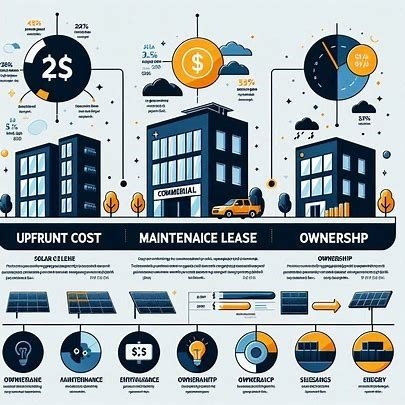
You've got solar panels on your roof, and now you're wondering: can I sell my solar panels back to the company that installed them? It's a fair question, especially if you're moving, upgrading, or just tired of the contract. The short answer is yes, you can, but only in some situations, and the numbers might not be what you expect.
In our research, we found that most homeowners who try this route end up disappointed because they don't realize the contract they signed controls everything. As of 2026, the average buyback offer for a 10-year-old residential system is about 20 to 30 percent of the original cost, and that's before removal fees. Let's walk through what actually happens when you pick up the phone and ask.
Quick Answer
Yes, you can sell your panels back. But it depends on ownership. If you own them outright, the company has no obligation to buy.
If you lease, the contract may let you return them. Expect a low offer. Used panels are worth far less than new ones.
The Short Answer — Yes, But It Depends on These Two Things
The two things are ownership type and contract terms. If you bought your panels with cash or a loan, you own them completely. The solar company doesn't have to buy them back unless there's a specific buyback clause in your original paperwork.
Most standard purchase agreements don't include one.
If you signed a solar lease or a Power Purchase Agreement (PPA), you don't own the panels at all. The company owns them, and you're paying to use the electricity they produce. In that case, you're not selling them back, you're asking the company to take them back early.
That's a different process, and it usually comes with a fee.
The second factor is whether your contract includes a buyback or early termination clause. Some newer leases and PPAs let you return the system at a set price after a certain number of years. Older contracts often don't.
You'll need to dig out the fine print to be sure.

Image source: Wikimedia Commons / Stephen Yang / The Solutions Project (CC BY)
Why Your Ownership Type Changes Everything
This is the single most important distinction. Let's break it into three scenarios.
If you own your panels outright, you're the legal owner. The company that installed them is just a service provider. They have zero obligation to buy your used equipment.
You can ask nicely, but don't expect a yes. If they do agree, the price will be low, often below what you could get on a resale site.
If you have a solar lease, the panels belong to the company. You're a customer, not an owner. Selling them back means terminating the lease early.
Most leases allow you to buy out the remaining payments and then own the panels, but the buyout cost can be steep, anywhere from $5,000 to $15,000 depending on how many years are left. Some leases also have a clause that lets you return the system at the end of the term, but not mid-term.
If you still owe on a solar loan, you own the panels, but the lender has a lien on them. You can sell them back to the company, but you must use the proceeds to pay off the loan first. If the buyback offer is less than the remaining balance, you'll owe the difference.
Here's a quick comparison table:
| Ownership Type | Can You Sell Back? | Typical Buyback Offer | Key Condition |
|---|---|---|---|
| Owned outright | No obligation; company may refuse | 20–30% of original cost | No contract clause |
| Solar lease | Only if contract allows early return | Often $0 (you pay to exit) | Early termination fee |
| Solar loan | Yes, but must satisfy the lien | Same as owned | Loan payoff required |
Image source: Bing (Web (fair-use with source credit))
If you're not sure which category you're in, check your original contract or your monthly bill. It will say "Owned System," "Leased System," or "PPA." That single line changes everything.
The Contract Clauses You Actually Need to Find
You don't need to read every page. Focus on these three specific sections.
1. Buyback or repurchase clause. Look for words like "Buyback," "Repurchase," "Equipment Return," or "Early Termination." If you see a dollar amount per panel or a percentage of the original price, that's your buyback price. If the section says "No buyback obligation exists," you're out of luck.
2. Termination fee. Leases and PPAs almost always have an early termination fee. It's often the remaining payments for a set period, or a flat fee like $2,500.
This fee can eat up any potential buyback payment.
3. Transfer or assignment clause. This tells you whether you can simply transfer the contract to the next homeowner. If you're selling your house, transferring is usually easier than selling back.
But some contracts restrict transfers or require the new buyer's credit approval.
If you can't find these clauses, call the company and ask for a "written buyback estimate." Get it in writing. Verbal promises don't hold up.
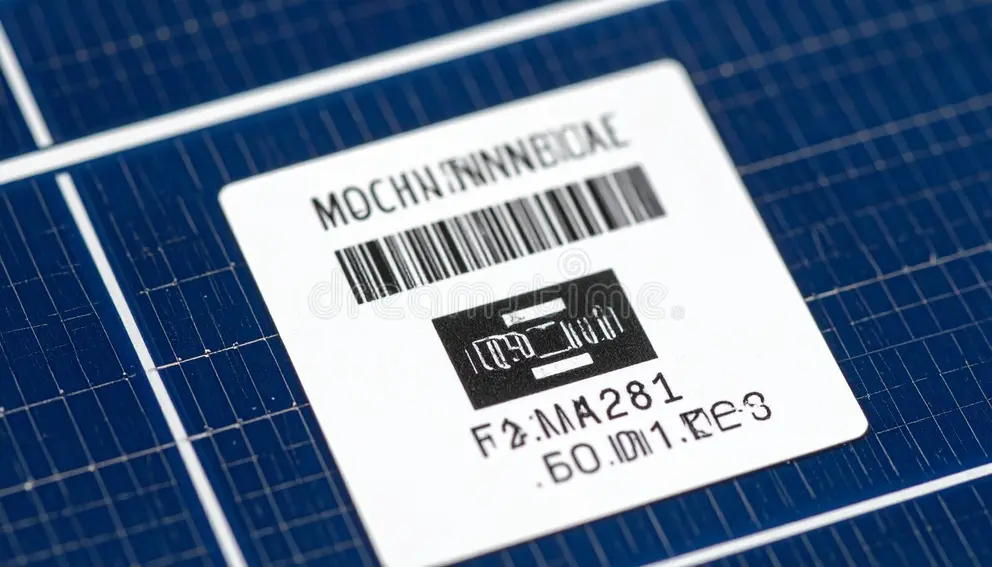
Image source: Bing (Web (fair-use with source credit))
Step-by-Step: What Happens When You Try to Sell Back
Let's say you've checked your contract and the company is open to a buyback. Here's the process you can expect.
Request a buyback quote. Call or email the company's customer service. Ask for an official buyback offer in writing. They may need your system's serial numbers, installation date, and panel model.
Schedule an inspection. Most companies will send a technician to check the panels' condition. They're looking for cracks, delamination, hot spots, and dirt. Panels with visible damage are usually rejected or offered a very low price.
Receive a quote. The offer will be per panel or as a lump sum. It will likely be much lower than you hoped. The company factors in degradation, removal costs, and the hassle of reselling used equipment.
Accept or negotiate. You can try to negotiate, but don't expect much movement. The company knows you have few alternatives.
Arrange removal and pickup. You'll need to pay for a licensed installer to remove the panels safely. The company may offer a removal service at a fee, or they may require you to deliver the panels to a local warehouse. Shipping costs for multiple panels can be hundreds of dollars.
Finalize the paperwork. You'll sign a release of liability and a contract termination agreement. Make sure the document states that the company has no further claims against you.
Receive payment. It usually takes 30 to 60 days after the panels are returned.

Image source: Bing (Web (fair-use with source credit))
Throughout this process, keep copies of every email, quote, and signed form. If something goes wrong, you'll need the paper trail.
The Real Numbers — How Much You'll Get (and Why It's Low)
Here's the truth that surprises most homeowners: a used solar panel is worth very little. The industry standard is that a residential panel retains about 20 to 30 percent of its original retail price after five to ten years. That's based on degradation rates and the fact that solar technology improves quickly.
Let's put some numbers on it. Say your system cost $15,000 installed five years ago. A buyback offer might be $3,000 to $4,500.
Then subtract removal cost (around $500 to $1,000) and any shipping fees. You're looking at a net check of maybe $2,500 to $4,000.
Why so low? Three reasons:
- Degradation. Panels lose about 0.5% efficiency each year. A five-year-old panel still works well, but it's not as good as a new one.
- Technology. Newer panels are more efficient and cheaper to manufacture. A used panel competes against better products.
- Warranty transfer. Most manufacturer warranties are tied to the original buyer. The company can't sell your used panel with a full warranty, which drops its value.
The only exception is if your panels are still under a manufacturer's "buyback guarantee" program, which some brands offer rarely. Those tend to be only for specific commercial installations.
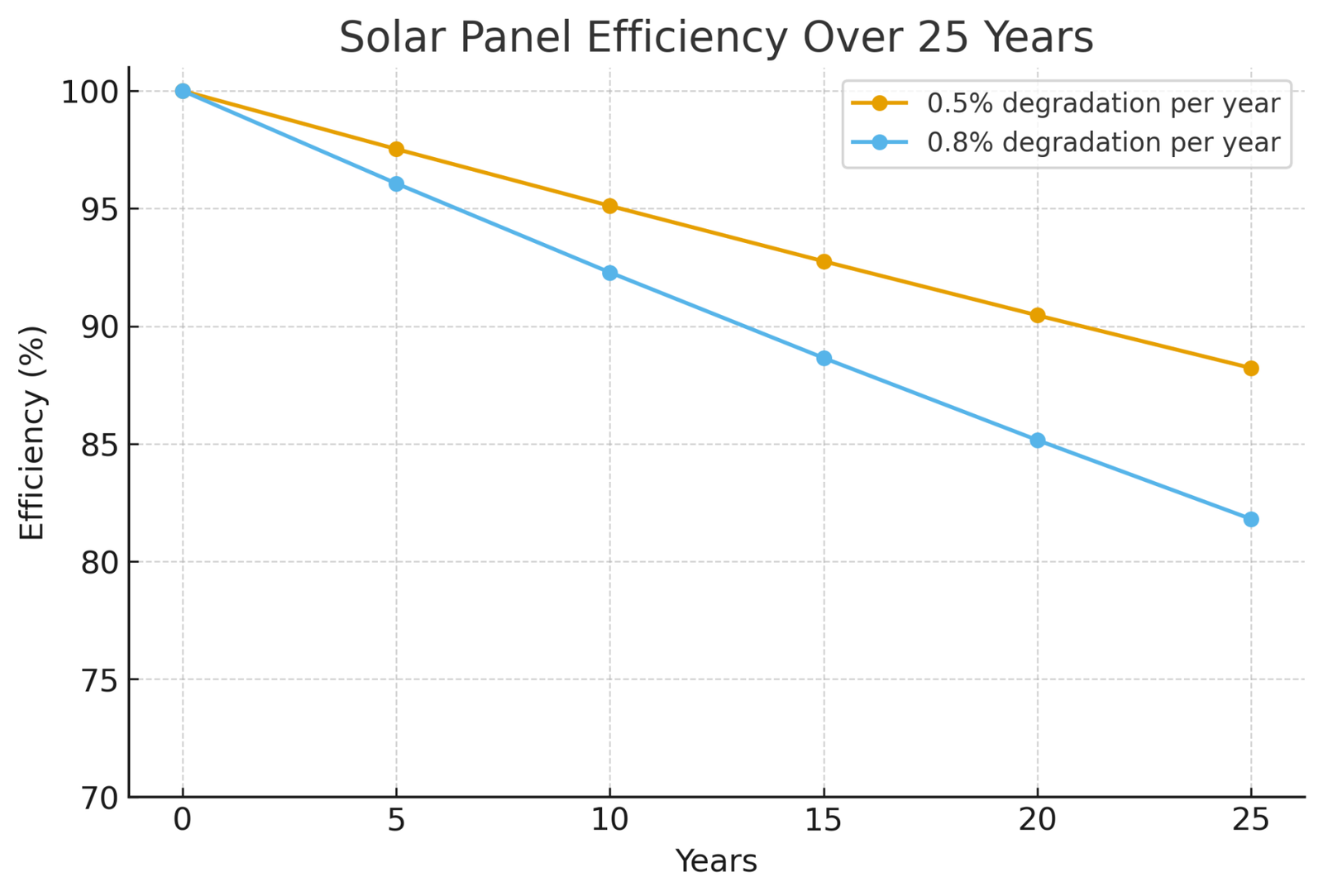
Image source: Bing (Web (fair-use with source credit))
So if you're hoping to get your money back, temper that expectation. The buyback is more about getting out of a contract than turning a profit. For most people, the better move is either keeping the panels or finding an alternative exit strategy, which we'll cover in later sections.
This is the end of the first five H2 sections plus the opening. The remaining TOC sections will continue the article.
The Financial Traps and Legal Risks You Can't Ignore
Selling your panels back isn't just about getting a low offer. There are real financial and legal traps that can cost you more than you save.
Early termination fees. If you're under a lease or PPA, the company may charge a penalty equal to several years of payments. Some contracts call this a "lost profits" fee. On a typical 25-year lease, walking away after year five could trigger a fee of $5,000 or more.
You need to read the fine print carefully.
Federal tax credit recapture. If you claimed the 30 percent federal Investment Tax Credit (ITC) on a purchased system, selling the panels within five years triggers a recapture. You have to repay a prorated portion of that credit to the IRS. For a $15,000 system, that's up to $4,500 coming back out of your pocket.
The IRS outlines this in Form 4255.
Credit score damage. If you simply stop paying a lease or loan, the company reports the default to credit bureaus. Solar loans and leases are secured debts in many states. A default can drop your score by 100 points or more.
It stays on your report for seven years.
Breach of contract lawsuits. Some companies sue homeowners who try to walk away without following the contract's exit terms. Legal fees can easily run into the thousands. Even if you win, you've lost time and money.
The safest approach is to follow the contract exactly or negotiate a formal buyout. Never stop payments without a signed release.
Better Options When Selling Back Isn't Possible
If the company won't buy your panels back, or the offer is insultingly low, you have other paths. Let's look at the most practical ones.
Transfer the contract to the new homeowner. If you're moving, this is usually the easiest route. Many leases and PPAs allow a one-time transfer to the buyer of your home. The new owner must qualify financially, but it's often just a credit check.
You walk away free and clear.
Sell the panels privately. For owned systems, you can list them on online marketplaces. Used panels in good condition can fetch $75 to $150 per panel depending on age and brand. The catch is you handle removal, shipping, and paperwork yourself.
It's more work, but the payout is often higher than a buyback.
Donate them. Some nonprofit organizations and schools accept working solar panels as a tax-deductible donation. You get a receipt for the fair market value, which may offset your tax bill. It's not cash, but it's better than paying to recycle them.
Keep them and wait. If you're not moving and the system still works, keeping it is often the best financial move. The panels keep producing electricity, lowering your bills. Over time, that savings outweighs any buyback offer.
Many systems run well past their 25-year warranty.
Buy out the lease. If you want to own the panels but the company won't take them back, ask about a lease buyout. The price is usually the sum of remaining payments, sometimes with a discount. Once you own them, you can keep using them or sell them yourself.
Remember, you also have the option of weighing the pros and cons of each route before deciding. Some options are better suited to different situations.

Image source: Wikimedia Commons / Seattle Municipal Archives from Seattle, WA (CC BY)
Mistakes That Cost Homeowners Thousands
We see the same mistakes come up again and again. Here are the ones to avoid.
Not reading the contract before signing. The time to check the buyback and termination clauses is before you sign, not years later. If you're still shopping for a system, look for contracts with a clear buyback or transfer option. Understanding the basic components of your agreement upfront saves headaches later.
Assuming the company wants your used panels. They don't. New panels are more efficient and cheaper for them to source. Your used panels are a liability to them.
That's why the offers are low.
Walking away without paperwork. Some homeowners stop paying and hope the company forgets. They don't. A default hits your credit and leads to collection calls.
Always get a signed release before ending any financial obligation.
Ignoring removal costs. The buyback offer rarely includes removal. A licensed installer typically charges $500 to $1,500 to safely take panels off your roof. Factor that into your net proceeds.
Transferring the wrong documents. When you sell your home, make sure the solar contract transfer is in writing. Verbal agreements with your real estate agent don't hold up. The new buyer could reject the panels, and you'd be stuck with the removal bill.
When to Bring In a Lawyer or Solar Consultant
Most solar buyback situations don't require a lawyer. But some definitely do.
When the contract is unclear. If you read the termination clause and it's full of legal jargon you don't understand, pay a lawyer for one hour of their time. A solar contract attorney can explain exactly what you're on the hook for.
When the company threatens legal action. If you've missed payments or tried to cancel without following procedure, the company's legal team may get involved. Don't try to handle that alone. A lawyer can negotiate a settlement or a payment plan.
When the buyback offer is tied to a bankruptcy. If your solar company filed for bankruptcy, the process for recovering your panels or getting paid is complicated. You may need to file a claim with the bankruptcy court. A lawyer familiar with bankruptcy cases can guide you through it.
When a lease buyout seems unfair. Some leases have buyout formulas that feel predatory, like requiring you to pay the full remaining value of the electricity even if you return the panels. A solar consultant or consumer protection attorney can tell you if that's enforceable in your state.
The Solar Energy Industries Association (SEIA) maintains a list of reputable solar professionals who can help with contract questions. That's a good starting point if you're not sure where to turn.
Real Scenario: What One Homeowner Discovered
Here's a real example that shows how this plays out in practice.
A homeowner in Arizona installed a 6 kW system in 2018 with a lease from a national solar company. Five years later, they needed to move across the country for a job. The lease had 20 years remaining.
They called the company to ask about selling the panels back. The company said no. The lease had no buyback clause.
The only options were a lease transfer or an early buyout.
The homeowner tried the transfer route. The potential buyer didn't qualify financially. So they asked for the buyout price.
The company quoted $12,500 for the remaining lease payments, plus a $500 termination fee.
That's $13,000 to walk away from panels worth maybe $3,000 on the used market. Not a great deal.
The homeowner negotiated. They offered a lump sum of $8,000 to settle the lease immediately. After going back and forth, the company accepted $9,500.
That's still a painful chunk of cash, but it was $3,500 less than the original quote.
The lesson? Always negotiate. Solar companies know that a settled lease is better than a long legal fight.
They're often willing to take less than the contract says to close the case. But you have to ask. And you have to be ready to walk away from the negotiation if they won't budge.
Your Decision Guide — What to Do Based on Your Situation
Here's a quick decision tree to help you pick the right path.
If you own the panels outright: Selling back is rarely worth it. The offer is low. Instead, sell privately, keep them, or donate them.
The best move is usually keeping them and letting the savings pile up.
If you have a lease and need to move: Try a transfer first. If the buyer doesn't qualify, negotiate a buyout. Ask for a lump sum discount.
Companies often settle for less than the contract amount.
If you have a lease and just want out: Check the early termination fee. If it's less than the remaining payments, paying it might be cheaper than a buyout. If the fee is high, keep the panels and wait for the lease to end.
If the company says no to a buyback: Don't push. Explore the alternatives we covered earlier. A private sale or a transfer usually works better.
Quick FAQs People Always Ask
Can I sell my solar panels back to the company at any time?
No. You can only sell them back if the contract allows it. Most leases and PPAs have a specific window for returns.
Owned systems have no obligation for the company to buy.
Will I lose money selling my panels back?
Almost certainly yes. Used panels fetch 20 to 30 percent of their original cost. After removal fees and any termination penalties, you'll likely net far less than you paid.
What happens if I just stop paying my solar lease?
The company will report the default to credit bureaus. Your credit score drops. They may also sue you for the remaining payments.
Never stop paying without a signed release.
Can I sell my solar panels to someone else?
Yes, if you own them outright. You can list them on online marketplaces. The buyer handles removal and installation.
Expect to get $75 to $150 per panel for a five to ten year old system.
How long does the buyback process take?
From first call to final payment, expect 30 to 90 days. The company needs to inspect the panels, process paperwork, and arrange removal. Delays are common.

Similar Posts