Arizona Off-Grid Laws: Is It Legal?
You’ve found a cheap piece of land in Arizona and you’re dreaming of a self‑sufficient life. Before you drop a deposit, you need to understand Arizona off Grid Laws, because one wrong assumption can turn that dream into a legal nightmare. This isn’t a simple yes‑or‑no answer: what’s legal in Mohave County can get you fined in Pima.
In our research, the single biggest trap people hit is assuming “no building code enforcement” means anything goes. As of 2026, every county enforces some version of the International Residential Code, and the Arizona Department of Environmental Quality (ADEQ) has strict rules on water and waste. The counties that seem loosest often have the longest permit backlogs and the most aggressive code enforcement once a complaint is filed.
Let’s walk through exactly what you need to know, and what you absolutely must avoid.
Why Getting Arizona Off‑Grid Laws Wrong Can Cost You Thousands
A lot of folks see a remote parcel in Yavapai or Mohave and think they can just park an RV, throw up a tiny house, and call it home. That’s where the trouble starts. The state of Arizona doesn’t have one “off‑grid law”; it has a patchwork of county zoning, health codes, and water rights regulations.
If you skip permits or ignore septic requirements, the county can place a lien on your property, levy fines that stack up daily, or even order you to demolish a structure you already built.
We’ve seen cases where someone spent $40,000 building a cabin, only to have code enforcement show up and declare it uninhabitable because the septic system wasn’t permitted. That’s a total loss, you can’t sell it, can’t live in it, and can’t get financing. The county might fine you $500 per day until you fix it, and fixing it often means ripping out the entire system and starting over.
The cheapest route is always to do it right the first time.
The Legal Reality: What’s Actually Allowed vs. What’s a Myth
There’s a persistent rumor that Arizona allows you to “camp” on raw land for up to 10 years without needing a permit. That’s false. The actual law is simple: you can camp up to 30 consecutive days in a calendar year on unimproved land without any permanent dwelling.
After that, you need a permitted structure. Some counties are stricter and count recreational vehicles or converted shipping containers as “dwellings” that require building permits.
The myths get worse when water and waste come up. You can harvest rainwater from your roof in Arizona, it’s actually encouraged, but you still need a building permit for the structure that collects it if it exceeds certain volumes. Graywater (from sinks and showers) is legal for subsurface irrigation under ADEQ rules, but only if the system is designed and installed per the state guidelines.
Composting toilets are allowed in many counties if they meet NSF/ANSI 41 certification, but they still require a permit and a plan for urine disposal.
Here are the most common myths we hear, and the truth behind them:
| Myth | Reality |
|---|---|
| “You don’t need a building permit for a tiny house under 200 sq ft.” | True for sheds, but if it’s a dwelling (kitchen, bathroom, sleeping), it needs a permit. |
| “You can use a composting toilet without a septic system.” | Not unless the county explicitly allows it, and even then you need an approved design. |
| “Water hauling is free from any oversight.” | You must file an affidavit with the county and show proof of supply. |
| “Solar panels don’t need any permits in rural areas.” | Electrical permits are required everywhere for grid‑tied or off‑grid systems. |
County‑by‑County Differences: Where You Can and Can’t Go Off‑Grid
Your biggest variable is the county you choose. Arizona is not a one‑size‑fits‑all state. Maricopa and Pima counties are the strictest, they require permits for nearly everything and have active code enforcement teams.
In Maricopa County, for example, any structure over 200 square feet needs a building permit, and you must connect to a permitted septic system or public sewer. Raw land without utilities is rare; the county wants you to build a permitted home.
On the other end, Mohave County and Greenlee County are much more permissive. In Mohave, you can legally camp for 30 days, then you have to leave for at least 30 days before returning. However, you can build a permitted tiny house or cabin as long as you meet basic setback and septic requirements.
They don’t require a minimum habitable square footage in all zones. Still, you must get a building permit for any structure used as a dwelling, no matter how small.
Here’s a quick reference table:
| County | Typical Minimum Lot Size | Septic Required? | Building Permit Required? | Known for |
|---|---|---|---|---|
| Maricopa | 1 acre (often larger) | Yes | Yes | Strict enforcement |
| Pima | 1–5 acres | Yes | Yes | Active code patrol |
| Yavapai | 1–5 acres | Yes | Yes (varies by zone) | Moderate, large rural areas |
| Mohave | 1 acre | Yes | Yes | More lenient, fewer inspections |
| Greenlee | 5 acres | Yes | Yes | Very rural, low enforcement |
| Coconino | 1–5 acres | Yes | Yes | Fire‑prone areas extra restrictions |
| Apache | 2–5 acres | Yes | Yes | Remote, but rules apply |
The key takeaway: every county requires a septic permit and a building permit for a habitable dwelling. The difference is how aggressively they look for unpermitted construction. In Mohave, you might get away with a shed‑to‑cabin conversion for a while, until a neighbor complains.
In Maricopa, code enforcement actively patrols rural subdivisions.
The Five Critical Legal Hurdles: Water, Septic, Building Permits, Fire Access, and HOA Covenants
These five areas trip up almost everyone who tries to go off‑grid in Arizona. Miss even one and your project can grind to a halt, or get torn down.
Water
You need a legal source of water for human consumption. Drilling a well requires a permit from the Arizona Department of Water Resources and an approved well driller. The cost runs $10, $30 per foot, and many areas in northern Arizona have deep aquifers (500+ feet).
Some parcels have “grandfathered” water rights, but you need to verify the water right is appurtenant to the land. If you plan to haul water, you must record an affidavit with the county stating you will use a licensed hauler.
Septic
No septic system, no occupancy permit. ADEQ regulates all on‑site wastewater treatment facilities, including conventional septic tanks, aerobic treatment units, and composting toilets with urine diversion. The system must be designed by a registered engineer or a licensed designer, and the county health department must approve the site soil test.
A standard septic system costs $5,000 to $15,000. Composting toilets can reduce or eliminate the need for a septic field, but they still require a permit and must meet NSF/ANSI 41. Many counties will not accept a composting toilet as the sole means of waste treatment.
Building Permits
Arizona building codes are based on the International Residential Code (IRC) and International Building Code (IBC). Even a tiny house on a foundation must meet minimum ceiling heights, egress windows, fire separation, and structural load requirements. Mobile homes and RVs on permanent foundations also fall under the state manufactured housing code.
If you put a tiny house on wheels and park it on your land, it’s still considered a dwelling and you still need a building permit and utility connections. Some counties allow “accessory dwelling units” without a separate permit if under 1,000 sq ft, but only if tied to a primary permitted residence.
Fire Access
Arizona’s wildfire risk is serious. Counties require that any habitable structure be accessible by a fire truck, typically a driveway at least 12, 20 feet wide with a clear turnaround. Some counties also require a 30‑ to 100‑foot defensible space around the building.
If your parcel doesn’t have adequate access, you won’t get a building permit, no matter what else you do.
HOA Covenants
Many rural subdivisions in Arizona have recorded homeowners’ association covenants that restrict outbuildings, RVs, solar panels, composting toilets, or even the type of construction. Even if the county would allow you to go off‑grid, the HOA can sue you and force you to comply. Always check the deed restrictions before buying.
A title company can run a “covenant search” for a few hundred dollars, money well spent.
Step‑by‑Step: How to Legally Set Up an Off‑Grid Property in Arizona
We’ve seen the same sequence work for dozens of successful off‑grid setups in Arizona. Follow these steps in order, and you’ll keep the county happy and save thousands in fines.
Check zoning and covenants first. Visit the county planning department’s website and look up the parcel’s zoning. Call the planning desk and ask: “Is this parcel zoned for residential use? Are there any overlay districts (floodplain, fire, scenic corridor)?” Then request a copy of any CC&Rs from the seller or a title company.
Determine water source. If drilling a well, get a well permit from ADWR and hire a licensed driller. If hauling, record the water‑hauling affidavit at the county recorder’s office. Install a storage tank, typically a 2,500‑gallon poly tank, on an approved foundation.
Septic design and permit. Hire a licensed soil scientist or engineer to do a percolation test (cost $500, $1,500). Submit the septic design to the county health department and ADEQ. Once approved, install the system, then get it inspected before covering.
Submit building plans. Find a local architect or building designer familiar with Arizona’s codes. Your plans must show foundation, walls, roof, electrical, plumbing, and fire protection. Submit to the county building department for plan review (2, 6 weeks). Once approved, pull a building permit.
Install utilities (solar, electrical, plumbing). For off‑grid electrical, you’ll need an electrical permit and a licensed electrician for the main panel and inverter. The solar panels themselves may fall under a separate permit, but the connection to the building requires inspection.
Pass final inspections. After construction, schedule a framing inspection, insulation inspection, electrical rough‑in, plumbing rough‑in, and final occupancy inspection. Once all pass, you receive a certificate of occupancy. Now you can legally live there.
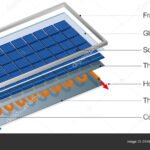
We recommend doing the septic and building permits in parallel because they take the longest. Keep copies of every permit, approval letter, and inspection report, these are your proof of legal status if a future buyer or county official asks. For more details on setting up your solar system legally, check the various solar resources available, such as understanding the different panel types or how the whole system generates electricity, to ensure you meet code.
Common Mistakes That Trigger Code Enforcement or Fines
The difference between a peaceful off‑grid life and a knock on the door from code enforcement usually comes down to one of these mistakes. Avoid them and you save thousands.
Building before you have permits. This is the number one trigger. We’ve seen people frame a tiny house, run electrical, and then apply for a permit. The county can make you tear it all out and start over if the work doesn’t meet code.
Always pull permits first.
Ignoring the 30‑day camping limit. You can camp on raw land for 30 consecutive days per year. If you stay longer or build anything permanent, you’re in violation. Some counties, like Mohave, will issue a notice of violation and fine you per day.
Using a composting toilet without approval. We hear this all the time: “I’ll just use a composting toilet and skip the septic.” Many counties require a septic system regardless. Even if they allow composting toilets, you need a permit and an approved model with NSF/ANSI 41 certification.
Not checking HOA covenants. Deed restrictions can block everything from solar panels to outbuildings. A $200 title search can save you a lawsuit. Check before you buy.
Assuming “no inspections” means no rules. Just because you’re remote doesn’t mean code enforcement won’t find you. Satellite imagery, neighbor complaints, and fire department reports all trigger visits. One complaint can lead to a full property audit.
Forgetting fire access. Your driveway must be wide enough for a fire truck, with a turnaround. If it isn’t, no building permit. Measure before you clear the land.
When to Hire a Lawyer, Surveyor, or Consultant
You don’t need an expert for every step, but some situations require professional help. Here’s when it pays to bring in someone.
Hire a real estate lawyer if the property has unclear deed restrictions, shared water rights, or an existing unpermitted structure. A lawyer can review the title and help you negotiate with the county. Expect to pay $250, $500 per hour.
Hire a land surveyor if the parcel boundaries are unclear or if you’re planning to build near a property line. Setback violations are a common reason permits get rejected. A boundary survey costs $1,500, $3,000.
Hire a septic designer or engineer if the soil perc test fails or if your lot is small. They can design an alternative system like a mound or aerobic treatment unit. This can cost $2,000, $5,000 but is often required for approval.
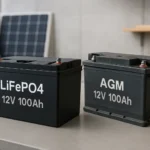
Hire a solar consultant if you’re designing an off‑grid system from scratch. They can size your panel array and battery bank to meet the load and code requirements. Many offer virtual consults for a flat fee.
Check any manufacturer specifications or the electrical code for sizing guidance.
When to go it alone. You can pull permits yourself, submit building plans, and manage the construction. Most counties are helpful over the phone. But if you’re buying land sight unseen, pay for the survey and the lawyer.
The $2,000, $5,000 you spend upfront can save you $20,000 in fixes.
Frequently Asked Questions About Arizona Off‑Grid Laws
Can I live in an RV on my land permanently?
Not without a building permit and utility connections. RVs are considered temporary dwellings. Most counties allow them for 30, 90 days per year.
After that, you need a permitted structure with water, septic, and electricity.
Do I need a permit for a composting toilet?
Yes, in every county we researched. The system must meet NSF/ANSI 41 standards and be approved by the county health department. Some counties also require a backup septic system for liquid waste.
Is rainwater harvesting legal in Arizona?
Yes, it is actively encouraged. Rainwater collected from a roof is yours to use. You do not need a state permit, but you may need a building permit for large storage tanks (over 10,000 gallons in some counties).
How long does it take to get an off‑grid property fully permitted?
Plan on 6 to 12 months from land purchase to certificate of occupancy. Septic design and well drilling take 2, 4 months each. Building plan review takes 2, 6 weeks.
Inspections add another 2, 4 months.
What happens if I build without permits?
The county can issue a stop‑work order, fine you up to $1,000 per day per violation, place a lien on your property, or order demolition. You will also face difficulty selling the property later without a certificate of occupancy.
Can I use a well for drinking water without testing?
You must test the water for bacteria, nitrates, and other contaminants before using it for human consumption. ADEQ requires a certified lab test. Some counties also require annual testing for permit renewal.
For more on how to power your off‑grid home legally, check out the various solar options available. Understanding the advantages and disadvantages of different panel types helps you choose the right system for your climate. And knowing how solar panels generate electricity ensures your design meets code.

Similar Posts