TOPCon vs HJT Solar Panels: Which is Better?
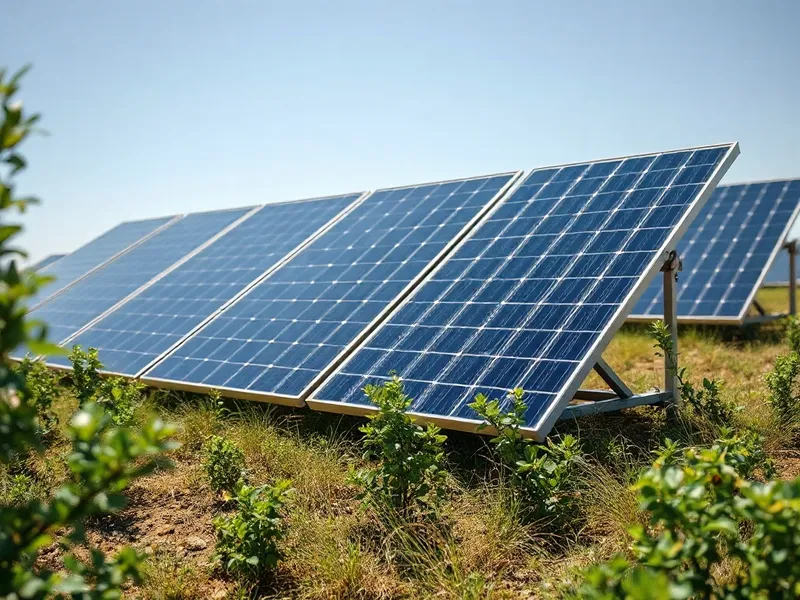
If you're shopping for solar panels right now, you've probably seen TOPCon vs HJT Solar Panels pop up everywhere. Both are the latest generation of high-efficiency modules built on n-type silicon, but they use very different cell architectures. Manufacturer specs show HJT modules can hit 24.5% efficiency, while TOPCon typically sits around 22, 23%, but efficiency alone doesn't tell the whole story.
The choice between them affects your upfront cost, long-term energy yield, and payback period. Per NREL research, the real winner depends on where you live, how you mount the panels, and what you're trying to optimize. Let's walk through the decision together.
The Problem: Which New Solar Panel Tech Should You Actually Buy?
If you're upgrading from older PERC panels or starting fresh, the sheer number of options can feel overwhelming. TOPCon and HJT both promise better performance than standard monocrystalline modules. They also cost more.
So the natural question becomes: Is the premium worth it for me?
The problem is, there's no clear "one is always better" answer. Salespeople might push whichever has higher margins. Online forums are full of conflicting opinions.
Meanwhile, you're trying to make a choice that will sit on your roof for 25 to 30 years.
Here's what's really at stake: the wrong pick could leave you with slower payback or lower lifetime energy production. A good pick means more kilowatt-hours over the panel's lifespan, lower electricity bills, and better long-term return on investment. The good news is, the decision isn't complicated once you break it down into a few key questions.
That's exactly what this article does.
Quick Answer: There's No Universal Winner – Here's What Depends on You
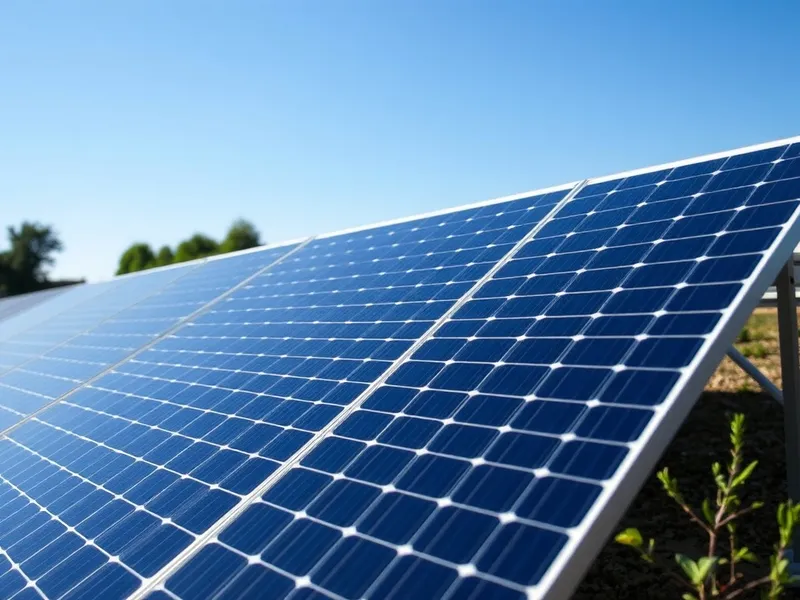
TOPCon offers better value for most residential rooftops. It's cheaper per watt, widely available, and performs well in moderate climates. HJT wins on raw efficiency and heat tolerance. It's ideal for hot climates, ground-mount bifacial setups, and anyone maximizing yield on limited space.
Your climate, mounting type, and budget determine the better choice. Use the decision tree below to find your branch.
How TOPCon and HJT Actually Work (In Plain English)
Let's strip away the jargon. Both TOPCon and HJT are passivated-contact technologies. That's a fancy way of saying they add an ultra-thin layer to the rear of the solar cell to reduce energy losses.
The key difference is in the materials and structure.
TOPCon stands for Tunnel Oxide Passivated Contact. It places a microscopic layer of silicon oxide (the "tunnel oxide") at the back of the cell, topped with a doped silicon film. This structure allows electrons to pass through while blocking unwanted recombination.
Think of it like a high-tech filter on the back of the cell.
HJT (Heterojunction with Intrinsic Thin Layer) stacks a thin layer of intrinsic (pure) amorphous silicon between the crystalline silicon wafer and a transparent conductive oxide. This creates a "heterojunction", a sandwich of different silicon types. It's more complex to manufacture, but it delivers lower recombination and better passivation.
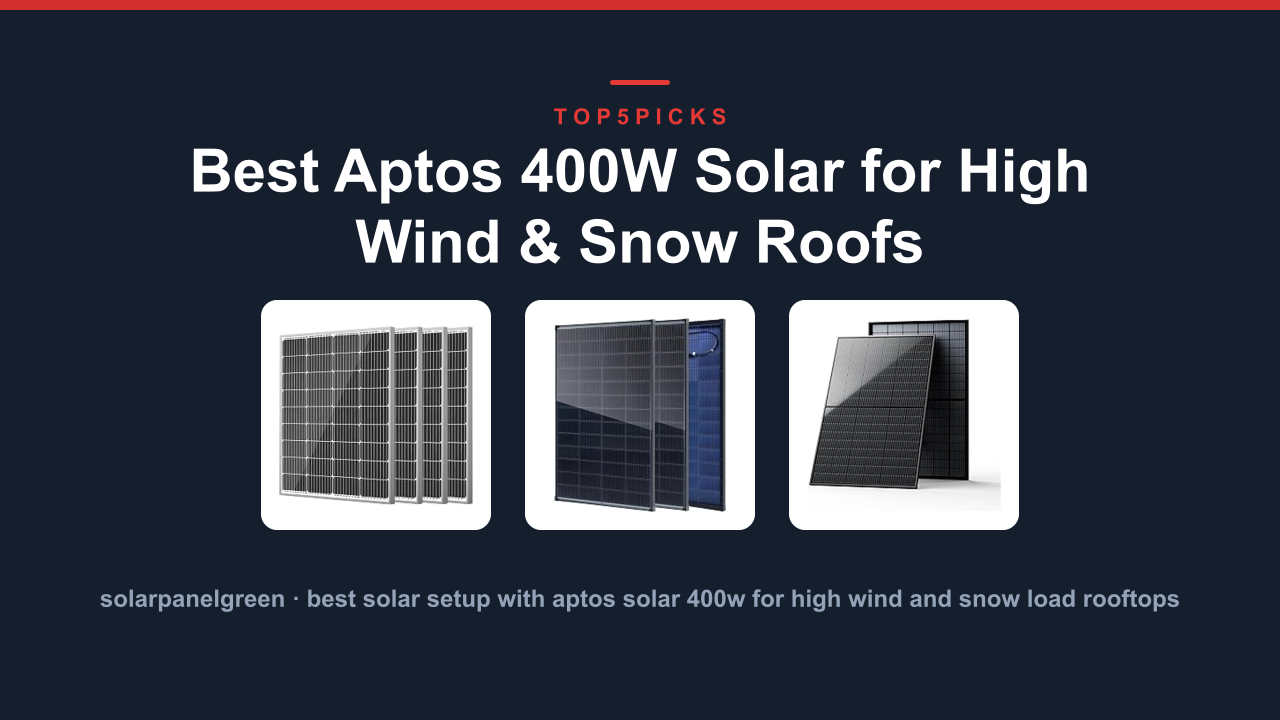
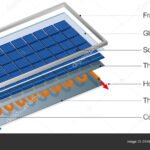
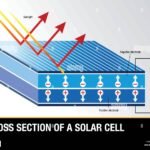
Visual reference: If you looked at a cross-section of a TOPCon cell, you'd see a thin oxide layer at the back. An HJT cell shows multiple very thin layers on both front and back surfaces. The extra layers cost more but improve performance.
| Feature | TOPCon | HJT |
|---|---|---|
| Base material | N-type silicon | N-type silicon |
| Passivation layer | Tunnel oxide + doped silicon | Intrinsic a-Si + TCO |
| Typical efficiency (module) | 21.5–23% | 22–24.5% |
| Temperature coefficient | ~ -0.30%/°C | ~ -0.25%/°C |
| Bifaciality factor | 70–80% | 85–95% |
| Manufacturing complexity | Moderate | Higher |
Both technologies are a major leap over older PERC panels. If you're unfamiliar with the broader landscape, our guide on types of solar panels covers all the main options including these two.
The Decision Tree: 4 Questions to Ask Yourself
Instead of comparing specs in a vacuum, let's figure out your situation. Answer these four questions honestly. Each one steers you toward either TOPCon or HJT.
Question 1: What's your climate like?
If you live in a hot region, Arizona, Texas, Australia, the Middle East, HJT's lower temperature coefficient matters a lot. Standard panels lose output as they heat up. HJT loses less (about -0.25%/°C vs -0.30%/°C for TOPCon).
That difference translates to 2, 3% more energy on a 40°C roof.
If you're in a cooler or moderate climate, Pacific Northwest, UK, Northern Europe, both technologies perform similarly. The temperature advantage of HJT shrinks. TOPCon becomes the smarter value play.
Question 2: Do you have limited roof space?
When your roof is small or heavily shaded, every watt counts. HJT's higher efficiency per panel gives you more power in less square footage. If you're looking at a 4kW system on a tight roof, HJT can fit in fewer panels while hitting your energy target. TOPCon is still efficient, but you'll need slightly more roof area.
Question 3: Is it a ground mount or rooftop with bifacial potential?
Bifacial panels capture light from both sides. They work best when mounted on an elevated structure with a reflective surface underneath, like a ground mount over gravel or a white roof. HJT has a higher bifaciality factor (85, 95%) than TOPCon (70, 80%). That means HJT captures more rear-side light.
If your installation is a standard rooftop with no rear exposure, bifacial gain is negligible. Stick with TOPCon for cost efficiency. If it's a ground mount with good albedo, HJT's bifacial advantage becomes real.
Question 4: What's your budget and payback timeline?
TOPCon costs roughly 10, 15% less per watt than HJT as of 2026. For a typical 6kW residential system, that difference is around $500, $1,000 upfront. HJT's higher yield might close that gap over 25 years, but payback is slower.
If you plan to move within 10 years, TOPCon often recovers its cost faster.
If you're building a system you'll own for decades and want maximum long-term production, HJT's premium can be worth it, especially in hot, high-sun areas.
Decision Branch A: When TOPCon Makes More Sense for You
Choose TOPCon if you answered:
- Moderate or cool climate (most of the US, UK, Germany, Northern China)
- Standard rooftop mount (little to no bifacial gain)
- Limited budget or shorter ownership timeline (under 10 years)
- Average roof space (no extreme pinching)
TOPCon panels have been scaling fast. That means more suppliers, better availability, and competitive pricing. Our research shows that TOPCon modules from major manufacturers like LONGi and JinkoSolar now carry 25-year linear warranties with degradation around 0.30% per year.
That's excellent.
A typical example: A 6kW TOPCon system in a temperate climate might cost $12,000 before incentives, producing around 8,500 kWh per year. At local electricity rates, payback falls around 7, 8 years. The same system with HJT might cost $13,200 and produce 8,800 kWh.
That extra $1,200 upfront takes an extra 1.5, 2 years to recoup.
Who might still consider TOPCon? Almost every homeowner on a mid-range budget. It's the sensible default unless you have a specific reason to upgrade. If you're just getting started with solar, our solar panel buying guide walks through the whole process from quote to installation.
Where TOPCon sometimes falls short: In extremely hot climates (above 40°C ambient), you'll leave some energy on the table compared to HJT. Also, its bifaciality is lower, so ground-mount systems don't benefit as much. But for 90% of residential rooftops, it's the right call.

Similar Posts