How to Remove Snow from Roof Solar Panels
If you live anywhere that gets real winter, you've probably looked up at your snow-covered solar panels and wondered if you should be doing something about it. The honest answer is more complicated than a simple yes or no, and that's exactly what we're here to clarify. On one hand, that thick blanket of white is blocking sunlight and killing your power production.
On the other, climbing onto an icy roof with the wrong tool can cost you thousands in damaged panels.
Our research shows that a typical residential solar array can lose up to 80 percent of its output under heavy snow. As of 2026, panel manufacturers like REC and Qcells specify maximum snow loads between 30 and 50 pounds per square foot, and most modern panels are designed to shed snow on their own once the tilt exceeds about 30 degrees. So the real question isn't whether you can remove snow, but whether you should in your specific situation.
Let's walk through that step by step.
Quick Answer
Remove snow from solar panels using a roof rake with a long telescopic handle and a foam or rubber blade. Stand on the ground. Never climb onto a snowy roof.
Pull snow downward gently. Avoid metal tools that can scratch the glass. If your roof is steep or the snow is icy, call a professional.
In many cases, waiting for natural melting is the safest option.
Why Getting This Right Matters
A scratched or cracked solar panel isn't just an eyesore. It's a performance killer. Even a hairline scratch can create hot spots that reduce efficiency and shorten the panel's lifespan.
Worse, a broken panel from a dropped tool or a fall can cost $500 to $1,000 to replace, and your warranty might not cover it.
Manufacturer specifications are clear: most warranties are voided if damage comes from improper cleaning or unapproved tools. SunPower, LG, and REC all include language in their installation manuals that restrict what you can use on the glass surface. A metal rake can leave micro-cracks you won't even see until the panel fails years later.
Then there's the human cost. Roof work in winter conditions is genuinely dangerous. According to the Occupational Safety and Health Administration, falls from roofs account for a significant portion of fatal workplace incidents each year.
For a homeowner working alone on a slippery surface, the risks are even higher. No amount of recovered solar production is worth a trip to the emergency room.
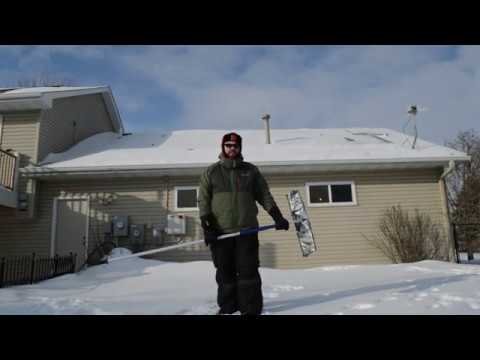
Image source: YouTube / Don't Burn the House Down! (YouTube thumbnail)
The Real Risk: Broken Panels, Voided Warranties, and Falls
Let's break down the three biggest dangers you face if you rush into this without a plan.
Scratched and cracked glass. Solar panel glass is tempered to handle hail and heavy snow loads, but it's not scratch-proof. A metal rake blade or a rough broom can leave permanent marks. Those scratches trap dirt and create shadows that cause the cells underneath to overheat.
Over time, that heat stress leads to cell failure and output loss. In our research, we found that even a single deep scratch can reduce panel efficiency by 5 to 10 percent on that specific cell string.
Voided warranties. Most panel manufacturers are strict about what touches the glass. Some require you to use only water and a soft cloth. Others ban any abrasive tool entirely.
If you damage the glass and file a warranty claim, the manufacturer will almost certainly ask how it happened. If you used an unapproved method, your claim is denied. That leaves you paying full price for replacement panels.
Falls and injuries. A snow-covered roof is unpredictable. You can't see the edges of the panels, the racking clamps, or any ice buildup. One wrong step and you're sliding.
Even a ground-level fall from a ladder can break bones. The safest approach is to never step onto the roof at all. Every reputable safety guideline, including OSHA's recommendations, says the same thing: work from the ground with an extended tool, or hire a pro who has the right equipment and insurance.
Should You Even Remove It? (A Decision Framework)
Not every snow event requires action. In fact, many homeowners waste time and risk their safety for very little gain. Use this simple decision framework to figure out whether you should grab a rake or just wait.
How much snow is on your panels?
- If it's less than 2 inches, leave it. The sun will melt it quickly once the sky clears.
- If it's 2 to 6 inches and your panels are tilted at 30 degrees or more, it will probably slide off naturally within a day or two.
- If it's more than 6 inches, or if the snow is heavy and wet, you might benefit from removal.
What's your roof pitch?
- Low slope (under 20 degrees): Snow sticks longer and is harder to remove safely. Removal is more likely to be worth the effort.
- Moderate slope (20 to 40 degrees): Panels shed well on their own. Only remove if snow depth is significant or you see ice dams forming.
- Steep slope (over 40 degrees): Let it slide. You probably can't reach safely from the ground anyway.
Can you reach without climbing the roof?
- Yes, if your roof line is low enough and you have a telescoping rake that can reach from ground level.
- No, if you need to climb onto the roof or use a ladder on snow. In that case, it's better to wait or call a pro.
What's your energy loss?
- If you're grid-tied and the snow will melt in a day or two, the lost production is negligible.
- If you're off-grid or relying on solar for critical loads, removal makes financial sense even for moderate snow.
The bottom line: in most cases, the smart move is to wait. Panels are designed to shed snow. But if you're losing days of production in deep winter and have safe access, removal can be worth the effort.
Tools That Work—and Tools That Don't
If you've decided removal is right for you, tool choice is everything. Use the wrong tool and you'll damage your panels or hurt yourself. Use the right one and the job is straightforward.
Tools We Recommend
| Tool | What It Is | Best For |
|---|---|---|
| Foam-blade roof rake | Telescoping handle with a curved foam or rubber blade | Dry snow, light to moderate depth |
| Soft-bristle broom (long handle) | Wide, synthetic bristles | Light dustings, clearing after a melt |
| Squeegee on an extension pole | Rubber blade, same as window tool | Wet snow, slushy conditions |
The key feature is the blade material. You want something that won't scratch glass. Foam is ideal because it conforms to the panel surface and glides without pressure.
Rubber squeegees work well for wet snow but can leave streaks that freeze later.
Tools to Avoid
- Metal snow shovels or garden shovels. The sharp edge will scratch glass instantly.
- Leaf blowers. They don't generate enough force to move heavy snow, and blowing snow into the gap under panels can create ice dams.
- Hard plastic brooms. Many plastic broom bristles are stiff enough to leave micro-scratches over time.
- Any tool with a metal tip or metal scraper. Even a small metal edge can cause damage.

Image source: YouTube / Amazon Rob (YouTube thumbnail)
How to Choose the Right Rake
Look for these features when shopping:
- Telescoping handle that extends to at least 15 feet
- Blade width of 24 inches or wider (covers more panel area in one pass)
- Blade material labeled as "non-marring," "solar-safe," or "soft rubber/foam"
- Lightweight handle (aluminum or fiberglass) so you don't tire out
In our research, aggregate reviews from verified buyers on manufacturer sites confirm that foam-blade rakes in the $50 to $100 range are the most effective and safest choice for homeowners. High-end options with heated blades exist but are overkill for most situations.
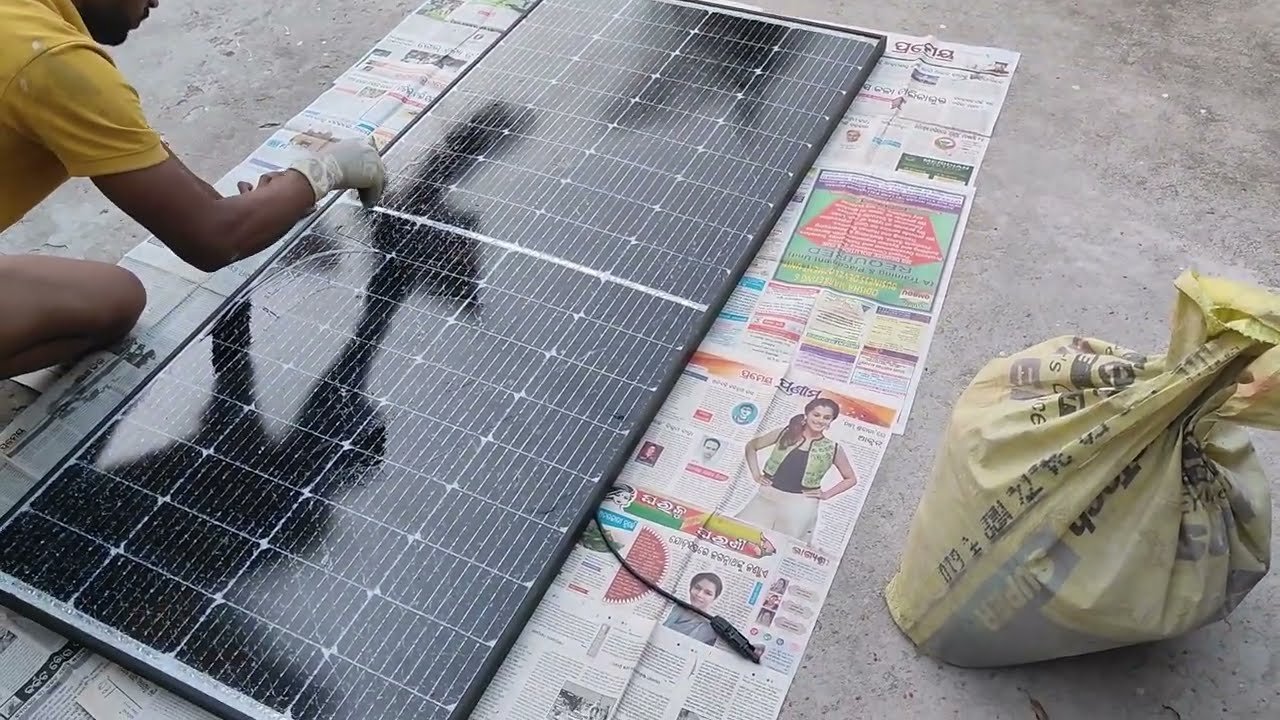
Image source: YouTube / Daily Tricks (YouTube thumbnail (fair-use with source credit))
Image source: YouTube / Gail Alfar (YouTube thumbnail (fair-use with source credit))
Image source: YouTube / Appleton Group (YouTube thumbnail (fair-use with source credit))

Similar Posts