How Many Solar Panels Can Your Roof Hold?
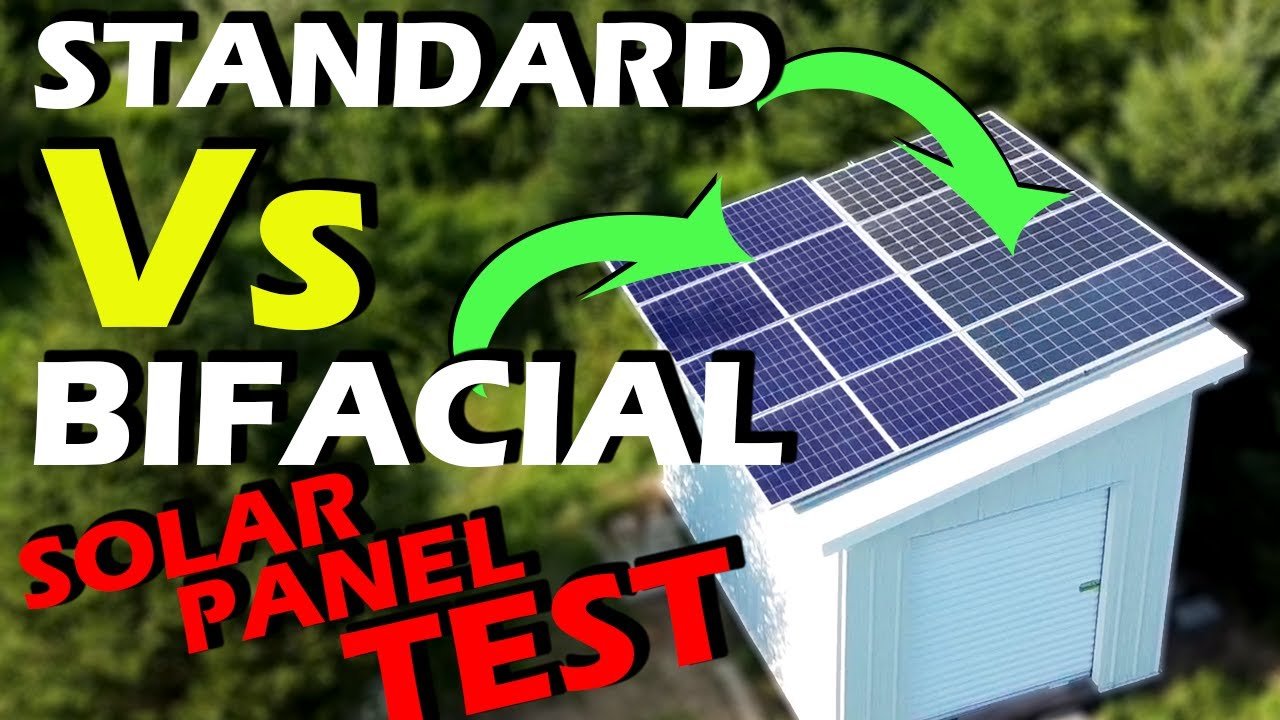
You’ve got a roof, you’ve got dreams of lower electric bills, and you’re wondering how many solar panels can I put on my roof. It’s a fair question, and it’s not as simple as just measuring the square footage and dividing by the size of a panel. The real answer depends on a handful of variables that most homeowners don’t think about until they’re halfway through a quote.
As of 2026, a typical residential solar array falls somewhere between 15 and 25 panels, but that number shifts based on your roof’s shape, your electrical panel’s capacity, local fire codes, and the specific panels you choose. In our research, we’ve seen people fit as few as 8 panels on a small south-facing gable and as many as 40 on a large, unobstructed roof. The trick is working through the decision tree one branch at a time.
Let’s walk through it step by step.
Image source: YouTube / Projects With Everyday Dave (YouTube thumbnail (fair-use with source credit))
Quick Answer
The number of solar panels you can fit depends on four main factors: usable roof area, panel wattage and size, electrical panel capacity, and fire code setbacks. A typical US home can fit 15 to 25 panels. To get your exact number, measure your roof’s usable area (subtract obstacles and setbacks), divide by the area of one panel, then round down.
The Real Problem: You Have a Roof, You Want Solar — But How Many Panels Fit?
Most people start with a simple calculation: total roof square footage divided by panel square footage. That gives you a number, but it’s almost always wrong. The problem is that not every inch of your roof is usable.
Vents, chimneys, skylights, dormers, and fire code setbacks all eat into the available space. And even if you have plenty of room, your electrical panel might not be able to handle that many panels.
The National Electrical Code (NEC) requires specific clearances around the roof’s edges, ridges, and valleys, typically 3 feet from the ridge and 18 inches from the eave. These setbacks are designed to give firefighters access in an emergency. If you ignore them, your install won’t pass inspection.
So before you start counting panels, you need to know what’s actually available.
Step 1: Measure Your Roof the Right Way
What counts as “usable” roof area
Start by measuring the length and width of each roof face. Multiply them to get total square footage. Then subtract the area taken up by vents, plumbing stacks, skylights, chimneys, and any other permanent obstructions.
Next, apply the fire code setbacks. For a simple gable roof, that means removing a 3-foot strip along the ridge and a 3-foot strip along each hip or valley, plus 18 inches from the eave.
Here’s a quick rule of thumb: usable area is typically 60% to 80% of total roof area for a simple rectangular roof, and as low as 40% for a complex roof with lots of dormers and valleys. In our research, the average home ends up with 800 to 1,200 square feet of usable space.
The 3-foot fire code setback rule and other required clearances
NEC 690.12 requires that solar panels be at least 3 feet away from the ridge and from each hip or valley. They also need an 18-inch clear path along the eave for emergency access. On a typical 40-foot-by-30-foot roof, that can eliminate 150 to 200 square feet.
Always check your local building code, some jurisdictions are stricter than the NEC.
How vents, chimneys, skylights, and dormers eat up space
Each penetration takes up more space than you’d think because panels can’t be cut around them. You either leave a gap or avoid that whole area. A typical plumbing vent takes about 2 square feet of panel space.
A chimney can eliminate 20 to 40 square feet of usable roof. Dormers break up the roof surface, often requiring you to treat each side as a separate smaller array.
Step 2: Choose Your Panel Size and Wattage
Standard vs. high-efficiency panels (dimensions and power density)
Residential solar panels come in two main categories. Standard efficiency panels (around 18, 20% efficiency) typically measure about 65 inches by 39 inches, roughly 17.6 square feet each. High-efficiency panels (22%+ efficiency) are similar in size but produce more watts per square foot.
For example, a standard 400W panel occupies the same area as a high-efficiency 450W panel. That extra 50W per panel means you can fit the same number of panels but get more total power.
Manufacturer specifications indicate that most residential panels fall between 350W and 450W in 2026. The size difference between models is usually less than an inch in each dimension.

Why panel wattage changes your total count dramatically
If you want a 10 kW system, you could install 25 standard 400W panels or 22 high-efficiency 450W panels. That’s three fewer panels, which matters if your roof is tight. Conversely, if you have plenty of space, you might choose lower-wattage panels to save money.
The decision tree here is simple: if your roof is small, go high-wattage. If you have ample space, standard panels are perfectly fine.
Step 3: Match Your Electrical Panel and Inverter Capacity
100A vs. 200A main breaker — the hard limit most people miss
Your home’s electrical service panel determines how much solar you can add. Most older homes have a 100-amp panel, while newer homes typically have 200 amps. The rule of thumb: a 200A panel can usually handle a system up to about 7.6 kW AC, roughly 18 to 20 panels.
A 100A panel might only handle 5 to 6 kW, or you may need a main panel upgrade to 200A. That’s a significant cost, often $1,500 to $3,000.
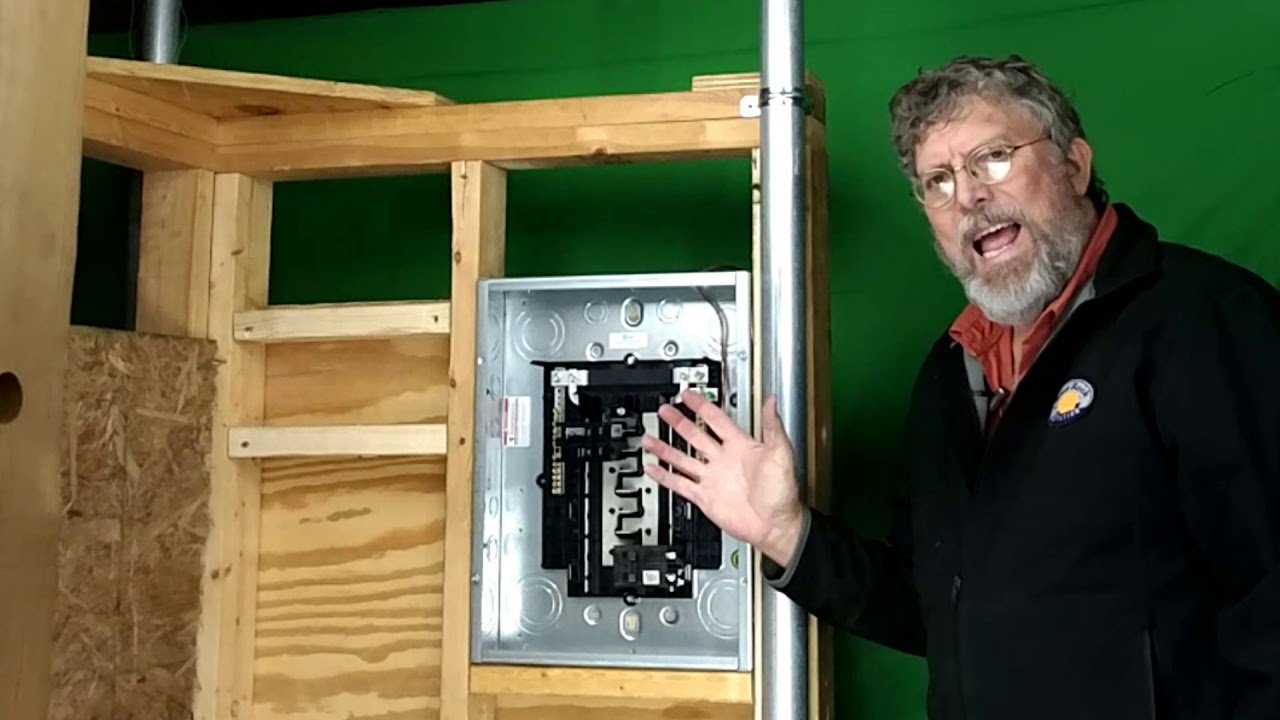
The National Electrical Code (NEC) has a 120% rule: the total of the main breaker plus the solar backfeed breaker cannot exceed 120% of the bus bar rating. For a 200A bus bar, that means the solar breaker can be up to 40A (about 7.6 kW). If your panel is rated for 225A, you can go larger.
Always check the actual bus rating on the panel label, don’t assume.
Microinverters vs. string inverters: how they affect panel count
String inverters handle all panels in a series, so the array size is limited by the inverter’s maximum input. Microinverters handle each panel individually, so you can mix different numbers of panels per string. If you have a complicated roof with multiple faces, microinverters often let you fit more panels because you can place small groups on each face.
String inverters require a larger group per string (usually at least 8 to 10 panels) for the system to operate efficiently. The decision tree: simple roof with one big south face → string inverter works fine. Complex roof with multiple orientations → microinverters give you more flexibility.
Decision Branch: What If You Can’t Fit Enough Panels?
Here’s where the workflow splits. You’ve measured your usable roof area, chosen a panel size, and checked your electrical panel. If your roof can physically hold the number of panels you need to offset your electric bill, great, you’re done.
But if you’re coming up short, you have three options.
Option A: Upgrade to high-wattage or high-efficiency panels
If you’re just a few panels short, switching from 400W to 450W panels might close the gap. The same roof space now produces more power. This is usually the cheapest option because no structural changes are needed.
Option B: Expand to a ground-mount or carport system
If your roof is too small or too shaded, you can put panels on the ground. A ground-mount array takes up yard space but isn’t limited by roof shape. You can often fit a larger system, and they’re easier to clean and maintain.
The trade-off is higher cost for mounting structures and a longer trench run for wiring.
Option C: Accept a smaller system and reduce your energy offset
Sometimes you just don’t have the roof space. In that case, you can build a smaller system that covers, say, 80% of your usage instead of 100%. Pair it with energy efficiency improvements, better insulation, LED lights, smart thermostats, and you still save money without needing extra panels.
Common Mistakes That Lead to Wrong Panel Counts
Mistake 1: Using total roof area instead of usable area
This is the most common error. I’ve seen homeowners assume a 1,500-square-foot roof can hold 80 panels, only to find out after the quote that they can actually fit 20. Always subtract obstructions and setbacks.
Mistake 2: Ignoring fire code setbacks (and failing inspection)
Some installers will push to maximize panels, but if the fire marshal walks the job, those extra panels will have to come off. That’s time and money wasted. The NEC rules are clear, don’t gamble.
Mistake 3: Forgetting the electrical panel limit (and needing an upgrade)
You measure your roof, find space for 25 panels, then realize your 100A panel can only take 14. Now you’re looking at a $2,000 panel upgrade. Check this early in the process.
Mistake 4: Assuming all roof faces are equally usable
A north-facing roof in the northern hemisphere produces 30, 50% less energy than a south-facing one. You may physically fit panels there, but the payback is much worse. Similarly, east and west faces produce about 15, 20% less.
In our research, it’s often better to put fewer panels on a south face than to fill a north face.
The 5-Minute Decision Guide: How to Arrive at Your Exact Number
Here’s a step-by-step checklist that will get you to a realistic panel count:
- Measure total roof area (length × width for each face).
- Subtract obstructions (vents, chimneys, skylights, roughly 10, 20%).
- Apply fire code setbacks (3 ft ridge, 3 ft hips/valleys, 18 in eaves).
- Get usable area (usually 50, 80% of total).
- Choose a panel size (standard ~17.6 sq ft, high-efficiency similar).
- Divide usable area by panel area → maximum possible panels.
- Check electrical panel capacity (100A = ~14 panels, 200A = ~20 panels).
- Take the smaller number between physical and electrical limits.
- Optionally adjust for orientation (if using multiple faces, reduce count on less ideal faces).
Here’s a reference table for quick ballpark numbers:
| Roof Size (total) | Usable Area (approx) | Standard Panels (400W) | High-Efficiency (450W) |
|---|---|---|---|
| 1,200 sq ft (small) | 800 sq ft | 14–16 | 14–16 |
| 1,800 sq ft (medium) | 1,200 sq ft | 22–24 | 22–24 |
| 2,500 sq ft (large) | 1,600 sq ft | 28–30 | 28–30 |
Numbers are rough, always verify with your own measurements and an installer quote.
When to Call a Pro vs. When You Can DIY the Estimate
You can absolutely do the math yourself for a ballpark count. Grab a tape measure, a notepad, and a ladder. But when it comes to structural load, electrical panel ratings, and fire code compliance, that’s where the experts earn their keep.
If your roof is complex, older, or has any history of leaks, skip the DIY and get three quotes from licensed installers. They’ll run actual load calculations and check local permit requirements. A good installer will give you a panel count that passes inspection and matches your energy goals.
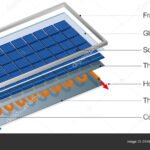
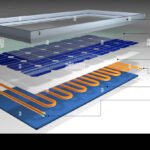
Need more context? Check out our rundown of the main components of a solar panel to understand what goes into each module, and read about how solar panels generate electricity to see how the array will actually produce power.
Frequently Asked Questions
How many solar panels do I need for a 2,000-square-foot house?
A 2,000-square-foot home typically uses 10,000 to 12,000 kWh per year. That requires roughly 20 to 25 panels, depending on panel wattage and your climate. A south-facing roof of about 400 usable square feet can hold that many.
Can I put solar on a north-facing roof?
Yes, but production drops significantly, 30% to 50% less than a south-facing roof. It’s usually not economical unless your local utility has generous net metering. You’ll need more panels to compensate.
How many panels can I fit on a 100-amp electrical panel?
Assuming a 200A bus bar, the 120% rule allows about 40A of solar backfeed (around 7.6 kW). That equates to roughly 14 to 18 standard panels. If your bus bar is only 100A, you’ll need an upgrade.
Do I need to replace my roof before installing solar?
If your roof has less than 10 years of life left, yes. Removing and reinstalling panels to replace shingles later is expensive and risky. It’s better to reroof first, then install solar.
Many installers require a roof no older than 15 years.
What’s the maximum number of panels allowed by code?
There’s no strict maximum, but fire code setbacks and electrical capacity create practical limits. The largest residential systems we’ve seen are around 40 panels on very large roofs with 400A service.
How does shading affect how many panels I can use?
Shading reduces production for an entire string if using a string inverter. With microinverters, only shaded panels are affected. To maximize count, you’d either avoid shaded areas or use microinverters to keep unshaded panels working.
Step 4: Check Your Roof’s Structural Load Rating
When you need an engineer (old roofs, tile roofs, snow zones)
Solar panels and racking add about 3 to 4 pounds per square foot to your roof. That’s within the standard design load for most modern homes, which is typically 20 pounds per square foot live load and 10 to 15 pounds dead load. But older roofs, especially those built before 1970, may have weaker framing.
Tile roofs also need extra attention because the tiles are fragile and the mounting hardware has to attach to the rafters, not the tiles themselves.
If you live in a heavy snow zone like the Northeast or mountain states, the combined weight of snow plus panels could exceed the roof’s capacity. In our research, about 15% of residential solar installations require a structural engineer review. The cost is usually $300 to $800, but it’s worth it to avoid a collapse.
Weight of panels + racking vs. roof load capacity
A standard 400W panel weighs about 40 pounds. Add racking, rails, and wiring, and the total is roughly 50 pounds per panel. For a 20-panel system, that’s 1,000 pounds spread over about 350 square feet.
That works out to about 2.9 pounds per square foot, well under typical capacity. But if your roof has a steep pitch (over 7/12) or uses heavy concrete tiles, the installer may need to brace the rafters.
Step 5: Factor in Orientation, Pitch, and Shading
South-facing vs. east/west — production drop and how it changes count
A south-facing roof at a 30-degree pitch is the sweet spot for solar production in North America. You’ll get the most energy per panel. East and west faces produce about 15 to 20 percent less.
North-facing roofs are the worst, losing 30 to 50 percent compared to south.
This matters for your panel count because a north-facing array needs more panels to produce the same energy. If your roof only has east and west faces, you might need 25 percent more panels than a south-facing system. The physical count stays the same, but the usable roof area per watt shifts.
You could fit 20 panels on an east face, but they’d produce like 16 south-facing panels.
Shading analysis: trimming trees or accepting less panels
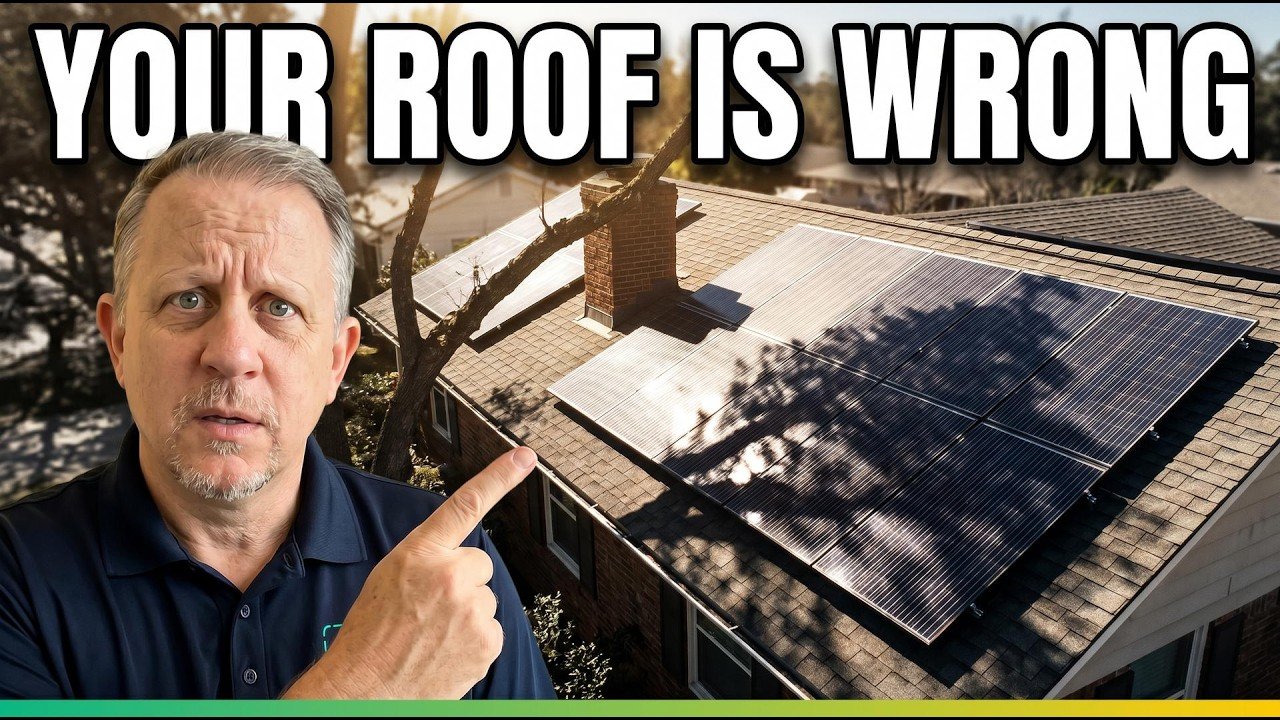
Shading is the silent killer of solar production. One shaded panel in a string inverter system can drop the whole string’s output by 30 to 50 percent. With microinverters, only the shaded panel suffers.
If you have a tree that casts a shadow across part of your roof during peak sun hours (10 AM to 2 PM), you have two choices. Trim the tree, or skip those panels entirely. In our research, trimming is usually the better option if the tree is on your property.
A $200 trim can reclaim several hundred kilowatt-hours per year. If you can’t trim, you’ll need to reduce your panel count by the number of panels that would sit in shade.
Final Take: Your Panel Count Is a Puzzle — Here’s How to Solve It
You now have all the pieces. Measure your roof’s usable area. Subtract setbacks.
Pick a panel size and wattage. Verify your electrical panel capacity. Check the roof’s structural load.
Factor in orientation and shading.
The exact number isn’t a single formula. It’s a decision tree with multiple branches. Run through each check one by one.
If you hit a limit, see the options in the Decision Branch section above. When in doubt, get three quotes from licensed installers. They’ll run the numbers for free, and you’ll know your exact count before you sign anything.
We cover more detail on the different panel types available today in our guide to the various options on the market, and our broader article on the pros and cons of solar power can help you decide if the investment makes sense for your home.

Similar Posts