How to Pay for Solar Panels: Loans, Leases & Cash
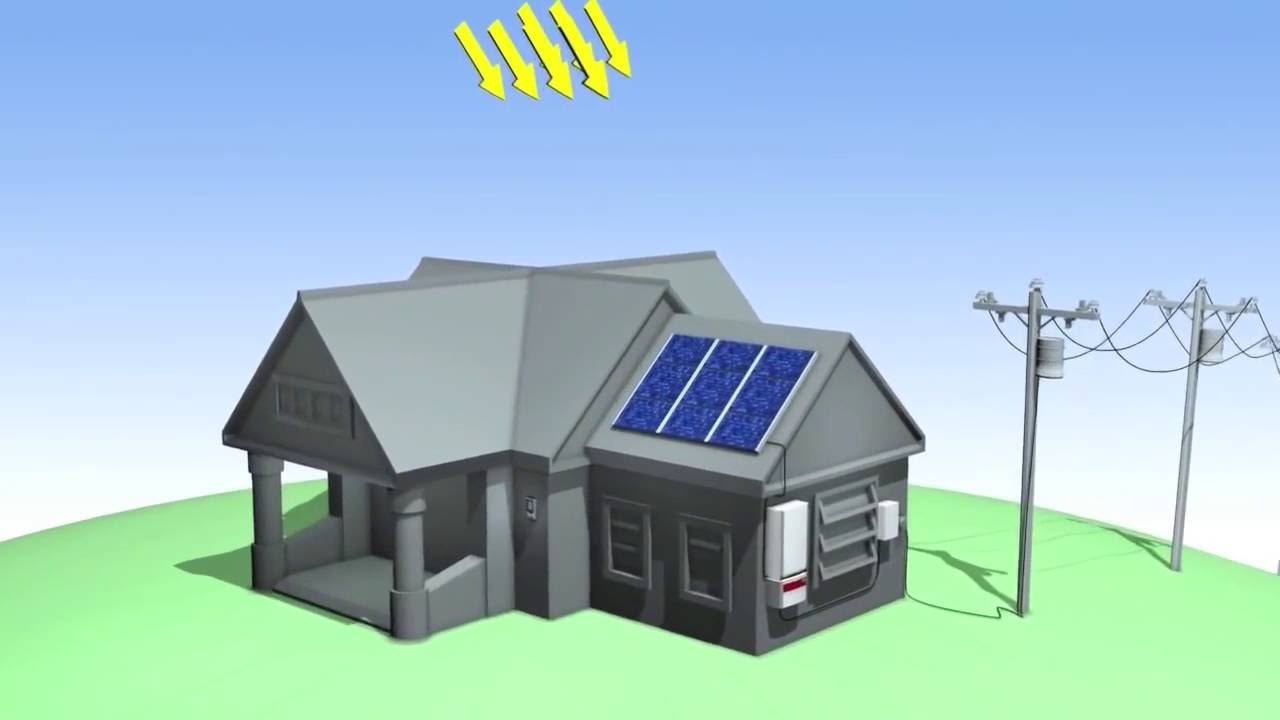
The first thing you need to know about going solar is that the sticker price isn't the real price. How do you pay for solar panels? It's not one answer.
It's five, and the right one depends on your taxes, your credit, and how long you plan to stay in your home.
The average US residential solar system costs about $3 per watt before incentives. That puts a typical 8 kW system around $24,000. The federal tax credit knocks 30% off that figure.
But you only get that credit if you pay taxes. That single fact changes everything about how you should pay.
Quick Answer
You have five ways to pay for solar panels. Cash gives the highest long-term savings. Solar loans spread the cost over 20 to 25 years.
Leases and PPAs require no upfront money. PACE loans tie the cost to your property. The federal tax credit works only if you own the system.
Core Explanation: Ownership vs. Non-Ownership – Everything Changes From Here

Image source: Wikimedia Commons / Downtowntgal (CC BY-SA)
The single most important decision in solar financing is whether you own the system or someone else does. Ownership means you pay cash or take out a loan. Non-ownership means you sign a lease or a Power Purchase Agreement (PPA).
Everything else flows from that choice.
When you own the panels, every kilowatt-hour they produce is free after the system pays itself off. You also get the 30% federal Investment Tax Credit. You can sell your home with a paid-off asset that boosts resale value.
Aggregate reviews from real estate studies show owned solar adds about 4% to a home's sale price.
When you lease or sign a PPA, you don't own anything. A third-party company owns the equipment. You pay them a monthly fee or a per-kilowatt-hour rate.
You do not get the federal tax credit. The company does. Your monthly payment may start low but can increase 1.9% to 2.9% every year through an escalator clause.
The trade-off is simple. Ownership costs more upfront but saves more over time. Leasing costs nothing upfront but locks you into a long-term contract with rising payments.
Which one fits depends entirely on your situation.
Image source: YouTube / MaXolar Energy (YouTube thumbnail (fair-use with source credit))
Step-by-Step: How to Choose the Right Payment Method for Your Situation
Step 1: Check Your Tax Liability
Open your most recent tax return. Look at line 24 on Form 1040. That's your total tax after credits and payments.
The federal solar tax credit is non-refundable. You can only claim it up to the amount you owe in taxes.
If you owe $5,000 in federal taxes and your solar system costs $24,000, your credit is $7,200. But you can only claim $5,000 in year one. The remaining $2,200 rolls over to next year's taxes.
If you owe nothing in taxes, you get nothing back.
This is the most common mistake people make. They finance a system assuming the tax credit will cover their loan payments. Then they file their taxes and discover the credit doesn't reduce their bill.
The loan payment is still due.
Step 2: Look at Your Credit Score and Home Equity
Solar lenders check credit scores the same way mortgage lenders do. A score of 720 or higher gets you the best rates. Scores between 680 and 719 still qualify but at higher APRs.
Below 680 limits your options significantly.
If you have significant home equity, a Home Equity Line of Credit or a home equity loan can be cheaper than a dedicated solar loan. Interest rates on HELOCs are often lower because the loan is secured by your home. The risk is that your home is the collateral.
PACE loans are another secured option. They attach to your property tax bill and get repaid through annual property tax payments. You don't need good credit.
But PACE loans carry higher interest rates and can complicate a home sale.
Step 3: Decide How Long You'll Stay in Your Home
This is the timeline question that most people skip. Solar panels have a payback period of 6 to 12 years for owned systems. Leases and PPAs typically run 20 to 25 years.
If you plan to move in 5 years, buying panels probably doesn't make financial sense. The system won't have paid itself off yet. You'd have to recover the remaining cost through a higher home sale price.
That works in some markets but not all.
If you plan to stay 15 years or more, ownership is almost always better. You capture all the savings after the payback period. Leases lock you into payments that keep climbing.
Your home sale is also cleaner without a third-party contract to transfer.
Step 4: Match Your Situation to the Right Option
Here is a quick decision guide based on the three factors above:
- High tax liability, good credit, staying long term → Cash or solar loan. Full ownership. Claim the full tax credit.
- Low or no tax liability, good credit, staying long term → Solar loan. Use a lender that structures the loan to account for the tax credit.
- Low tax liability, fair credit, staying long term → PACE loan or secured home equity loan. Higher rates but no credit score hurdle.
- Good credit, planning to move within 5 years → Lease or PPA. Zero upfront cost. Transfer the contract to the new homeowner.
- Retired, fixed income, no tax liability → Lease or PPA. You would not benefit from the tax credit. Avoid PACE loans due to interest costs.
The Federal Tax Credit: The Single Biggest Factor in Your Decision
The federal Investment Tax Credit, or ITC, is a dollar-for-dollar reduction of your federal income tax. As of 2026, the ITC sits at 30% of the total installed cost of your solar system. That includes equipment, labor, permits, and sales tax.
Here is what the credit covers and what it does not:
| Covers | Does Not Cover |
|---|---|
| Solar panels | Battery storage (separate credit available) |
| Inverters and wiring | Roof repairs or replacement |
| Mounting equipment | Maintenance costs |
| Labor and installation | Extended warranties |
| Permits and inspection fees | Leased equipment (only owned systems qualify) |
To claim the credit, you file IRS Form 5695 with your annual tax return. You must own the system. It must be placed in service during the tax year.
It must be on your primary or secondary residence.
Image source: YouTube / Jason D. Knott (YouTube thumbnail (fair-use with source credit))
The credit is non-refundable. That means the IRS will not write you a check for more than you owe. If your tax bill is $3,000 and your credit is $7,200, you get back the $3,000 you paid and $4,200 carries forward to next year.
You cannot get cash back beyond what you paid in.
This is why checking your tax liability is step one. If you have zero tax liability, financing a system expecting the credit to cover your loan payments is a mistake. The credit does nothing for you.
The IRS has detailed guidelines on how the credit works. You can review the official rules on the IRS website before you sign any contract.
Cash Purchase: The Best Savings, But Not for Everyone
Paying cash for a solar system is the simplest option. You buy the equipment outright. You own everything from day one.
There are no monthly payments, no interest charges, and no lender involved.
The savings are substantial. A typical 8 kW system costing $24,000 before the tax credit drops to $16,800 after the credit. That system will generate about 10,000 kWh per year depending on your location.
At the national average electricity rate of 16 cents per kWh, that is $1,600 in annual savings. The system pays for itself in roughly 10.5 years.
After the payback period, every kilowatt-hour is free for the remaining 15 to 20 years of the system's life. Total savings over 25 years can reach $25,000 to $40,000 depending on local electricity rates and how often they rise.
Cash is best for people who have the money sitting in savings or a low-yield account. The return on investment from solar often beats what that cash would earn in a savings account or CD. You are essentially buying a 25-year hedge against rising utility rates.
Cash has downsides. It ties up a large sum of money that could be used elsewhere. If you have high-interest debt, paying that off first probably makes more financial sense.
The opportunity cost of using $24,000 for solar instead of investing it matters.
Cash also means you absorb all the risk. If the system underperforms or the installer goes out of business, there is no lender or lease company to lean on. That is why choosing an experienced, licensed installer matters even more with a cash purchase.
If you have the cash and plan to stay put, this is the financially optimal path. The math is straightforward. No complexity, no dealer fees, no escalator clauses.
Just upfront cost and long-term savings.
Image source: YouTube / Home Energy Independence (YouTube thumbnail (fair-use with source credit))
Image source: YouTube / Rob Freeman | Insuring The Built Environment (YouTube thumbnail (fair-use with source credit))

Similar Posts