Do You Really Need an Inverter for Solar Panels?
Do you need an inverter for solar panels? That is the first real question almost everyone hits when they start planning a solar setup. The answer is straightforward for most people, but there are legitimate exceptions.
And getting it wrong either costs you extra money or leaves you with a system that simply won't work with your appliances.
In our research, the core split comes down to one thing: AC loads versus DC loads. Your home's outlets, lights, and virtually every major appliance run on alternating current (AC) at 120V or 240V, depending on where you live. Solar panels output direct current (DC).
An inverter is the device that bridges that gap. Manufacturer specifications from the leading inverter brands confirm that modern residential inverters run at 96% to 99% efficiency, meaning very little power is lost in the conversion. But here is the part most guides skip: if every appliance you plan to run is DC-native, you might not need an inverter at all.
Let's walk through your situation step by step to figure out which camp you fall into.
Image source: YouTube / Unbound Solar (YouTube thumbnail (fair-use with source credit))
Quick Answer
Most homes need an inverter. Solar panels produce DC power. Your house runs on AC power.
The inverter converts DC to AC. A DC-only system can skip it.
If you are planning a standard grid-tied home solar installation, you need an inverter without question. If you are off-grid in a cabin, van, or boat and every device you use runs on 12V, 24V, or 48V DC, you can skip the inverter entirely. The decision tree below walks you through every scenario so you land on the right answer for your exact situation.
The Simple Rule: AC Loads vs. DC Loads
Let's get the fundamental concept crystal clear early, because everything else in this article builds on it.
Solar panels generate direct current (DC) electricity. The electrons flow in one direction, like a battery. The power coming out of your wall outlets is alternating current (AC).
The electrons reverse direction 60 times per second (in North America) or 50 times per second (in most of the rest of the world). Your television, refrigerator, microwave, laptop charger, and basically every appliance you plug into a wall outlet expects AC power.
An inverter is the device that makes that conversion happen. It takes the steady DC flow from your solar panels (or battery bank) and flips it back and forth electronically to create a clean AC waveform that your appliances can use safely.
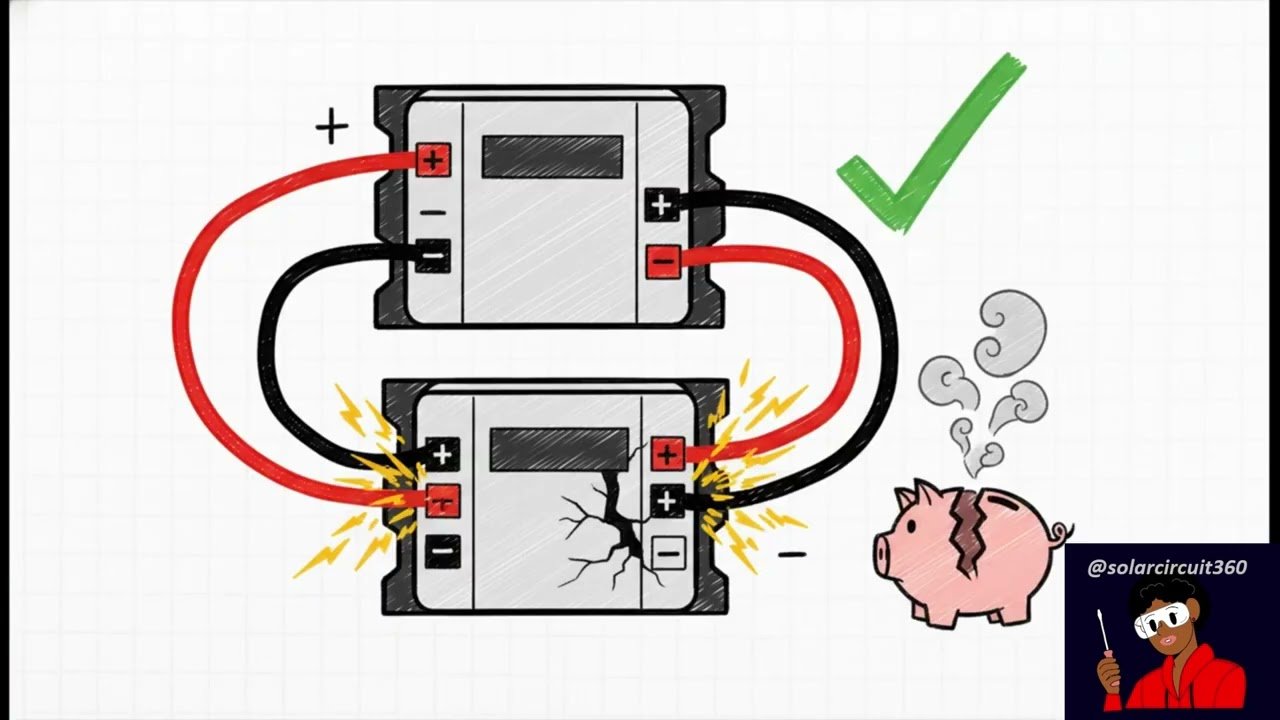
The diagram above shows how the DC from your solar panels flows into the inverter and emerges as household AC that feeds your breaker panel. This basic setup covers most residential solar systems. The exception comes when you step away from standard household appliances and into the world of dedicated DC equipment.
When You Actually Can Skip the Inverter
DC appliances exist and work well in specific contexts. RV fridges, LED cabin lighting, certain water pumps, and small ventilation fans all come in DC models. If you are building an off-grid setup where every single device runs on DC, you can wire the solar panels through a charge controller directly to a battery bank and then to your DC loads.
No inverter required.
But here is the catch: you cannot plug a standard household appliance into a DC circuit. If you ever want to use a blender, a power tool, or a laptop charger in that off-grid space, you need an inverter. That is why the question "do you need an inverter for solar panels" almost always comes back to what you actually plan to plug in.
For a deeper look at the underlying technology that makes this all work, the different panel technologies and how they produce current is worth understanding before you choose your inverter.
Step 1: What Type of Solar System Do You Have?
This is the single biggest factor in whether you need an inverter. Let's run through the three main system types and what they require.
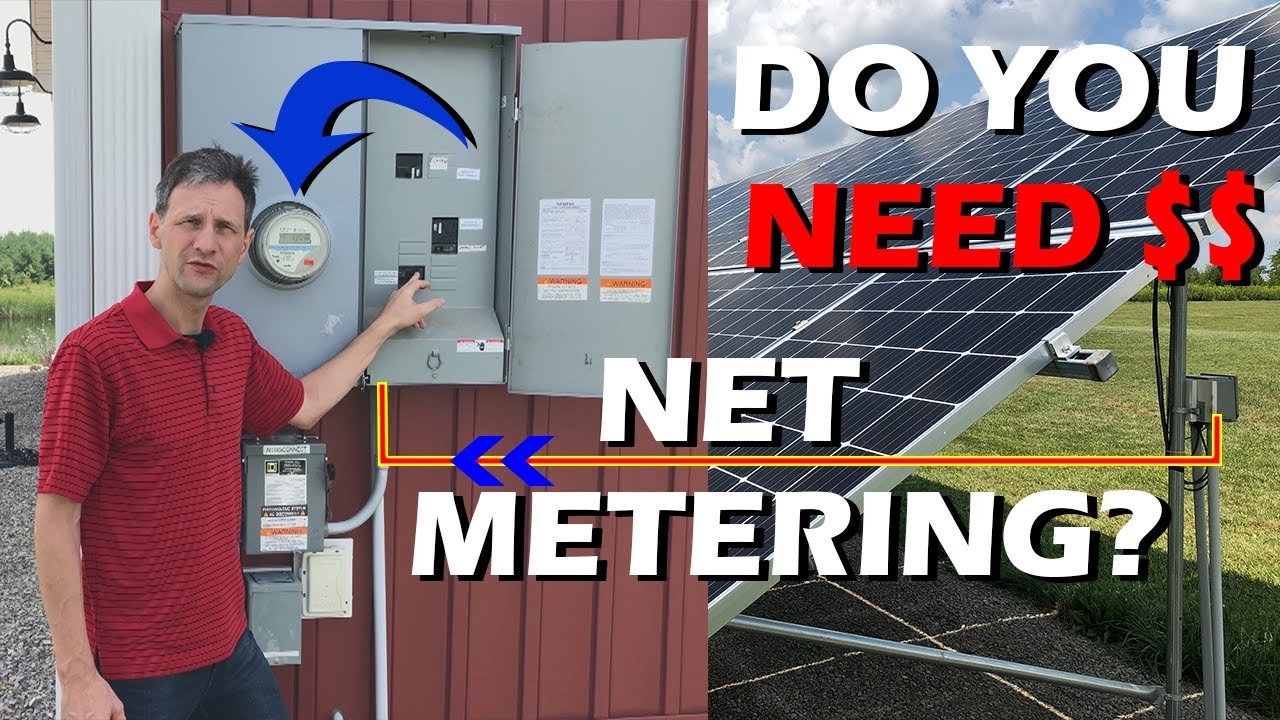
Grid-Tied Home System (Most Common)
If your solar panels connect to the utility grid and you plan to use net metering, you absolutely need an inverter. The grid itself runs on AC. The solar panels produce DC.
There is no way to push DC power into the grid or use it directly in your home's electrical system without converting it first.
For grid-tied systems, you also need specific safety features in your inverter. UL 1741 certification is the standard in the United States. The inverter must automatically shut down if the grid goes down.
This prevents your solar panels from energizing power lines and endangering utility workers during an outage. A grid-tied inverter that is not UL 1741 certified cannot legally be connected to the grid in most jurisdictions. Deciding if solar is right for you before you commit includes understanding the regulations in your area.
If you are grid-tied and want battery backup for outages, you need a hybrid inverter that can island your home from the grid while still powering your loads. That is a more complex setup, but the inverter requirement remains the same.
Off-Grid Cabin or Home
If you are completely disconnected from the utility grid, the rules change. You have total freedom to choose whether you use an inverter or stick entirely with DC power.
Most off-grid homeowners still want standard AC appliances because they are cheaper, easier to find, and more powerful than DC alternatives. If that sounds like you, an off-grid inverter is necessary. You feed DC from your solar panels into a charge controller, which charges a battery bank.
The inverter then draws DC from the battery and converts it to AC for your home.
But if you are building a minimal off-grid space with only DC lights, a DC fridge, and a DC water pump, you can skip the inverter. This saves upfront cost and avoids the small efficiency loss that every inverter introduces.
RV, Van, or Boat (Mobile Systems)
Mobile solar setups are their own beast. Almost every RV, van, or boat has at least a few AC appliances, which means an inverter is usually needed. But the size and type of inverter depend heavily on your power budget.
Small systems running a phone charger, laptop, and LED lights can get by with a 300W to 600W inverter. Systems that need to run a microwave, coffee maker, or air conditioner need a 2000W to 3000W inverter. The key difference in mobile systems is that you typically run everything through a battery bank first, with solar panels charging the batteries via a charge controller and the inverter pulling from the batteries as needed.
Step 2: Your Inverter Options (Based on Your Situation)
Once you know whether you need an inverter, the next question is which type. The wrong choice here can cost you hundreds or even thousands of dollars down the road.
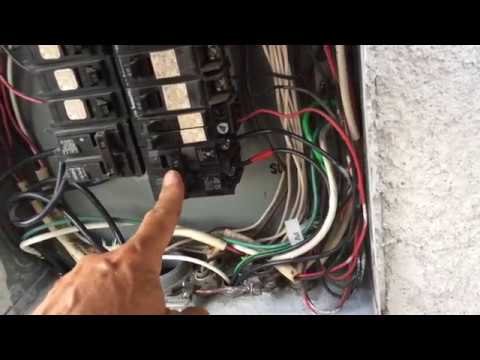
For Grid-Tied: String Inverters vs. Microinverters
If you are connecting to the grid, you have two mainstream inverter options plus one increasingly popular hybrid path.
| Feature | String Inverter | Microinverter |
|---|---|---|
| Panel placement | One inverter for entire array | One inverter per panel |
| Shading performance | Entire string drops to lowest panel | Each panel independent |
| Monitoring | System-level only | Per-panel in app |
| Lifespan | 10 to 15 years, then replace | 25 years, matches panel lifespan |
| Upfront cost | Lower, around $0.10 to $0.20 per watt | Higher, around $0.25 to $0.40 per watt |
| Single point of failure | Yes, whole system goes down | No, only one panel affected |
String inverters are the traditional choice. They are cheaper upfront and work great if your roof gets full sun with no shading. The downside is that if one panel in the string is shaded, the performance of the whole string drops.
And when the inverter fails after 10 to 15 years, your entire system is offline until it is replaced.
Microinverters cost more upfront but offer per-panel performance. A shaded or dirty panel does not affect the rest of the array. You can monitor each panel individually through an app.
And they typically last 25 years meaning you will not have to replace them during the life of your solar panels. The main components of a solar panel system include the inverter choice as a critical piece.
Power optimizers fall between the two. They attach to each panel like microinverters but still send DC power to a central string inverter. They give you per-panel performance with a lower cost than full microinverters.
For Off-Grid: Pure Sine Wave vs. Modified Sine Wave
If you are off-grid and need an inverter, the waveform matters more than you might think.
Pure sine wave inverters produce clean power that is indistinguishable from grid electricity. Every appliance works correctly. Sensitive electronics like medical devices, variable speed tools, and modern refrigerators with electronic controls require pure sine wave power to operate safely.
A good quality pure sine wave inverter costs more but is the right choice for almost any off-grid home.
Modified sine wave inverters are cheaper but produce a stepped waveform that is less clean. They work fine for resistive loads like incandescent lights, space heaters, and basic power tools. But they can cause buzzing, overheating, or failure in sensitive electronics.
If you are building an off-grid system with simple loads, modified sine wave might save you money. But in our research, the savings is rarely worth the headaches.
For RVs and Mobile: All-in-One Units
Combination units that integrate a charge controller and inverter in a single box have become very popular for mobile setups. They simplify wiring and save space. Brands like Renogy, Victron Energy, and others offer all-in-one solar power centers that handle panel input, battery charging, and AC output in one package.
The tradeoff is flexibility. If one component fails, the whole unit needs replacement. Separate components let you upgrade or replace individual pieces.
For a van or RV where space is at a premium, the all-in-one approach usually wins.
The Hybrid Option (Battery-Ready Inverters)
If you are grid-tied now but plan to add batteries later, buy a hybrid inverter from the start. Hybrid inverters can feed power to the grid, draw from the grid, charge batteries, and run your home from batteries during an outage. They cost more upfront but save you the cost of replacing your inverter when you add batteries.
Manufacturer specifications confirm that most hybrid inverters handle AC and DC coupling, meaning you can add batteries in either configuration. AC coupling connects batteries through a separate battery inverter that ties into your existing AC system. DC coupling connects batteries through the same charge controller as your panels.
Both work. DC coupling is generally more efficient. AC coupling is easier to retrofit.
The DC-Only Alternative (When You Don't Need an Inverter)
Let's talk about the exception in more detail because it is the most common source of confusion. People hear "solar panels produce DC power" and assume they can just wire panels directly to a DC appliance. That works in narrow cases but has real limitations.
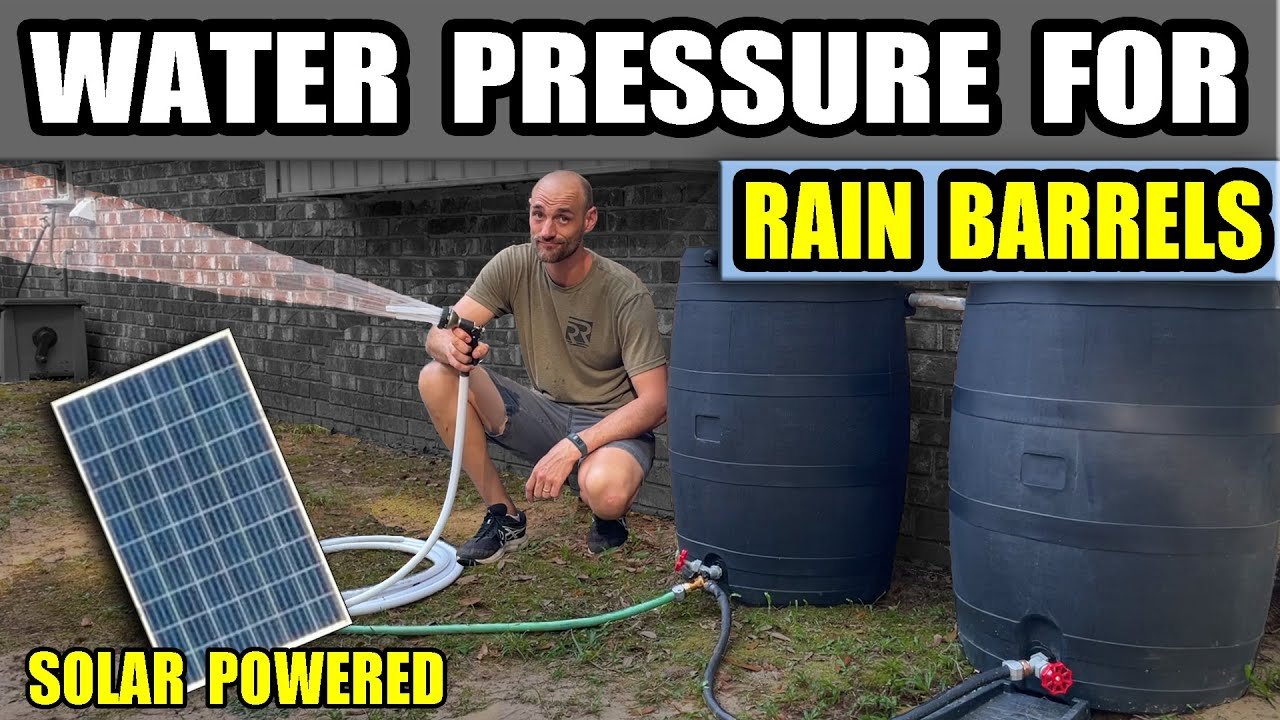
The photo above shows a solar DC water pump in action. These pumps are designed to run directly on DC power from solar panels, often without batteries or inverters. When the sun shines, the pump runs.
When clouds pass, it slows down. When the sun sets, it stops. For irrigation in remote fields or livestock watering, this is a perfectly valid setup.
Other DC appliances that work without an inverter include:
- DC LED lighting (12V or 24V)
- DC refrigerators (common in RVs and off-grid cabins)
- DC ceiling fans
- DC ventilation fans
- Small DC water pumps
- DC phone and laptop chargers
The limitation is availability and cost. DC appliances are a smaller market than AC appliances, so they often cost more for the same capability. A 12V DC fridge big enough for a family of four can cost twice as much as a comparable AC fridge.
You also need heavier wiring for DC circuits because DC voltage is lower and current is higher for the same power output. If you are building a new off-grid structure from scratch, planning a DC-only system can work. But retrofitting a standard home to run entirely on DC is impractical.
Most people end up with a hybrid approach. DC for lights and the fridge (because they run 24/7 and avoiding inverter standby losses saves power), and an inverter for everything else. That hybrid setup is where you get the best return for your investment.
For a complete explanation of how panels generate this electricity in the first place, understanding panel physics helps when planning your DC or AC layout.
Common Inverter Mistakes That Cost You Money
Even experienced solar shoppers make errors at the inverter selection stage. These mistakes add hundreds to the total cost or force a premature replacement.
Mixing Up Grid-Tied and Off-Grid Units
A grid-tied inverter will not work in an off-grid system. An off-grid inverter will not pass utility inspection for a grid-tied system. The internal electronics are fundamentally different.
Grid-tied units sync with the utility frequency and voltage. Off-grid units create their own frequency. Installing the wrong type means buying a second inverter and paying for extra labor.
Undersizing Your Inverter
Your inverter should handle the maximum load you plan to run simultaneously. If you want to run a 1500W microwave and a 500W refrigerator at the same time, you need at least a 2000W inverter. A common rule is to add 20% headroom above your calculated peak load.
A 2400W or 2500W inverter gives you that margin.
Oversizing is less risky but wastes money. A 6000W inverter for a system that never pulls more than 2000W is unnecessary expense.
Ignoring Battery Chemistry with Hybrid Inverters
Hybrid inverters are not universal. Some work only with lead-acid batteries. Some work only with lithium.
Others support both. Check the manufacturer's compatibility list before buying. Mismatched chemistry can damage the battery, the inverter, or both.
Our research shows that lithium iron phosphate (LFP) batteries are the most common choice as of 2026 for new hybrid setups.
What You'll Pay (A Quick Price Guide by Inverter Type)
Inverter pricing varies widely by type, brand, and capacity. Here is a rough guide based on verified market data.
| Inverter Type | Typical Cost (Equipment Only) | Lifespan |
|---|---|---|
| String inverter (3kW to 10kW) | $800 to $2,500 | 10 to 15 years |
| Microinverters (per panel) | $100 to $200 per unit | 25 years |
| Power optimizers (per panel) | $50 to $80 per unit | 25 years |
| Hybrid inverter (battery-ready) | $1,500 to $4,000 | 10 to 15 years |
| Off-grid pure sine wave (3kW) | $800 to $1,500 | 8 to 12 years |
These are equipment costs only. Installation adds $200 to $800 depending on complexity and local labor rates. Your specific situation and the various panel technologies you choose will shift the final number.
Safety, Permits & Compliance
Skipping safety requirements is the quickest way to get a system red-tagged or cause a fire.
UL 1741 and IEEE 1547
In the United States, any grid-tied inverter must carry UL 1741 certification. This standard ensures the inverter automatically disconnects from the grid during an outage. IEEE 1547 covers interconnection requirements for distributed generation.
Both are non-negotiable for legal grid connection.
NEC Rapid Shutdown Requirements
The National Electrical Code (NEC) requires rapid shutdown for rooftop solar arrays. As of the 2017 and 2020 code cycles, the array must be de-energized within 30 seconds of a shutdown signal. Your inverter choice affects how this is implemented.
Microinverters and power optimizers satisfy rapid shutdown at the panel level. String inverters require additional rapid shutdown devices on the roof.
Local Permits and Utility Approval
Most jurisdictions require a building permit for solar installation. Your utility also needs to approve the interconnection before the system can go live. Do not skip this step.
Operating an unpermitted grid-tied system can result in fines and forced removal. Your local building department and utility website provide the specific requirements.
The Decision Guide: Do You Need an Inverter? (Find Your Scenario)
Here is the practical decision tree. Find your situation and follow the logic.
Scenario 1: You are connecting to the grid.
You need an inverter. Yes, every time. Choose a string inverter for a simple, unshaded roof.
Choose microinverters or optimizers if shade is present or you want per-panel monitoring.
Scenario 2: You are off-grid and want standard AC appliances.
You need an off-grid inverter. Pair it with a battery bank and a charge controller. Pure sine wave is the safe bet for modern appliances.
Scenario 3: You are off-grid with only DC loads.
You do not need an inverter. Use a charge controller between your panels and batteries. Wire DC appliances directly to the battery bank.
Scenario 4: You are in an RV, van, or boat.
You probably need a small to medium inverter. Size it for your largest single load. An all-in-one unit simplifies installation in tight spaces.
Scenario 5: You are grid-tied now but plan to add batteries later.
Buy a hybrid inverter at the start. It costs more upfront but saves you the cost of replacing a string inverter later.
Frequently Asked Questions
Can I run a refrigerator directly from solar panels without a battery or inverter?
No. Most refrigerators require stable AC power. Solar panels produce variable DC voltage.
Without a battery to stabilize the voltage and an inverter to convert to AC, the fridge will not run reliably. You need both components for standard AC appliances.
What happens if my inverter fails?
Your solar system stops producing usable AC power. With a string inverter, the entire array goes offline until the unit is replaced. With microinverters, only the panel connected to the failed unit stops.
You can still generate power from the rest of the array.
Do microinverters need a central inverter?
No. Each microinverter works independently. There is no central unit.
AC power from all microinverters combines in your breaker panel. This is why microinverters eliminate the single point of failure found in string inverter systems.
What size inverter do I need for a 5kW solar panel system?
The inverter should match or slightly undersize the panel output. A 5kW string inverter works well for a 5kW panel array. Many installers use a 1.2 to 1.3 DC-to-AC ratio.
That means 5kW of panels on a 4kW to 4.2kW inverter. This saves money and accounts for panel degradation over time.
Can I install an inverter myself?
Yes, if you understand electrical code and have the proper permits. Most homeowners hire a licensed electrician for grid-tied systems. Off-grid and mobile systems are more DIY-friendly.
Always check local regulations before starting.

Similar Posts